
Reviewed · THIRD REICH & WWII TOURS
Nuremberg: Historischer Kunstbunker WWII Art Bunker Tour
The most interesting thing about the Historischer Kunstbunker in Nuremberg is how it turns WWII history into something very physical and specific, art first, air raids second, and a city’s rebuilding after that. I like that the story centers on real artworks such as the Altarpiece of Veit Stoss and the Codex Manesse, not vague big-picture war talk. I also like that you follow a local guide through the tunnel network, so you understand where things were stored and why.
What you will probably feel, quickly, is that this place is not meant for comfort. You will get a clear sense of how the space was reused over time, from storage like beer in medieval days to a bomb shelter for priceless works. One drawback to plan for: it is a tight, cold underground hour, and the experience is not suitable for claustrophobia or wheelchair users.
Key highlights you should not miss
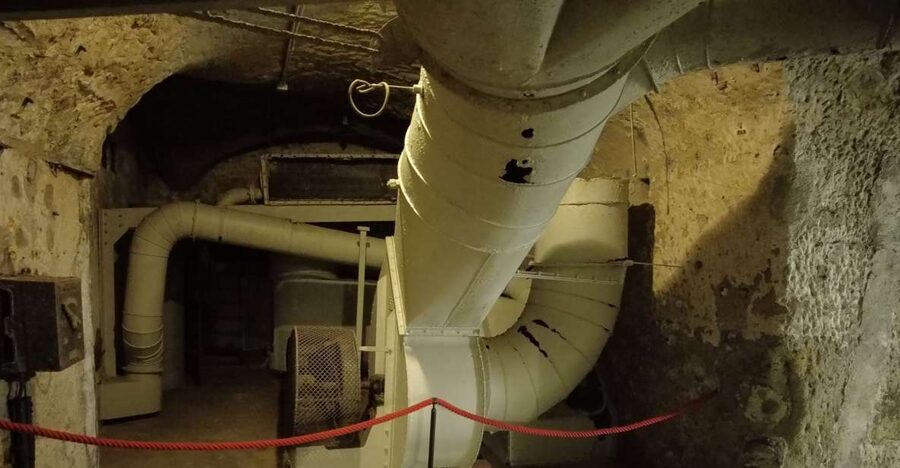
- WWII art rescue stories centered on works saved during bombing raids
- Real Nuremberg context including how the medieval Old Town suffered heavy damage and was rebuilt
- Nazis and preservation told through how the bunker was used to protect works of art
- A tour you can follow through tunnels with a local guide, with clear guidance
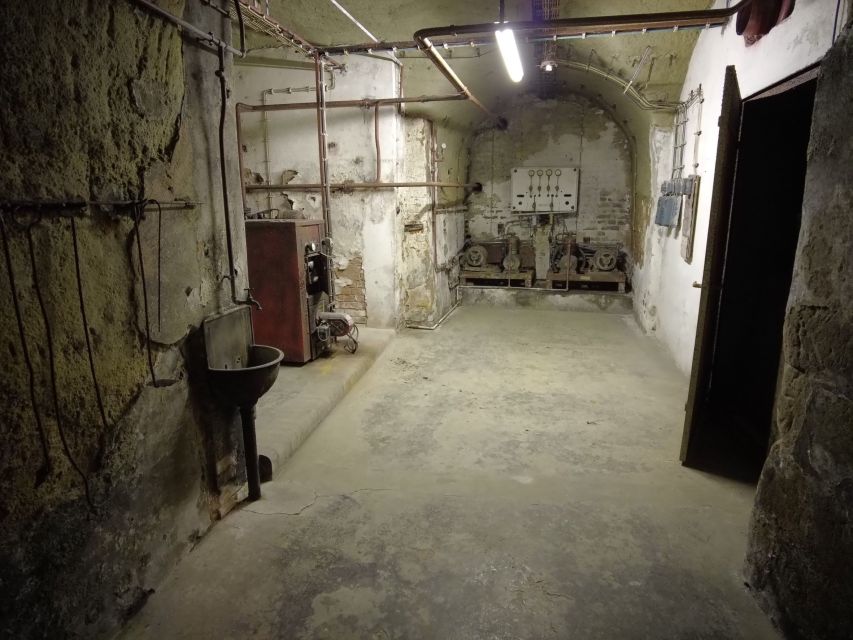
- Cold, underground practicality so you dress for a cellar temperature, rain or shine
Why this Art Bunker Tour in Nuremberg hits different
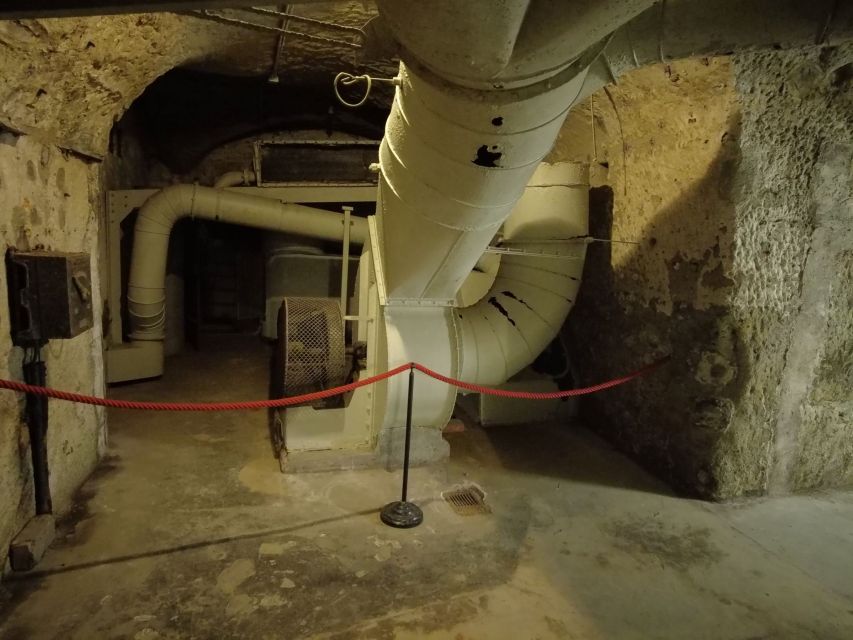
This tour works because it makes you look at history through objects people cared about. In most WWII tours, the focus is on dates, strategy, and aftermath. Here, you move through a space that was literally built and repurposed to protect priceless art when bombing turned the city into rubble.
I especially like that the tour names famous works and ties them to the air-raid reality. When you hear about the Altarpiece of Veit Stoss, the automaton clock from the Frauenkirche, and the Codex Manesse, it stops being abstract. You start to picture the logistics of saving fragile things in a world where everything else was burning and breaking.
There is also a second layer that makes it more thought-provoking than a standard history walkthrough. The bunker was used by the Nazis to preserve art, which means you get a complicated story rather than a simple good-versus-bad timeline. You are not just learning what happened, you are learning how preservation can be used inside an ugly system.
More Third Reich history tours:
- Nuremberg: Walking Tour of Former Nazi Party Rally Grounds
★ 4.7 · 1,665 reviews - Nuremberg Old Town and Nazi Party Rally Grounds Walking Tour in English
★ 4.5 · 504 reviews - Nuremberg Old Town and Nazi Rally Grounds Walking Tour
★ 4.7 · 377 reviews
Price and timing: is 1 hour really worth $14?
At $14 per person with the museum entry fee and a guide included, this is one of those Nuremberg experiences that fits both a tight schedule and a modest budget. The key is the duration: 1 hour. That matters because you can do it and still keep time for the Old Town streets afterward, rather than losing half a day.
The tour also runs rain or shine, which is practical in Bavaria. If the weather is bad, you do not have to gamble on whether you can see the right sights. You just show up and go underground.
One small planning tip based on how people describe the tour experience: dress for the cellar. Even if it is mild or chilly outside, the tunnels and bunker spaces stay cool. Plan for warm layers, and if you tend to get cold easily, bring something thicker.
Meeting at the Historischer Kunstbunker entrance: your first clue that this is not a typical museum
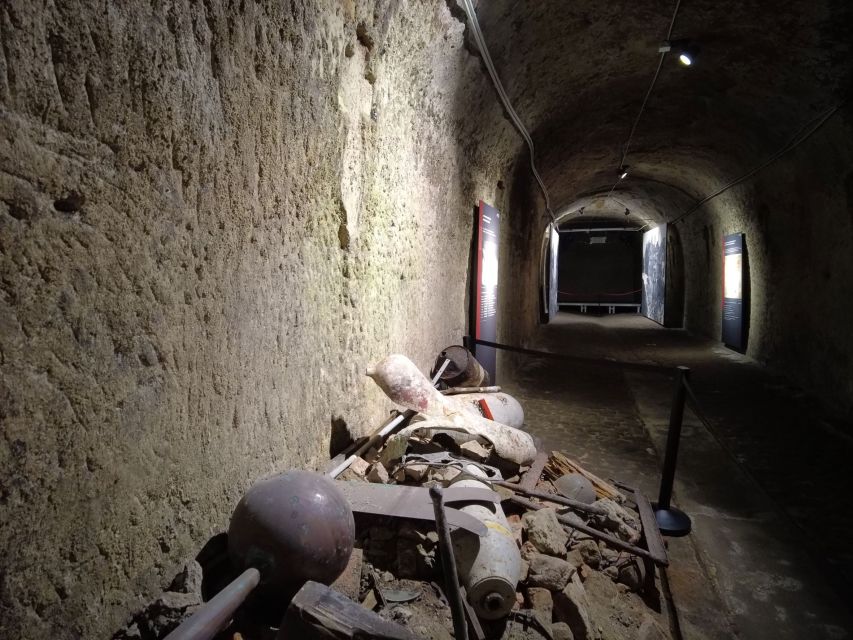
Your tour begins at the entrance to the Historischer Kunstbunker Museum. That entrance matters because it sets the tone. You are not entering a bright gallery. You are entering a place that feels like storage, tunnels, and protection.
From the start, you get the big time jumps that make the story easier to follow:
- the bunker and cellar reuse over centuries
- the medieval period when the cellar was also used to store beer
- WWII, when the same space became part of the effort to protect artworks during bombing
This is where I like the format. A lot of museum tours throw you into details immediately. Here, the guide gets you oriented first, then you start moving into the wartime logic of the bunker.
From beer storage to bomb shelter: the building’s story explains the WWII story
One of the clever parts of this tour is that it treats the building as the main character. Before WWII, this space had uses tied to daily life and storage. The fact that it was used for beer in medieval times gives you a strong contrast.
Then WWII shifts everything. The bunker becomes a kind of rescue operation, with artworks packed and protected because the raids could destroy both buildings and contents. When you hear that 90 percent of the medieval Old Town was destroyed in the bombing, it makes the effort feel urgent rather than ceremonial.
You also get a clearer sense of what survival required. It was not enough to own art. Someone had to decide to move it, pack it, and store it where it had the best chance. Even without technical details being listed in every stop, the tour communicates the practical reality: art preservation depended on a working system and on time.
Weigh these Nuremberg picks against each other
- Nuremberg: City Tour with the Bimmelbahn Train
★ 4.4 · 2,475 reviews - Nuremberg: Old Town Guided Walking Tour
★ 4.6 · 2,416 reviews - Nuremberg: Tunnels and Secret Passages in the City Wall Tour
★ 4.8 · 2,334 reviews - Nuremberg: Medieval Dungeons Guided Tour
★ 4.8 · 2,214 reviews
The artworks you learn about, and why they matter for the tour
The tour is not random. It points you toward specific masterpieces and landmark cultural objects that represent why this mattered.
Here are the major works the tour highlights:
- the Altarpiece of Veit Stoss, a standout example of German art history
- the automaton clock from the Frauenkirche, connecting the bunker story to a specific city landmark
- the Codex Manesse, a major manuscript that represents cultural and artistic heritage
Why this is valuable for you is simple. Famous objects are easier to remember, and they make the consequences sharper. When a city is hit hard, it is not just walls that disappear. It is the cultural memory of a place. When you are standing in a space built for protection, the stakes feel immediate.
The tunnel network walkthrough: what the hour feels like on your body
This is an underground tour, so your body has a role in the experience. It is not just about reading or looking, you are walking through tunnels and following the guide so the route makes sense.
The temperature is the first practical issue. Expect around 10 to 12°C inside. That means warm clothing is not optional. If you forget, the tour can feel long even though it is only an hour.
The second issue is space. Some tours can feel roomy, but underground routes can get crowded quickly. If the group is around twenty people, you may feel squeezed while moving and stopping for explanations. That is not a reason to skip, it is just a reason to manage expectations.
The third issue is personal comfort. This tour is not suitable for people with mobility impairments, and it is not suitable for claustrophobia or wheelchair users. If you know you struggle in enclosed spaces, do not force it. You will not enjoy the story if you spend the hour focused on discomfort.
Nazi use of the bunker: balancing art survival with hard context
The tour includes a difficult part of the story: the Nazis used the space to preserve artworks. For some people, that is uncomfortable. For others, it is precisely why the tour feels honest.
I think that is the real value here. The bunker is not presented only as a heroic shelter. It is presented as a tool used by a regime. That means you are not just learning how art was saved, you are also learning how preservation efforts can be tangled up in power.
If you want a tour that keeps emotional distance, this may not be the one. If you want a tour that explains context without sugarcoating, this one delivers. Expect the guide to connect the space to the WWII story, and to connect the WWII story to what happened to Nuremberg afterward and how it was rebuilt.
Nuremberg’s destruction and rebuilding: how the tour ties the city back together
A good WWII tour does not stop at the moment of bombing. This one also gives you the follow-through. You learn that Nuremberg was reduced to rubble, and then rebuilt after the war.
That thread matters because it turns the bunker into part of a longer narrative:
- destruction
- loss and survival
- recovery and rebuilding
- the role of culture in how a city comes back
If you plan your day well, you can take the knowledge from underground and walk it into the streets above. It is a good way to see the city as living, not frozen at 1945.
Who should book this WWII Art Bunker Tour
Book this tour if you:
- like WWII history but want a fresh angle through art and preservation
- enjoy guided explanations that help you follow a physical space, not just a lecture
- want an hour that is focused and easy to fit into an Old Town itinerary
- are comfortable in cold underground spaces and can handle a tighter route
Skip it if you:
- have claustrophobia
- need accessibility support for mobility impairments or wheelchair access
- expect a warm, easy walking experience with lots of elbow room
After the bunker: plan a comfortable next step in Old Town
This tour ends with you back outside, and that is where the timing shines. Because the bunker story is heavy, you do not want to rush into another major museum right away.
Instead, plan something lighter: a slow walk through the Old Town streets, or simply a place to sit and warm up. The tour itself does not include food or drinks, so think ahead. Even a quick hot drink nearby can help you reset after the cold tunnels.
Should you book this Historischer Kunstbunker WWII art bunker tour?
I think it is a yes for most people who come to Nuremberg expecting more than surface-level WWII history. The price is modest, the time commitment is short, and the story is anchored by specific artworks you will remember.
The decision hinges on two practical points. First, can you handle cold underground conditions around 10 to 12°C? If yes, you are set. Second, are enclosed spaces okay for you? If claustrophobia is a concern, do not gamble.
If you meet those two conditions, this is a strong value way to understand how a city that was nearly flattened still fought to protect cultural treasures, even as the same space was used under Nazi control.
FAQ
How long is the Nuremberg Historischer Kunstbunker WWII Art Bunker Tour?
The tour lasts 1 hour.
How much does the tour cost?
It costs $14 per person.
What is included in the price?
The price includes the Historischer Kunstbunker Museum entry fee and a guide.
Is transportation or food included?
No. Transportation and food and drinks are not included.
What languages are the tours offered in?
The live tour guide is available in English and German.
Is the tour suitable for people with claustrophobia or mobility limitations?
No. It is not suitable for people with mobility impairments, people with claustrophobia, and wheelchair users.
Fresh reviews out of Nuremberg
- Tour to Rothenburg ob der Tauber from Nuremberg in Spanish★ 5.0 · 51 reviews
- Nuremberg: World War II Tour with Hotel Pickup★ 4.4 · 51 reviews
- Nürnberg: Mörder, Fälscher, Messerstecher★ 4.8 · 53 reviews
- Nuremberg Ghosts and Gallows Evening Walking Tour in English★ 5.0 · 56 reviews
- Nuremberg’s Mystery Morning: Breakfast & Escape Game★ 4.4 · 57 reviews
- Nuremberg: Private Walking Tour with a Local★ 3.8 · 77 reviews
- Nuremberg World War II★ 4.5 · 89 reviews
- Nuremberg Private Walking Tour: Old Town and Nazi Rally Grounds★ 5.0 · 92 reviews
Third Reich & WWII Tours, compared.

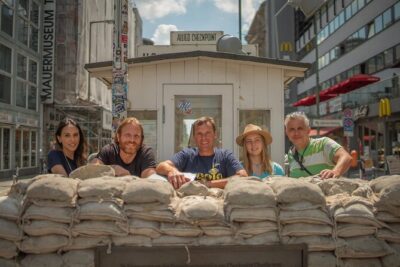
Berlin’s Best: 2 Hour Walking Tour Third Reich and the Cold War
Read our review →
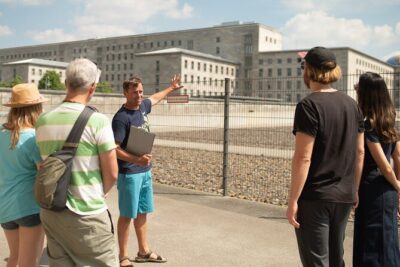
Third Reich Berlin: Hitler and WWII Walking Tour
Read our review →
Walking Tour of Former Nazi Party Rally Grounds
Read our review →
Berlin Third Reich Sites: Half-Day Walking Tour
Read our review →Browse the lists this tour appears in