
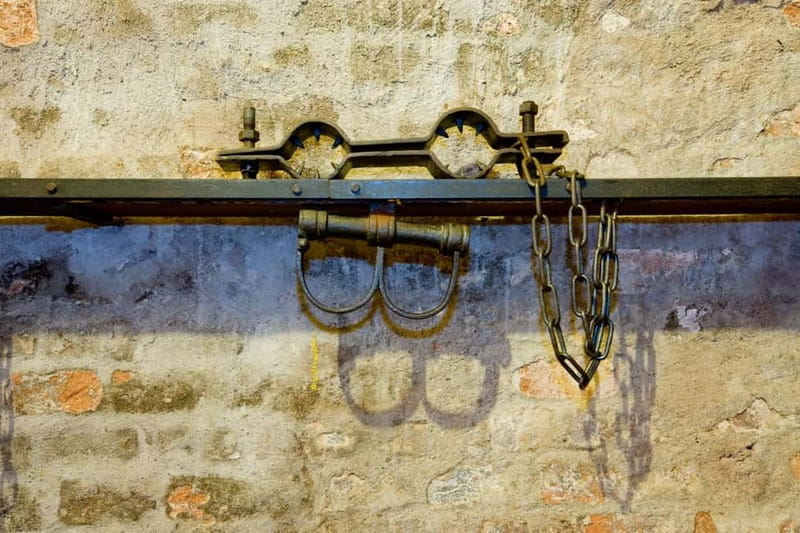
Reviewed · NUREMBERG TOURS
Nuremberg: Medieval Dungeons Guided Tour
This experience is interesting because you walk into the vaulted cellars of Nuremberg’s Old City Hall and follow how medieval justice worked when guilt was suspected and confession was the goal. It is not about spooky costumes. It is about rooms that were built for detention and interrogation, and a guide who explains what those spaces meant.
I love two things right away. First, the tour shows you mostly original furnishings in small cells, so the details help the story land. Second, the pacing is tight and you get to see the frightening torture chamber without wasting time. One drawback to consider is that you will hear reports of torture, and the site is not suitable for people with claustrophobia, mobility impairments, or children under 10.
Key things I think you will love
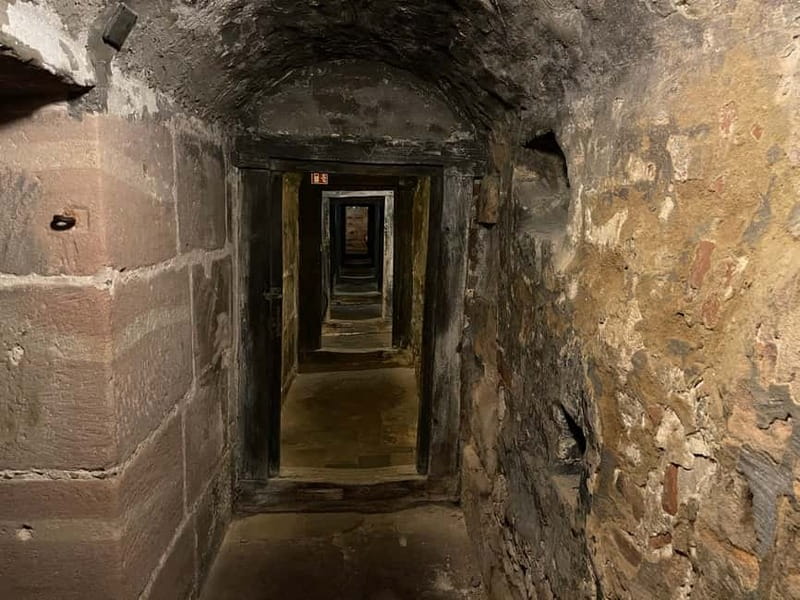
- Vaulted cellars under the Altes Rathaus make the medieval setting feel immediate
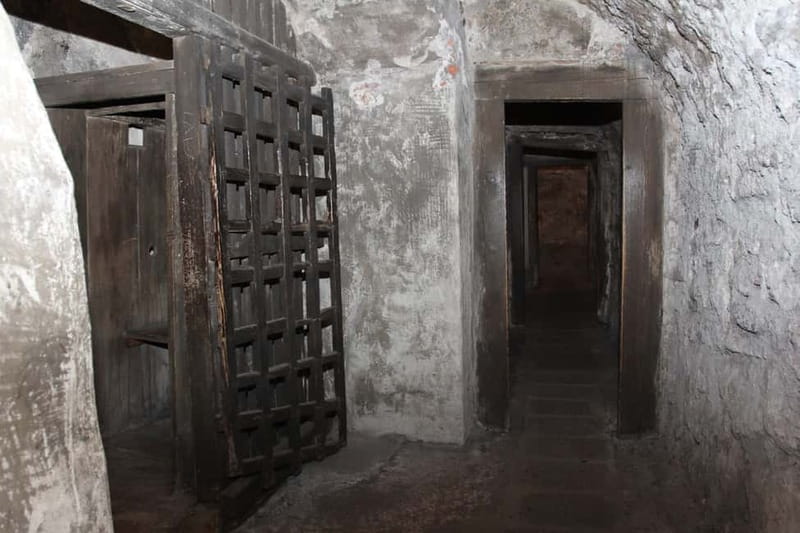
- Twelve small cells give you a clear sense of what remand meant before judgment
- Mostly original furnishings help you picture daily confinement, not just the big headlines
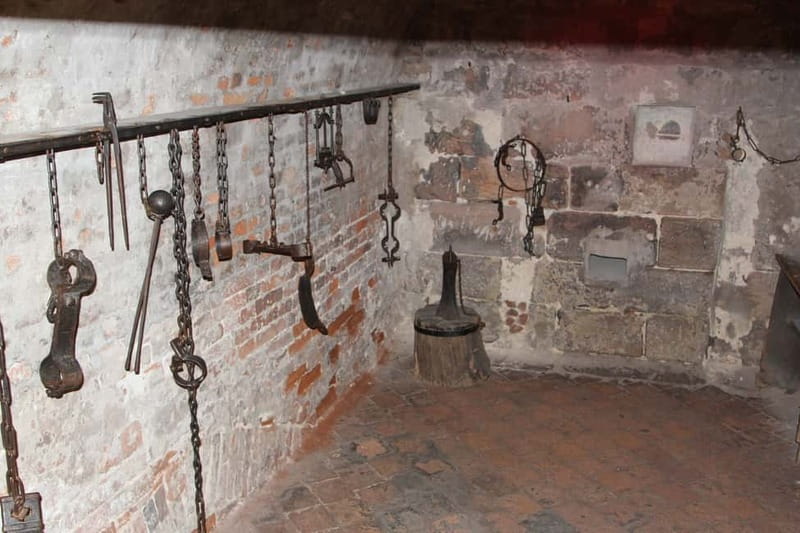
- A real torture chamber visit adds uncomfortable context to how punishment was carried out
- Guides with humor and timing (think Andreas, Ralf, Gunter, Wolfgang, and Johann) keep the tour lively
- A short 45-minute format makes it easy to fit into a packed day in Nuremberg
Medieval dungeons under Altes Rathaus: why this tour hits so hard
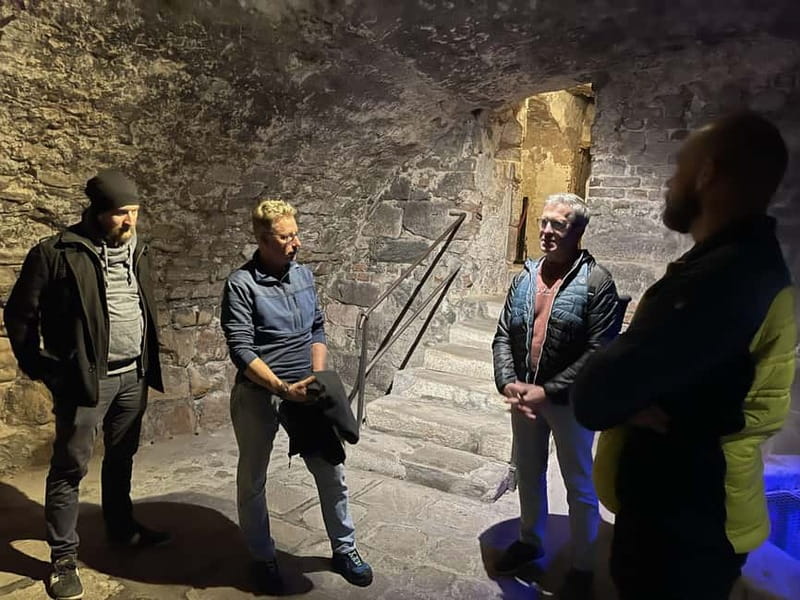
If you want medieval history that stays concrete, this is the kind of tour that works. Nuremberg’s dungeons beneath the Old City Hall are designed for confinement and control, and walking through them is different from reading about them. The walls do not care about your comfort, and that is the point.
You also get a guided explanation that keeps you from turning the experience into pure shock. You hear how medieval authorities used imprisonment not just as punishment, but as a tool to extract answers. You start to see the logic they believed in, even when that logic was cruel.
One of the best parts is that the tour does not drag. In just 45 minutes, you cover the key spaces: the remand areas, the cells, and the torture chamber. You leave with a mental map, which is what makes the rest of your Nuremberg visit feel smarter.
Weigh these Nuremberg picks against each other
- Nuremberg: City Tour with the Bimmelbahn Train
★ 4.4 · 2,475 reviews - Nuremberg: Old Town Guided Walking Tour
★ 4.6 · 2,416 reviews - Nuremberg: Tunnels and Secret Passages in the City Wall Tour
★ 4.8 · 2,334 reviews
Where to start, what to wear, and how to prepare your brain
You meet in front of the Old City Hall (Altes Rathaus), near the middle entrance, and you wait outside before going in. That matters because the tour begins by grouping people up and then moving you down into the vaulted cellars.
Bring warm clothing, even if you are having a mild day on the surface. Underground spaces can feel cooler, and you will likely be standing still at a few points while your guide explains what you are seeing. Also bring a charged smartphone, just because it is the easiest way to keep photos and notes handy.
A practical note: the tour does not allow food or drinks inside, so plan to eat before you go. If you tend to get cold easily, wear an extra layer. If you get anxious underground, be honest with yourself. Reviews mention low ceilings and dark chambers as part of the experience, and that can be a lot if you are claustrophobic.
The 14th-century purpose: detention and questioning before judgment
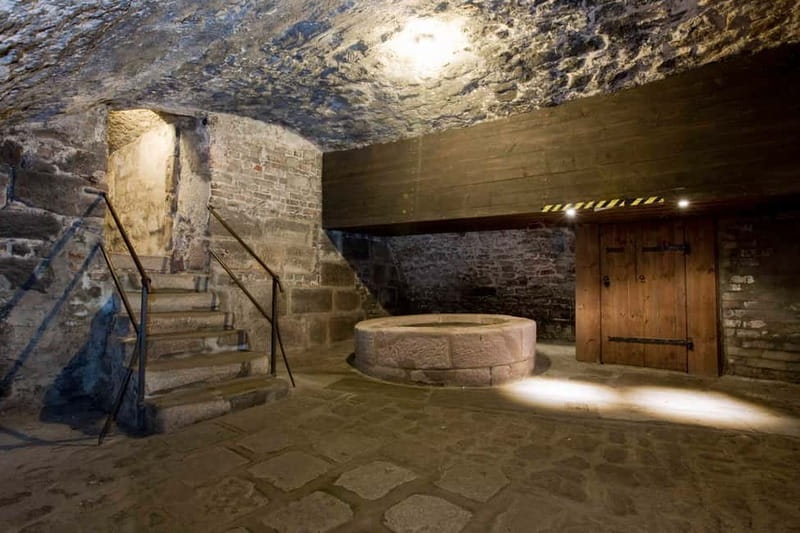
The story begins with the reality that imprisonment could be a step in a process, not the final destination. From at least the 14th century, these dungeons were used to hold and question people pending judgment. That turns the dungeon into a kind of working space for the legal system, not just a holding pen.
Your guide frames it like this: someone could be locked up while officials tried to figure out what was true. The emphasis was often on confession, and you start learning why conditions in the cells mattered to medieval authorities. It is a grim topic, but the explanations help you understand the machinery of the time.
This is where the guide quality really matters. The best guides make it clear what is fact, what is interpretation, and what is not fully known. In reviews, guides like Andreas, Ralf, Gunter, Wolfgang, and Johann are praised for balancing seriousness with just enough storytelling energy to keep you focused.
Walking the twelve small cells: tight spaces, clear perspective
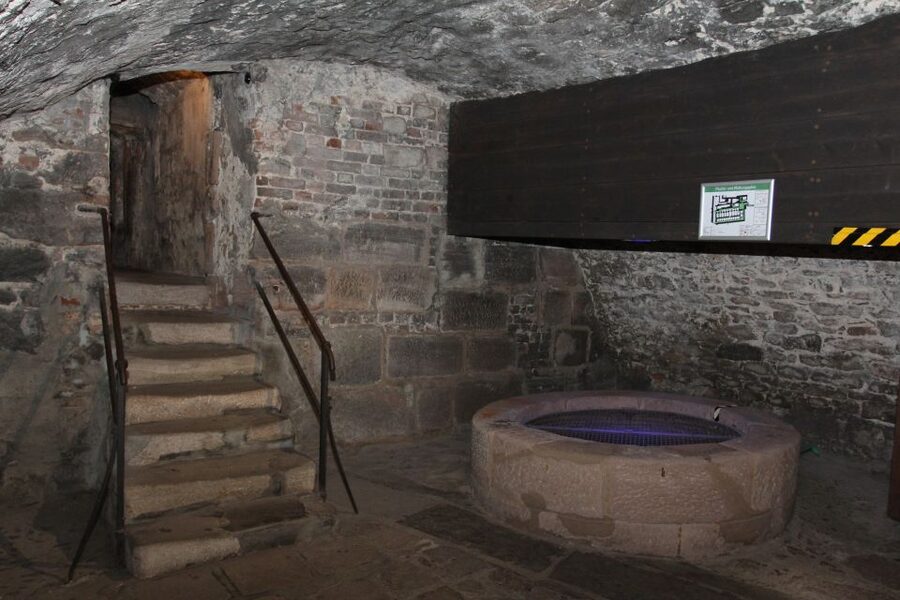
One of the strongest reasons to book this tour is that you get to move through twelve small cells. In other words, you are not only looking at one dramatic room. You are comparing spaces and seeing how the layout supports detention.
Because the cells are small, your guide can explain details you would otherwise miss: how confinement changes movement, why prisoners were kept where they were, and how authorities used the layout to manage people. The experience can feel physically close even with a small group, because the rooms are meant for closeness.
You also see mostly original furnishings, which adds weight to the story. Even if you have read about medieval prisons, these details help you imagine the daily reality rather than only the headline version. You will probably find yourself looking at the space longer than you expect, because it prompts questions like: How did people survive here? How did time pass?
If you are the type who hates grim reminders, this part may be the hardest. If you like historical context, it is also where the tour becomes most educational, because the cells communicate what text cannot.
Another way to spend a Nuremberg afternoon:
- Nuremberg: Walking Tour of Former Nazi Party Rally Grounds
★ 4.7 · 1,665 reviews - Medieval Tour in Nuremberg in Spanish
★ 5.0 · 1,374 reviews - Nuremberg: Historischer Kunstbunker WWII Art Bunker Tour
★ 4.8 · 921 reviews - Nuremberg: PLAYMOBIL®- FunPark
★ 4.7 · 863 reviews
The torture chamber: why they show it, and how to handle it
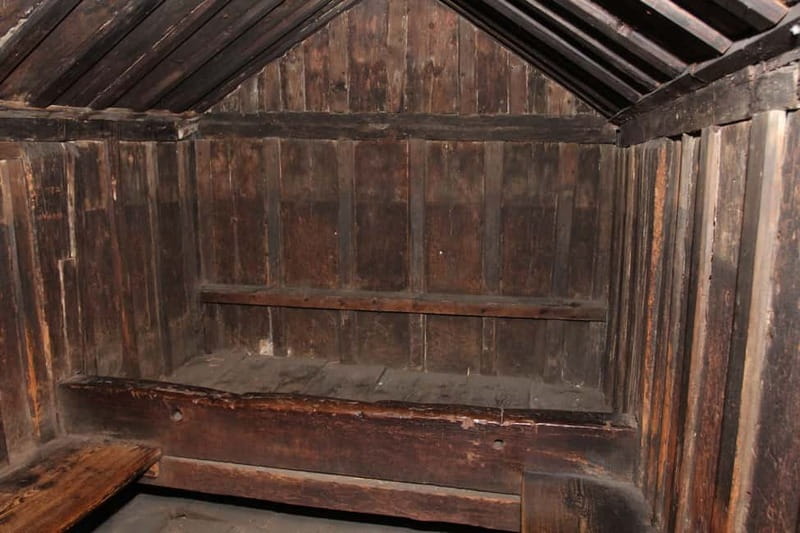
Yes, the tour includes the torture chamber, and you should go in knowing that reports about torture are part of the experience. Your guide does not treat it like entertainment. Instead, the focus is on what the chamber represented in the justice system and how punishment was approached.
The value here is context. When you see a room designed for coercion, you understand why medieval authorities believed confession was necessary. You also see how the legal process could turn into something that looks like theater, in the sense that the system needed an outcome.
A useful way to think about this visit is that it is not trying to make you relive pain. It is trying to help you understand the historical method. That is why the guide’s voice and pacing matter so much. Reviews often mention guides using an appropriate tone and, in some cases, mixing humor in a careful way.
Guides like Johann (and others praised for strong delivery) are repeatedly described as balancing dark facts with a bit of lightness, not to soften the topic, but to keep you from shutting down emotionally. Still, if you are easily distressed by violent history, you may want to consider whether this is the right stop for you.
The atmosphere: vaulted cellars, low ceilings, and a guided pace that works
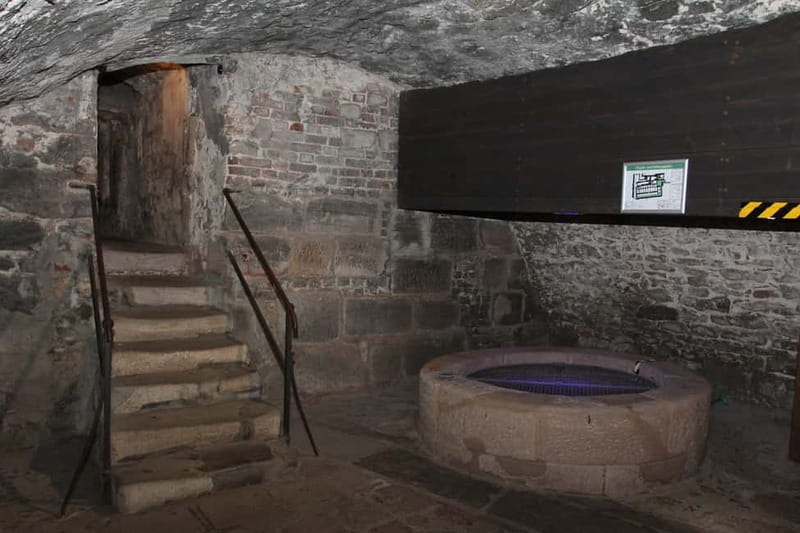
You are walking through vaulted cellars, which changes the whole feel of the tour. Sound carries differently. The air feels cooler. Light can feel dimmer than you expect. That is why tours like this tend to be guided rather than self-paced. You need someone to interpret what you are seeing in real time.
Several reviews mention the physical sensation of the space, including low ceilings and dark chambers. That means it is not just a lesson, it is a sensory experience. If you have claustrophobia, this is one of those moments where you should take the warning seriously. For mobility impairments, the underground layout may also be a challenge, and the tour is not considered suitable.
For most people, though, the pace is a big part of the value. You do not spend 2 hours wandering alone in uncomfortable rooms. You get a structured walk where the guide tells you what to notice, then moves you on.
Red room moments and small details you might want to remember
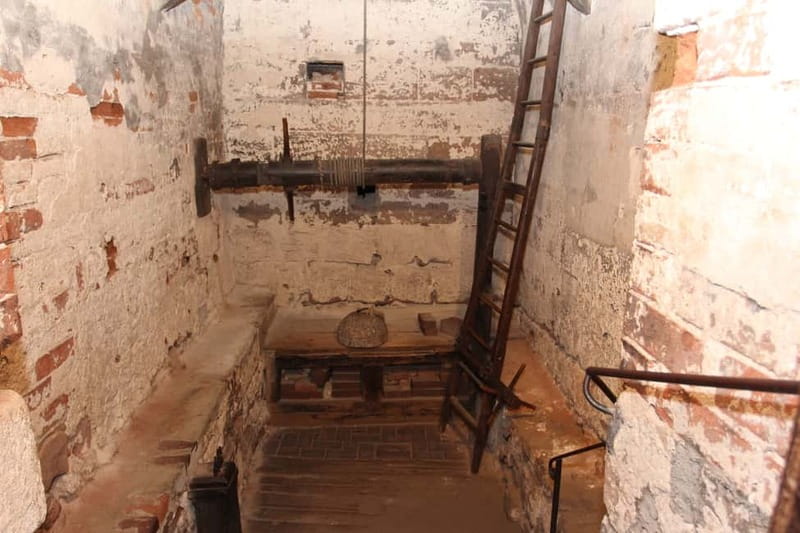
During the tour, you will likely encounter specific rooms or sections that your guide points out by name. One example that comes up in reviews is a room referred to as the red room. When your guide names something like that, it is usually because the color or setting helps connect the space to a specific story point.
This matters because dungeon tours can blur together if you only get broad explanations. When the guide gives you a label and a reason, your memory locks in. Later, if you are walking Nuremberg’s streets aboveground, you will remember how the dungeon spaces connected to the city’s power and courts.
I also like that the tour encourages you to picture the human scale of the place. You are not only learning about punishments. You are being asked, in a respectful way, to imagine what confinement did to people while they waited for answers.
That kind of mental work is not comfortable, but it is what turns history into understanding.
Guides, humor, and why it makes the 45 minutes feel short
For a short tour, the guide has to do a lot. You have to stay accurate, keep your group together, and explain serious material in a way people can handle. The reviews make one theme very clear: guides do well here when they combine facts with performance.
You will hear praise for guides like Andreas, Ralf, Gunter, Wolfgang, Johann, Jana, Dejan Grasser, Dimitri, Daniel, Mariana, and Luke. The common thread is delivery. People describe guides as entertaining without losing the seriousness, and as answering questions with real command of how the dungeon system worked.
It is also worth noting that tours can sometimes run with very small groups, and in those moments the guide can make the pacing feel personal. One review mentions being only two people at one time, which is exactly how you want a dungeon tour to work if you are the kind of person who asks follow-up questions.
If you enjoy tours where the guide uses voice and timing, this is a good match. If you prefer only dead-straight narration with zero humor, you might still appreciate the tour, but go in expecting that the storytelling style can be lightly theatrical.
Price and value: why 11 USD can work well in a busy day
At about $11 per person for a 45-minute tour, this is one of the more cost-effective experiences you can add to a Nuremberg day. You are paying for access, interpretation, and entry into a specific underground site.
The value comes from the structure. You get a guided route through key spaces: cells, original furnishings, and the torture chamber. That is the opposite of buying a ticket and trying to figure out a maze on your own. The guide turns rooms into meaning.
Another value driver is time. Nuremberg is full of strong sights, and it is easy to overschedule. This tour is short enough that you can fit it between other stops without feeling like you lost half the day. It also makes sense thematically with other parts of the city, because it helps you connect governance and punishment to physical places.
Who should book, and who should skip this tour
This tour is best for you if you like history that is specific, physical, and explained. If you enjoy understanding how systems worked, you will likely get more out of this than a generic historical overview. The dungeon setting forces focus, and the guide helps you connect details to the medieval justice process.
You should also book it if you want a darker counterpoint to Nuremberg’s visible architecture aboveground. Seeing the underground spaces makes the city feel more complete. You will likely appreciate that the tour is not trying to glamorize suffering, but it does not shy away from the subject either.
You should skip or think twice if:
- you have claustrophobia
- you need accommodations for mobility impairments
- you are traveling with children under 10 years, since children under 10 are not allowed
- you know you will be unable to handle hearing reports of torture
It is okay to choose compassion for yourself. A history tour can be educational and still not be the right match for your comfort level.
Should you book the Nuremberg Medieval Dungeons Guided Tour?
If you want a short, high-impact guided visit to one of Nuremberg’s most specific historical spaces, I think this tour is a strong pick. The mostly original dungeon furnishings, the walk through twelve small cells, and the inclusion of the torture chamber give you a full picture of what detention and questioning looked like in medieval times.
Book it if you are ready for dark subject matter and you can handle underground conditions. Skip it if claustrophobia, mobility needs, or sensitivity to torture reports would make it stressful rather than meaningful.
If you do book, dress warmly, keep your phone charged, and go in prepared to learn how medieval justice worked from the inside out. That is the real value of this stop.
Fresh reviews out of Nuremberg
- Tour to Rothenburg ob der Tauber from Nuremberg in Spanish★ 5.0 · 51 reviews
- Nuremberg: World War II Tour with Hotel Pickup★ 4.4 · 51 reviews
- Nürnberg: Mörder, Fälscher, Messerstecher★ 4.8 · 53 reviews
- Nuremberg Ghosts and Gallows Evening Walking Tour in English★ 5.0 · 56 reviews
- Nuremberg’s Mystery Morning: Breakfast & Escape Game★ 4.4 · 57 reviews
- Nuremberg: Private Walking Tour with a Local★ 3.8 · 77 reviews
- Nuremberg World War II★ 4.5 · 89 reviews
- Nuremberg Private Walking Tour: Old Town and Nazi Rally Grounds★ 5.0 · 92 reviews
Nuremberg Tours, compared.


Tunnels and Secret Passages in the City Wall Tour
Read our review →
Walking Tour of Former Nazi Party Rally Grounds
Read our review →
Browse the lists this tour appears in