
Reviewed · CITY TOURS
Nuremberg: Tunnels and Secret Passages in the City Wall Tour
Nuremberg can feel like a picture postcard up on the streets. This tour turns that feeling upside down by taking you into the tunnels and secret passages that helped defend the Imperial Castle and the city walls for centuries. It is a very hands-on way to understand why Nuremberg stayed standing.
I especially like two things here. First, you get to see the defensive architecture in real space, not just on a poster. Second, the guides work the history like a live puzzle, with clear explanations and lots of room for questions, which shows up in guide names like Alan, Tom, Robert, Andreas, and Penny.
One drawback to plan for: it is mostly stairs and tight underground sections, and there are no toilet breaks. If you hate enclosed spaces or struggle with steep climbs, this may not be the best match.
Key things you should look forward to
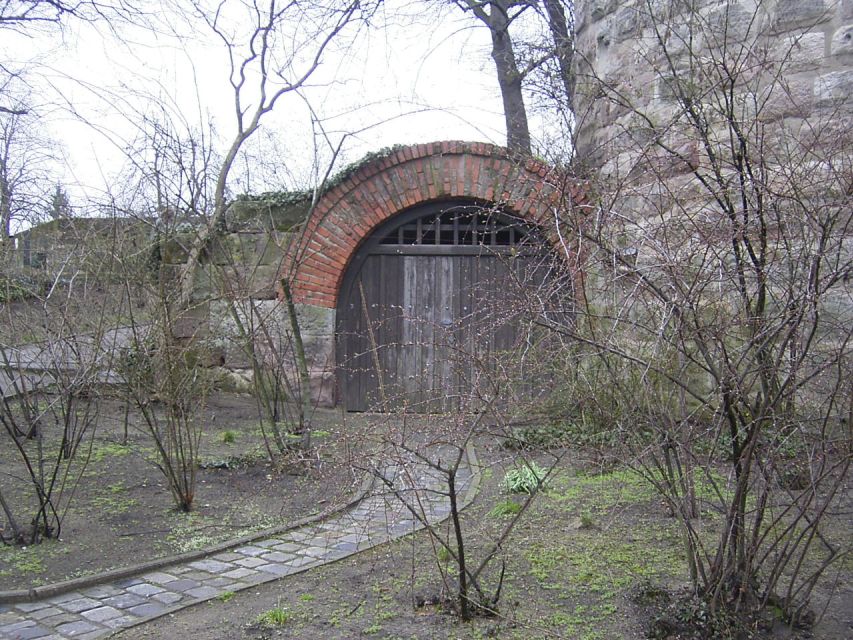
- Underground access under the Imperial Castle that you cannot easily recreate on your own
- City-wall corridors with the kind of design that let defenders cover the moat from many angles
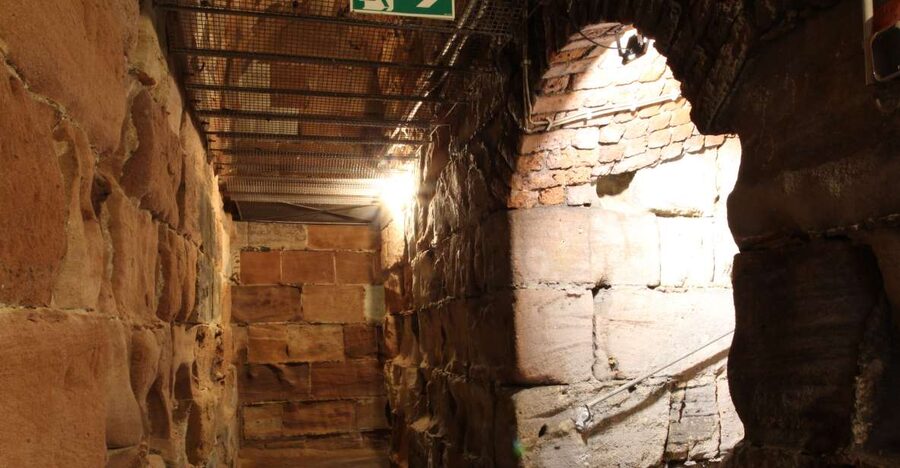
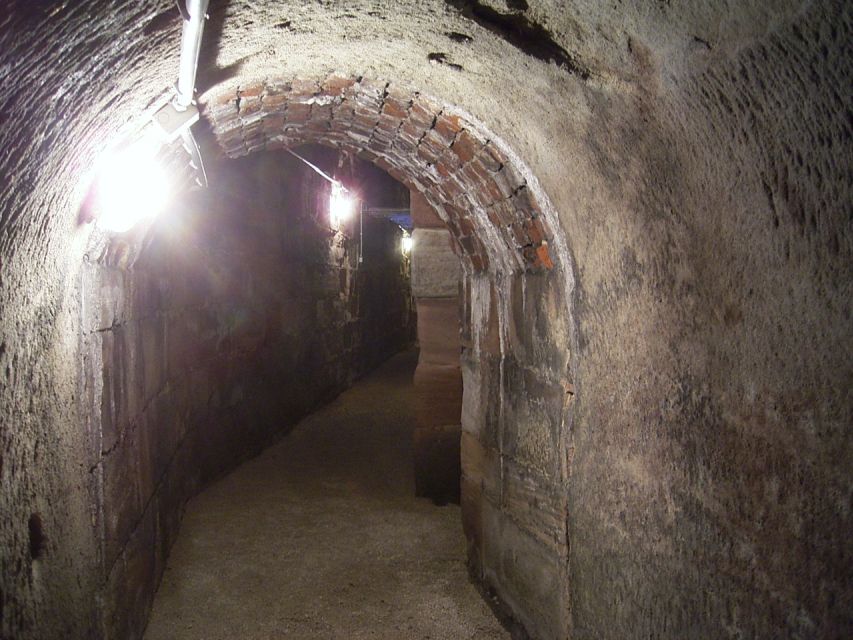
- Carved tunnels in sandstone rock, including narrow sections and vaulted chambers
- Sixteenth-century bastions built to resist cannon fire, showing defenses evolving over time
- A guide-led format that invites questions, from funny facts to interactive guessing games
Nuremberg’s defensive design: why this tour feels real fast
The most interesting thing about Nuremberg’s fortifications is that they are not abstract. They are built from stone, stairways, narrow passages, and sightlines meant for real people doing real jobs under pressure. Walking the city walls and then slipping underground gives you an immediate sense of how the system worked.
The tour is built around two connected worlds. Above, you see the imposing Imperial Castle and the sandstone walls. Below, you enter the defensive corridors carved into the rocks and the secret passages that served the castle. That switch is the payoff: it helps you picture the defenders moving, hiding, and firing where they had the advantage.
I also like that it focuses on how the defenses were designed, not just that they existed. You will hear about the moat defenses, the way attackers were forced into vulnerable crossing zones, and how defenders could shoot from multiple sides. It is history with function.
More City Tours in Nuremberg
- Nuremberg: City Tour with the Bimmelbahn Train
★ 4.4 · 2,475 reviews - City tour through Nuremberg with the Bimmelbahn
★ 4.5 · 145 reviews - City tour of Nuremberg
★ 4.0 · 64 reviews
Meeting at Historischer Kunstbunker, then moving toward the walls
You meet in front of the entrance of the Historischer Kunstbunker, Obere Schmiedgasse 52. From there, the tour follows a straightforward rhythm: a walk out to the wall area, time to take in the castle and fortifications, then the sequence of underground entrances.
This matters for a simple reason. Nuremberg’s defenses are easier to understand once you have a mental map from above. Even if you are not a “castle person,” you will get a quick orientation of where the castle sits and how the wall system protects it.
The group stays with the guide and moves at a pace that fits a 1-hour tour. Many guests come away saying the time felt well used, not stretched thin. In small-group settings like this, you also get better chances to ask specific questions when something does not make sense right away.
City walls and the Imperial Castle views you actually need
Before you go underground, the tour sets you up with the views that make the rest click. You will admire the sandstone city walls and the castle area, then learn the basics of why these fortifications mattered so much.
This is the part where I’d tell you to slow down for a moment. Look at the wall thickness and the way the castle sits above the city. That visual helps you understand why the underground parts were not an afterthought. Underground corridors were part of the same defense logic: move troops safely, protect key positions, and keep communication and firepower going even when the surface was under threat.
You also get a sense of how the fortifications changed. The tour discusses sixteenth-century additions, including modern-style bastions designed to withstand cannon fire. That detail is important, because it shows Nuremberg did not freeze in time. It adapted as warfare adapted.
Entering defensive corridors: narrow tunnels and vaulted chambers
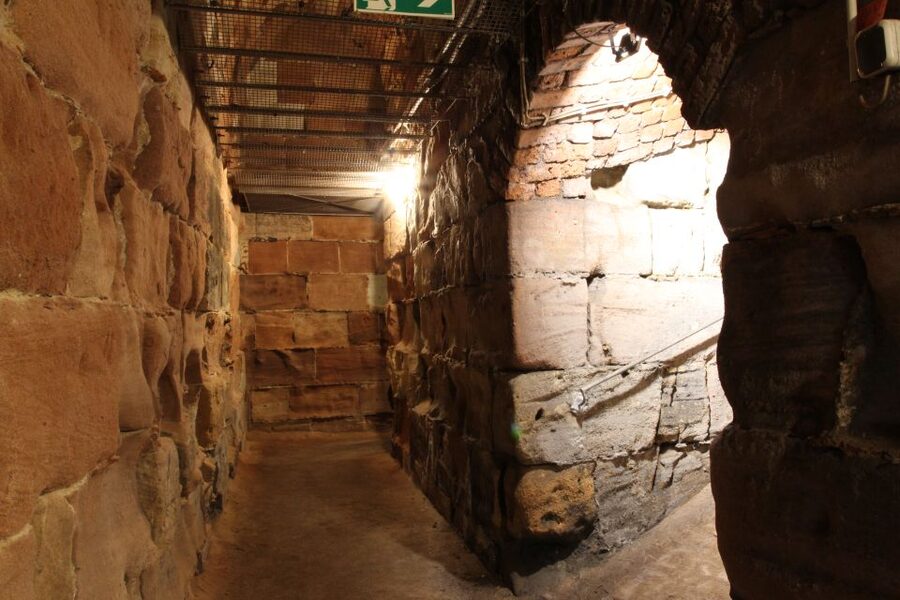
The underground portion is the main event. You will step into the defensive corridors in the city walls, including narrow tunnels and high-vaulted chambers carved into the castle rocks.
What surprised me when I read about guests’ reactions is how “physical” the experience feels. Some tunnels are described as less than 1.5 meters high, and a lot of the walking involves turning corners where you suddenly realize how defenders would have bottlenecked attackers. It is not just cool, it is instructional. The space forces you to think in angles and constraints, the way defenders had to.
Expect the rock textures and old stone details to be close enough that you notice how dampness and weather can affect conditions. Reviews note it can be wet and muddy at times, and the stair sections can be demanding.
This is also the part of the tour where claustrophobia becomes a real issue. If you already know you do not like tight enclosed spaces, take the warning seriously. The tour is designed for access through old underground passages, not for comfort.
Weigh these Nuremberg picks against each other
- Nuremberg: Old Town Guided Walking Tour
★ 4.6 · 2,416 reviews - Nuremberg: Medieval Dungeons Guided Tour
★ 4.8 · 2,214 reviews - Nuremberg: Walking Tour of Former Nazi Party Rally Grounds
★ 4.7 · 1,665 reviews - Medieval Tour in Nuremberg in Spanish
★ 5.0 · 1,374 reviews
Moat defenses and shooting angles from underground
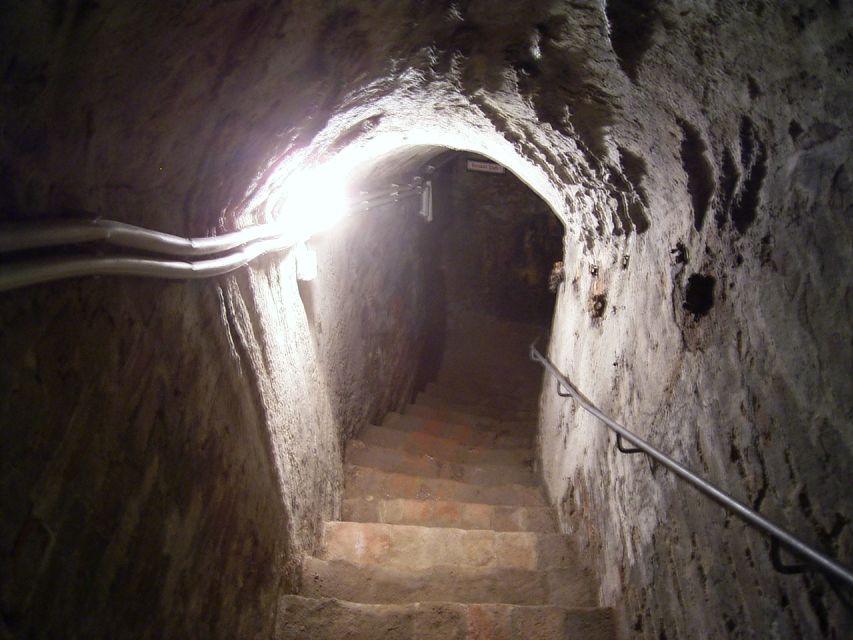
Once inside, the guide ties together the “why” behind the layout. You learn about the moat and the underground corridor design meant to help defenders shoot at enemies from all sides while attackers tried to cross.
This is where the story becomes more than scenery. You start noticing how corridors and chambers function like defensive rooms with sightlines. When the guide explains where defenders could be positioned, the tunnels stop feeling like a maze and start feeling like a plan.
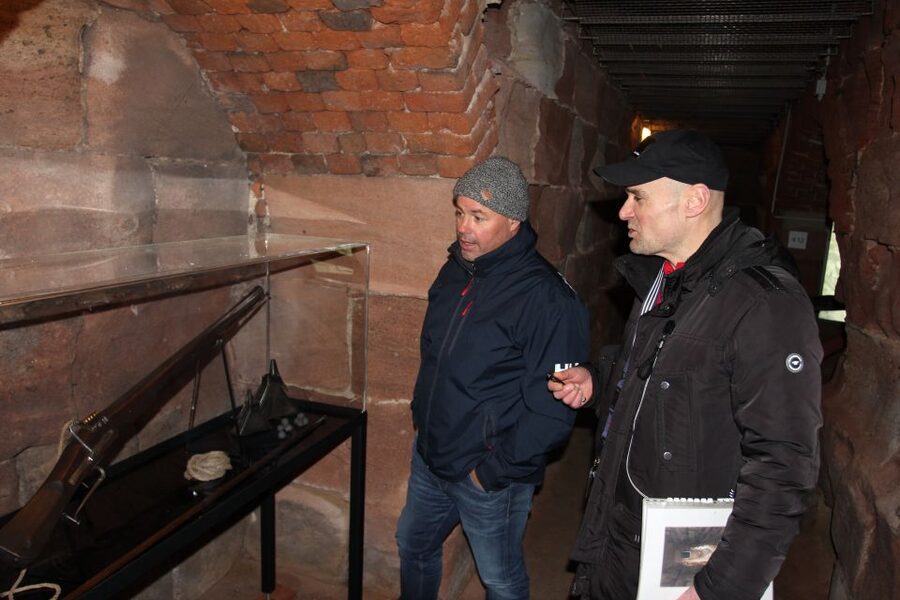
There is also discussion of medieval defensive weapons that were hidden in or built into the city-wall system. Even if you do not catch every detail on the first pass, you will understand the big idea: defenses were designed so that attackers never got a clean, uninterrupted run at the walls.
If you like “how did they do that?” history, you will probably enjoy the guide’s approach. Several guides are noted as asking the group guessing questions about what features were for, then confirming the answer and connecting it back to defense tactics. That makes it easier to remember.
Sixteenth-century bastions: when fortifications learned about cannon fire
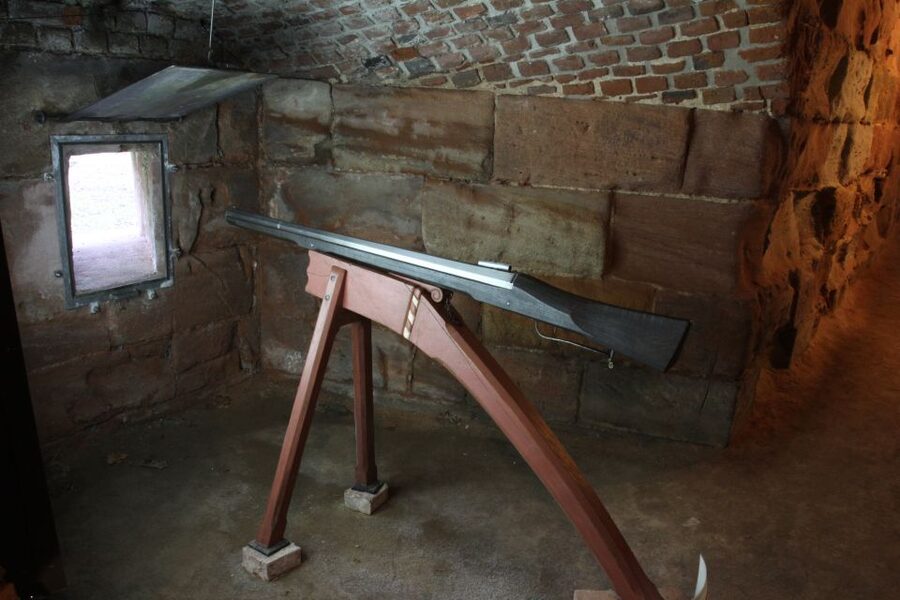
One of the more practical-feeling lessons on this tour is the section about the sixteenth-century bastions. You are not only seeing medieval-era design. You are also seeing an upgrade in response to cannon warfare.
This matters because people often picture old castles as frozen in medieval assumptions. The bastions show a different story. Nuremberg’s fortifications had to handle new threats, so the architecture evolved in ways that could withstand cannon fire. That evolution is part of why the city remained protected and why the wall system stayed relevant.
If you are the type who enjoys “technology changes everything” history, this is a great moment. It turns the tunnel walking into something bigger: the underground corridors are part of an entire defensive network that kept being modified over time.
Secret passages under the Imperial Castle, and why this is special
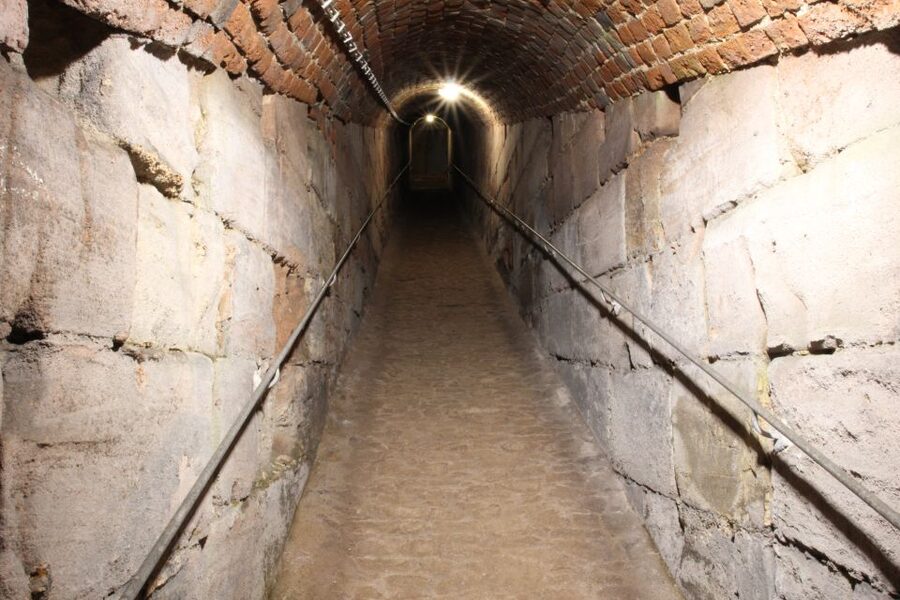
The tour includes entry to the secret passages under the Imperial Castle. This is the type of access that usually stays out of reach unless you book a structured visit with a guide.
When you are down there, the experience becomes slightly surreal. You are literally walking the paths defenders would have used, and you can feel how the system supports movement and defense at the same time. That is why guests often call it their favorite activity in Nuremberg: it feels like a perspective switch, not just another museum stop.
You will also hear how defenders worked together, including how knights and local soldiers coordinated roles within the fortifications. That adds an extra human layer. The stone becomes more than a structure. It becomes a workplace for trained people with routines and teamwork.
If you want to understand Nuremberg beyond the main sights, this is where the tour earns its keep. Even if you are not obsessed with military history, walking the secret corridors helps you grasp what made the city so hard to conquer.
The pace and physical demands of a 1-hour tunnel tour
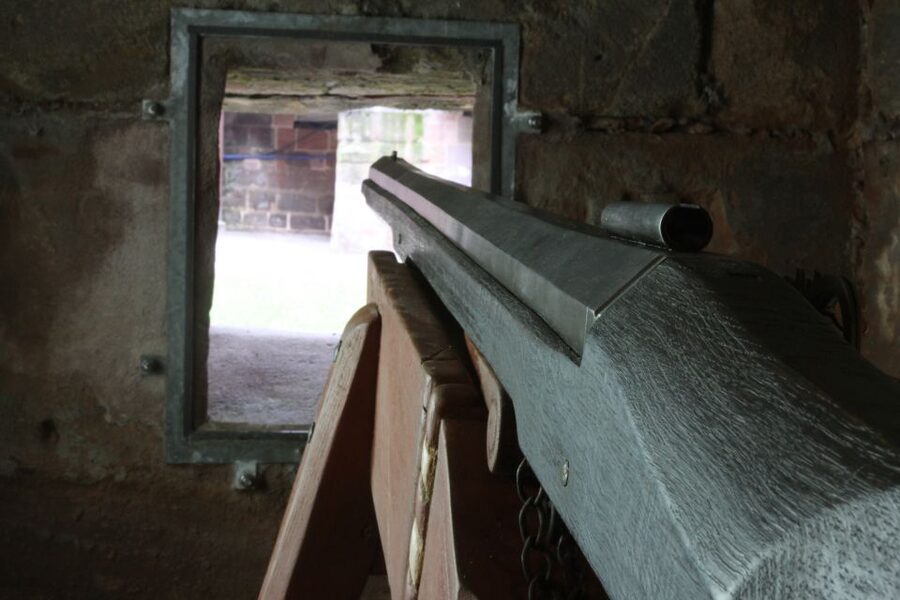
This is a 1-hour tour. That sounds short, but the time adds up quickly once you factor in climbing down, navigating old stairways and ramps, and moving through tight spaces.
Plan for lots of steps. The tour notes that it involves climbing lots of old stairways and ramps, and there will be no toilet breaks. A couple reviews specifically mention the steepness and recommend non-slip shoes.
Small group formats also mean you might wait less, and you can ask questions without feeling like you are shouting over a huge crowd. Reviews mention a friendly atmosphere and guides who stay open for questions.
Who should go? Adults who enjoy history and people comfortable with stairs and enclosed tunnels will likely find it a strong match. Families can also be a good fit, since some guides are praised for making the explanations work for kids around the group ages mentioned in reviews.
Who should skip or think twice? Wheelchair users, people with mobility impairments, and anyone with claustrophobia are not ideal for this tour, because the underground sections can feel tight and restrictive.
Practical tips: warm layers, shoes, and what not to bring
Bring warm clothing. Underground spaces and stone stair sections can feel cooler, and you will be moving through tight corridors where you cannot easily warm up between stops.
Wear shoes with good grip. Reviews repeatedly highlight the need for non-slip shoes, and mention muddy, wet conditions at times. Avoid sandals or flip flops, since the ground can be uneven and slippery in places.
Keep food and drinks out of the tunnel system. Food and drinks are not allowed, and there are no toilet breaks. Pets are not allowed either, though assistance dogs are allowed.
Also note the “sound reality.” A couple reviews mention that hearing the guide can be tricky in some sections if the guide speaks softly. If you know you struggle with hearing in quiet environments, consider that before you go.
The biggest practical takeaway is simple: dress for stone stairs and tight passages, not for a relaxed sightseeing walk.
Price and value: why $14 often feels like a bargain
At $14 per person, you are paying for more than a narration walk. The tour includes entry to the defensive corridors in the city walls and entry to secret passages under the Imperial Castle, plus a live guide in English or German.
That combination is what makes the price feel fair. Many sightseeing tours show you a site from street level. Here, you get access to working-type spaces that most visitors never see. The value is in the access, and the access is what turns the walls into a story you can physically understand.
Guides are another big part of the value equation. Names that show up in praise include Alan, Tom, Robert, Andreas, Ralf, Martin, Alex, Fiona, and Penny. The common thread is how they explain the defenses clearly, answer questions, and keep people engaged with humor or interactive guessing games.
If you want one Nuremberg activity that feels genuinely different from the usual Old Town checklist, this is one of the strongest bets for the time you spend.
Should you book this Nuremberg tunnels tour?
Book it if you want a hands-on history experience, you like the logic of fortifications, and you are okay with stairs, cramped corridors, and a cool underground feel. It is also a great choice if you like learning from guides who ask questions and keep the group involved, not just recite dates.
Skip it if claustrophobia is a concern, if mobility limitations make stairs or tight passages difficult, or if you are looking for an easy flat walking tour. The no-toilet-break and the heavy stair emphasis are real constraints.
If those constraints do not bother you, you should feel good about your decision. This tour gives you a rare view of Nuremberg, not as a postcard, but as a city built to defend itself.
FAQ
Where do I meet for the tour?
Meet in front of the entrance of the Historischer Kunstbunker, Obere Schmiedgasse 52.
How long is the tour?
The tour lasts 1 hour.
What languages are available?
The live tour guide is available in English and German.
What should I wear or bring?
Bring warm clothing and wear shoes suitable for lots of old stairways and ramps. Sandals or flip flops are not allowed.
Are food, drinks, and pets allowed?
Food and drinks are not allowed. Pets are not allowed, though assistance dogs are allowed.
Is this tour suitable for everyone?
It is not suitable for people with mobility impairments, wheelchair users, or people with claustrophobia. The tour also has no toilet breaks.
Fresh reviews out of Nuremberg
- Tour to Rothenburg ob der Tauber from Nuremberg in Spanish★ 5.0 · 51 reviews
- Nuremberg: World War II Tour with Hotel Pickup★ 4.4 · 51 reviews
- Nürnberg: Mörder, Fälscher, Messerstecher★ 4.8 · 53 reviews
- Nuremberg Ghosts and Gallows Evening Walking Tour in English★ 5.0 · 56 reviews
- Nuremberg’s Mystery Morning: Breakfast & Escape Game★ 4.4 · 57 reviews
- Nuremberg: Private Walking Tour with a Local★ 3.8 · 77 reviews
- Nuremberg World War II★ 4.5 · 89 reviews
- Nuremberg Private Walking Tour: Old Town and Nazi Rally Grounds★ 5.0 · 92 reviews
City Tours, compared.

1-Hour City Tour by Boat with Guaranteed Seating
Read our review →
City History Canal Sightseeing Tour on a Motorboat
Read our review →




Browse the lists this tour appears in