
Reviewed · THIRD REICH & WWII TOURS
Munich: Third Reich & WWII Walking Tour
Munich has plenty of beer halls and grand squares, but this walking tour focuses on the city’s darkest ignition point: how Nazism took root in Bavaria and then spread. I like that the story moves through real streets and specific places, so you can see how political theater turned into power. I also like the stop at Königsplatz, because you’re not just hearing about rallies, you’re standing where they were staged.
The main drawback is emotional weight. This is a topic you should approach with care, and you’ll be walking outside for about 165 minutes, often in cold or rainy weather depending on the season.
If you do go, pick a day you can actually concentrate. Guides such as Michael, Steve, and Josh have been singled out for clear narration and keeping the group engaged, even when the weather is rough. Just bring the right gear so the cold does not steal your focus.
Key things I would put on your radar
- Follow the rise step by step, from mass meetings to attempted power grabs
- Stand at the rally ground at Königsplatz and connect architecture to propaganda
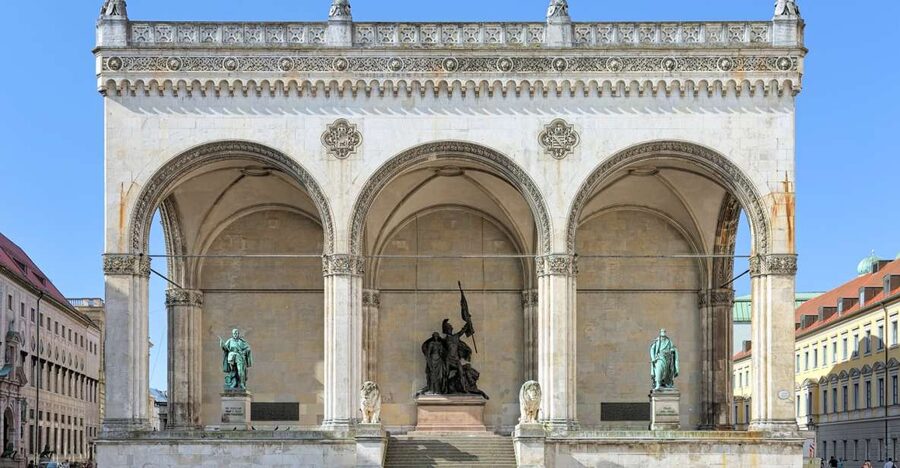
- See Hofbräuhaus and Feldherrnhalle in context, not as random landmarks
- Learn about the White Rose Resistance Movement during a pause in the Hofgarten
- Expect a strong, guided story, with English or German narration options
- Comfort matters on a cold walk, and some guides help with tea or seating stops
Hitler’s Munich, mapped on foot: what this tour actually teaches
This is a walking history lesson that sticks to one big question: how did a movement go from angry beginnings to an engine that drove Germany into catastrophe? You start in the era right after World War I, when Germany was defeated and humiliated, and Munich felt the pressure of hyperinflation and unrest. That mix of instability is not trivia. It explains why radical ideas could gain traction so fast.
What I like about the structure is that it follows escalation. You do not jump straight to the end of the story. You follow the early momentum, where crowds formed, slogans hardened into policy thinking, and leaders tested how far intimidation and spectacle could go.
There is also a practical upside for you as a visitor. Instead of trying to stitch together notes from guidebooks, you walk a route that gives the narrative spine. You’ll leave with a mental map of why certain sites matter in Munich’s 20th-century story.
More Walking Tours in Munich
- Third Reich Walking Tour Munich
★ 4.5 · 4,291 reviews - Munich: Old Town & Viktualienmarkt City Walk in German
★ 4.7 · 2,304 reviews - Munich: Night Watchman Walking Tour
★ 4.7 · 2,092 reviews
Setting the stage: post-WWI chaos in Munich and why it mattered
The tour begins with Munich at a turning point. Germany is emerging from World War I as a defeated nation, and the country is in crisis mode. In Bavaria, revolution and assassination were part of the air people breathed, and Munich was dealing with hyperinflation that made everyday life feel unstable and unpredictable.
For me, this opening is essential. It is easy to think Nazism was powered only by one man’s ambition. But this tour frames it as a system that took advantage of fear, economic shock, and political fragmentation. Once you grasp that, the later scenes in the city start to make more sense, including why public rallies could feel like answers to people who were desperate.
You should also be prepared for the tour’s tone. This is not a casual stroll through dark plaques. It’s a guided explanation of how the machinery of power developed, and you’ll be asked to hold uncomfortable facts in your mind while looking at ordinary urban spaces.
Hofbräuhaus: where early mass meetings turned into momentum
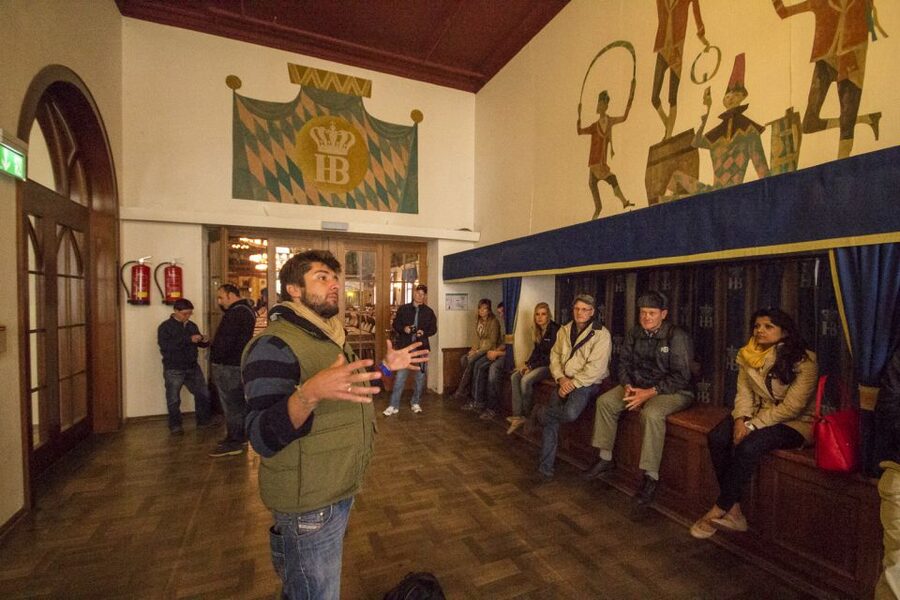
The Hofbräuhaus stop is one of the first real anchor points in the story. This is where the tour connects the Nazi movement’s early growth to a specific gathering place. The idea is simple, and it is chilling: mass meetings are not automatically evil, but they become dangerous when propaganda is used to recruit people into a one-way worldview.
You’ll learn how the movement used the conditions of the time to build momentum. In practical terms, that means the guide ties the history to what you can still see around you: the sense of a central meeting spot, where people could assemble, listen, and feel part of a crowd. It is harder to dismiss “it was just politics” when you’re standing at a key location tied to real mass recruitment.
One consideration: because this tour is story-driven, you’ll get the most out of it if you show up with curiosity and a willingness to listen. If you only want surface-level facts, you might find parts of the narration heavy.
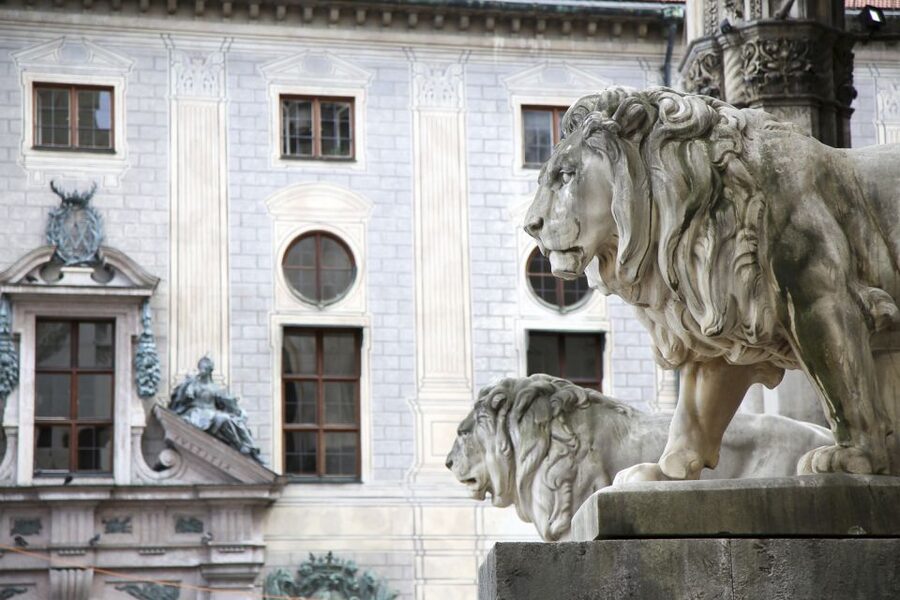
Feldherrnhalle: the failed power grab and the lesson in intimidation
Next comes Feldherrnhalle, tied to the Nazi ambition to seize power. The tour frames this moment as a failure, not a victory, but a failure that still mattered. In other words, the attempt was not the end of the story. It was evidence of how determined the movement was, and how willing it was to test confrontation.
This stop works well because it shows how political energy can still be visible even after an event does not succeed. You’re not only hearing about what happened. You’re learning why it helped shape what came later, including how the movement learned, adjusted, and continued building its base.
If you’re sensitive to crowd imagery, keep that in mind. The narration focuses on political demonstration and public power. It’s the kind of lesson that can make you look at plazas and monuments with less romantic eyes afterward.
More Third Reich history tours:
- Munich: Birthplace of the Third Reich Guided Walking Tour
★ 4.6 · 771 reviews - Munich World War II Sites Including Dachau Concentration Camp
★ 4.5 · 570 reviews - Munich City Walking Tour, includes Third Reich & Viktualienmarkt
★ 5.0 · 458 reviews - Third Reich & WWII Walking Tour
★ 4.5 · 417 reviews
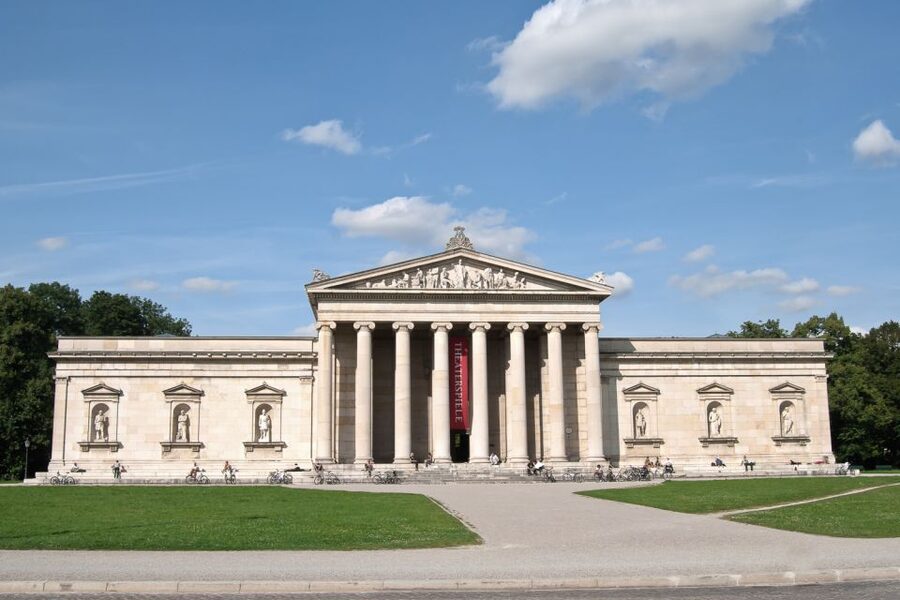
Königsplatz: where rally ideology met stagecraft
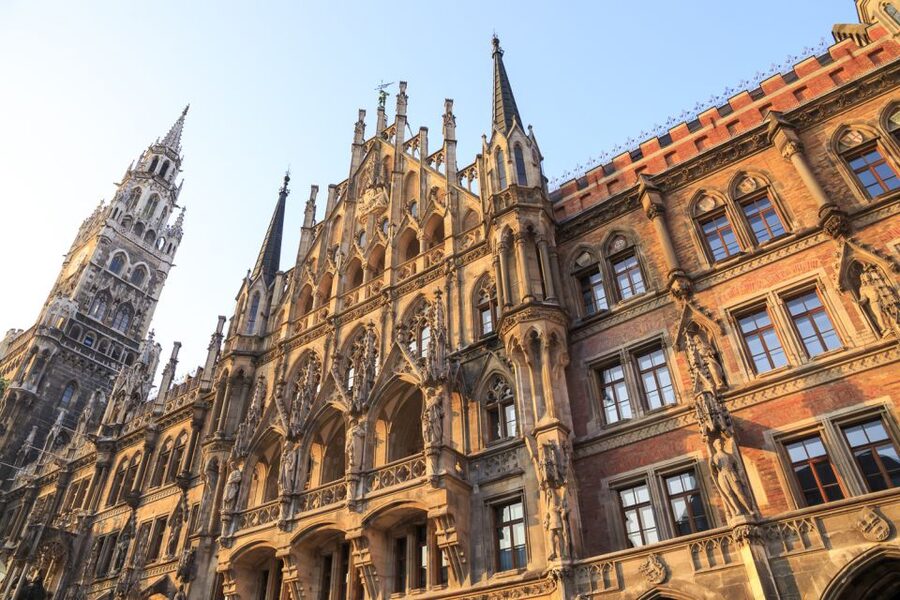
Königsplatz is the big “you are standing where it happened” stop. The tour visits this area to connect Nazi-era party rallies to a physical stage. You’ll hear about the seeds of the Third Reich and how public space helped sell the movement’s message.
This is where I think the tour becomes most valuable for you, even if you already know some WWII facts. The route pushes you to consider design and layout. A rally ground is not neutral. It can amplify the feeling of unity, the power of a leader’s appearance, and the intimidation factor of a large gathering.
Also, it helps you understand why the city became such a symbol after the war. Munich is beautiful, but beauty can coexist with propaganda. The tour forces that uncomfortable pairing, and that is exactly why it sticks.
One practical note: this portion can be open to wind. Wear layers and plan for standing still during key explanations.
Hofgarten pause: connecting Nazi power with the White Rose Resistance Movement
The tour does not end in darkness without contrast. You stop in the Hofgarten area to talk about the White Rose Resistance Movement. This is a key turning point in the emotional arc of the tour, because it shows that resistance existed, even inside a system that used fear and violence to control people.
You’ll learn about The White Rose as an act of conscience, not just a footnote. For your understanding, this matters because it gives the story another dimension: the Nazi rise and the Third Reich were not inevitable. People chose complicity, and other people chose resistance.
The Hofgarten stop also functions as a mental reset. You’re still in the same city, but the focus shifts from how the movement grew to how people pushed back. That balance is important if you want the tour to feel like more than a bleak walk through dates.
How the guide narrative keeps it clear, respectful, and memorable
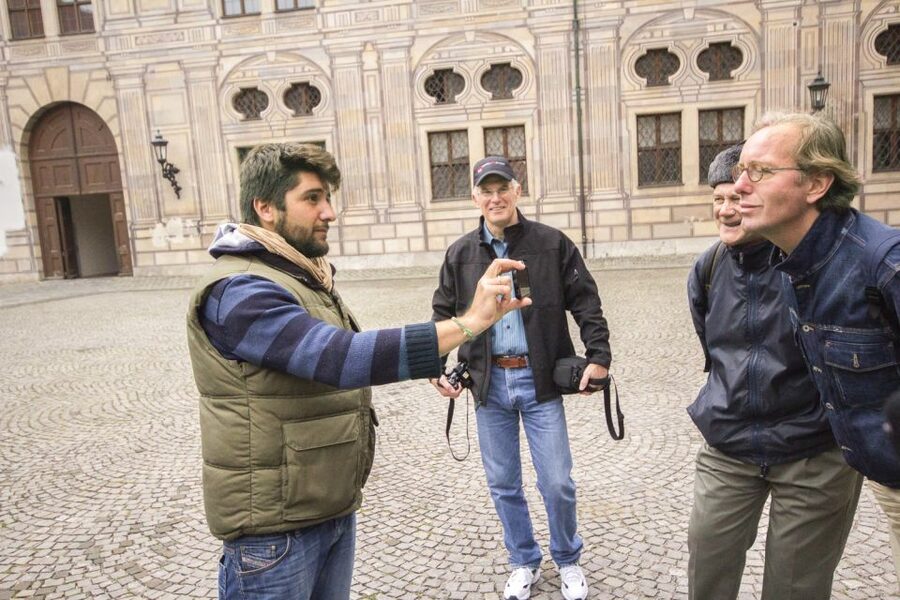
A WWII walking tour can easily become one long monologue. This one generally avoids that problem through a strong guided format and frequent site-based storytelling. Guides such as Michael and Steve have been described as engaging and effective at keeping voices clear and pacing smooth, even in cold conditions.
If you get a guide like Josh, you may also notice a different kind of grounding in the delivery. One guide background described in the provided information includes volunteer experience connected to Holocaust remembrance, which can add weight and sensitivity to the way the guide frames certain topics. Even without that specific background, the best guides on this route keep the focus on cause and effect.
From a learning standpoint, the best part is how the guide ties the Nazi movement’s growth to Munich’s locations. You are not memorizing isolated facts. You are building a timeline that lives in the city.
And yes, weather can be brutal on a 2.5-hour walk. Several guides have handled the cold thoughtfully, with options like tea breaks and small comfort aids for sitting during explanations. If you’re going in winter, take that as a hint to dress for the outdoors, not for a tram ride.
Timing and walkability: 2.5 hours is enough, if you pace yourself
The tour runs 2.5 hours, listed as 165 minutes. That time window is long enough to follow the story across multiple key sites, but short enough that you are not stuck outside for half a day.
For you, the pacing matters. Stops at places like Hofbräuhaus, Feldherrnhalle, and Königsplatz each require attention. If you move too fast through history, it turns into names and dates. This format gives enough time for you to connect the why behind each location.
Bring comfortable shoes. That sounds basic, but it’s the difference between absorbing the narrative and counting down minutes.
Price and value: why $31 can make sense for this kind of lesson
At $31 per person, this tour is priced like a budget walking experience, but what you get is more like an organized lecture built around a real route. The value comes from two things: guided interpretation and a site sequence you likely would not put together on your own without extra research.
If you’re the kind of person who likes to understand the city, this is a practical use of time. Munich can fill your schedule with museums and beer halls. This route gives you a structured way to understand the darker chapter using city spaces you can actually find again afterward.
Also, the inclusion of a live guide in English and German helps a lot. You’re paying for someone to explain connections, not just for someone to point at buildings.
Who should book, and who might want to rethink it
This is a strong match if you:
- want WWII-era understanding tied to Munich’s geography
- prefer guided context over reading scattered facts
- like walking tours that tell a story rather than just listing sights
- are interested in how resistance movements like the White Rose show up in a city’s history
This might be tougher if you:
- do not handle emotionally heavy topics well
- dislike long outdoor sitting and standing in winter conditions
- want only light, casual sightseeing today
A good rule for you: if you care about how societies change and how propaganda spreads, this tour will feel focused. If your goal is only quick photo stops, you may find it too serious.
Should you book this Munich Third Reich and WWII walking tour?
I think you should book it if you want a clear route that connects Nazi rise, Munich locations, and resistance history into one guided story. The route makes sense for first-time visitors because it gives structure, and it also works for repeat travelers because the focus is specific and interpretive.
Do it with your expectations set: this is a serious walk through a real historical origin story, including stops tied to Hitler’s growth of power and the White Rose Resistance Movement. If you show up ready to listen and you dress for the outdoors, you’ll likely come away with a stronger understanding of Munich than you would from sights alone.
FAQ
How long is the Munich: Third Reich & WWII Walking Tour?
The tour lasts about 2.5 hours, listed as 165 minutes.
What are the main stops on the tour?
Key stops include the Hofbräuhaus, Feldherrnhalle, and Königsplatz, plus a stop in the Hofgarten related to the White Rose Resistance Movement.
Is the tour offered in English or German?
Yes. The live tour guide is available in English and German.
Is the tour wheelchair accessible?
Yes, it is wheelchair accessible.
Is there an option for a private group?
Yes. A private group is available.
What should I bring?
You should wear comfortable shoes.
Can I reserve without paying right away?
Yes. The option is available to reserve now and pay later.
What is the cancellation policy?
You can cancel up to 24 hours in advance for a full refund.
Fresh reviews out of Munich
- Munich: Christmas Markets Food & Drink Tour★ 4.6 · 50 reviews
- Munich: Walking tour of the old town with all your senses★ 4.5 · 51 reviews
- Munich: Scavenger Hunt Self-Guided Tour★ 4.1 · 51 reviews
- Hidden Architectural Gems of Munich (Max. 16 guests)★ 4.9 · 52 reviews
- Shared Departure Transfer: Munich Central Station to Munich Airport★ 3.5 · 54 reviews
- Hard Rock Cafe Munich with Set Lunch or Dinner★ 3.5 · 54 reviews
- Quatsch Comedy Club München: Die Live Show★ 4.6 · 56 reviews
- From Munich: Royal Fairytale Tour★ 4.9 · 56 reviews
Third Reich & WWII Tours, compared.
Berlin’s Best: 2 Hour Walking Tour Third Reich and the Cold War
Read our review →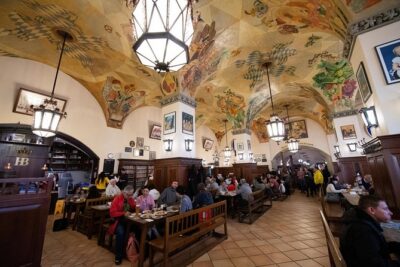
Third Reich Berlin: Hitler and WWII Walking Tour
Read our review →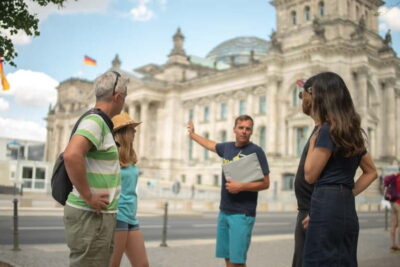
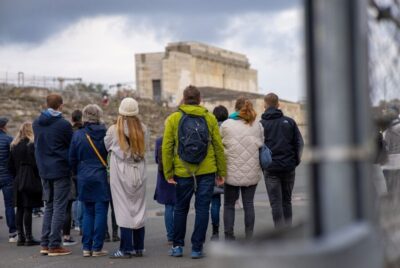
Walking Tour of Former Nazi Party Rally Grounds
Read our review →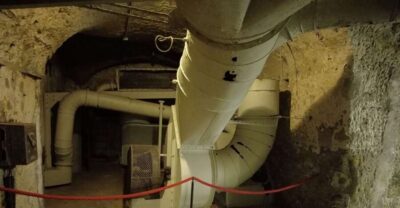
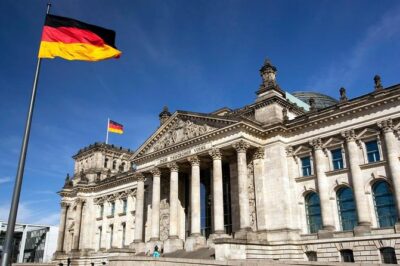
Berlin Third Reich Sites: Half-Day Walking Tour
Read our review →Browse the lists this tour appears in