
Reviewed · THIRD REICH & WWII TOURS
Private Third Reich Walking Tour of Berlin
Berlin has a way of keeping its layers visible. This private Third Reich walking tour strings together major sites tied to the Nazi regime, then slows down where the story turns into memorial and accountability, especially at the Holocaust Memorial.
I like the way the guide turns place names into meaning, not just dates. I also like that it is built for a small group feel, so you can ask questions as you walk instead of feeling rushed in a crowded museum.
One thing to consider: this is heavy material. You will be moving through sites connected to terror, genocide, and the end of WWII, so go in with the mindset that it is meant to be serious, not sightseeing lightheartedly.
Key highlights worth your attention
- Private 2-hour route focused on Third Reich sites, just your group, in English
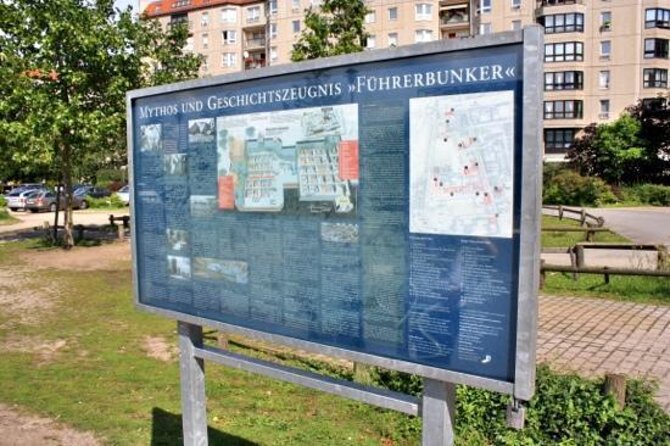
- Fuhrerbunker location stop to understand where Hitler died shortly before WWII ended
- Guided walk through the Holocaust Memorial, paced with time for reflection and questions
- Topography of Terror visit at the former headquarters site, with an exhibition you can enter for free
- Stop for Georg Elser, including his 1939 attempt to kill Hitler with a bomb
- Route context from a historian guide, with flexibility based on your interests
Why this Berlin walk connects the Nazi story in a way museums can’t
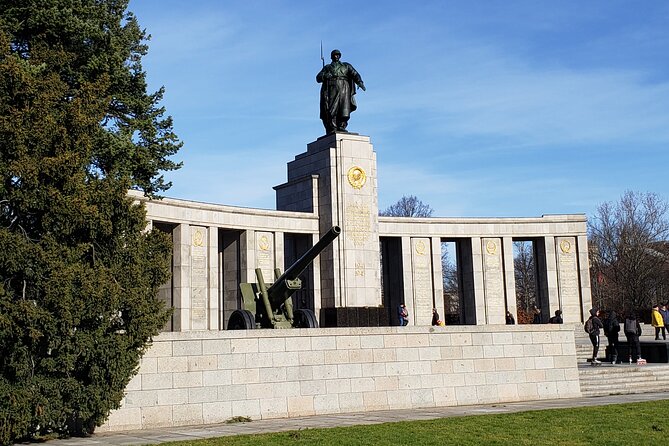
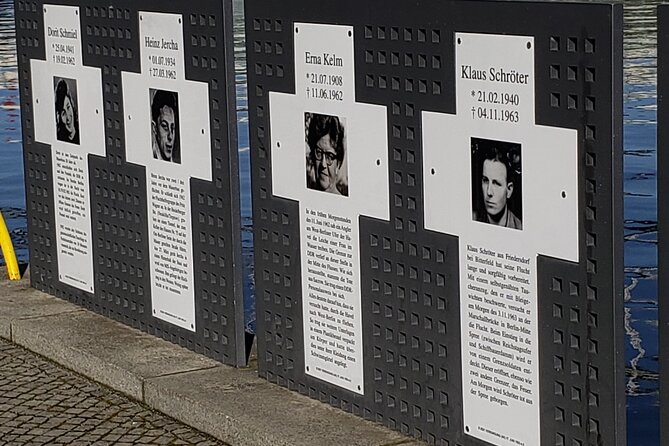
What makes this tour interesting is that Berlin does not relegate the Third Reich to one tidy museum room. It puts traces in street-level places, repurposed buildings, and memorial spaces you can reach on foot.
That is the core value of a walking format. You see buildings and open areas while someone explains what happened there, then you get a shift from “power and machinery” to “how people remember what was done.” The guide helps you connect the dots without turning it into a scary movie montage.
Also, Berlin is good at contrast. You might start near one of the city’s most famous landmarks, then end at a site that today carries an exhibition and documentation. That shift helps you understand how regimes fall, and how societies choose to mark what they endured.
More Walking Tours in Berlin
- Discover Berlin Half-Day Walking Tour
★ 5.0 · 9,624 reviews - Berlin: Third Reich and Cold War 2 Hour Walking Tour
★ 4.9 · 6,830 reviews - Berlin: Discover Berlin Walking Tour
★ 4.9 · 5,998 reviews
Meeting at Brandenburg Gate and getting a route built for your questions
The tour starts at Brandenburg Gate, Pariser Platz (10117 Berlin). It ends at Topography of Terror, Niederkirchnerstraße 8 (10963 Berlin), and the guide will point you toward the nearest subway stop, about a 10 minute walk away.
Because it is private, you are not stuck in a big group line. In practice, that means more back-and-forth. You can ask what a building used to be used for, why a location matters, or how the regime’s rise connects to the later atrocities.
It is also offered in English, which makes a big difference here. You want a guide who can explain the logic of how the Nazi state grew, not just recite a timeline.
Stop 1: Topography of Terror and the former HQ behind the exhibit
Your first major stop is the Topography of Terror site. This is where the headquarters of the Nazi terror regime stood, and today it includes an exhibition you will visit.
I like opening with this kind of anchor. It gives the tour a foundation: not just names and headlines, but the machinery of terror tied to the place itself. Even if you have read about the era, seeing how the site is presented today helps you understand the postwar emphasis on documenting and confronting.
The tour includes about 20 minutes here, and the admission ticket for the stop is free. That is an important value point, because you are paying mostly for guidance and interpretation, not for entry fees stacking up.
A practical tip: pace your time. If you try to scan everything like a tourist, you will miss what the guide is pointing out. Let the explanation set your focus, then use the exhibition walk to fill in the details.
Stop 2: Fuhrerbunker location, where the story ends in a bunker
Next comes the Fuhrerbunker stop, about 20 minutes. You will see the site where Hitler’s bunker used to be, and where he committed suicide shortly before WWII ended.
This stop is a gut-punch for many people, but it is also useful historically. It forces the tour to move from how the regime functioned to how it collapsed. A guide’s job here is to keep you oriented, so you understand why the location still matters even if it is not a dramatic set anymore.
One thing I find helpful with this kind of location: look at how it sits in the present city. The bunker site is now just a real-world Berlin streetscape, which underscores how quickly regimes vanish from view, while the consequences do not.
If you are bringing teenagers or family, this is often the stop where questions show up. The end of the war period naturally leads to “how could people have believed this” and “what changed.”
More Third Reich history tours:
- Berlin’s Best: 2 Hour Walking Tour Third Reich and the Cold War
★ 5.0 · 5,486 reviews - Third Reich Berlin: Hitler and WWII Walking Tour
★ 5.0 · 3,301 reviews - Berlin: Third Reich, Hitler, and WWII Walking Tour
★ 4.9 · 1,757 reviews - Berlin Third Reich Sites: Half-Day Walking Tour
★ 5.0 · 835 reviews
Stop 3: The Holocaust Memorial, guided and intentionally paced
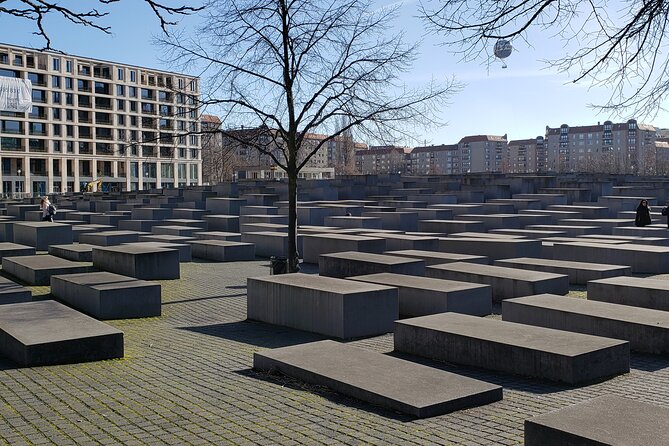
Then you walk through the Holocaust Memorial, also known as the Memorial to the Murdered Jews of Europe. The tour sets aside around 20 minutes, and the guide walks with you through the memorial space.
This is not the kind of stop you want to rush. The memorial’s impact comes from experiencing it at walking speed, not from taking a quick photo and moving on. Having a guide matters because they can help you understand what you are looking at while respecting the solemn purpose of the space.
The stop includes a free admission ticket, and the tour includes time to pause. That is key. You are not just passing through on a stopwatch.
Practical advice: wear comfortable shoes and plan for a slower pace. If you want photos, do it thoughtfully, without blocking other people. If you prefer quiet, you can follow the guide’s pace rather than forcing the “tourist pace” onto the memorial.
Stop 4: Bundesministerium der Finanzen and what Nazi architecture still signals
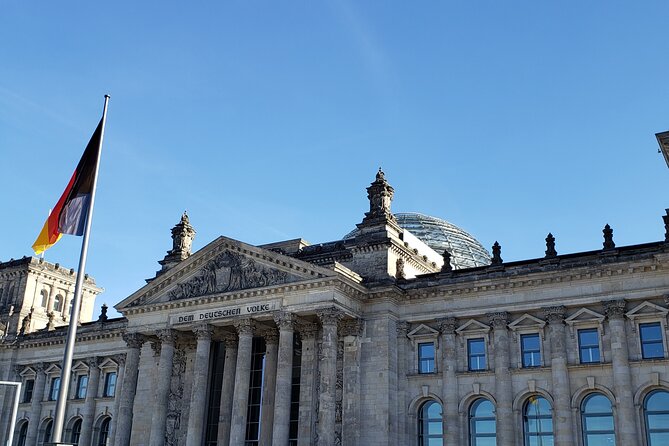
One of the more unsettling parts of Berlin is that Nazi design language can still be read on modern streets. Here, you see the Bundesministerium der Finanzen building, a huge structure in a typical architectural style associated with the Nazi era, and it was used as the Aviation Ministry.
This stop is about recognition. The guide helps you see how aesthetics and power often travel together. Architecture does not cause ideology, but it can communicate authority, control, and permanence.
The tour allocates about 20 minutes here. I suggest using that time to notice details rather than just reading a sign. Ask yourself what feels “official” or “commanding,” and then let the guide connect that feeling to what the building was meant to represent.
Also, the value here is interpretive. You are not only seeing a building, you are learning how to read it.
Stop 5: Georg Elser sculpture and the attempt that came too early
You then stop at the Johann Georg Elser sculpture. This memorial recognizes Georg Elser, who in 1939 tried to kill Hitler with a bomb.
This stop is short, about 10 minutes, but it changes the emotional tone of the walk. Instead of only looking at how the regime rose and how it ended, you get a reminder that resistance existed early, even if it failed.
I like that this tour does not only show you the machinery and the aftermath. Adding Elser makes the story less one-note, and it gives you a more complete sense of how many different threads were moving through Germany at the time.
As with the other memorial elements, the guide can help you understand why remembrance matters. Elser’s story becomes a counterpoint to the regime’s narrative of inevitability.
How the guide handles the route between major stops
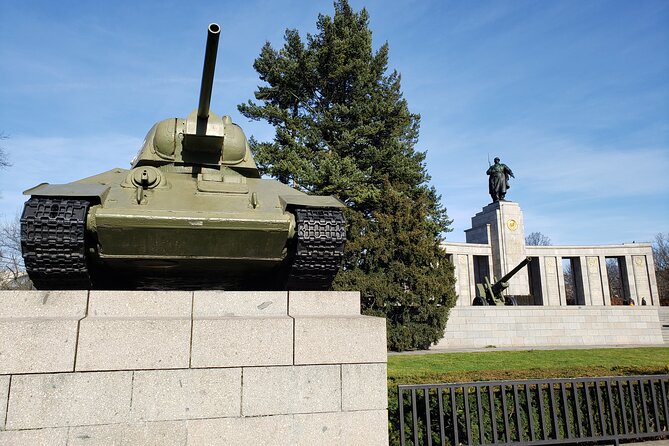
The highlights mention a stroll over former sites of Goering’s Air Defence Ministry and Hitler’s New Chancery. That matters because it helps you picture where key leadership and planning functions sat in the city.
It is also why the route works. Even when you are not stopping at each location as a formal entry point, you are still learning how the regime was organized spatially. The guide’s explanations during the walking segments often make the biggest difference, because you get context while your brain is already mapping the neighborhood.
One more detail to keep in mind: guides may tailor emphasis based on your interests. In past tours connected with this route, historians have shown flexibility, including adding or highlighting other memorials and major nearby landmarks when time allows.
If you want that kind of customization, ask your guide at the start what you are most curious about. Even a quick question like, “Should we spend more time on memorials or on the built sites?” can shape your experience.
Price and value for a private Berlin history lesson
The price is $150.51 per person for an approx 2-hour private walking tour. That is not a budget impulse buy, but it also is not an all-day museum ticket either.
Here is where the value comes from:
- Private format means you are paying for attention, not just access.
- Entry is free for the tour stops you visit, so the money goes mainly to interpretation and guided pacing.
- A historian guide helps you avoid getting lost in names and dates. You leave with a clearer sense of how places relate to events.
If you are traveling as a couple or a small group, the private aspect is easier to justify because you are getting something closer to a conversation with a local expert.
If you are solo and price-sensitive, you might consider whether you will use that guide time to the fullest. This tour works best when you are ready to ask questions and spend your attention on difficult content.
Who this tour suits best, and who should think twice
This tour fits best if it is your first time in Berlin and you want a structured way to understand the Nazi era through places you can actually reach. It also makes sense for history-minded adults who prefer context over scavenger-hunt touring.
It can work well for teenagers too. The subject matter is heavy, but a strong guide can make it understandable and discussion-friendly, instead of leaving young people with vague, overly emotional impressions.
Think twice if you know you struggle with serious topics like genocide, terror, and war’s end. The Holocaust Memorial and Topography of Terror stop are not light stops. If you prefer a gentler introduction to the city, you might want a different Berlin theme.
Small, practical tips to get the most from this walk
- Wear comfortable shoes. Even with time set aside, you are still walking and standing.
- If you want photos, save them for brief moments. The memorial spaces benefit from slower attention.
- Keep one question ready. A good question turns a walking route into a real learning experience.
- Bring water if you run warm easily. Berlin weather can surprise you, even when the tour is short.
If you want to feel more grounded, decide your own pace at the Holocaust Memorial. Follow the guide, but you can still take a breath when you need one.
Guides make or break this kind of tour
The biggest takeaway from the guide experience is that the best versions of this tour are driven by a person who can explain without oversimplifying.
Names that have come up for this route include Stefan and Alexander. Both have been described as passionate and highly knowledgeable, with a friendly approach and an ability to keep the tour in-depth. That combination is especially important here, because the topics require care and clarity.
More than trivia, it is the way a guide can individualize the walk that matters. If you have particular interests, they can shape your route and conversation so you do not feel like you just got a scripted lecture.
Should you book this private Third Reich walking tour?
Book it if you want a guided, place-based way to understand the Third Reich in Berlin, and you are okay with difficult subject matter. The private format, the English-language delivery, and the fact that key stops include free admission tickets make it a strong value for the time you spend.
Skip it if you want a casual, quick sightseeing loop, or if you cannot handle memorial spaces tied to genocide and state terror. For that mindset, you will likely feel rushed or overwhelmed.
If you do book, show up ready to listen and ask questions. This is one of those tours where the walking time becomes the point, because you see how history still lives in the streets.
FAQ
How long is the Private Third Reich Walking Tour of Berlin?
It runs for about 2 hours.
What is the price per person?
The price is $150.51 per person.
Is this tour private or shared?
It is a private tour/activity, so only your group participates.
What language is the tour offered in?
The tour is offered in English.
Where does the tour start and where does it end?
It starts at Brandenburg Gate, Pariser Platz, 10117 Berlin, and ends at Topography of Terror, Niederkirchnerstraße 8, 10963 Berlin.
Which sites are included during the walk?
You will visit Topography of Terror, the Fuhrerbunker site (location of where Hitler committed suicide), the Holocaust Memorial, the Bundesministerium der Finanzen building, and the Johann Georg Elser sculpture. The walk also includes former sites connected to the Nazi leadership and administration.
Are entry tickets included for the stops?
Admission tickets for the listed stops are free (including Topography of Terror and the Holocaust Memorial).
Do I need to print anything, or is it a mobile ticket?
You get a mobile ticket.
How far in advance is it commonly booked, and when do I get confirmation?
On average, it is booked 9 days in advance. If you book within 9 days of travel, confirmation is received within 48 hours, subject to availability.
Is full cancellation possible?
Yes, free cancellation is available. You can cancel up to 24 hours in advance for a full refund. If you cancel less than 24 hours before the start time, the amount paid is not refunded.
Fresh reviews out of Berlin
- Gastro Tour with Klaus though the Wrangelkiez, Kreuzberg★ 5.0 · 9 reviews
- Wall Tour Berlin – Fates, Heroes & Love Stories★ 4.0 · 9 reviews
- Berlin City Tour with Hotel pick up and Drop off★ 4.0 · 9 reviews
- Berlin Private Street Art Tour – Off The Grid★ 5.0 · 9 reviews
- Romantic Berlin Rickshaw City and Photo Tour – incl. pick-up★ 4.0 · 9 reviews
- Quatsch Comedy Club Berlin: Quatsch Comedy Hot Shot★ 4.8 · 9 reviews
- Berlin Urbex Adventure and History Tour★ 5.0 · 9 reviews
- Stag Party Berlin: Celebration for Your Bachelor Party★ 3.4 · 9 reviews
Third Reich & WWII Tours, compared.
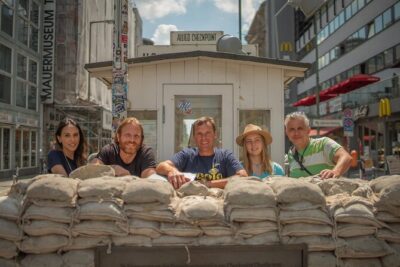
Berlin’s Best: 2 Hour Walking Tour Third Reich and the Cold War
Read our review →
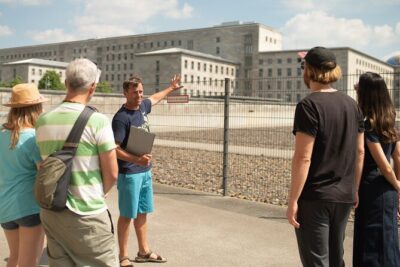
Third Reich Berlin: Hitler and WWII Walking Tour
Read our review →
Walking Tour of Former Nazi Party Rally Grounds
Read our review →
Browse the lists this tour appears in