
Reviewed · THIRD REICH & WWII TOURS
Third Reich Walking Tour Munich
What makes the Third Reich walking tour in Munich interesting is that you are not looking at history through glass. You are walking through the same city blocks where Nazi power took shape, with a guide explaining how politics, propaganda, and intimidation worked in real life.
I especially like that you get landmarks in the city center rather than a string of generic stops. You also get memorial time, so the walk does not end at the rise of the Nazis, it includes remembrance for people who suffered or resisted.
One possible drawback: this is a mostly outdoor walking tour, and it is a heavy topic. On cold or rainy days, you will want to dress for weather, and you may need a little emotional decompression afterward.
Key highlights worth your attention
- Königsplatz and Odeonsplatz, key Nazi-era public spaces, explained in context
- Beer halls and political gathering spots, where movements built momentum in plain sight
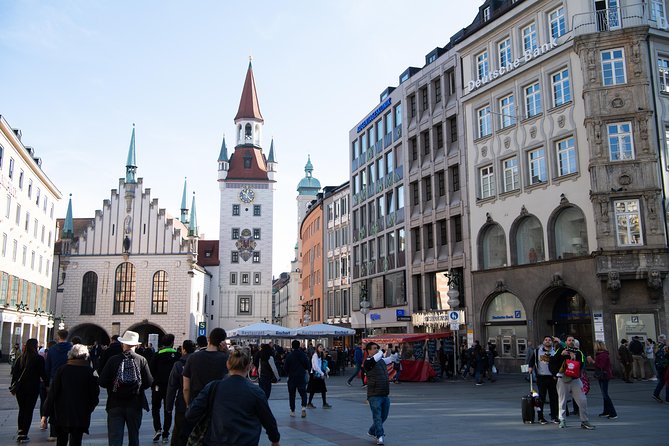
- Old Town Hall and the historic center, placed into the story of power and escalation
- Memorial stops, with time to reflect on victims and opponents
- English guides with room for questions, including guides who used photos or visuals to connect the dots
A city center walk through the rise of Hitler
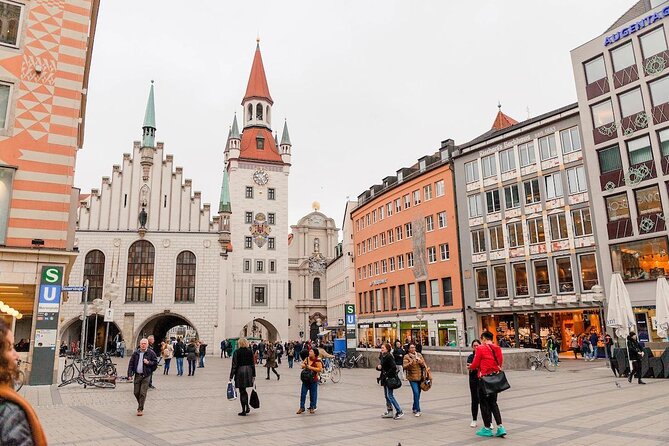
Munich is famous for beer halls, churches, and that postcard-ready center around Marienplatz. But this tour takes you past the scenery and into the machinery of the Nazi rise, step by step, with facts grounded in specific places you can stand in front of.
You start with a guide who keeps the story readable, even when the subject matter gets uncomfortable. I like that many guides on this walk have a teaching style that mixes straight explanation with real human sensitivity, so you are not just collecting dates. You are understanding how the propaganda system sold an ideology, and how ordinary political events turned into something far darker.
More Walking Tours in Munich
- Munich: Third Reich & WWII Walking Tour
★ 4.6 · 6,181 reviews - Munich: Old Town & Viktualienmarkt City Walk in German
★ 4.7 · 2,304 reviews - Munich: Night Watchman Walking Tour
★ 4.7 · 2,092 reviews
Is this tour right for you, or a pass?
This is a good pick if you want a guided, place-based overview of how the Nazis gained traction in Munich. It is also a strong choice if you like asking questions, because the format gives space for back-and-forth rather than one-way lecturing.
If you already know the topic inside out, you may find the pace a bit fast. One person felt the tour could use more time for a deeper follow-up, especially if you want to go beyond a surface-level storyline. At 2 hours and 30 minutes, it is designed to cover key stops, not to replace a full museum visit.
Meeting point, timing, and what the 2.5 hours really feel like
The walk is about 2 hours 30 minutes and caps at 25 people, so you are not lost in a crowd. You meet at Radius Tours at Dachauer Str. 4, check in, then head out toward the main Nazi-era landmarks.
Each stop is timed, and you move along at a walking pace that is realistic for a city center route. You will spend concentrated time at major points like Königsplatz, and shorter bursts at places such as Old Town Hall and the finish at Marienplatz.
Because it is an outdoor walking tour and it depends on weather, plan for the full experience outside. One review specifically warned that it is entirely outside, so pack like you are going for a real walk, not a quick sightseeing stroll.
Stop by stop: Königsplatz and the propaganda geography
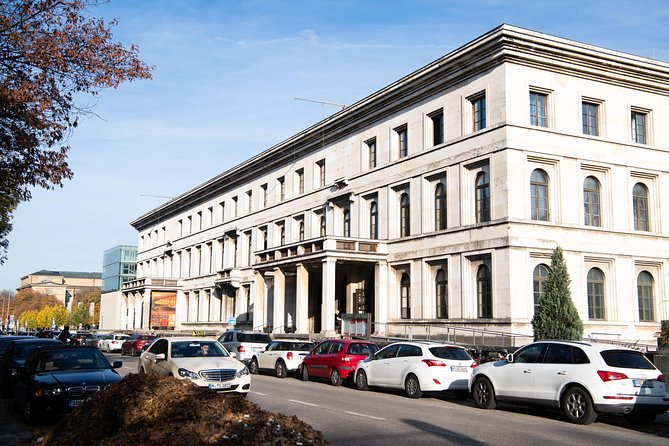
Your first major landmark stop is Königsplatz, described as an important Nazi landmark. This is where the story becomes physical. Instead of only hearing about rallies and ideology, you connect it to the kind of public space a movement wanted, open enough for crowds, dramatic enough for symbols.
In this segment, the guide typically explains how the Nazis used propaganda and spectacle to make their ideas look inevitable. The goal is not just to say what happened, but to show how the public-facing theater worked: the setting, the messaging, and the escalation from politics to intimidation.
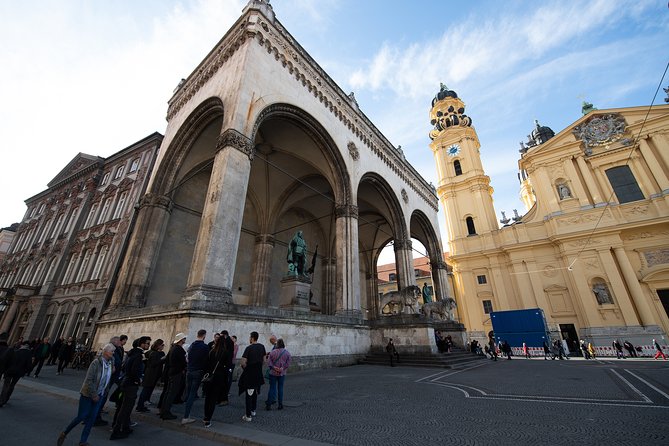
Then the walk continues to Odeonsplatz, another key stop in the story. Here the focus is on how the Nazi Party used the square for marches and memorial-style public moments. Even if you have read about Nazi propaganda, you will likely understand it more sharply when you are standing in the same kind of street-level space where crowds were gathered and pressured.
More Third Reich history tours:
- Munich: Birthplace of the Third Reich Guided Walking Tour
★ 4.6 · 771 reviews - Munich World War II Sites Including Dachau Concentration Camp
★ 4.5 · 570 reviews - Munich City Walking Tour, includes Third Reich & Viktualienmarkt
★ 5.0 · 458 reviews - Third Reich & WWII Walking Tour
★ 4.5 · 417 reviews
Odeonsplatz to Hofbräuhaus: when politics lived in beer-hall walls
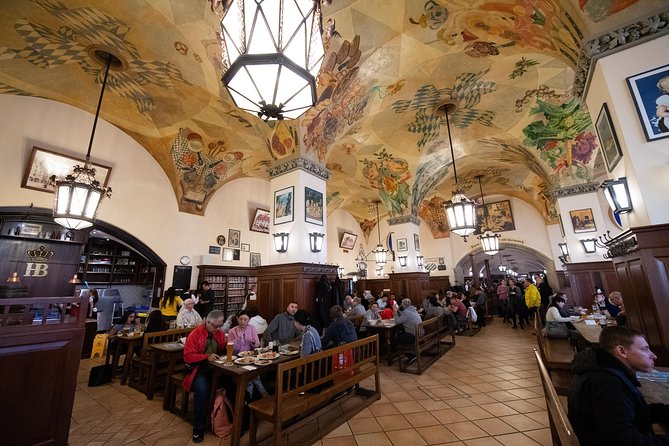
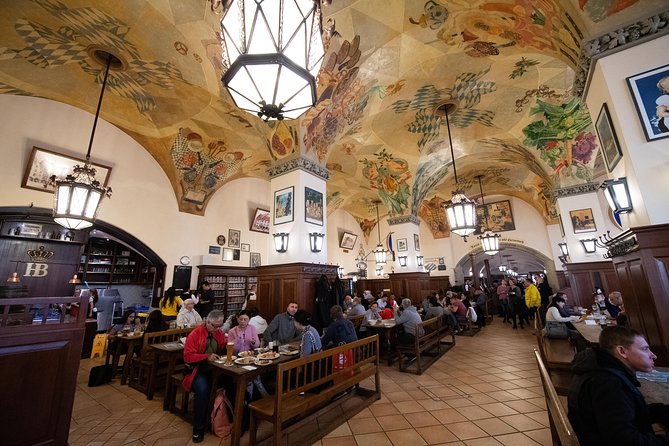
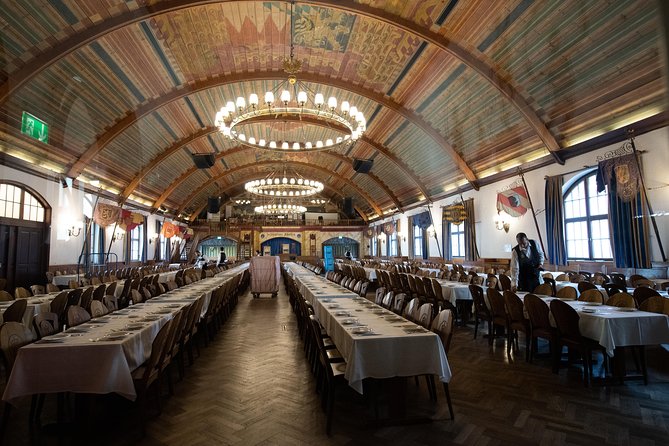
A big part of the Nazi rise in Munich involved turning everyday social spaces into political stages. This is why Staatliches Hofbräuhaus is on the route. The tour treats the beer hall not just as a cultural site, but as a structure that mattered to the Nazi Party’s public presence.
You also get time at the stop between the major squares and monuments, which matters because it helps you connect the dots. In plain terms, this stretch shows how the movement built momentum: from public demonstrations in formal places to political networking in social venues where people already gathered.
I like that this tour does not pretend the Nazis were only a distant political force. It treats the process as something that moved through real routines, real conversations, and real gathering spaces.
Old Town Hall and Marienplatz: seeing the story end where Munich starts
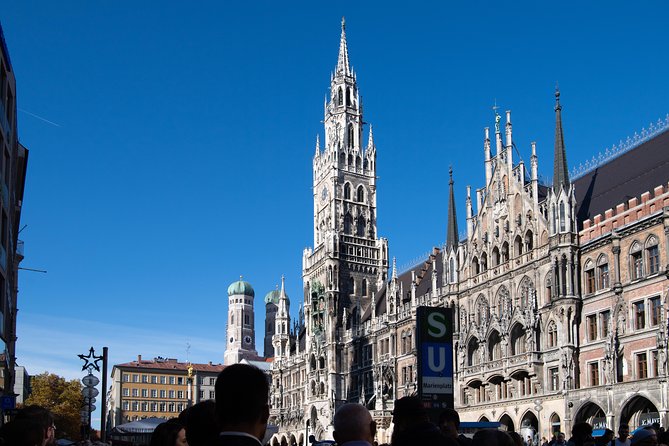
Next you visit Old Town Hall, with time to look at the setting and understand why it belongs in the bigger Munich-to-power narrative. The guide’s job here is to keep the focus on significance, not architecture alone.
Finally, you end at Marienplatz, Munich’s central heart. This is a smart finish because you are right back in the middle of your sightseeing day. After the heavier history stops, it is easier to reset with food, shopping, or a casual look at the square and church details you have seen in photos since day one.
This is also where you can feel the contrast in modern Germany. The tour includes remembrance for those who suffered under the regime, with memorial time built into the overall walk. Ending at Marienplatz lets you carry the meaning forward without getting stuck in the history bubble.
How the guides teach, and why it makes a difference
What drives the high rating here is how guides handle both facts and tone. Many guides are praised for being fact-filled while still keeping the walk approachable and well paced.
A recurring plus is that guides answer questions directly, even when topics feel awkward. One review even called out that the guide was open and honest about uncomfortable parts, instead of skating around them. That kind of candor matters on a tour like this, because you want clarity, not euphemisms.
Another standout teaching method is using visuals. One guide was praised for having photos to tie everything together. Another review highlighted that a guide kept the balance between explaining significance and spending time actually walking between points.
Guides also seem aware that comfort affects learning. One person described a guide who checked in mid-tour and guided the group toward a bathroom and coffee break, even polling the group first. That kind of small human touch can make a big topic easier to process.
Practical tips for an easier, smarter experience
This tour will work best if you come prepared to walk and to stay present. Start with your clothing, because the tour runs outdoors and weather matters.
A few things I’d do before you go:
- Wear layers, even in shoulder seasons, since cold weather has shown up in the experience.
- Bring a small notebook or use your phone notes so you can capture names and key points while they are fresh.
- If you are more of a detail person, think about writing down your top questions early, so you can ask them while the group still has time to engage.
If you like to review later, consider taking quick notes per stop. One comment suggested having a brief outline to remember everything at home, which is a fair wish after 2.5 hours of intense content.
Price and value: is $45.95 worth it?
At $45.95 per person for about 2.5 hours, the value comes from the guided interpretation more than from any paid attractions. The stops on this walk are described as free to enter, so you are paying primarily for the guide and the structure of seeing key sites in sequence.
You also get an English-speaking local guide, a group size capped at 25, and a mobile ticket. For a city where it is easy to wander past important buildings without understanding why they matter, paying for guidance can save you from missing the point.
One more value driver: the tour has strong overall ratings, with a 4.7 score and thousands of ratings, plus about 93% recommending it. That kind of consistency usually means the pacing and explanations land well for a wide range of people, not just history buffs.
Who should book, and who might want a different option?
Book this tour if you want:
- A guided, place-based overview of the Nazis’ rise in Munich
- Key stops like Königsplatz and Odeonsplatz, explained rather than just photographed
- Memorial time included in the route, not tacked on later
Consider a different approach if:
- You want a slower, more in-depth academic treatment that takes more than 2.5 hours
- You dislike outdoor walking, especially in cold weather
My take: this is the kind of tour that can genuinely shape how you read Munich afterward, especially when you are heading toward museums or deeper reading. It gives you context before you go hunting for more meaning on your own.
FAQ
How long is the Third Reich walking tour in Munich?
The tour is about 2 hours 30 minutes.
Where does the tour start and where does it end?
It starts at Radius Tours, Dachauer Str. 4, 80335 München, and it ends at Marienplatz in the city center (80331).
Is the tour offered in English?
Yes, it is offered in English.
What is included in the price?
The package includes the 2.5-hour walking tour with a local guide. A mobile ticket is used.
Do I need to pay admission fees at the stops?
The listed stops show admission ticket free, so you are not expected to buy extra admission for the stops on this route.
Is the tour mostly outdoors?
Yes, it is a walking tour and the experience requires good weather. One review also noted it is entirely outside.
Are service animals allowed?
Yes, service animals are allowed.
Should you book?
If you want your first Munich days to include more than beer halls and landmarks, book this. For the money, you are buying clear guidance through specific sites, plus memorial time and a thoughtful tone. If you are sensitive to heavy topics, or it is a bitter-cold day, dress for the outdoors and consider scheduling something light afterward.
Fresh reviews out of Munich
- Munich: Christmas Markets Food & Drink Tour★ 4.6 · 50 reviews
- Munich: Walking tour of the old town with all your senses★ 4.5 · 51 reviews
- Munich: Scavenger Hunt Self-Guided Tour★ 4.1 · 51 reviews
- Hidden Architectural Gems of Munich (Max. 16 guests)★ 4.9 · 52 reviews
- Shared Departure Transfer: Munich Central Station to Munich Airport★ 3.5 · 54 reviews
- Hard Rock Cafe Munich with Set Lunch or Dinner★ 3.5 · 54 reviews
- Quatsch Comedy Club München: Die Live Show★ 4.6 · 56 reviews
- From Munich: Royal Fairytale Tour★ 4.9 · 56 reviews
Third Reich & WWII Tours, compared.
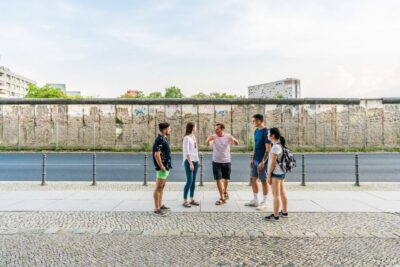
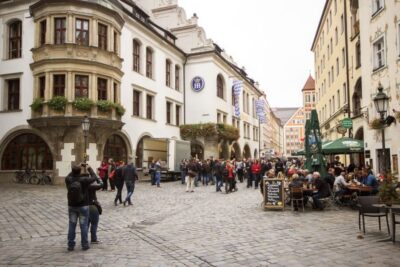
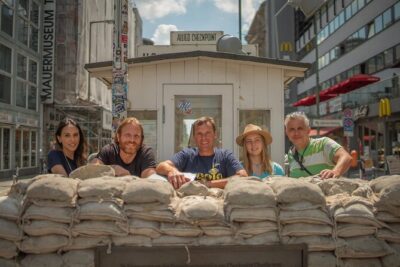
Berlin’s Best: 2 Hour Walking Tour Third Reich and the Cold War
Read our review →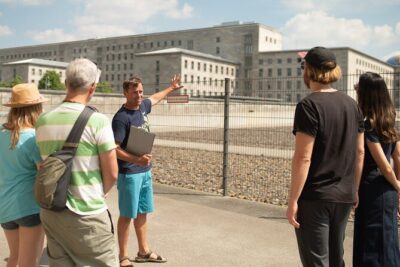
Third Reich Berlin: Hitler and WWII Walking Tour
Read our review →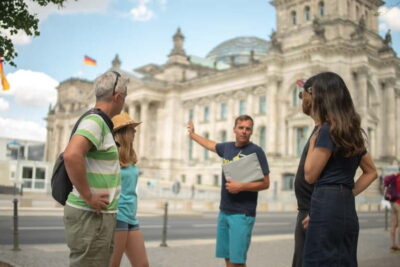
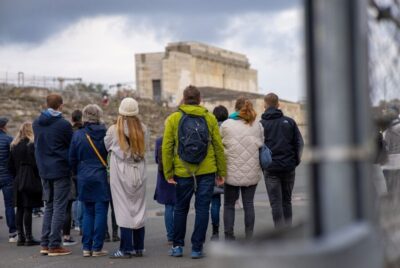
Walking Tour of Former Nazi Party Rally Grounds
Read our review →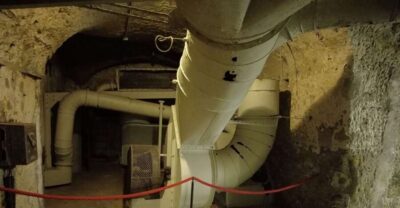
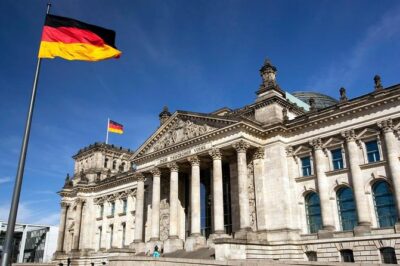
Berlin Third Reich Sites: Half-Day Walking Tour
Read our review →Browse the lists this tour appears in