
Reviewed · THIRD REICH & WWII TOURS
Munich: Birthplace of the Third Reich Guided Walking Tour
Munich is one of the only major European cities where you can still walk past buildings tied to the rise of the Third Reich and then see how later generations tried to remember the people it destroyed. You’ll hit beer halls tied to Hitler’s early public rise and stand near the places where propaganda and violence were organized. It’s not a casual stroll, but it’s a clear way to understand how a movement gained momentum in plain sight.
Two things I really like about this tour: the focus on specific, real locations (not just vague history), and the way the guides handle heavy material with a balance of empathy and practical explanation. Guides such as Jake, Sam, Nic, Dan, and Steve are repeatedly praised for answering questions and keeping the story understandable even when the topic is grim. One drawback to consider is that the content includes anti-Semitism and milestones like Kristallnacht, so it can feel emotionally heavy even if you’re ready for history.
If you want context for how Munich became a political launchpad for the Nazi Party, this is a strong, time-efficient option. The walk lasts about 2.5 hours, the price is $29 per person, and you get a live English guide plus transport to the historic center. Just go with the right mindset, wear good walking shoes, and be ready to slow down at memorials and difficult sites.
Key Highlights You Should Know Before You Go
- Hitler’s early party meetings and speeches in Munich beer halls that helped turn a fringe movement into a loud political force
- A Goebbels connection to Kristallnacht planning, centered on a specific building tied to the violence of that night
- Stops that explain the rise of Nazi ideology in Munich, from early failures to organized power
- The official Nazi Headquarters area and surviving Nazi-era buildings, with reminders of wartime damage nearby
- Monuments honoring victims and opponents of Nazism, so the tour ends with remembrance, not just shock
Entering Munich’s Nazi-Era Story in the Middle of Today’s Streets
What makes this tour work is that it refuses to keep history safely in a museum. You walk through central Munich where the physical setting still matters. The beer halls, the headquarters area, and the commemorations are all part of how the city has chosen to remember, explain, and warn.
The tour’s narrative follows the same arc you see in textbooks, but with a street-level advantage. You start before the Second World War, when the Nazi movement was still building influence. You then move toward turning points such as the lead-up to Kristallnacht, and you finish with monuments that honor victims and opponents. It’s a guided way to connect cause and effect, not just dates.
This isn’t about spectacle. The tone you should expect is educational and human. In practice, many guides are noted for keeping the experience approachable, including how they answer follow-up questions. That matters because you will likely have your own reactions as you see how hate propaganda translated into real policies and real suffering.
More Walking Tours in Munich
- Munich: Third Reich & WWII Walking Tour
★ 4.6 · 6,181 reviews - Third Reich Walking Tour Munich
★ 4.5 · 4,291 reviews - Munich: Old Town & Viktualienmarkt City Walk in German
★ 4.7 · 2,304 reviews
Price and Duration: Is $29 Good Value for a 2.5-Hour Walk?
At $29 per person for about 2.5 hours, this tour is priced like a serious historical walking experience, not a casual city loop. And for that cost, you get more than a guide lecture. You get a live English guide, the tour itself, and transportation to the historic center of Munich.
That last part is practical. Munich is big enough that it can be annoying to figure out the fastest way to the exact starting area, especially when your time is limited. Here, you meet at the Radius Tours office and then travel to the historic center before the walk begins. You can spend your energy on the history, not on transit puzzles.
You also avoid one common hidden cost. The activity does not include hotel pick-up, so you’ll plan to get to the meeting point on your own. If your hotel is already near central Munich, that’s an easy win. If you’re farther out, you’ll want to account for the extra time getting to the office.
Meeting Point at Radius Tours Office, Then a Short Transport to Start
Your day begins at the Radius Tours office. From there, the experience includes transportation to the historic center. That setup is helpful because it keeps the walking focused where it counts.
If you’re the type who likes to get your bearings fast, show up a few minutes early. Walking tours can start right on time, and you’ll want a calm moment before the guide kicks off the story. Once you’re in the historic center, the walk becomes the main event.
Also think about how you’ll end. The tour lists two drop-off locations, including the Radius Tours office area (zip code 80331 is provided). So even if you’re staying somewhere else, you’ll likely finish back in a central zone that’s convenient for grabbing food or continuing sightseeing.
The Beer Halls Stop: Why Early Nazi Energy Started in Public Spaces
A big reason this tour has a strong reputation is that it takes you to the places where Hitler and his circle made their first political noise. You’ll visit beer halls where Hitler had early party meetings and speeches. These are not random drinking landmarks. In the story you’re walking through, beer halls functioned as public stages where ideology could spread, supporters could gather, and intimidation could feel normal.
This matters because it shows a hard truth about how movements grow. The Nazi Party did not only rise through secret meetings. It rose in places where ordinary people could be reached. Seeing those settings in person helps you understand how propaganda can ride on social culture, not just politics.
When you stand in those spaces during the tour, pay attention to what your guide explains about structure and momentum. The key is to understand how small audiences, then recurring meetings, can create a platform for bigger rallies. It’s easier to dismiss extreme ideas as impossible until you see how they were made repeatable.
More Third Reich history tours:
- Munich World War II Sites Including Dachau Concentration Camp
★ 4.5 · 570 reviews - Munich City Walking Tour, includes Third Reich & Viktualienmarkt
★ 5.0 · 458 reviews - Third Reich & WWII Walking Tour
★ 4.5 · 417 reviews - Munich 3-Hour Segway Tour: Nazi Munich & Royal Architecture
★ 4.9 · 194 reviews
From Power to Propaganda: Walking Toward the Nazi Headquarters Area
Next, the tour moves toward the official Nazi headquarters area. This is where the story changes tone from early rise to organized power. The headquarters stop is paired with nearby buildings that show scars of the Second World War. That juxtaposition is powerful, because it keeps the history grounded in physical reality.
You’ll also learn that much of central Munich was devastated by Allied bombing, yet several Nazi-related buildings survived. That survival is not neutral. It forces a question that the tour’s memorial stops later answer: What does a city do with the architecture of its own wrongdoing?
As you walk these streets, the tour leans into how the Nazis built legitimacy while using intimidation. Expect explanations about how supporters, including the political muscle often described as the Brownshirts, fought to gain control. You’ll hear about how early efforts, failures, and factional energy fed into a larger rise.
If you like history with a clear storyline, this section delivers. It connects individual actions to institutions, and it explains why a headquarters is more than a building. It’s a symbol of decision-making, coordination, and bureaucratic power.
Night of Broken Glass and the Goebbels Plotting Connection
One of the most memorable stops is the building tied to Goebbels plotting the Night of Broken Glass. The tour highlights how Kristallnacht became a major milestone on the road toward the Holocaust. Even if you already know the basic outline, standing near a site connected to planning makes the event feel closer and less abstract.
Here’s what I think you should take from this part of the tour: Kristallnacht wasn’t random violence. It was organized, it was ideological, and it was meant to terrorize and exclude. The guide’s job in this section is to show you the chain of events that turned prejudice into action at scale.
Expect emotionally tough language. The tour explicitly includes reality checks about anti-Semitism and the memory of victims. If that feels like a lot in one sitting, don’t fight it. Let the pauses happen. A good guide will pace the group so you can absorb what you’re seeing without rushing past it.
How Munich Survived the War, and How It Chooses to Remember
This tour doesn’t end with the rise of the Nazi Party. It turns toward the aftermath. Along the route, you’ll find monuments honoring victims and opponents of Nazism, and the tour frames them as more than decoration.
This is where Munich’s history becomes a live question. If buildings survive, the city has to decide what those buildings mean now. The inclusion of memorials helps answer that. You’re not only shown where power was built. You’re also shown how a modern city tries to acknowledge what happened, who suffered, and who resisted.
The tour also points out that many Nazi buildings survived Allied bombing in central Munich. That detail matters because it explains why you can still encounter the physical reminders today. It’s part of the reason this walking approach is so effective. You don’t just learn what happened. You learn why it’s still visible.
And this is where the guide balance becomes important. Several named guides are praised for mixing empathy with the ability to keep the flow clear. That’s the right approach here. You need accuracy, but you also need respect for the people the history harmed.
What I’d Ask Your Guide (So the 2.5 Hours Really Pay Off)
You only have 2.5 hours, so the best strategy is to ask questions that connect the stops. A guide who can handle follow-ups will turn the walk into something personal and memorable.
Here are smart question types to bring up:
- How did Munich specifically help the Nazi Party grow before the war?
- How did propaganda travel from meetings in venues like beer halls to formal power structures?
- What does the city’s memorial approach do well, and what does it leave unsaid?
- Where do you think people misunderstand the timeline, for example by jumping straight to the war?
It’s also worth leaning into the guides you might be assigned. This tour’s guides are repeatedly praised by name, including Jake, Sam, Nic, Steve, Dan, Iain, Josh, Aileen, and Mark. Across those different styles, the common thread is the ability to explain hard material clearly and take questions seriously.
Some guides may also use visual aids. One example from past tours is a photo binder that helps connect what happened then with what you see now. You might not get that exact tool with every guide, but if you do, it’s a strong way to make the story stick.
Practical Tips That Make the Walk Easier
This experience is designed as a walking tour, so small comfort issues can matter. I recommend:
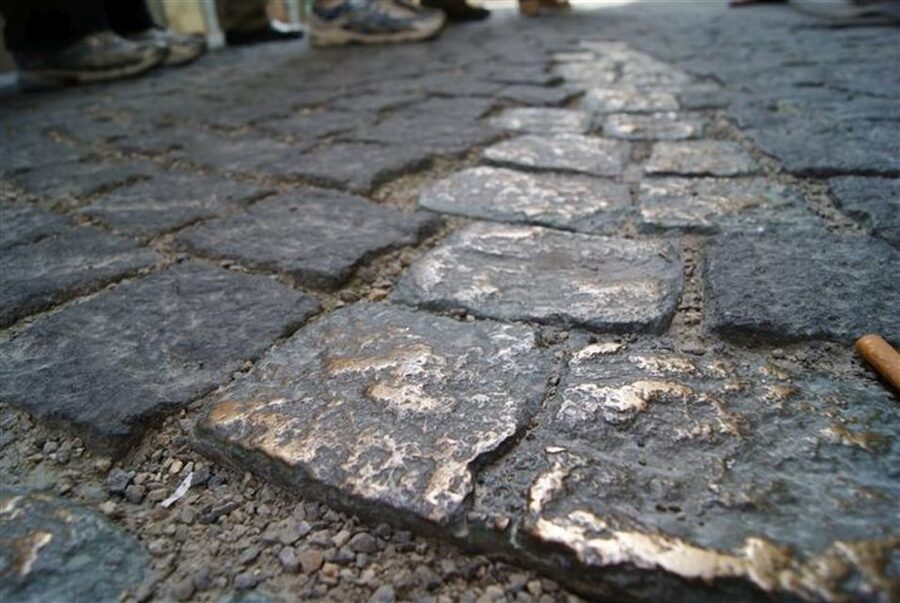
- Wear shoes that handle cobblestones and cold sidewalks.
- Bring a light layer, because you’ll spend most of the time outdoors.
- Have water in mind, especially if you’re taking the tour in colder months and still want to stay comfortable.
Also, keep an eye on pacing. The content is heavy, and a good guide will build in the chance to process. If you’re the type who likes to take notes, keep them short. Write down a few names or key terms your guide repeats. Then later, when you’re back in a café, you can look them up.
Who This Tour Is For
This is best for people who want context, not just trivia. If you’re interested in how extremist movements grow through local culture, public organizing, and institutional takeover, you’ll likely find the route more meaningful than a generic “Third Reich highlights” walk.
It’s also a good match if you like guided storytelling that stays tied to real buildings. The tour leans on recognizable Munich sites linked to the Nazi rise, plus memorial stops that point you toward remembrance.
If you’re extremely sensitive to Holocaust-related content, plan carefully and consider whether you want a lighter history option on the same trip day. The tour does not shy away from reality, including anti-Semitism and Kristallnacht.
Should You Book This Munich Third Reich Walking Tour?
I think you should book it if you want a structured, in-the-street explanation of how Munich helped power the Nazi rise, and you want the experience to end at memorials for victims and opponents, not just at sites tied to the perpetrators.
Skip it only if you’re looking for something purely sightseeing-focused. This is history with moral weight, and you’ll feel that. If you can handle that, the value is strong: $29, 2.5 hours, English guide, and transportation into the historic center, all built around meaningful locations.
If you do book, go early enough to eat afterward, wear comfortable shoes, and be ready to ask questions. A guide who can handle follow-ups makes all the difference here, and this tour is set up to invite that kind of engagement.
FAQ
What is the price for this Munich Third Reich guided walking tour?
The price is $29 per person.
How long is the tour?
The duration is 2.5 hours.
Where do I meet the guide?
Meet at the Radius Tours office.
Is the tour guided, and what language is offered?
Yes, it’s a live tour with an English-speaking guide.
Does the price include transportation?
Yes. Transportation to the historic center of Munich is included. Hotel pickup is not included.
What kind of places will I see during the walk?
You’ll see beer halls tied to early Nazi meetings and speeches, the official Nazi Headquarters area, and monuments honoring victims and opponents of Nazism.
Will the tour cover Kristallnacht and anti-Semitism?
Yes. The tour includes the story leading to Kristallnacht and addresses anti-Semitism and the memory of victims.
Are there cancellation options?
Yes. There is free cancellation up to 24 hours in advance for a full refund.
Can I reserve first and pay later?
Yes. The option Reserve now & pay later is available.
Fresh reviews out of Munich
- Munich: Christmas Markets Food & Drink Tour★ 4.6 · 50 reviews
- Munich: Walking tour of the old town with all your senses★ 4.5 · 51 reviews
- Munich: Scavenger Hunt Self-Guided Tour★ 4.1 · 51 reviews
- Hidden Architectural Gems of Munich (Max. 16 guests)★ 4.9 · 52 reviews
- Shared Departure Transfer: Munich Central Station to Munich Airport★ 3.5 · 54 reviews
- Hard Rock Cafe Munich with Set Lunch or Dinner★ 3.5 · 54 reviews
- Quatsch Comedy Club München: Die Live Show★ 4.6 · 56 reviews
- From Munich: Royal Fairytale Tour★ 4.9 · 56 reviews
Third Reich & WWII Tours, compared.
Berlin’s Best: 2 Hour Walking Tour Third Reich and the Cold War
Read our review →
Third Reich Berlin: Hitler and WWII Walking Tour
Read our review →
Walking Tour of Former Nazi Party Rally Grounds
Read our review →
Browse the lists this tour appears in