
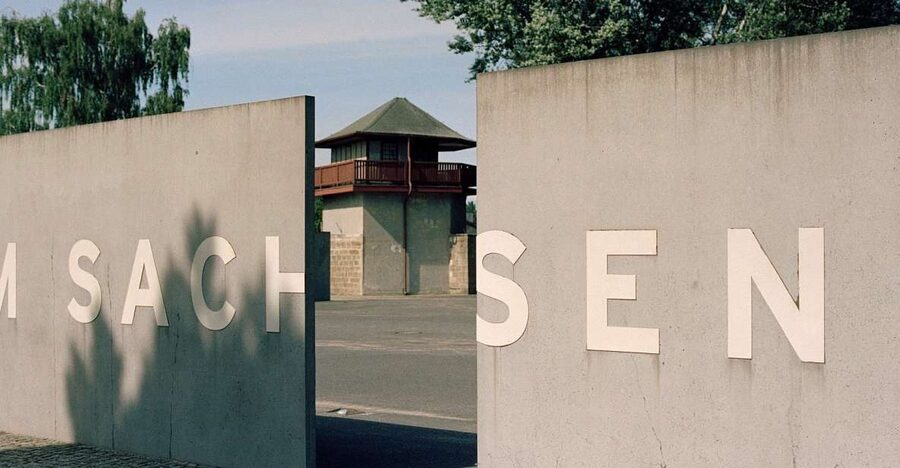
Reviewed · SACHSENHAUSEN MEMORIAL TOURS
Sachsenhausen Memorial: Walking Tour from Berlin
Sachsenhausen Memorial is interesting because it sits just a few kilometers north of Berlin, and it was one of the Nazi regime’s early camps, built as a model for others. It is heavy, factual, and extremely real. I especially like the way the visit is structured around the camp’s key locations, and how the guide’s explanations make the purpose of the architecture and rules easier to follow. The one thing to keep in mind, though, is that this is a lot of walking, in all weather, with no lunch stop.
I also like that you are not just handed dates and names. The tour connects the camp’s design and daily control methods to the broader Nazi system, including forced labor, punishment, and what happened to different groups targeted by the regime. In the feedback I saw, guides such as Fabio, Lorenzo, Soleil, Sueli, and Andrea stood out for clarity and empathy, which matters a lot on a topic like this.
If you go, go prepared. Wear comfortable shoes, bring what you are allowed to bring, and plan to be mentally present for hours. This is not the kind of outing you can half-attend.
Key points at a glance
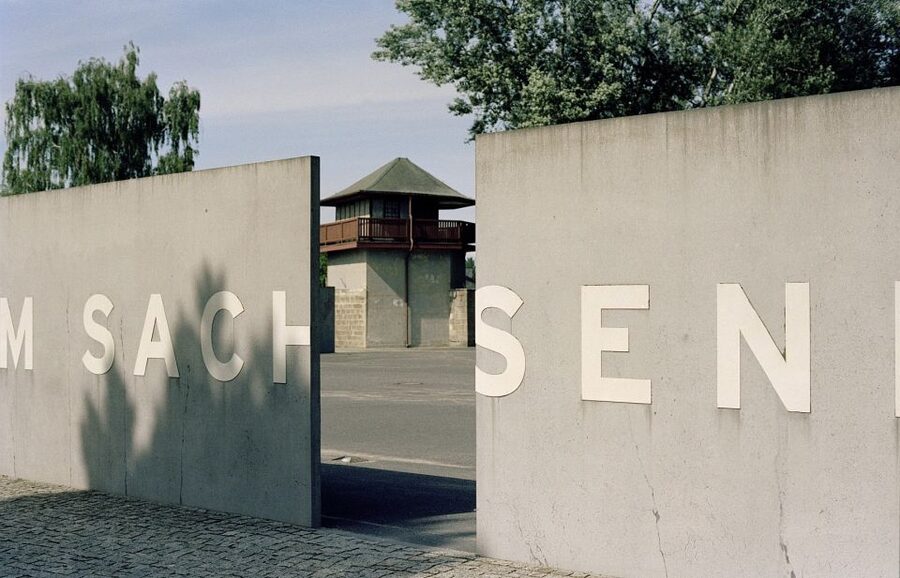
- Prototype camp close to Berlin: Sachsenhausen was one of the earliest Nazi concentration camps and a model for others.
- A guided walking tour inside the memorial: You focus on specific locations that explain how the system worked.
- Small-group feel: Up to 25 people, with a professional live guide.
- Architecture as a tool of control: You will walk through areas designed to enforce SS authority.
- No on-site eating: Bring your food and plan your timing, because there is no lunch stop and eating is not permitted on the site.
- Mandatory donation: Bring cash for the required €3 memorial donation.
Sachsenhausen Memorial: why this camp was the Nazi blueprint
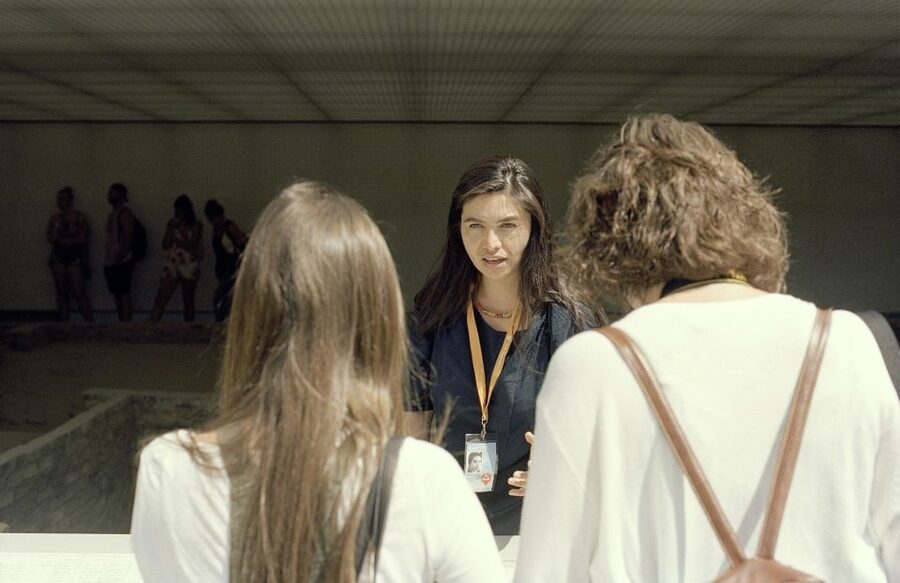
Sachsenhausen is one of those places where you understand, quickly, that the Nazi concentration camp system was not random cruelty. It was planned control. The camp was built in 1936, close enough to Berlin to underline how near the regime’s political power sat to this machinery of terror.
This tour makes that idea concrete. You learn how the site became a prototype for other camps, and how the camp’s layout was designed to enforce total subjugation to SS authority. That is not just an abstract lesson. When you move through the spaces, the explanations land in your head faster because they match what you are seeing.
You also get a clearer picture of who was sent there over time. It starts with political opponents, then expands to include Sinti and Roma, Jews, prisoners of war, and Jehovah’s Witnesses. And the scale is impossible to ignore, with more than 40,000 people perishing here under horrific conditions.
More Walking Tours in Berlin
- Discover Berlin Half-Day Walking Tour
★ 5.0 · 9,624 reviews - Berlin: Third Reich and Cold War 2 Hour Walking Tour
★ 4.9 · 6,830 reviews - Berlin: Discover Berlin Walking Tour
★ 4.9 · 5,998 reviews
Getting from Berlin to Oranienburg without stress
The day starts in Berlin and keeps things simple. You gather at a meeting point that can vary depending on the option, then you travel together to Oranienburg, the nearest station to the memorial site, about 35 km north of Berlin.
Plan for trains and prompt departures. The tour operator notes that you will most likely take a train leaving about five minutes after the scheduled start time. That means you need to arrive at least 15 minutes early. If you are even slightly late, you can miss the train and the guided portion begins promptly.
You will also have a guided moment on arrival in Oranienburg before you step into the memorial area. That helps you get your bearings fast, so the first parts of the walking tour do not feel like you are just wandering inside a museum complex. I like that the tour does not treat the memorial like a distant sight you simply reach and then figure out.
Practical tip: bring your public transport plan. You are responsible for your own ABC public transport ticket for Berlin, typically a 24 hours ticket.
The 3.5-hour walking tour inside the memorial
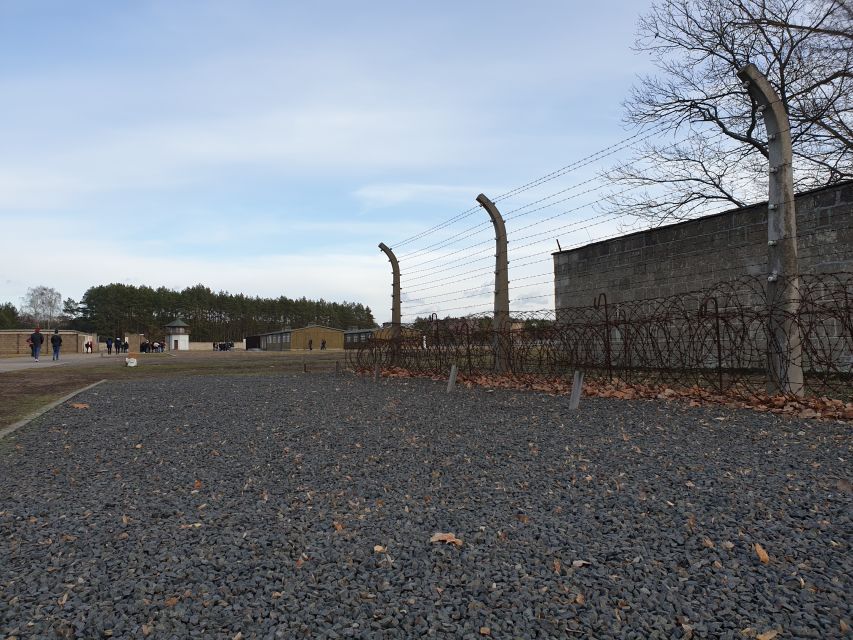
Inside Sachsenhausen, the heart of the experience is a guided walk that lasts about three and a half hours. The goal is to show you the main parts of the camp that explain how the system operated, not just to point at a few monuments.
You focus on key locations that visitors often find confusing on their own. With a guide, you get the logic behind the route and what each place meant in practice. Important stops include:
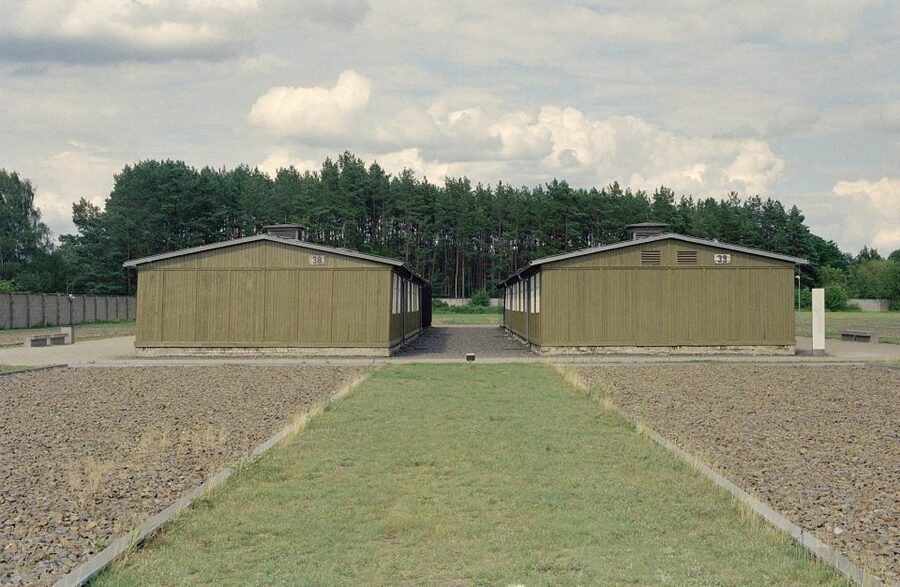
- Tower A and the roll-call square: These help explain surveillance and the ritual of control. Roll calls were not only about counting. They were about discipline and domination.
- The forced labor and punishment system: You learn how labor was organized as a mechanism of exploitation, not work in any normal sense.
- Prison barracks and medical experimentation rooms: This section is difficult, but it is essential for understanding what the regime did beyond imprisonment.
- The former kitchen area, now a museum: It adds another layer to everyday conditions, and it shows how the memorial documents even the mundane to reveal the cruelty.
- Station Z, linked to crematoriums and the gas chamber: This is part of the site connected to how mass killing was carried out.
The tour also includes discussion of daily life inside the camp, prisoner attempts at resistance, and the end-of-war reality like death marches. After that, you connect the dots to postwar history of the site.
One useful thing about having a guide is that you do not have to interpret everything yourself. Camp sites can feel disorienting, especially when buildings and grounds are big. A professional guide helps you attach meaning to what you are seeing.
Architecture as oppression: what you learn as you walk
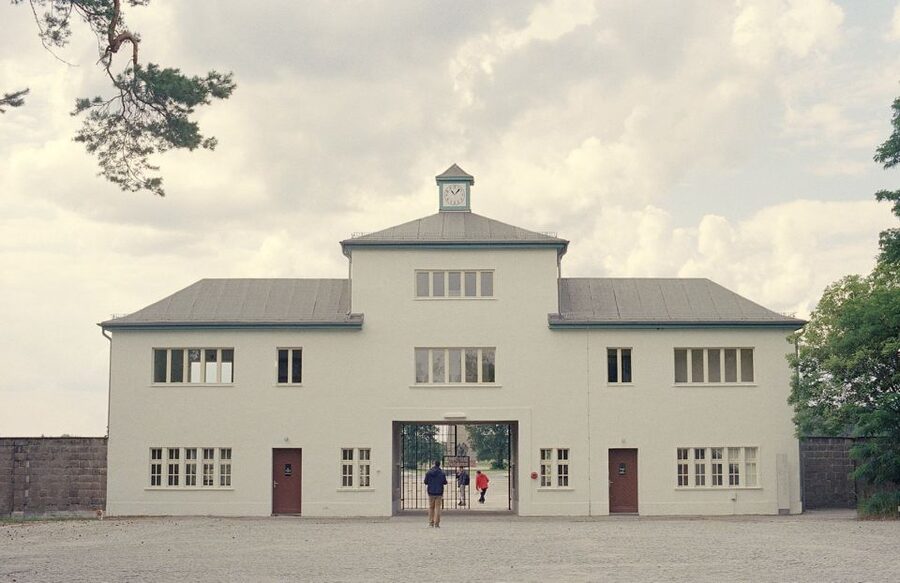
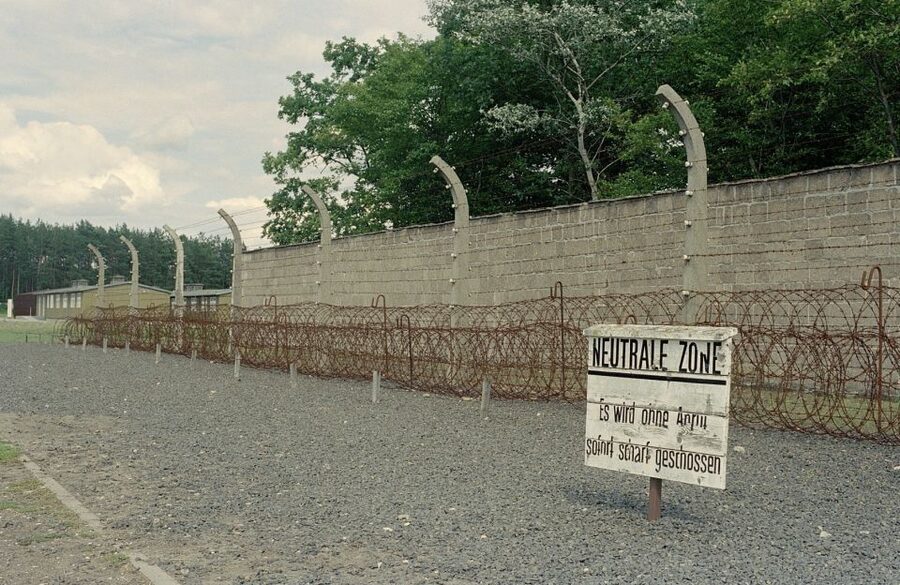
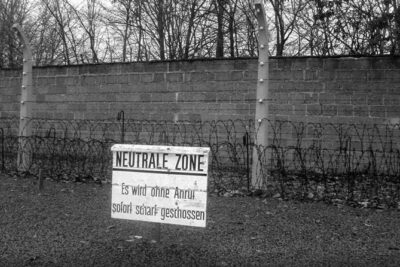
A big theme of this tour is how physical space and architecture were used to enforce power. That is one of the most important lessons Sachsenhausen offers, because it shows you the camp was built with intentions.
The guide explains how Nazi architects shaped the design to enforce total subjugation to SS authority. When you hear that and then you walk through the relevant areas, you understand why certain viewpoints mattered, why movement could be controlled, and how people could be kept under watch.
This is also where being a live group tour matters. In a quiet self-guided visit, you might notice details but miss the sequence that explains the system. On this tour, the guide gives you the historical research and survivor testimonies needed to make the spaces speak.
It is unsettling, no sugarcoating. But that discomfort is part of the point. You are not there for entertainment. You are there to understand how oppression was engineered.
Other Sachsenhausen memorial visits:
- Berlin: Sachsenhausen Concentration Camp Tour in English
★ 5.0 · 5,711 reviews - Berlin: Sachsenhausen Concentration Camp Memorial Tour
★ 4.7 · 3,716 reviews - Sachsenhausen Concentration Camp Bus Tour in English from Berlin
★ 5.0 · 1,962 reviews - Berlin: Sachsenhausen Concentration Camp Tour in English
★ 4.8 · 1,889 reviews
From political prisoners to targeted groups, and the camp’s evolving role
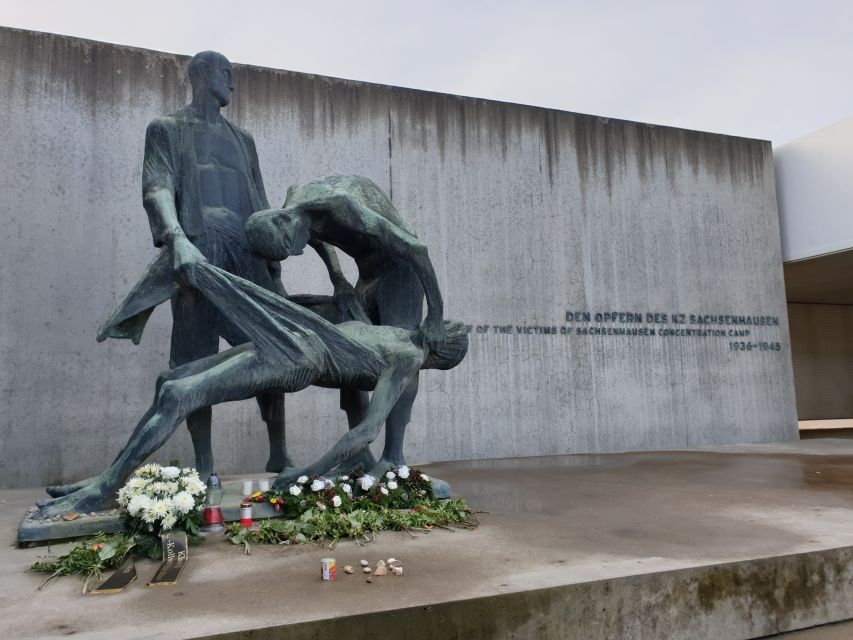
Sachsenhausen began as a place to imprison political opponents, but it changed over time. The tour explains how other groups were later sent here, including Sinti and Roma, Jews, prisoners of war, and Jehovah’s Witnesses.
Why this matters for you: it prevents a common mistake, where people treat the concentration camp system as one uniform thing. It was a system that expanded and adapted. The rules of imprisonment and control could shift, but the core machinery remained.
You also learn Sachsenhausen’s role as a training center for SS guards. That is another crucial piece. A camp was not only for victims. It also functioned as a place where people learned how to manage violence and dehumanization.
And because this was a model camp, the lessons were meant to scale. This tour helps you see how what happened here connected to what happened across Nazi Europe.
Forced labor, punishment, and medical experiments, explained carefully
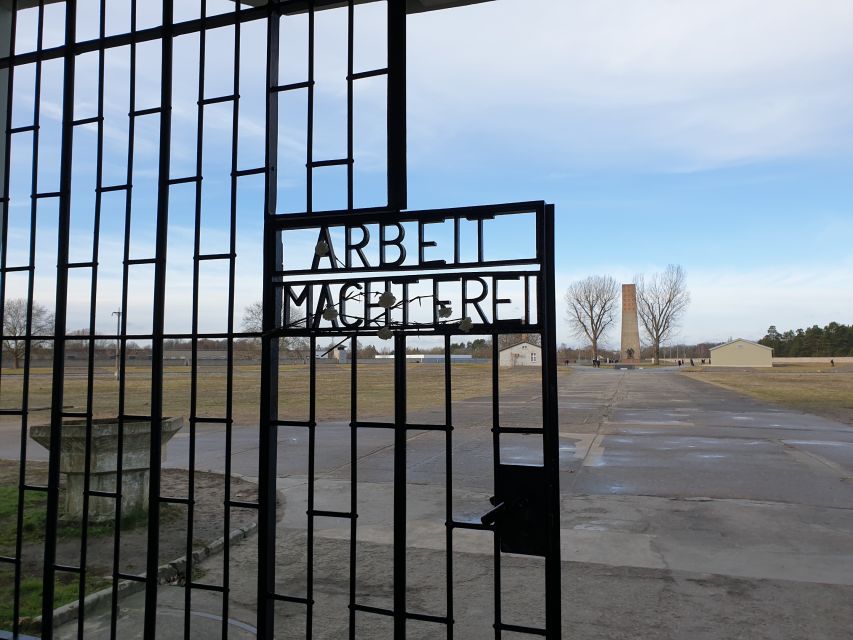
There is no way around it: forced labor, punishment, and medical experiments are among the most horrifying parts of this history. The tour spends real time on these topics, and it does so with context so the experience is not just shock, it is understanding.
You will walk through areas tied to punishment and to medical experimentation rooms. The guide connects those spaces to how prisoners were treated as objects. The point is not just what happened, but how the regime justified and systematized it.
I also appreciate that the tour includes survivor testimonies. That helps you keep a human scale in your head while the events you are learning about are enormous. If you are the type who wants the story to have names and meaning, this approach will feel right.
And if you prefer a more analytical tone, you still get plenty of structure. The architecture, the forced labor system, and the role of punishment are explained as part of a deliberate dictatorship toolset.
The wider Nazi system: industry, propaganda, and what came after
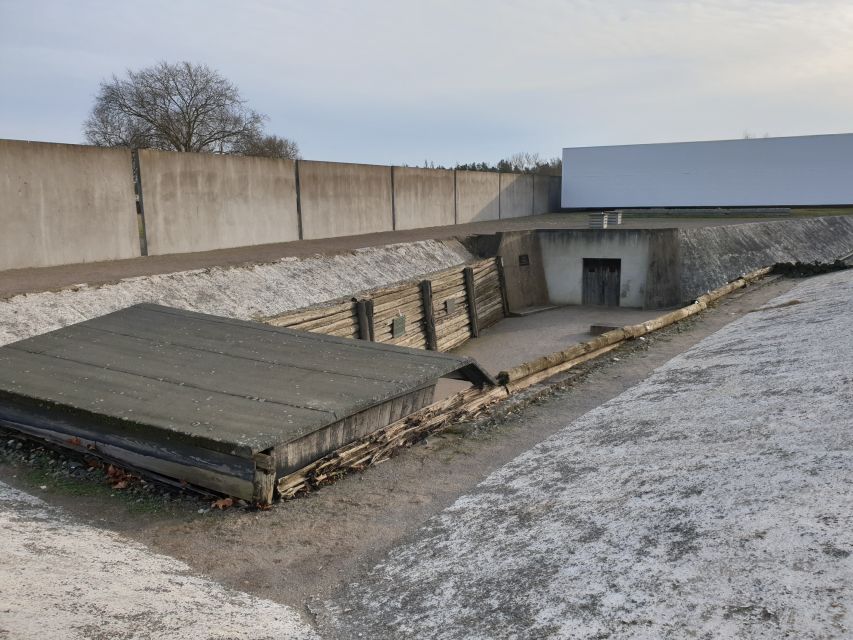
Sachsenhausen was not isolated evil. The tour covers the wider system, including the role of private industry in the camp machinery and how camps were portrayed in Nazi propaganda.
That last part is easy to miss if you only focus on the buildings. Propaganda helped normalize the system and shape what people were told to believe. The guide’s explanations connect the camp to the regime’s communication strategy, which makes the history feel less like a sealed chapter and more like a caution about how societies get pulled into atrocity.
After World War II, under Soviet occupation, Sachsenhausen continued to operate as a special camp. The tour also covers the idea that thousands of people, including former Nazis, political opponents, and civilians, were detained and that many died of hunger and disease. That postwar section matters because it shows the site did not become harmless the moment one regime fell.
Then you return to Berlin together after the memorial portion. You can also stay longer at the memorial area on your own if you want extra time.
Price and value: what the $511 per group covers
The price is listed as $511 per group, up to 6 people. That pricing structure matters for how you should think about value.
Here is what you get as included:
- A walking tour with a small group
- A live guide (Italian or Spanish in the included description, and live guide languages also listed as French, Italian, English)
Here is what is not included:
- Your Berlin public transport tickets (ABC zone access, 24 hours ticket recommended)
- The mandatory €3 memorial donation paid in cash at the meeting point
Then there is what you personally need to plan:
- Comfortable shoes
- Food and drinks
- Time management, since there is no lunch stop and eating is not permitted on the memorial site
So the value question becomes simple: do you want someone to guide you through the camp’s key locations with context, rather than trying to self-navigate while also absorbing trauma-heavy material? If yes, this is priced like a guided half-day with transport coordination and a professional explanation.
If you are traveling solo or two people, the group-up-to-6 structure may feel tight. But if you are in a small party who can fill spaces, it can be a cost-effective way to make sure the visit is coherent and respectful.
What you should bring, wear, and plan for (so the day runs)
This tour is about six hours total, and it involves a lot of walking. The activity runs in all weathers, so dress for cold, wind, rain, or sun. Comfortable shoes are not optional. Think supportive, worn-in footwear.
You should also plan your food strategy carefully. Eating is not permitted on the memorial site, and there is no lunch stop. The guidance suggests bringing your own lunch for the train journey.
You are allowed to bring food and drinks, but you need to follow the site rule about not eating on the memorial grounds. That can affect timing. If you snack too late, you might find yourself hungry on the train ride home. I recommend pack smart and eat before you enter the memorial area.
Other no-nonsense items:
- Public transport ticket for Berlin ABC zones
- Avoid smoking and alcohol, and do not bring drugs
- Nudity is not allowed (not usually an issue, but it is in the rules)
One more timing note: because trains may leave shortly after the official start time, show up early and ready. This is not a sit-and-wait experience.
Who should book this tour, and who should think twice
This experience fits best if you:
- Want a guided visit that connects camp architecture to Nazi control methods
- Prefer a structured route through major locations like Tower A, roll-call areas, and Station Z
- Appreciate explanations grounded in historical research and survivor testimonies
- Are traveling with a small group and want to share the cost
It may feel less suitable if you:
- Have limited stamina or struggle with long walking days
- Are expecting a light, casual sightseeing day
- Hate rigid time management, since it is important to arrive early for prompt departures and there is no lunch stop
Also, be honest with yourself about emotional readiness. This is an unsettling part of history. The goal is learning, remembering, and understanding, not a relaxing break.
Should you book this Sachsenhausen walking tour from Berlin?
I think you should book this tour if you want clarity. The memorial can be overwhelming, and self-guided visits often turn into a jumble of buildings unless someone gives you the camp logic step by step. With a professional guide and a focused route, Sachsenhausen becomes easier to comprehend, and you spend your energy on what matters: understanding the system.
Book it too if you care about respectful interpretation. The guides named in the feedback I saw emphasize empathy and clear communication, which helps you stay present without getting lost in facts. That balance is hard to find on heavy sites.
Just do not treat it like a casual day trip. Plan your shoes, your food timing, and your transport ticket. If you do that, you will leave with a stronger grasp of how Nazi dictatorship worked, how it was designed, and why Sachsenhausen became a prototype for so much of what came after.
FAQ
How long is the Sachsenhausen Memorial walking tour from Berlin?
The total duration is about 6 hours.
Where does the tour start and end?
You start at a meeting point that can vary by option, and you return to Berlin with drop-off at Potsdamer Platz 10 and Friedrichstraße 141, 10117 Berlin.
How do you get to the memorial site?
You travel together from Berlin to Oranienburg by train (S-Bahn), since Oranienburg is the nearest station to the memorial.
What is included in the price?
The included parts are the walking tour with a small group and a live guide (Italian or Spanish is listed as included), with live guide languages also listed as French, Italian, and English.
Do I need to pay a donation at the memorial?
Yes. There is a mandatory €3 memorial donation, paid in cash at the meeting point.
Are Berlin public transport tickets included?
No. You need to bring your own ABC public transport ticket for Berlin.
Is there a lunch stop during the tour?
No. There is no lunch stop during the whole activity, and eating is not permitted on the memorial site, so you should bring your own lunch for the train journey.
How many people are in a group?
The tour is described as groups of up to 25 people, with private group available as an option.
What should I wear and bring?
Wear comfortable shoes. Bring food and drinks, and bring your public transport ticket. The tour takes place in all weather.
What items are not allowed?
Smoking and alcohol and drugs are not allowed. Nudity is also not allowed.
Fresh reviews out of Berlin
- Berlin Uncensored: A History of Sex & Freedom★ 5.0 · 50 reviews
- Berlin Food & Cultural Tour: Must-Try German & Berliner Classics★ 5.0 · 51 reviews
- English Comedy Show with Pizza and Shots in Central Berlin★ 4.5 · 51 reviews
- Rude Bastards Tour of Berlin★ 4.8 · 51 reviews
- Private Taxi Tour of Berlin East and West and Neighbourhood approx. 4-6h★ 5.0 · 55 reviews
- Rickshaw Sightseeing City Tours Berlin – Rikscha Tours★ 4.0 · 55 reviews
- Berlin: City Highlights Express & Panorama Roof Terrace★ 4.9 · 55 reviews
- Berlin during Nazism – Tour in Italian★ 5.0 · 56 reviews
Sachsenhausen Memorial Tours, compared.
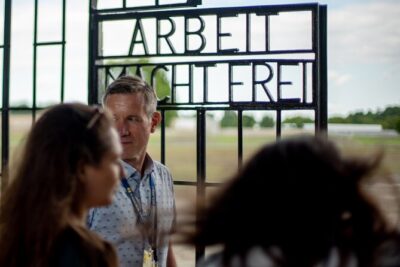
Sachsenhausen Concentration Camp Tour in English
Read our review →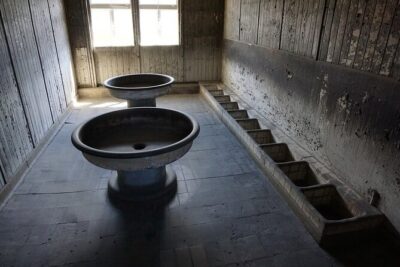
Sachsenhausen Concentration Camp Memorial Tour
Read our review →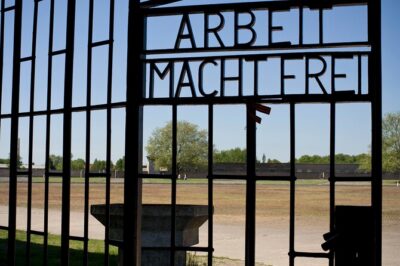
Sachsenhausen Concentration Camp Bus Tour in English from Berlin
Read our review →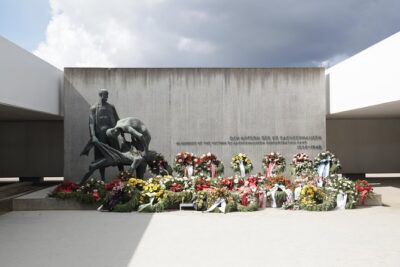
Sachsenhausen Concentration Camp Memorial Tour (Max. 15 Guests)
Read our review →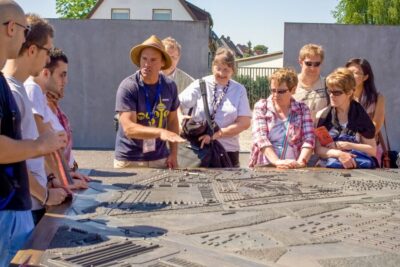
English Bus Tour to Sachsenhausen Concentration Camp
Read our review →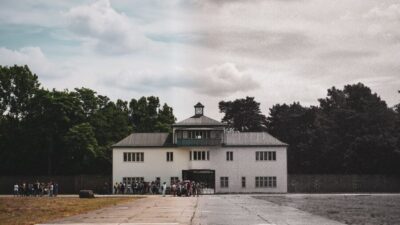
Sachsenhausen Concentration Camp and Potsdam Tour
Read our review →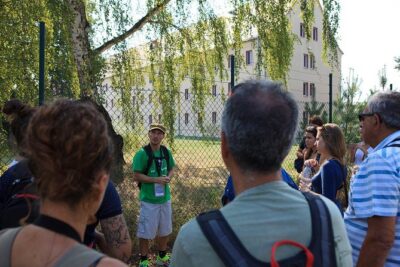
Visita en español al campo de concentración Sachsenhausen
Read our review →Browse the lists this tour appears in