
Reviewed · SACHSENHAUSEN MEMORIAL TOURS
Berlin: Sachsenhausen Concentration Camp Tour in English
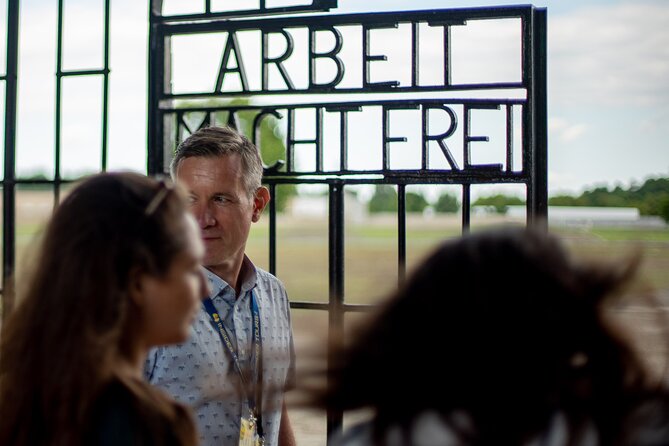
Sachsenhausen is the kind of place that makes Germany’s 20th-century story feel painfully real. This is a guided day trip that takes you from Berlin to the Sachsenhausen Memorial and back, with English support from a licensed guide.
I love how the tour explains what the camp was for before the war, how it changed during the Nazi era, and what happened after 1945. I also like that you see specific, named locations, including Station Z, the punishment areas, and execution-related sites, not just a general overview. One drawback: it involves moderate walking and all-weather time on site, so you will want good shoes and patience.
Key things to know before you go
- A real guided format: A licensed English guide accompanies you from Berlin to the Memorial site and back.
- You’ll see major camp locations like Station Z, Jewish Barracks, punishment cells, and the gallows area.
- Prisoner stories are part of the route, including resistance and sabotage accounts, plus notable prisoners.
- WW2 to post-war context is included, with the Soviet repurposing of Sachsenhausen after the war.
- Logistics are simple but specific: you need an ABC public transport ticket for the round trip.
- Bring snacks and water since you’re out for about 5.5 to 6 hours and most of the day is outdoors.
Why Sachsenhausen is worth your Berlin time
If you are visiting Berlin for history, Sachsenhausen is not filler. It’s a major concentration camp site just outside the city’s orbit, in Oranienburg, about 35 minutes away by train. And because the tour is guided, you get a steady thread: how the camp system worked, what daily life looked like, and how violence escalated and expanded.
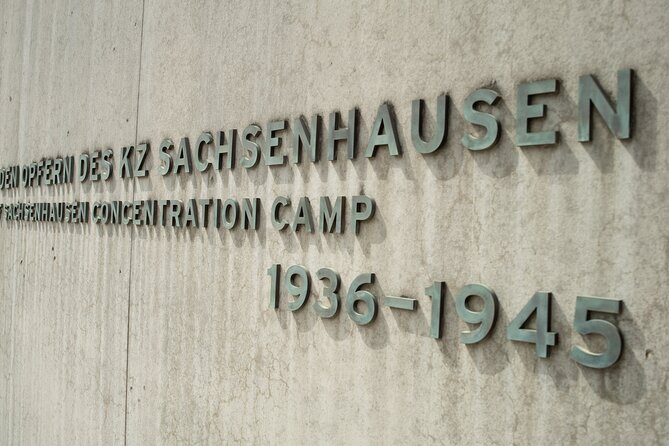
What helps most is that the tour doesn’t treat Sachsenhausen like one isolated event. You’ll hear how the SS started building it in 1936, initially to jail people seen as opposition to the Nazi regime, then later to imprison anyone the NSDAP considered a threat. That shift matters, because it explains the logic behind mass detention, not just the outcome.
The tone is serious, but the best guides keep it human. In past tours, guides such as Daniel, Xavier, Georgia, Emma, Mikhail, and Irish Paul have been described as respectful, patient with questions, and able to keep the group focused without turning the day into a lecture marathon. You will still leave with heaviness in your chest. But you should also leave with clarity.
Other Sachsenhausen memorial visits:
- Berlin: Sachsenhausen Concentration Camp Tour in English
★ 5.0 · 5,711 reviews - Berlin: Sachsenhausen Concentration Camp Memorial Tour
★ 4.7 · 3,716 reviews - Sachsenhausen Concentration Camp Bus Tour in English from Berlin
★ 5.0 · 1,962 reviews
Meeting at Friedrichstraße and lining up your ABC ticket
This tour starts in central Berlin, outside Friedrichstraße train station, near the square by the Palace of Tears, known locally as the Traenenpalast. Look for guides holding yellow umbrellas. That detail sounds small, but it is genuinely useful when you are trying to meet a group in a busy station area.
You will then head to Oranienburg by train, and the full experience depends on you having the right public transport ticket. The tour states you need an ABC zone ticket for travel to the Sachsenhausen Memorial and back to Berlin, and that it can be purchased on the day with help from the tour’s on-site staff. If you arrive late or skip this step, it can add stress. So I’d treat the ticket like a passport for the day.
On a practical level, remember that Berlin train platforms can be crowded. Give yourself a little breathing room before departure, especially if you are traveling during peak season or on a busy day.
The short Oranienburg train ride and the on-foot transition
Once you’re on the train, you’re looking at roughly a 25-minute ride to the area of the Memorial, then a 20-minute walk to the site itself. That walk is not just “getting there.” It is your mental handoff, from Berlin city life to the memorial grounds.
This also means the day starts to feel physical right away. Expect wind, cold, sun, or rain to matter, because the tour runs in all weathers. Comfortable shoes are non-negotiable. You may not think you need them until you step onto the grounds and your feet start voting.
Camp Administration Center: where the system gets explained
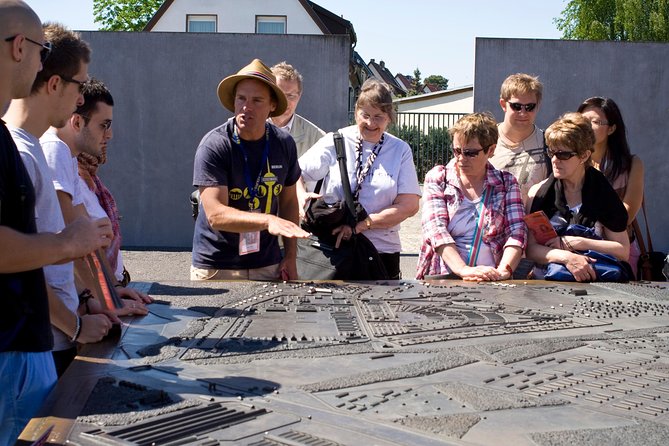
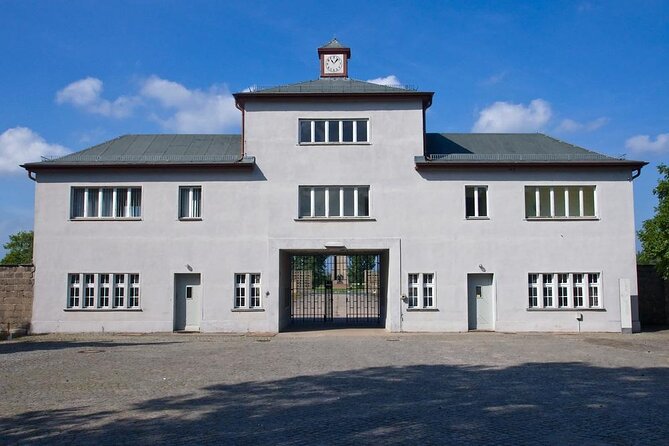
Your guided tour begins at the Camp Administration Center, which now functions as an on-site museum. This building is historically important because it ties Sachsenhausen to the larger Nazi concentration camp system. The tour information highlights that this center once served as the headquarters overseeing the Third Reich’s 32 main camps and over 1,000 satellite camps.
That sounds like statistics, but your guide will make it concrete. You will learn that camps were not random. They were organized, administered, expanded, and connected. Standing near the structures where people coordinated violence, it becomes harder to think of it as chaos.
This is also where you’ll get the timeline that makes later stops easier to understand: before the war, during the war, and what came after liberation. The guide may also explain the “Death March” that preceded liberation in 1945 and how the camp was later repurposed by the Soviets. Even if you think you already know WW2, this part helps you see the machinery behind the story.
Weigh these Berlin picks against each other
- Berlin: Reichstag, Dome and Government District Guided Tour
★ 4.7 · 18,288 reviews - Berlin: 1-Hour City Tour by Boat with Guaranteed Seating
★ 4.3 · 16,993 reviews - Berlin: TV Tower Standard Entrance Ticket
★ 4.4 · 15,883 reviews - Berlin: Boat Tour Along the River Spree
★ 4.4 · 11,252 reviews
Station Z and the places tied to mass murder
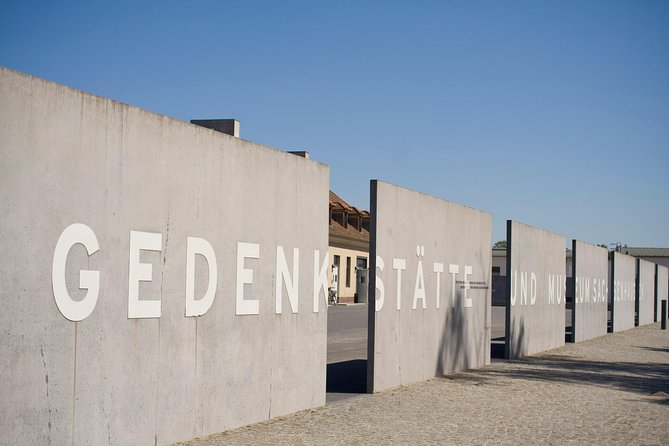
After you get oriented, the route takes you to major areas connected to mass killing, including Station Z. This is one of the hardest stops on the day, and it matters that it’s included as a specific location.
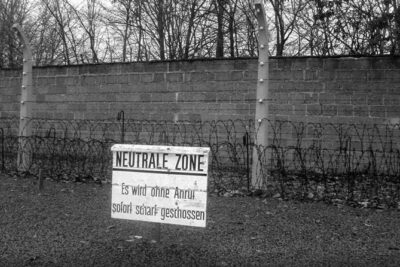
The tour highlights that you will see key sites connected to mass murder, including a gas chamber and gallows. Some visitors expect a museum-like experience and are surprised by how directly the route points you to the places where people were processed for death.
A good guide will pace the conversation here, keep the tone respectful, and explain what you are looking at without sensationalizing it. The goal is not shock. The goal is understanding, and that requires naming what happened.
Also, if your group has questions, this is the moment when a patient guide can save you from confusion later. Being able to ask, get a straight answer, and move on is one of the quiet perks of a licensed live guide.
Jewish Barracks and what the barracks can teach you
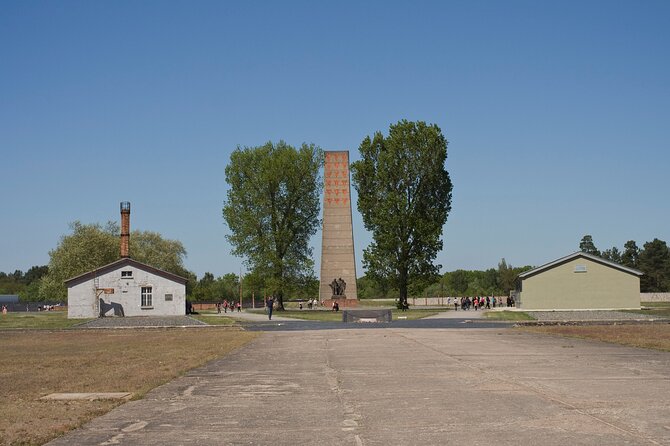
Seeing the Jewish Barracks is a different kind of learning. This is not about one big headline event. It’s about the everyday architecture of captivity, where families were stripped down to routine, overcrowding, and forced labor.
The tour also includes the barracks where inmates were brutally treated, which is important because it helps you connect the physical spaces to what people endured. When a guide explains the organization of prisoners into categories and the tragic fates tied to those categories, it becomes harder to treat victims as a single mass. You start to see the brutal system of classification.
This is also where I find the tour’s balanced approach matters. It doesn’t just point at suffering and move on. It connects prisoner groups, resistance efforts, and the changing camp function over time.
Punishment cells, experiments, and the price of control
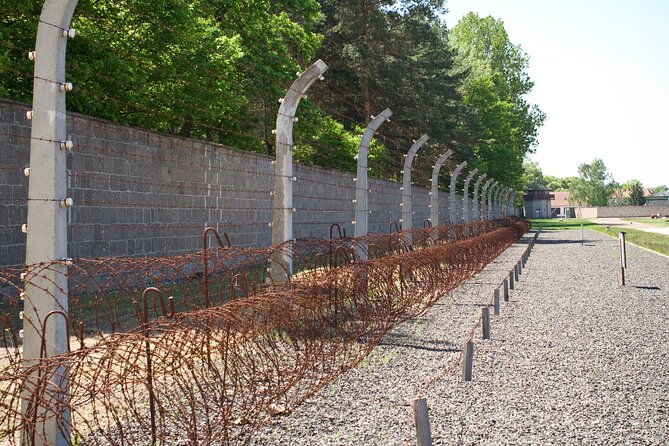
Sachsenhausen includes areas that show how the camp enforced control, including punishment cells. The tour information also lists the Pathology Laboratory and the Infirmary as locations associated with experimentation.
These stops are intense, and you should expect to feel the emotional weight. But they are also historically crucial. If you want to understand how Nazi persecution evolved from imprisonment into systematic medical violence and terror, you can learn that logic here.
Practical note for you: take breaks when you can. You’re on a schedule and walking between points, but you don’t have to force yourself through every minute of explanation without pause. If your mind is spinning, step back for a moment, breathe, and let the guide’s next point land.
Resistance stories: revolt, POW defiance, and sabotage
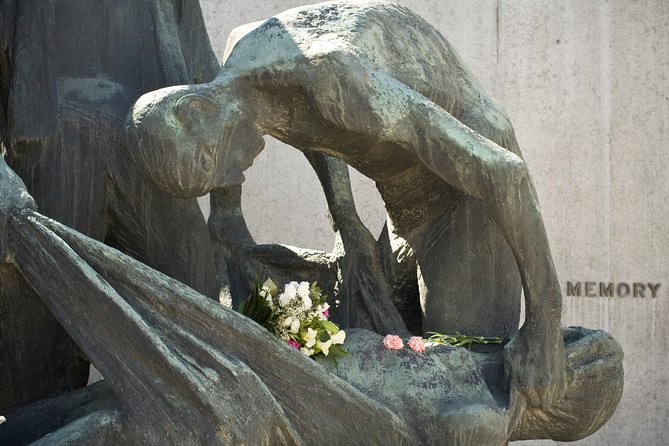
One of the most compelling parts of this tour is how it treats resistance as real, not abstract. The tour information includes stories like the Jewish prisoners’ revolt in 1942, defiance by British POWs, and acts of sabotage by Soviet and Polish prisoners.
These examples matter because they show that people were not only victims in place. Even under extreme coercion, some tried to resist. And the camp’s system had to react, which reveals something about how power works when it’s threatened.
It also gives the day a human rhythm. You’re not only moving through sites of punishment. You’re also tracing moral courage.
If your guide is especially good at answering questions, you may find you think about these stories differently than you did in pre-trip reading. People like Georgia and Rebecca, for example, have been described as able to explain events with sensitivity and clarity, which helps when the subject matter is morally heavy.
After 1945: Soviet use and the longer shadow of Sachsenhausen
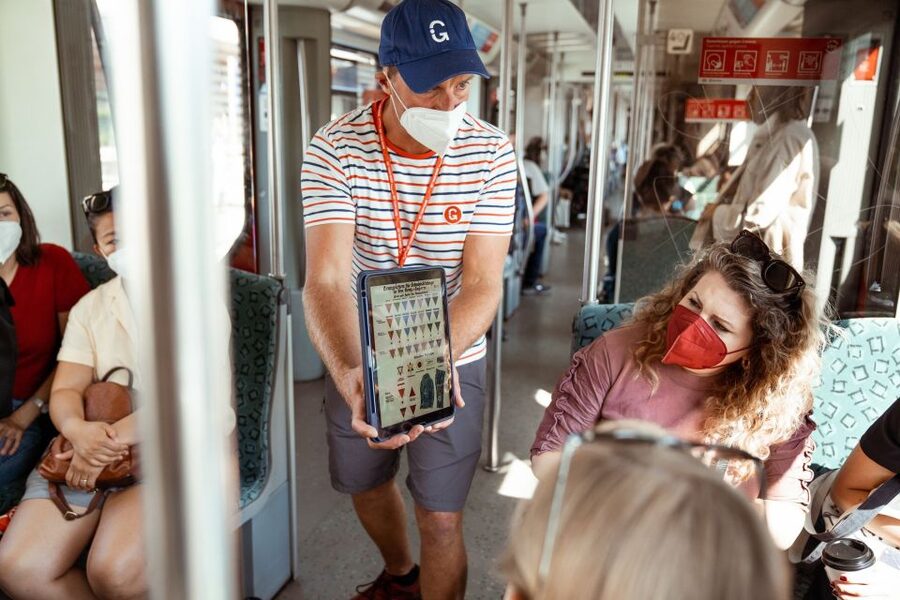
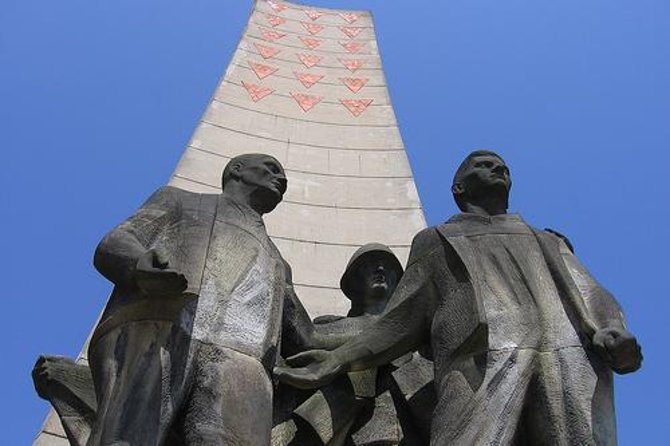
Your tour doesn’t end when WW2 ends on the timeline. You will visit Special Camp 1/7, where the tour explains how the Soviets used Sachsenhausen after the war.
This part is valuable because it prevents the common mental shortcut of thinking liberation equals a clean break. You’ll learn how the site continued to function as a tool of repression, even after the Nazi regime fell. That’s not something you usually get from a short, “WW2 only” tour.
The guide may also connect this post-war chapter to the earlier camp system, which helps you see patterns. Not every detail will feel comfortable, but it gives you a fuller understanding of the site’s legacy.
Ending the day in Berlin: staying oriented for the return
After the final stops and the guided wrap-up, you’ll return by train to Berlin. The tour details mention roughly 45 minutes for the train back, and then you’ll be dropped off at two central locations, including Reichstagufer 17.
On return day, your brain may want to switch back on, but don’t rush. This is the kind of site that can stick to you. If you can, give yourself an unplanned hour after you get back, or at least keep dinner simple. You will probably need time to process what you saw.
Price and value: what $22 gets you (and why it’s not just a discount tour)
At about $22 per person, this Sachsenhausen tour is priced in a way that feels accessible for Berlin. But value here is not only the cost. It’s the combination of three things:
First, you get a licensed English-speaking guide for a long, structured time on site. That matters because the memorial grounds can be confusing if you go alone, and this tour is set up to help you follow the meaning behind each location.
Second, you get a tour route that includes multiple major points: administration, mass-murder-related areas, barracks, punishment cells, experimentation-related locations, Soviet-era repurposing, and execution sites.
Third, your price includes a small €3 donation to the camp memorial. That’s a direct contribution, and it signals that your visit is supporting preservation and education.
Compared to self-guided options, you may spend a bit more, but you avoid the risk of missing context. Compared to very expensive private history tours, this feels like a practical middle ground: serious subject matter, structured walking, and a guide who can answer questions.
What to bring, and how to handle the walking and cold
The tour suggests you bring:
- Comfortable shoes
- Snacks
- Water
- Comfortable clothes
- A public transport ticket
I strongly agree with the snacks and water part. Even if you eat before you start, the day can run long, and you may not want to stop for a full meal while you’re still processing what you’re learning. A quick snack helps you stay steady through the second half.
This tour is not wheelchair accessible. It also isn’t recommended if you have limited mobility or walking impairments. The walking is not just a stroll either, since you move between multiple points on the grounds. If that’s your situation, you should consider a different format.
Also, pets are not allowed, and alcohol and drugs are not allowed. That’s standard for many memorial experiences, but it’s still worth noting so you can plan accordingly.
Who should book this Sachsenhausen tour
You should book if you:
- Want an English guide and a structured route through major Sachsenhausen sites
- Prefer live interpretation over an audio guide
- Like asking questions and getting clear answers, especially about prisoner categories, resistance stories, and post-war use
It may not be the best choice if you:
- Can’t handle moderate walking or long time outdoors
- Prefer a silent, self-guided visit where you control every minute (this is guided and discussion-driven)
It is a strong fit for families who can handle heavy content with a guide who sets the tone carefully. Some group leaders have been praised for handling questions from children, but you still need to judge your family’s readiness for difficult history.
Should you book this tour or not?
I think you should book if you want your Berlin trip to include one of the most important, sobering concentration camp memorial experiences in the region, with a guide who can connect the dots. At about 5.5 to 6 hours, it’s a realistic half-day block, and the route includes the key sites you’ll be looking for, including Station Z, barracks areas, punishment cells, and execution-related locations.
But book with eyes open. This is not a casual sightseeing outing. It is a serious day. You will walk. It will feel cold or windy depending on the season. And your understanding will likely shift in ways you can’t fully predict.
If that sounds like the kind of history you came to Berlin to face, this Sachsenhausen Memorial tour is a solid, practical choice.
FAQ
How long is the Sachsenhausen concentration camp tour from Berlin?
The tour lasts about 5.5 to 6 hours, including the travel time and the guided time on site.
Where do we meet the guide in Berlin?
Meet your guide outside Friedrichstraße train station on the square beside the Traenenpalast (Palace of Tears). Guides hold yellow umbrellas.
Do I need a public transport ticket?
Yes. An ABC public transport ticket is required for travel to Sachsenhausen Memorial and return to Berlin. It can be purchased on the day with help from on-site staff.
What is included in the price?
The tour includes a licensed English-speaking guide, the guided tour of the camp, and a €3 donation to the camp memorial.
What is not included?
Public transport tickets, food and drink, and hotel pickup and drop-off are not included.
Will we visit mass murder and execution-related locations?
Yes. The tour includes locations such as Station Z (mass murder) and also places tied to the gas chamber and gallows.
What should I bring and wear?
Bring comfortable shoes, snacks, water, and comfortable clothes. The tour runs in all weathers, so dress for the conditions.
Is the tour wheelchair accessible?
No. The tour is not wheelchair accessible and is not recommended for people with limited mobility or walking impairments.
Fresh reviews out of Berlin
- Berlin Uncensored: A History of Sex & Freedom★ 5.0 · 50 reviews
- Berlin Food & Cultural Tour: Must-Try German & Berliner Classics★ 5.0 · 51 reviews
- English Comedy Show with Pizza and Shots in Central Berlin★ 4.5 · 51 reviews
- Rude Bastards Tour of Berlin★ 4.8 · 51 reviews
- Private Taxi Tour of Berlin East and West and Neighbourhood approx. 4-6h★ 5.0 · 55 reviews
- Rickshaw Sightseeing City Tours Berlin – Rikscha Tours★ 4.0 · 55 reviews
- Berlin: City Highlights Express & Panorama Roof Terrace★ 4.9 · 55 reviews
- Berlin during Nazism – Tour in Italian★ 5.0 · 56 reviews
Sachsenhausen Memorial Tours, compared.
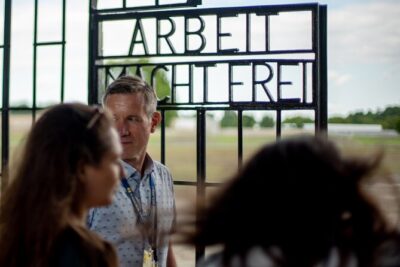
Sachsenhausen Concentration Camp Tour in English
Read our review →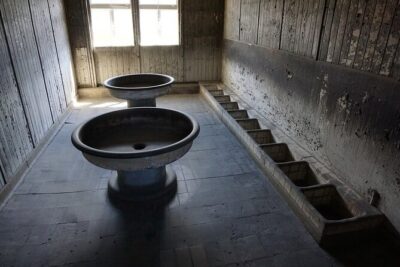
Sachsenhausen Concentration Camp Memorial Tour
Read our review →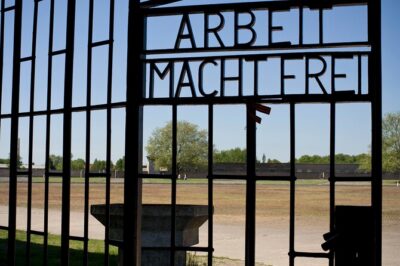
Sachsenhausen Concentration Camp Bus Tour in English from Berlin
Read our review →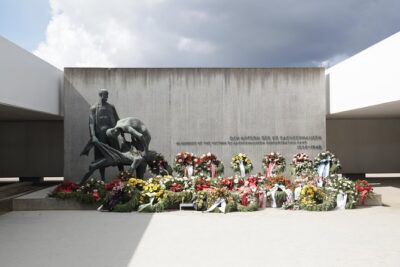
Sachsenhausen Concentration Camp Memorial Tour (Max. 15 Guests)
Read our review →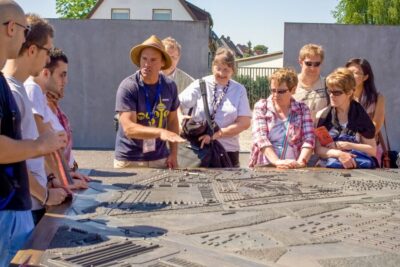
English Bus Tour to Sachsenhausen Concentration Camp
Read our review →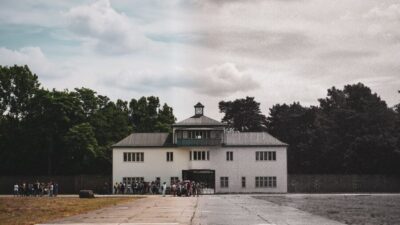
Sachsenhausen Concentration Camp and Potsdam Tour
Read our review →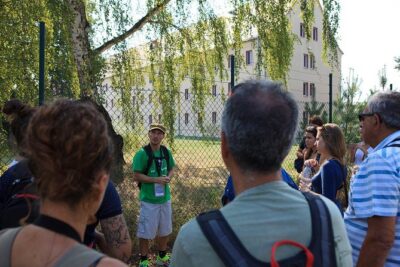
Visita en español al campo de concentración Sachsenhausen
Read our review →Browse the lists this tour appears in