
Reviewed · SACHSENHAUSEN MEMORIAL TOURS
Berlin: Sachsenhausen Concentration Camp Memorial Tour
This is one of those rare Berlin day trips that gives you a clear, on-the-ground sense of how Nazi detention worked, not just big-picture facts. You’ll walk through Sachsenhausen with a licensed guide and get help connecting the camp’s layout to the cruelty carried out there. I like that the route is structured around key locations, including Tower A and Station Z, and I like that the guide keeps the tone respectful while still making the history understandable. The main drawback is the emotional weight, plus you’re on your feet for a good chunk of the day.
Plan on about 5 hours total, starting from Alexanderplatz. You’ll take a scenic train ride out of the city while your guide explains the camp’s origins and purpose, then you’ll visit the memorial’s most important remnants and museums. If you want a guided Holocaust-era education outing with real context, this one is a strong choice.
Key highlights you will actually feel on the day
- Start at Alexanderplatz by the World Time Clock, with your Buendía-accredited guide
- Go by train with a guide from Berlin and learn the camp context en route
- Skip the line using a separate entrance
- Tower A and the main entrance, including the Arbeit macht Frei sign
- Barracks 38 and 39, punishment cells, and key exhibition stops
- Station Z and the Soviet memorial (built in 1961) for what came after the war
Why Sachsenhausen feels different from a typical history stop
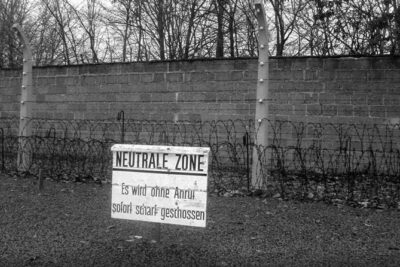
Sachsenhausen is not a generic “museum visit.” It’s a memorial built on the physical reality of a former concentration camp, and the tour is designed to help you read the place. Your guide sets the stage first, then you move stop by stop through the parts that explain how the system ran.
What I like about this format is that it keeps you from getting lost. The camp has many layers, and the guide helps you understand why different monuments and memorial choices appeared at different times. That matters, because the meaning of a site like this is not frozen in one moment. It changes with post-war history, politics, and remembrance.
One honest consideration: this is the kind of visit where your brain will be full and your emotions will be present. The memorial is heavy, and no amount of organization can make that lighter. You go for clarity and respect, not comfort.
Other Sachsenhausen memorial visits:
- Berlin: Sachsenhausen Concentration Camp Tour in English
★ 5.0 · 5,711 reviews - Sachsenhausen Concentration Camp Bus Tour in English from Berlin
★ 5.0 · 1,962 reviews - Berlin: Sachsenhausen Concentration Camp Tour in English
★ 4.8 · 1,889 reviews
Getting to the camp: Alexanderplatz, train ride, and the ABC ticket reality
The day starts at Alexanderplatz, by the World Time Clock, where your guide waits wearing a Buendía accreditation. From there, you head out with the group on a train ride that your guide uses to set context.
You’ll learn about Sachsenhausen’s origins and purpose, and how it functioned as a model camp for the Nazis. That “pre-walk” lesson is a big deal. When you reach the entrance and the first structures, you’re not just looking at buildings. You’re placing them in a timeline and an intent.
One key practical note: train tickets are not included. You need an ABC zone train ticket in advance for the trip. You can buy it at station machines or online through the Berliner Verkehrsbetriebe site. Plan this early so you don’t waste time at the last minute.
This tour also includes entrance fee access to the Sachsenhausen memorial (3€ included) and uses a separate entrance to help you skip the main line. That makes the start smoother once you arrive.
Tower A and the main entrance: your first reality check
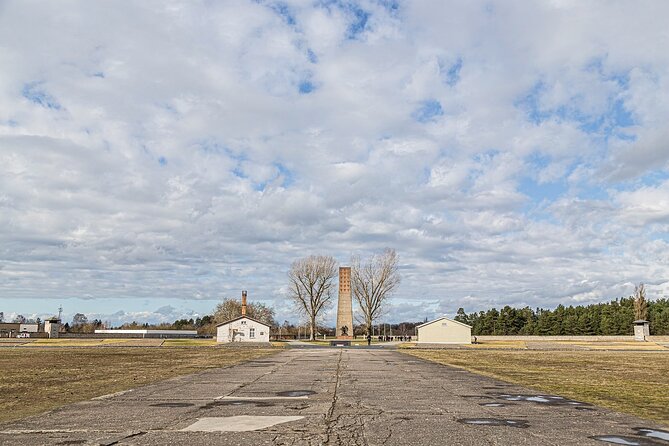
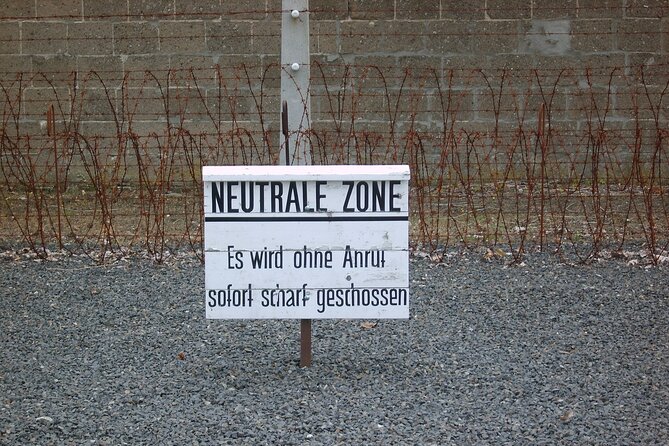
Tower A is where the tour begins on site. It’s the main entrance marked by the Arbeit macht Frei sign. Seeing that symbol in the real setting is jarring, because it’s not presented as history from a distance. You’re standing where the Nazi system tried to mask brutality with propaganda language.
From here, you’ll understand the camp’s layout better, because your guide connects the physical design to how the camp operated. The narrative typically moves from function to impact: what this was meant to do, how it did it, and why specific areas mattered.
If you’re the type who likes to ask questions, this is a good moment to do it. Many guests describe guides as respectful while still clear, and you’ll likely get straightforward answers rather than vague time-killing.
Barracks 38 and 39: cramped detention explained with real restraint
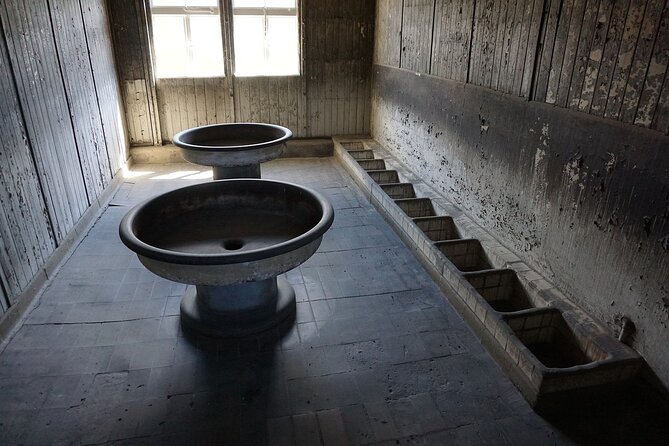
Next you’ll visit Barracks 38 and 39, the areas used to hold Jewish prisoners under extremely cramped conditions. This is one of the most important parts of the tour because it brings the story down to daily reality.
Barracks 38 now functions as a museum. You’ll be shown the daily lives of prisoners, which helps you understand that this was not just an abstract “place of suffering.” It was routine, enforced confinement, and constant dehumanization.
Barracks 39 is part of the same context on the route, so you get a fuller sense of how the camp’s housing system supported the larger purpose. Expect your guide to keep things factual and respectful. This tour is careful about tone, which matters here.
Practical tip: wear shoes you can walk in for hours. The memorial sites involve a lot of moving between stops, and you don’t want foot pain to pull your attention away from the information.
Weigh these Berlin picks against each other
- Berlin: Reichstag, Dome and Government District Guided Tour
★ 4.7 · 18,288 reviews - Berlin: 1-Hour City Tour by Boat with Guaranteed Seating
★ 4.3 · 16,993 reviews - Berlin: TV Tower Standard Entrance Ticket
★ 4.4 · 15,883 reviews - Berlin: Boat Tour Along the River Spree
★ 4.4 · 11,252 reviews
Punishment cells: how control worked for small offenses
After the barracks, you’ll go to the original punishment cells used to detain prisoners for minor offenses.
This stop often hits hard because it shows the logic of domination. The system wasn’t only about major crimes. It was about constant surveillance, fear, and the idea that the camp could punish anyone at any time for almost anything.
Your guide explains what these cells were used for, and what that reveals about daily life under the camp’s rules. You’ll usually come away with a clearer understanding of how terror was used as management, not just as reaction.
The infirmary and morgue: medical experiments and the ethics of horror
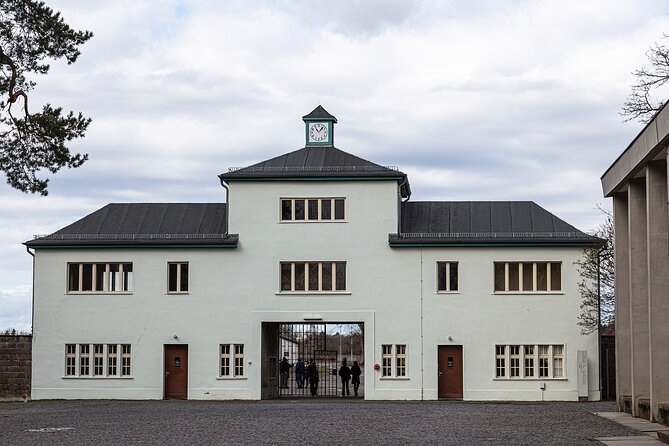
The tour also includes the infirmary and morgue areas, where cruel medical experiments were conducted.
You should prepare yourself for this section. The purpose is educational and historical, not graphic entertainment. Your guide’s job is to explain the crimes and their impact without sensationalizing. In real terms, it helps you connect Nazi ideology to what happens when human rights are erased by policy.
If you’re worried about how this part will feel, go in with a simple strategy: take short pauses when needed, and stay anchored in the facts your guide provides. You can step out of the flow for a minute, then return when you feel ready.
The former prisoner kitchen museum: why it matters
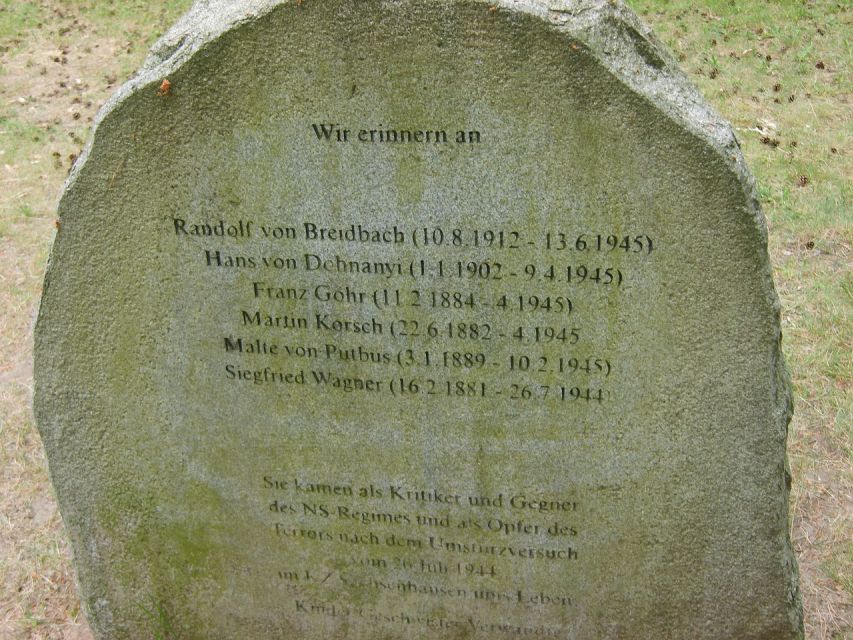
Another stop is the former prisoner kitchen, now a museum highlighting key moments in the camp’s history.
At first, a kitchen might sound like a weird choice for a concentration camp tour. But in practice it teaches a lot. Food, work, and rationing were tools of control. Kitchen spaces can show how deprivation was organized, and how daily survival was manipulated.
Think of this section as a reminder that the camp ran on systems, schedules, and logistics. Evil does not only happen in dramatic scenes. It often works through everyday infrastructure.
Station Z: executions and the weight of remaining traces
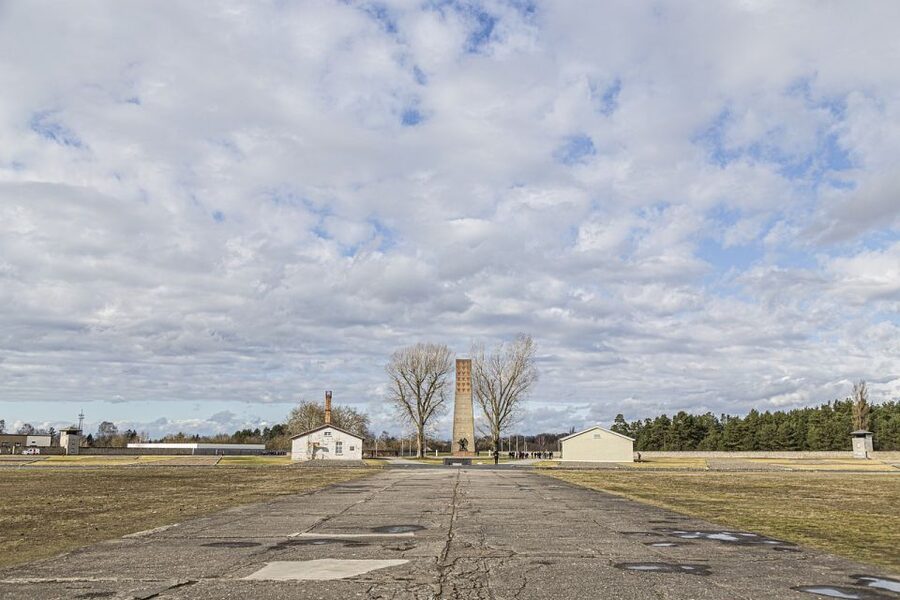
One of the most significant stops is Station Z, where many executions took place. You’ll see the remains of Station Z, and your guide explains what happened there and why it fits into the broader camp system.
This is where the memorial’s physical remnants do the heavy lifting. You’re not looking at a recreated display. You’re seeing what survived, and hearing the history attached to it.
If you’re planning a day with other Berlin sights afterward, consider keeping your evening light. You may need time to digest. Many guests describe the experience as life-changing in a quiet, lingering way. That’s not about drama. It’s about confronting a reality that doesn’t fade quickly.
The Soviet memorial built in 1961: remembering the aftermath too
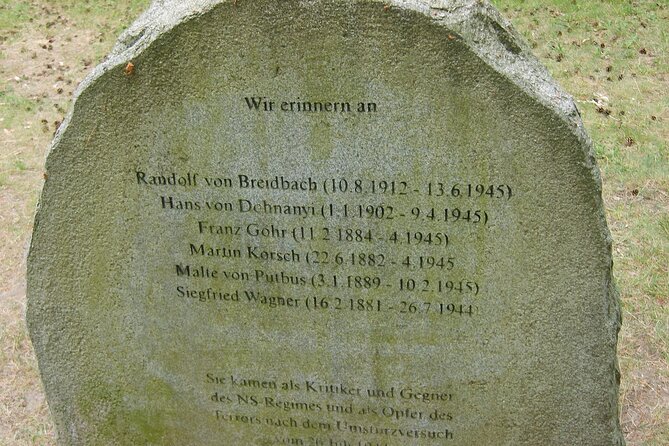
Finally, the tour visits the Soviet memorial built in 1961. This stop matters because it shows that Sachsenhausen’s story did not end with the fall of the Nazis.
Post-war memorials and narratives were shaped by the politics of the time. Seeing the Soviet memorial helps you understand that this site continued to carry meaning, and that remembrance evolved as different groups interpreted the camp’s role in World War II and after.
This is a good reminder that history is not only events. It’s also how societies choose to explain those events to later generations.
How guides keep this respectful and still clear
A big part of the value here is the guide from Berlin all the way to the memorial site. The tour is live and offered in multiple languages, including Spanish, English, German, French, and Italian.
You’ll likely notice that the best guides in this format do two things well. First, they give you enough context to follow the route without getting confused. Second, they respect the victims, which means the narration stays anchored in facts, not shock.
Guests have praised guides such as Peter, Walid, Richard, Hugo, Amelia, Filipe, and Mathis for being organized, answering questions, and balancing seriousness with a human tone. That balance matters because the day is long enough to feel overwhelming, especially in cold weather.
There’s also a very practical piece of guidance that shows up in many of the experiences: use restroom opportunities when your guide gives a chance, because you might be moving between stops on a schedule. And if you’re staying longer at the memorial after the guided portion, the site is easier to navigate once you’ve been oriented.
Price and value: $21 for a 5-hour educational day trip
At $21 per person for a 5-hour guided experience, this tour is priced in a way that makes sense for Berlin. You’re paying for a licensed guide for a full circuit, plus you get the 3€ entrance fee included.
The “extra cost” you need to plan for is the train ticket. Since the ABC zone train ticket is required and not included, you should budget that upfront so the total cost feels clear in your head.
Even with that added transport cost, the value is strong because you’re not just going to a site on your own. You’re getting help reading it: the camp’s layout, the meaning of key structures, and the historical context that turns scattered objects into a coherent story.
If you like guided learning, this price is fair for the time and the seriousness of the subject.
Who should book this Sachsenhausen tour (and who might skip it)
This tour is a good fit if you want:
- A guided Berlin to Sachsenhausen day trip with context before you arrive
- A route built around major memorial locations rather than random wandering
- Clear explanations delivered in your chosen language
It may not be a fit if you need mobility accommodations. The tour is not suitable for people with mobility impairments or wheelchair users, based on the available information.
Also, if you strongly prefer light, casual sightseeing days, this might not match your mood. This is education through a difficult lens.
Should you book this tour?
If you’re in Berlin and you care about understanding World War II through the real places where the Nazi system operated, I’d book it. The combination of a guided train ride, skip-line entry, and a structured walk through Tower A, barracks, punishment cells, medical experimentation areas, Station Z, and the Soviet memorial makes the experience far more meaningful than going alone.
Just go in with the right expectations. Wear comfortable shoes, bring snacks, and plan for an emotionally heavy day where learning is the point, not entertainment. If that sounds like your kind of travel, this is a solid use of a half-day in Berlin.
FAQ
Where is the meeting point in Berlin?
You meet at Alexanderplatz next to the World Time Clock. Your guide will be there wearing their Buendía accreditation.
How long is the tour?
The duration is 5 hours total.
Do I need to buy train tickets in advance?
Yes. Train tickets are not included. You must buy an ABC zone train ticket before the activity.
Is the memorial entrance fee included?
Yes. The Sachsenhausen Concentration Camp Memorial entrance fee (3€) is included.
Is the tour accessible for wheelchair users?
No. The tour is not suitable for wheelchair users or people with mobility impairments.
What languages are available for the live guide?
Spanish, English, German, French, and Italian.
Fresh reviews out of Berlin
- Berlin Uncensored: A History of Sex & Freedom★ 5.0 · 50 reviews
- Berlin Food & Cultural Tour: Must-Try German & Berliner Classics★ 5.0 · 51 reviews
- English Comedy Show with Pizza and Shots in Central Berlin★ 4.5 · 51 reviews
- Rude Bastards Tour of Berlin★ 4.8 · 51 reviews
- Private Taxi Tour of Berlin East and West and Neighbourhood approx. 4-6h★ 5.0 · 55 reviews
- Rickshaw Sightseeing City Tours Berlin – Rikscha Tours★ 4.0 · 55 reviews
- Berlin: City Highlights Express & Panorama Roof Terrace★ 4.9 · 55 reviews
- Berlin during Nazism – Tour in Italian★ 5.0 · 56 reviews
Sachsenhausen Memorial Tours, compared.
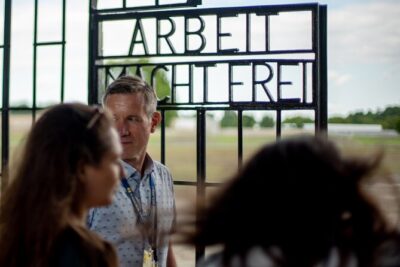
Sachsenhausen Concentration Camp Tour in English
Read our review →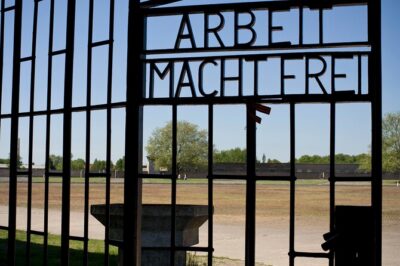
Sachsenhausen Concentration Camp Bus Tour in English from Berlin
Read our review →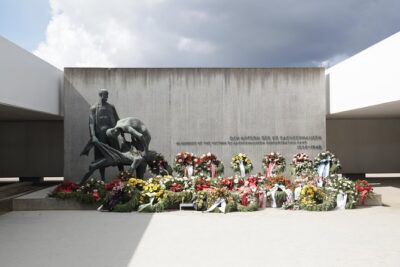
Sachsenhausen Concentration Camp Memorial Tour (Max. 15 Guests)
Read our review →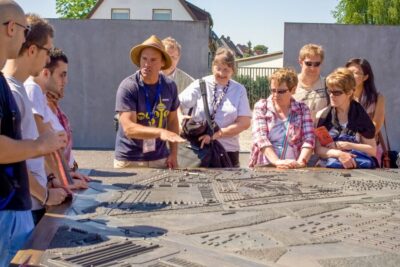
English Bus Tour to Sachsenhausen Concentration Camp
Read our review →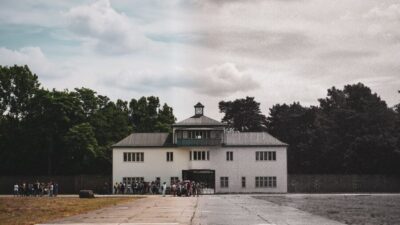
Sachsenhausen Concentration Camp and Potsdam Tour
Read our review →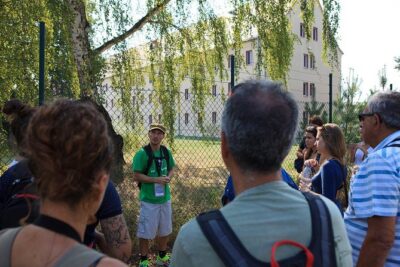
Visita en español al campo de concentración Sachsenhausen
Read our review →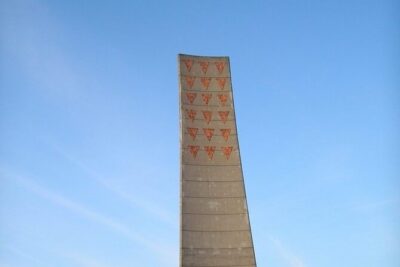
Browse the lists this tour appears in