
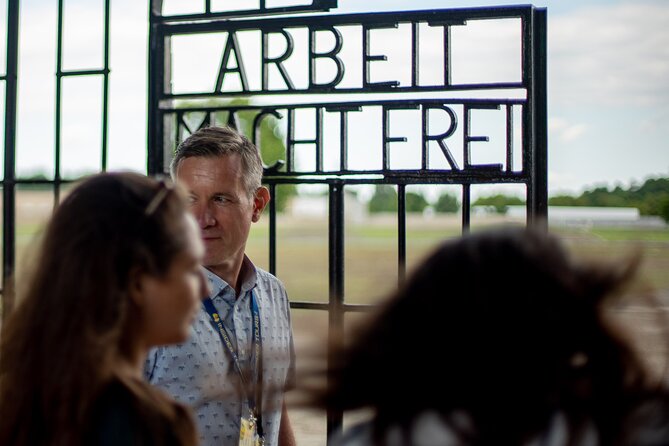
Reviewed · SACHSENHAUSEN MEMORIAL TOURS
Berlin: Sachsenhausen Concentration Camp Tour in English
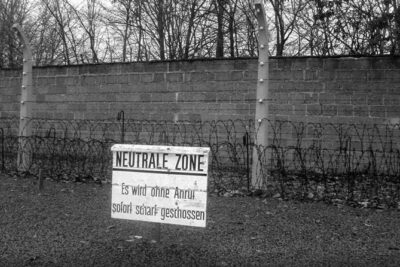
A day trip to the Sachsenhausen Memorial is interesting because it is not really about monuments. You walk through parts of a concentration camp system and you learn how the Nazis built control into the ground you are standing on.
I like that the tour is led by a historian and anchored in specific places, not vague storytelling. Station Z, the gas chamber area, and the prison spaces help the whole system make sense. I also like the human angle, where guides explain both prisoner bravery and the atrocities without turning it into a spectacle.
One possible drawback: this is heavy subject matter plus a lot of walking. Even on clear days, you will want solid shoes and mental stamina.
Guides can vary, but the quality is usually consistent, and the names show up again and again in people’s experiences. I’ve seen praise for guides such as Georgia, Gregor, Mikhail, Will, and Ariel, with comments about clear answers, respectful pacing, and help with getting oriented on trains back to Berlin.
Key Points Before You Go
- Historian-led route inside Sachsenhausen, with the “why” behind what you see
- Station Z, the execution area, plus the gas chamber and crematorium sites
- Oranienburg stop up front, including how the surrounding town was involved
- Prison punishment spaces, including punishment cells and gallows areas
- Long walking day, often around 10,000 steps, so wear serious shoes
- Bring food and water, since on-site options are limited during the day
Why Sachsenhausen Feels Different Than a Usual Berlin Day Trip
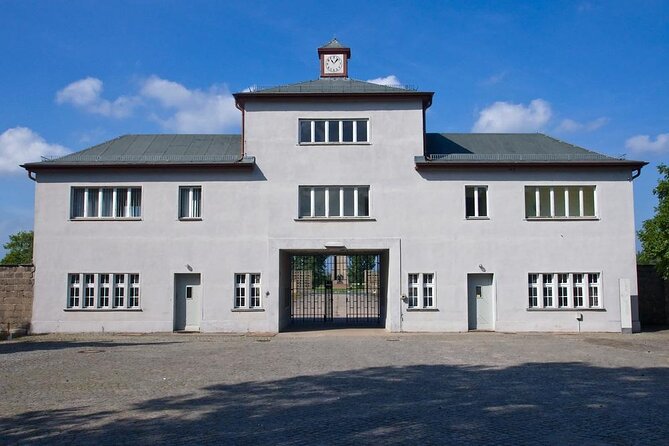
Most Berlin day trips are about light and skyline photos. This one is about systems, choices, and consequences. You start in Berlin, ride out to Oranienburg, and then you spend real time inside the camp memorial grounds learning what happened there.
What makes the experience powerful is how the tour ties locations together. You are not just ticking off buildings. You are learning how the camp functioned, how prisoners were treated, and how the Nazi ideology shaped day-to-day life inside the camp.
You should also know the tone is intentionally sober. Guides keep the focus on what happened, why it happened, and what it meant for the people inside. It can be an emotional day, but it is also one of the clearest ways to understand this chapter of Third Reich Germany on the ground.
Getting to Oranienburg: Train Ride Plus a Quick Look at Town Complicity
Your tour begins with a meet-and-greet near Friedrichstraße in Berlin, at Reichstagufer 17 (10117). Then you take the train out to Oranienburg, where the former camp was constructed.
Before you enter Sachsenhausen, you get a short town orientation. The Oranienburg walk is brief, but it adds an important layer: you learn how townsfolk were complicit and you see where prisoners used to work. That tiny prelude matters because it reminds you that the camp did not float in isolation.
It is also a practical buffer. You are getting your bearings, stretching your legs, and switching from Berlin mode to memorial mode before the heavier part of the visit.
Other Sachsenhausen memorial visits:
- Berlin: Sachsenhausen Concentration Camp Memorial Tour
★ 4.7 · 3,716 reviews - Sachsenhausen Concentration Camp Bus Tour in English from Berlin
★ 5.0 · 1,962 reviews - Berlin: Sachsenhausen Concentration Camp Tour in English
★ 4.8 · 1,889 reviews
Inside the Memorial Grounds: Barracks, Cells, Kitchen, and Tower A
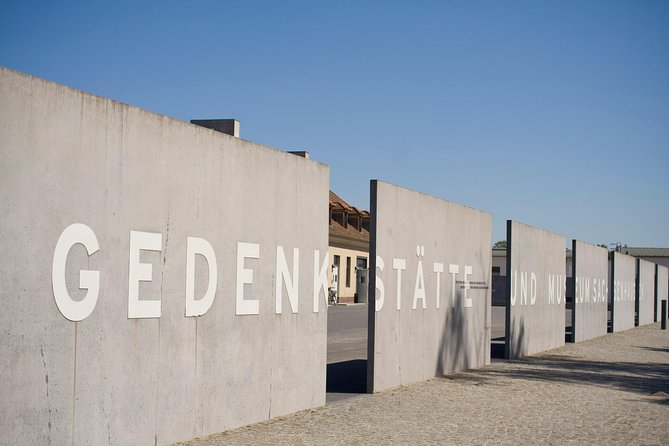
Once you arrive at Gedenkstätte und Museum Sachsenhausen, you settle into the core of the tour. This portion runs about 2 hours 30 minutes and includes entry to the memorial.
The tour layout is designed for clarity. You start with the early, original camp design, including the idea that the first part of Sachsenhausen was built specifically as a concentration camp rather than adapted from existing structures. That point helps you understand what you are looking at, because the design itself carried the purpose.
You then move through key areas such as:
- Old barracks and camp buildings
- Prison cells and torture/punishment cells
- The camp kitchen
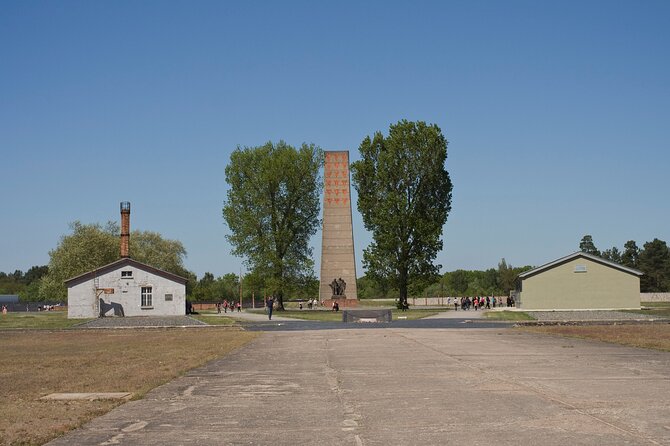
- Tower A, the main guard tower
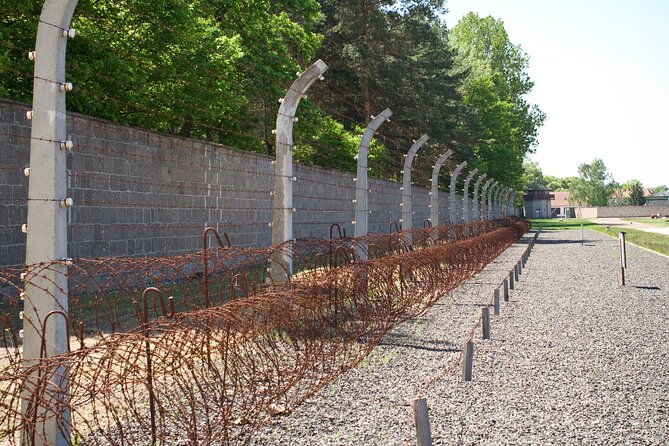
The cells and punishment spaces are the places where your brain stops treating this like history. A guide’s pacing helps here. When you are listening and moving in the right order, the site becomes easier to process, and the story stays respectful instead of chaotic.
Station Z and the Places Linked to Mass Killing
If you remember one thing, remember Station Z. This is described as the place where mass executions took place, and it is a cornerstone for understanding the camp’s role in systematic killing.
From there, the tour includes sites connected to the machinery of extermination, including the gas chamber and the crematorium. The tour also references burial-related areas, including burial pits inside the prison zone.
This is not just a list of grim stops. The value is in the connections. When the guide explains how prisoners were processed, punished, and killed, the places feel less random. You start to see a system, not a series of isolated horrors.
One reason this tour earns such strong marks is how guides connect the dots while staying focused on facts. People often mention guides like Georgia or Gregor for the way they keep the narrative clear and balanced, so you do not leave with only fragments.
The Story Part: Bravery, Atrocities, and What Guides Do Well
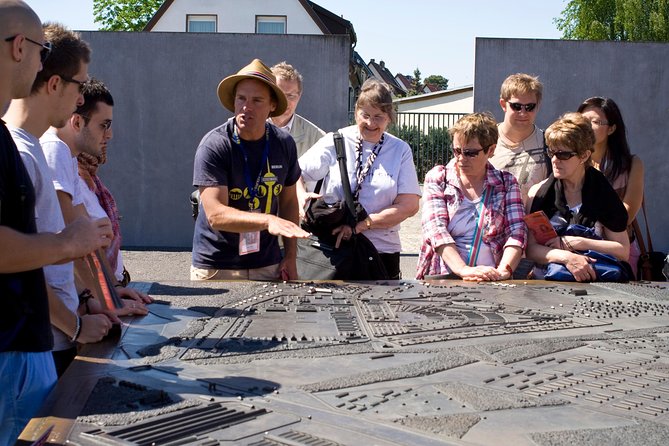
Sachsenhausen is the kind of site where you need an interpreter, not just a map. The difference is how the guide handles timing and tone.
Many of the standout experiences you can look for in this tour style include:
- Stories that include prisoner bravery, not only suffering
- Explanations that address how Nazi rule expanded over time, from political opponents to those targeted for racial or biological reasons
- Space for questions, with guides willing to answer during the walking route
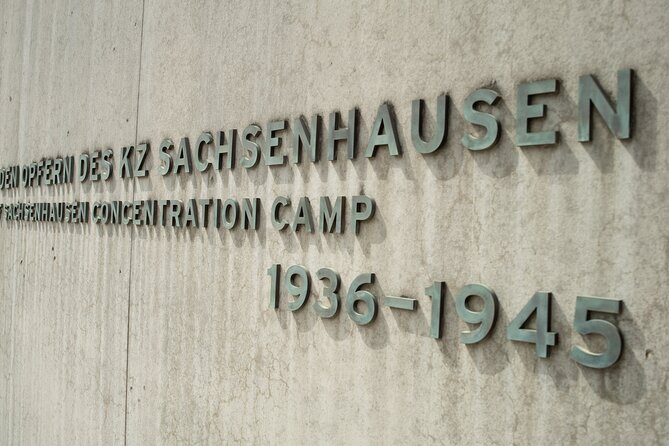
You will likely hear how the prison population grew and changed. The memorial notes that more than 200,000 people were imprisoned there between 1936 and 1945. At first, many were political opponents of the Nazi regime, and later the camp included people defined by the regime as racially or biologically inferior. By 1939, the camp held many citizens from occupied European states.
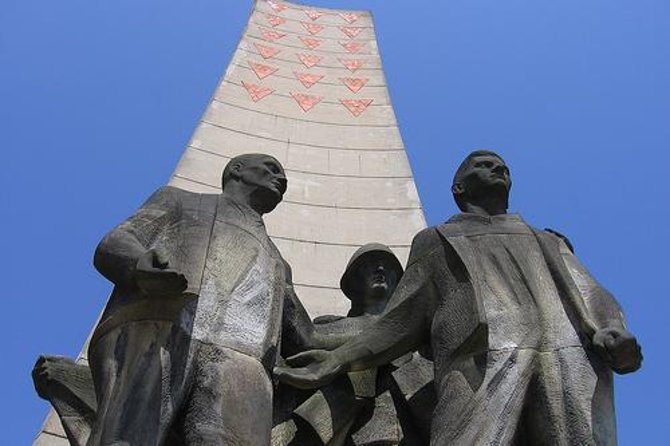
And in the final phase, the camp’s evacuation led to the death marches in April 1945. The tour also references how Soviet and Polish soldiers freed about 3,000 sick prisoners, along with doctors and nurses who stayed behind.
That kind of timeline matters, because it turns the camp from a single snapshot into a process that evolved.
Weigh these Berlin picks against each other
- Berlin: Reichstag, Dome and Government District Guided Tour
★ 4.7 · 18,288 reviews - Berlin: 1-Hour City Tour by Boat with Guaranteed Seating
★ 4.3 · 16,993 reviews - Berlin: TV Tower Standard Entrance Ticket
★ 4.4 · 15,883 reviews - Berlin: Boat Tour Along the River Spree
★ 4.4 · 11,252 reviews
Timing, Walking, and What to Bring for a Long Day
This tour starts around 10:00 am. It runs long enough that you should treat it like a full commitment, not a quick hit.
Even though the tour duration is listed as about 5 hours 30 minutes, you should plan for a longer feel, especially with the train ride and walking. Some guides keep things moving and some days feel brisk, but your best bet is to come ready for a lot of ground.
A practical reality from real experiences: it can get cold, and there may not be a good chance to buy food. I strongly suggest bringing water and snacks. One helpful tip is that there is nowhere easy to buy food during the day, so pack your own.
Also pack for weather. Bring layers for winter chill, and in some conditions, consider an umbrella since there is not always shelter available along the route. If you are dealing with hearing limits, you should still do what works everywhere in groups: stand where you can see and hear the guide, and do not be shy about shifting position when needed.
Physical readiness matters too. The tour is described as requiring moderate physical fitness and it is not recommended for limited mobility or walking impairments.
Price and Value: What You Pay, What You Don’t
The price is $36.16 per person for the English tour. That number already includes a big portion of what makes the experience work: a licensed guide trained by the memorial authority and entry to the memorial.
There is also an added value element built in. The tour includes an insider donation of €3 per guest to the Sachsenhausen memorial. Even if you do not measure value that way, it is a useful sign that the experience is tied to the site, not just sold as a product.
What you should budget separately:
- Local public transport ticket for zones ABC is listed at about €9 per person (approximate)
- A train ticket is required for the round trip from the meeting point area to the memorial, listed at about €10 per person
- Food and drinks are not included
- Hotel pickup and drop-off are not included
So the real cost is the tour price plus getting yourself to and from Oranienburg. When you add the entry and professional memorial guide into the mix, the value comes from reducing guesswork. You are paying to avoid wandering, misunderstanding, or missing the key places that turn the story into something you can actually follow.
Who This Tour Is Best For (And Who Might Want Another Plan)
This is a strong fit if you:
- Want a serious Nazi Germany context that goes beyond general museum browsing
- Prefer guided interpretation with a historian at a memorial site
- Like structured walking tours where the order of stops helps understanding
- Are traveling with limited time and want an organized Berlin-area day trip
It is less ideal if you:
- Need lots of step-free access, since the visit involves walking and is not recommended for limited mobility
- Prefer lighter, entertainment-driven sightseeing
- Are not up for emotional and disturbing content
If you are a student of WWII history, you will find the timeline and camp mechanics especially useful. If you are more casual, you still might appreciate the guide’s ability to keep the narrative coherent without turning it into pure lecture.
Should You Book the Sachsenhausen Memorial Tour?
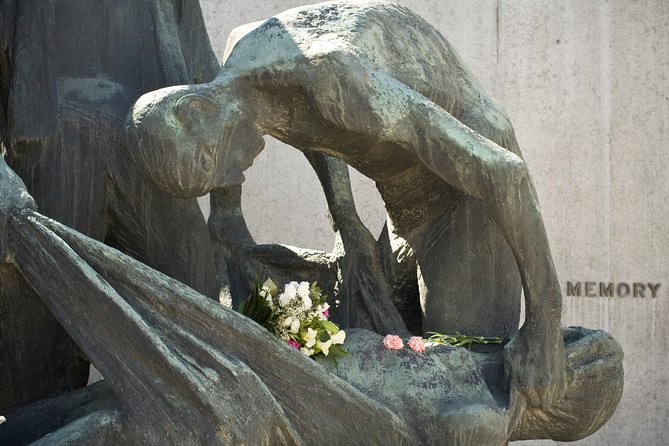
Yes, if you want the clearest, most respectful way to understand Sachsenhausen from Berlin in one day. The combination of a memorial-trained guide, the included entry, and the structured route through major sites like Station Z, the gas chamber, prison cells, and Tower A makes this feel more than a sightseeing stop.
Book it if you can handle a heavy topic and a long walk. Do not show up with only curiosity and no stamina. Come with shoes you trust, pack water and snacks, and give yourself permission to slow down in the parts that hit hard.
If that sounds like you, you will likely leave with a sharper grasp of how this camp operated and why it mattered, and you will have done it the way memorial sites are meant to be visited: with context, respect, and clear guidance.
FAQ
Is the tour offered in English?
Yes. The tour is offered with an English-language guide.
How long is the Sachsenhausen concentration camp tour?
It runs for approximately 5 hours 30 minutes.
Where do I meet the group in Berlin?
The tour starts at Reichstagufer 17, 10117 Berlin, Germany. It is near public transportation, and you should arrive about 15 minutes early.
Is entry to the Sachsenhausen Memorial included?
Yes. Entry to the memorial is included in the tour.
Do I need train or transit tickets in addition to the tour price?
Yes. You will require a transport ticket for zones ABC (about €9 per person, approx.) and an ABC train ticket for the round trip from the meeting point to the memorial (listed at €10.00 per person). The round trip is part of the day.
Is food provided?
No. Food and drinks are not included, and you should plan accordingly for a long day.
What parts of the camp will the tour cover?
The tour includes prison interiors and sites such as punishment cells, gallows, gas chambers, burial pits, old barracks, prison cells and torture cells, camp kitchen, Station Z (mass executions), crematorium, infirmaries, pathology center, and Tower A.
How many people are in the group?
The maximum group size is listed as 29 travelers.
Is the tour suitable for limited mobility?
No. It is not recommended for individuals with limited mobility or walking impairments.
Fresh reviews out of Berlin
- Berlin Uncensored: A History of Sex & Freedom★ 5.0 · 50 reviews
- Berlin Food & Cultural Tour: Must-Try German & Berliner Classics★ 5.0 · 51 reviews
- English Comedy Show with Pizza and Shots in Central Berlin★ 4.5 · 51 reviews
- Rude Bastards Tour of Berlin★ 4.8 · 51 reviews
- Private Taxi Tour of Berlin East and West and Neighbourhood approx. 4-6h★ 5.0 · 55 reviews
- Rickshaw Sightseeing City Tours Berlin – Rikscha Tours★ 4.0 · 55 reviews
- Berlin: City Highlights Express & Panorama Roof Terrace★ 4.9 · 55 reviews
- Berlin during Nazism – Tour in Italian★ 5.0 · 56 reviews
Sachsenhausen Memorial Tours, compared.
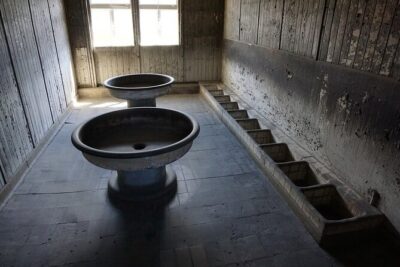
Sachsenhausen Concentration Camp Memorial Tour
Read our review →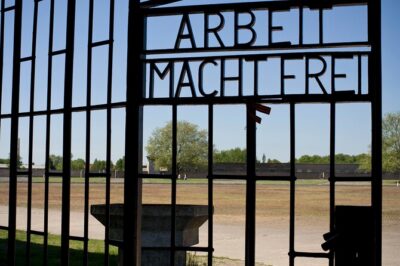
Sachsenhausen Concentration Camp Bus Tour in English from Berlin
Read our review →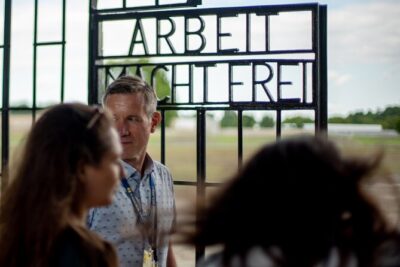
Sachsenhausen Concentration Camp Tour in English
Read our review →
Sachsenhausen Concentration Camp Memorial Tour (Max. 15 Guests)
Read our review →
English Bus Tour to Sachsenhausen Concentration Camp
Read our review →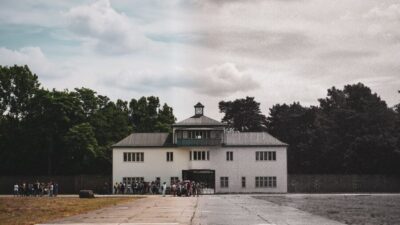
Sachsenhausen Concentration Camp and Potsdam Tour
Read our review →
Visita en español al campo de concentración Sachsenhausen
Read our review →Browse the lists this tour appears in