

Reviewed · HISTORICAL TOURS
“Rotes Bier” and “Blaue Zipfel”. A historical-culinary walk
This walk in Nuremberg is interesting because it turns the old town into a living menu. You start with the historic streets and end with real beer culture, built around Rotes Bier and the tastes people actually associate with the city, like sausage and gingerbread.
What I really like is how the tastings stay tied to the place. You get a proper sampling of Nuremberg bratwurst and learn what makes it distinct, then you follow the food story through key landmarks instead of just eating and moving on.
One possible drawback: the tour is held in German and the group keeps walking. If you do not follow German closely, you may miss parts of the background, even if the food is still fun.
Quick Key Points Before You Go
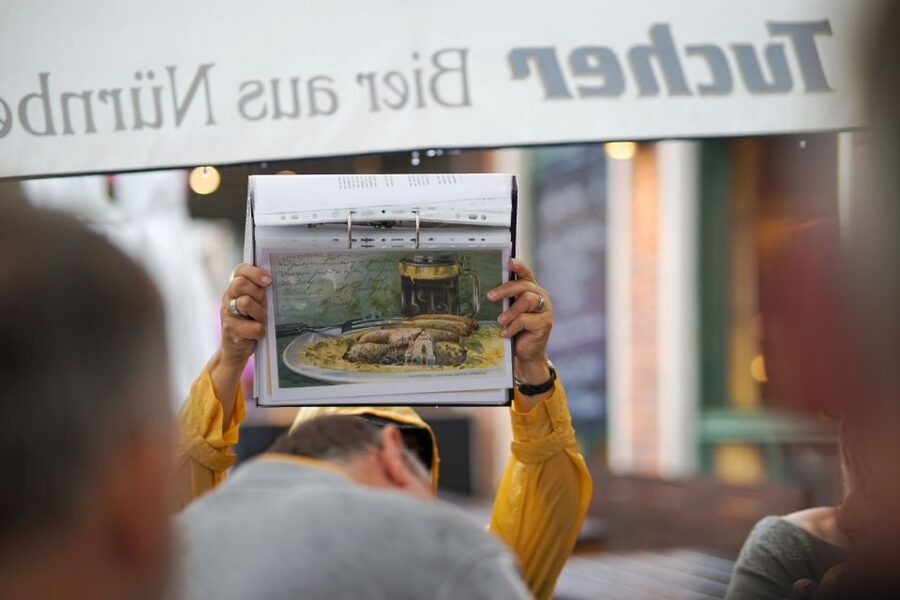
- A 2-hour historic food walk through Nuremberg old town, paced for short stops and samples
- Rotes Bier tasting plus the themed pairing around Blaue Zipfel
- Real Nuremberg Bratwurst and the explanation for why it is so small
- Nuremberg gingerbread included, and it is treated as a must-try
- Multiple food stops that connect cooking, trade, and local food lore
Where the Walk Starts: Altes Rathaus and a Food-Themed Meeting
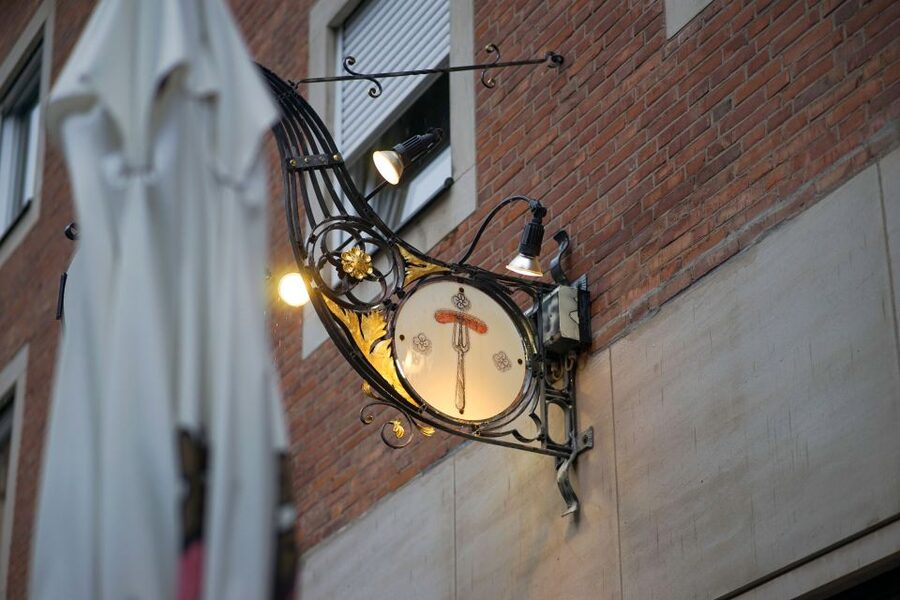
You begin at the Altes Rathaus, in front of the main entrance, with a picture folder and the green Geschichte Für Alle e.V. logo. That matters because this is not a casual meet-and-go where you just show up and blend in. The group is guided, and the guide is your link between the street scenes and what you are about to taste.
This is also a straightforward, city-center format. The tour is only two hours, and it is mostly on foot with short stretches between stops. That means you can pack it into a day without turning your schedule into a jigsaw puzzle.
Bring comfortable shoes and dress for rain or shine. The tour keeps going even if the weather is gray, so your clothing choice affects how much you enjoy the walk. If you have ever tried a walking tour in heavy rain, you already know the value of a decent layer and grippy footwear.
More Walking Tours in Nuremberg
- Nuremberg: Old Town Guided Walking Tour
★ 4.6 · 2,416 reviews - Nuremberg: Walking Tour of Former Nazi Party Rally Grounds
★ 4.7 · 1,665 reviews - Nuremberg Old Town and Nazi Party Rally Grounds Walking Tour in English
★ 4.5 · 504 reviews
How the Tour Works in Two Hours (Short Walks, Many Samples)
The format is simple: you walk the old town, you stop at specific points, and you get sensory proof along the way. The tour is designed around answering food questions with samples in between, so you are not just hearing stories at a distance.
Expect a mix of tastings and short guided explanations tied to food names, cooking traditions, and local legends. The most fun part is that it connects what you eat with what you see nearby, so the city feels like one big conversation instead of disconnected sights.
You should plan around a German-language guide. The tour is wheelchair accessible, but it is still a guided walk, so anyone with mobility needs will want to pace themselves and be ready for frequent stops.
What Exactly Are Rotes Bier and Blaue Zipfel?
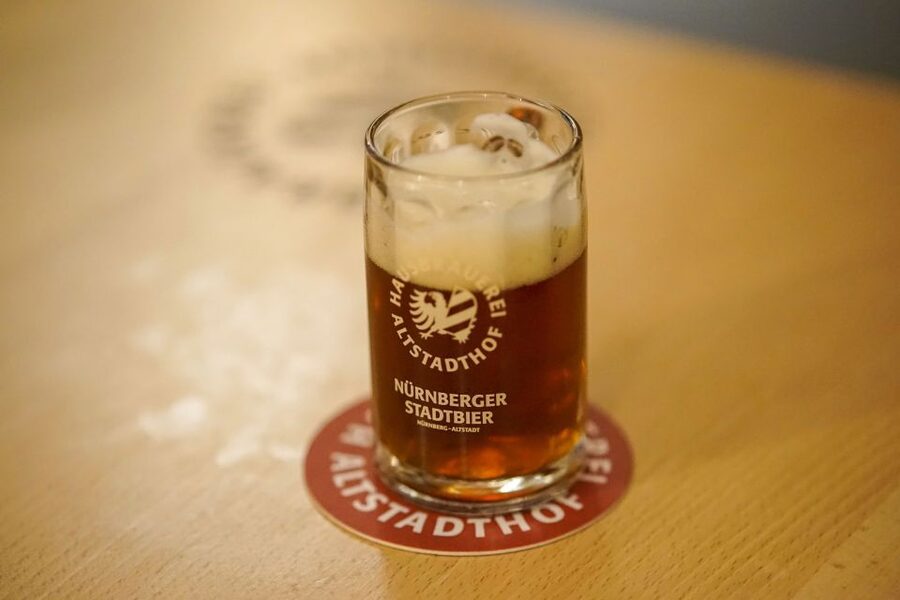
The title tells you the center of gravity: the tour is built around Rotes Bier and Blaue Zipfel. In practice, that means the drinking side is not an afterthought. You are not just offered beer as a generic add-on.
Rotes Bier is presented as the distinctive local red beer taste, so you should come with curiosity instead of expecting it to match the red beers you might know elsewhere. What you will learn as you taste is that regional drinks often have their own logic, both in flavor and in the culture around them.
As for Blaue Zipfel, the tour frames it as part of the themed experience, so think of it as another classic pairing you will experience during the walk. If you like food tours that have a clear identity, this is one of those. The drinks help set the mood, and the city stories help explain why the menu exists in the first place.
The Bratwurst Stop at Bratwurst Röslein, and Why It Is So Tiny
One of the most practical highlights is the tasting at Bratwurst Röslein. This is where you get a real taste of a Nuremberg Bratwurst, and you get the explanation for why it is so small.
That size detail is more than a quirky trivia point. It tells you something about how people ate. Smaller sausages make it easier to sample, share, and eat in a fast, everyday rhythm. You start seeing food as daily routine, not just a special occasion.
The tour also treats the name itself as a question you will get answered. You will learn why bratwurst is called bratwurst, and that language angle helps you connect food to history and habits in a tangible way. Words, after all, are how culture keeps its memory.
If you have ever wondered whether a “small” sausage can still be satisfying, this stop is designed to help you judge that for yourself with a bite in hand.
Another way to spend a Nuremberg afternoon:
- Nuremberg: City Tour with the Bimmelbahn Train
★ 4.4 · 2,475 reviews - Nuremberg: Tunnels and Secret Passages in the City Wall Tour
★ 4.8 · 2,334 reviews - Nuremberg: Medieval Dungeons Guided Tour
★ 4.8 · 2,214 reviews - Medieval Tour in Nuremberg in Spanish
★ 5.0 · 1,374 reviews
Hauptmarkt Nürnberg Tastings: Where Food Lore Meets the Public Square
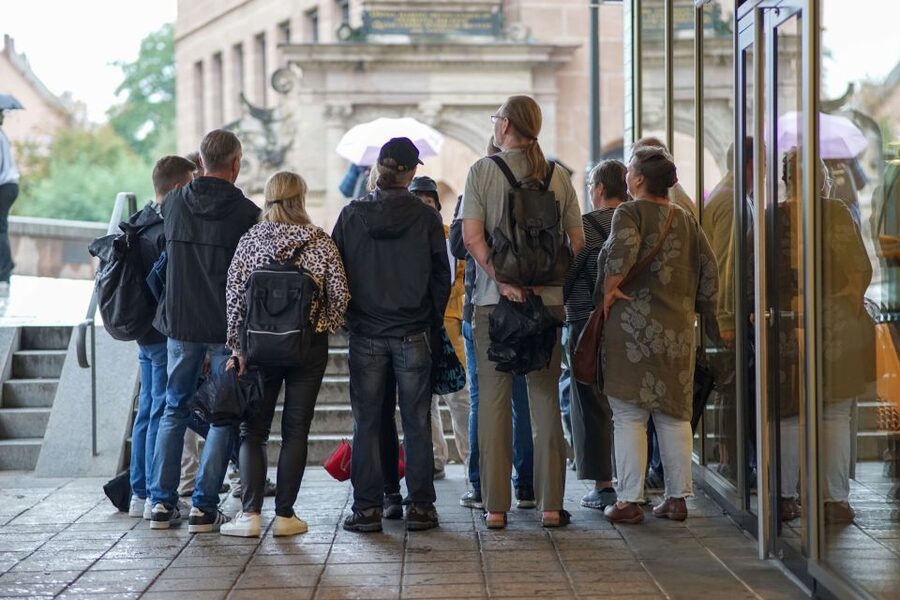
After the sausage stop, you move to the Hauptmarkt Nürnberg, the public square that acts like the social kitchen of the city. This is where the tour leans into bigger food questions and shared tastes.
Here, you experience additional guided tastings. The tour’s focus is not only on what is served, but on the why behind it: why specific foods became known, what local cooks did, and how food habits connected to the city’s identity.
This part of the walk also gives you gingerbread context. Nuremberg gingerbread is treated as a top-tier local specialty, and you will learn what makes it distinct as you sample it.
If you are a visual learner, this stop is strong. You are in a real gathering space, so the idea of food as community makes sense immediately. You can almost imagine the flow of people, merchants, and regulars, which helps the stories land without needing a textbook.
Hauptmarkt 2: The Cooking Pot Stories That Turn Names Into Meaning
From the main square, the walk continues to another point in the Hauptmarkt area, Hauptmarkt 2. This is where the guide shifts from simple food taste into deeper food meaning, using the cooking pot theme.
This is also where you get answers to questions that sound like trivia but end up being culture lessons. The tour asks why Nuremberg cooks knew ravioli, it touches on how much meat Nuremberg citizens ate, and it explains what Devil’s Kitchen means.
The Devil’s Kitchen clue is a great example of how these tours work at their best. A phrase like that sounds like folklore, but the guide’s job is to connect it to what people actually did, ate, or feared. By the time you leave the stop, the expression should feel less like a spooky label and more like a window into everyday life.
Then there is the connection to the planner of the English Garden. Even without turning the walk into a lecture, it gives you a sense that food, city planning, and public space can share the same stories. It is a reminder that food culture does not exist in a vacuum.
You are still sampling between explanations, so this section stays enjoyable. You can follow the logic with a bite rather than just listening for 30 minutes straight.
Trödelmarkt 13 and Unschlitthaus: Market Energy and Foodcraft Clues
Next comes Trödelmarkt 13, followed by Unschlitthaus. These stops help you understand food as something traded and produced, not just cooked at home.
Trödelmarkt points you toward the market rhythm. You are in an area that feels like the kind of place where people would look for ingredients, second-hand goods, and updates on what is new. That matters, because food culture often spreads through commerce. New ingredients show up through trade, and recipes and habits follow.
At Unschlitthaus, the tour keeps the cooking-pot thread going, but with a setting that supports the idea of foodcraft and practical work. These places make it easier to imagine the behind-the-scenes side of the menu, where food becomes supply, not just flavor.
This portion is also where you should pay attention to how the guide explains the “why” behind different foods. When the guide ties a sample to a place, the flavors stop being random. They become part of a pattern.
St. Sebaldus Church: The Sacred Side of Daily Eating
The walk then reaches St. Sebaldus Church. This stop can surprise people who expect a purely culinary experience.
The value here is balance. Food culture is personal, but it is also public. Places of worship often shaped the calendar, the community routine, and the shared habits that determined when and how people ate. Even if you only take in a small amount of the explanation, the setting makes the stories feel grounded.
This is also a good mental reset point. You have been eating and listening. A church stop gives you a chance to slow down and absorb the surrounding architecture before you head into the next tasting segment.
Altstadthof Brewery and the Rotbierstüberl Finish: Beer Culture You Can Feel
The tour ends at Hausbrauerei Altstadthof, including the Rotbierstüberl and the brewery and whisky distillery area. That is a strong finish because it connects your last bites to the source.
You start the tour focused on red beer, and you end in a brewery setting. That closes the loop in a satisfying way. Instead of the tasting feeling like a convenience stop, it becomes the culmination of the walk’s theme.
If you like beer tasting that actually connects to place, this ending is practical and memorable. You finish in a location designed around brewing, so you are not just theorizing about local drinks. You can see the environment that supports them.
Price and Value: Is $29 Fair for a 2-Hour Food Walk?
At $29 per person for a two-hour guided walking tour with snacks and beer included, this is priced in the category of “you pay for access and guidance.” You are not just buying food, you are paying for an organized loop through key old-town points where the guide supplies meaning and tastings keep showing up between stops.
The value is strongest if you want both sides: the food and the explanations tied to place. If you only want to eat, you could probably do a self-guided route. But you would miss the link-making that turns a bite into a story.
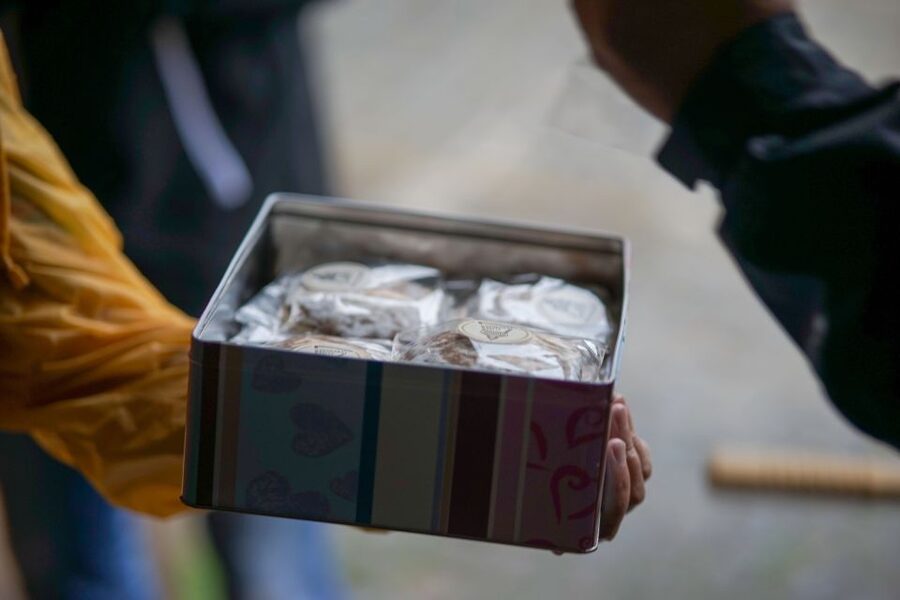
One caution for value: the snacks between stops can feel like they are not as high-end as you might hope. The good news is that the big-ticket items in the tasting line up well, including bratwürste, Lebkuchen (gingerbread), and beer.
If you are the type who enjoys learning why a local specialty exists, $29 is a fair trade. If you expect a long list of heavy courses, you might be slightly underwhelmed by the bite-size nature of the format.
Practical Tips So You Enjoy Every Stop
If you want to get the most out of this kind of tour, focus on small choices:
- Eat before you arrive only lightly. Tastings add up, and you want to taste, not just survive.
- Wear shoes that can handle cobblestones. The stops are only minutes apart, but you still walk enough to feel every step.
- Plan for German commentary. Even basic German helps, but the tasting itself keeps the experience enjoyable.
- Ask questions at the stops. The guide is described as taking time for questions, which is where the tour becomes more personal.
Also, pace yourself on the beer. You are sampling red beer as part of the experience, so drink water too. You want to enjoy the walking portion, not speed through it.
Who This Tour Suits Best (And Who Might Skip It)
This tour is a great fit for you if you like historic city walks where food is the theme. If you enjoy learning why a city has a signature sausage or why gingerbread matters locally, you will feel at home here.
It also fits solo travelers who want a guided structure. You will be walking between a set list of meaningful spots, so you do not have to make decisions mid-day.
If you do not follow German well, or if you prefer food experiences with little talking, you might find the language barrier frustrating. The good news is the tour is wheelchair accessible, so the route is planned with access in mind, but it still relies on guided explanation.
Should You Book Rotes Bier and Blaue Zipfel?
Book it if you want a compact Nuremberg food tour that connects red beer, tiny bratwurst, and the city’s signature gingerbread to real places. This is value-forward, it includes snacks and beer, and the guide approach is set up for questions, not just a lecture.
Skip it if you want a self-paced tasting crawl, or if you need the tour in a language other than German. With that said, even with limited German, the format is built around tasting in between explanations, so the experience still makes sense.
FAQ
Where do I meet the guide for the tour?
Meet your guide at the Altes Rathaus, in front of the main entrance, where you will find a picture folder and the green logo for Geschichte Für Alle e.V.
How long is the tour?
The tour lasts 2 hours.
What language is the tour offered in?
The tour guide speaks German.
Is the tour wheelchair accessible?
Yes, the tour is wheelchair accessible.
What is included in the $29 price?
The price includes a walking tour, the guide, snacks, and beer.
Does the tour run in bad weather?
Yes, the tour takes place rain or shine.
Is free cancellation available?
Free cancellation is available up to 24 hours in advance for a full refund. You can also reserve and pay later.
More Historical Tours in Nuremberg
- Nuremberg: 1.5-Hour Private Tour through Historical Old Town
★ 4.8 · 283 reviews - Leipzig: City History Canal Sightseeing Tour on a Motorboat
★ 4.7 · 7,671 reviews - Berlin: Natural History Museum Entrance Ticket
★ 4.6 · 3,382 reviews - Leipzig: 1.5-Hour Historical Walking Tour in German
★ 4.7 · 2,217 reviews
Fresh reviews out of Nuremberg
- Tour to Rothenburg ob der Tauber from Nuremberg in Spanish★ 5.0 · 51 reviews
- Nuremberg: World War II Tour with Hotel Pickup★ 4.4 · 51 reviews
- Nürnberg: Mörder, Fälscher, Messerstecher★ 4.8 · 53 reviews
- Nuremberg Ghosts and Gallows Evening Walking Tour in English★ 5.0 · 56 reviews
- Nuremberg’s Mystery Morning: Breakfast & Escape Game★ 4.4 · 57 reviews
- Nuremberg: Private Walking Tour with a Local★ 3.8 · 77 reviews
- Nuremberg World War II★ 4.5 · 89 reviews
- Nuremberg Private Walking Tour: Old Town and Nazi Rally Grounds★ 5.0 · 92 reviews
Historical Tours, compared.
City History Canal Sightseeing Tour on a Motorboat
Read our review →

Night Watchman Historic Adventure Tour
Read our review →
Browse the lists this tour appears in