
Reviewed · MUSEUMS
Berlin: Natural History Museum Entrance Ticket
This ticket for Berlin’s Museum für Naturkunde is interesting because you don’t just look at fossils, you walk through living questions about life on Earth. One of my favorite parts is seeing how the building turns deep time into something you can actually stand in front of, like the towering dinosaurs in the hall.
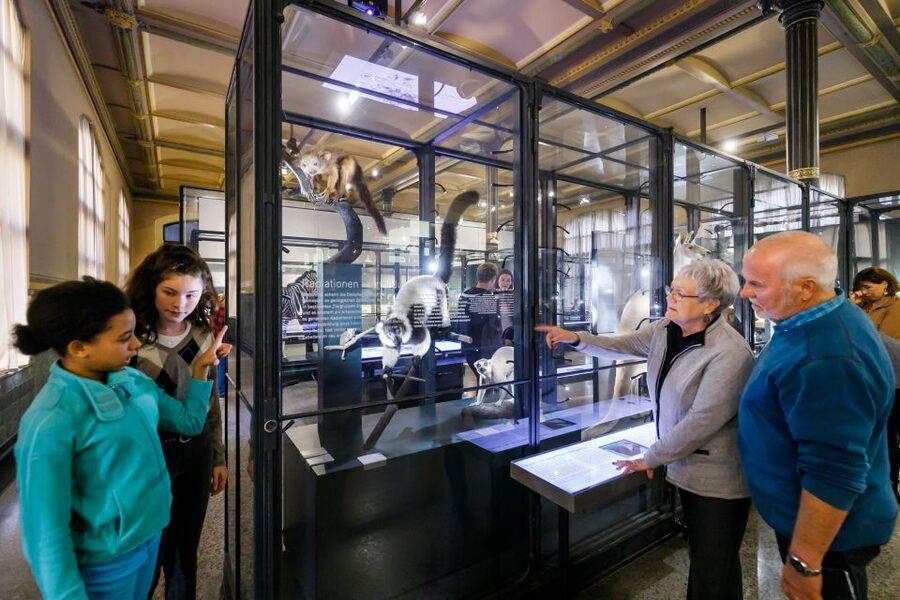
I love the museum’s mix of showpieces and real science, especially the wet collection in the East Wing where animals are preserved in alcohol. One possible drawback to plan for, bring your phone and headphones, because the audio is downloadable online and you won’t get much from the experience if you are stuck without them.
Key things to notice before you go
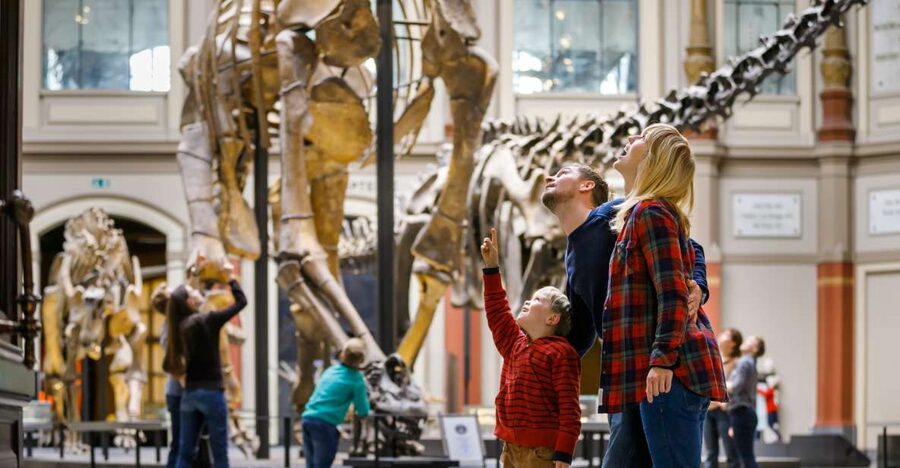
- Giraffatitan brancai draws you straight into the Dinosaur Hall as the world’s tallest mounted dinosaur skeleton
- Archaeopteryx lithographica is shown in a safety showcase, famous for being treated like natural history’s Mona Lisa
- Wet collection in the East Wing stores about a million animals in 80 tonnes of alcohol
- Biodiversity Wall lets you take in more than 3,000 species at once, with a focus on biodiversity loss
- Tristan Otto is one of the original T. rex skeletons highlighted by the museum
- Downloadable multilingual audio is included, but it requires an online setup before or at entry
Skip the Ticket Line and Find the Main Entrance at Invalidenstraße 43
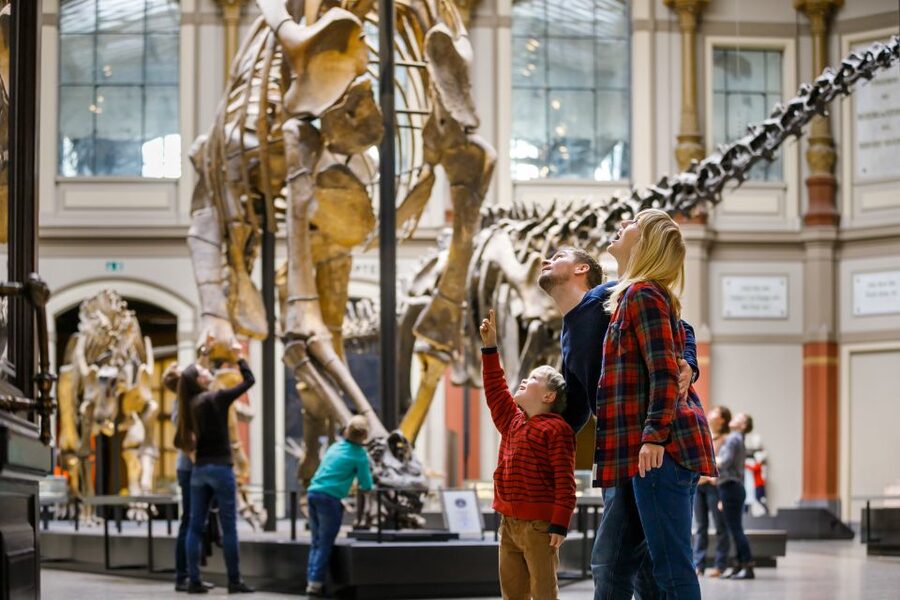
Your main entrance point is Invalidenstraße 43, 10115 Berlin. This matters because the museum is a busy stop, and being at the correct door saves you time and stress, especially when you are trying to keep your visit within the 30 minutes to 1 hour window.
The ticket is set up for quick entry, with skip the ticket line included. In real life, Berlin museums can still get crowded, and I would not count on having the halls to yourself. Still, the timed entry format usually keeps things moving better than a pure walk-in setup.
Also, this is a self-paced visit. There’s no guided tour included, so you control the pace, and you decide what gets the extra minutes.
More Historical Tours in Berlin
- Berlin: 3-Hour World Heritage Cruise to Potsdam
★ 4.5 · 1,569 reviews - Berlin: History of the Third Reich Guided Walking Tour
★ 4.7 · 791 reviews - Berlin Historical Highlights Walking Tour
★ 4.9 · 657 reviews
Audio Guide Setup: What You Need Before You Enter
The ticket includes downloadable audio content in multiple languages, including English, French, German, Italian, Japanese, Polish, Portuguese, Russian, Spanish, and Turkish. There is no physical audio guide included, so you should treat this as a phone-based experience.
Here’s the practical part. The audio access requires logging into a website, and that usually means you want a working phone, plus headphones. I’d also plan to arrive with your battery topped up, because museum time adds up fast once you start bouncing between dinosaurs, fossils, and the darker wet collection rooms.
If you’re visiting with kids, I can see why the museum feels great, but it can also get frustrating if you are trying to read every label while managing attention spans. The audio is the way to keep the story going without turning your day into a scavenger hunt of text.
Dinosaur Hall First: Giraffatitan Brancai and the Archaeopteryx Safety Showcase
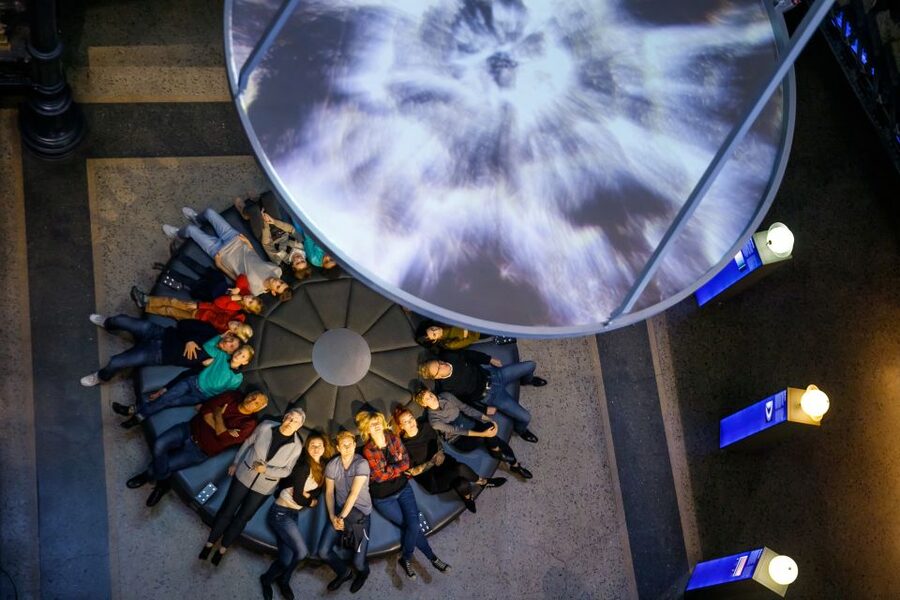
If you do only one thing, do the Dinosaur Hall early. The museum brings you into deep time fast, and it helps you orient quickly.
In the center of the hall, you’ll meet Giraffatitan brancai, described as the world’s tallest mounted dinosaur skeleton. It’s not just impressive because it’s big. It also gives you a scale reference for everything else you see after, so you start noticing proportions and posture instead of only thinking, that’s huge.
Then head toward the back area, where Archaeopteryx lithographica is displayed in a safety showcase. The museum notes it as natural history’s Mona Lisa, and the point of that comparison is clear once you see how carefully it’s presented. It’s the kind of exhibit that makes you slow down, because you’re looking at a key piece of the puzzle of evolution, not just another specimen.
If you’re a dinosaur fan, you’ll feel the pull to stay longer than your time slot. If you’re visiting with mixed ages, split your priorities: spend the first chunk of your visit in the Dinosaur Hall, then decide if you’re ready for the heavier, more “scientific collections” side of the museum.
Tristan Otto the T. rex Skeleton: A Must-See for Big Kids and Adults
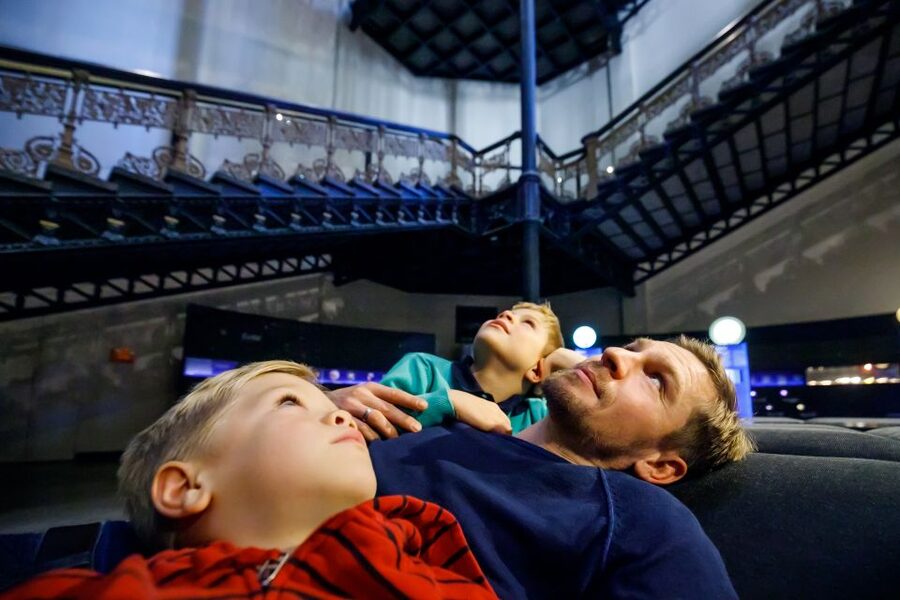
The museum highlights Tristan Otto, one of the original T. rex skeletons. Even if you know almost nothing about paleontology, a real T. rex skeleton hits like a headline. It also helps explain why museums can feel educational and entertaining at the same time. You see the animal as a physical object first, then the labels and audio help translate that into science.
A good way to experience this part is to treat it like a photo stop with a purpose. Look for the parts your brain naturally focuses on, like the skull, teeth, and stance, then use the audio to connect those features to what scientists think the animal did and how it’s studied.
One small consideration. Some exhibits and some explanations can feel less text-light than you might expect, so I recommend using the audio as your main guide rather than trying to read everything in a rush. It keeps you from feeling lost, especially when you’re with children or moving quickly.
More Museums in Berlin
- Berlin: Jewish Museum Berlin Entrance Ticket
★ 4.5 · 8,393 reviews - Berlin: DDR Museum Tickets
★ 4.3 · 3,443 reviews - Berlin: Neues Museum Entry Ticket
★ 4.6 · 3,261 reviews - Berlin: Museum Island Multiple Museum Entry Ticket
★ 4.4 · 2,861 reviews
The East Wing Wet Collection: One Million Animals Preserved in Alcohol
This is the part people either remember forever, or they remember because it makes them laugh at the weirdness. The East Wing lets you see a genuine scientific research collection, including about one million animals preserved in 80 tonnes of alcohol.
I like this because it changes the tone. Instead of only looking at things that are long extinct, you get a glimpse of how scientists store evidence for later study. It’s a reminder that research is not just fieldwork and documentaries, it is also careful preservation and cataloging.
If you’re sensitive to the idea of preserved specimens, go in with that awareness. The museum presents it as science, not spectacle, but the concept is still a strong one. On the flip side, if you’re curious about how museums function behind the scenes, this is one of the best windows you’ll get in Berlin.
Biodiversity Wall: 3,000 Species in One Glance
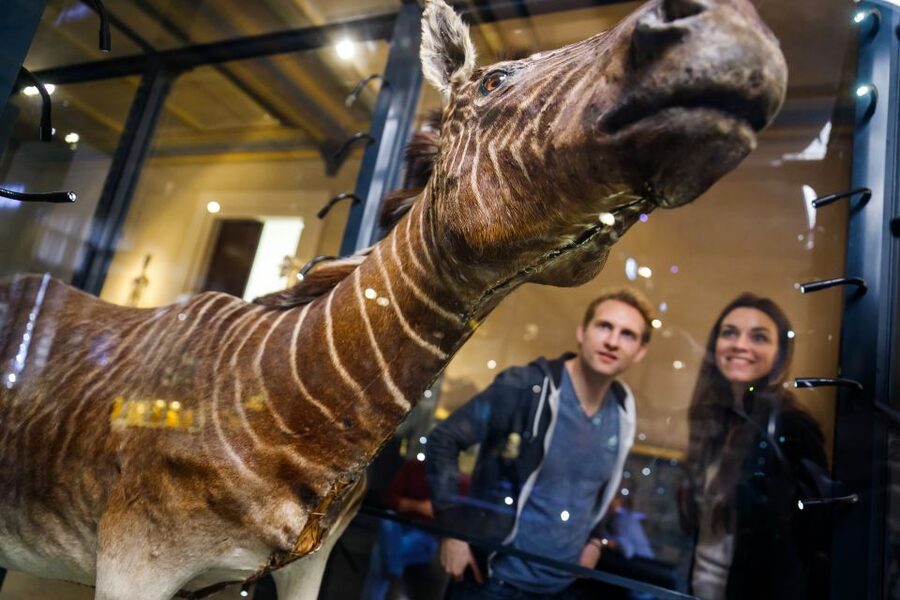
After fossils, the museum moves into the present day. The Biodiversity Wall displays more than 3,000 species in one glance, and it pushes a clear theme: biodiversity and its loss.
I find this section valuable because it changes your takeaway. It’s easy to leave a dinosaur museum thinking the story ends with extinction. Here, the museum connects past and present, using scale and variety to show how living systems depend on diversity.
This is also where the museum’s role as a research institution becomes more than marketing. The biodiversity message is not tacked on. It links back to the idea that scientific collections and ongoing studies help answer real questions about the future.
Following Humboldt and Darwin to Modern-Day Scientists
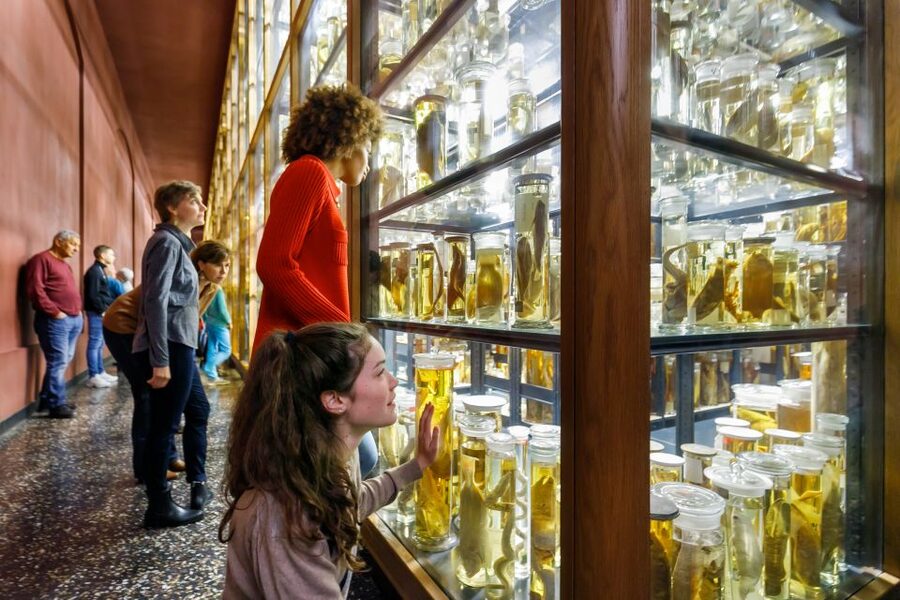
Even though you’re visiting for a ticket, the museum’s mission shows up everywhere. The experience is framed around the tradition of thinkers like Alexander von Humboldt and Charles Darwin, then it moves toward modern explorers of life on Earth.
The museum describes around 200 scientists working with collections that include over 30 million items, and that’s not just trivia. When you see how many exhibits are built around specimens and evidence, you can understand why this museum keeps producing research, not only displays.
In practical terms, that makes your visit feel more serious in a good way. You’re not just seeing outcomes. You’re seeing the kind of place where scientists keep asking questions, building classifications, and rechecking ideas as new methods appear.
How Much Time You Really Need for 30 Minutes to 1 Hour
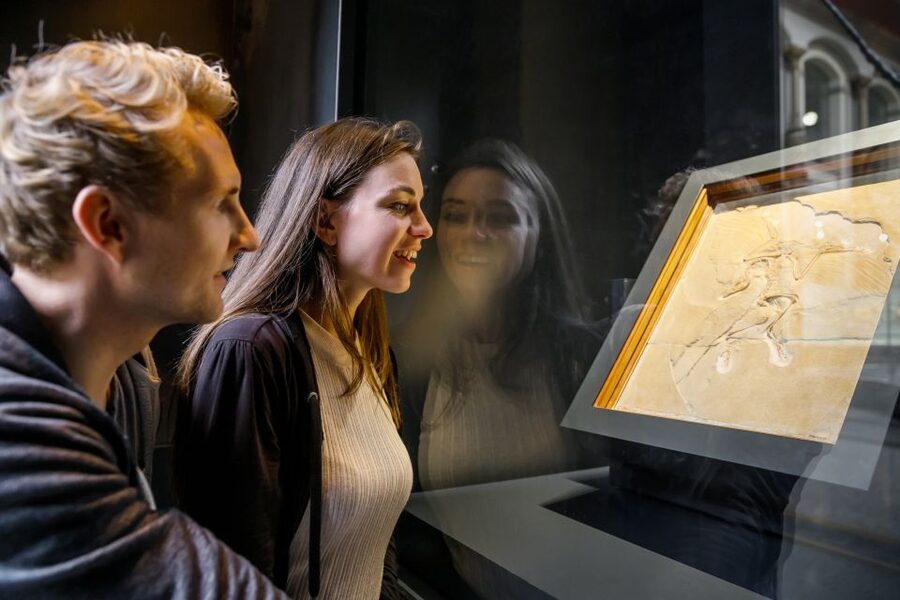
This ticket is timed for 30 minutes to 1 hour, and that range is realistic if you have a plan. I’d treat it like a highlight loop, not like a full-day museum marathon.
Here’s a simple pacing idea:
- Start in the Dinosaur Hall, because the big anchors there help you orient fast
- Spend enough time at the T. rex area and the Archaeopteryx showcase to let the story land
- Move on to the East Wing and Biodiversity Wall if you can, since those shift the museum’s message from ancient to current
If you try to see everything at once, you might rush labels and miss the point. Some people also found the layout a bit confusing even with maps, so giving yourself a loose order prevents that “where do I go next” feeling.
If you have extra time and love museums, you can always extend the visit beyond the ticket window if the museum allows it in the moment. But based on how the ticket is framed, I’d come with expectations for a smart, focused visit.
Families, Couples, and Dino Fans: Who This Works For
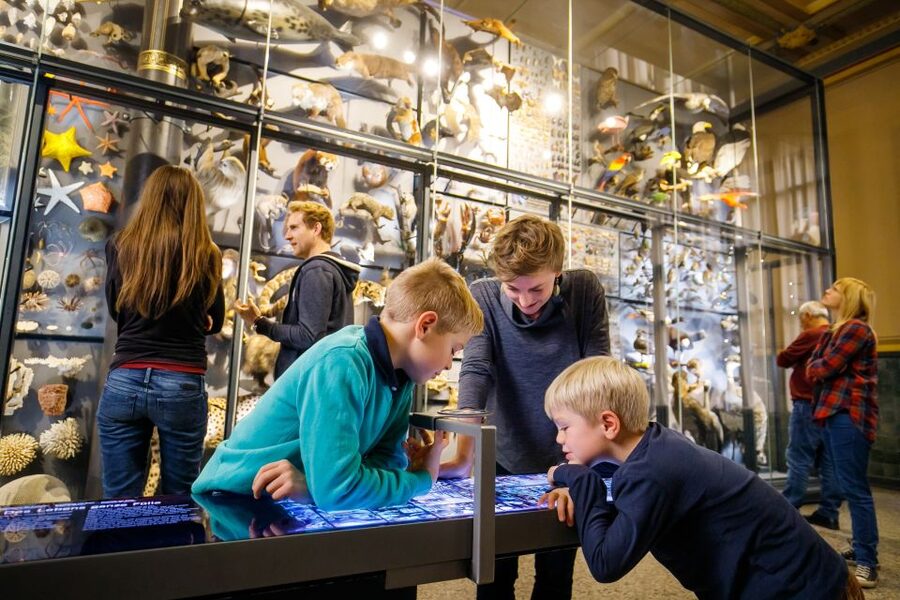
This is a great stop for families, especially if you have kids who are excited by dinosaurs and large displays. I like how the hall settings make it easy for younger visitors to feel the scale, and the audio helps keep grown-ups from getting stuck reading small print while children run ahead.
It can also work well for adults who want something more unusual than a standard museum afternoon. The wet collection is the kind of thing you can’t fake with photos, and the Biodiversity Wall brings a modern science message into the mix.
One watch-out if you’re traveling with multilingual needs. The audio guide offers many languages, but some visitors found that having English descriptions everywhere would make it easier, especially when scanning labels with kids. If you want a smooth, low-friction visit, the audio is your best friend.
Price and Value Around $12 for Adults and Kids
At about $12 per person, I think this is solid value for what you get. You’re paying for entry into one of Berlin’s major natural history spaces, plus an included multilingual audio experience and access to key areas like the Dinosaur Hall and Biodiversity Wall.
The value gets even better if you’re the type who likes context, because the museum’s story connects dinosaurs and evolution to modern research and biodiversity. That means your time is not only spent looking at famous specimens, you’re also learning how the museum thinks.
If you’re expecting a guided tour, though, adjust your mindset. Guided tours are not included, so you won’t get someone steering you through the science in real time. For many people, self-guided works better, but it is a choice.
Practical Tips for a Smooth Visit on a Crowded Berlin Day
I’d plan for the fact that capacity can be tight. Some visitors described waiting to get in when the museum was full, and it’s smart to build a little buffer into your day.
Bring your essentials:
- Passport or ID card, especially if you are using reduced tickets and need proof of eligibility
- Phone and headphones for the downloadable audio
- A quick mindset switch, you are walking between themes, not following a single storyline from start to finish
Also, the ticket includes access to a cloakroom, which is helpful if you’re carrying a day bag or something you don’t want on your shoulders all afternoon. And if you use a wheelchair, the museum is wheelchair accessible, so you can plan a comfortable route.
Finally, expect some translation friction. A few people reported problems with QR code translations in some areas, so I’d rely on the audio rather than treating every sign as fully readable in your language.
Should You Book This Berlin Natural History Museum Ticket?
Book it if you want a high-impact natural history stop with major dinosaur highlights, plus a real peek into scientific collections. If you like museums where the scale matters, the Dinosaur Hall and Biodiversity Wall give you that big-picture feeling fast.
Skip or reconsider if you need a guided explanation from a person, because this is mostly self-paced with an audio component. Also, if you forget headphones or aren’t ready to log into the audio website, the experience can feel less helpful than it could be.
For most visitors, though, this is an easy yes. It’s focused, it’s centrally located, and the mix of famous fossils with the wet collection makes it one of the more memorable museum visits you can fit into a short Berlin window.
FAQ
How long is the Berlin Museum für Naturkunde ticket valid for?
The experience is scheduled for 30 minutes to 1 hour, depending on the starting time you choose based on availability.
What is included with the entrance ticket?
Included are the museum entrance fee, access to downloadable audio content (you need to log into a website), and cloakroom access.
Is a guided tour included?
No. Guided tours are not included with this ticket.
Do I need a physical audio guide?
No. There is no physical audio guide included.
Which languages are available for the audio content?
The downloadable audio content is available in English, French, German, Italian, Japanese, Polish, Portuguese, Russian, Spanish, and Turkish.
What do I need to bring to enter?
Bring a passport or ID card. If you are booking reduced tickets, proof of age or status is required upon entry.
Is the museum wheelchair accessible?
Yes, the museum is wheelchair accessible.
Fresh reviews out of Berlin
- Rude Bastards Tour of Berlin★ 4.8 · 51 reviews
- Private Taxi Tour of Berlin East and West and Neighbourhood approx. 4-6h★ 5.0 · 55 reviews
- Rickshaw Sightseeing City Tours Berlin – Rikscha Tours★ 4.0 · 55 reviews
- Berlin: City Highlights Express & Panorama Roof Terrace★ 4.9 · 55 reviews
- Berlin during Nazism – Tour in Italian★ 5.0 · 56 reviews
- Tours & Sightseeing in English of Berlin, Potsdam and Sachsenhausen★ 5.0 · 56 reviews
- 3 Hours Segway Discovery Tour Berlin★ 4.5 · 58 reviews
- Private Tour to Sachsenhausen Concentration Camp Memorial (With Licensed Guide)★ 5.0 · 58 reviews
Museums, compared.


Skip-the-Line: Berlin Wall Museum at Checkpoint Charlie
Read our review →Browse the lists this tour appears in