
Reviewed · BERLIN WALL & COLD WAR TOURS
Skip-the-Line: Berlin Wall Museum at Checkpoint Charlie
The Berlin Wall Museum at Checkpoint Charlie is interesting because it turns a famous place into something you can study, with real escape tools and real evidence of what life under the GDR felt like. You are standing near the wall story as it happened, then walking through it step by step.
I love the chance to see original escape artifacts up close, including items tied to a hot-air balloon and a mini-submarine. I also like the museum’s focus on the people who organized help, showing how escape attempts were planned, supported, and documented.
One possible drawback: the visit is reading-heavy, so if you prefer quick visuals, you’ll want to pace yourself and pick a few sections to linger over.
Key takeaways before you go
- Skip-the-line entry helps you start the museum without wasting time in queues.
- Original escape hardware includes major, successful attempts like a hot-air balloon and mini-submarine.
- The museum’s narrative goes beyond Checkpoint Charlie, reaching into protests and human-rights themes.
- It is larger than you might expect, with enough material to keep you reading for hours.
- Translations are available in multiple languages, which makes the experience easier to follow.
Mauermuseum-Haus am Checkpoint Charlie: What you’re really seeing
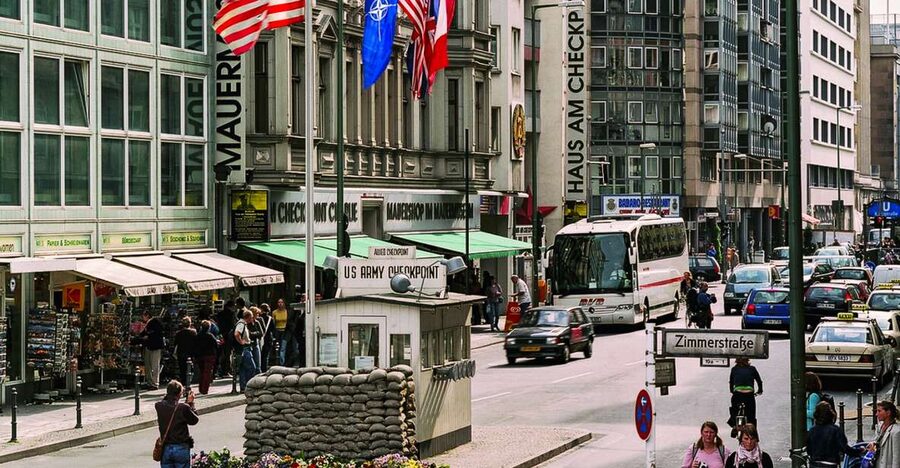
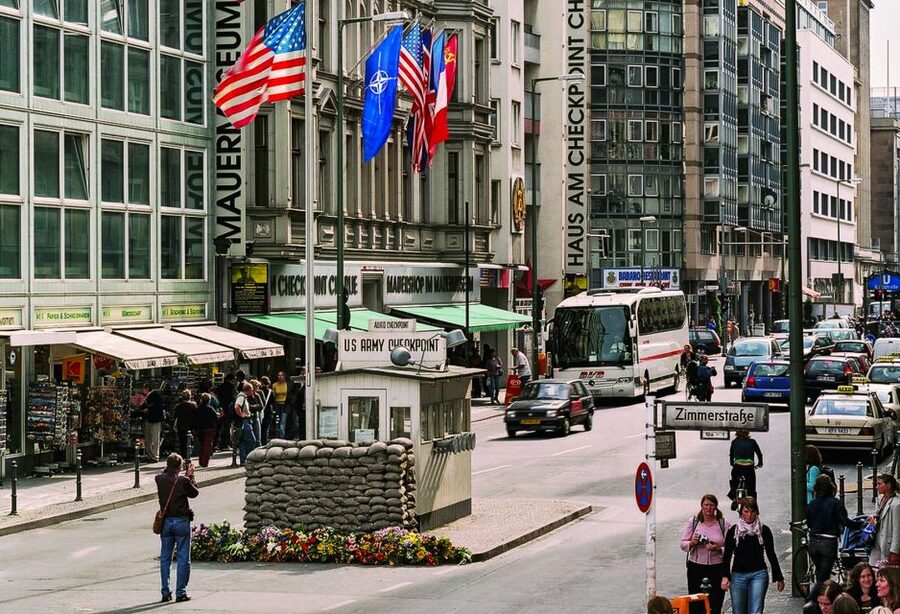
This museum sits at Friedrichstraße 43-45, 10969 Berlin, the address tied to the Checkpoint Charlie area. The setting matters. When you visit here, you are not relying only on photos from guidebooks. You’re standing where Cold War tensions were visible on the street.
I like that the museum is built as a protest and a record, not just a storage room of objects. It was founded on October 19, 1962, shortly after the Berlin Wall went up, and it started as a way to push back against the Wall while helping people who needed assistance. That origin shapes the tone as you move through the exhibits.
More Museums in Berlin
- Berlin: Jewish Museum Berlin Entrance Ticket
★ 4.5 · 8,393 reviews - Berlin: DDR Museum Tickets
★ 4.3 · 3,443 reviews - Berlin: Natural History Museum Entrance Ticket
★ 4.6 · 3,382 reviews
From protest museum to a larger archive of escapes
You’ll see how the collection grew over time, and that growth is part of the story. The museum was formed to fight against human-rights violations connected to the Wall, and it gradually expanded its exhibition space. It also became part of the wider historical arc that led to the fall of the Wall.
What I take from that is simple: this isn’t only about a single day or checkpoint. It’s about a system. The exhibits keep returning to the same question, what happens to ordinary people when borders are enforced by fear and surveillance.
And yes, the museum keeps its focus on the Wall era, but it doesn’t stop there. Some sections connect the past to later conflicts and today’s refugee reality, so you can leave thinking about more than just East and West Berlin.
Original escape artifacts: the stuff that makes the Wall feel concrete
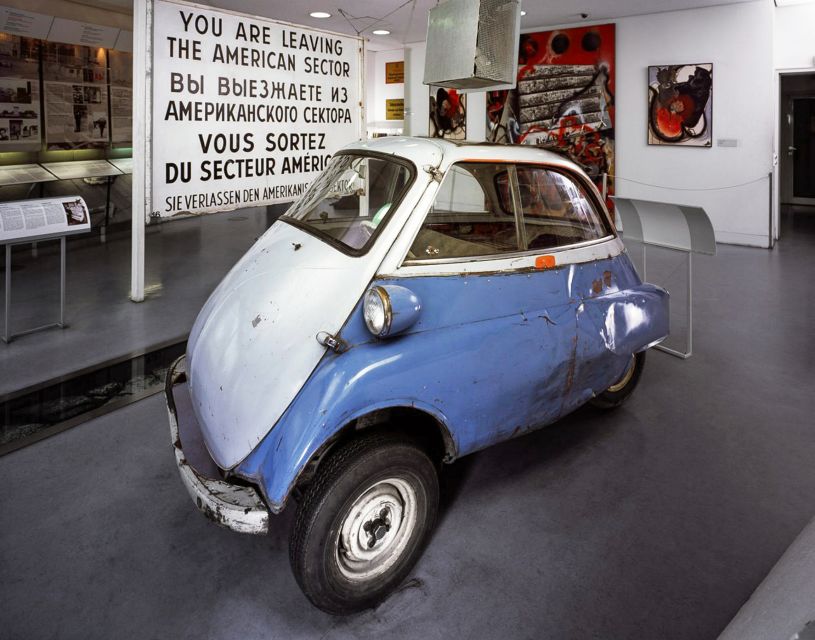
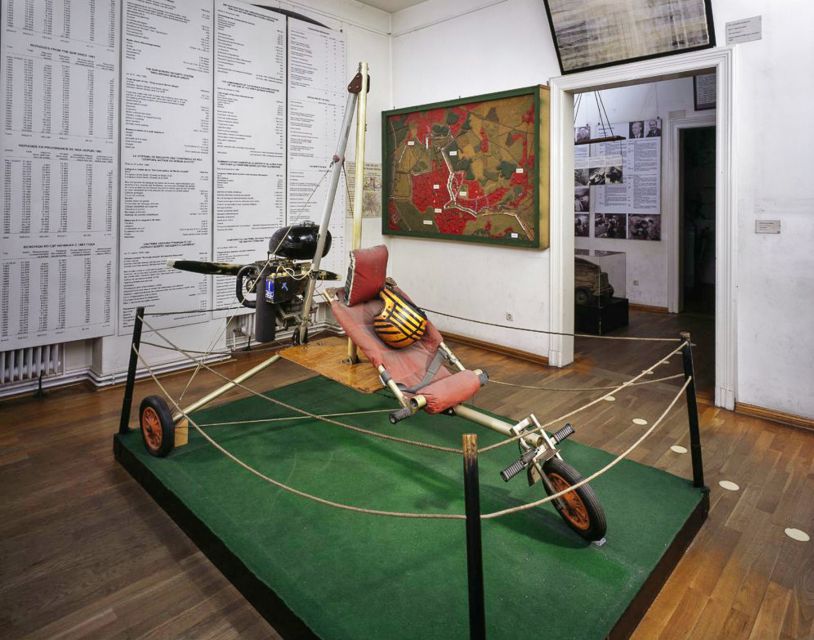
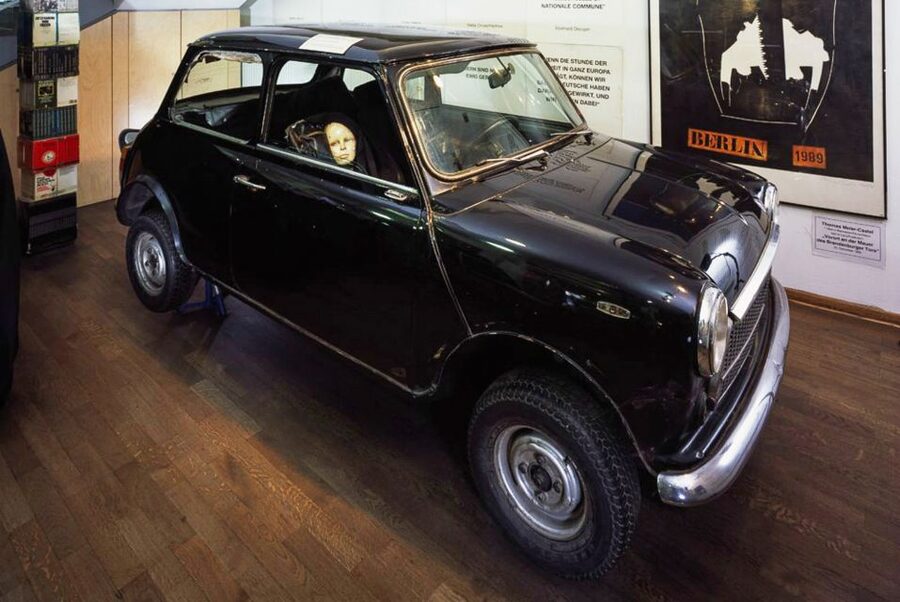
The star of the visit is the collection of original artifacts tied to successful escapes. These are not generic replicas in a classroom display. The museum uses real objects associated with escape attempts, including a hot-air balloon, a mini-submarine, cars, and airplanes.
Seeing items like this changes how you interpret history. Instead of thinking about the Berlin Wall as an idea, your brain starts to picture the engineering. You also start to see the risks involved. To make something work, people needed money, tools, planning, secrecy, and trust.
I especially liked how the museum links objects to people. You don’t just see a vehicle and move on. The display framing connects the artifact to escape-help networks and the helpers who worked behind the scenes.
If you’re the type who wants context before you start reading, arrive ready to spend time. The museum is large, and it rewards slow attention.
How the museum explains escape networks and resistance
One of the museum’s strengths is how it explains the human side of escape. The same place that sheltered plans and materials also served as a base for people organizing resistance to the unjust GDR regime.
In practical terms, you’ll notice that the exhibits keep circling around support systems. Help wasn’t just about one daring crossing. It involved planning, coordination, and the willingness to act when the consequences could be severe.
You can also feel the museum’s emphasis on outcomes. After escapes succeeded, the refugees and helpers donated the conveyances and other objects to the museum. That detail gives the collection a strong emotional logic. The artifacts are evidence, but they are also a kind of record-keeping, a way of saying, this happened, and we won’t forget.
More Berlin Wall and Cold War history:
- Berlin: Third Reich and Cold War 2 Hour Walking Tour
★ 4.9 · 6,830 reviews - Berlin’s Best: 2 Hour Walking Tour Third Reich and the Cold War
★ 5.0 · 5,486 reviews - Berlin: East Side Gallery Spree Cruise in a Solar Catamaran
★ 4.1 · 1,086 reviews - Cold War, Berlin Wall, Spies and the East Side Gallery
★ 5.0 · 1,024 reviews
The Checkpoint Charlie connection, and what to look for near the top
Because this is tied so closely to Checkpoint Charlie, you’ll get an extra layer of meaning from the museum’s location. Several displays focus on Checkpoint Charlie itself, and the museum environment encourages you to link the exhibits to what was visible in the street.
I also found it useful to check for viewpoints within the building. One review mentioned an overhead view of Checkpoint Charlie, and that kind of perspective helps your brain map the story in real space. If you’re visiting with kids or teens, that sort of visual anchor can help them hold attention longer than text alone.
There’s also content on protests and non-violent movements tied to human rights. One top-floor section was described as portraying protests and campaigns yearning for world peace and human rights. If you want the story to end on agency, not only oppression, make time to reach those areas.
What you learn beyond the Berlin Wall Museum bubble
A common issue with Berlin museums is that they can feel like they end at a single moment. This one doesn’t quite do that. The museum continues to document and archive beyond the fall of the Wall, including material connected to conflicts elsewhere.
One example from a review was a car connected to refugees from Ukraine. That kind of exhibit nudges you to compare systems and motivations across decades. It also reinforces why the museum exists now, not only to rehash history, but to document patterns of displacement.
I think this matters for value. If all you want is a quick stop at a famous site, you might feel overloaded. But if you want the historical thread plus a human-rights lens for today, this museum fits well.
How long to plan, and how to pace a reading-heavy museum
Plan for real time here. Reviews include visit lengths like nearly 2.5 hours, and others note it can feel like a lot to take in in a short window. The museum is also described as larger than expected.
Here’s what I suggest so you don’t end up exhausted: set a target. For example, aim for 2 to 3 hours if you’re reading steadily. If you tend to skim, you’ll move faster. If you read carefully, you’ll likely extend your visit.
Because it’s text-heavy, pacing is everything. I like to do it in two passes. First, walk through and get the structure of the story. Then go back to the escape artifacts sections and related planning displays.
If you’re visiting as a group, consider splitting attention. One person can focus on the escape hardware while another tracks the narrative about help networks. Then you can compare notes after.
Skip-the-line entry: worth it for your specific day
Skip-the-line is the big practical win in this booking. Even in low season, you still avoid that uncertain waiting time, and in a city like Berlin, that helps you protect your schedule.
The ticket price is listed at $21 per person, with an entrance ticket included. When I evaluate value, I look at what you get for that cost, and here it’s straightforward: access to one of Berlin’s most legendary museums, plus the time-saver of skipping the ticket line.
It’s also wheelchair accessible, which is a strong plus if mobility is a factor for you or your group.
One review noted a small upcharge when booking through an online channel compared with buying on site. If you want to shop around, you can compare, but I’d still treat skip-the-line as the reason to book in advance.
Practical tips that make the visit easier
A few on-the-ground details can help your day feel smoother.
First, lockers. One review warned that if you carry a bag, you may need to leave a deposit, described as 2 euro coin, for a locker. If you travel light, you’ll have less hassle.
Second, audio. Audioguides are not included with this ticket option. That means if you want a guided voice, you’ll need to plan for it separately. Some people suggested you might still want a headset because there’s a lot to read.
Third, photos. One review said photography was restricted and they were disappointed. Rules may vary by section, so assume you should be ready to follow signs and staff instructions.
Fourth, crowd noise. A review mentioned the museum can coincide with large groups, including school groups that can be noisy. If you’re sensitive to that, consider visiting earlier in the day.
Finally, consider guide options if you want story flow. Even though guided tours aren’t listed as included here, reviews mentioned guides such as Peter, Steve, and Louisa bringing the experience to life. If you see an option in your booking flow, a good guide can make the text-heavy museum feel more like a conversation.
Who this museum is best for
This ticket works best if you want more than a quick photo stop. I’d recommend it to you if you:
- care about how borders are enforced and how people respond
- like original artifacts, not only posters and timelines
- want a human-rights angle that continues past 1989
If you prefer interactive museums with minimal reading, you might find it heavy. Some reviews noted lots of text and limited interactivity. That’s not a dealbreaker, but it is a heads-up.
For families, you’ll likely need a strategy. Let kids pick one artifact to focus on, then make it a game to find the related story points.
For solo travelers, it’s a great choice because you can control pacing. You can stop at what grabs you and skip what doesn’t.
Should you book the Skip-the-Line Berlin Wall Museum ticket?
Yes, I think you should book if you want a high-impact museum visit without wasting time in lines. The skip-the-line benefit plus the original escape artifacts makes this a good use of a day in Berlin, especially if you already know you want Checkpoint Charlie on your itinerary.
I’d skip or reconsider if you know you hate reading walls of text. In that case, look for a version with an optional audio or live guide, or pair this with shorter, more visual sites so your whole day doesn’t blur together.
If you’re on the fence, here’s my simple decision rule: if you’re the kind of traveler who stops to study an object and read what it represents, you’ll enjoy this. If you mainly want a quick overview, you might leave feeling like you raced through.
FAQ
Where is the meeting point for this Berlin Wall Museum at Checkpoint Charlie visit?
The meeting point is Friedrichstraße 43-45, 10969 Berlin.
How much does the skip-the-line ticket cost?
The price is listed as $21 per person.
What’s included with the ticket?
The entrance ticket is included.
Is an audioguide included?
No, an audioguide is not included.
Is a guided tour included?
No, a guided tour is not included.
Is there skip-the-line entry?
Yes, the experience includes skip-the-line entry.
How long is the ticket valid for?
It is valid for 1 day. You can check availability to see starting times.
Is the museum wheelchair accessible?
Yes, it is wheelchair accessible.
Can I cancel for a full refund?
Yes, free cancellation is available up to 24 hours in advance for a full refund.
Is the museum available in multiple languages?
You can expect translations into different languages throughout the exhibits.
Fresh reviews out of Berlin
- Berlin Uncensored: A History of Sex & Freedom★ 5.0 · 50 reviews
- Berlin Food & Cultural Tour: Must-Try German & Berliner Classics★ 5.0 · 51 reviews
- English Comedy Show with Pizza and Shots in Central Berlin★ 4.5 · 51 reviews
- Rude Bastards Tour of Berlin★ 4.8 · 51 reviews
- Private Taxi Tour of Berlin East and West and Neighbourhood approx. 4-6h★ 5.0 · 55 reviews
- Rickshaw Sightseeing City Tours Berlin – Rikscha Tours★ 4.0 · 55 reviews
- Berlin: City Highlights Express & Panorama Roof Terrace★ 4.9 · 55 reviews
- Berlin during Nazism – Tour in Italian★ 5.0 · 56 reviews
Berlin Wall & Cold War Tours, compared.


Berlin’s Best: 2 Hour Walking Tour Third Reich and the Cold War
Read our review →

East Side Gallery Spree Cruise in a Solar Catamaran
Read our review →
Cold War, Berlin Wall, Spies and the East Side Gallery
Read our review →

Browse the lists this tour appears in