
Reviewed · BERLIN WALL & COLD WAR TOURS
DDR Museum Berlin Admission Ticket
Berlin’s DDR Museum is interesting because it turns East Germany history into hands-on rooms you can walk through, plus it uses sharp, sometimes uncomfortable details to explain how daily life worked under a socialist system. I especially love the interactive exhibits that make the story feel practical, not just academic, and I like seeing the Trabant spotlighted as a real piece of everyday culture. One possible drawback is that it’s a small museum, so crowds can make it harder to take your time.
You pick a date and time slot, show up on your own, and go straight into the museum at Karl-Liebknecht-Str.1, opposite Berlin Cathedral. Expect a 1 to 2 hour visit, lots of English signage and ways to engage, and a layout that moves you from home life to vehicles to surveillance and politics. If you hate busy indoor spaces or you’re sensitive to heat, plan your timing carefully.
Key Things to Know Before You Go
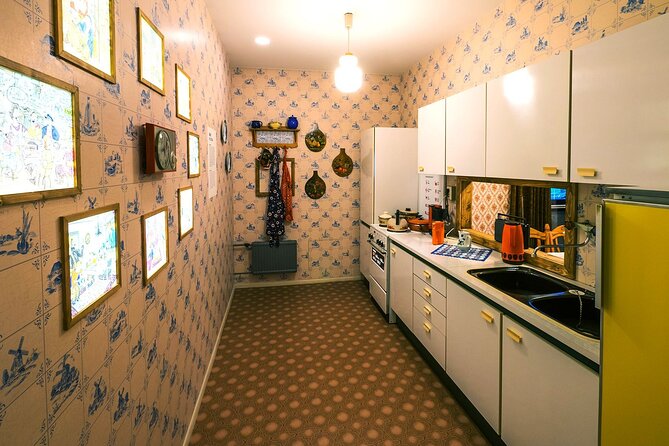
- Interactive “live like GDR” rooms that recreate home spaces, kitchen details, and TV propaganda moments
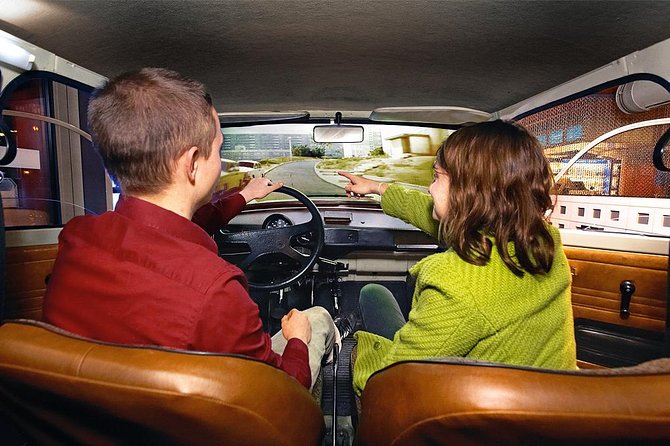
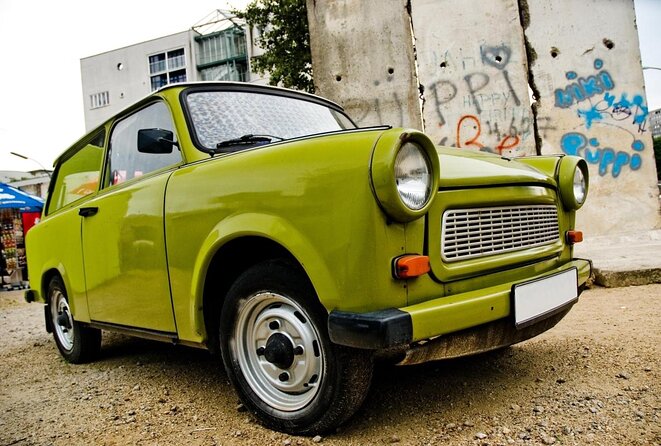
- Trabant car exhibition with ways to sit in and learn about the East German everyday vehicle
- A Stasi interrogation experience that adds real emotional weight to the history
- Virtual tour of a GDR housing estate to connect apartment life to the wider system
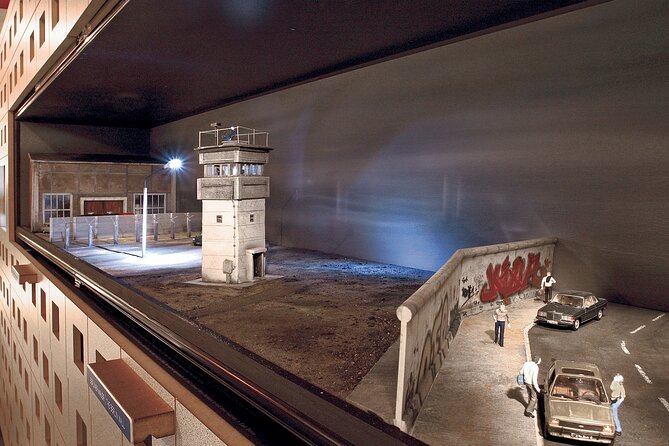
- Berlin Wall exit moment that gives you a sobering, memorable way to finish the visit
- English offered and a format that works for adults and kids, even if interaction can be simple
A Fast, Hands-On Way to Understand GDR Life
The DDR Museum Berlin takes the story of post-WWII East Germany from 1949 to 1989 and makes it physical. You’re not just reading panels. You move room to room, see reconstructed interiors, watch programming that resembles East German TV style, and get guided context through exhibit design.
Two things make this work well for most people. First, it’s built around everyday objects and routines, so the topic feels concrete. Second, the museum uses stage-like reenactments of spaces, including living quarters and family life, which helps you understand how the system shaped normal days.
The main consideration is that the museum is popular and can feel tight. If you prefer quiet, slow viewing, you may want a later or off-peak slot to avoid shoulder-to-shoulder congestion.
More Museums in Berlin
- Berlin: Jewish Museum Berlin Entrance Ticket
★ 4.5 · 8,393 reviews - Berlin: DDR Museum Tickets
★ 4.3 · 3,443 reviews - Berlin: Natural History Museum Entrance Ticket
★ 4.6 · 3,382 reviews
Where the DDR Museum Is, and Why That Helps Your Day
The DDR Museum sits in central Berlin at the banks of the Spree, at Karl-Liebknecht-Str.1, opposite Berlin Cathedral. That location is useful because it pairs nicely with other central sights. You can walk, use public transportation, or plan a longer historical loop without spending a lot of time in transit.
Because it is near public transport, you also have flexibility if your schedule shifts. And since you choose a specific time slot, arriving close to that start time helps you avoid unnecessary waiting.
Tickets, Timing, and the Real Value of Skip-the-Line
Your ticket is sold as mobile, and it’s an admission ticket for the DDR Museum. The price is $16.26 per person, and the visit usually takes 1 to 2 hours. That time window is important: it’s long enough for a full circuit, but short enough that you can still keep your Berlin day moving.
“Skip the line” matters most at a compact museum. When the space is busy, even a short wait can knock you off your rhythm. With a prebooked slot, you typically get in smoothly and spend your energy on the exhibits, not the entrance process.
One more timing note from how the experience plays out inside: the museum operates from 9:00 AM to 9:00 PM. That wide window is good news. If you want a calmer visit, you can steer toward times when fewer families are bouncing between rooms. (You’ll still find crowds at peak hours, just less of them sometimes.)
First Stop Inside: Reconstructed East German Rooms and Propaganda TV
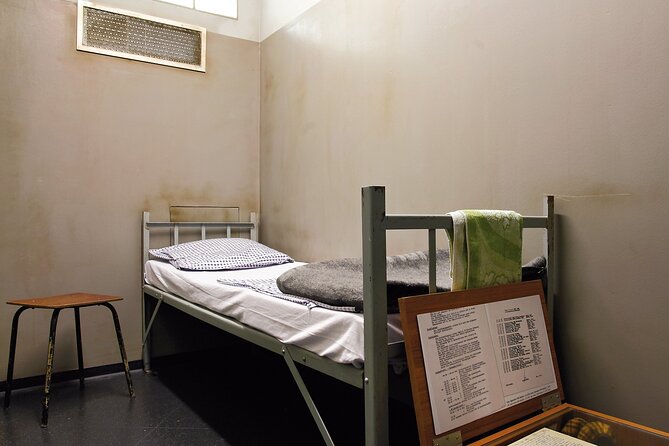
Right when you enter, the museum sets the tone with a “you are here” feel. The design nudges you to think like a Berliner in the socialist era, moving through replica spaces from 1949 to 1989. Expect reconstructed interiors that recreate daily living, including household setups and small details that make the period feel specific rather than generic.
One highlight is the reconstructed living room environment, including a close-up look at what a real cupboard area might have contained in the East German “Carat” style living setup. It’s the kind of detail that makes you slow down. You can stand close, look at the appliances and furnishings, and then watch programming on East German TV screens to see how propaganda was packaged as ordinary viewing.
If you like history explained through lived spaces, this is a strong entry point. And if you’re visiting with kids, this is where they often get the first big “wow” moment. The drawback is that some interactive elements are smaller and can feel more like controlled actions than huge games, so younger kids may still do a lot of reading or labeling.
More Berlin Wall and Cold War history:
- Berlin: Third Reich and Cold War 2 Hour Walking Tour
★ 4.9 · 6,830 reviews - Berlin’s Best: 2 Hour Walking Tour Third Reich and the Cold War
★ 5.0 · 5,486 reviews - Skip-the-Line: Berlin Wall Museum at Checkpoint Charlie
★ 4.1 · 2,041 reviews - Berlin: East Side Gallery Spree Cruise in a Solar Catamaran
★ 4.1 · 1,086 reviews
The Trabant Car Exhibition: Why This Vehicle Is More Than a Car
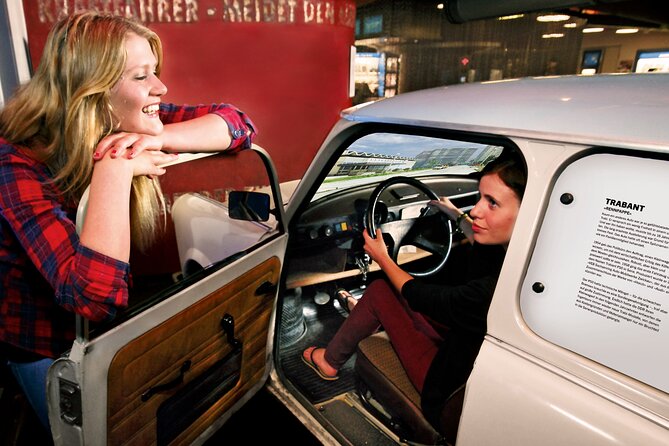
The museum gives the Trabant car exhibition real emphasis because it was such a recognizable part of Eastern Bloc life. You can climb aboard, and the exhibit also uses films of everyday scenes. That helps you see the vehicle not as a museum object, but as something people associated with daily movement and social reality.
If you’re the type who likes to connect history to objects, you’ll probably enjoy this section a lot. A Trabant is easy to imagine in streets and parking lots, and it turns abstract political economics into something tangible.
This part can also be a natural photo and attention anchor when the museum is crowded. But if you hate queues, watch the flow, because the seating areas and interactive spots can attract concentrated attention.
Virtual GDR Housing Estate Tour: Seeing the System at Home
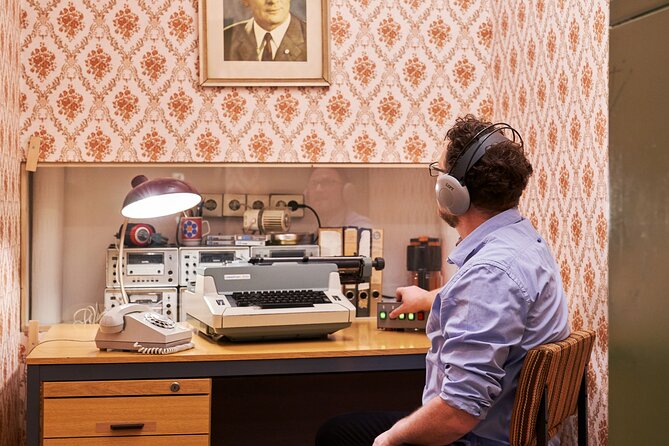
After the car focus, you get a virtual tour of a GDR housing estate. This helps connect the reconstructed room feeling to a wider housing context, which is key if you want to understand daily life beyond a single apartment scene.
For many people, housing is where the “how people lived” story becomes real. Floors, corridors, shared environments, and the sense of planned living spaces help explain why the social system mattered so much day to day.
This section is also a good break from physical rooms, which can be helpful if you’re visiting at a very busy time. The tradeoff is that virtual elements depend on space and lines, so crowding can reduce how long you can linger.
Stasi Interrogation: The Heavier Emotional Beat
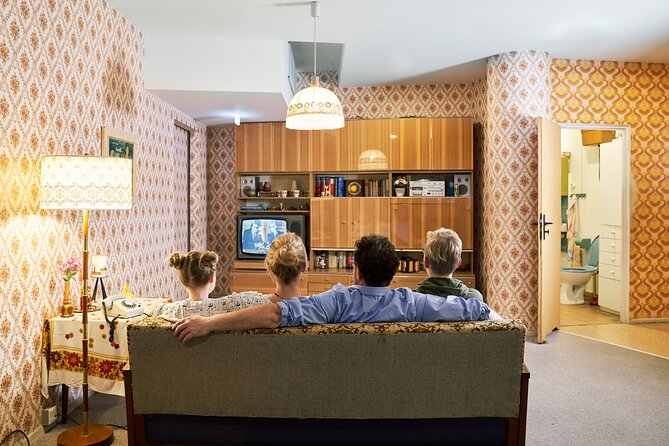
Not every part is playful, and that’s important here. The museum includes a Stasi interrogation experience, which shifts the tone from home routines to surveillance and control. This is where the museum stops being just about artifacts and becomes about the emotional reality of living under scrutiny.
You don’t need to be a political expert to understand the basic message. The exhibit design steers you through the experience so you can grasp the power imbalance and fear that surveillance created.
This is also where family-friendly “fun” expectations can clash with the subject matter. If you’re visiting with kids, it helps to be aware that this portion is more intense than the living room recreations.
Elections, Parties, and the Socialist Union Story
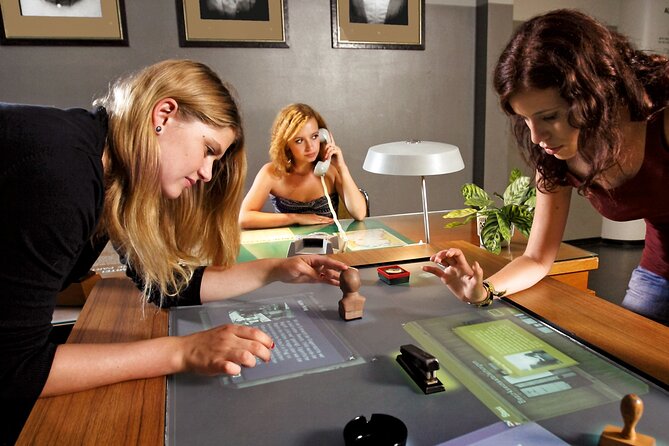
The museum also covers the Socialist Union Party and how politics showed up in everyday life, including voting in a GDR election. You’ll see exhibits that explain the system and its messaging through the way the story is presented in rooms and display panels.
This kind of political context is valuable because it connects your “I saw the rooms” experience to the deeper why behind them. It also helps you understand that the system was not just about laws. It was about belief management, social pressure, and repeated messaging.
The museum uses English throughout, which makes the political parts much easier to follow. Still, some areas include a lot of information, so if you prefer short stops, you might want to prioritize the sections that interest you most first.
Exiting Through a Hole in the Berlin Wall: A Memorable Finish
The museum ends in a strong emotional way. You exit through a hole in the Berlin Wall after you’ve explored the home, the car, the housing estate view, the interrogation setting, and the political exhibits. That final transition is more than a gimmick. It gives you a physical punctuation point, a moment to step out with the sense that history changed.
For many visitors, this is the part that lingers, because it feels like closure. You’re not just leaving a building, you’re symbolically moving past a barrier after learning how life was shaped within it.
If you’re keeping time for another stop after, don’t cut it too close. This exit moment tends to slow people down, especially when it’s busy.
Crowds, Heat, and Kids: Plan Your Best Visit
The DDR Museum can be extremely crowded at certain times because it’s compact and interactive. When that happens, buttons, props, and closer viewing areas can become bottlenecks. My practical advice: choose your time slot with your temperament in mind.
Also, there’s no air conditioning mentioned in relation to the building experience, and indoor heat can be uncomfortable during busy periods. If you’re visiting in warm months or you run hot, consider an earlier day plan or a time when you can keep breaks short and efficient.
For families: the museum is fun for kids and includes interactive elements. But interaction is not always huge set-piece entertainment. In some cases, it may feel more like simple actions such as opening drawers to access labels or tapping into specific exhibit tasks. That’s still engaging, just not always video-game level.
If you want the best balance of learning and comfort, aim for a time when you can actually move through the rooms without constantly waiting.
Practical Logistics: Getting In With a Mobile Ticket
Your ticket is a mobile admission. In theory, that should keep entry easy. In practice, any system that relies on phone passcodes, scanning, or gate access can be stressful if the phone screen brightness is low or the ticket display is unclear.
I strongly recommend you arrive with your ticket ready to show, not buried in an email or hidden behind multiple screen taps. If there’s a QR or code required, make sure you can access it quickly before you reach the entrance.
Since issues can sometimes happen, give yourself a small buffer. Even a 10 or 15 minute buffer can save you from scrambling in a busy entry area.
Price and Value: Is $16.26 a Fair Deal?
At $16.26 per person, the DDR Museum feels like a solid value if you want a concentrated Berlin history experience you can do in 1 to 2 hours. You’re paying for several things at once: admission to a purpose-built exhibition, English support across displays, interactive elements, and a guided flow through multiple reconstructed spaces.
It can feel less like a sprawling museum and more like a focused history attraction. That’s not automatically bad. In fact, it can be great. You’ll leave with a clear picture of East German daily life without needing half a day.
Where value can drop is if you arrive during intense crowding. When you can’t access interactive spots comfortably or you end up moving quickly through rooms just to get space, you may not feel like you got your money’s worth. Choosing a quieter slot is the biggest “upgrade” you can make without paying extra.
Who Should Book the DDR Museum Berlin
You’ll like the DDR Museum most if you want history you can touch and see, not just read. It fits adults who care about the Cold War era, students of architecture and housing life, and families who like hands-on exhibits.
You might want to rethink if:
- You dislike small indoor spaces when they get crowded.
- You prefer very long, in-depth museum pacing.
- You expect big, game-like interactivity in every room.
If you’re on the fence, remember the museum runs until 9:00 PM. That flexibility lets you choose a time that matches your energy level and tolerance for crowds.
Should You Book the DDR Museum Berlin?
I’d book it if you want a short, memorable, English-friendly way to understand life in socialist East Germany from 1949 to 1989. The reconstructed rooms, the Trabant focus, the Stasi interrogation, and the Berlin Wall exit all work together as a clear story arc.
But book with your timing strategy. Pick a less busy slot so you can actually use the interactive elements and enjoy the reconstructed spaces without rushing. If you do that, $16.26 feels fair, and the museum becomes more than a quick stop.
If you want to pair it with other central sights, you can. The location near Berlin Cathedral makes it easy to build a tight itinerary around it.
FAQ
What is the price for the DDR Museum Berlin admission ticket?
The ticket price is $16.26 per person.
How long does the DDR Museum visit take?
Plan on about 1 to 2 hours.
Where is the DDR Museum located?
It’s at Karl-Liebknecht-Str.1 in central Berlin, opposite Berlin Cathedral.
What are the opening hours?
The museum is open daily from 9:00 AM to 9:00 PM.
Is the experience offered in English?
Yes, the experience is offered in English.
What is included in the ticket price?
The ticket includes DDR Museum admission only. Food and drinks, and hotel pickup or drop-off are not included.
Fresh reviews out of Berlin
- Berlin Uncensored: A History of Sex & Freedom★ 5.0 · 50 reviews
- Berlin Food & Cultural Tour: Must-Try German & Berliner Classics★ 5.0 · 51 reviews
- English Comedy Show with Pizza and Shots in Central Berlin★ 4.5 · 51 reviews
- Rude Bastards Tour of Berlin★ 4.8 · 51 reviews
- Private Taxi Tour of Berlin East and West and Neighbourhood approx. 4-6h★ 5.0 · 55 reviews
- Rickshaw Sightseeing City Tours Berlin – Rikscha Tours★ 4.0 · 55 reviews
- Berlin: City Highlights Express & Panorama Roof Terrace★ 4.9 · 55 reviews
- Berlin during Nazism – Tour in Italian★ 5.0 · 56 reviews
Berlin Wall & Cold War Tours, compared.

Berlin’s Best: 2 Hour Walking Tour Third Reich and the Cold War
Read our review →
Skip-the-Line: Berlin Wall Museum at Checkpoint Charlie
Read our review →
East Side Gallery Spree Cruise in a Solar Catamaran
Read our review →
Cold War, Berlin Wall, Spies and the East Side Gallery
Read our review →

Browse the lists this tour appears in