
Reviewed · THIRD REICH & WWII TOURS
Nazi Berlin and the Jewish Community Tour
Berlin’s Nazi-era story can feel like one long, dark chapter. What makes this tour gripping is how it connects big political decisions to real neighborhoods, real buildings, and real people, including the Jewish community that was targeted and the Germans who tried to stop it. I like the focus on how the machinery of power worked, not just dates and slogans, and I also like the way you end at stories of rescue and human courage, not only destruction.
One thing to consider: the subject matter is heavy, and 3 hours means you are moving fast through several difficult themes. If you prefer a slower, more reflective pace, you might want to plan extra time on your own afterward.
Key moments and why they matter
- Hitler’s 1933 rise to power, explained with clear cause and effect, not just headlines
- Varian Fry’s escape network, including the fact that more than 3,000 people were helped
- Operation T4 command center, where the SS planned extermination and sterilization of disabled citizens
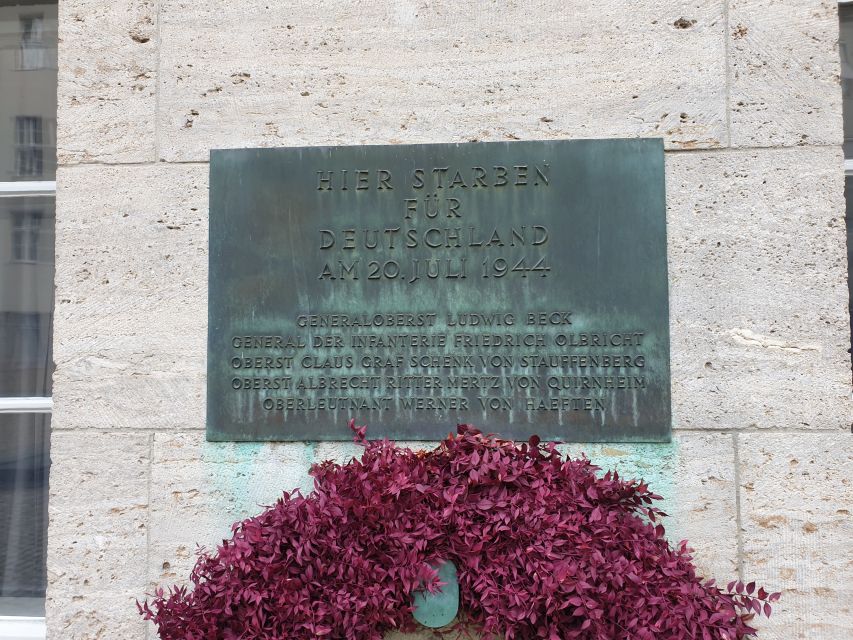
- German Resistance Memorial and Operation Valkyrie, honoring those who opposed Nazism
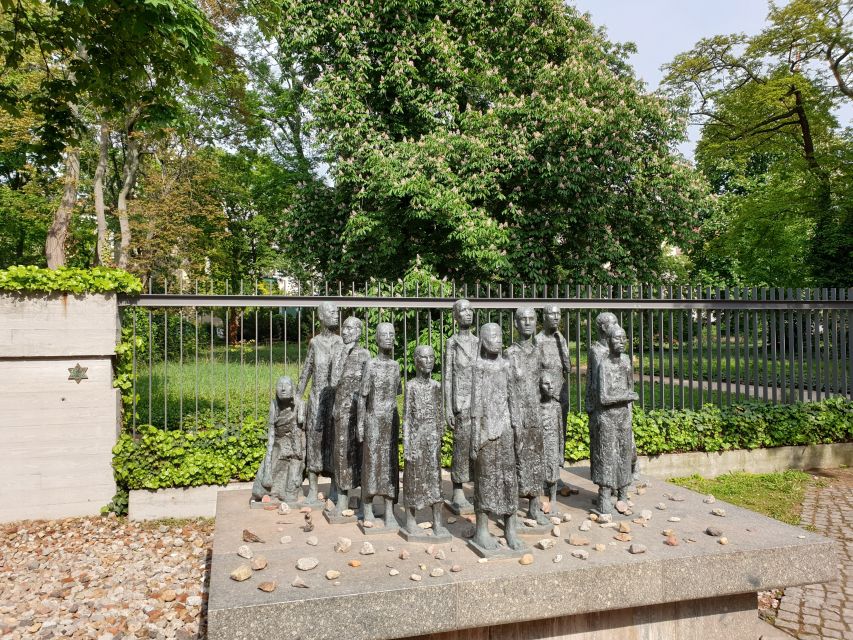
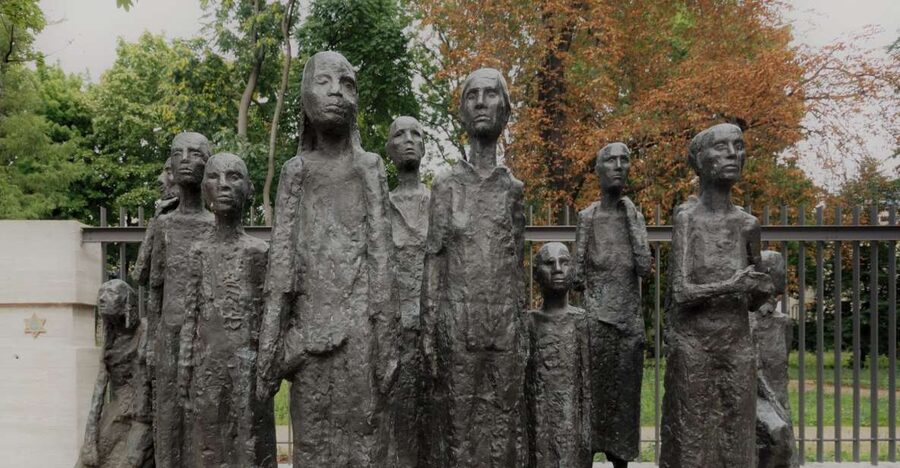
- New Synagogue and the Jewish quarter, including the golden dome you cannot miss
- Otto Weidt’s workshop for the blind, tied to the story of a Righteous Among the Nations who hid people
A 3-hour route through ideology, Jewish Berlin, and resistance
This tour is short enough to fit into a busy Berlin itinerary, but it covers a lot of ground in a smart order. You start by tracing the steps that helped Hitler rise to power in 1933, then you follow how that ideology turned into systems: forced labor, deportations, and mass violence. The tone stays serious, but the guiding style is often practical and clear, which helps the material feel understandable instead of overwhelming.
After the darker stops, the tour gives you something important to hold onto. You end by looking closely at Righteous Among the Nations type rescue work, including protection efforts at a site that is now a museum. It is not a “happy ending,” but it is a real reminder that some people refused to accept what was happening.
More Third Reich history tours:
- Berlin: Third Reich and Cold War 2 Hour Walking Tour
★ 4.9 · 6,830 reviews - Berlin’s Best: 2 Hour Walking Tour Third Reich and the Cold War
★ 5.0 · 5,486 reviews - Third Reich Berlin: Hitler and WWII Walking Tour
★ 5.0 · 3,301 reviews
The core narrative: from 1933 power plays to the SS plan for killing
The tour’s backbone is explaining the path from propaganda and political movement into state power and organized cruelty. You will hear how 1933 matters because it is when Nazi control consolidated enough to start turning persecution into policy, with the Christian-majority Berlin society part of the story too. The goal is not to simplify blame into a single group, but to show the relationship between public life and the space persecution was able to grow in.
As you move between sites, you will also pass by places marked by World War II combat damage. That detail matters because it helps you feel the timeline physically, not just mentally. Berlin is full of restored façades, so when you see scars still visible on older buildings, it snaps you back to the reality of what was destroyed and why.
The German Resistance Memorial and why Operation Valkyrie still resonates
A major stop is the Gedenkstaette Deutscher Widerstand, the German Resistance Memorial. You get a guided walkthrough that focuses on Germans who opposed Nazism and on the ideas behind sabotage and resistance. You also learn about Operation Valkyrie, the plot connected to the resistance movement, and you see how the memorial now honors those who fought against the Nazi system.
This part of the tour is valuable because it resists a common trap: the temptation to frame everything as Nazis versus victims only. Resistance was real, even if it was limited and brutally punished. When your guide connects the resistance story to the earlier discussion of how power rose, you start to see why the resistance mattered, and what it cost.
Varian Fry’s mission, plus the grim context around it
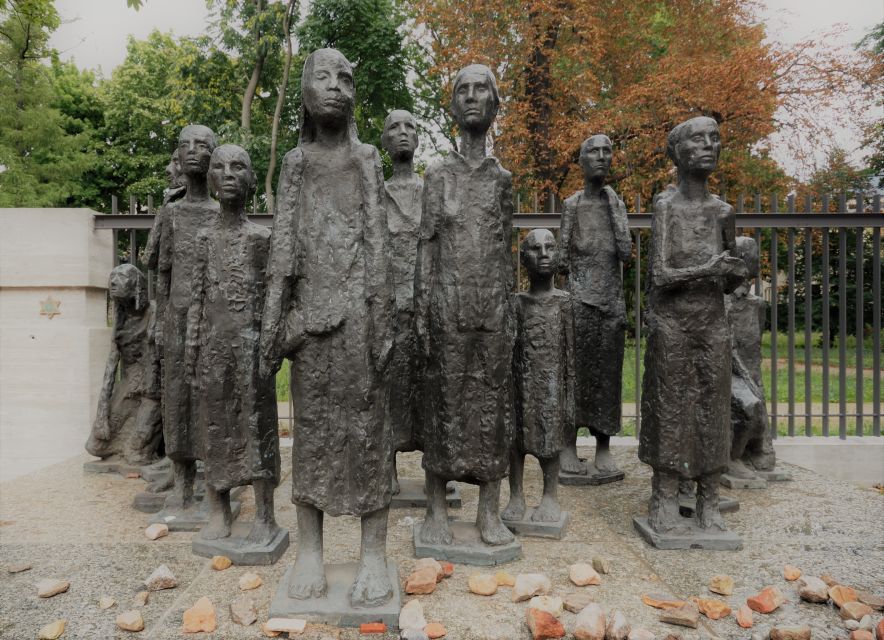
The tour also includes a lesser-known memorial tied to Varian Fry, an American journalist who helped coordinate the escape of over 3,000 persecuted Jews from Nazi-occupied Europe. That number gives you scale fast, and it also makes the rescue story feel grounded rather than vague.
What makes this stop work inside the bigger arc is the contrast. You are learning about an escape operation while also learning about the tightening web of Nazi control. The result is a clearer picture of how quickly danger grew and how much luck, paperwork, contacts, and risk were involved in staying alive.
If you are the kind of traveler who likes to understand the “how” behind survival stories, this memorial will likely stick with you.
Weigh these Berlin picks against each other
- Berlin: Reichstag, Dome and Government District Guided Tour
★ 4.7 · 18,288 reviews - Berlin: 1-Hour City Tour by Boat with Guaranteed Seating
★ 4.3 · 16,993 reviews - Berlin: TV Tower Standard Entrance Ticket
★ 4.4 · 15,883 reviews - Berlin: Boat Tour Along the River Spree
★ 4.4 · 11,252 reviews
Operation T4 and the command center for mass sterilization and extermination
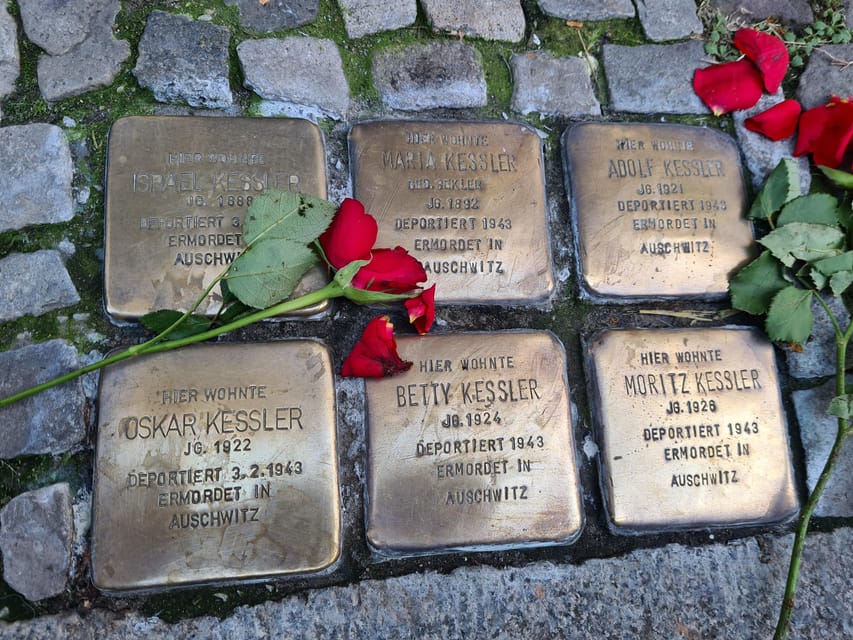
One of the most difficult stops is the command center of Operation T4, where the SS planned the extermination and sterilization of tens of thousands of disabled citizens. This is not a “brief mention” stop. You will be guided through what Operation T4 represented in Nazi ideology and how it connected to broader methods of removing people the regime defined as unwanted.
It is uncomfortable material, but it is also necessary. If you only focus on famous camps, you miss how the system expanded into multiple forms of systematic killing and forced treatment. Learning about Operation T4 helps you see that the Nazi project was not just about one target group, it was about a worldview that valued control and dehumanization.
Anhalter Bahnhof and the deportation machinery you can feel
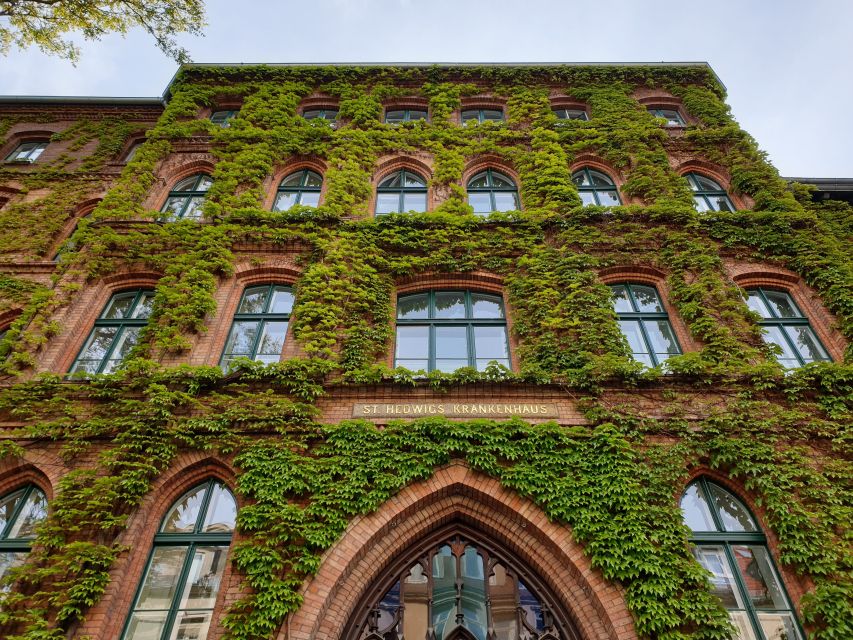
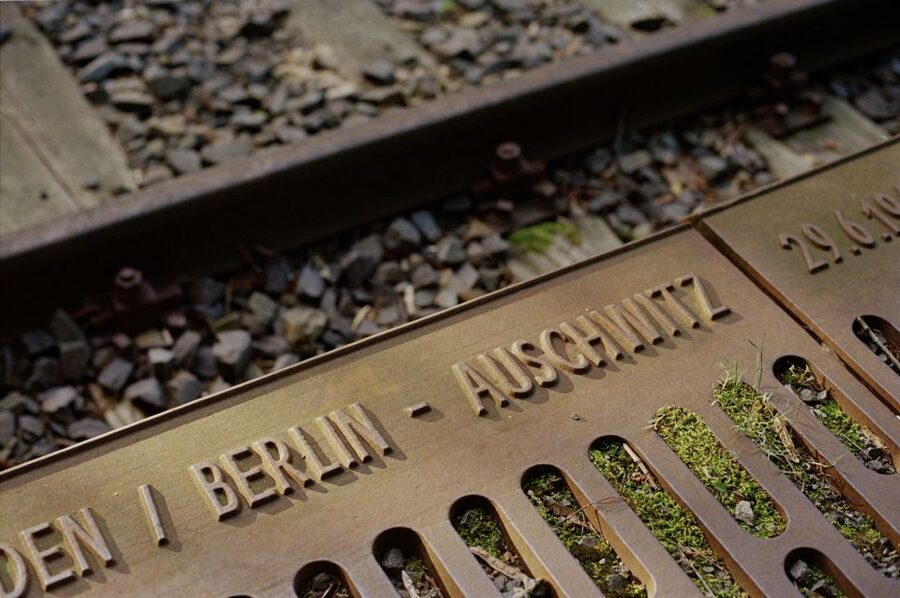
You also stop at Anhalter Bahnhof, where you get a shorter guided look that still fits the tour’s theme. A train station stop can seem like scenery until your guide frames it properly, and here the focus is on how deportations were carried out through real infrastructure.
This is where the tour becomes practical for your understanding. You begin to connect the ideology you heard earlier to everyday systems: transit hubs, paperwork, and logistics. It is chilling to realize that “ordinary” locations became instruments of murder.
The Jewish quarter: New Synagogue, the oldest cemetery, and forced labor
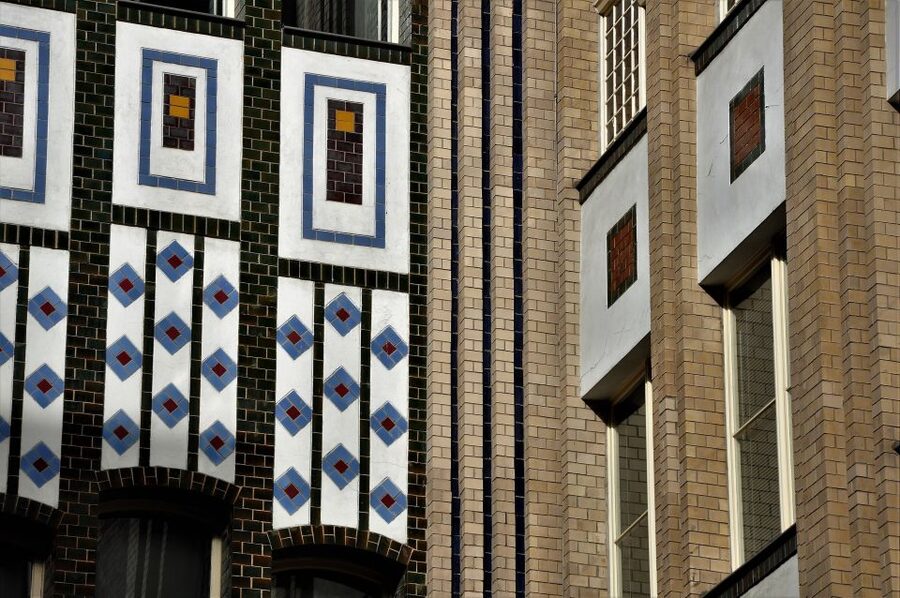
After you connect the resistance and mass violence themes, you shift to the Jewish community district by public transport. This part feels like stepping into a different layer of Berlin, one that was built over centuries and then violently attacked.
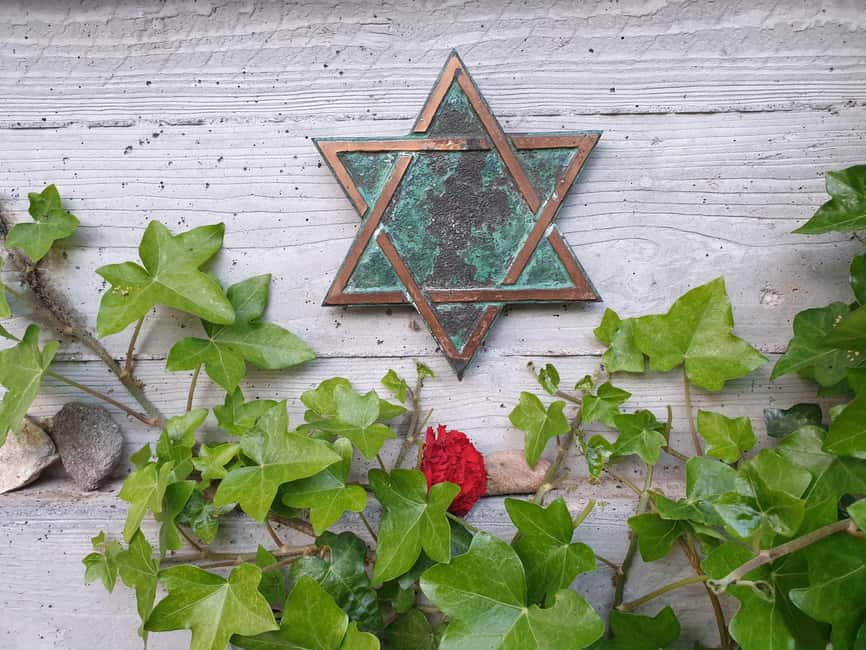
You will see the oldest Jewish cemetery and also the New Synagogue of Berlin, including the golden dome that stands out even when you are trying not to stare at it. The goal is to show continuity first, not only tragedy. You learn about the long presence of Berlin Jews in the city until the Nazis came to power.
Then the tone changes again as the guide covers the mechanisms used during World War II, including forced labor and deportations. This is where you might feel the tour’s pacing most. You are getting the big facts in a short time, so it helps if you come in ready to take notes in your head: names of places, time periods, and the chain of events linking policy to people.
Otto Weidt’s workshop: blindness, labor, and the rescue story that closes the loop
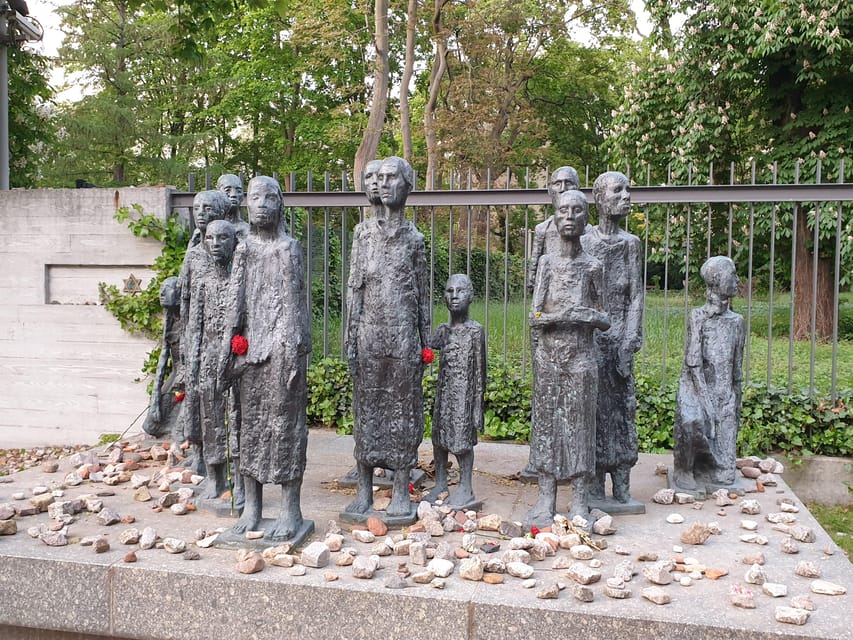
The final stop is Otto Weidt Workshop for the Blind, also presented through the lens of Righteous Among the Nations. This museum visit centers on the efforts of one man who protected Jewish workers from persecution and deportation.
The key detail here is that when the threat increased, he found places for some people to hide. That makes the story feel concrete, not abstract. It also ties back to the earlier stops. You saw the Nazi system building, you saw resistance, you saw escape efforts, and then you end with individual choices made under pressure.
If you want Berlin to teach you something beyond tragedy, this is the part that gives you a human scale. Your brain understands dates and systems. This stop reminds you that systems were always made of choices, and choices could be resisted.
Public transport, timing, and what to expect day-of
The tour uses public transport between stops. An AB all-day ticket is required for the tour, so make sure you have it before you go. Without it, you may be stuck in the middle of the route, which is the last place you want to be during a serious program.
The whole experience runs about 3 hours, with guided segments at multiple locations. Expect walking in a city setting, and bring comfortable shoes. The good news is that the structure is broken into manageable chunks, with short transport legs connecting the narrative.
This experience is listed as wheelchair accessible. That usually means you are not dealing with extreme stairs at every stop, but you should still plan for some uneven urban surfaces and the reality of getting on and off transit.
Price and value: what you get for $351 per group
The price is $351 per group up to 6. That is not the cheapest option in Berlin, but it is also not an inflated “private-tour premium” without value. You are paying for a guided, multi-stop route with a lot of historical ground covered in a fixed time window, plus the coordination needed to move through several key sites efficiently.
If you can fill the group size, the per-person cost becomes much more reasonable. If you are traveling solo, it may feel pricier, but the benefit is that this is not just a museum lecture. It is a guided walking-and-transit narrative that ties sites together in a way you cannot easily replicate on your own.
Who this tour is best for
This tour is a strong fit if you want Berlin history with structure and clear explanation. It is especially useful if you care about the connections between politics, everyday infrastructure, and Jewish community life under Nazi rule.
It also works well for people who want more than one angle. You get Jewish community sites, resistance context, and a rescue story at the end. That mix is helpful if you are trying to understand how different responses played out, from escape networks to plots to individual rescue work.
If you are traveling with teens or younger adults, the guidance style described in past experiences suggests it can handle complex concepts without turning them into a lecture. The pace can still be intense, but the clarity can make it easier to follow.
Should you book it?
I think you should book this tour if you want a focused, guided route that connects Hitler’s rise, Jewish Berlin, resistance, and the T4 program into one understandable story. The ending at Otto Weidt’s workshop is a meaningful way to finish, because it shifts from systems of harm to human decisions under threat.
Skip it if you want a lighter day, or if you need a slower pace for emotional processing. Also consider this: the tour covers a lot, but you will not have time to linger for long readings at every site. If you like to stay and absorb quietly, plan a bit of extra independent time afterward.
FAQ
FAQ
What is the duration of the tour?
The tour lasts about 3 hours, with a listed total duration up to 210 minutes.
How much does the tour cost?
It is priced at $351 per group, for groups of up to 6 people.
Do I need a public transport ticket?
Yes. You need an AB all-day ticket for the tour.
What languages are available for the live guide?
The tour offers live guided tours in French, Italian, English, Spanish, and German.
Is pickup available?
Pickup is optional. If you choose it, you should wait in the hotel lobby 10 minutes before your scheduled pickup time. You need to contact the provider at least some days before to discuss details.
Is the tour wheelchair accessible?
Yes, the experience is listed as wheelchair accessible.
Fresh reviews out of Berlin
- Berlin Uncensored: A History of Sex & Freedom★ 5.0 · 50 reviews
- Berlin Food & Cultural Tour: Must-Try German & Berliner Classics★ 5.0 · 51 reviews
- English Comedy Show with Pizza and Shots in Central Berlin★ 4.5 · 51 reviews
- Rude Bastards Tour of Berlin★ 4.8 · 51 reviews
- Private Taxi Tour of Berlin East and West and Neighbourhood approx. 4-6h★ 5.0 · 55 reviews
- Rickshaw Sightseeing City Tours Berlin – Rikscha Tours★ 4.0 · 55 reviews
- Berlin: City Highlights Express & Panorama Roof Terrace★ 4.9 · 55 reviews
- Berlin during Nazism – Tour in Italian★ 5.0 · 56 reviews
Third Reich & WWII Tours, compared.
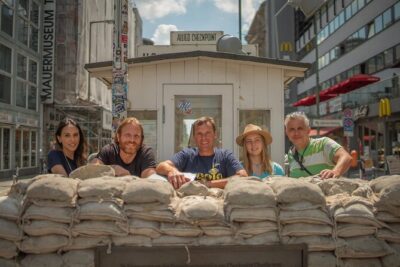
Berlin’s Best: 2 Hour Walking Tour Third Reich and the Cold War
Read our review →
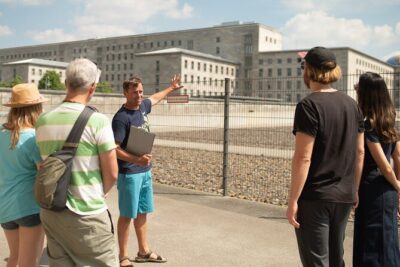
Third Reich Berlin: Hitler and WWII Walking Tour
Read our review →
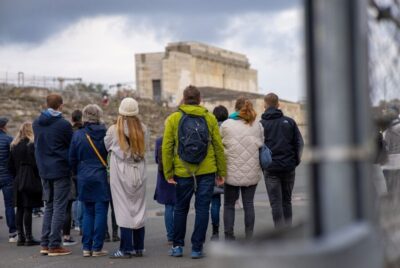
Walking Tour of Former Nazi Party Rally Grounds
Read our review →
Browse the lists this tour appears in