
Reviewed · THIRD REICH & WWII TOURS
Hitler’s Germany: Berlin During the Third Reich & WWII
Berlin in the Third Reich years can feel like a puzzle you can only solve if someone shows you where to stand. This 4-hour tour strings together the big, heavy places of WWII-era power, including the Reichstag and major documentation sites, with a guide who keeps the story clear, chronological, and human.
What I like most is the route itself, you see how the Nazi state was planned, policed, and sold to the public, all in real streets and real buildings. I also like that the tour includes stops tied to memory, including the Holocaust Memorial area and sites connected to Jewish life, persecution, and remembrance. One drawback to plan for: you do not go inside buildings during the tour, so what you experience is mostly outside viewing plus on-site interpretation, not museum-style roaming room to room.
You’ll meet in central Berlin and get a mix of walking and a short metro ride. The guide starts by grounding you in what happened to Berlin’s nearby Jewish district, then moves through major Nazi-era power corridors, ending at the Reichstag with the Germania redesign dream and the final days of the Battle of Berlin.
Key things I’d pay attention to
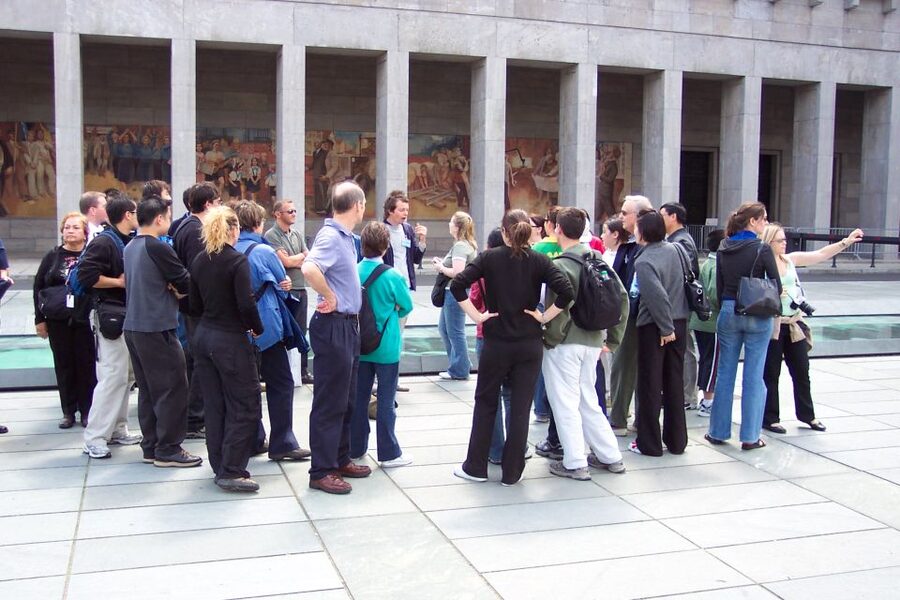
- Native-level English guides who explain complicated events in plain language and still keep it engaging
- A short metro ride that gets you quickly from central meeting points to WWII impact zones
- Topography of Terror area stop focused on Gestapo and SS power, with a break to reset your brain
- Memorial stops that shift the tone toward victims and memory, not just the machinery of the regime
- Reichstag ending with Germania and the Battle of Berlin for a sharp, unforgettable finish
- A 4-hour sweet spot where you cover multiple eras without feeling dragged
Why Berlin’s Nazi-era streets matter more than the headlines
Berlin has a way of holding onto the past in plain sight. This tour matters because you do not just read about the Third Reich, you walk through the city’s actual geometry of power, where government, propaganda, policing, and terror all left fingerprints.
You’ll start with the Nazi decimation of a nearby Jewish district. That framing is important because it prevents the story from becoming an abstract list of names. After that, the route becomes a map: who held power, how they organized it, and how that power reached everyday life.
The tone is steady and serious. Guides have a knack for turning big events into something you can follow beat by beat, which helps if you feel overwhelmed by WWII history. It is also a good choice if you want the city to do the remembering, because you’ll be looking at memorials as the story evolves.
More Third Reich history tours:
- Berlin: Third Reich and Cold War 2 Hour Walking Tour
★ 4.9 · 6,830 reviews - Berlin’s Best: 2 Hour Walking Tour Third Reich and the Cold War
★ 5.0 · 5,486 reviews - Third Reich Berlin: Hitler and WWII Walking Tour
★ 5.0 · 3,301 reviews
The 4-hour route, with a short metro hop that saves time
The tour runs for about four hours. That timing matters in Berlin because you can burn half a day just getting between locations, then still miss context.
You meet your guide in central Berlin, then the day typically starts with an overview of what the Nazi regime did to the city’s Jewish community. From there, you take a short metro ride to Anhalter Bahnhof, a huge station destroyed in WWII. That quick transit step is practical, because it reduces backtracking and gets you to a meaningful WWII site fast.
After Anhalter Bahnhof, the pacing shifts to walking through the former Nazi government district. You’ll cover multiple key power areas without feeling like you are sprinting. The tour ends in front of the Reichstag, so you finish with a major visual anchor, not with a random curb somewhere.
Anhalter Bahnhof: WWII impact you can spot from the outside
Anhalter Bahnhof is one of those places where the city’s past is still visible through scale and location. The station is described as a huge train station destroyed during WWII, and that’s the point. It reminds you that the conflict was not only happening in documents or speeches, it destroyed infrastructure and rerouted lives.
Your guide uses the site to connect the earlier context about the Jewish district with the wartime city reality. You’ll likely start seeing how mass transit, government authority, and forced movement all played into Nazi control. Even if you are not a rail-history person, the size of what used to be there helps you grasp the scale of what was lost.
Because the tour does not emphasize entering buildings, you’ll focus on outside views and the guide’s interpretation. That can be a plus if you want fresh air and fewer transitions. It can be a minus if you were hoping for indoor exhibits, but the added memorial stops later help balance the experience.
Luftwaffe headquarters and Hermann Göring’s Berlin
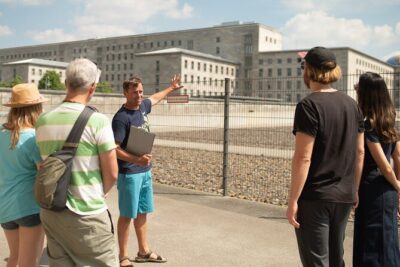
One of the most striking segments is the walk to the former Luftwaffe headquarters, headed by Hermann Göring. This building is singled out as one of the best surviving examples of Nazi architecture, and you can feel why that matters.
The value here is not architectural trivia. It is how power looked when it wanted to look permanent. Nazi leaders chose massive, imposing forms to communicate authority. When you see that kind of design in real life, it becomes harder to treat the regime as only words on paper.
Your guide explains the Nazi government district as a system, so the Luftwaffe stop fits into the bigger story. You’ll be listening for the shift from persecution and planning to enforcement and war. That “how it connects” element is what makes this more than a photo walk.
Weigh these Berlin picks against each other
- Berlin: Reichstag, Dome and Government District Guided Tour
★ 4.7 · 18,288 reviews - Berlin: 1-Hour City Tour by Boat with Guaranteed Seating
★ 4.3 · 16,993 reviews - Berlin: TV Tower Standard Entrance Ticket
★ 4.4 · 15,883 reviews - Berlin: Boat Tour Along the River Spree
★ 4.4 · 11,252 reviews
Gestapo and SS sites, then Topography of Terror for a reality check
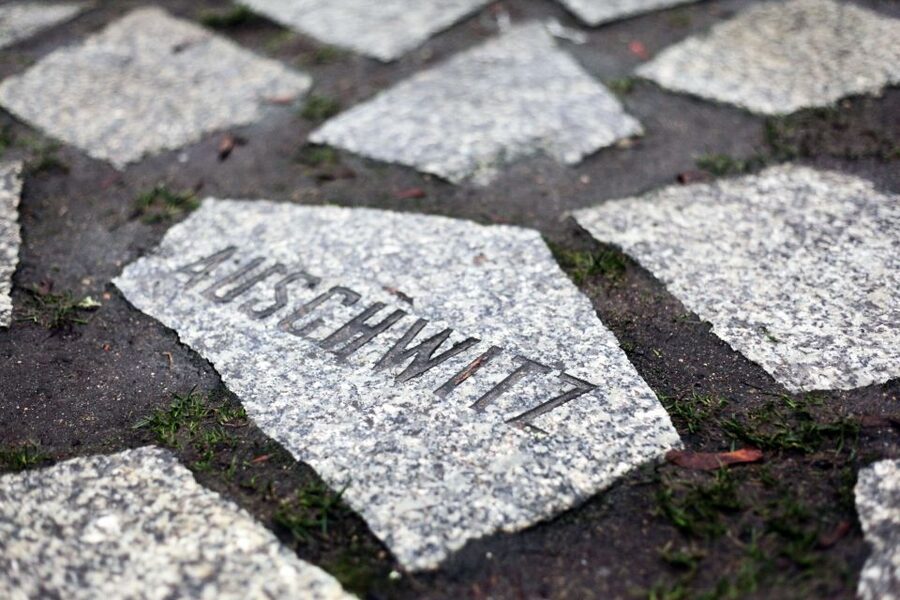
After the Luftwaffe area, the tour moves to the Gestapo (secret police) and SS headquarters area, now associated with the Topography of Terror Museum. This is one of the stops where the guide’s tone matters, because the subject is inherently disturbing.
You’ll likely hear about Joseph Goebbels’ use of propaganda as the regime’s parallel tool, not just brute force. Then the story turns to the ‘T4’ euthanasia program. From there, the guide covers the Holocaust, bringing the thread back to the victims and the systematic nature of Nazi atrocities.
There’s also a break linked to the museum area. Even though the tour does not enter buildings, the stop gives you time to regroup and absorb what you just heard. You can take a moment to stand back, look around, and let the meaning land. For many people, that reset is the difference between rushing past a heavy topic and actually processing it.
Jewish Quarter context, plus memory stops that change the angle
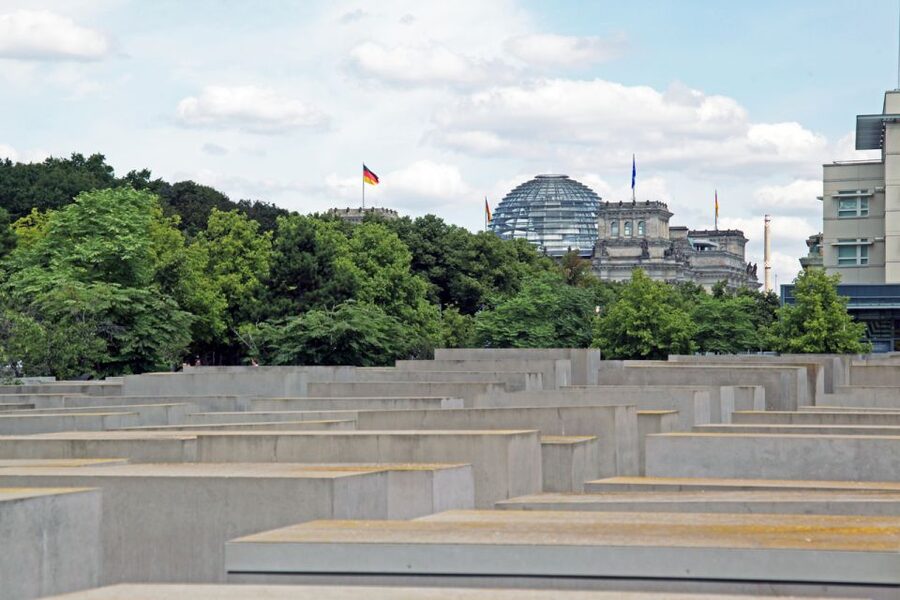
A major part of the tour centers on life in the Jewish Quarter, persecution, and memory. Your guide starts with the decimation of the nearby Jewish district, then the route keeps you near places that help you understand what was targeted and why remembrance matters.
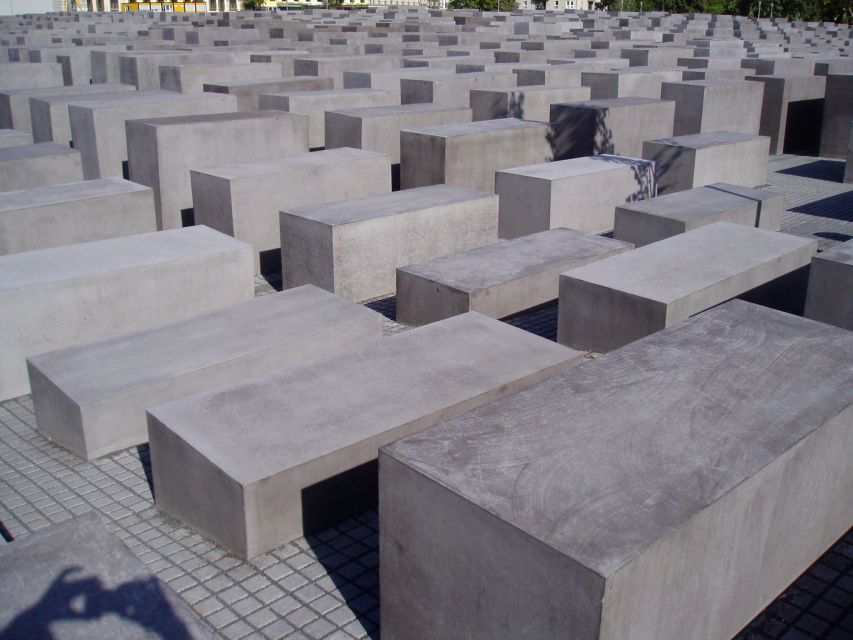
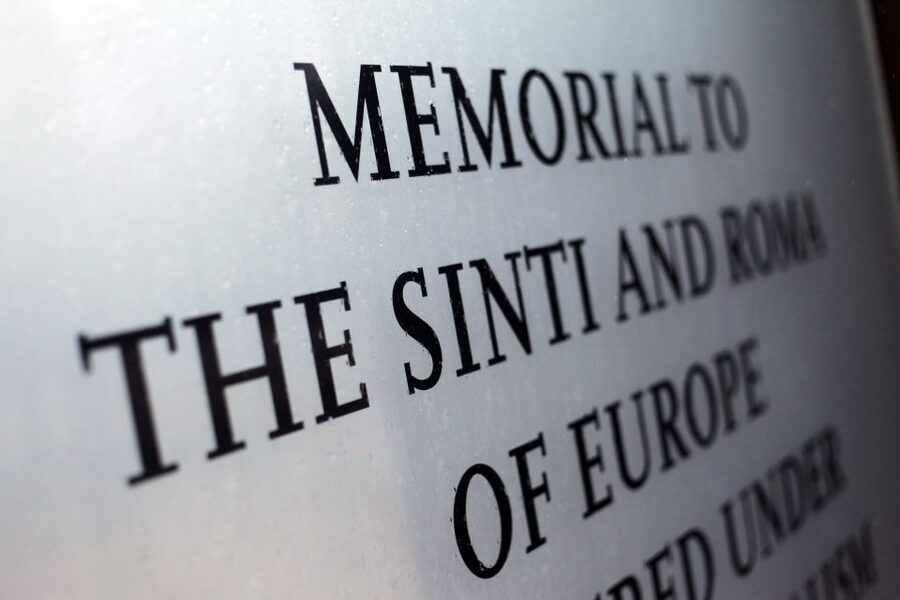
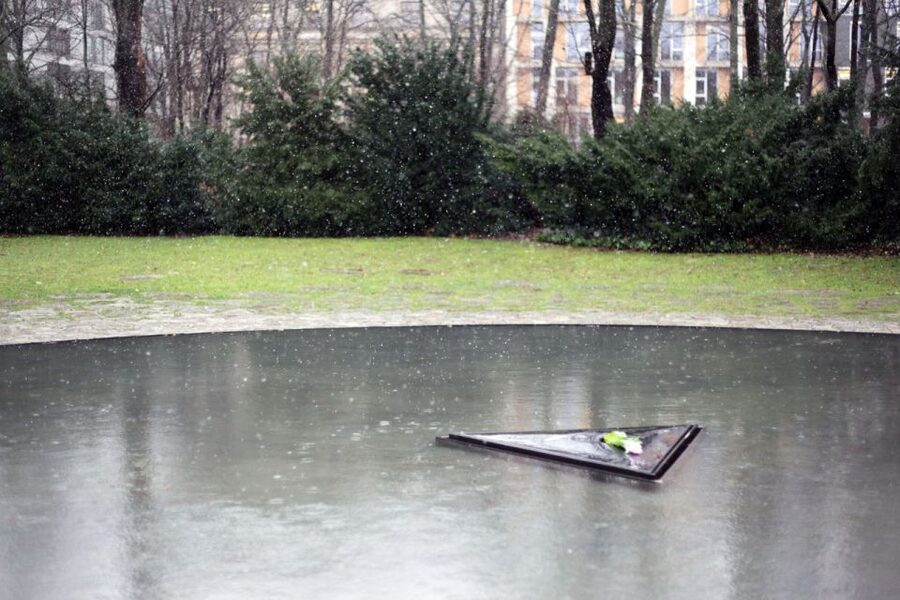
This is also where the tour becomes more than WWII machinery. It helps you see how memory gets physically built into the city. You’ll visit memorials including the Memorial to the Sinti and Roma Victims of National Socialism and the memorial for 96 politicians arrested by the Nazis when they seized power in 1933.
Those two memorials do different emotional jobs, and that contrast is useful. The Sinti and Roma memorial anchors the idea that Nazi persecution went beyond one group. The 1933 politicians memorial adds a political warning, the regime did not only attack victims later, it moved fast to remove opponents early.
And because the tour heads toward Berlin’s largest park, Tiergarten, you get a subtle shift in setting. You’re moving from a tight web of state power into a public space, which helps you think about what survived and what had to be rebuilt after.
Ending at the Reichstag: Germania, Speer, and the Battle of Berlin
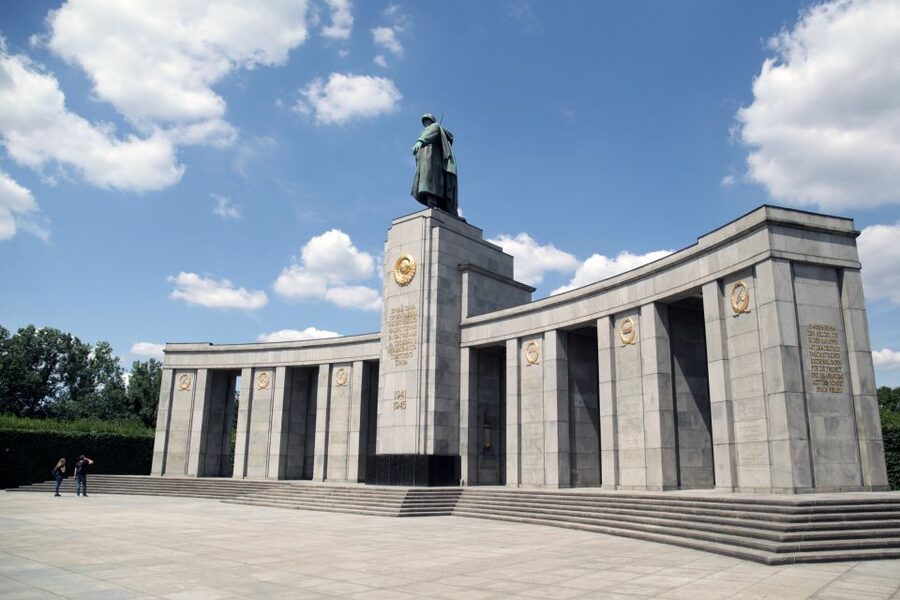
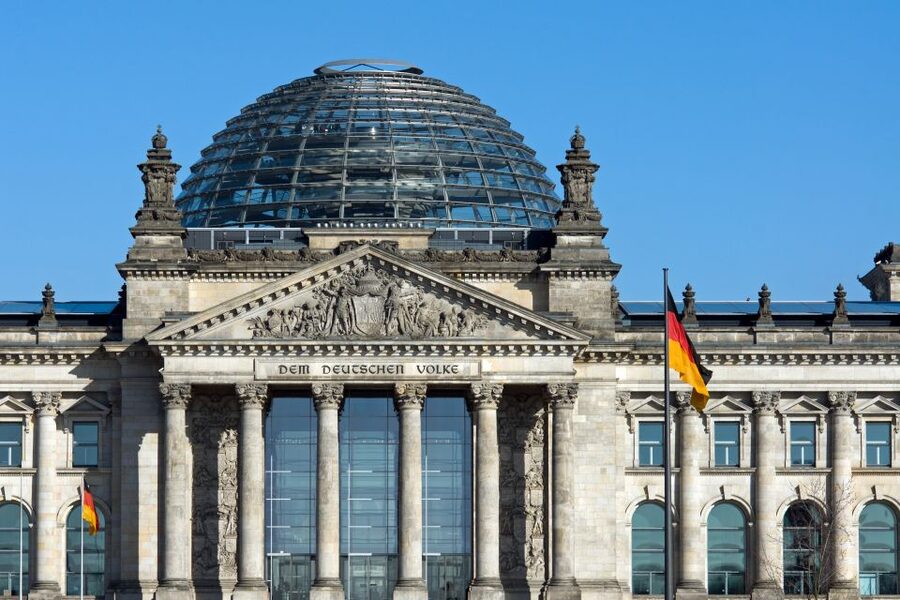
The finish in front of the Reichstag is the payoff for the whole route. Your guide explains Hitler and Albert Speer’s plan to redesign Berlin as Germania, described as the capital of the world empire. That idea sounds unreal, but seeing where that vision was supposed to land makes it feel chillingly plausible.
Then comes the end of the story: the culmination of the Battle of Berlin. The guide discusses how Soviet soldiers assaulted the Reichstag under anti-aircraft fire, while Hitler was committing suicide not even a mile away.
If you only know the ending as a paragraph in a book, this stop helps you understand how the city was the battlefield. The scale of the Reichstag gives your brain a “frame,” so the final events feel grounded in geography. It is a heavy conclusion, but it’s also where the tour’s structure makes sense: you started with power, you saw how it operated, and you ended with what collapsed.
How the guides keep you engaged on a heavy topic
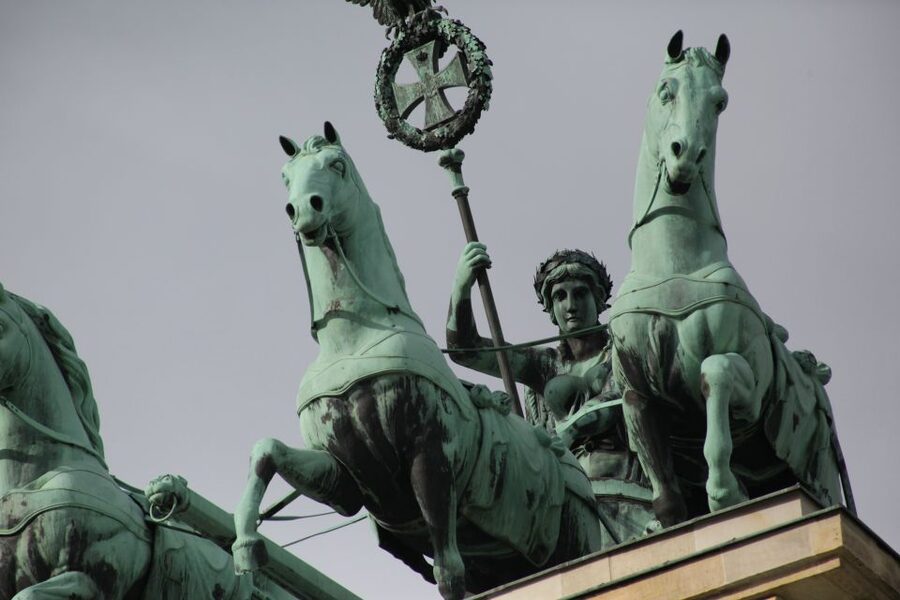
The most praised aspect of this tour is the guides. In the mix of guide names you could encounter, you might get people like Rebecca, Glen, Jonathan N, Emma, Amelie, or Padraig, each noted for being engaging and very good at keeping the group connected to the story.
What stands out is how the best guides handle serious material without turning it into a lecture you tune out. They keep the pace right for a four-hour walk, answer questions along the way, and make space for you to ask what you do not understand yet.
You should also know the tour works in all weather, including public holidays. So if it is raining, plan for it. One small practical detail that shows up in the tour experience is that some guides come prepared, even down to umbrellas. That kind of readiness matters when you are on your feet for four hours.
Group size can vary. One small-group experience noted a group of nine, which often makes it easier for quieter people to be heard. Private group tours are also available if you want your own pace and more direct Q&A.
Price and value: what $23 really buys you
At $23 per person for a four-hour guided tour, the value is mostly about focus. You are paying for an expert guide to connect dozens of hard facts to specific locations in Berlin, without you needing to research each stop in advance.
This price also covers the parts that usually cost time, like getting help with the route and avoiding time sinks such as ticket lines where applicable. The tour includes a guide with native-level English, which matters when you are dealing with dense topics like propaganda systems, the ‘T4’ program, and the Holocaust.
The main additional cost to plan for is transportation. A public transport ticket is needed, and the tour notes you will need a single AB ticket if required. Also note that the tour does not include entry into buildings, so you are not paying for paid museum time inside. The experience is mainly walking, viewing, and interpretation.
So, if your goal is context and direction, this is a good deal. If your goal is a fully indoor museum day, you might want to pair it with separate ticketed museum visits later.
Who should book this Hitler’s Germany Berlin tour
This tour is a strong fit if:
- You want a guided walkthrough of Nazi-era locations in Berlin, not just the big postcard sites
- You like WWII history told in a structured way, with the “why” behind the “what”
- You are comfortable handling heavy subject matter with care and respect
- You want memorial stops included in the same day, so the story does not stay one-note
It can also work for a multi-age group, including teenagers, as long as your family is ready for the seriousness of the topic. The guide style tends to keep attention, and the route is long enough to feel substantial but short enough to stay manageable.
If you are very sensitive to difficult history, I’d still say book only if you can handle a narrative that explicitly covers persecution, ‘T4,’ and the Holocaust. This is not a light sightseeing loop.
FAQ
FAQ
How long is the Hitler’s Germany Berlin tour?
The tour runs for about 4 hours.
Where does the tour start?
You meet your expert guide in central Berlin, and the exact meeting point may vary depending on the option booked.
Does the tour include entrance into buildings?
No. The tour notes that it does not enter any buildings.
Do I need a public transport ticket?
Yes. A public transport ticket is needed on this tour, and a single AB ticket is noted if required.
What languages are the guides?
Tours are available in English and German.
Is the tour offered in private format?
Yes, private group options are available.
Is it worth booking if the weather is bad?
It runs in all weather and on public holidays.
Should you book this tour?
Yes, if you want one clear, guided route that takes you from the Nazi power map to the end of WWII in Berlin. The combination of major sites, memorial stops, and guides who keep you engaged is what makes this work.
Book it especially if you like structure, you want context as you walk, and you do not want to spend your day piecing together what you are seeing on your own. Just go in with the right expectations: it is four hours outdoors with interpretation, not a building-to-building museum marathon.
Fresh reviews out of Berlin
- Berlin Uncensored: A History of Sex & Freedom★ 5.0 · 50 reviews
- Berlin Food & Cultural Tour: Must-Try German & Berliner Classics★ 5.0 · 51 reviews
- English Comedy Show with Pizza and Shots in Central Berlin★ 4.5 · 51 reviews
- Rude Bastards Tour of Berlin★ 4.8 · 51 reviews
- Private Taxi Tour of Berlin East and West and Neighbourhood approx. 4-6h★ 5.0 · 55 reviews
- Rickshaw Sightseeing City Tours Berlin – Rikscha Tours★ 4.0 · 55 reviews
- Berlin: City Highlights Express & Panorama Roof Terrace★ 4.9 · 55 reviews
- Berlin during Nazism – Tour in Italian★ 5.0 · 56 reviews
Third Reich & WWII Tours, compared.


Berlin’s Best: 2 Hour Walking Tour Third Reich and the Cold War
Read our review →
Third Reich Berlin: Hitler and WWII Walking Tour
Read our review →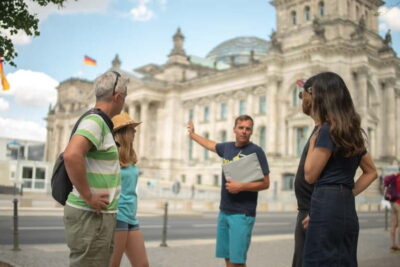
Walking Tour of Former Nazi Party Rally Grounds
Read our review →
Browse the lists this tour appears in