
Reviewed · WALKING TOURS
Explore Berlin: Walking Tour of All The Iconic Sites
Berlin’s main sights are impressive on their own, but what makes this walking tour special is how the route turns them into a single story about division, survival, and rebuilding. I especially like the way you move from the Brandenburg Gate area to the Memorial for the Murdered Jews of Europe, so the contrast is immediate, not abstract. One consideration: this is a heavy 20th-century route, with Holocaust and Nazi-era stops, so it may feel intense if you prefer light sightseeing only.
I also like the guide style. In guide feedback, people repeatedly name guides like Maria and Hannah for clear, well-paced storytelling, plus humor that keeps the group engaged. The tour runs in rain or shine, so you’ll want to plan for weather and steady walking, even though it’s broken into short segments.
Key tour highlights to focus on
- Memorial for the Murdered Jews of Europe, with time to reflect and get the context
- Brandenburg Gate and the Reichstag area, framed by Berlin’s modern political role
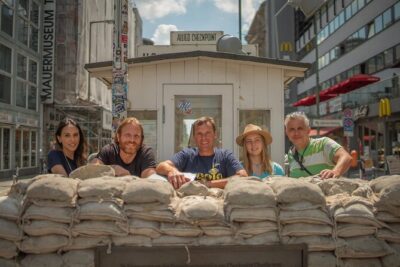
- Checkpoint Charlie and the Berlin Wall, plus a chance to touch the Wall
- Bebelplatz and the Nazi book burning site, a sobering cultural turning point
- Museum Island and Gendarmenmarkt, so you also see Berlin beyond the Cold War
- Guides in yellow umbrellas and yellow name tags, easy to spot at the start
Berlin’s Icon Sites, Explained As One Connected Story
This tour works because Berlin is layered. One street can hold multiple eras at once, and a quick bus ride usually flattens that. On foot, you get the “here it is, now look again” effect. You’ll connect symbols like Brandenburg Gate and the Reichstag to the reality that Berlin was split and governed by competing forces for decades.
I like that the route doesn’t stop at headline landmarks. You also touch cultural and political flashpoints such as the memorial for the Murdered Jews of Europe and the site of the Nazi book burning at Bebelplatz. It’s a good reminder that history is not only what governments did, it is also what societies chose to read, remember, and erase.
Meeting at Friedrichstrasse, Then Getting Oriented Fast
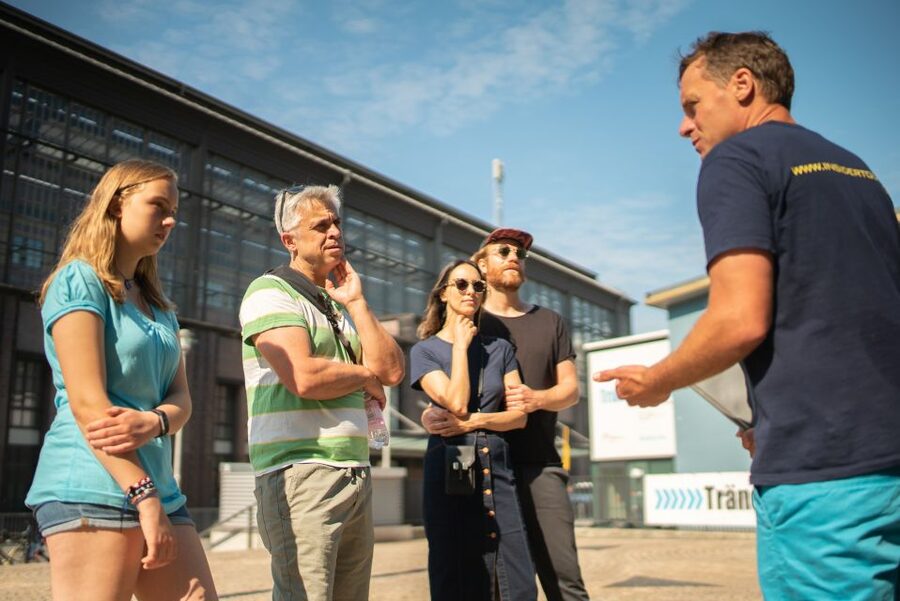
The meeting point is outside Friedrichstrasse train station, on the square beside Traenenpalast (Palace of Tears), Reichstagufer 17, 10117 Berlin. Look for the guides holding yellow umbrellas, which makes it easy to find your group. If you book the private option and want pickup, your guide comes to your accommodation, and you should wait in the hotel lobby 5 minutes before the scheduled pickup time. Guides will wear a yellow name tag so you can spot them quickly.
You’re on a 3-hour timeline, and that matters because you need to decide if you want a fast hit of the core sights or slower, deeper museum time. For many people, 3 hours is ideal for a first trip because it gives you a mental map. The tour uses live guides in English, German, and Spanish, which is great if you want your questions answered on the spot instead of relying on a phone app.
Group size is listed as private or small groups, and from the guide feedback you can feel why that helps. Many people praised guides such as Martha for being engaging and funny, and others mentioned how guides adjusted to what the group needed. That’s the difference between hearing facts and actually understanding how the pieces fit together in Berlin.
More Walking Tours in Berlin
- Discover Berlin Half-Day Walking Tour
★ 5.0 · 9,624 reviews - Berlin: Third Reich and Cold War 2 Hour Walking Tour
★ 4.9 · 6,830 reviews - Berlin: Discover Berlin Walking Tour
★ 4.9 · 5,998 reviews
Museum Island and Bebelplatz: Where Culture Meets Power
Right after a short start briefing, the walk brings you to Museum Island. This stop is brief, but it sets the tone. You’re in the area most associated with institutions, architecture, and public ideas, which helps when you later hit the sites tied to propaganda and terror. Even if you do not go inside museums, the location alone helps you see why Berlin could reinvent itself so many times.
Then comes Bebelplatz, and this is where the tour turns serious. You stand near the site of the Nazi book burning, which is one of those events that sounds historical until you realize what it meant in practice. It was about control, fear, and forcing a narrow version of reality. If you care about how societies break and rebuild, this stop adds a sharp edge to the tour.
Practical take on these two stops
- Dress for walking and bring a camera, since you’ll want photos in open areas.
- Give yourself a moment at Bebelplatz to absorb the meaning, because the next segments shift further into Cold War territory.
Gendarmenmarkt: A Break From the Tense Parts
Gendarmenmarkt is another short guided moment, but it’s strategically placed. You get a visual pause before heading to the Cold War hotspots like Checkpoint Charlie. That mix is smart for most people because the subject matter becomes intense later, and you’re less likely to feel steamrolled.
I like that the tour doesn’t pretend Berlin is only walls and war. This is a chance to see Berlin as a capital that also values formal squares, classic architecture, and public life. You may not think about that at first, but you’ll feel it when you connect it to what Berlin became after reunification.
Another way to spend a Berlin afternoon:
- Berlin: Reichstag, Dome and Government District Guided Tour
★ 4.7 · 18,288 reviews - Berlin: 1-Hour City Tour by Boat with Guaranteed Seating
★ 4.3 · 16,993 reviews - Berlin: TV Tower Standard Entrance Ticket
★ 4.4 · 15,883 reviews - Berlin: Boat Tour Along the River Spree
★ 4.4 · 11,252 reviews
Checkpoint Charlie and the Cold War Stories You Can Picture
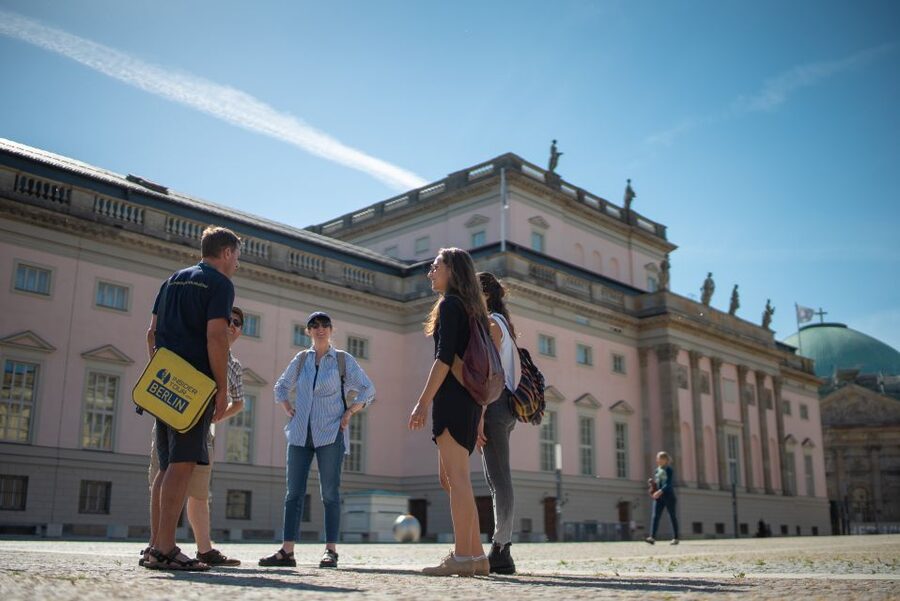
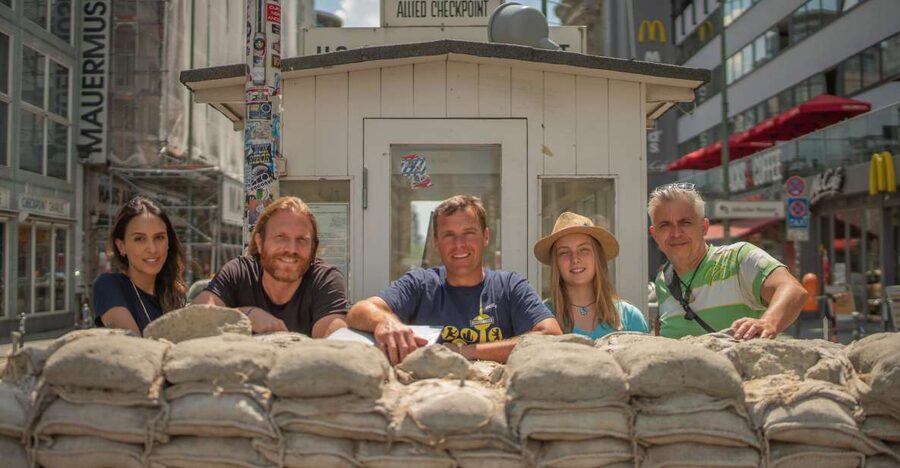
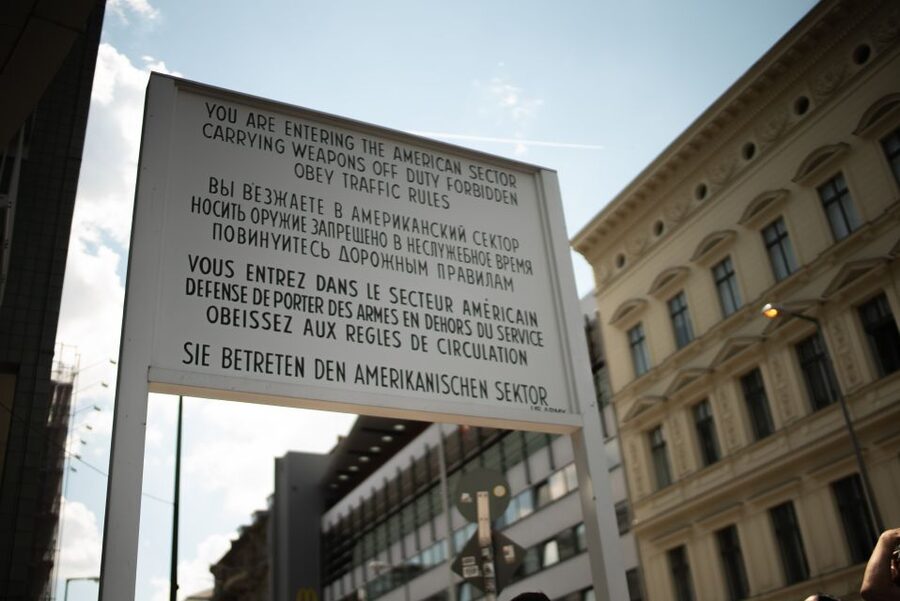
Checkpoint Charlie is one of those places that lots of people recognize by name, but the tour is what gives it meaning. Here you’ll have both a photo stop and a guided explanation, typically around 10 minutes. This is where the Cold War story turns from headlines into daily reality: borders, rules, and the risk of trying to cross.
The tour also points out the former SS and Gestapo headquarters area. That addition is important because it reminds you this was not abstract politics. It was surveillance and coercion, enforced by specific institutions with real-world impact.
If you like historical detail, you’ll probably appreciate how many guides in feedback were praised for answering questions and keeping the narrative at a level that doesn’t feel rushed. People named guides like Rohan and Ru as especially engaging, with humor that didn’t erase the seriousness.
Touching the Berlin Wall and Seeing East Meet West
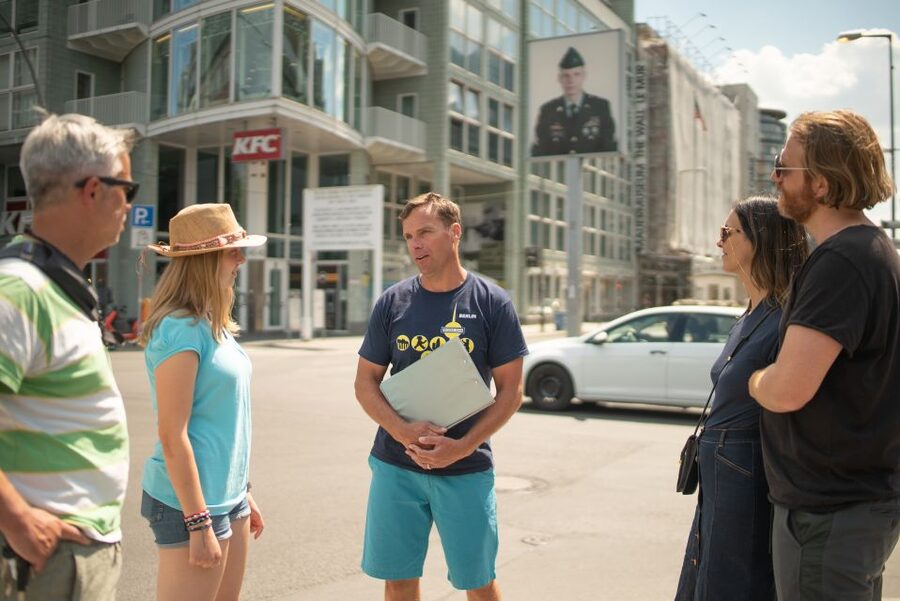
Then you move to the Berlin Wall area for another photo stop plus guided time. One of the listed highlights is that you can touch the Berlin Wall, which is a rare, physical way to connect to the past. Seeing a barrier is one thing. Feeling it in your hand makes the story more real, especially when the guide explains what “division” meant on ordinary days.
This section is also where you start seeing how reunification changed the city’s identity. The tour explicitly focuses on how Berlin transformed from a divided city to a united capital, and the Wall is the centerpiece of that transition. If you’re prone to glossing over history, this is a moment you’re less likely to forget.
What to watch for
The pace is steady but not frantic. You’ll have photo time, and the guided segments are timed in short bursts. Still, wear comfortable shoes. One piece of advice from a guide note in feedback was to bring water and an umbrella, because it can be a lot of walking and weather can shift.
Hitler’s Bunker and the Death Strip Connection
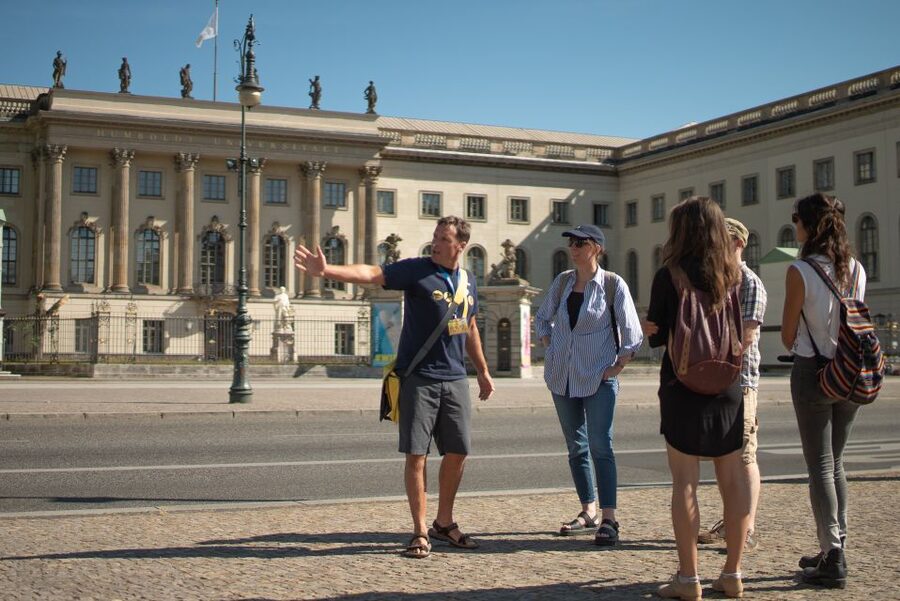
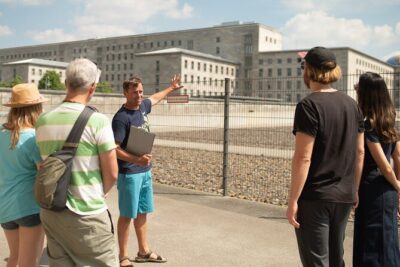
The route includes a photo stop at Hitler’s Bunker. The tour description also mentions walking across the former Death Strip to connect that area to the Wall era. That’s a strong storytelling method because it shows how Berlin became a place shaped by fear on different sides of the regime.
This is also a “look, then listen” stop. You’re not just photographing a location. You’re standing on ground where history is layered, then hearing how the guide ties it to the broader Cold War narrative and the desperation of escape attempts.
A drawback for some people: this part of the tour can feel emotionally heavy, especially if you’re not expecting it to go straight into Nazi and Holocaust context so early. If that doesn’t sound like your style, you can still join, but I’d plan to be mentally ready, and I’d bring a calm attitude rather than trying to make it casual sightseeing.
Holocaust Memorial, Reichstag, and Brandenburg Gate: Three Landmarks With Different Meanings
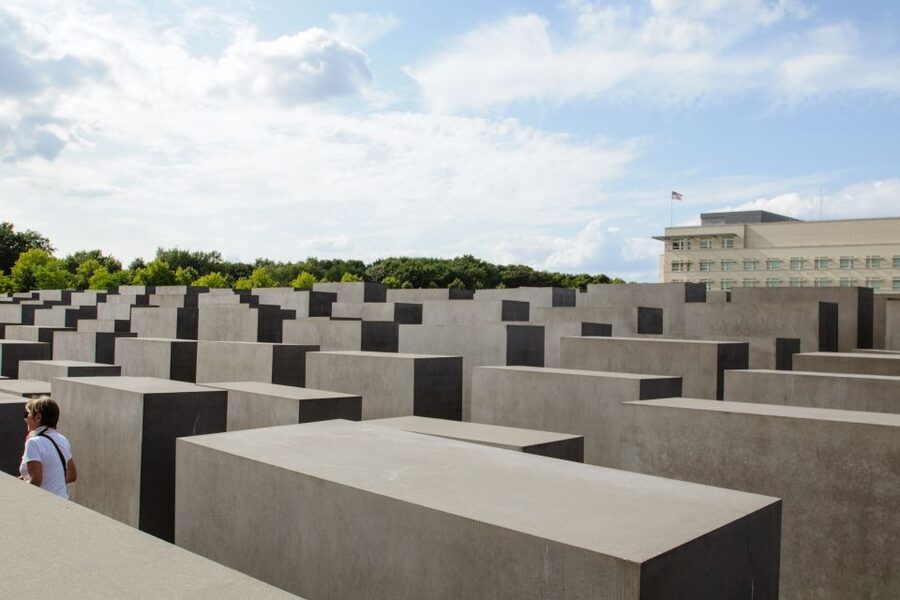
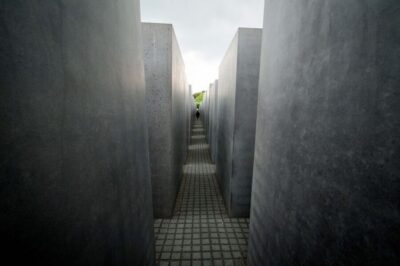
Next you’ll reach the Memorial for the Murdered Jews of Europe. This is listed with photo time and guided time of about 15 minutes. This stop is not just symbolic. It asks you to slow down and reflect, and the tour’s structure gives it enough time that it doesn’t feel like a quick checkbox.
After that, you move toward the Reichstag. You’ll have another photo stop with guided explanation around 10 minutes. The Reichstag ties the story to present-day governance. It’s a powerful contrast after the memorial, because you’re moving from remembrance to power, and that shift matters.
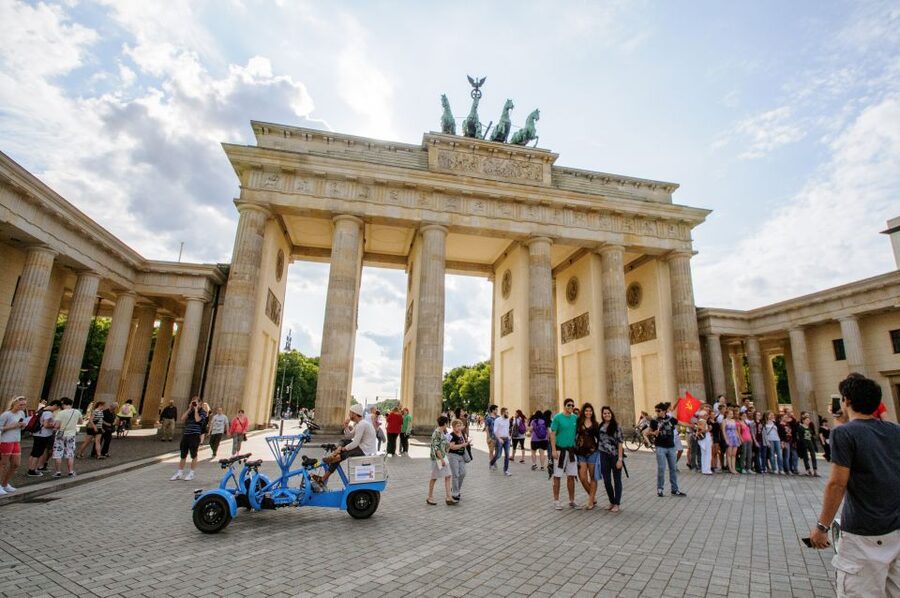
Finally, there is Brandenburg Gate, another photo stop plus guided time. It’s the Berlin image most people know, but the tour helps you see it less like a postcard and more like a political marker that has witnessed shifting control and ideology. When the guide connects reunification to these landmarks, it clicks: Berlin didn’t just rebuild buildings, it rebuilt a national story.
How Much Is $17 Worth for 3 Hours of Major Berlin?
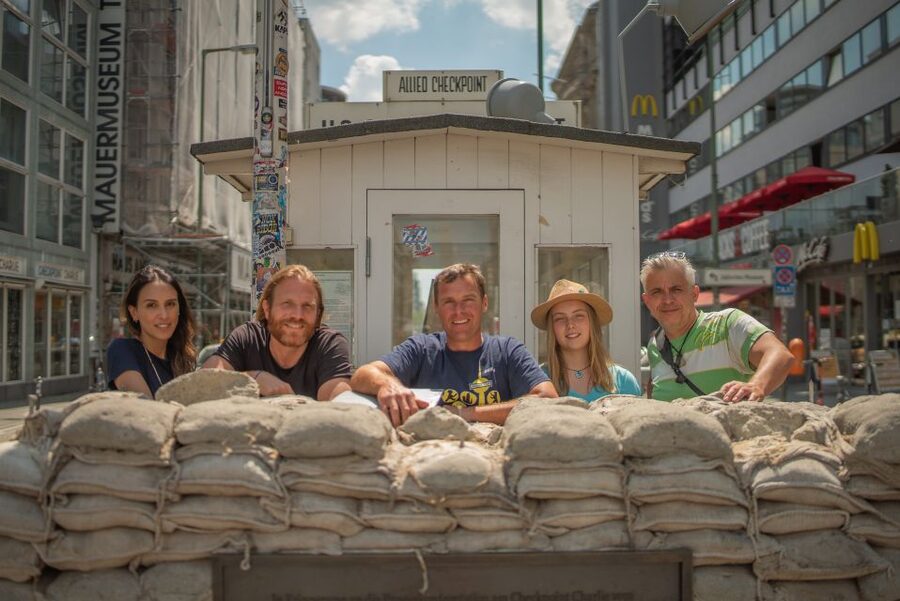
Price is listed at $17 per person for a 3-hour tour. That’s strong value for what you get: multiple iconic sites, guided time throughout, and a route that connects them in a single narrative thread. You’re not paying museum admission prices, and you’re not spending hours figuring out logistics between scattered locations.
Is it cheap enough to be casual? Yes, but it’s not a casual walk. The 3-hour format means you’ll cover ground and accept that some stops are shorter photo-plus-story moments, not long sits. Also, the themes are intense. If you prefer art museums and long scenic breaks, you might find this route more serious than you planned.
Pace, Weather, and What to Bring for a Comfortable Walk
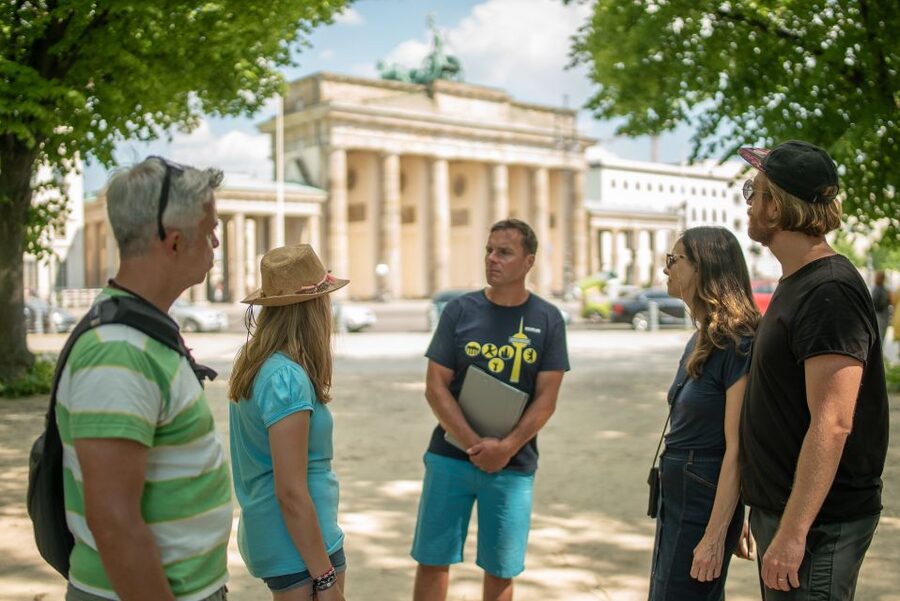
The tour runs everyday rain or shine. That detail sounds minor until you’re standing outdoors near memorials and checkpoints in bad weather. Bring what you need to feel comfortable enough to pay attention.
What to bring is explicitly listed as comfortable shoes and a camera. I’d also follow practical advice that shows up in the guide feedback: consider an umbrella and bring water. It helps you stay focused instead of distracted by thirst or getting soaked.
One more helpful practical note: alcohol and drugs are not allowed. Plan to stick to water and snacks you can carry if needed, but the tour itself is organized around steady walking and guided stops.
Who This Tour Fits Best
This is a great choice if you want a first-visit overview that actually explains connections between sites. It’s especially good if you care about 20th-century Europe, Cold War history, and how Berlin reinvented itself.
It’s also a strong starting point for your trip because you’ll leave with a better mental map of where things are, from Friedrichstrasse to the areas around Pariser Platz. And if you’re traveling with family, one feedback note specifically mentioned a guide making it work well for kids around 10 and 12 by keeping the story clear and engaging. That said, if you want only light, upbeat sights, you might prefer a different kind of tour.
If you need wheelchair accessibility, the tour is listed as wheelchair accessible. It also offers private or small groups, so you can choose a calmer experience if you’d rather ask more questions without waiting.
Should You Book This Berlin Walking Tour?
Book it if you want a guided route that hits the biggest Berlin icons in a short window, with enough interpretation to make the landmarks mean something. I’d especially recommend it for your first or second day, when you still need a framework to understand the city’s layout and story.
Skip it or consider an alternative if you’re not ready for intense subject matter, or if you want long pauses and museum-style time at each location. This is a walking tour built for momentum, and the payoff is seeing how Berlin’s past and present line up street by street.
If you do book, aim for good shoes, a camera, and a mindset for reflection. It’s the kind of tour where you’ll likely remember specific stops, because the route ties emotion to place rather than leaving it as generic history.
FAQ
How much does the Berlin walking tour cost?
The price is $17 per person.
How long is the tour?
It lasts 3 hours. Starting times vary, so you’ll want to check availability.
Where do we meet the tour guide?
Meet outside Friedrichstrasse train station, on the square beside Traenenpalast (Palace of Tears), Reichstagufer 17, 10117 Berlin. Look for guides holding yellow umbrellas.
What languages is the tour offered in?
The live guide is available in English, German, and Spanish.
Does the tour run in bad weather?
Yes. The tour operates everyday rain or shine.
Is the tour wheelchair accessible?
Yes, the tour is listed as wheelchair accessible.
Is pickup available from my accommodation?
Pickup is optional for the private option. The guide will pick you up from your accommodation, and you should wait in the hotel lobby 5 minutes before the scheduled pickup time.
What should I bring, and what is not allowed?
Bring comfortable shoes and a camera. Alcohol and drugs are not allowed.
Fresh reviews out of Berlin
- Berlin Uncensored: A History of Sex & Freedom★ 5.0 · 50 reviews
- Berlin Food & Cultural Tour: Must-Try German & Berliner Classics★ 5.0 · 51 reviews
- English Comedy Show with Pizza and Shots in Central Berlin★ 4.5 · 51 reviews
- Rude Bastards Tour of Berlin★ 4.8 · 51 reviews
- Private Taxi Tour of Berlin East and West and Neighbourhood approx. 4-6h★ 5.0 · 55 reviews
- Rickshaw Sightseeing City Tours Berlin – Rikscha Tours★ 4.0 · 55 reviews
- Berlin: City Highlights Express & Panorama Roof Terrace★ 4.9 · 55 reviews
- Berlin during Nazism – Tour in Italian★ 5.0 · 56 reviews
Walking Tours, compared.
Berlin’s Best: 2 Hour Walking Tour Third Reich and the Cold War
Read our review →
Third Reich Berlin: Hitler and WWII Walking Tour
Read our review →Browse the lists this tour appears in