
Reviewed · WALKING TOURS
East Berlin and the Wall: Walking Tour
What makes this tour interesting is that you track the Wall story through real streets and real landmarks, not museum facts on a page. I love the visit to the Bernauer Strasse Wall Memorial with original Wall remnants, and I love how the walk points you toward the political pressure around STASI and the big turning point that followed. One drawback to keep in mind: you’ll cover some distance on foot and you need a valid public transport ticket for zones AB during the tour.
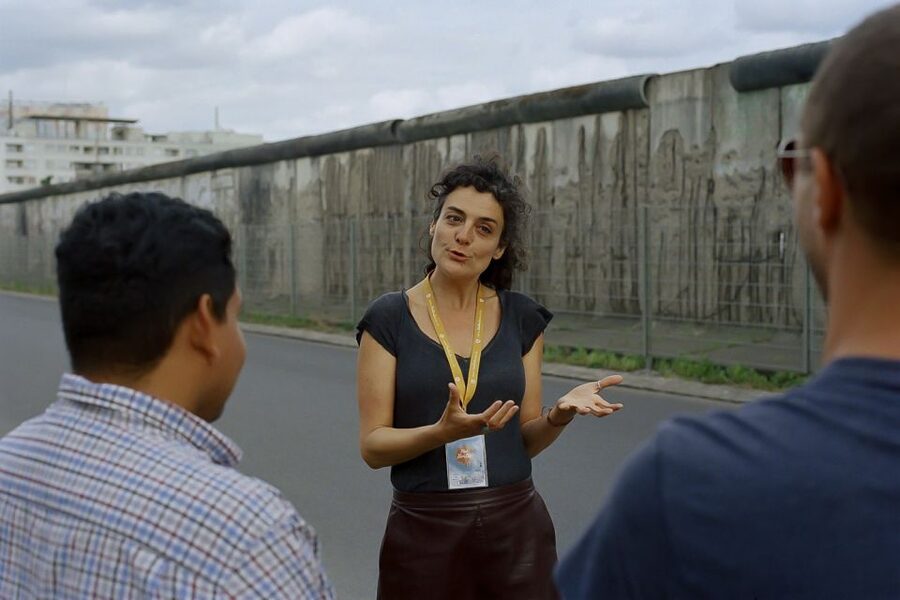
I also like the small-group feel and the fact that you can travel with a guide speaking your language, with guides such as Paolo, Elisa, Claudia, and Catherine leading departures in the past. If you prefer a totally car-free, stop-only experience, note this route uses public transport for a short hop that sets the theme fast.
Key highlights you’ll care about
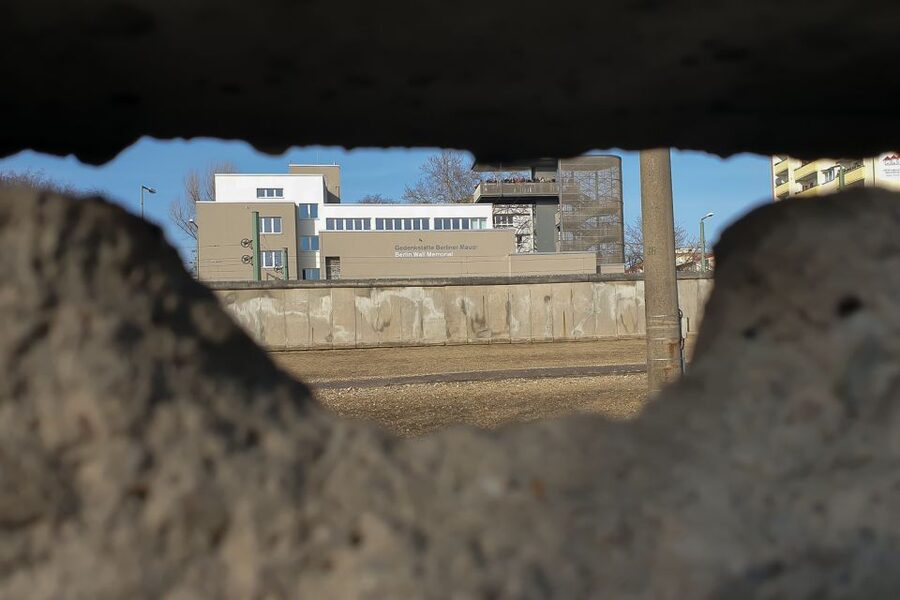
- Bernauer Strasse Wall Memorial walk with original fragments and escape-attempt context
- Nordbahnhof ghost station stop area, tied to the period after the Wall went up
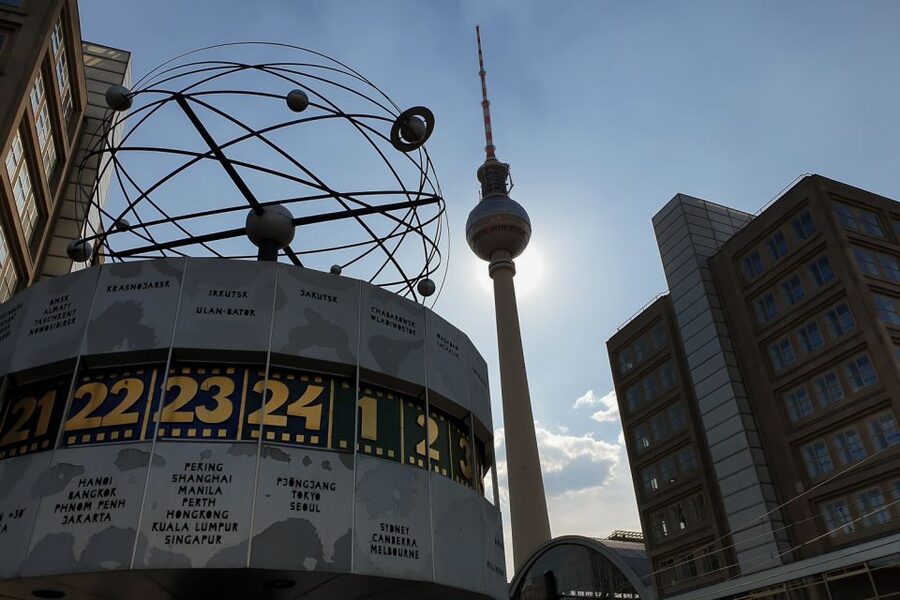
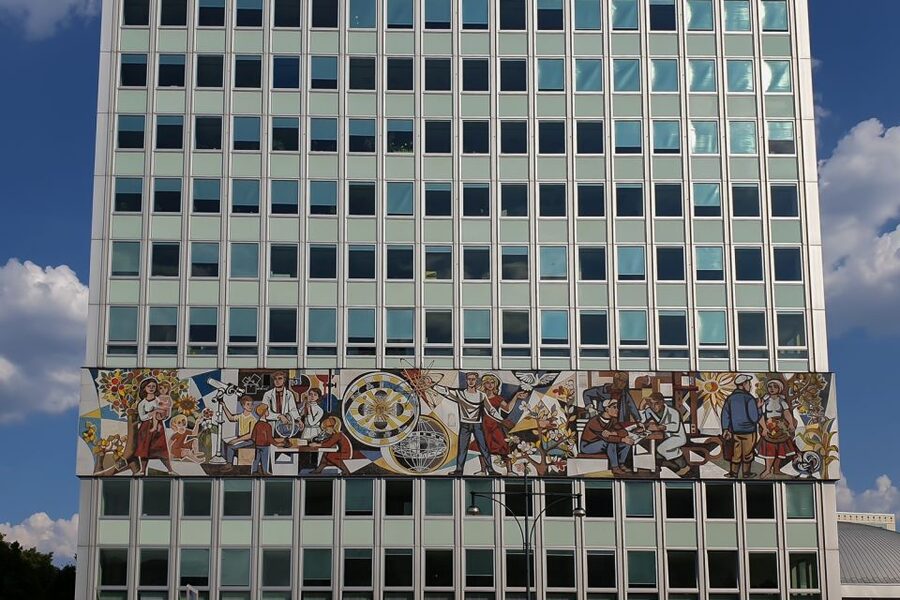
- Alexanderplatz orientation around socialist-era architecture and political unrest
- STASI pressure and demonstrations explained in plain language, with cause and effect
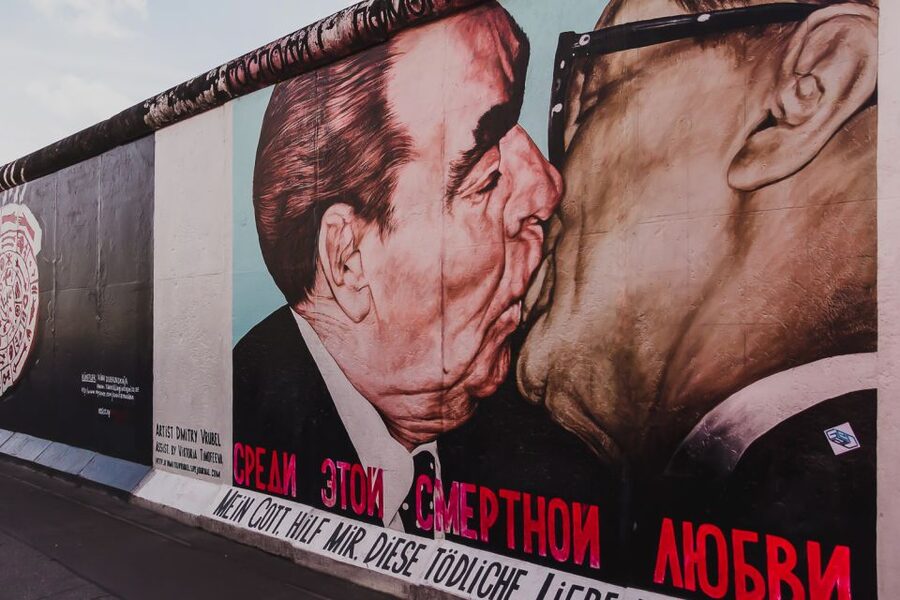
- East Side Gallery murals including the Brezhnev-Honecker kiss
- Small-group pace that lets you ask questions without getting lost in a crowd
Why this East Berlin Wall walk feels different on the street
East Berlin and the Wall can be heavy material. The reason this tour works is that it connects the big Cold War story to the way people actually moved, worked, and lived day to day. You’re not just learning dates, you’re watching how the city layout carried political meaning.
I love that the guides keep things human, not abstract. The Wall Memorial is the emotional anchor, but the rest of the route is about how ordinary routines were shaped by division. And when you reach places like Alexanderplatz, you can see how a protest movement gained momentum inside a tightly controlled system.
The other thing you’ll likely appreciate is the pacing. This isn’t a sprint between hotspots. It’s a focused 3 to 3.5 hour walk with short transit segments, so you get context without burning your whole day.
More Walking Tours in Berlin
- Discover Berlin Half-Day Walking Tour
★ 5.0 · 9,624 reviews - Berlin: Third Reich and Cold War 2 Hour Walking Tour
★ 4.9 · 6,830 reviews - Berlin: Discover Berlin Walking Tour
★ 4.9 · 5,998 reviews
Group size, languages, and what your guide brings to the route
You’ll be in a small group setting. The price is listed as $351 per group, up to 6 people, which can be good value if you’re traveling with friends or you want a more personal pace than a big coach tour. For Berlin, where half-day tours can sometimes feel rushed, a group limit matters.
Language options are strong. The tour includes a live guide speaking French, Italian, Spanish, English, or German. That’s not a gimmick here. It makes a difference when you’re hearing explanations about surveillance, escape attempts, and how East Berlin life worked in practice.
Based on the style of guides I’ve heard about from past departures, the strongest trips tend to blend clear structure with story elements. Names that have come up include Paolo, Paul, Elisa, Claudia, and Catherine. You might even get a more personal lens if your guide shares testimony style details, which Catherine has been known to add.
From Potsdamer Platz to Nordbahnhof, the ride that sets the Cold War mood
The tour starts around Potsdamer Platz, a place that now feels like a symbol of modern Berlin. That contrast is useful. You’re beginning in an area that looks forward, then you’re moving toward a past where movement was controlled and certain spaces were literally cut off.
From there, you take a short ride on the S-Bahn toward Nordbahnhof. This station matters because it was a ghost station for a long time after the Wall went up. When something is shut for nearly three decades, it doesn’t just become a detail in a timeline. It becomes a wound in the city’s daily rhythm.
This segment is also a practical lesson. It reminds you that Berlin public transit didn’t just carry people around. During the division period, transit could be part of the system that separated lives. Even if you know the Wall is coming, this ride helps you feel how division shaped movement patterns.
Bernauer Strasse Wall Memorial, where the Wall story becomes concrete
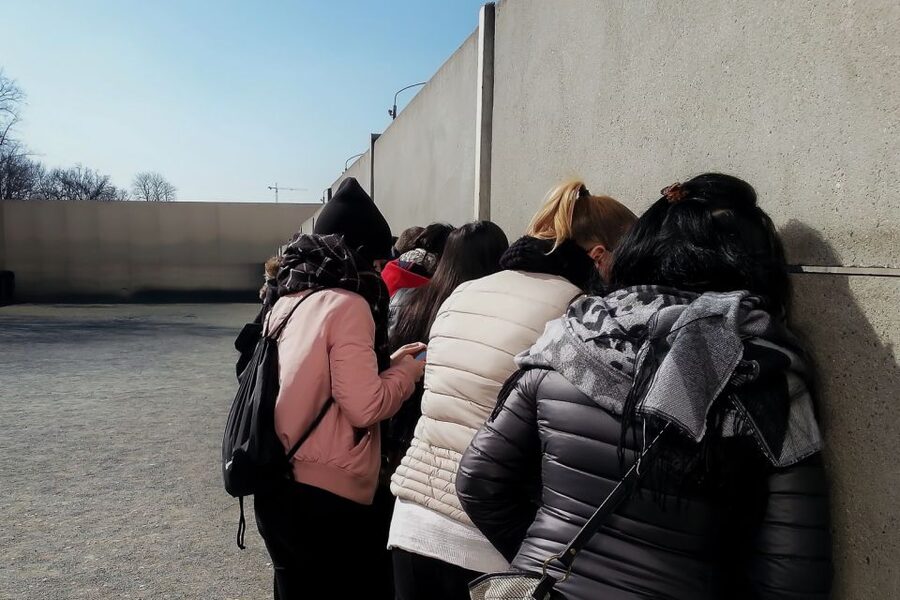
Bernauer Strasse is where the tour earns its emotional weight. This is the Wall Memorial area, and you get a guided visit that lasts long enough to process what you’re seeing. The key point here is that you’re looking at original portions, including elements connected to the so-called death strip.
You’ll also hear what the Wall did beyond stopping people from crossing. The memorial focuses on the trauma of separation and the ways people tried to escape. That means the explanations often include tragic stories, not just dramatic generalities.
If you’re the type who likes to connect facts to physical space, this stop will click. You’re standing at a place where the city’s layout forced choices on people, including choices that could end in arrest or worse. The guidance here is especially helpful because it turns complicated terms into plain cause and effect.
Practical tip: wear comfortable shoes and plan to stand and walk a bit even during the guided portion. This stop can hit harder than you expect, so give yourself time to absorb it without rushing.
Another way to spend a Berlin afternoon:
- Berlin: Reichstag, Dome and Government District Guided Tour
★ 4.7 · 18,288 reviews - Berlin: 1-Hour City Tour by Boat with Guaranteed Seating
★ 4.3 · 16,993 reviews - Berlin: TV Tower Standard Entrance Ticket
★ 4.4 · 15,883 reviews - Berlin: Boat Tour Along the River Spree
★ 4.4 · 11,252 reviews
Alexanderplatz and the socialist city, protests under pressure
After the memorial, the tour shifts back into city life, and you’ll feel the change in atmosphere. Alexanderplatz is framed through socialist-era architecture and the way public space was designed in East Berlin.
Here, the tour connects street-level design to political reality. You’re not just learning how the buildings look. You’re hearing about the pressure East Germans lived with, including the STASI environment that shaped behavior and limited safe speech.
Then the story lands on peaceful demonstrations. The guide explains how these protests challenged repression, and how that pressure became part of the chain reaction that followed. The big point is that the Wall’s fall didn’t appear out of nowhere. It came from people, courage, and shifting circumstances in the wider political system.
As you walk around Alexanderplatz, you’ll likely notice that it’s easy to underestimate how political the city looked and felt. This tour helps you read that. You start to see why large squares could become stages for momentum when fear no longer controlled everything.
TV Tower stop, a quick but useful vantage point
There’s a short stop around the TV Tower area. Even if you don’t go up, this part helps with orientation. You get a sense of scale, and you can connect what you learned earlier to what you see now.
This also gives your brain a breather. After memorial intensity, a short built-environment segment can help you reset without losing the plot. It’s a good moment to regroup and check that the route makes sense in your head.
If you like getting your bearings quickly, this kind of “viewpoint by proximity” stop can be more valuable than you’d think. It helps you map the Wall story onto the modern city you’ll still be navigating after the tour ends.
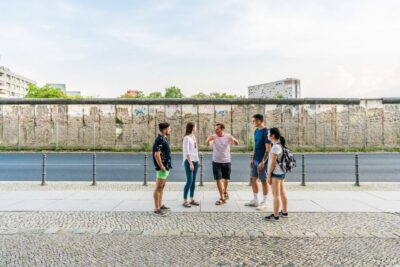
East Side Gallery, 104 murals and the Brezhnev-Honecker kiss
The finale is the East Side Gallery. This is where the story changes tone, even if the Wall remains a symbol of pain and division.
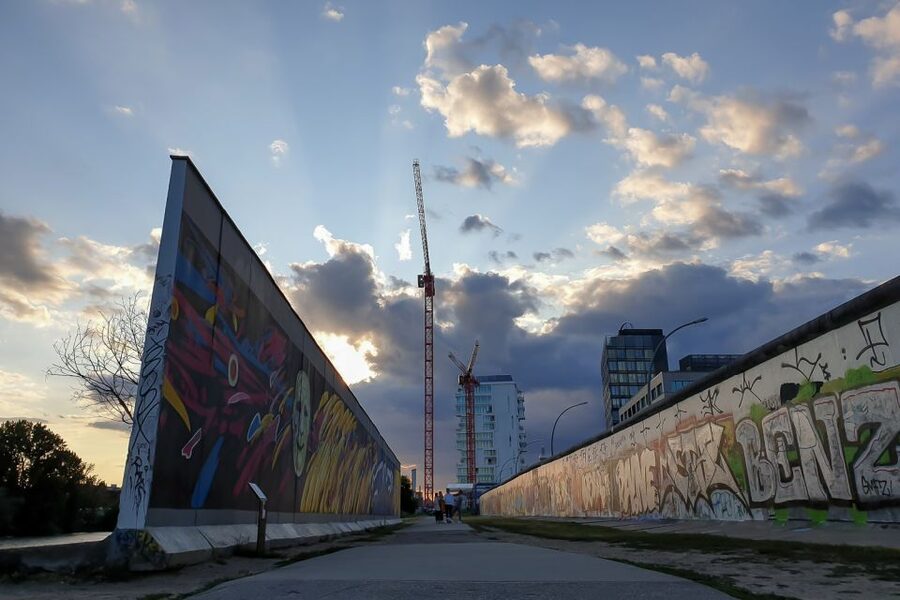
You’ll hear about the murals, including that the gallery features 104 artworks. That number helps you appreciate that you’re not looking at one single moment. You’re looking at a long-running public conversation written across a historic barrier.
The iconic highlight is the Brezhnev-Honecker kiss. It’s famous for a reason, but the tour keeps it grounded in context. Instead of treating it like a pop-culture photo spot, you’ll understand why it appeared and what it meant at the time.
This ending works well because it gives you a visible “after” to match the “before” you saw at Bernauer Strasse. You leave with the sense that Berlin keeps reworking old wounds into new public meaning.
Timing and transport realities so you can plan without stress
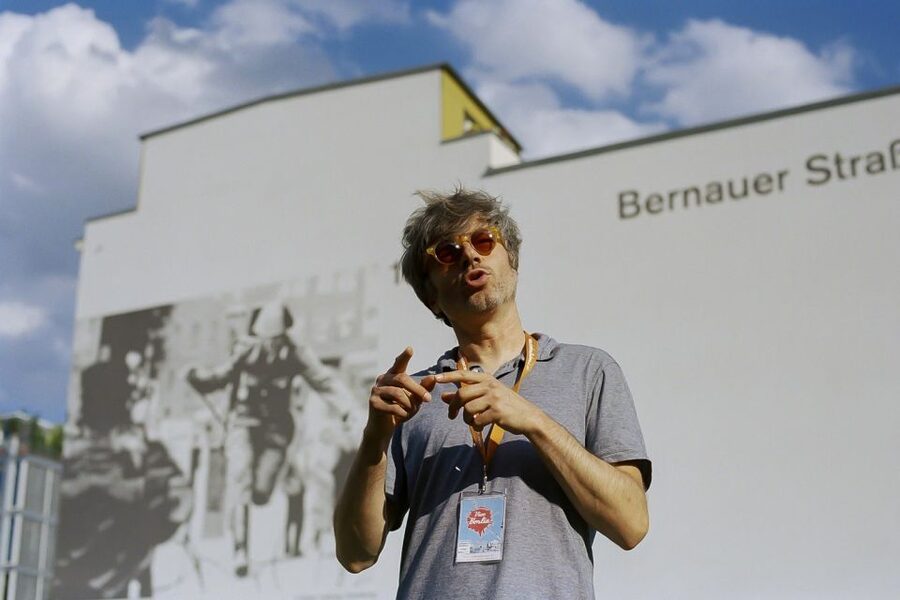
This is a 3 to 3.5 hour experience. That’s short enough to fit into a busy Berlin schedule, but long enough that you’ll feel like you walked through an actual narrative, not just checked off a list.
The tour uses public transportation for parts of the route. You must have a valid ticket for public transit zones AB during the tour. That’s easy to miss if you’re used to buying tickets only for the immediate ride you’re taking. Plan ahead and buy correctly for the full span of the walking and transit segments.
You’ll also want to dress for walking. Comfortable shoes are the main requirement. Berlin weather can shift quickly, especially in shoulder seasons, so bring layers you can adjust.
If pickup is offered in your booked option, you’ll typically wait in your hotel lobby about 10 minutes before pickup time. Meeting point can vary depending on what you choose, so keep an eye on your final confirmation.
Is the price fair at $351 per group up to 6?
$351 per group up to 6 people sounds high if you think per person. But value depends on how you’re traveling.
If you’re a duo or a small group of friends, it can become reasonable fast. You’re paying for a guided walk that includes expert interpretation, a small group setting, and a route built around major East Berlin landmarks rather than a quick “drive-by” format.
It’s also worth considering what you’re buying besides sites. You’re buying the ability to understand how the Wall shaped life, how East Berlin politics worked, and why places like Bernauer Strasse and Alexanderplatz matter beyond the photos. For many people, that’s the difference between reading about Berlin and actually understanding it.
Who should book, and who might not love it
This tour is a great fit if you want a clear, structured explanation of how division changed everyday life. It also suits you if you like walking routes where the guide connects physical space to political events.
You’ll likely enjoy it if you care about meaning, not just monuments. The Wall Memorial focus on separation and escape attempts is intense, and the rest of the route keeps returning to cause and effect.
If you strongly prefer museum-only experiences, or you dislike public transit segments, this one might feel like too much moving around. But if you’re open to short rides and walking, it’s a very efficient way to get context without getting stuck in a classroom tone.
Should you book this East Berlin and the Wall walking tour?
Book it if you want a small-group walk that explains the Wall through both memorial reality and city geography. I especially think it’s a strong choice when you want to understand the human side of division, not just the famous images.
Skip it or compare other options if you hate transit hops, or if you want a purely light and scenic experience. This tour deals with serious topics, and the Bernauer Strasse stop doesn’t let you pretend the Wall was only a political boundary.
If you do book, go in with one mindset: pay attention to how each place changes the story. Potsdamer Platz sets the contrast. Nordbahnhof points to hidden closures. Bernauer Strasse makes it physical. Alexanderplatz explains pressure and protest. East Side Gallery shows what replaced the barrier, and how Berlin tells the story now.
FAQ
How long is the East Berlin and the Wall walking tour?
The tour runs for about 3 to 3.5 hours.
What is the price?
The price is listed as $351 per group, up to 6 people.
What languages are available for the guide?
The tour offers guides in Italian, French, English, Spanish, and German.
Do I need a public transport ticket?
Yes. You need a valid public transportation ticket for zones AB during the tour.
Where does the tour start and where is the meeting point?
The meeting point can vary depending on the option you book.
Is pickup available from my hotel?
Pickup is optional. If pickup is included, you should wait in the hotel lobby about 10 minutes before the scheduled pickup time. You may need to confirm pickup details with the provider.
What should I bring?
Bring comfortable shoes for walking.
Fresh reviews out of Berlin
- Berlin Uncensored: A History of Sex & Freedom★ 5.0 · 50 reviews
- Berlin Food & Cultural Tour: Must-Try German & Berliner Classics★ 5.0 · 51 reviews
- English Comedy Show with Pizza and Shots in Central Berlin★ 4.5 · 51 reviews
- Rude Bastards Tour of Berlin★ 4.8 · 51 reviews
- Private Taxi Tour of Berlin East and West and Neighbourhood approx. 4-6h★ 5.0 · 55 reviews
- Rickshaw Sightseeing City Tours Berlin – Rikscha Tours★ 4.0 · 55 reviews
- Berlin: City Highlights Express & Panorama Roof Terrace★ 4.9 · 55 reviews
- Berlin during Nazism – Tour in Italian★ 5.0 · 56 reviews
Walking Tours, compared.
Berlin’s Best: 2 Hour Walking Tour Third Reich and the Cold War
Read our review →
Third Reich Berlin: Hitler and WWII Walking Tour
Read our review →Browse the lists this tour appears in