
Reviewed · WALKING TOURS
Berlin: Prenzlauer Berg District Guided Walking Tour
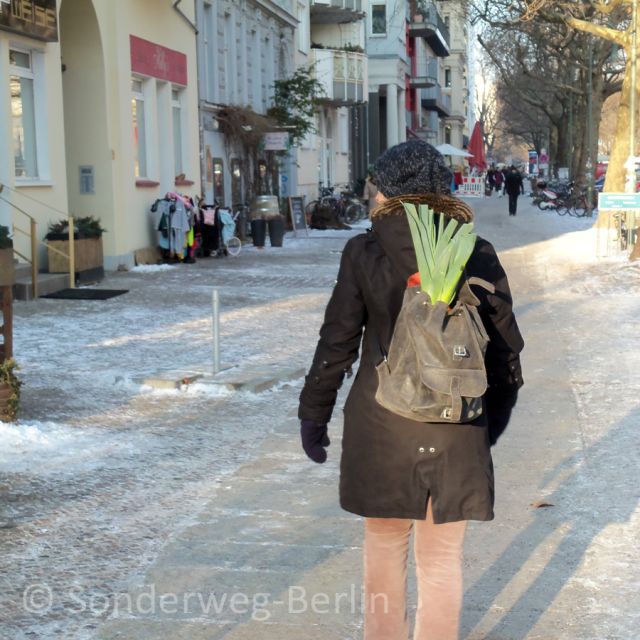
Prenzlauer Berg is one of the most fun parts of Berlin to walk, because the streets still show layers of the city, and the vibe is very current. I love how the route mixes major sights like the Jewish Cemetery and the Wasserturm with “you have to look twice” streets and buildings. One thing to consider is that this is a relaxed walking tour, so you will spend most of the 2.5 hours on your feet, with limited time to linger if you want slow photo stops.
I also like that the guide’s focus is not just facts, it is how the neighborhood changed, especially around Schönhauser Allee. You get a story-based stroll that covers both sides of the area’s main artery, plus the kind of practical local context that helps you understand what you are seeing. The main drawback is simple: there is no food stop built in, so plan to eat before or after.
Here are the highlights you should care about most
- Schönhauser Allee sights: the Jewish Cemetery and the Wasserturm, two anchors for understanding the area
- Mauerpark stroll: famous Sunday atmosphere, with room to see everyday Berlin in between music and market chatter
- Urban history with a present-tense lens: you will get the “then vs now” story of Prenzlauer Berg’s shift in character
- Architectural stops beyond the postcard view: Kollwitzplatz, Bernauer Straße, and the Messel House
- Community landmarks: a grand synagogue on Rykestraße and the public pool on Oderberger Straße
- Real time Q and A with the guide: you can ask questions about the neighborhood and Berlin as a whole
Why Prenzlauer Berg Walks Feel Like Berlin in Miniature
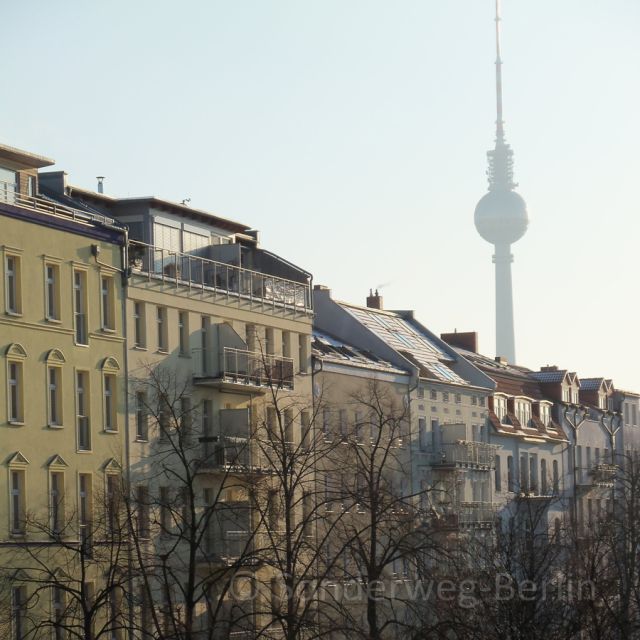
Prenzlauer Berg can feel like Berlin sped up. You walk a few blocks and the neighborhood gives you contrasts: quiet courtyard edges beside active streets, serious memorial spaces near parks where people just hang out, and new prosperity sitting close to older textures in the streetscape.
What makes this guided walking tour especially worth your time is that it does not treat the district like a museum. Instead, it frames Prenzlauer Berg as a living place. Your guide connects what you see on the street to how the neighborhood is changing, including the shift in feel on either side of Schönhauser Allee. That “walk-and-understand” approach is one of the best ways to get oriented without burning hours on transit.
If you are the type who likes Berlin for its neighborhoods, not just its headlines, this fits well. The route is built to show you both recognizable points of interest and the kinds of streets that feel normal to locals but interesting to visitors once you know what you are looking for.
Meet Your Guide, and Why the Stories Matter
This tour is a small-group style walking experience led by a live guide. Languages are German and English, and you will spend your time with someone who knows how to explain places without turning everything into a lecture.
A standout detail from past guides is that the experience often feels like it has a museum-history brain behind it. In particular, one guide named Tobias comes up again and again, often described as entertaining, good at answering questions, and comfortable linking what you are seeing to bigger patterns like architecture and how cities develop. Another review thread is that the guide can handle different group sizes smoothly, from intimate pairs up to larger groups.
What does that mean for you? It means you can actually steer your curiosity. You are not stuck passively absorbing. If you care about why certain buildings look the way they do, or you want context about how neighborhoods evolve, you should find time to ask. Even if your questions are all over the map, the tour is designed to make that interaction work.
More Walking Tours in Berlin
- Discover Berlin Half-Day Walking Tour
★ 5.0 · 9,624 reviews - Berlin: Third Reich and Cold War 2 Hour Walking Tour
★ 4.9 · 6,830 reviews - Berlin: Discover Berlin Walking Tour
★ 4.9 · 5,998 reviews
Schönhauser Allee Anchors: Jewish Cemetery and the Wasserturm
The walk centers on Berlin’s important north-south east-west hub area around Schönhauser Allee, and that is smart. This is the street that helps you understand the district as a whole, because major landmarks cluster along it and the surroundings shift depending on which side you are on.
Two early anchors do a lot of work for your understanding:
First is the Jewish Cemetery on Schönhauser Allee. Seeing a cemetery in a lively, modern part of the city changes how you read everything around it. It is a reminder that neighborhoods carry memory, even when they look trendy or newly renovated. You are not just ticking off a site. Your guide helps connect it to the neighborhood’s longer story, so it feels less like a stop and more like a lens.
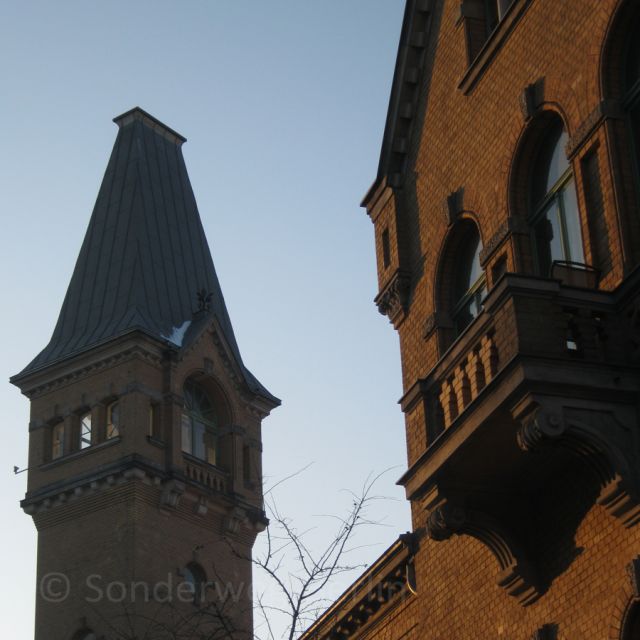
Next up is the Wasserturm (Water Tower). A water tower might sound like a random photo target, but it is one of those landmarks that instantly makes a place feel “real.” Towers like this often function as orientation points in a neighborhood, and they add a strong vertical element to what is otherwise street-level architecture. Walking past it while your guide explains how the area’s character has changed helps you see it as more than a viewpoint. It becomes part of the district’s identity.
If you like architecture and urban planning, these two stops are a good early signpost that the tour will not ignore substance.
Kollwitzplatz to Mauerpark: How Parks Tell You What a Neighborhood Values

As the tour continues, you move toward the heart of what people associate with Prenzlauer Berg today: Kollwitzplatz and Mauerpark.
Kollwitzplatz is useful because it is one of those places where you can feel the neighborhood’s everyday rhythm. You do not just see buildings, you see how people use the area. Even if you do not spend a long time here, it helps you reset your expectations. Prenzlauer Berg is not only about historic sites and formal landmarks. It is also about public space, small-scale city life, and the way Berliners claim the streets.
Then comes Mauerpark, and yes, it lives up to its reputation. Mauerpark is famous for the Sunday flea market, and it also has a culture of live music shows. That matters even if you are not there on a Sunday, because the park still carries that energy. You get the sense that this space is designed for people to linger, browse, listen, and mingle.
This is one of the best segments for first-time Berlin walkers who get tired of “standing and staring.” A park gives your legs a break and gives your eyes plenty to notice. Your guide can point out patterns you might miss, like how the park layout shapes movement and how the neighborhood’s mix of old and new plays out in public space.
Practical tip: if you want the best photos, you can time your stops around pauses in the music or the market flow. The tour keeps things relaxed, so you usually have a chance to look, but you should not expect the guide to stop for long portrait sessions.
Bernauer Straße and the Messel House: Architecture With Street-Level Meaning
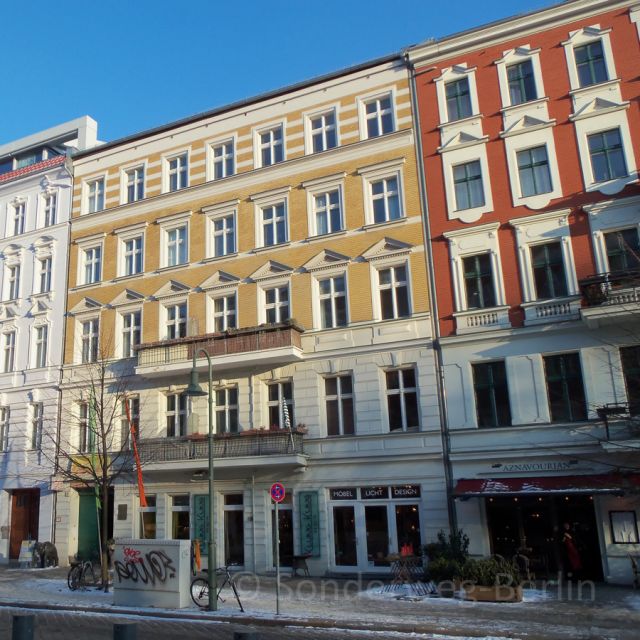
The tour takes you along Bernauer Straße, and then you see the Messel House. This part is the “wait, I did not know that was there” segment, which is exactly what good walking tours should do.
Bernauer Straße is the kind of street where you can feel Berlin’s layers without needing to read a plaque. It is part corridor, part city story. When you pair that walk with a specific building like the Messel House, it becomes easier to connect architecture to time. Instead of collecting random images, you start building a mental map of the district’s character.
The Messel House works well in this tour format because it is not presented as a standalone object. You are walking toward it, looking at surroundings, then seeing the building as part of a bigger neighborhood picture. That is why the guidance matters. A guide can help you notice details you might otherwise overlook, like how the building holds its presence in a changing urban environment.
If you are into architecture, or you simply enjoy seeing how cities reuse space and reshape neighborhoods, this stop is one of the most satisfying stretches of the day.
Another way to spend a Berlin afternoon:
- Berlin: Reichstag, Dome and Government District Guided Tour
★ 4.7 · 18,288 reviews - Berlin: 1-Hour City Tour by Boat with Guaranteed Seating
★ 4.3 · 16,993 reviews - Berlin: TV Tower Standard Entrance Ticket
★ 4.4 · 15,883 reviews - Berlin: Boat Tour Along the River Spree
★ 4.4 · 11,252 reviews
Rykestraße Synagogue and Oderberger Pool: Community Landmarks, Not Just Attractions
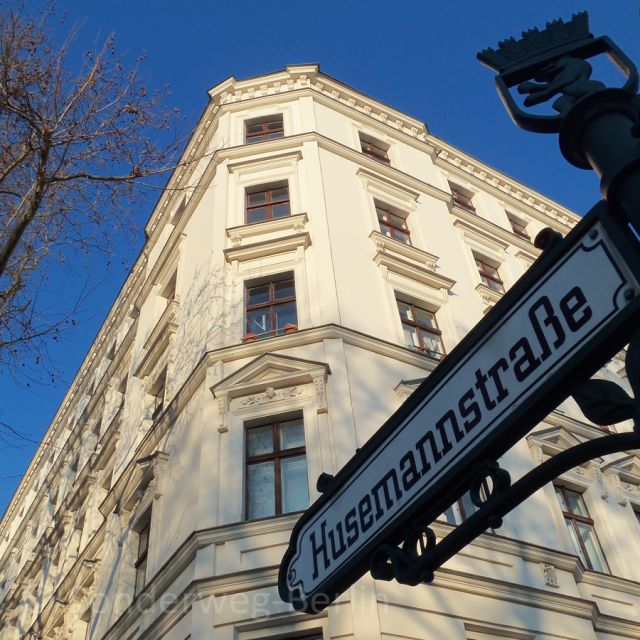
Later in the walk, you reach more community-centered landmarks, including the grand synagogue on Rykestraße and the public pool on Oderberger Straße.
The synagogue is a meaningful stop because religious architecture often tells you a lot about who built and cared for a neighborhood across time. Your guide’s framing matters here. They talk about the area’s long, complicated history and how new prosperity and diversity have altered the neighborhood’s modern form. That gives the synagogue stop emotional context, not just visual interest.
Then there is the public pool. This is a great reminder that Berlin is a city of shared civic life, not only monuments. A pool is not the kind of sight most people chase on a first visit, but once you see it through the tour’s lens, it clicks. It shows you how the neighborhood supports everyday routines and how community spaces stay relevant even as the surrounding streets change.
This is also where the tour’s “ask the guide anything” vibe becomes useful. If you want to understand how a place can feel both old and new at the same time, these stops help you ask the right questions out loud. In past experiences with this style of tour, guides often answer beyond the specific buildings, talking about urbanism and politics in ways that stay grounded in what you can see on the sidewalk.
The $23 Question: Is This Prenzlauer Berg Walk Good Value?
At $23 per person for about 2.5 hours, this is priced like a focused neighborhood experience rather than a big-ticket Berlin highlight tour. That makes it a good option for travelers who want something that feels personal and place-based.
Why the price makes sense:
- You are paying for a live guide who interprets the district for you, not just for movement from stop to stop
- The route covers multiple anchors across different parts of Prenzlauer Berg, including cemetery and landmark buildings, plus Mauerpark
- You get time for conversation and questions, which is often where the real value appears
What might change your decision:
- If you hate walking for any reason, this may feel like a lot of time on foot. It is a walking tour, even though the pace is relaxed.
- If you want food included, you will need to plan a snack or meal yourself. Food and drinks are not included.
In other words, you get a guided story-led walk. If that matches how you like to travel, the cost is fair.
Also, the tour is run by Sonderweg-Berlin, which you can treat as a sign that this is meant to be about the neighborhood, not a generic circuit.
Tips for Getting the Most Out of Your 2.5-Hour Stroll
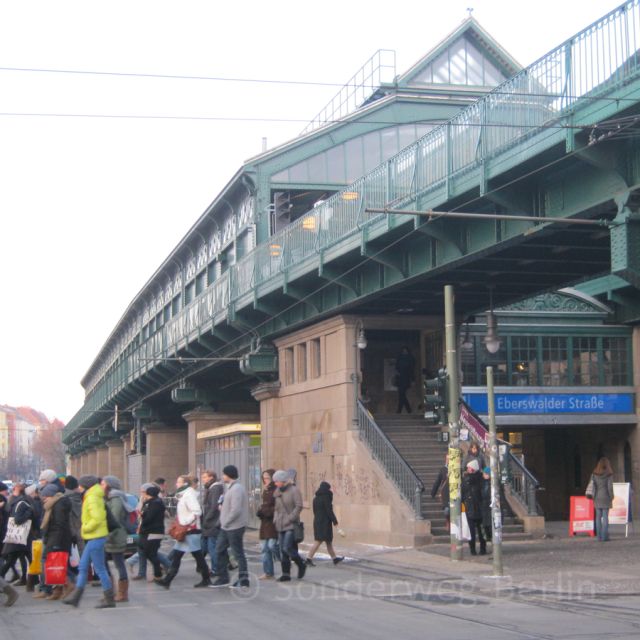
This is a relaxed walking tour, so the biggest “how to win” advice is about your expectations.
Go in ready to look. This is not a speed-run of landmarks. The guide’s job is to help you notice contrasts, patterns, and details that make Prenzlauer Berg make sense.
Bring comfortable shoes. You will cover enough ground that foot comfort matters, especially if you plan to continue exploring after the tour.
If you are traveling in a group, or even as a solo traveler, this kind of guide-led walk is a good social bridge because questions come naturally. A past experience with a group of around 40 people being handled well suggests the guide knows how to manage attention, interaction, and pacing.
Finally, take your cue from the guide. If they suggest looking at something from a certain angle or paying attention to a building’s relationship to the street, do it. That is where these tours usually turn from information into understanding.
Should You Book This Prenzlauer Berg Walking Tour?
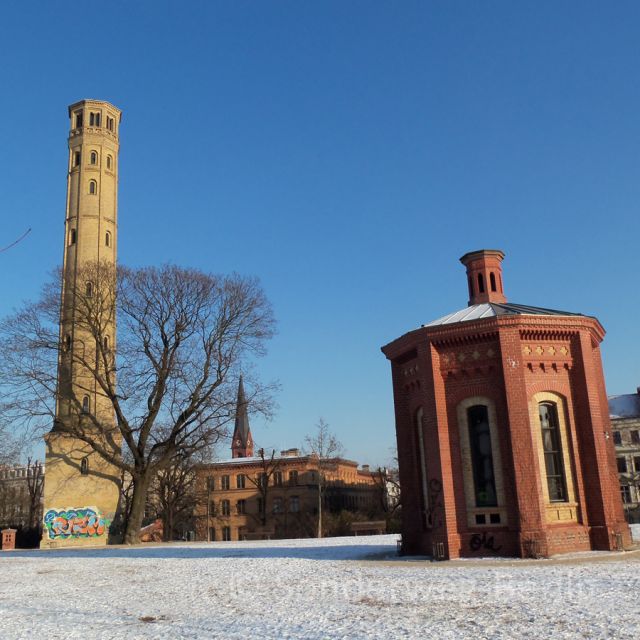
Book it if you want a neighborhood-first Berlin experience. You will get a route that connects recognizable places like Schönhauser Allee, Mauerpark, and Rykestraße with the district’s changing character, plus a guide who can answer questions beyond the obvious.
Skip it or think twice if your priority is museum time, long photo sessions, or food included stops. This is a walking experience, and the value comes from the guided interpretation and conversation, not from catered extras.
If you are curious about how Berlin neighborhoods evolve, and you like walking tours that help you read the city like a story, this one is an easy yes.
FAQ
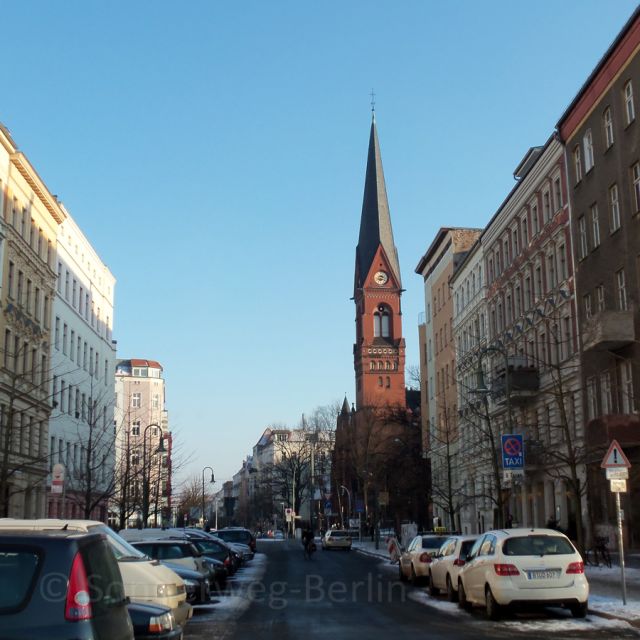
How long is the Berlin Prenzlauer Berg guided walking tour?
The tour lasts 2.5 hours.
What does the tour include?
It includes a walking tour and a live tour guide.
What sites will we see during the walk?
You will see the Jewish Cemetery on Schönhauser Allee, the Wasserturm (Water Tower), Mauerpark, Kollwitzplatz, the Messel House on Bernauer Straße, the grand synagogue on Rykestraße, and the public pool on Oderberger Straße.
Are food and drinks included?
No. Food and drinks are not included.
What languages is the guide available in?
The guide is available in German and English.
Is there free cancellation?
Yes. You can cancel up to 24 hours in advance for a full refund, and there is also a reserve now and pay later option listed.
Fresh reviews out of Berlin
- Berlin Uncensored: A History of Sex & Freedom★ 5.0 · 50 reviews
- Berlin Food & Cultural Tour: Must-Try German & Berliner Classics★ 5.0 · 51 reviews
- English Comedy Show with Pizza and Shots in Central Berlin★ 4.5 · 51 reviews
- Rude Bastards Tour of Berlin★ 4.8 · 51 reviews
- Private Taxi Tour of Berlin East and West and Neighbourhood approx. 4-6h★ 5.0 · 55 reviews
- Rickshaw Sightseeing City Tours Berlin – Rikscha Tours★ 4.0 · 55 reviews
- Berlin: City Highlights Express & Panorama Roof Terrace★ 4.9 · 55 reviews
- Berlin during Nazism – Tour in Italian★ 5.0 · 56 reviews
Walking Tours, compared.
Berlin’s Best: 2 Hour Walking Tour Third Reich and the Cold War
Read our review →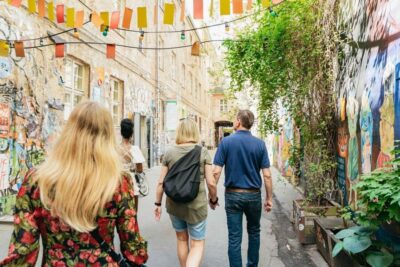
Third Reich Berlin: Hitler and WWII Walking Tour
Read our review →Browse the lists this tour appears in