
Reviewed · WALKING TOURS
Berlin: Hitler’s Berlin The Rise & Fall Guided Walking Tour
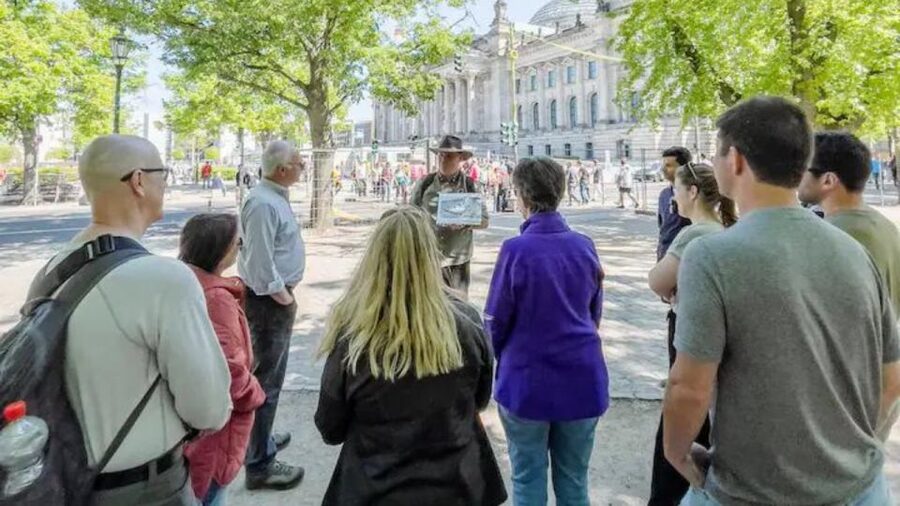
Berlin’s Nazi-era story is interesting because you can literally read it in stone, in monuments, and in the scars of major buildings. I like how this tour keeps the timeline clear, from the Nazis taking power to the regime’s collapse. I also like the use of Then & Now photographs and historic maps, which helps you connect what you see today to what happened here in the 1930s and 1940s. The main downside is simple: it is outdoor walking, so weather, crowds, and your shoe choice matter.
You’ll move through places tied to democracy under pressure, state terror, mass murder, and the final days of the war. Guides on this route are local WWII specialists, and I’ve seen names like Scott and Hannah come up repeatedly in the guide rotation, with the same theme of clear explanations and time for questions. If you want history in a straight, understandable line without long lectures, this fits.
Key highlights that make this tour work
- A tight WWII narrative, built to make the Nazi rise and fall understandable, not overwhelming
- Then & Now visuals and maps, so you’re not just memorizing names, you’re seeing change over time
- Real places of power and repression, including sites tied to the Gestapo and SS
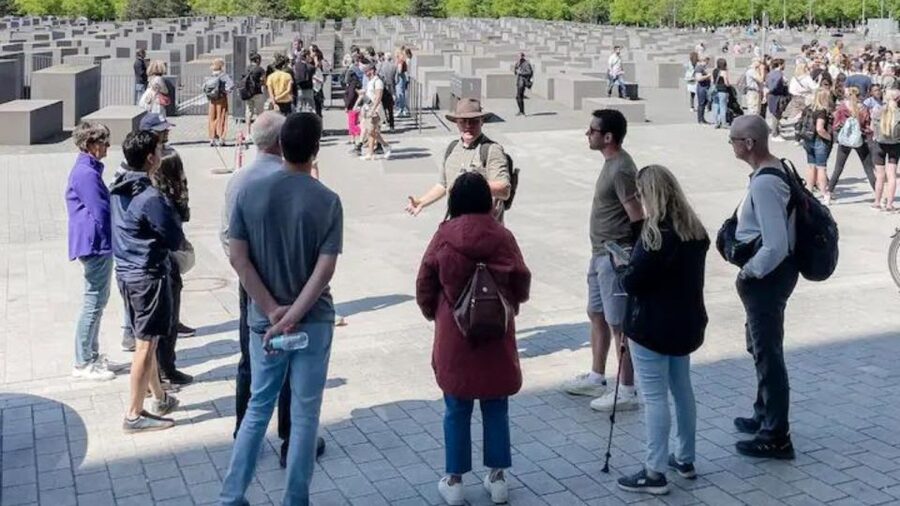
- Holocaust and Roma and Sinti memorials, with space to reflect and understand
- The final-war context in Berlin, including the Hitler bunker site and the Soviet War Memorial
Starting at Brandenburg Gate, getting your bearings fast
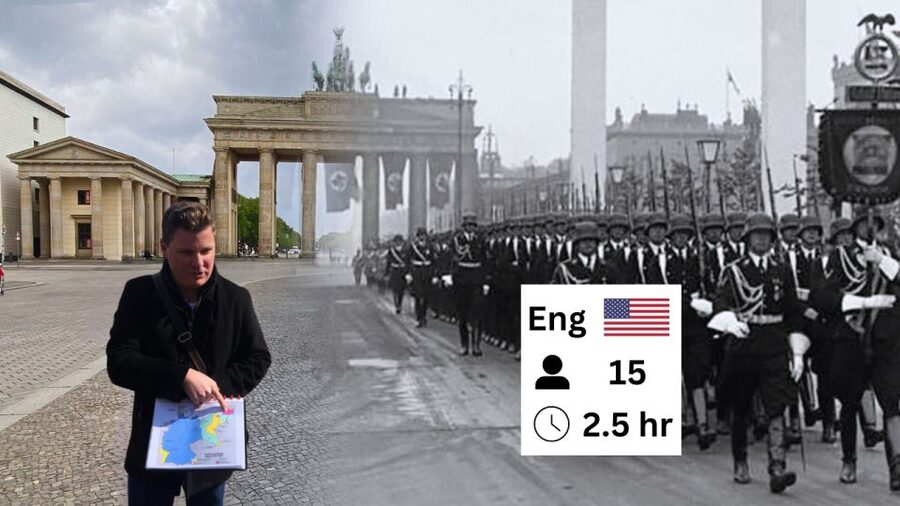
The tour begins near the Brandenburg Gate, at the Tourist Office, and you look for a blue umbrella. That matters because this is one of those walks where orientation helps. You’re not just ticking off sights, you’re being shown how the city’s political story unfolds along a line you can follow.
Right away, you’ll move through a part of Berlin that looks grand and timeless on the outside. But the guide’s job is to show the contrast between what these symbols mean and what powerful regimes tried to turn them into. You’ll get quick photo stops and short walks at the start, which is a good rhythm setter for a 150-minute outing.
Even at this early stage, I think the value is in the structure. The tour is designed to explain how Nazism took hold, how Jewish people were systematically targeted, and how fear and propaganda maintained control. When that framework clicks, the rest of the stops make sense as you walk.
More Walking Tours in Berlin
- Discover Berlin Half-Day Walking Tour
★ 5.0 · 9,624 reviews - Berlin: Third Reich and Cold War 2 Hour Walking Tour
★ 4.9 · 6,830 reviews - Berlin: Discover Berlin Walking Tour
★ 4.9 · 5,998 reviews
Memorials first, because this story is about people
One of the strongest parts is that the tour doesn’t jump straight into political buildings. You pause at the memorial to the Sinti and Roma victims of National Socialism, a short, guided stop that anchors the human cost early. This is important because it sets the tone: the Nazi story is not only about leaders, it is also about victims and choices made by the regime.
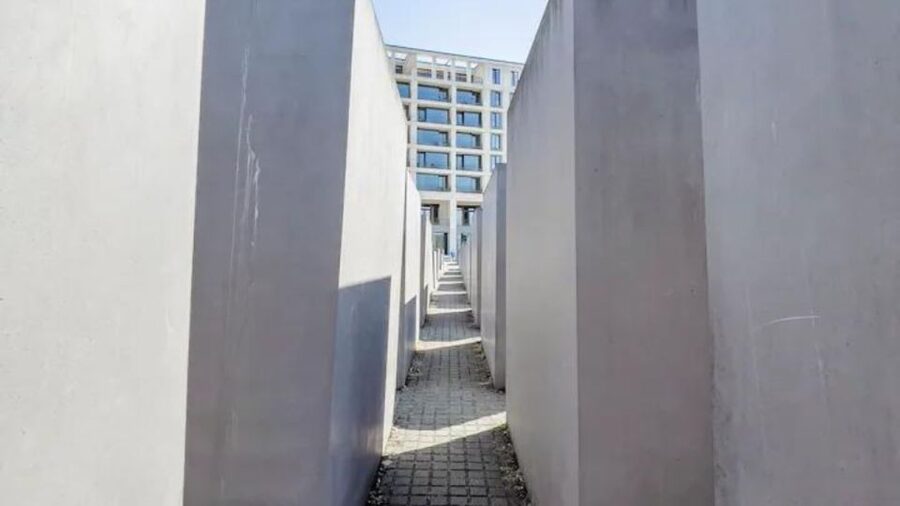
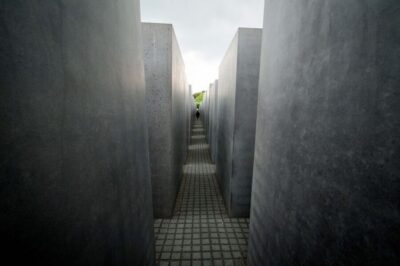
Next comes the Holocaust Memorial stop, again with a guided visit and time to look closely. This is a place where the guide’s role shifts slightly from explaining facts to helping you process what you’re seeing. You’ll be given opportunities for reflection and Q and A, which keeps the experience from feeling like a rushed checklist.
One thing to consider: if you’re someone who prefers light entertainment on vacation, this is not that. The tour deals with mass murder and state terror. That is exactly why the memorial stops are included. They keep the day grounded in reality instead of turning history into a backdrop.
Reichstag: how democracy and dictatorship share the same walls
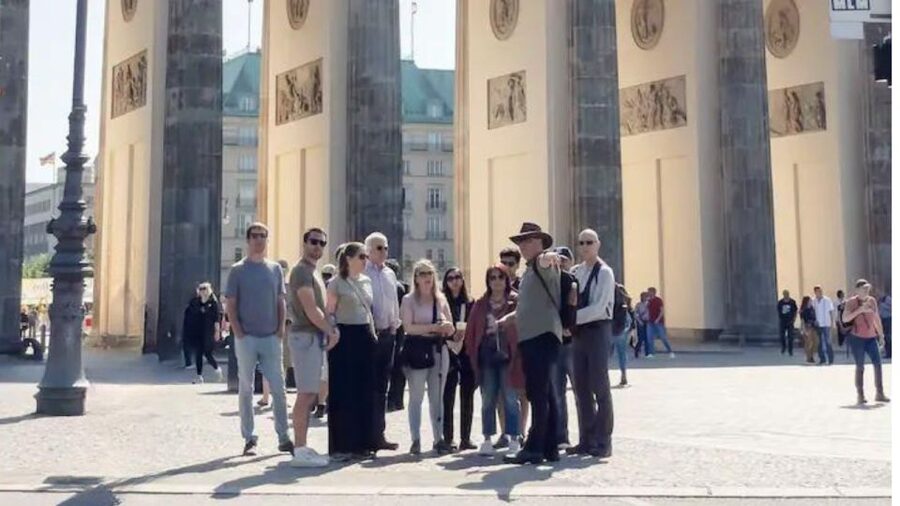
The Reichstag stop is a major anchor. You’ll visit with a guided tour and spend about 20 minutes here, which is enough time to slow down and understand why this building keeps coming up in every story about modern Germany. It’s a symbol of democracy, and under Nazi rule, it also became part of a process that dismantled democratic freedoms.
What I like about this stop is that it is not treated as a single dramatic moment. The guide connects it to the broader arc of the Nazi rise and consolidation of power. You’re guided through how the regime turned elections and politics into something else entirely, and how that shift played out in Berlin as the capital of the Third Reich.
This is also a great time to ask questions. With Q and A built into the tour, you can clarify anything that feels confusing about 1933 to 1945. If you have a specific curiosity, like how propaganda worked day to day, this is usually the kind of stop where your question will land well.
Tiergarten and the Soviet War Memorial: Berlin’s last chapter
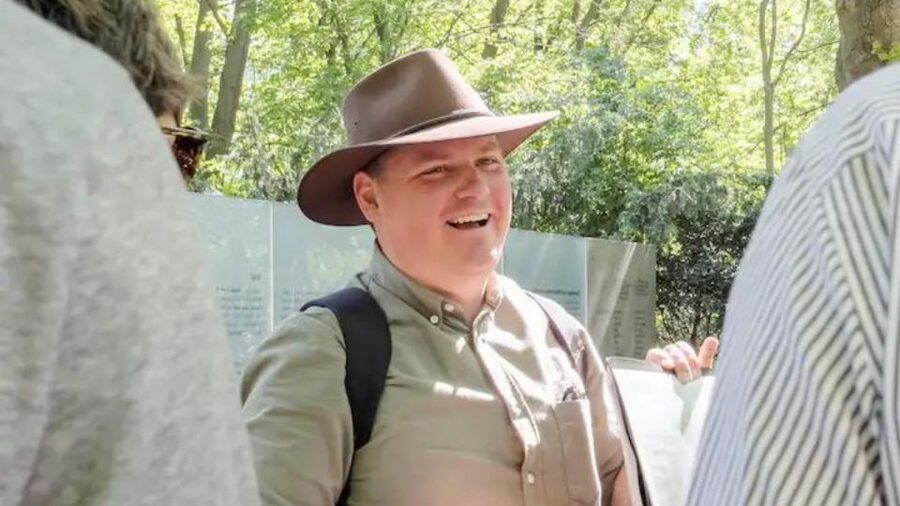
In the middle of the route, you stop at the Soviet War Memorial in Tiergarten, with a photo stop, guided visit, and time to move through the area. This section gives you the war ending context you need. Nazi Germany’s defeat did not happen in one clean line, it unfolded in brutal stages, and Berlin was one of the most violent battlegrounds in Europe.
The guide ties the European war’s final days into what Berlin looked like as the regime collapsed. The Soviet War Memorial is a direct reminder of the human cost of that closing chapter. If you only think about the Nazis on this walk, this stop helps widen the lens to the wider war and the way Berlin changed in 1945.
I’d also call out the practical angle: photo stops and scenic walking segments give your legs a break. The tour is still active, but the pacing is kinder than a “power-walk from site to site” plan.
Another way to spend a Berlin afternoon:
- Berlin: Reichstag, Dome and Government District Guided Tour
★ 4.7 · 18,288 reviews - Berlin: 1-Hour City Tour by Boat with Guaranteed Seating
★ 4.3 · 16,993 reviews - Berlin: TV Tower Standard Entrance Ticket
★ 4.4 · 15,883 reviews - Berlin: Boat Tour Along the River Spree
★ 4.4 · 11,252 reviews
Holocaust Memorial, then the route gets darker
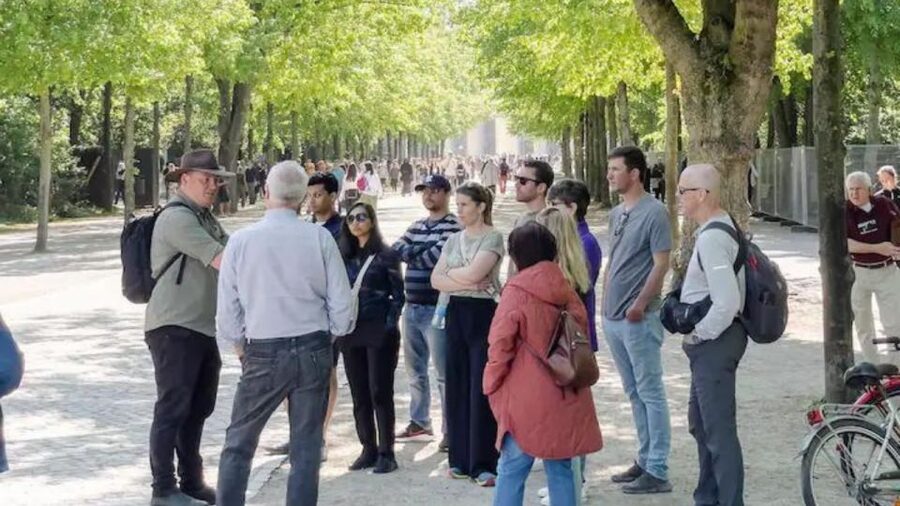
After the Reichstag, you hit a section that is emotionally heavier. The Holocaust Memorial stop continues the theme of remembrance, and then the tour’s narrative begins to lean much more into repression. That transition is handled with a guided approach, so you’re not left to connect the dots on your own.
This is where I think the small-group format pays off. With fewer people, you can stay quieter and listen better. And if something specific is unclear, you’re more likely to get a direct answer instead of watching the group move on too quickly.
Also, the tour uses historical maps and Then and Now visuals throughout, so you’re not relying only on what the guide says. You’re getting visual reinforcement. That can be especially helpful when the story jumps across years and you’re trying to keep dates straight.
Hitler’s bunker site: the end of the war in Europe
One of the biggest drawcards is the stop at Hitler’s bunker site. You’ll get a photo stop, guided visit, and a short walk segment tied to what happened there and why it matters. This isn’t presented as a morbid sightseeing stop. The guide frames it as the place where the war in Europe came to a decisive end, and where the reality of collapse set in.
What you’re really doing here is stepping into the final phase of the Nazi regime. The guide connects the bunker area to the broader timeline so it doesn’t feel like a disconnected legend. You should come away understanding that the regime fell because of military defeat, but also because of the collapse that came with years of violence, persecution, and war.
A practical note: this section is outdoor and exposed, depending on how the group moves. If you’re visiting in cold or rainy months, you’ll want to dress for it. People in the guide rotation have helped during bad weather before, but you still need your own rain plan.
Johann Georg Elser memorial: a quieter resistance story
You’ll also stop at the Johann Georg Elser Memorial in Berlin. This is a shorter guided stop, but it adds an angle that many WWII tours skip: resistance that did not come from a seat of power. The guide uses it to broaden the story beyond Nazi leaders and their opponents in uniforms.
What makes this stop valuable is that it changes your mental picture. Instead of only thinking about mass events or famous political names, you’re reminded that individuals tried to act against the regime. It helps balance the day so you’re not trapped in only one type of narrative.
German Finance Ministry: where policy met control
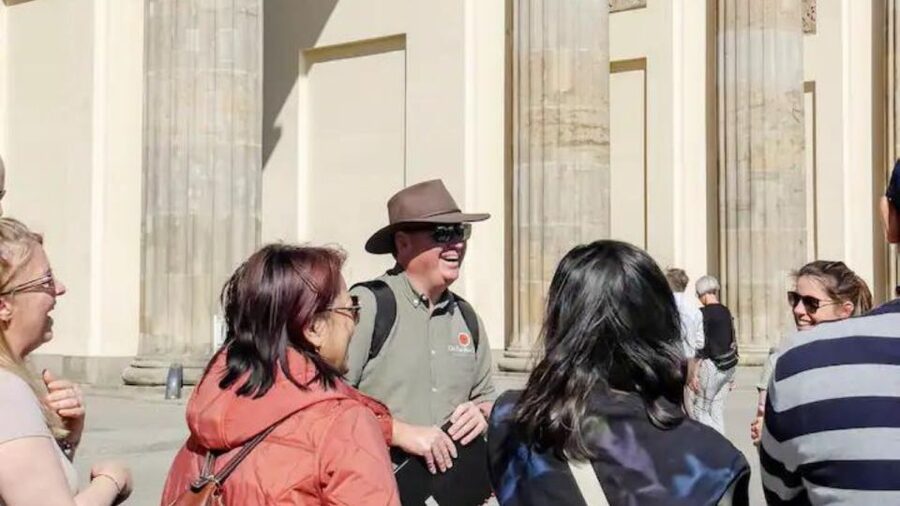
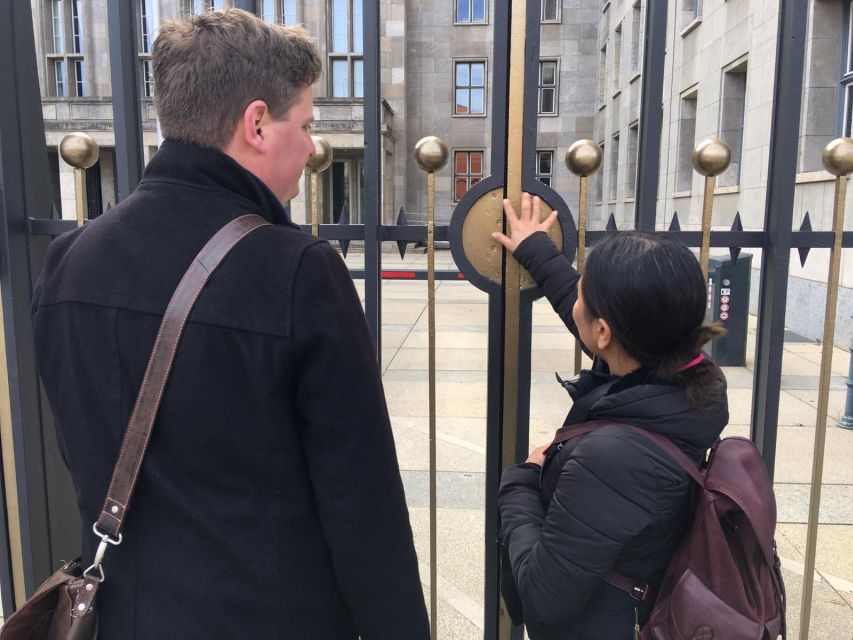
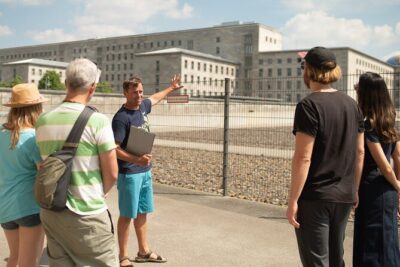
Another photo stop with a guided visit is at the German Finance Ministry. You don’t spend forever here, but the point is clear. The Nazi state didn’t operate only with police and propaganda. It also relied on administrative power, budgets, and systems that allowed repression to run like a machine.
This is one of those stops where the guide’s explanation matters more than the wall you’re standing in. If you pay attention, you’ll start to see how the Nazi regime linked ideology and control to ordinary governance functions.
And if you’re the type who likes to ask questions, this is a good place to do it. Ask how economic structures supported the regime, or how laws and institutions changed daily life. With Q and A built in, it’s not just a monologue.
Topography of Terror: the nerve center of repression
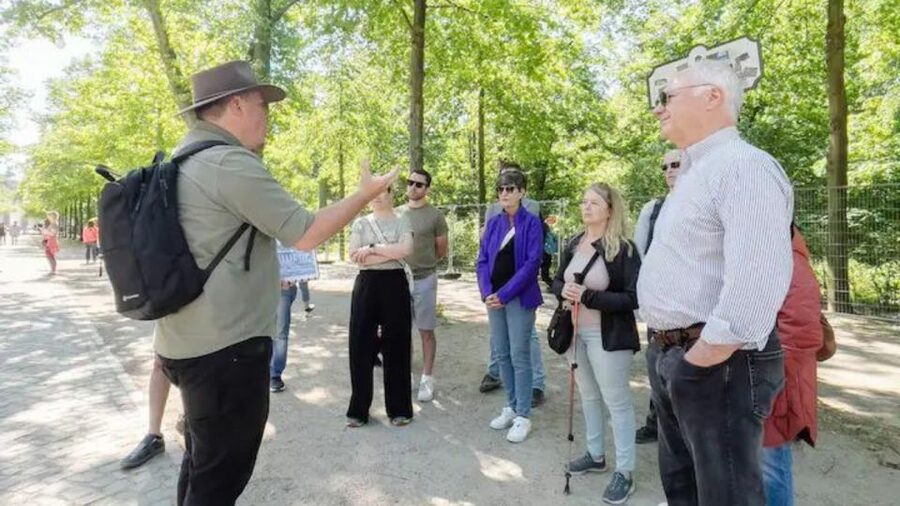
The tour ends at Topography of Terror, which also acts like a “big finish” stop. You’ll visit it with a guided component and spend time at the site of the former Gestapo and SS headquarters. That is why it’s powerful as a final location: it connects the Nazi system to the machinery of fear and repression.
This is also where the included memorial and remembrance pieces start to feel like more than separate stops. By the time you reach Topography of Terror, you should be able to link the story line: how the Nazis seized power, how Jewish people and other targeted groups were systematically persecuted, how propaganda and fear kept control, and how repression was enforced.
The tour design here matters. By ending at a site that represents the terror apparatus, it gives you a clear landing point and a sense of closure. It is still heavy, but it is structured, and the guide can answer questions while the sites are fresh.
How the itinerary pacing keeps 150 minutes from feeling rushed
The walking tour is about 150 minutes total, and the stops are varied: short scenic walks, photo pauses, and guided visits. This matters because long outdoor history tours can turn into a blur. Here, the guide builds in movement but also gives you moments to absorb what you see.
You can also expect outdoor time at multiple stops, and the tour is explicitly outdoors, meaning you won’t rely on indoor museum exhibitions. That keeps it light on museum queues, but it also means you’re at the mercy of weather. Bring a water bottle and wear comfortable shoes you can handle on pavement.
If you need a mental strategy, I suggest picking one question for the day. For example: How did the Nazi regime go from legal power to dictatorship? Then let the stops help you answer it. The guide will walk you through the story in a way that makes that question easier to hold.
Small group, expert guides, and why the names keep repeating
This is a small-group experience, and that is not just a marketing point. In practice, it affects how much time you get to ask questions and how well the guide can respond to your level of interest. With WWII topics, clarity matters. You want someone who can explain complex political shifts without turning it into a slog.
The guides are trained historians with academic background in WWII history. You can feel the difference when they connect politics, ideology, and military events into one coherent narrative. From the guide rotation, names like Scott, Hannah, Matthew, Ben, and Mark show up in past experiences, and the consistent theme is friendly engagement and time for Q and A.
One extra detail I appreciate from that guide pattern: some guides handle tough moments like unexpected downpours with practical care. That can matter because standing still for a photo stop is one thing, getting soaked is another. The tour is outdoors, so small help adds up.
Is the $47 price a fair value?
At $47 per person for about 150 minutes, I see this as good value if you want a guided, structured story across multiple key sites. You are not paying for one building or one monument. You are paying for an expert to connect the dots between the Nazi rise, the terror system, and the fall in 1945, while you move through Berlin with purpose.
The value equation improves because key elements are included: expert local guide with WWII training, small group format, guided visits to major Nazi-era sites and memorials, and Then and Now photos and historic maps. Even though you don’t get food, you also avoid paying for long indoor museum time that you might not want.
If you are mainly interested in architecture or photos without context, you might find the focus on WWII narrative heavier than you hoped. But if you want the story explained clearly, this price feels aligned with what you cover.
Who should book this tour, and who might want a different one?
I’d book this if you want a clear, chronological way to understand Hitler’s Berlin, with the city’s landmarks tied to how Nazism took hold and how it collapsed. It’s also a strong fit if you like asking questions and hearing explanations from people who can connect politics, ideology, and military events.
I might suggest a different option if you want a mostly light walk or you prefer only indoor museum depth. This tour is designed as an outdoors route with guided visits, reflection moments, and photo stops, not a museum crawl with indoor exhibitions.
If you’re traveling with teens, this kind of structured narrative can work well because it’s not random. The stops are chosen for meaning, and the guide keeps the story line moving.
Quick tips before you go
- Wear comfortable shoes for a considerable amount of outdoor walking
- Bring a water bottle, Berlin days can add up fast
- Dress for weather and be ready for surprise rain
- If you have questions about the Nazi rise, daily life, propaganda, or 1945, bring them. There is time for Q and A
Should you book Hitler’s Berlin, the rise and fall walking tour?
Yes, book it if you want a structured WWII walk that explains how Nazism took power and how Berlin fits into the bigger story. The combination of memorials, power sites, and the Topography of Terror ending gives you a coherent arc instead of scattered facts.
Skip it or consider another format if you dislike heavy subject matter or you don’t want a mostly outdoor experience. The tour deals with genocide and repression, and that is central to why it is worth doing.
If you only do one Nazi-era walking tour in Berlin, do this one. It is paced for understanding, guided for clarity, and built around the places where the story changed course.
FAQ
How long is the Berlin Hitler’s Berlin rise and fall guided walking tour?
The tour lasts 150 minutes.
Where do I meet the guide?
Meet at the Tourist Office at Brandenburg Gate. Look for the blue umbrella.
Is the tour outdoors or inside museums?
It is an outdoor walking tour. Indoor museum exhibitions are not part of this tour.
What kind of guide will I have?
You get an expert local guide with academic background in WWII history, and the tour is guided in English.
How much walking is involved?
It is an outdoor tour with a considerable amount of walking. Wear comfortable shoes and dress for the weather.
Is the tour wheelchair accessible?
Yes, the tour is wheelchair accessible.
What sites and memorials will I see?
You will visit or stop at major Nazi-era sites and memorials including the Reichstag, Hitler’s bunker site, Topography of Terror, the Holocaust Memorial, and the Soviet War Memorial in Tiergarten, plus other relevant memorials and stops along the way.
What is included in the ticket price?
Included are the expert local guide, a small-group experience, guided visits to key Nazi-era sites and memorials, Then and Now photographs and historic maps, plus opportunities for reflection and Q and A.
What is not included?
Food or drinks, public transportation or hotel pickup/drop-off, access to indoor museum exhibitions, and personal umbrellas or walking sticks.
Is there a cancellation option and flexibility in payment?
There is free cancellation up to 24 hours in advance for a full refund, and you can reserve now and pay later.
Fresh reviews out of Berlin
- Berlin Uncensored: A History of Sex & Freedom★ 5.0 · 50 reviews
- Berlin Food & Cultural Tour: Must-Try German & Berliner Classics★ 5.0 · 51 reviews
- English Comedy Show with Pizza and Shots in Central Berlin★ 4.5 · 51 reviews
- Rude Bastards Tour of Berlin★ 4.8 · 51 reviews
- Private Taxi Tour of Berlin East and West and Neighbourhood approx. 4-6h★ 5.0 · 55 reviews
- Rickshaw Sightseeing City Tours Berlin – Rikscha Tours★ 4.0 · 55 reviews
- Berlin: City Highlights Express & Panorama Roof Terrace★ 4.9 · 55 reviews
- Berlin during Nazism – Tour in Italian★ 5.0 · 56 reviews
Walking Tours, compared.


Berlin’s Best: 2 Hour Walking Tour Third Reich and the Cold War
Read our review →
Third Reich Berlin: Hitler and WWII Walking Tour
Read our review →Browse the lists this tour appears in