
Reviewed · WALKING TOURS
Berlin: David Bowie & 1970s Berlin Guided Walking Tour
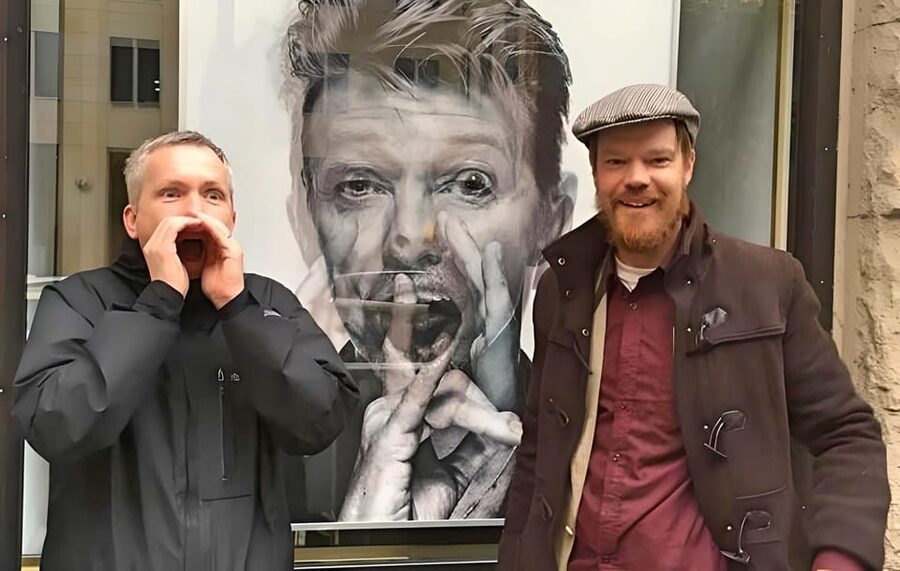
Berlin in the 1970s has a specific mood, and this guided walk turns that mood into something you can point at on a street corner. You’ll trace the inspiration behind Bowies albums Low, Heroes, and Lodger as you move through West Berlin sites tied to his life, from Bahnhof Zoo toward Hansa Studios. I especially like the way Bowie’s Berlin is explained through real places and Cold War context, with guides like Dan and Lee adding photos and music snippets to make it stick.
I also like the mix of famous and sharply local stops, including the trail that leads to the flat he shared with Iggy Pop and the party-world around his favorite clubs. The only real drawback to plan for is the $135 per person price, plus the fact that you’ll use public transport a few times, so you’ll want to have a transit plan ready for a smooth 3-hour flow.
Key Highlights Worth Booking
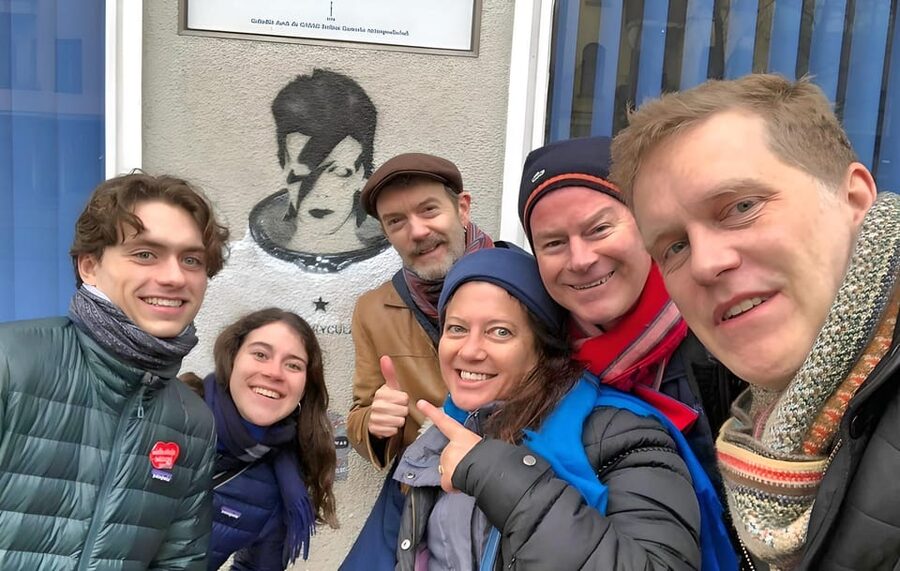
- Bowie’s Berlin Trilogy mapped to real sites tied to Low, Heroes, and Lodger
- Hansa Studios visit, one of the most important creative locations from his Berlin era
- West Berlin Cold War context shown through the city’s spaces, not just band lore
- Small-group feel with a historian guide, and guides like Dan, Klaus, Ronen, and Martin have strong on-the-ground storytelling
- Bowie sound bites as you walk, often linked to specific stops and themes
- Route includes major sites plus scene locations like KaDeWe area, Potsdamer Platz zone, and Neues Ufer Café
Why This Bowie Walk Still Feels Like Berlin’s Real Story
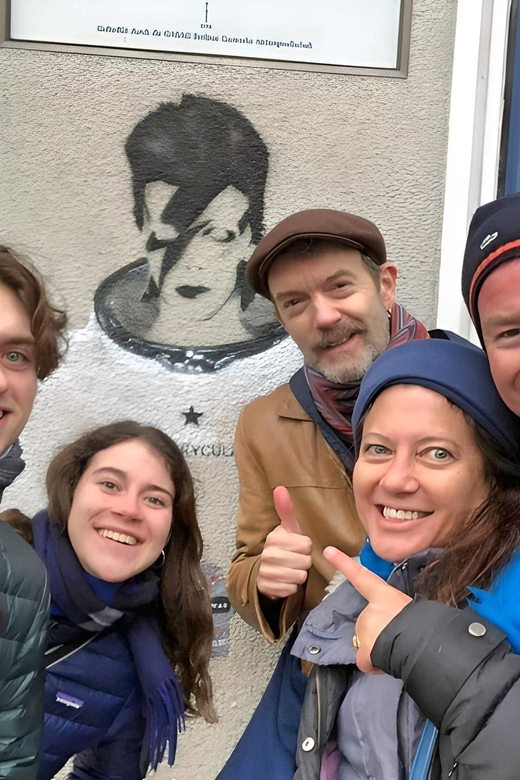
This tour works because it treats Bowie as a cultural filter, not a shrine. You’re not just collecting statues and street names, you’re seeing how the city’s contradictions shaped art. That matters in Berlin, where the built environment carries memory in every direction.
The best part is the way your guide connects the dots between place and sound. When you hear excerpts linked to what’s happening around you, Bowies music suddenly makes practical sense as a response to a time and a place, not just a soundtrack to your commute.
One more thing I like: it doesn’t pretend that the 1970s were only glamour. You’ll hit heavier ground as the route moves from nightlife zones into sites that explain the pressure of the era. That balance keeps the story from turning into pure fan service.
More Walking Tours in Berlin
- Discover Berlin Half-Day Walking Tour
★ 5.0 · 9,624 reviews - Berlin: Third Reich and Cold War 2 Hour Walking Tour
★ 4.9 · 6,830 reviews - Berlin: Discover Berlin Walking Tour
★ 4.9 · 5,998 reviews
From Ständige Vertretung to the Zoo Station Starting Area
The meeting point is at Ständige Vertretung, a memorabilia-filled cafe at Schiffbauerdamm 8, 10117 Berlin. Plan to arrive a little early so you can get oriented before the group starts moving.
From there, your walk kicks off in the West Berlin orbit around Zoo Station, the area that often shows up when people talk about Bowies early Berlin years. It’s a good first move. The city can feel huge, so starting in the same zone as your guide’s narrative helps you get your bearings fast.
If you’re a first-timer in Berlin, this is also a handy way to get early momentum. In three hours, you’ll cover multiple neighborhoods and themes without spending your time figuring out what goes where.
Bertolt-Brecht-Platz and Tränenpalast, Where the City’s Edge Shows
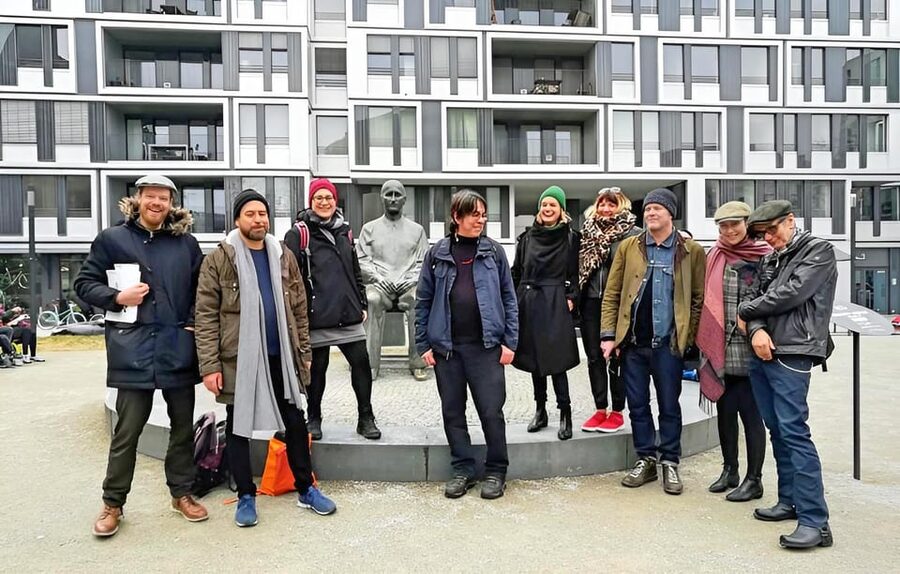
The route includes Bertolt-Brecht-Platz, guided on-foot with context from your historian. This isn’t just sightseeing. The guide uses these points to show how culture, politics, and public space intersected in West Berlin.
Then you move toward Tränenpalast, a site tied to the reality of a divided city. For Bowie fans, it offers an important reminder: the freedom and the risk lived right next to each other. For everyone else, it’s a fast route into the lived experience behind the Cold War aesthetic.
This section is where the tour starts to feel like Berlin rather than like a music-themed scavenger hunt. You’ll get the sense of how people actually moved through the city and why that movement mattered for the creative scene.
Anhalter Bahnhof and Martin-Gropius-Bau: Big Buildings, Big Context
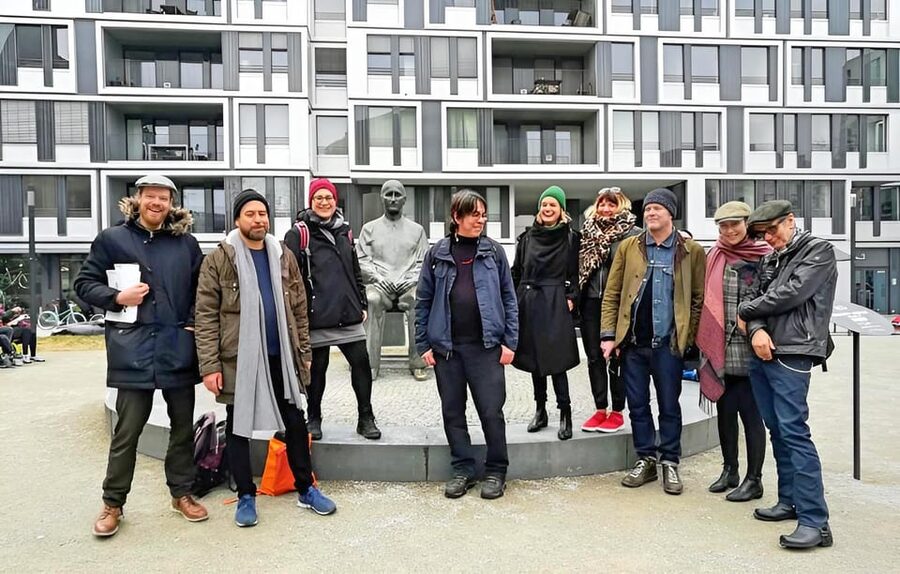
After the early West Berlin zones, the tour heads through Anhalter Bahnhof and includes Martin-Gropius-Bau. These are not the kinds of stops you choose on a standard walking day just for photos. Here, they’re used for meaning, to frame how Berlin functioned as a place where art and politics kept colliding.
Expect your guide to slow down the usual pace and explain what to notice. In this part of the tour, you’ll learn how architecture and institutions shape how a city feels, including how it feels to create inside it.
This is also a good moment to ask questions. Several guides run the tour with a discussion style, so if you want clarity on the connection between Bowie’s collaborators, the scene, or the era, this is the time to ask.
Another way to spend a Berlin afternoon:
- Berlin: Reichstag, Dome and Government District Guided Tour
★ 4.7 · 18,288 reviews - Berlin: 1-Hour City Tour by Boat with Guaranteed Seating
★ 4.3 · 16,993 reviews - Berlin: TV Tower Standard Entrance Ticket
★ 4.4 · 15,883 reviews - Berlin: Boat Tour Along the River Spree
★ 4.4 · 11,252 reviews
Topography of Terror: The Heavy Ground Behind the Glam
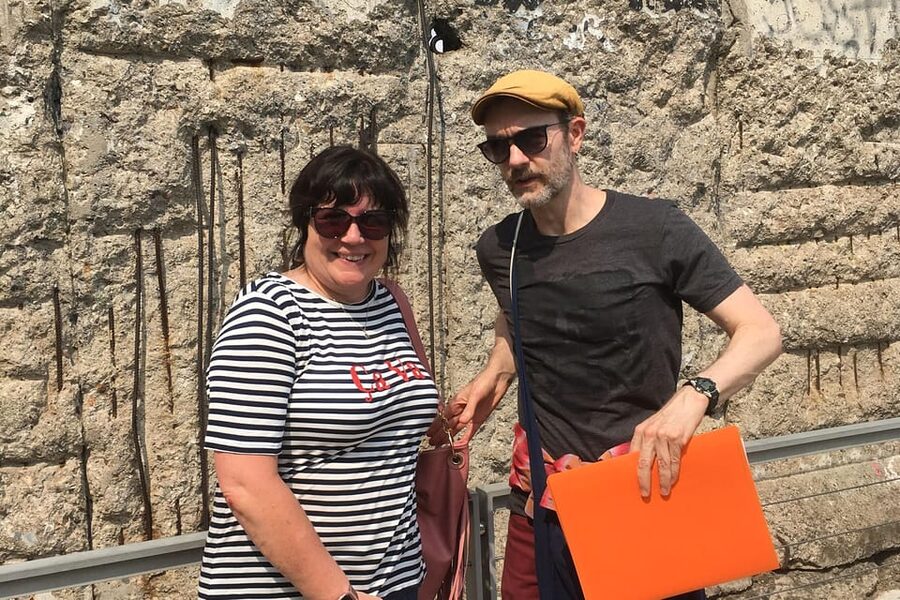
One of the most important stops on the route is Topography of Terror. This section shifts the tone. The story becomes about the reality of state violence and propaganda, not just creative nightlife.
For Bowie fans, that contrast is useful. Bowies Berlin records can feel cool and sleek at first listen, but the city behind them included severe history that never really goes away.
For non-fans, this stop makes the tour more than a music pilgrimage. It turns the Bowie theme into a human story about how culture develops under pressure. You don’t need a deep music catalog to appreciate the point.
Hansa Studios: Where the Sound of Berlin Found Its Shape
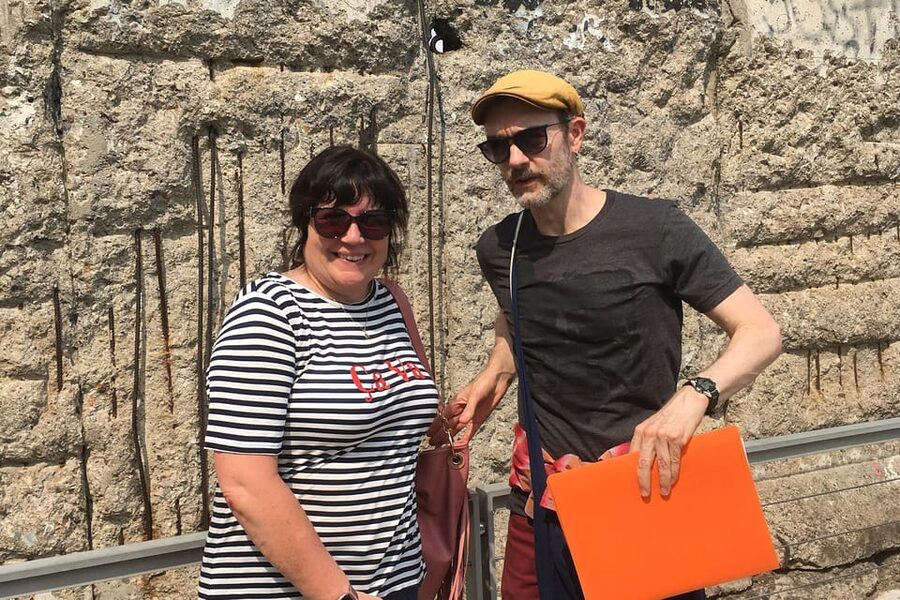
Hansa Studios is the highlight stop for many people, and it’s easy to see why. Bowie’s Berlin era is strongly associated with what happened there, and this tour gives you the chance to see the location as more than a line in a discography.
When you arrive, the guide typically connects the studio to the creative peak of Bowies Berlin period. That means you’ll get context about what was happening artistically when he was recording, and why Berlin sounded the way it did then.
If you’re the type who loves the technical side of music, you’ll likely enjoy this part even more. The best effect is not that you learn trivia, it’s that you understand how the setting fed the results. A studio is a room, yes. But in this case it’s also a symbol of how the city supported experimentation.
KaDeWe and the Potsdamer Platz Zone: The Everyday Side of the Scene
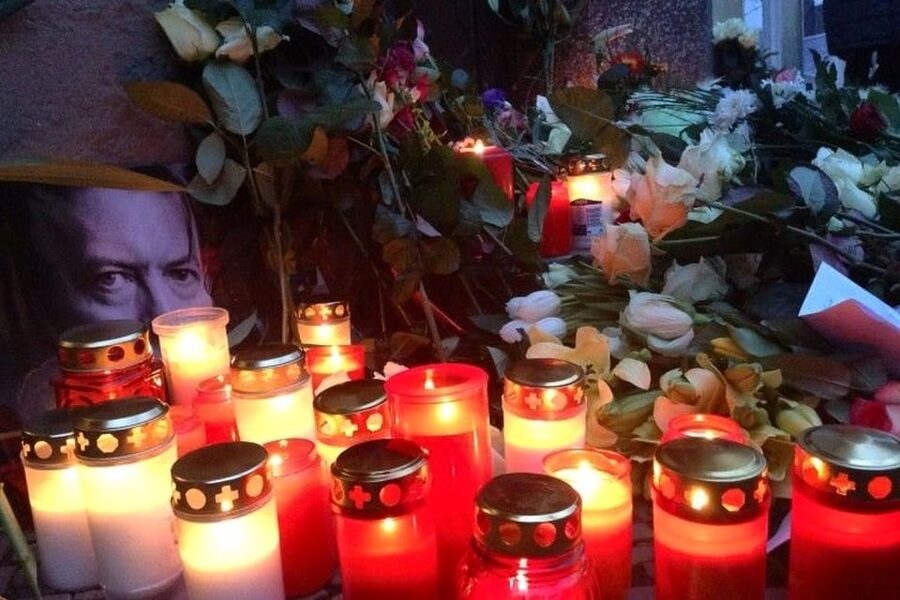
The tour includes KaDeWe and takes in the Potsdamer Platz area. This is where the story widens from Bowie to Berlin life. These are places associated with modern urban energy, shopping habits, and the kind of everyday movement that fuels a creative neighborhood.
Why does this matter for Bowie? Because art scenes are built on routines. People don’t only meet at studios. They meet around transport hubs, in cafes, and in the public spaces where you spot who is going where next.
At KaDeWe, you’re in a part of Berlin that reads as distinctly West, modern, and consumer-friendly. That helps balance the harder Cold War sites you’ve already seen, and it sets up the tour’s later mood as the route turns back toward cafes and social spaces.
Bahnhof Zoo, Bowie’s Orbit, and the Sites That Shape the Myth
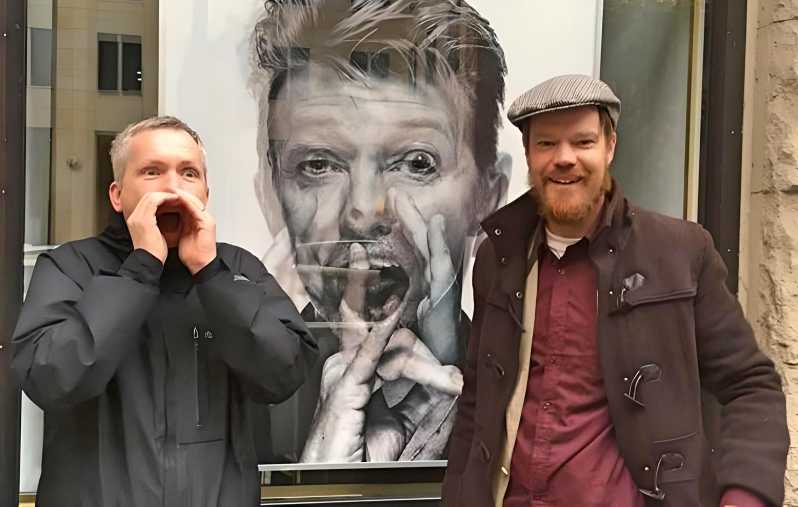
You’ll pass through the Zoologischer Garten Station area during the walk. This is part of the West Berlin setting that Bowie fans recognize instantly, and it’s also a great example of how place names become shorthand for whole eras.
From a practical perspective, Zoo Station is also smart routing. It’s central enough that your guide can connect you to other sites without adding too much dead time.
This part of the tour also supports one of the biggest reasons I’d recommend it: the guide’s narrative helps you understand why the city became a magnet. Bowie wasn’t just visiting. He was plugging into a network of people, clubs, and creative experiments, including the circle that involved Iggy Pop.
Bowie’s Flat Lead-In and the Neues Ufer Café Atmosphere
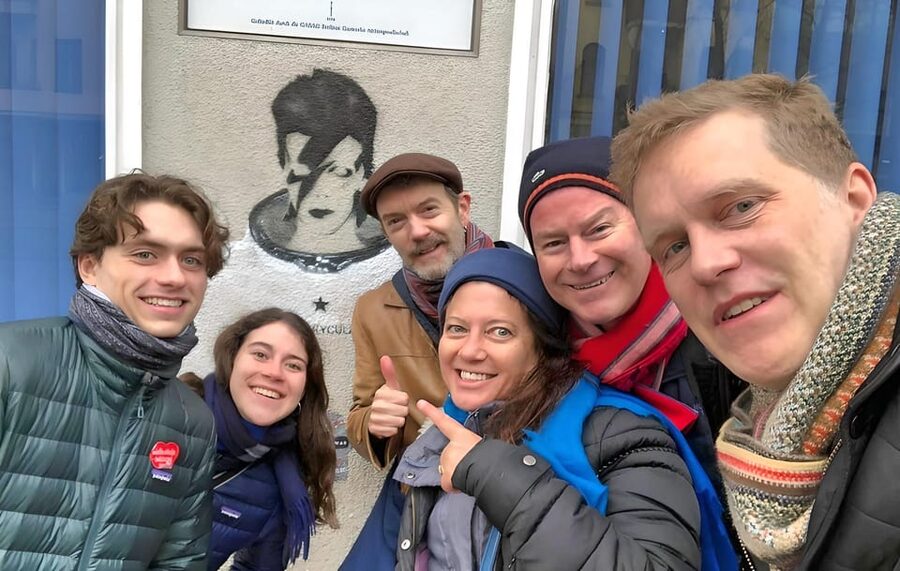
The tour includes stops that point toward the flat Bowie shared with Iggy Pop, plus a visit to the Café Neues Ufer. Even if you don’t know every detail of the Bowie story, you can feel what the guide is doing here. It’s placing you near the settings where conversations happened, where plans got made, and where the night could stretch into morning.
Neues Ufer Café is especially effective for that. It brings in the cafe-and-club rhythm that shows up again and again in creative biographies. This isn’t only about Bowie as a musician. It’s about Bowie as a person who spent time among Berlin’s social currents.
One small note for your day planning: bring a bit of mental flexibility here. This tour’s value comes from momentum and story flow, so you’ll want to keep your next meal or activity unplanned enough to handle a slightly shifting finish time.
Public Transport Tips for a Smooth 3-Hour Run
This tour is three hours long and you’ll use public transport a few times since some key distances are too far to walk. That’s normal for Berlin. It’s also one of the reasons the guide can pack in so many meaningful sites.
If you do not already have a visitor transit pass, it’s advised to buy a day metro pass. If you cannot purchase it in advance, the guide will help you buy it at the first metro station on the tour. That’s a relief if you hate last-minute planning.
Wear sturdy, supportive footwear. Berlin weather can change fast, so dress for conditions that can shift mid-afternoon. And if you want an easy start, arrive about 10 minutes early so you do not feel rushed right when the story begins.
Price and Value at $135, Plus What You Get for It
At $135 per person for a 3-hour, historian-led walking tour, the value depends on your motivation. If Bowie is a hobby, you’ll likely feel it as a premium ticket. If you love music history, Berlin’s Cold War era, or how artists shaped and were shaped by cities, it can feel like a smart use of limited time.
Here’s what you get that justifies the cost in real terms:
- A live English historian guide with credibility beyond generic sightseeing
- A tight, story-driven route across major places tied to the Berlin era
- The Hansa Studios visit, plus the mix of West Berlin landmarks and scene-associated locations
- Music and visual context, with guides using photos and video clips as part of the storytelling
Also, you get a group format option. Private or small groups are available, which can make questions easier and the pace more comfortable if you like conversation.
The drawback is simple: three hours at this price means you should want the full experience, not only one or two stops. If you only care about a single album or a single studio, a cheaper DIY approach might be enough.
Who This Tour Best Fits
This is best for three types of people.
First, it’s a strong pick for avid Bowie fans who want more than famous album facts. This tour aims to show how Berlin life connected to the sound and the themes.
Second, it fits music lovers who care about context. The route includes serious Cold War history like Topography of Terror and a Berlin Wall connection, so you’ll understand the pressure behind the art.
Third, it suits visitors who enjoy a guided city narrative more than a museum marathon. The format is structured, and the guide keeps you moving while still giving you reasons to look.
Should You Book This David Bowie and 1970s Berlin Tour?
Book it if you want Berlin with a storyline, and you like the idea of pairing Cold War history with the creative birth of a specific musical era. The Hansa Studios stop and the studio-to-street connections are the kind of experience that tends to stick, especially with guides who bring music and visual context into the walking pace.
Skip or rethink it if you’re price sensitive and want a mostly self-led day, or if you prefer long uninterrupted walking with no transport hops. In that case, you might feel the structure is more than you need.
If you’re on the fence, consider this: three hours is short, yet the route hits major themes, meaning you’ll leave with a clearer understanding of why Bowie’s Berlin worked the way it did.
FAQ
How long is the Berlin David Bowie and 1970s guided walking tour?
The tour lasts 3 hours.
What is the price per person?
It costs $135 per person.
Where do we meet the guide?
You meet at Ständige Vertretung, Schiffbauerdamm 8, 10117 Berlin.
Is the tour guided in English?
Yes, the live tour guide language is English.
What is included in the ticket price?
The price includes a 3-hour tour with a historian guide.
Do I need to buy public transport tickets?
Yes. You will need public transport a few times, since some distances are too far to walk.
Is hotel pickup or drop-off included?
No, hotel pickup and drop-off are not included.
Are food and drinks included?
No. Food and drink are not included.
Can I cancel for a refund?
Yes. You can cancel up to 24 hours in advance for a full refund.
Is there an option to pay later?
Yes. You can reserve now and pay later.
What major sites does the tour include?
The tour includes stops such as Bahnhof Zoo, Tränenpalast, Anhalter Bahnhof, Martin-Gropius-Bau, Topography of Terror, Hansa Studios, KaDeWe, and Café Neues Ufer.
Fresh reviews out of Berlin
- Berlin Uncensored: A History of Sex & Freedom★ 5.0 · 50 reviews
- Berlin Food & Cultural Tour: Must-Try German & Berliner Classics★ 5.0 · 51 reviews
- English Comedy Show with Pizza and Shots in Central Berlin★ 4.5 · 51 reviews
- Rude Bastards Tour of Berlin★ 4.8 · 51 reviews
- Private Taxi Tour of Berlin East and West and Neighbourhood approx. 4-6h★ 5.0 · 55 reviews
- Rickshaw Sightseeing City Tours Berlin – Rikscha Tours★ 4.0 · 55 reviews
- Berlin: City Highlights Express & Panorama Roof Terrace★ 4.9 · 55 reviews
- Berlin during Nazism – Tour in Italian★ 5.0 · 56 reviews
Walking Tours, compared.


Berlin’s Best: 2 Hour Walking Tour Third Reich and the Cold War
Read our review →
Third Reich Berlin: Hitler and WWII Walking Tour
Read our review →Browse the lists this tour appears in