
Reviewed · WALKING TOURS
Small-Group 3-Hour Berlin Walking Tour of Kreuzberg ‘s Wild Side
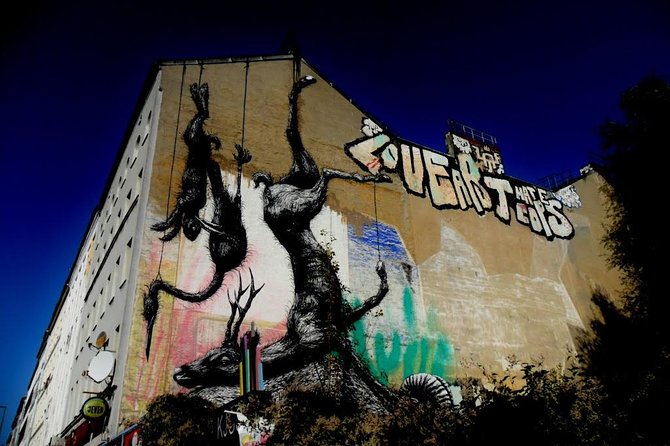
Kreuzberg is Berlin’s change-on-purpose district, and this walking tour threads that story through street scenes you can actually see, from the area around Kottbusser Tor to the walk’s end at Oberbaumbrücke. I like that the focus is small-group and personal, with enough time for a real backstory, not just photo stops. I also like that you get a planned break at Market Hall Nine built into the route. The main drawback to consider is that your enjoyment depends on smooth timing, and disruptions in Berlin transit can sometimes throw things off.
You’ll move through the SO36 atmosphere, the courtyards that shaped the district, and the creative institutions that grew beside older landmarks. Expect a walking tour that connects what you see on the street to why Kreuzberg became the place it is today, from 19th-century beginnings to modern-day culture.
Key things I’d watch for on this Kreuzberg wild side walk
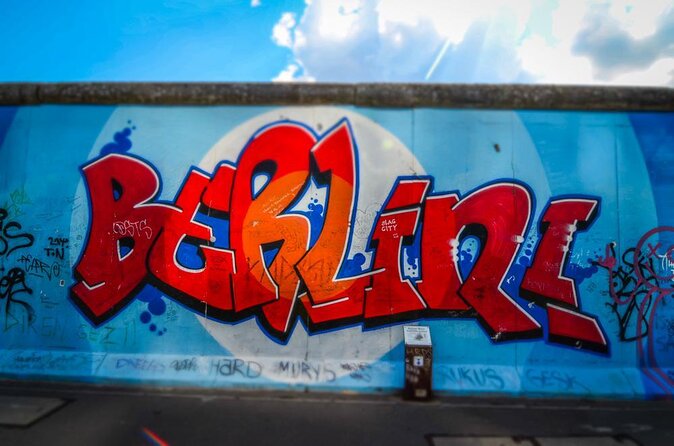
- Start and finish are specific: Skalitzer Str. 137 to Oberbaumbrücke, so you’re not turning around mid-route.
- Max 12 people helps the guide keep the pace and questions manageable.
- SO36 and club history get a quick, focused intro (SO36 stop, free admission).
- Courtyards and squatted house projects are part of the route, so you’re not stuck in only the big streets.
- Market Hall Nine break is included, but food and drinks aren’t, so budget for what you buy.
- Görlitzer Park is a dedicated stop (15 minutes), giving you a breather in the middle of the walk.
Kreuzberg’s wild side: why this walk works so well
If you like Berlin for its layers, this is a smart way to get them in a few hours. Kreuzberg has always been a place where different cultures, styles, and ideas piled up next to each other. The tour uses that mix to teach you how the district changed over time, from poorer quarters to one of the city’s most sought-after neighborhoods.
I especially like the tour’s balance of street-level sights and context. You’re not just walking past famous names, you’re learning what shaped the neighborhoods around spots like Mariannenplatz and the creative institutions connected to the former Berlin Wall era.
The other thing I like is the practical structure. It’s about 3 hours, so you get a meaningful route without draining your whole day. And because the group is capped at 12 travelers, the guide can actually guide, not just lecture while you drift along.
More Walking Tours in Berlin
- Discover Berlin Half-Day Walking Tour
★ 5.0 · 9,624 reviews - Berlin: Third Reich and Cold War 2 Hour Walking Tour
★ 4.9 · 6,830 reviews - Berlin: Discover Berlin Walking Tour
★ 4.9 · 5,998 reviews
Getting your bearings: meeting at Skalitzer Strasse, ending at Oberbaumbrücke
The meeting point is Skalitzer Str. 137, 10999 Berlin. The tour is designed to end at Oberbaumbrücke, 10243 Berlin. That point-to-point flow is useful because you’re likely to finish in an area that’s easy to connect to other plans.
One detail worth noting is that the tour focus starts in the Kottbusser Tor area. In practice, that usually means you’ll be oriented around the same general neighborhood feel right away. So even if you arrive a little early, you’ll still be close to where the tour story begins.
This also helps with transit planning. The tour is near public transportation, which matters because Berlin walking tours can go long if you start the wrong way. I’d build in buffer time at the beginning and avoid stacking another time-sensitive activity immediately after the tour ends.
Price and what you actually get for $22.45
At $22.45 per person for about 3 hours, the value comes from three things: a guide, a small group, and at least one built-in included stop. Your ticket includes a driver/guide and a local guide, plus a break at Market Hall Nine.
That break is important because it gives you a built-in pause, not just nonstop walking. But here’s the practical catch: food and drinks are not included. So budget for what you want during that break, especially if you prefer a snack or a drink instead of carrying everything for hours.
I’d also consider the timing. This tour is commonly booked about 12 days in advance on average. That doesn’t mean it will sell out instantly, but it does suggest it’s a popular way to see Kreuzberg without having to plan a complex route yourself.
SO36 and club culture: a quick stop with real neighborhood meaning
One of the first listed stops is SO36, the club area. You spend about 10 minutes here, and admission is free. This is a short moment, but it matters because it sets the tone for what you’ll keep running into during your walk: Kreuzberg as a cultural engine, not just a residential district.
What I like about handling it this way is that you get context without losing time. SO36 is closely associated with the alternative scene, and a quick guided stop helps you connect the music and club reputation to the streets you’re walking.
Potential drawback? If you’re hoping for a long, inside look at clubs, this tour is not built like that. It’s a walking tour with external stops and explanations, not an all-access music venue visit. Still, as an orientation into the SO36 identity, it’s a good starting note.
Another way to spend a Berlin afternoon:
- Berlin: Reichstag, Dome and Government District Guided Tour
★ 4.7 · 18,288 reviews - Berlin: 1-Hour City Tour by Boat with Guaranteed Seating
★ 4.3 · 16,993 reviews - Berlin: TV Tower Standard Entrance Ticket
★ 4.4 · 15,883 reviews - Berlin: Boat Tour Along the River Spree
★ 4.4 · 11,252 reviews
Heinrichplatz and the Frauenzentrum Schokoladenfabrik stop
Next is the area around Heinrichplatz and Frauenzentrum Schokoladenfabrik. Again, it’s about 10 minutes, with admission listed as free. This is one of those spots where the tour can explain how Kreuzberg’s identity is shaped by institutions that do more than just exist on a map.
I like that you’re not only looking at nightlife. A place like Frauenzentrum Schokoladenfabrik points you toward community-focused culture, and that helps you understand why Kreuzberg became more than just a stereotype.
Since the stop is relatively short, you’ll likely get a guided introduction rather than a full “you are here, now stay for an hour” experience. If you like to linger and people-watch, plan to use the later park and market break for extra time.
Courtyards, Oranienstrasse, and the architectural side of Kreuzberg
The tour’s story really moves when you shift from landmark zones into the everyday fabric of Kreuzberg. You’ll spend time around Oranienstrasse, described as the street at the heart of Kreuzberg’s SO36 district. Along the way, you’ll explore typical Berlin courtyards.
Courtyards are one of my favorite ways to understand Berlin neighborhoods, because they show you how buildings interact with community life. In Kreuzberg, that’s especially meaningful. Courtyards helped shape daily living and gave space for social energy even as the district changed around them.
This section is also where the tour’s “history in the street” approach pays off. You’ll hear how Kreuzberg evolved from a poor quarter to a place that draws people for fashion, art, and music. You also get guidance on how that shift affected the architecture and development patterns you’ll notice as you walk.
Practical note: courtyards can be visually atmospheric, but you might have to stay alert for uneven paving. Wear comfortable shoes, even if it looks like a normal city stroll.
Squatted house projects, Mariannenplatz, and the Wall-era neighborhood story
The route includes former squatted house projects and moves toward Mariannenplatz. This is one of the places where Kreuzberg’s “wild side” isn’t only about nightlife. It’s about who claimed space, how communities responded to the city, and how political history became part of the street.
Mariannenplatz is a useful pivot point. It helps connect the alternative and creative reputation to the broader reality that Kreuzberg has always been a place where change happens fast, sometimes messy, and often from the ground up.
I also appreciate that the tour aims to connect you to different time periods rather than sticking to one era. When a guide ties the Wall-era neighborhood story into what you see now, it helps you stop treating modern Kreuzberg as a random trend.
Arthouse Bethanien and the former hospital next to the Berlin Wall
You’ll also pass by or see the Arthouse Bethanien, described as a historic hospital building next to the former Berlin Wall. This is a powerful kind of stop because it’s not just about a building. It’s about what that building represents in the district’s timeline.
I like that you get this kind of location-based context. When a guide connects a landmark to its Wall-era positioning, you’re better able to understand why Kreuzberg’s identity is tied to both survival and reinvention.
If you’re the type who enjoys architecture and institutions, this is one of the stops that tends to land best. You might not have a long sit-down here, but the explanation can make it feel less like passing scenery and more like reading a chapter.
St. Thomas Protestant Church and the treehouse by the Wall
The walk includes St. Thomas Protestant church, plus mention of a treehouse built next to the Berlin Wall. Those details may sound like odds and ends, but that’s exactly why they work.
A church gives you one kind of historical thread. The treehouse built next to the Wall gives you another, showing how people turned harsh borders into personal space and creative identity. Together, they illustrate a theme: Kreuzberg always had people making meaning where others might just see limitations.
If you like your tours to have memorable visual anchors, these are the kinds of stops that create them. Just remember this is still a walking tour, so you’ll have moments to look, not an hours-long stop at each location.
Market Hall Nine break: a smart included pause for planning your food
One of the listed included items is a break in the Market Hall. This is tied to the Market Hall Nine farmer’s market area. This is one of the most practical parts of the tour, because it helps you recharge while you’re already in the right place for food and browsing.
Here’s how to think about it. The break is included, but food and drinks are not. That means you can choose your own budget and cravings. If you want to eat a proper meal, you can. If you just want a snack and a drink, that works too.
Even if you skip the market items, the break itself is valuable. Walking tours can feel like you’re always moving. A designated rest point keeps the day from turning into a grind.
Görlitzer Park and the middle-of-the-walk reset
Görlitzer Park is a dedicated stop with about 15 minutes there. Admission is free, and you get a real breather in the middle of the route.
I like adding a park stop for exactly one reason: Berlin can be deceptively tiring. You might think it’s just city walking, but the combination of stairs, pacing, and constant looking adds up. A park pause gives your brain a reset, and it also gives you a better look at the neighborhood atmosphere around you.
This is also a good moment to check your phone, grab water if you need it, and decide what you want to do after the tour ends. Since the tour ends at Oberbaumbrücke, you’ll likely connect to other sights nearby.
Wiener Street and the last stretch toward Oberbaumbrücke
The tour mentions Wiener Street as part of the route, along with several additional streets and neighborhood scenes. The ending point at Oberbaumbrücke is a strong finale because it puts you near one of Berlin’s iconic bridge landmarks.
Even if you’re not obsessed with bridges, it’s useful for logistics. Finishing at a major landmark helps you plan onward transportation without guessing where the tour will drop you.
One more practical thought: because the tour ends at Oberbaumbrücke, check the direction you want to go after. If your next activity is on the far side of the river or a different neighborhood, you might want to plan transit a little earlier.
What to expect day to day: pace, group size, and guide time
This is a small-group walking tour with a maximum of 12 travelers. In real-world terms, that usually means you get more direct answers and less “everyone keep up” stress.
Still, it’s a walking tour in a city where transit and schedules can be unpredictable. One past issue involved a long wait for the guide, while another involved a tour being canceled when transit disruptions and guest attendance issues combined. That’s not something you can predict perfectly, but it is a reminder to choose a day when you can be flexible.
If you want the smoothest experience, avoid booking a tight second event immediately after the tour. Give yourself breathing room.
Who this Kreuzberg walking tour is best for
This tour is a great fit if you want a guided walk that explains Kreuzberg’s identity, not just its highlights. You’ll enjoy it most if you like alternative neighborhoods, street-level history, and the mix of art institutions, community spaces, and Wall-era references.
I’d especially recommend it if you:
- Want an easy way to understand SO36 and the district’s cultural reputation
- Like courtyards and neighborhood architecture details
- Prefer a guide-led route with a couple of key stops rather than hours of solo mapping
- Appreciate a planned break at Market Hall Nine
If you’re expecting a food tour where meals are included, you might feel underfed. Food and drinks are not included, so plan to buy what you want during the market break.
Should you book the Kreuzberg wild side walk?
I think you should book if you want a focused intro to Kreuzberg’s “why,” with enough stops to feel like you learned something, and enough structure to keep the pacing comfortable. The price makes sense because you get guided time, a small group, and an included Market Hall break.
I would skip or at least be cautious if your schedule is rigid. Berlin can throw timing curves, and a past cancellation situation shows that day-of realities can affect whether a tour runs. If you’re the type who needs everything exact to the minute, build buffer time.
If you want a practical way to see Kreuzberg beyond postcards, this is one of the more straightforward options: walkable, small-group, and heavy on the district’s street-level story.
Fresh reviews out of Berlin
- Gastro Tour with Klaus though the Wrangelkiez, Kreuzberg★ 5.0 · 9 reviews
- Wall Tour Berlin – Fates, Heroes & Love Stories★ 4.0 · 9 reviews
- Berlin City Tour with Hotel pick up and Drop off★ 4.0 · 9 reviews
- Berlin Private Street Art Tour – Off The Grid★ 5.0 · 9 reviews
- Romantic Berlin Rickshaw City and Photo Tour – incl. pick-up★ 4.0 · 9 reviews
- Quatsch Comedy Club Berlin: Quatsch Comedy Hot Shot★ 4.8 · 9 reviews
- Berlin Urbex Adventure and History Tour★ 5.0 · 9 reviews
- Stag Party Berlin: Celebration for Your Bachelor Party★ 3.4 · 9 reviews
Walking Tours, compared.
Berlin’s Best: 2 Hour Walking Tour Third Reich and the Cold War
Read our review →
Third Reich Berlin: Hitler and WWII Walking Tour
Read our review →Browse the lists this tour appears in