
Reviewed · THIRD REICH & WWII TOURS
National Socialism WWII with licensed guide – private tour
This experience is interesting because Munich is where National Socialism took shape, and this tour walks you straight through the places where the movement staged power, sold ideas, and met resistance. You get a structured, on-foot route that connects the big story to real buildings and real locations, including sites around Odeonsplatz and Königsplatz.
What I like most is the way the guide uses photo material to make propaganda and messaging feel less abstract. Another standout is the final stop at the NS Documentation Centre, which gives you a place to keep learning after the walk, not just before it ends.
One consideration is that the subject matter is heavy. If you want something light or purely historical in a distant, museum-only way, this tour may feel intense because it also covers victims and resistance, not only architecture.
Key things to know before you go
- A licensed, certified guide helps you connect locations to the rise of the NSDAP and Hitler’s role in Munich
- Photo material on the route supports what you see with context and evidence
- Stop-by-stop focus covers Feldherrnhalle, the art agenda, and resistance sites tied to Munich
- You end at Königsplatz where the Nazi party center and administration buildings sit close together
- NS Documentation Centre after the walk is optional, and admission is not included
- Private group format keeps the pacing controlled for your group size, up to 30 people
A Walking Course Through Munich’s Nazi Footprint
Munich did not just host Nazi history, it actively shaped it. That is why this tour works so well: you are not standing in front of random plaques, you are moving between key points that show how a movement built legitimacy, staged spectacle, and then crushed opposition.
The route is built for understanding, not just sightseeing. You start with why Adolf Hitler came to Munich and how he made a living, then you move into the NSDAP’s early story and the so-called Hitler coup. From there, the tour shifts into resistance, victims, Nazi control of culture, and finally the party center.
I also like that the experience is explicitly framed for historical education. The activity is meant for visitors who want answers, not for anyone trying to treat the topic like a fandom. That matters in a city where the buildings still look impressive even when the ideology behind them was monstrous.
More Third Reich history tours:
- Munich: Third Reich & WWII Walking Tour
★ 4.6 · 6,181 reviews - Third Reich Walking Tour Munich
★ 4.5 · 4,291 reviews - Munich: Birthplace of the Third Reich Guided Walking Tour
★ 4.6 · 771 reviews
Meeting at the Feldherrnhalle Steps and Getting Oriented Fast
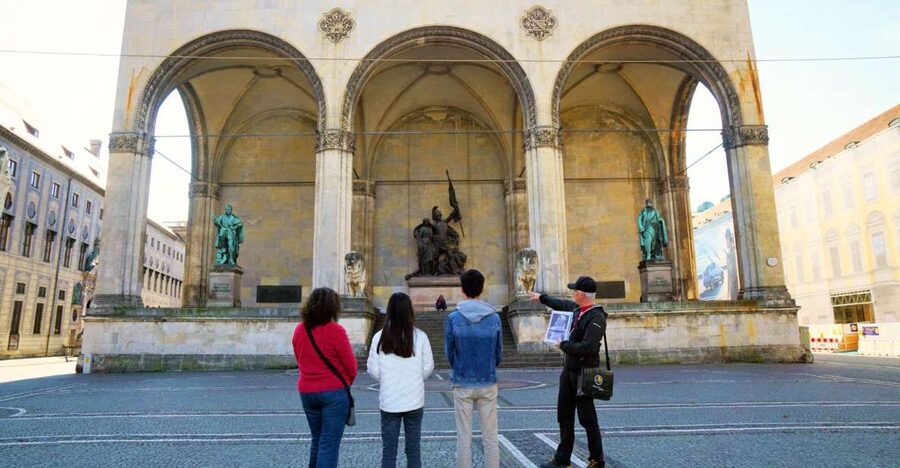
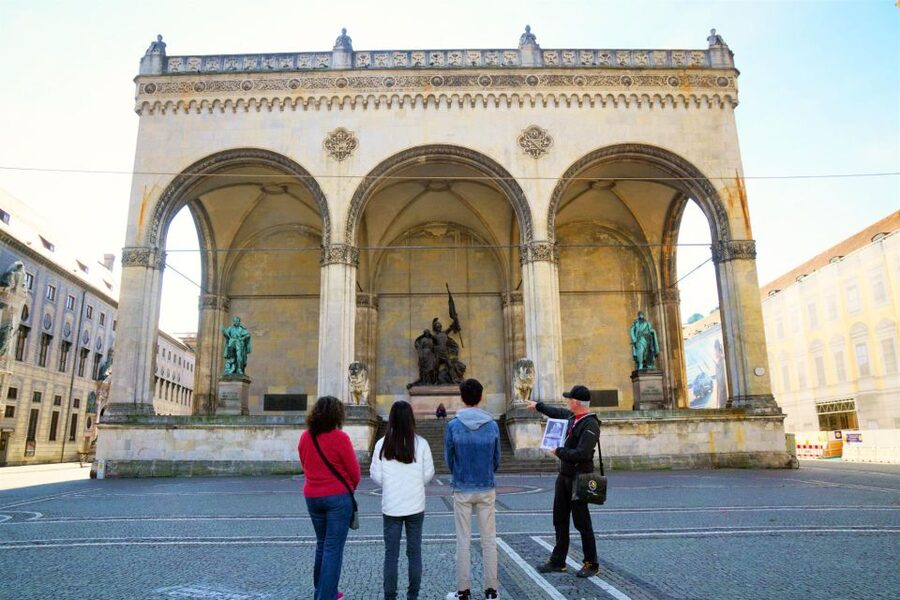
You meet at the steps by Feldherrnhalle at Odeonsplatz. That location is a good starting anchor because it sets the tone right away. The guide ties the physical setting to political theater, so you quickly understand why this place became a stage for claims of power.
From the first moments, the tour keeps asking practical questions: why Munich, why then, and how did the Nazi movement become visible enough to recruit and intimidate? You also get a clear link to where Hitler lived and how his story intersected with local conditions.
This is the kind of opening that helps even if you think you already know the timeline. It moves you from names and dates into cause-and-effect, which is where most self-guided walks fall short.
Feldherrnhalle, the Putsch Moment, and a Monument That Still Matters
Feldherrnhalle appears early and it deserves the time. You walk through the significance of the site in relation to the putsch, often called the Hitler coup, and you see the former monument erected for the deceased putschists.
What’s useful here is the balance. The guide does not treat it like a thrilling action movie. Instead, you get a picture of how symbolism and public spaces were used to strengthen the Nazis’ narrative, even when they were initially outsiders.
A small drawback is that the site can feel visually busy. Between people, traffic, and the monumental scale, you will want to stay close to the guide so you do not miss the main points. If you like to photograph everything, keep in mind that the route is part of the lesson, not just a backdrop.
Munich Residenz and the Nearby Meaning Behind the Streets
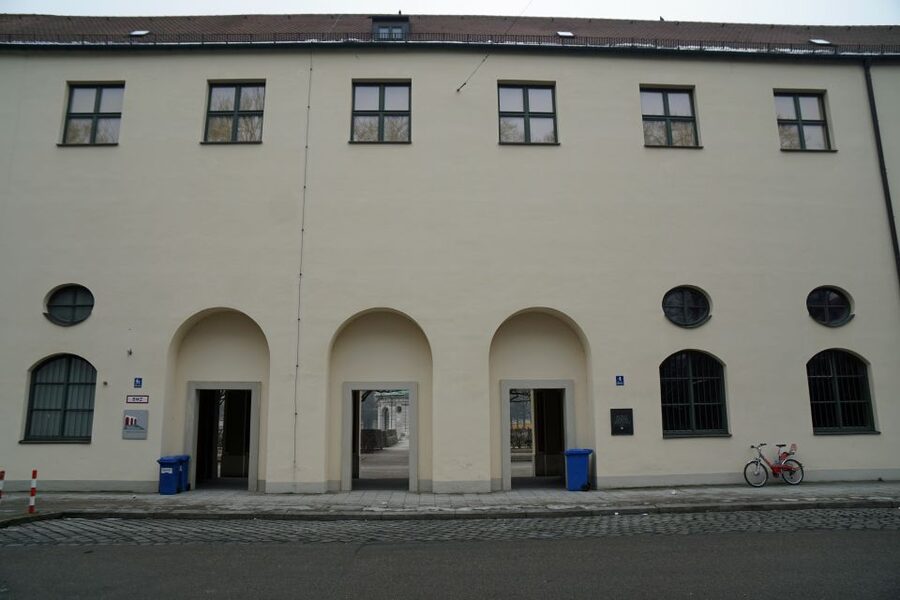
One of the later stops near Munich Residenz helps you widen the frame. The point is not that the palace itself is a Nazi invention. The point is what proximity and visibility did for power, and how new political movements aimed to be seen as part of the city’s authority.
This section helps you understand something important for your own historical reading. Nazi messaging was not only delivered in rallies. It also relied on occupying the mental map of the city, so that their ideology felt connected to familiar places and prestige.
If you prefer a tight, purely Nazi-focused list of buildings, this part might feel slightly more interpretive than you expect. I like that tradeoff because it makes the story feel real, not isolated.
Weigh these Munich picks against each other
- From Munich: Neuschwanstein & Linderhof Castle Full-Day Trip
★ 4.6 · 14,646 reviews - Neuschwanstein & Linderhof Castle-Fairytale Day Tour from Munich
★ 4.5 · 7,275 reviews - Dachau Concentration Camp Memorial Site Tour from Munich by Train
★ 4.5 · 5,637 reviews - Neuschwanstein Castle Tour from Munich
★ 4.5 · 5,117 reviews
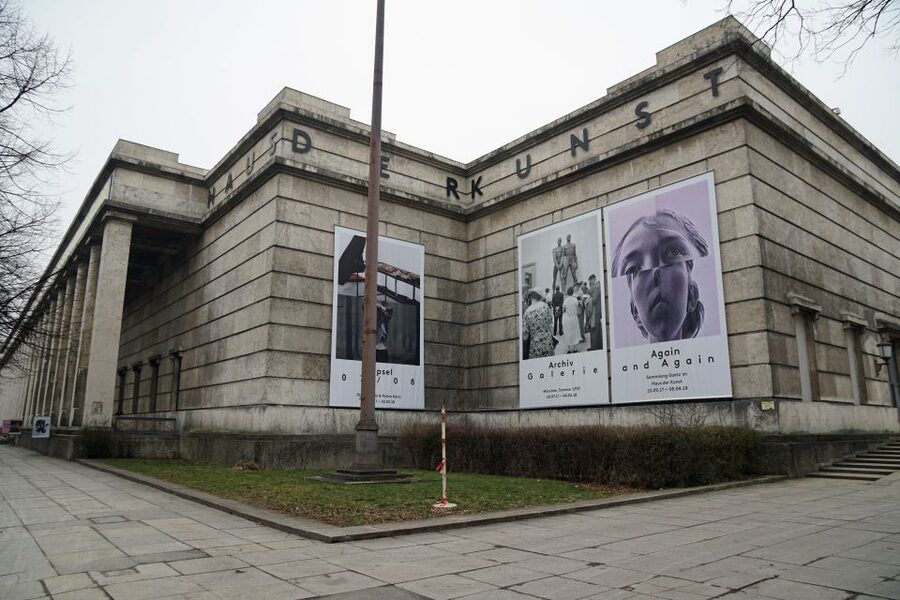
Haus der Kunst, the Nazi Control of Art, and Why Degenerate Art Was Central
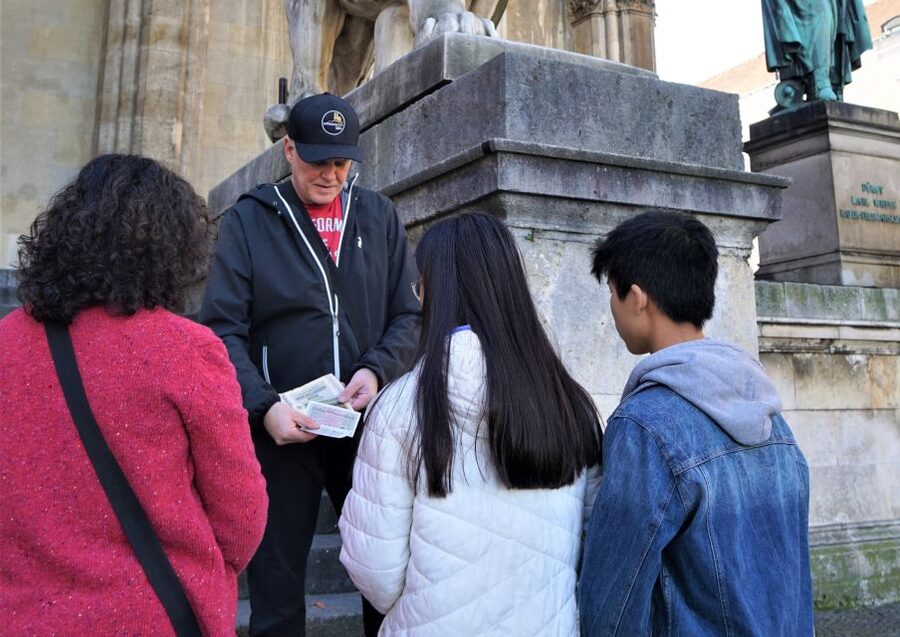
At Haus der Kunst, the tour shifts from politics to culture. You learn how the Nazis influenced art, which is one of the clearest ways to see how they tried to reshape society beyond laws and violence.
Then you move toward the area connected to the Degenerate Art exhibition. The tour uses the streets and the building context to help you picture where the display took place, so you are not only hearing about an event. You are seeing the city geometry that framed the messaging.
This is one of my favorite stops on the walk because art control is easy to misunderstand as a side topic. Here it becomes a mechanism. The Nazis used exhibitions to define who belonged, what was acceptable, and which ideas should be mocked or removed.
The practical tip: if you are sensitive to disturbing content, you may still handle it fine here. You are not forced to read long materials on the spot, but you do learn how propaganda worked, and that can be unsettling.
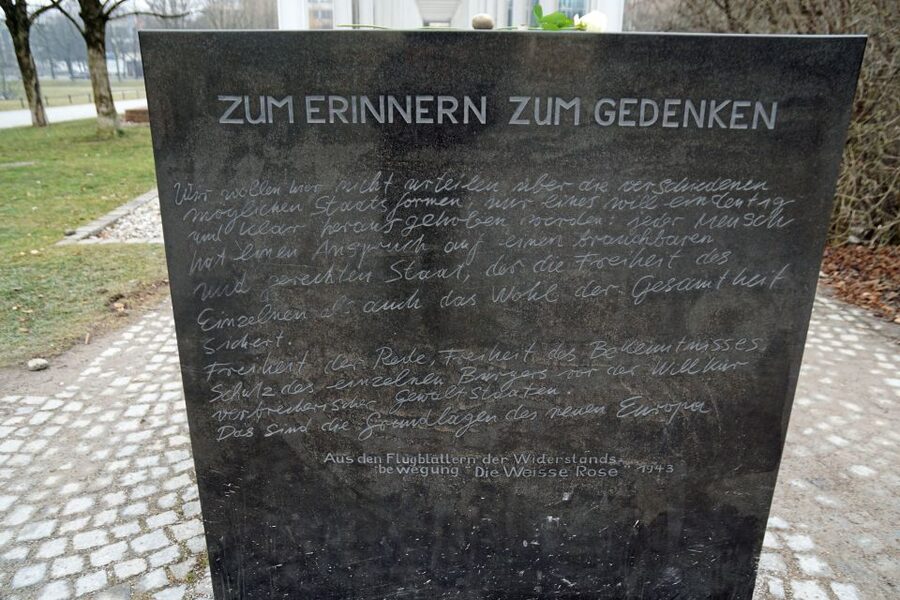
The Court Garden and a Monument to Resistance Fighters
After the main Feldherrnhalle story, you head through the court garden. This section shifts the emotional temperature, and I appreciate that it does not pretend resistance was rare or invisible.
You explore a monument erected for resistance fighters. That sounds simple, but it changes how you interpret the rest of the tour. Instead of viewing Munich as only a stage for perpetrators, you see how opposition existed inside the same city space.
This is where the tour’s language about resistance becomes tangible. You are not just told that people resisted. You stand near a site that acknowledges resistance in stone and placement.
LMU and the White Rose: Flyers, Brutality, and a Lesson in Courage
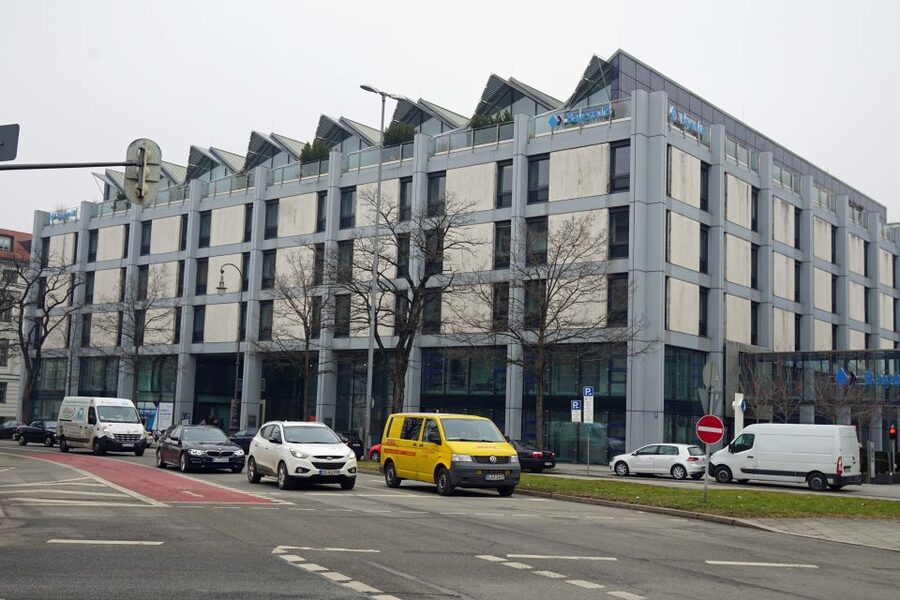
At the large university, LMU, the guide brings up the White Rose. You hear how this resistance group created flyers and how the story ended with beheadings.
This part is intense, but it is also important because it teaches scale. You get a sense that resistance did not always look like armies or public riots. Sometimes it looked like paper, messaging, and risk.
If you are traveling with students or doing history work, this section can help you connect textbook ideas to locations. One of the strengths of this tour is its clarity, and it can fit well for school-level learners who want the story explained in a way that holds together.
The tour does not sugarcoat. That can be heavy, but it is also respectful to the victims and the people who paid for standing up.
Victims of National Socialism and the Square That Names the Cost
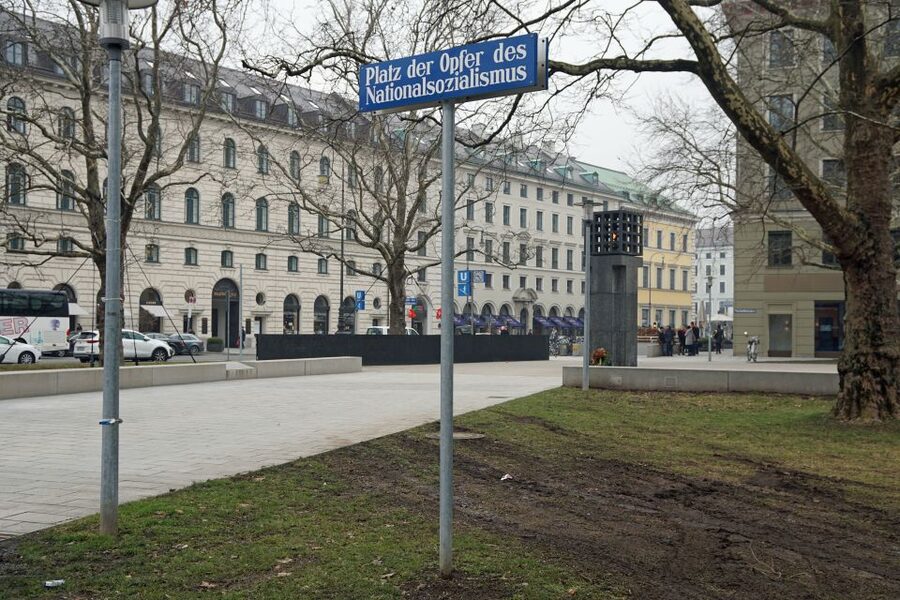
In the Square for the Victims of National Socialism, you learn exactly who the victims were. This stop turns the story toward the people who were targeted and destroyed by the regime.
I like that the guide treats this as more than a quick pause for solemn photos. The tour uses this location to show how ideology became policy and then became suffering.
Possible drawback: this stop may feel emotionally draining compared with earlier points, especially if you were powering through for the architecture. Plan a slow mental pace here. If you want to take a longer break, do it respectfully and then rejoin the group.
Karolinenplatz, the Sponsors, and How Networks Build Movements
At Karolinenplatz, you learn about the main sponsors of the Nazis. This is an underrated part of the overall story, because it helps you see that movements do not grow only from charismatic leaders.
The sponsor angle clarifies something you might not catch on your own. A political takeover needs support across money, influence, and institutional life. You get that framework without losing the city-specific storytelling.
This section also helps you interpret later buildings. Once you understand who backed the system, the administrative spaces make more sense.
Königsplatz, the Party Center, and the Brown House Complex
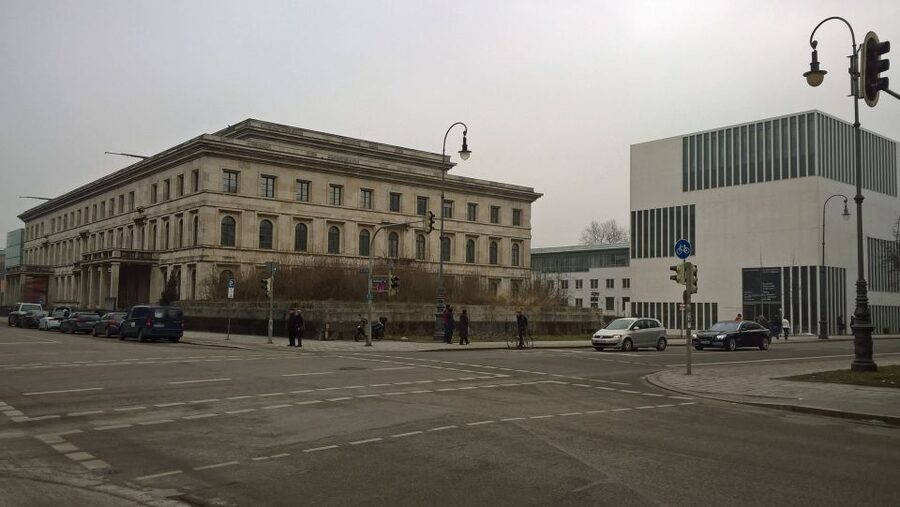
The final stretch is the heart of the physical Nazi presence in Munich at Königsplatz. You discover the party center, the Führer headquarters building known as the Brown House, and the NSDAP administration.
This is the area where scale hits you. From the ground, it looks designed to impress. The guide’s job is to keep you from admiring the stone while ignoring what the system was built to do.
Two useful things you gain here: you learn the layout of power, and you get a clear explanation of what buildings were used for. That helps you connect the dots when you explore the area later on your own.
NS Documentation Centre: Your Optional Next Step After the Walk
The tour ends at Königsplatz, and you have the option to visit the NS Documentation Centre at the end. It opened in 2015, and admission is not included in the tour price.
This is a smart add-on because a walking tour can only carry so much detail. The documentation center gives you space to process, read, and compare visuals and timelines. It also lets you choose your pace, which is hard to do mid-walk.
If you only have limited time in Munich, you might feel tempted to skip the center. I would not rush that decision. For many people, the walk sets the questions, and the center helps you answer them.
Guide Matters: Certified Teaching, Wolfgang Brehm, and a Clear Pace
The experience is led by Wolfgang Brehm, through schwarzgold.info. Based on the kind of feedback the guide earns, the big strength is how the tour stays engaging without turning chaotic.
You also get multiple languages, English and German, which helps when you want the explanations to match your understanding level. The tour includes a walk-through with guided time at each key site, so you are not left guessing what to look for.
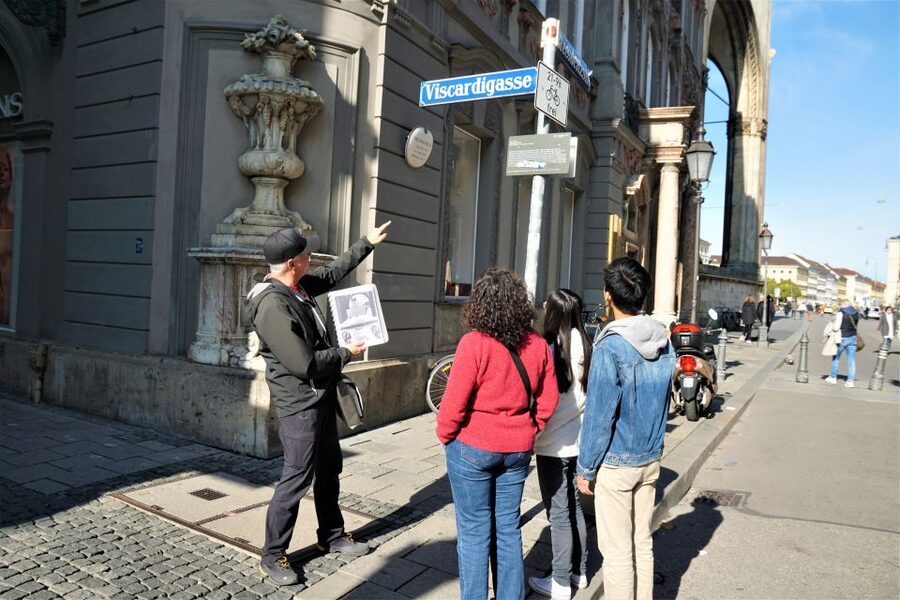
One more practical point: the guide uses extensive photo material during the tour. That makes the story easier to grasp because you see how propaganda presented itself at the time, not only how historians describe it later.
If you dislike tours that feel like endless monologues, you will probably like this format more. The stops are structured, and the photo-based teaching adds variety.
Price and Value: What $259 for a Private Group Really Buys
The price is $259 per group for up to 30 people, for a duration of 2 hours. That means your cost per person depends mainly on how many people share the group.
As value goes, I think this can be a good deal if you are traveling with family or friends who want a guided explanation rather than a DIY search for context. You are also paying for an experienced, certified professional guide and a route that hits both symbolism and the educational follow-up at the documentation center.
It is also worth considering what you get that generic city tours often skip. Many Munich tours mention Hitler in passing. This one focuses on National Socialism sites and includes resistance and victims, plus photo material and a dedicated stop for the White Rose context.
If you are a solo traveler, the price might feel high compared with standard group tours. But if you can split with others, it becomes much more reasonable for what you are actually learning in 2 hours.
Timing, Weather, and How to Get the Most From the Walk
You are out for about 2 hours. That is enough time to cover the major sites without turning it into a full-day march.
The walking is the main activity, so dress for the weather. In Munich, conditions can shift quickly, and you will spend time standing and looking at buildings while the guide explains context. Bring layers and plan for pauses around monuments.
Also, let your expectations match the format. This is not a site museum route where you sit in a climate-controlled room. It is a public-space education walk, and you should expect some standing, some looking, and some careful listening.
Who Should Book This Tour
Book this tour if you want a guided, city-based explanation of how National Socialism grew in Munich, with real stops tied to coup events, art propaganda, resistance, and victims. It is especially suitable if you are serious about history and you prefer structured storytelling over random sightseeing.
It can also work well for students or school-related learning, since the guide’s approach is clear and organized in a way that supports younger learners.
Avoid it if you want only light entertainment, or if you are looking for a celebratory or partisan experience. The tour is not designed for that, and the guide keeps the focus on education and accountability.
Should You Book? My Honest Take
Yes, you should book this tour if you want an organized way to understand Nazi Munich without wandering in circles. The combination of key locations, photo material, and the option to continue at the NS Documentation Centre after the walk makes it more than a quick stop-and-go history lesson.
One caution: be ready for emotional weight. This tour covers victims and resistance, including the White Rose and the consequences that followed. If you can handle that, you will leave with a much clearer picture of Munich’s role in the rise of the regime.
If you like your learning practical, this is one of the best ways to do it. You get the city context in a tight time window, and you leave with better questions for whatever you explore next in Munich.
FAQ
How long is the private tour?
The tour lasts 2 hours.
Where does the tour start and where does it end?
The tour starts at the steps at Feldherrnhalle at Odeonsplatz. It finishes at Königsplatz 1, 80333 München, Germany.
How much does the tour cost?
The price is $259 per group up to 30.
What stops are included during the walk?
Key stops include Feldherrnhalle, Haus der Kunst, a stop near Munich Residenz, the Square for the Victims of National Socialism, the NS Documentation Centre area, and the Führerbau at Königsplatz.
Is admission to the NS Documentation Centre included?
No. Admission to the NS Documentation Centre is not included, and you have the opportunity to visit after the tour.
What languages are available?
The live tour guide is available in English and German.
Is the tour wheelchair accessible?
Yes, the tour is wheelchair accessible.
Fresh reviews out of Munich
- Munich: Bulli Tour★ 5.0 · 9 reviews
- Neuschwanstein Castle Small-Group Guided Day Trip from Munich★ 5.0 · 9 reviews
- Private Day Trip from Munich to Eagle’s Nest and Hallstatt★ 4.5 · 9 reviews
- Munich: Highlights Walking Tour with a Guide★ 4.4 · 9 reviews
- From Munich: Private Guided Tour to Rothenburg ob der Tauber★ 5.0 · 9 reviews
- Private and full rickshaw tour in the English Garden★ 4.5 · 10 reviews
- Exploring Munich by Pedicab: Premium Two Hour Tour★ 5.0 · 10 reviews
- Segway Tour Munich Old Town 3 hours★ 4.5 · 10 reviews
Third Reich & WWII Tours, compared.
Berlin’s Best: 2 Hour Walking Tour Third Reich and the Cold War
Read our review →
Third Reich Berlin: Hitler and WWII Walking Tour
Read our review →
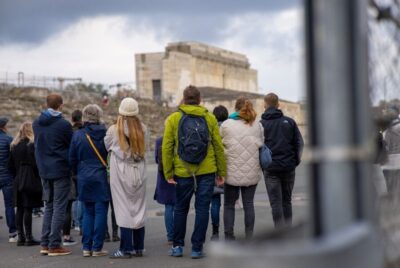
Walking Tour of Former Nazi Party Rally Grounds
Read our review →
Browse the lists this tour appears in