
Reviewed · BERLIN WALL & COLD WAR TOURS
Cold War, Berlin Wall, Spies and the East Side Gallery
Berlin is dramatic in a way no museum can fully match. This tour pulls you through the city’s Cold War spine, with the Berlin Wall area, the original death strip zone, and the East Side Gallery that turned a symbol of control into public art.
I like the way the focus stays on people, not just dates. You get spy and escape stories while walking real places where the Stasi could watch and where families tried to leave the East.
One thing to factor in: you’ll be on your feet for about three hours and you need an AB public transport day pass to move between stops, so don’t wait until the last minute to grab that ticket.
Key things you’ll notice on this Cold War walking tour
- Tränenpalast, the Palace of Tears: a powerful starting point that frames why departures were so emotional and risky
- Alexanderplatz: a quick, guided walk through the kind of GDR-era space that still shapes Berlin today
- Karl-Marx-Allee: a grand boulevard where you can literally read propaganda in stone and scale
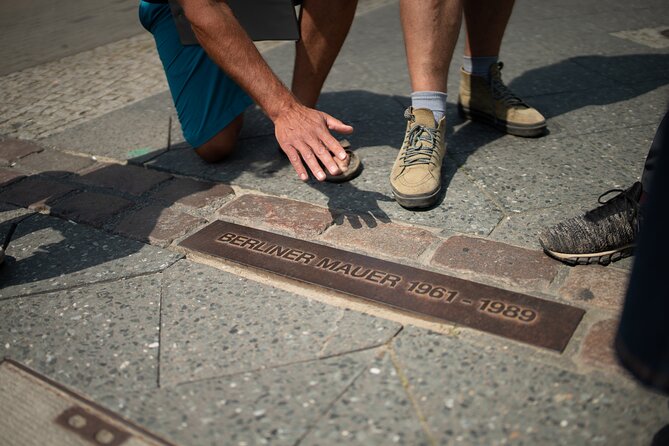
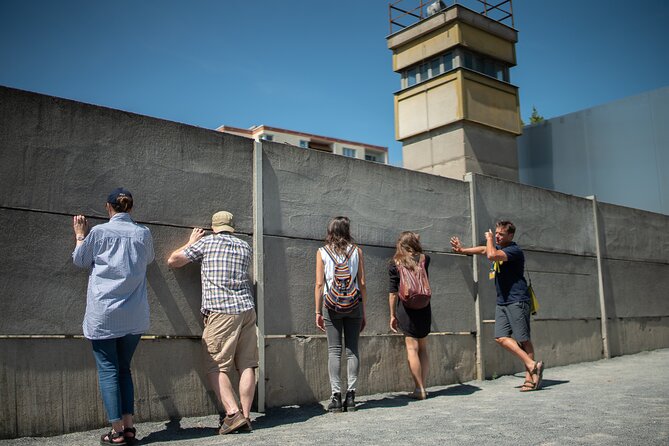
- The Wall and death strip area: close enough to understand the distance and the fear, not just see a photo spot
- East Side Gallery: the Wall’s story flips here, into murals and memory, not barriers
- Guide storytelling: the route tends to shine with guides like Paul, Jamie G, Xavier, Klaus, and Nikolai, praised for keeping the Cold War human and clear
Starting at Tränenpalast, where departures felt final
The tour begins at Friedrichstraße station, on the square by the Tränenpalast, also called the Palace of Tears. Look for the guide with a yellow name badge and a yellow umbrella. That small color cue matters, because you want to start on time and avoid losing the first context pieces.
Tränenpalast is the kind of place where the Cold War stops being abstract. You’re not just thinking about governments. You’re thinking about farewells, separation, and the pressure of one wrong step. Even in a short first stop, it sets the emotional tone for the rest of the walk, especially when you later see what people risked to cross the border.
If you like your history grounded in real scenes, this beginning works. If you hate feeling heavy, give yourself permission to pause and take photos, but also remember this tour is built around the human cost.
More Museums in Berlin
- Berlin: Jewish Museum Berlin Entrance Ticket
★ 4.5 · 8,393 reviews - Berlin: DDR Museum Tickets
★ 4.3 · 3,443 reviews - Berlin: Natural History Museum Entrance Ticket
★ 4.6 · 3,382 reviews
Alexanderplatz: GDR-era geometry and everyday life pressure
Next you head to Alexanderplatz, with a guided, roughly 20 minute stop. This is a smart choice in a three hour tour because it helps you “zoom out” from the Wall while still staying in East Berlin’s feel.
What I like about Alexanderplatz here is how it acts like a bridge. You go from the border world to a public space people had to live inside. The guide’s job is to help you read the architecture and urban design as something more than sightseeing.
When the Cold War tour lands in everyday spaces like this, it changes how you interpret the Wall. It’s easier to understand why surveillance and restrictions were not only about dramatic escapes, but also about daily routines and movement.
Karl-Marx-Allee: reading propaganda in a huge socialist boulevard
Then comes one of the most cinematic parts of the route: Karl-Marx-Allee. You get about 20 minutes with a guided walk there. This is the boulevard that signals power through scale. It’s imposing. It’s meant to look permanent.
I like that the guide helps you “decode” what the architecture was trying to say. You’re watching for cues in the space itself: symmetry, monumental building rhythm, and the sense that the city was designed to project certainty. It’s not subtle, and that’s the point.
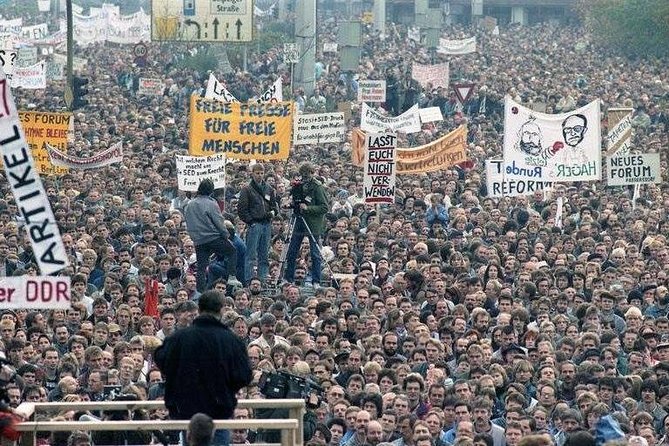
This stop also helps tie the political story together. The tour frames moments like the 1953 workers’ uprising, the kind of event that shook the communist regime and changed Germany’s path. You might not walk away with a single date memorized, but you should walk away with a better feel for how quickly ideology can meet unrest.
Practical tip: Karl-Marx-Allee is a wide-street experience. Wear shoes you trust, and keep an eye on where you’re standing before you take pictures. Traffic and pedestrian flow can move faster than you expect.
Friedrichshain and the walk that connects the dots
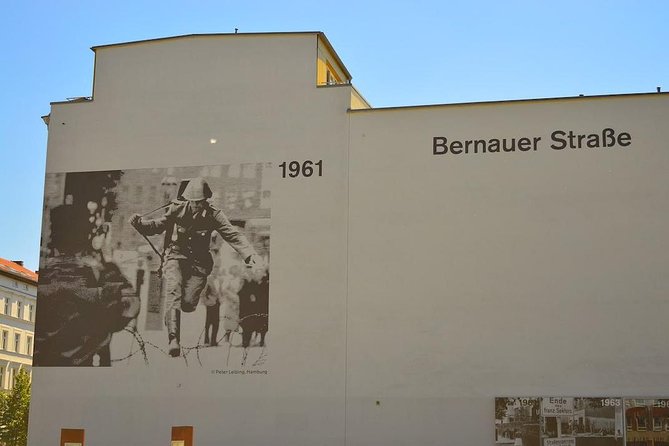
Between the big landmarks, there’s time in Friedrichshain for another guided, roughly 20 minute stretch. This portion is easy to underestimate on paper, but it matters. It helps connect border history to the geography around it, so the Wall area doesn’t feel like an isolated photo stop.
For me, the best tours do two things: they show you what happened, and they show you where it happened in the city. Friedrichshain is part of that “where,” and it gives the guide room to set up the final Wall moments without rushing.
If your trip is short and you only have a day or two in Berlin, this middle leg helps you avoid that common problem where you know facts but can’t picture how everything lines up across neighborhoods.
More Berlin Wall and Cold War history:
- Berlin: Third Reich and Cold War 2 Hour Walking Tour
★ 4.9 · 6,830 reviews - Berlin’s Best: 2 Hour Walking Tour Third Reich and the Cold War
★ 5.0 · 5,486 reviews - Skip-the-Line: Berlin Wall Museum at Checkpoint Charlie
★ 4.1 · 2,041 reviews - Berlin: East Side Gallery Spree Cruise in a Solar Catamaran
★ 4.1 · 1,086 reviews
The Berlin Wall and the death strip area, up close
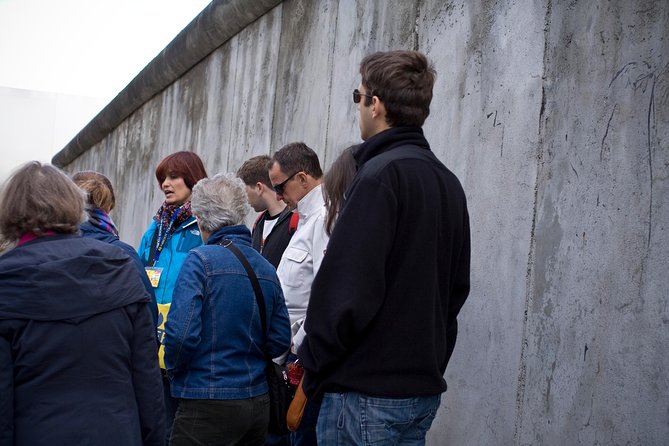
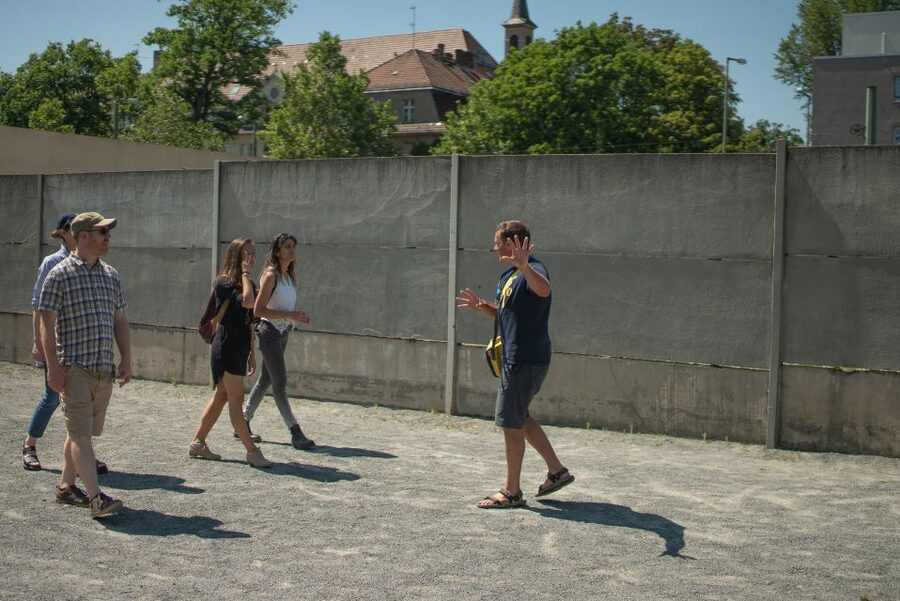
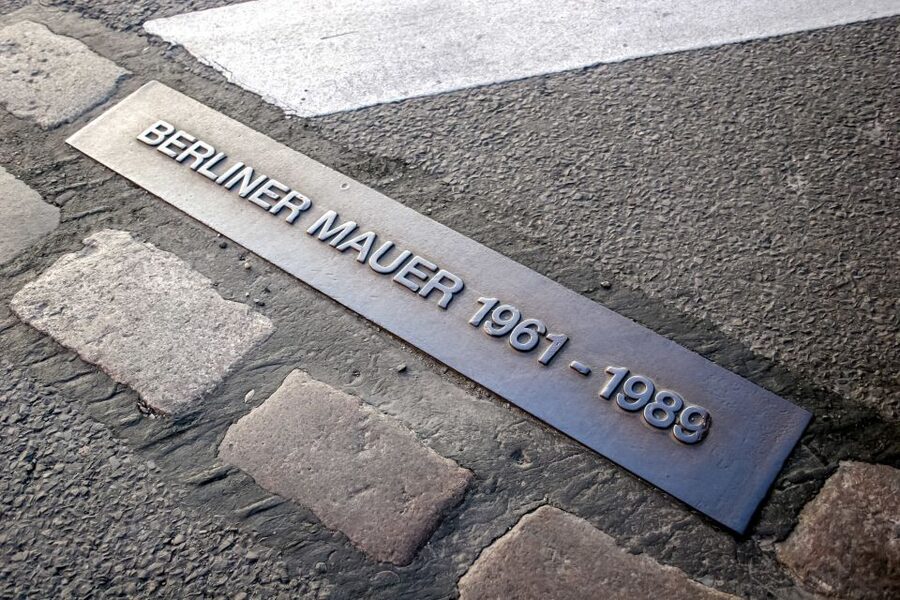
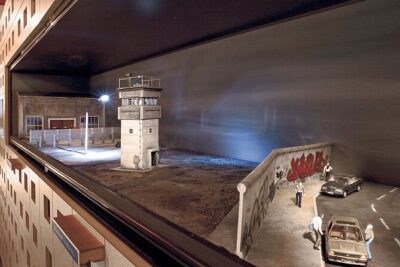
The centerpiece is the guided time at the Berlin Wall section, about 16 minutes. This is where the tour earns its name. You’re not just looking at surviving fragments. You’re also learning how the border was engineered to stop escape.
The tour specifically includes walking down the Wall and the original death strip area. That’s the crucial detail. The death strip wasn’t only about walls, it was about forced distance. It was about how the landscape itself supported control.
I recommend slowing down here, even if your instinct is to keep moving for the next photo. Stand where the guide indicates. Look for sightlines and the “layout logic.” That’s how you understand the fear. It’s also how you understand why escape was so dangerous even for people who were determined.
You’ll likely be tempted to compare what you see to what you’ve seen online. Resist that. The tour is at its best when you let the physical space teach you.
Spies, informants, and escape attempts, told so you can follow
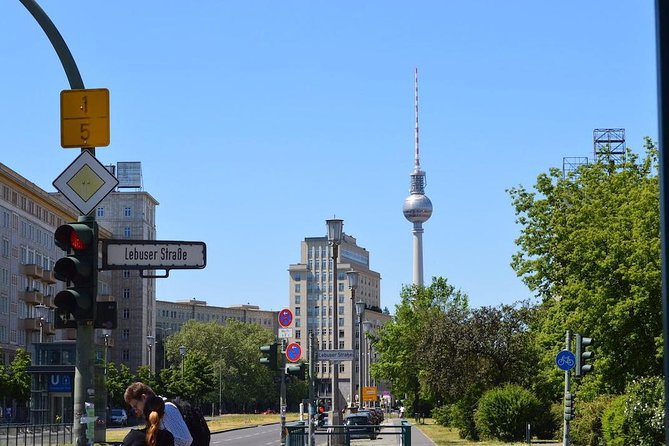
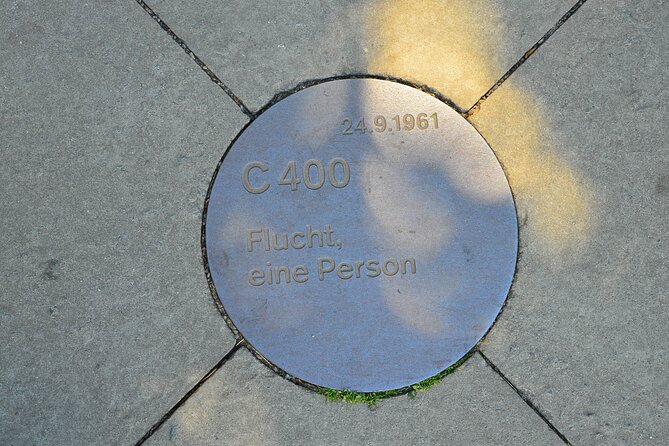
A Cold War tour lives or dies on the storytelling. This one leans into spies, informants, and daring escape attempts that played out along the Wall. The effect is that you start thinking like investigators and fugitives, not just like a spectator.
I especially like the way strong guides handle gaps in your understanding. If you’re starting from scratch, that’s fine. People have praised this tour style for explaining how and why events happened, with small details that make the bigger narrative click.
And the guide names that pop up again and again in this tour’s history of groups include people like Paul, Jamie G, Maria, Xavier, Klaus, Nikolai, and Eran. Across those guides, the common thread is clear: they tell stories in a way that feels connected to everyday life, not just propaganda terms.
Here’s what to watch for while you’re listening. When the guide mentions the Stasi, try to picture what that meant in practice: fear of neighbors, pressure to comply, and the constant sense that someone could be watching. When escape attempts come up, focus on the practical obstacles: time, distance, and how quickly plans could fail.
That human framing is what makes this tour more than a set of photos.
East Side Gallery: turning a Wall into a public conversation
To finish, you walk along the East Side Gallery, about 20 minutes of guided time. This section is famous because it shows a different ending to the Wall’s story: the barrier becomes a surface for public art and memory.
I like how the tour uses contrast. You went from concrete, wire, and controlled movement. Now you’re looking at a Wall turned into a canvas. The guide’s job is to keep it grounded, so the murals feel like part of Berlin’s process of change, not just street art.
You’ll also get a sense of why the East Side Gallery is often described as the world’s longest open-air art gallery. The stretch matters. You get to see how many voices and styles can fit into one long line.
Practical tip: Bring your camera, but also take a few minutes to just stand and read the wall like it’s a timeline. Even if you don’t know the artist references, you can still feel the shift in tone: from warning to expression.
Price and pace: is $18 worth your time?
For $18 per person, this tour is strong value for three reasons.
First, you’re paying for a live, English-speaking guide for a full three hours, with multiple high-demand sites packed into a short window. Second, the walk format helps you learn more than you would on your own because the guide links each stop to the next. Third, you’re not just seeing the Wall. You’re also seeing how it connects to major East Berlin spaces like Karl-Marx-Allee and Alexanderplatz.
The one cost you should plan for is the public transport requirement. You’ll need an AB day pass to travel between sites during the tour. The good news: you can purchase it on the day with help from on-site staff, so you’re not stuck figuring it out alone.
Pace note: even though stops are time-limited, the tour is still active. Comfortable shoes are a must. If you’re prone to knee or back pain, consider doing this earlier in your trip when you have more recovery time.
Who should book this Cold War Berlin Wall tour
This tour fits you well if:
- you want the Berlin Wall story with specific local locations, not only general museum facts
- you like walking tours that connect politics to real urban spaces
- you enjoy guides who tell stories clearly, with details you can repeat to friends
It might feel less ideal if:
- you prefer long, quiet time at fewer sites
- you want mostly architecture photography and less political narrative
- you don’t want to spend time reading heavy topics, even briefly
For short trips, it’s a smart choice. For return visits, it’s still useful because it ties the Wall to the city around it, including places like Tränenpalast and Karl-Marx-Allee that people often rush past.
Should you book this Berlin Wall, spies, and East Side Gallery tour?
Yes, if you want a tight three hour plan that covers the Wall area, East Berlin landmarks, and the emotional story of escape and surveillance. For me, the key selling point is the guide-driven storytelling, the kind that makes Cold War history feel like lived experience.
Book it especially if you’re not starting with much background. This route is built to bring you along step by step, so you can leave with a coherent picture of how the concrete line shaped everyday life.
If you’re worried about logistics, don’t be. Get your AB day pass with staff help, wear good shoes, and show up at Friedrichstraße by Tränenpalast with a camera ready. Then let the city do the talking, one stop at a time.
FAQ
Where do I meet the guide?
Meet your guide outside Friedrichstraße train station, on the square beside the Tränenpalast (Palace of Tears). Look for a guide with a yellow name badge holding a yellow umbrella.
How long is the tour?
The tour duration is 3 hours.
How much does it cost?
The price is listed as $18 per person.
Is public transportation included?
Public transportation tickets are not included. An AB public transport day pass is required to travel between sites during the tour, and you can buy it on the day with help from on-site staff.
Which places will we visit?
You’ll see Tränenpalast, Alexanderplatz, Karl-Marx-Allee, Friedrichshain, the Berlin Wall, and the East Side Gallery. The tour also includes drop-off near Bernauer Straße.
What language is the guide?
The tour offers a live guide in English and German.
Is the tour wheelchair accessible?
Yes, the tour is wheelchair accessible.
What should I bring?
Bring comfortable shoes, a camera, and weather-appropriate clothing.
Does the tour run in bad weather?
Yes, the tour proceeds regardless of weather.
Fresh reviews out of Berlin
- Berlin Uncensored: A History of Sex & Freedom★ 5.0 · 50 reviews
- Berlin Food & Cultural Tour: Must-Try German & Berliner Classics★ 5.0 · 51 reviews
- English Comedy Show with Pizza and Shots in Central Berlin★ 4.5 · 51 reviews
- Rude Bastards Tour of Berlin★ 4.8 · 51 reviews
- Private Taxi Tour of Berlin East and West and Neighbourhood approx. 4-6h★ 5.0 · 55 reviews
- Rickshaw Sightseeing City Tours Berlin – Rikscha Tours★ 4.0 · 55 reviews
- Berlin: City Highlights Express & Panorama Roof Terrace★ 4.9 · 55 reviews
- Berlin during Nazism – Tour in Italian★ 5.0 · 56 reviews
Berlin Wall & Cold War Tours, compared.
Berlin’s Best: 2 Hour Walking Tour Third Reich and the Cold War
Read our review →
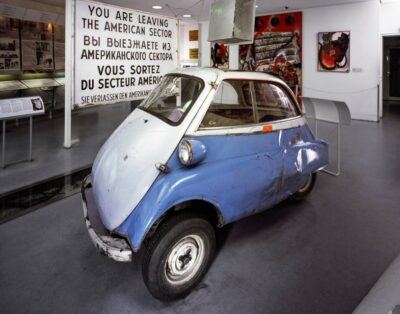
Skip-the-Line: Berlin Wall Museum at Checkpoint Charlie
Read our review →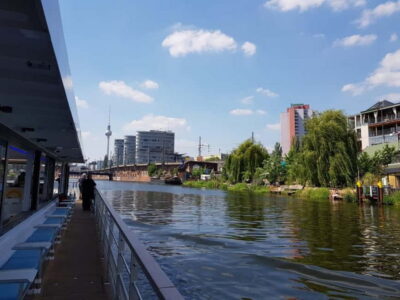
East Side Gallery Spree Cruise in a Solar Catamaran
Read our review →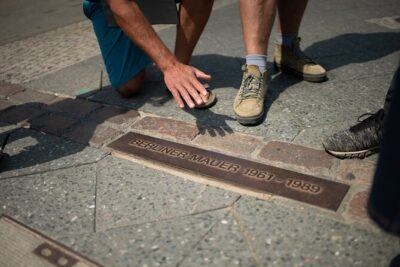
Cold War, Berlin Wall, Spies and the East Side Gallery
Read our review →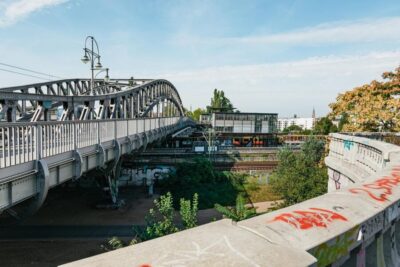
Browse the lists this tour appears in