
Reviewed · WALKING TOURS
Cochem: Private Guided Walking Tour
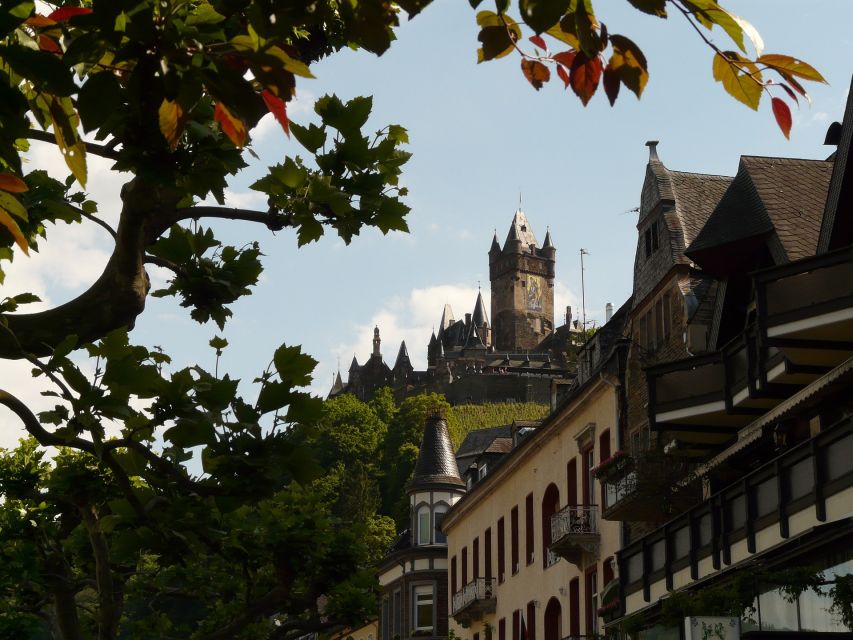
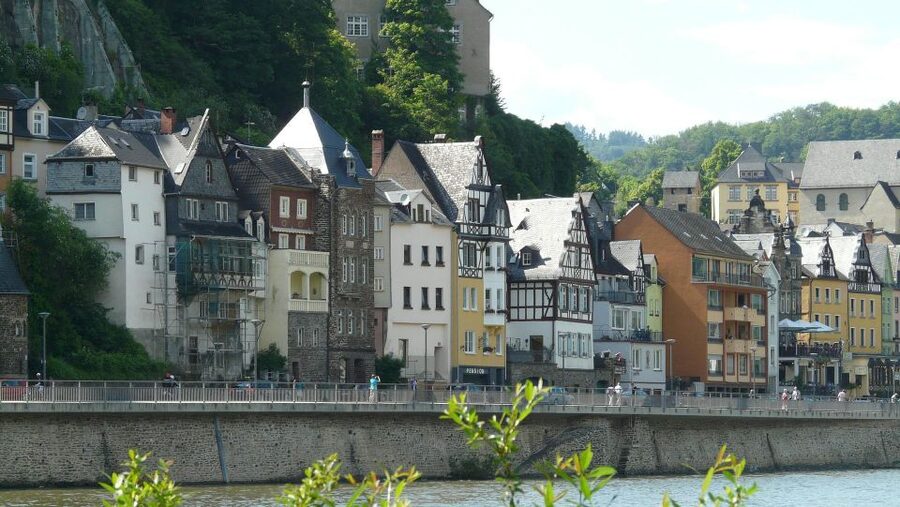
Cochem earns its nickname as the pearl of the Mosel because it looks postcard pretty and still has real bite behind the scenes. This private walking tour is interesting because it connects river views with big turning points in the town’s story, including St. Martin’s Church and the hilltop drama of Reichsburg.
I like the way the route is short but not shallow. You get practical context, from Celtic and Roman traces to later centuries shaped by the Black Plague and the Metternich family, plus what Cochem went through in World War II. One thing to think about: it is a walking tour, so you will want steady legs and comfortable shoes.
Key Moments You’ll Notice Right Away
- St. Martin’s Church: the landmark that anchors multiple eras of Cochem
- Celt and Roman footprints: early roots tied to how the town grew
- Black Plague and Metternich influence: why power and disease changed daily life
- Capuchin Monastery (founded 1623): a religious counterpoint to politics
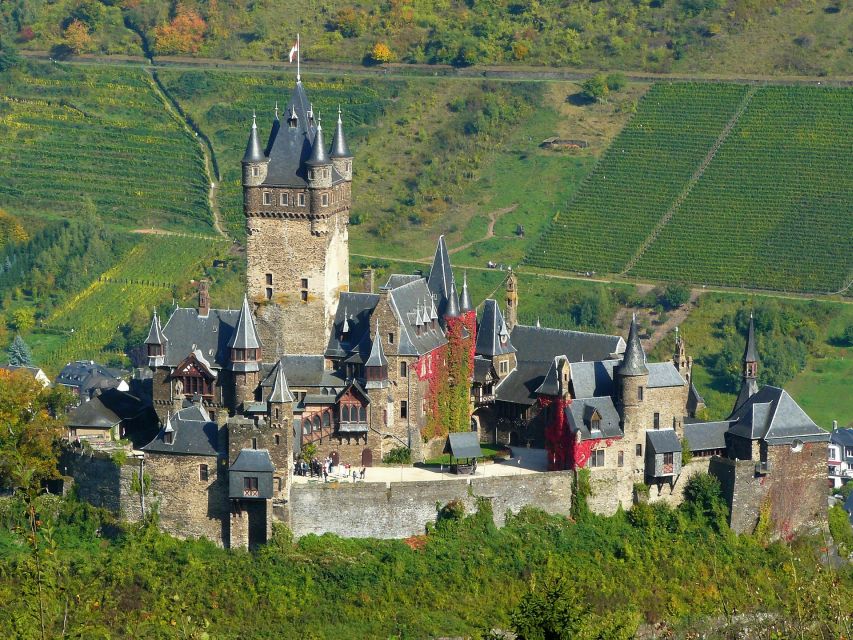
- Reichsburg Castle above the Mosel: medieval height, modern restoration, lasting views
- World War II and Natzweiler subcamp history: the darker chapter explained on site
How Cochem’s Story Fits in One Walk
Cochem is the kind of town where the scenery is gorgeous, but the streets still point you toward centuries of change. You’ll start with the basics, then the guide helps you see why Cochem kept getting rebuilt, re-ruled, and reshaped.
A big plus here is that the tour is private and timed for real attention, not crowd control. Ninety minutes is long enough to connect dots, yet short enough that you can still enjoy wine stops or a second stroll afterward.
More Walking Tours in Cochem:
- Discover Berlin Half-Day Walking Tour
★ 5.0 · 9,624 reviews - Berlin: Third Reich and Cold War 2 Hour Walking Tour
★ 4.9 · 6,830 reviews - Munich: Third Reich & WWII Walking Tour
★ 4.6 · 6,181 reviews
Finding the Route at Endertplatz 1
You meet in front of the tourist office at Endertplatz 1, 56812 Cochem. It is a handy start point because you can quickly orient yourself in town, then focus on the walk.
This tour is designed for a small private group, and the guide stays with you the whole time. If you want to adjust the focus, there is room to customize on the spot, which is useful if your group cares more about churches, castles, or the wartime story.
St. Martin’s Church: More Than a Pretty Landmark
St. Martin’s Church is the first major anchor on your route. Even if you have seen churches before, this one helps you understand how faith, identity, and power show up in the built environment.
What I like about this stop is the way the guide connects architecture and symbolism to the people who lived here across time. You will learn about Cochem’s deep roots, including that the town was first documented in the 9th century under the Latin name Villa Cuchema.
It also sets you up for the next layer of history. From there, the guide’s pacing helps you move from early settlement and Roman-era influence into later centuries where conflict and rule changed what the town looked like, and how it functioned day to day.
Celtic and Roman Footprints That Explain the Town’s Starting Point
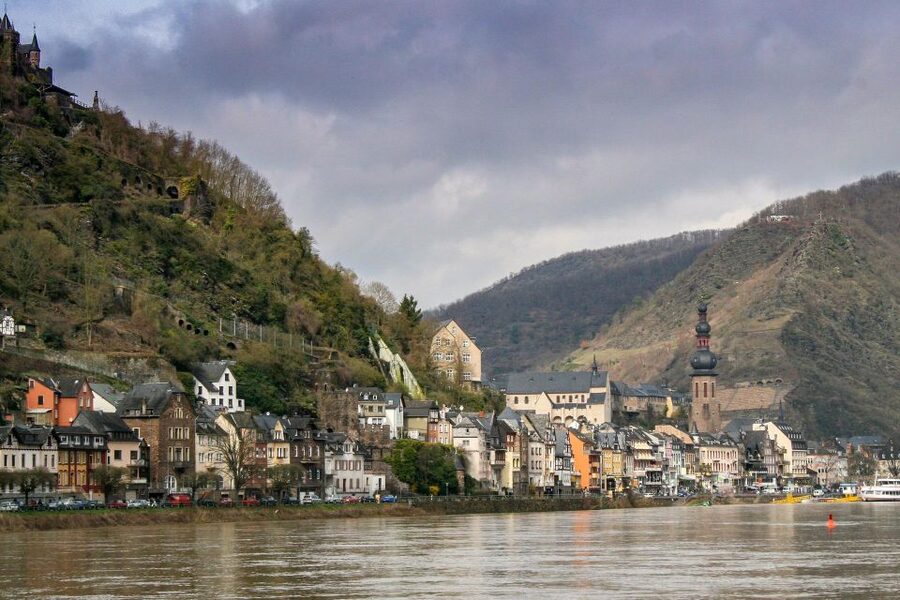
Cochem’s story starts long before the medieval walls and castle views. The guide explains how Celts and Romans left their mark, and how those early eras matter even when you cannot point to a single giant “Roman site” on a street corner.
This matters because it changes how you read the town. Instead of seeing Cochem as only a charming Mosel stop, you begin to understand it as a place that has been strategically important for a long time, including because of its location and river access.
If you enjoy historical context you can actually use while walking, this part is where the tour earns its keep. It gives you a framework, so later stops click instead of feeling like disconnected facts.
Weigh these Cochem picks against each other
- Cochem: Panorama Rundfahrt 1 Stunde, Ausstieg Ernst möglich
★ 4.3 · 140 reviews - Cochem, Moselle: Castle, boat and wine tour
★ 3.7 · 96 reviews - Cochem: KD Panoramic Evening Cruise on the Moselle River
★ 4.1 · 76 reviews
The Black Plague and the Metternich Era: Power, Pain, and Control
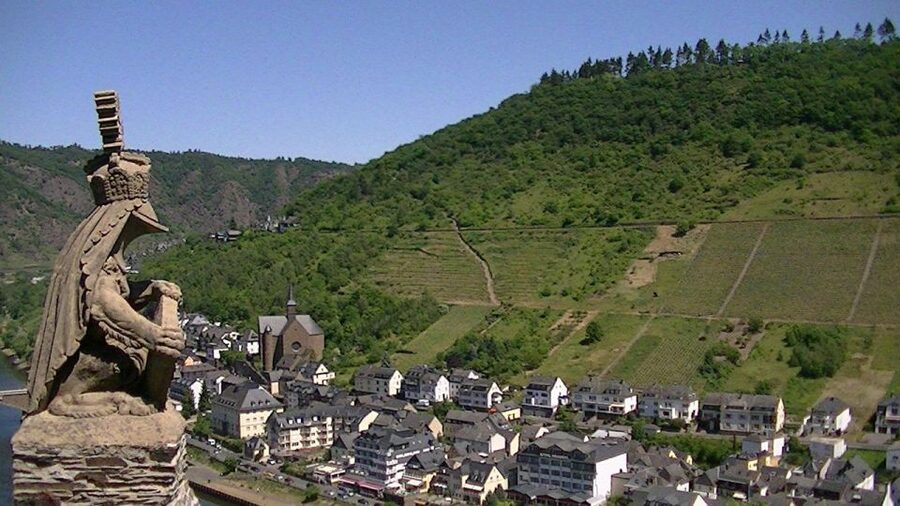
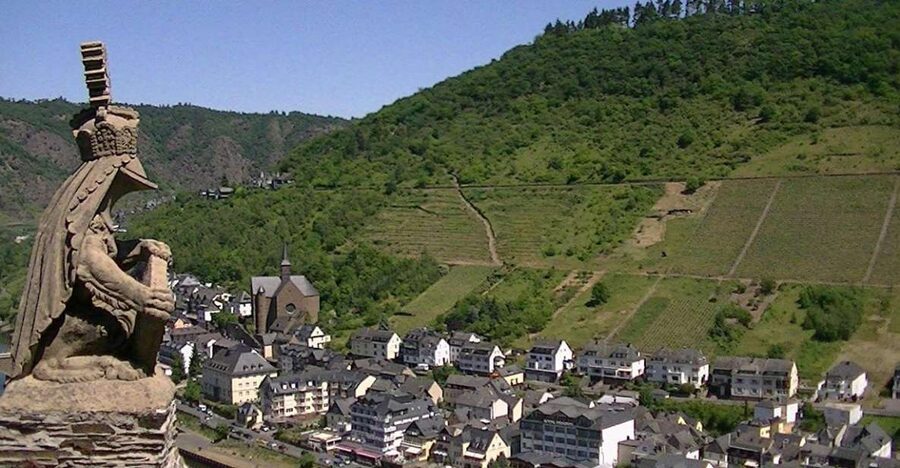
From early roots, the tour moves into centuries shaped by hardship and leadership. You will hear about the impact of the Black Plague, then the influence of the Metternich family, including how that rule shows up in the city’s landmarks.
This is not just “big events happened.” The guide ties events to outcomes you can imagine. Disease periods often changed population and labor. Political periods often changed where resources flowed and which buildings received attention.
Then comes a very specific historical thread: the Metternich family’s role in religious life too. That leads naturally into the Capuchin Monastery, founded in 1623 by Elector Lothar von Metternich.
Capuchin Monastery Founded in 1623
The Capuchin Monastery is one of those stops that reminds you that history is not only about wars and castles. It’s also about how communities organized themselves and offered structure when life got complicated.
Because it was founded in 1623 by Elector Lothar von Metternich, it becomes a living clue to the era when church influence and noble authority overlapped. You will learn how that intersection affected what the town valued and how it presented itself.
Even if you are not a history nerd, this stop helps you see Cochem as a society with routines, beliefs, and institutions, not just a backdrop for photos.
Market Square and Half-Timbered Views
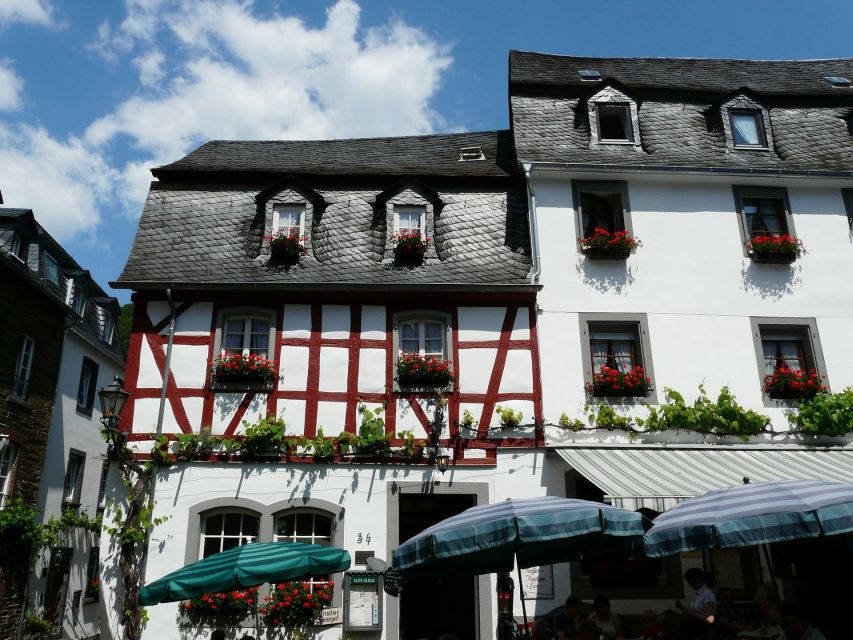
Next is the Market Square, where late Middle Ages importance comes into focus. The guide explains why a market square mattered beyond shopping, including how it functioned as a place where people gathered, news traveled, and power showed itself.
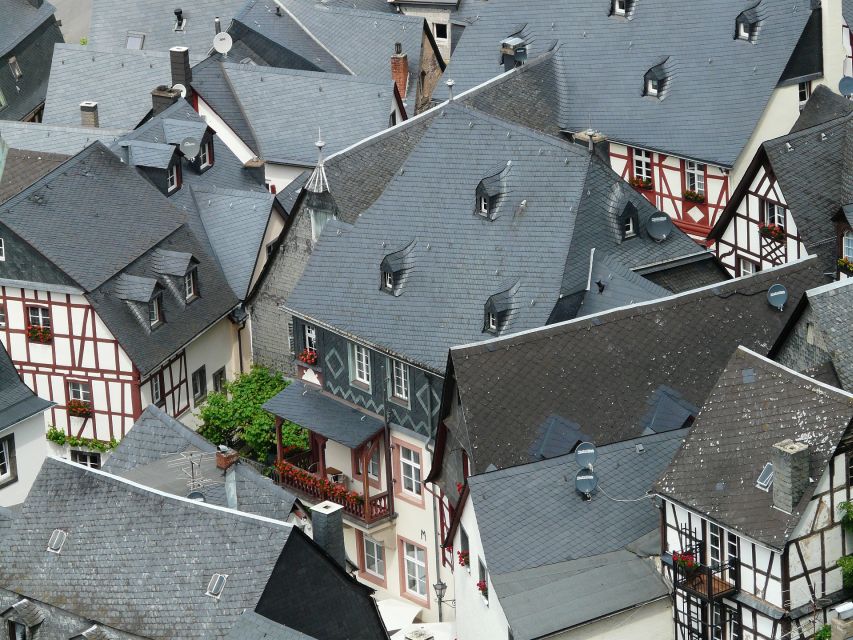
You’ll also take in the charm of the half-timbered houses. These are the kind of buildings that look like they belong on a postcard, but with the right context you start noticing details instead of only taking pictures.
This stop is a good example of why the tour is worth doing privately. In a group setting you might rush through. Here, you can slow down when something catches your eye, then keep moving without losing the historical thread.
Reichsburg: The Hill Castle and What to Watch For
Reichsburg castle is the big visual payoff. It sits high above the river Mosel, and the tour helps you understand why that mattered in medieval life.
You’ll learn about Reichsburg as a beautifully restored medieval castle and one of the higher hill castles on the Mosel. That location is not accidental. Higher ground offered defense, a better view of approach routes, and a sense of authority you could literally see from below.
If you are thinking about going into parts of the castle, plan for entrance fees on your own. The tour includes the guide and the walking route, but entrance fees are not included. It is still smart to ask your guide what is worth paying for based on your group’s interests.
This stop is often where the best photos come from, but I also recommend looking past the view. The guide’s history framing makes you understand the “why” behind the dramatic setting.
The French Occupation and the Rebuilding After Louis XIV
Cochem’s modern streets are layered on top of earlier destruction and reconstruction. The guide explains that King Louis XIV burned down the original castle and conquered the city, which meant a lengthy period of rebuilding afterward.
That story is useful because it explains why some towns feel “younger” than they look. When major damage happens, a lot of what you see later is shaped by what gets rebuilt, not just what originally stood there.
This stop in the timeline keeps the tour moving, but it also adds realism. It helps you see how quickly a beautiful place can be disrupted by power politics far away.
Napoleon, Prussia, and the Shifts You Don’t See on a Souvenir Magnet
In the 18th century, Napoleon’s army occupied Cochem. Then after Napoleon fell, Cochem was assigned to Prussian rule.
You might wonder what difference that makes when you are standing in the present. The value here is that the guide helps you connect changing rulers to changing priorities, administration, and the way towns evolved. Even if you do not see a label that says Prussia, you often see the results in institutions and the broader historical direction.
For me, this part is a reminder that “German history” is not one straight line. It is a chain of shifts that layered onto local life.
World War II and the Natzweiler Concentration Camp Subcamps
The tour does not shy away from the toughest chapter. You’ll learn about World War II impacts on Cochem and the fact that many parts of the city were destroyed because of its subcamps linked to Natzweiler concentration camp.
This is handled in a way that feels grounded in place rather than abstract. If you only learn about concentration camps through books, this kind of stop can make the scale and local consequences more real.
Important note: the guide is there to explain, and you can take breaks if your group needs a slower moment. It is a walking tour, so bring the mindset that this part is emotionally heavier than the castle photos.
Afterward, you’ll learn what came next too. Cochem was reassigned after the war to the newly founded German State of Rhineland-Palatinate, which helps close the story with a practical “then what happened” ending.
Who This Private Walking Tour Fits Best
This tour is best for small groups who want their time organized but not rushed. If you enjoy history, walking through old streets with context, and you like seeing how one town can hold multiple centuries, you’ll get a lot out of it.
It is also a nice fit if you care about local culture beyond monuments. One guide, Bridget, was praised for sharing personal stories about life in Cochem, and another review highlighted her ability to connect history with information about wine in the region. If your group likes that mix, you may get similar added flavor.
One caution: the tour is not suitable for people with mobility impairments or wheelchair users. It is designed as a walking experience, and the route includes the kind of terrain you should expect in a hilltop river town.
Price and Value for a Group Up to 15
The price is $272 per group for up to 15 people, with a 90-minute duration. That pricing structure can be a bargain if you are traveling with friends or family and want everyone together with one guide.
Here’s the simple math you should do: divide $272 by the number of people in your group. With a full group, the per-person cost becomes low compared to many private tours. With just two people, it is pricier per head, but you still gain something big: no waiting, no crowd noise, and a guide who can adjust the pace to your questions.
Is it worth it if you are solo? It can still be worth it if you want a focused, guided route with a single point of contact. But if you are cost sensitive, look at splitting the group cost or pairing it with self-guided time afterward.
Practical Tips to Make the 90 Minutes Work
Bring comfortable shoes. This is the most repeated practical point for a reason: Cochem’s streets and the route toward viewpoints typically reward good footwear.
I also recommend planning your expectations. This is a history-and-places walk, not a long sit-and-stare tour. You will move, you will learn, and you will want your phone ready for photos, especially when Reichsburg comes into view.
If you have questions, ask early. The guide can customize on the spot, so if your group wants to emphasize churches, castle architecture, or the wartime story, mention it at the start while you still have momentum.
Should You Book This Cochem Private Guided Walking Tour?
Book it if you want a smart, story-driven way to see Cochem in just 90 minutes. The biggest reason is balance: you get the postcard pieces, St. Martin’s Church and half-timbered views, plus serious context like the Natzweiler subcamp history tied to World War II.
Skip it if your group needs step-free walking, or if you prefer a self-guided tour where you can wander without a structured narrative. Also, if you already know Cochem’s story and your main goal is only views, you might be able to build your own route.
For most people, though, this is a very efficient way to understand why Cochem looks the way it does and what happened there to make it that way. If you like guides who tell personal, local stories too, this one is the sort you will remember after you leave the Mosel.
FAQ
How long is the Cochem private guided walking tour?
The tour lasts 90 minutes.
Where do we meet for the tour?
You meet in front of the tourist office at Endertplatz 1, 56812 Cochem.
How much does the tour cost?
The price is $272 per group, up to 15 people.
Is the tour private?
Yes. It is a private group tour, with your local professional guide staying with your group only.
What languages are available?
The live tour guide is available in English and German.
What is included in the price?
A local professional guide is included, and your group can possibly customize the tour on the spot with the guide.
Are entrance fees included?
No, entrance fees are not included.
Is it suitable for wheelchair users?
No. It is not suitable for people with mobility impairments or wheelchair users.
Fresh reviews out of Cochem
- Cochem: Bike and Boat Tour with Picnic and Wine Tasting★ 3.9 · 40 reviews
- Cochem, Mosel: Mit dem Kanu zum Winzer★ 3.9 · 7 reviews
- Cochem, Moselle: Castle, boat and wine tour★ 3.7 · 96 reviews
- Cochem, Moselle: Wine experience hike with boat trip★ 4.2 · 13 reviews
- Cochem: Panorama Rundfahrt 1 Stunde, Ausstieg Ernst möglich★ 4.3 · 140 reviews
- Cochem: KD Panoramic Evening Cruise on the Moselle River★ 4.1 · 76 reviews
Walking Tours, compared.
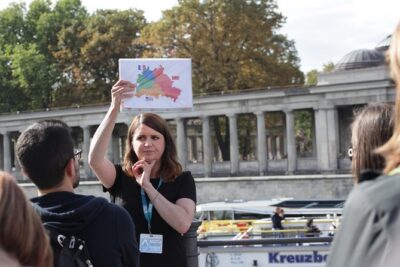

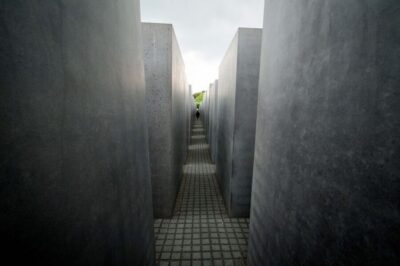
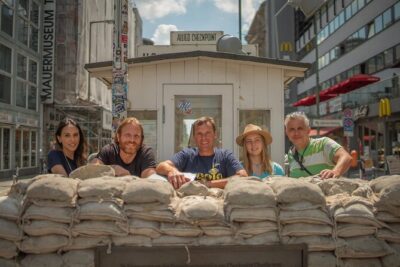
Berlin’s Best: 2 Hour Walking Tour Third Reich and the Cold War
Read our review →
Third Reich Berlin: Hitler and WWII Walking Tour
Read our review →Browse the lists this tour appears in