
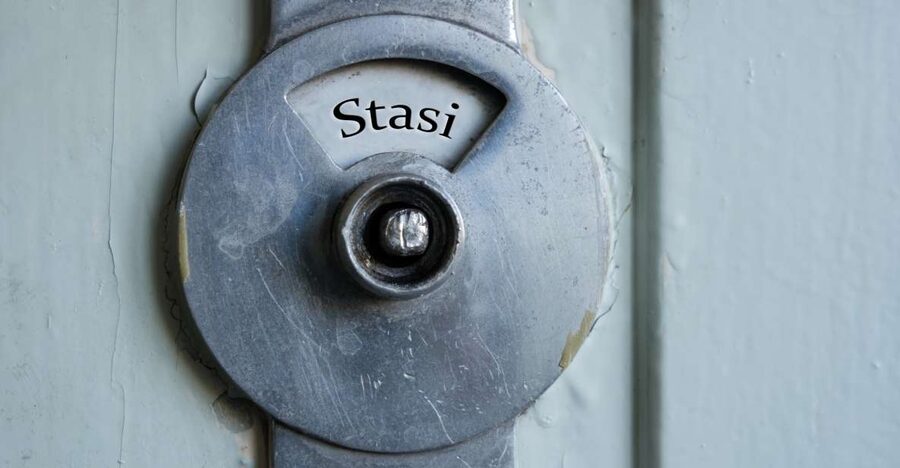
Reviewed · BERLIN WALL & COLD WAR TOURS
Berlin: Stasi Museum Private Guided Tour with Entry Ticket
If you want Berlin history with teeth, this Stasi Museum private tour is it. You’re walking through the former headquarters of East Germany’s state security, where everyday life was shaped by fear, paperwork, and watching. I especially like how the tour connects big Cold War politics to the human experience, and I also love seeing the museum’s original surveillance technology up close, not just as vague concept.
One thing to consider: this is a serious topic, and it is not a quick hit. At 3 hours, you should expect focused, sometimes uncomfortable details about dictatorship and spying, and the price can feel steep if you’re used to standard group museum tickets.
Key Points You Should Know

- Skip-the-line entry with a pre-booked time slot, so you can move through efficiently
- Former Stasi HQ in Normannenstraße, with the feel of the real operational building
- Original surveillance tools, including bugs and hidden cameras
- Erich Mielke’s office and red briefcase, a concrete centerpiece for the story of power and secrecy
- Private guide in your selected language, with expert commentary and clear, practical context
Why the Stasi Museum in Normannenstraße Hits Hard
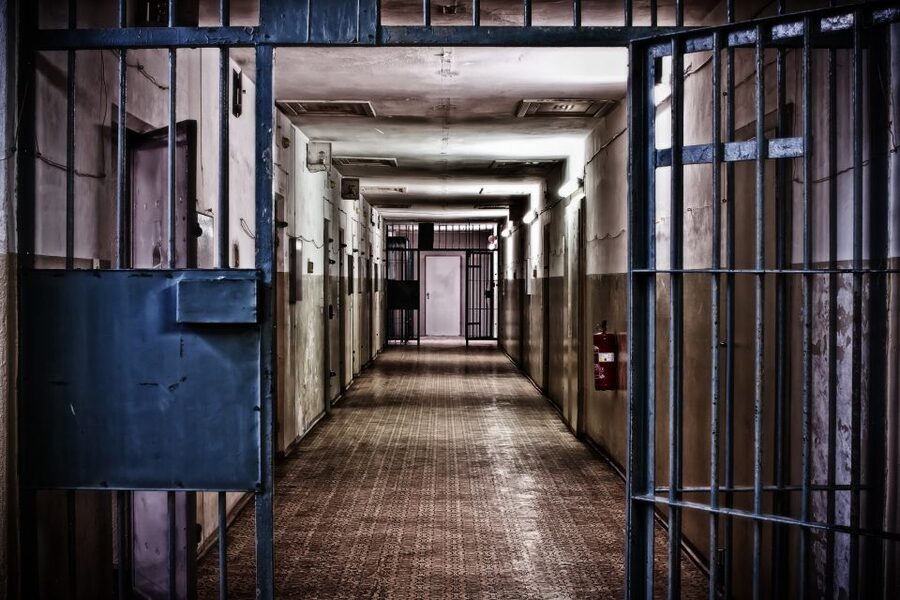
The Stasi Museum, Forschungs- und Gedenkstätte Normannenstraße, is built on a simple idea: if you want to understand the GDR, you study its surveillance system. Not as abstract ideology. As a machine. The tour helps you see how the Stasi worked as an institution, and how that institution reached into neighbors, workplaces, and daily choices.
What makes it compelling is the physical setting. This museum lives inside the original building tied to the East German secret police, not a recreated set. That matters. You get the sense that the walls, the offices, and the rooms were designed to run an operation. Your guide’s job is to translate that space into story, so you don’t just read labels, you actually understand what people were doing inside those rooms.
And yes, it’s heavy. The Cold War here isn’t about flags and treaties only. It’s about how a dictatorship manages information, and how it tries to control what citizens think is possible.
More Museums in Berlin
- Berlin: Jewish Museum Berlin Entrance Ticket
★ 4.5 · 8,393 reviews - Berlin: DDR Museum Tickets
★ 4.3 · 3,443 reviews - Berlin: Natural History Museum Entrance Ticket
★ 4.6 · 3,382 reviews
Alexanderplatz Start, Easy Transit, and Getting Oriented
Your tour begins at Alexanderplatz, meeting your guide in front of the DM drugstore (1, 10178 Berlin). This is a smart choice, because Alexanderplatz is a major hub and a central starting point. It also sets the theme right away. The area connects to 1989, when the largest demonstration in GDR history took place, and that timing frames the museum story as something that ended, not something that froze in place.
From there, you take public transport to the museum. You do not have to figure out buses or trains on your own because two-way public transport tickets are included. The Stasi Museum is described as located outside the city center, so the transit support is genuinely useful. If you arrive on your own and underestimate the travel time, you can end up stressed right at the moment you want to be calm and on schedule.
Tip: when you’re dealing with a pre-booked entry time slot, show up a bit early. It’s the kind of tour where being punctual makes the day smoother, not because staff are picky, but because the experience is structured.
Inside the Former Stasi HQ: Offices, Spy Tech, and Erich Mielke

The heart of the tour is the building itself, and your guide moves you through the spaces where control happened. You’ll see the ministerial offices and the administrative feel of the Stasi operation. This is not a walk-through of random exhibits. It’s organized to help you understand roles, processes, and the step-by-step system behind surveillance.
One of the biggest standouts is the chance to see original spying technology, including bugs and hidden cameras. Many museums show photos of tools. This one helps you connect the tools to the purpose. Your guide explains what they were used for and why they mattered to the Stasi’s goal: gathering information without being obvious.
Then comes one of the most iconic parts of the experience, Erich Mielke’s office, including his famous red briefcase. Even if you only know the Stasi name at a glance, this is the moment where the story becomes personal, because you can point to the physical place tied to one of the system’s most important figures. It’s a concrete anchor in a story that can otherwise feel too wide and political.
What I like here is that you’re not only looking at objects. You’re learning how the operation ran: who had access, why secrecy was the point, and how information moved through the organization. It helps you make sense of how a regime can maintain control for decades, even when people suspect something is wrong.
How Informants and Propaganda Shaped Everyday Life in the GDR
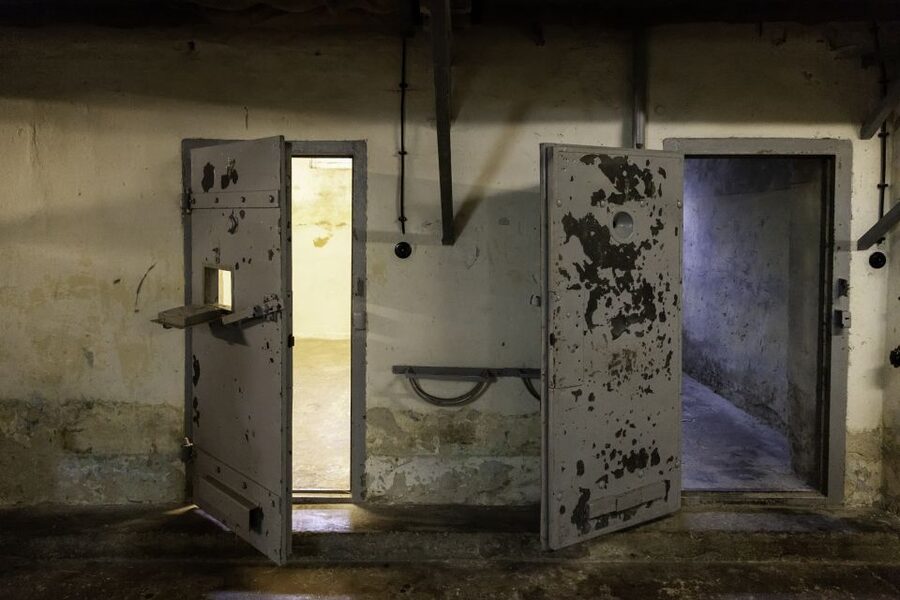
A good Cold War tour should answer more than what happened. It should help you understand what it felt like to live under the system. This tour leans hard into the day-to-day reality of the GDR: life behind the Berlin Wall, the communist propaganda environment, and the dictatorship mechanics that kept it running.
You’ll learn how the Stasi recruited informants, which is essential. When you understand recruitment, you see surveillance as a network, not a single villain with a single trick. It becomes a social pressure system. People could fear being watched, fear being reported, or fear consequences for what they said, wrote, or even planned.
Your guide also explains why citizens feared the Stasi, and that fear is not treated as paranoia for drama. It’s treated as a logical outcome of a state security structure that could build cases from small pieces of behavior. Once you understand that, the museum stops being history only. It becomes a lesson in how power tries to manage people by managing information.
You’ll also hear about communist propaganda and how it supported the dictatorship. The point is not to argue about ideology in a classroom way. The point is to show how messaging and surveillance worked together, so citizens lived with both official narratives and the quiet knowledge that speaking freely carried risk.
More Berlin Wall and Cold War history:
- Berlin: Third Reich and Cold War 2 Hour Walking Tour
★ 4.9 · 6,830 reviews - Berlin’s Best: 2 Hour Walking Tour Third Reich and the Cold War
★ 5.0 · 5,486 reviews - Skip-the-Line: Berlin Wall Museum at Checkpoint Charlie
★ 4.1 · 2,041 reviews - Berlin: East Side Gallery Spree Cruise in a Solar Catamaran
★ 4.1 · 1,086 reviews
Skip-the-Line Tickets and the Value of Private Time
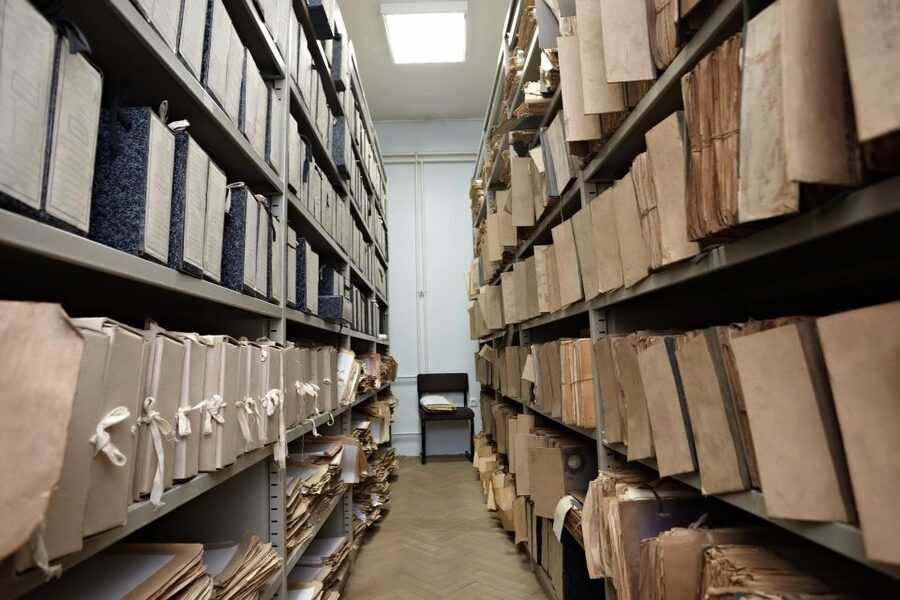
This tour includes skip-the-line tickets with a pre-booked time slot, which sounds like a small perk until you’re standing in front of a museum on a busy day. It saves time and reduces the risk of wasting energy on logistics while you’re trying to focus on the subject.
The private format is the other major value driver. You’re with a licensed guide and a private group, so you can ask questions in your chosen language. The experience is described as an expert-led tour with commentary in your native language selection, and languages offered are English and German. That language flexibility matters because Cold War topics are full of nuance. A quick translation can miss the punchline, but a fluent explanation keeps the details straight.
Is the pricing always an easy swallow? Not for everyone. The listed price shown is $257 per person, and one guest felt the overall cost was too high compared to what the tour delivered. That’s worth respecting. If you’re trying to minimize cost, a standard museum ticket plus an audio guide might suit you better.
But if you want the tour to make the building meaningful, the time saving and the tailored guidance can tip the value. The private format is especially useful here, because you’re dealing with systems thinking, recruitment, and surveillance technology, not just a timeline of events.
Guide Style, Language Switches, and What to Ask
One of the most praised elements is how engaged and clear the guides are. Multiple guests highlight guides who bring their own experiences into the storytelling. One review specifically mentions a guide named Silvia, with personal stories that made the visit more vivid and memorable. Another praised the guide’s friendliness and on-time arrival, with interesting commentary.
There’s also evidence that your guide can adapt beyond the base language. One guest booked English and noted the guide could also speak Danish. So even if you book English or German, I’d treat the guide as someone who can adjust the explanations to your comfort level.
If you want to get the most out of your 3-hour private tour, ask questions like:
- What detail in the technology section best explains how the Stasi stayed effective?
- How did recruiting informants actually work in practice?
- What was propaganda trying to control, and how did that connect to surveillance?
- Where do you see the turning point before 1989, in how the system operated?
These questions keep the tour grounded. Instead of collecting facts, you learn the logic behind the system.
Who This Tour Fits Best (and Who Might Want Something Else)
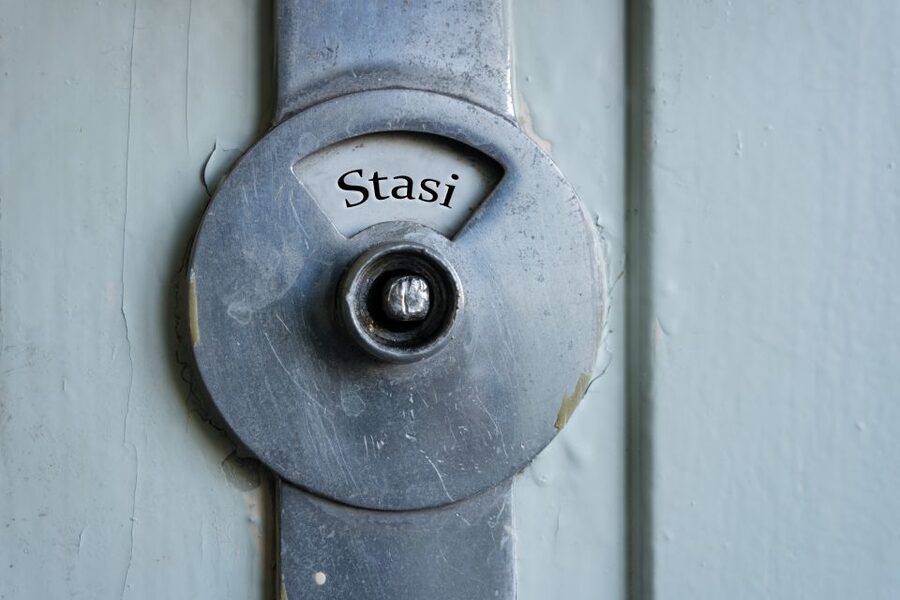
This experience is ideal for history buffs, yes, but it also fits curious travelers who want to understand communism in a concrete way. If you like your history with real locations, real systems, and real artifacts, this works well. If you prefer light or entertainment-led sightseeing, you might find it emotionally heavy.
You should also consider your tolerance for uncomfortable themes. The subject is spying, control, and fear. The tour doesn’t shy away from the reality of dictatorship. You’ll come away with a sharper understanding of how citizens lived, not just what the Stasi did on paper.
If you are short on time and want the most efficient overview, the guided 3-hour format is a good match. If you want a broader Berlin experience with multiple sites in one day, you might pair this with other Cold War stops rather than make it your only Berlin commitment.
Should You Book This Stasi Museum Private Tour?

If you care about the Cold War as lived experience, I think you’ll appreciate this tour. The combination of skip-the-line entry, a private guide, and the fact that you’re in the former Stasi HQ building makes it feel like more than a museum visit.
Book it if:
- You want original spy technology explained in context
- You value private time and clear commentary in English or German
- You like walking through real spaces tied to the story, not just reading panels
Consider an alternative if:
- You are very price-sensitive and would rather spend less on a self-guided visit
- You want a lighter museum experience that focuses more on general history than systems and surveillance
FAQ

Where is the meeting point for the tour?
You meet your guide in front of the DM drugstore at Alexanderplatz, 1, 10178 Berlin.
How long is the private guided tour?
The duration is 3 hours.
Does the tour include skip-the-line tickets?
Yes. You get skip-the-line tickets to the Stasi Museum with a pre-booked entry time slot.
What museum is included in this tour?
The tour includes tickets to the Stasi Museum at Forschungs- und Gedenkstätte Normannenstraße. It is a different place from the Berlin-Hohenschönhausen Memorial.
How do we get to the museum?
Public transport is used, and two-way public transport tickets are included.
What languages are available for the live guide?
Live tour guide languages listed are English and German.
Is this a private group tour?
Yes. The tour is a private group.
Is the Stasi Museum tour wheelchair accessible?
Wheelchair accessibility is listed.
What should I do after booking before the tour day?
Check your email the day before the tour for important information.
Can I cancel, and what is the refund policy?
Free cancellation is offered up to 24 hours in advance for a full refund.
Fresh reviews out of Berlin
- Berlin Uncensored: A History of Sex & Freedom★ 5.0 · 50 reviews
- Berlin Food & Cultural Tour: Must-Try German & Berliner Classics★ 5.0 · 51 reviews
- English Comedy Show with Pizza and Shots in Central Berlin★ 4.5 · 51 reviews
- Rude Bastards Tour of Berlin★ 4.8 · 51 reviews
- Private Taxi Tour of Berlin East and West and Neighbourhood approx. 4-6h★ 5.0 · 55 reviews
- Rickshaw Sightseeing City Tours Berlin – Rikscha Tours★ 4.0 · 55 reviews
- Berlin: City Highlights Express & Panorama Roof Terrace★ 4.9 · 55 reviews
- Berlin during Nazism – Tour in Italian★ 5.0 · 56 reviews
Berlin Wall & Cold War Tours, compared.


Berlin’s Best: 2 Hour Walking Tour Third Reich and the Cold War
Read our review →
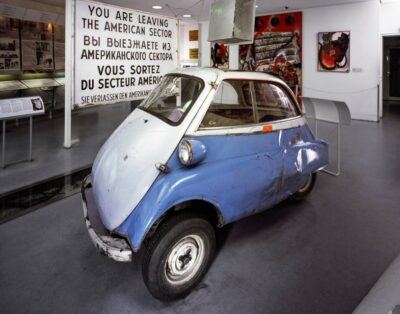
Skip-the-Line: Berlin Wall Museum at Checkpoint Charlie
Read our review →
East Side Gallery Spree Cruise in a Solar Catamaran
Read our review →
Cold War, Berlin Wall, Spies and the East Side Gallery
Read our review →
Browse the lists this tour appears in