
Reviewed · HISTORICAL TOURS
Berlin Sightseeing Musical-Historical Walking Tour
Berlin has a gift for turning facts into feeling. This tour does it the playful way: you walk between key sights while your headphones play a music-mixed story that links historical events to Berlin’s changing sound, from classical oratorios to hip-hop. The result is a city walk that feels less like dates on a page and more like a living soundtrack.
I love that it focuses on major landmarks you can actually see, with stops built around Museum Island, Humboldt University, Gendarmenmarkt, Potsdamer Platz, the Holocaust Memorial, the Brandenburg Gate, and the Reichstag area. I also like the headphone audio approach, because it lets the architecture and atmosphere sink in while the sound guides the story.
One consideration: this is not a back-and-forth, stop-by-stop lecture. A human guide is there to get you moving and keep things organized, but the tour leans heavily on the audio track, so if the tech glitches, it can affect the flow for the whole group.
Key highlights you should know before you go
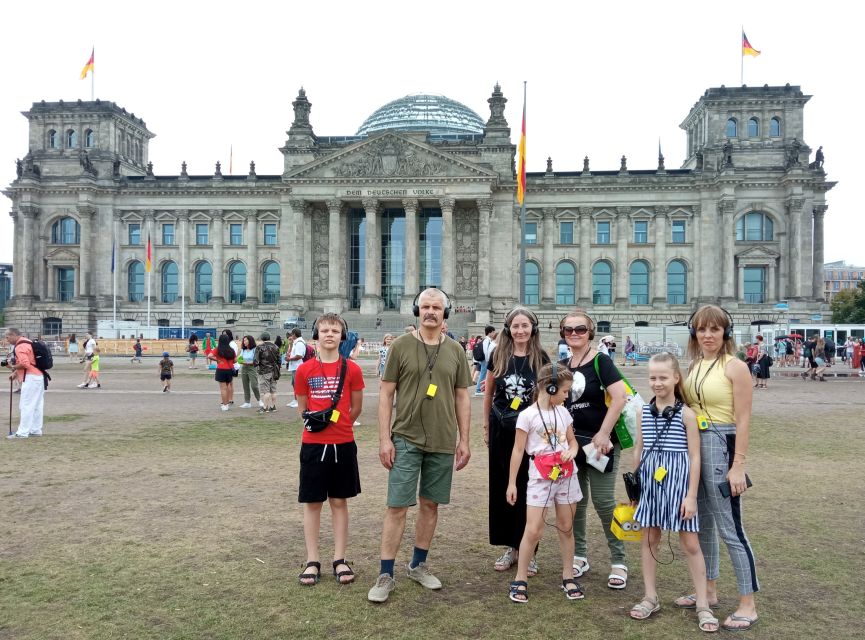
- Headphones + music: your audio guide is mixed with music, not just spoken narration.
- Museum Island and Humboldt University: history and ideas get tied to Berlin’s cultural evolution.
- Long walk, big sights: you cover a lot of ground in about 3 hours.
- Berlin’s 18th-to-21st century thread: the story moves across eras, from classical to hip-hop.
- Holocaust Memorial to Brandenburg Gate to Reichstag: the emotional and political center of Berlin is part of the route.
- Rain or shine: it runs in all weather, so wear shoes that handle the day.
A music-first walk through Berlin’s big stories
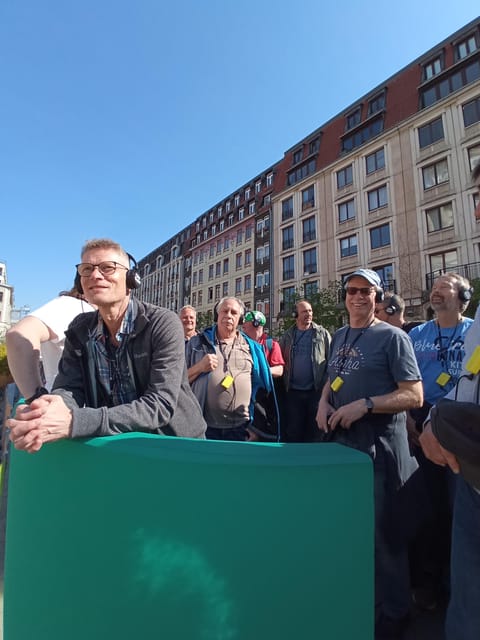
What makes this experience interesting is the format. Instead of just pointing at buildings, the tour uses your headphones to connect what you see with how Berlin sounded and thought across time. You walk through neighborhoods and monuments while the audio helps explain why music can act like a “history engine,” shaping identity, power, protest, and memory.
The best moments are the ones where sight and sound click together. You stand in front of a landmark, and the audio frames it in a broader story, so you’re not only looking at Berlin, you’re understanding how the city’s culture helped drive real historical change. And because Berlin’s music scene spans centuries, the tour keeps moving rather than staying stuck in one era.
More Historical Tours in Berlin
- Berlin: Natural History Museum Entrance Ticket
★ 4.6 · 3,382 reviews - Berlin: 3-Hour World Heritage Cruise to Potsdam
★ 4.5 · 1,569 reviews - Berlin: History of the Third Reich Guided Walking Tour
★ 4.7 · 791 reviews
What the headphones guide is really doing (and why that matters)
Your tour includes headphones and a guided walking setup. The audio guide is available in English, German, or Russian, and it plays as you walk. The audio track is described as being mixed with music, which means the experience is meant to feel atmospheric, like you’re hearing a soundtrack for each stop.
This is also why pacing is different than a classic guided tour. The guide helps you start on time, moves the group along, and acts as a point of contact, but the storytelling is mostly delivered through the audio. That can be great because it lets you control attention, listen when you want, and avoid information overload.
Just be realistic about one risk. If the audio system has a technical issue, the tour depends on it. In a worst-case scenario, you might feel a little thrown off until it’s fixed or you get the instructions you need. If something seems wrong, flag it early so you don’t lose too much time.
Alte Nationalgalerie: start with your bearings, not a lecture
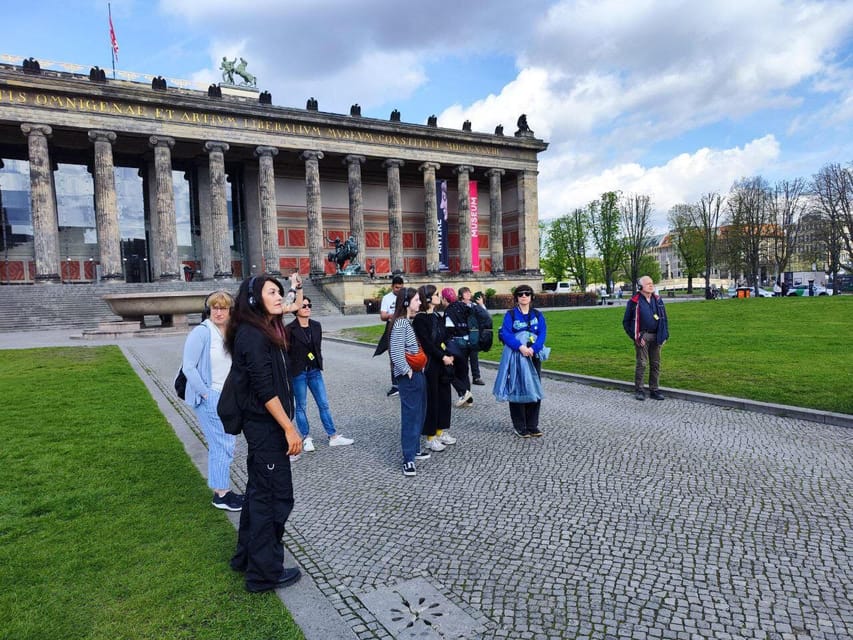
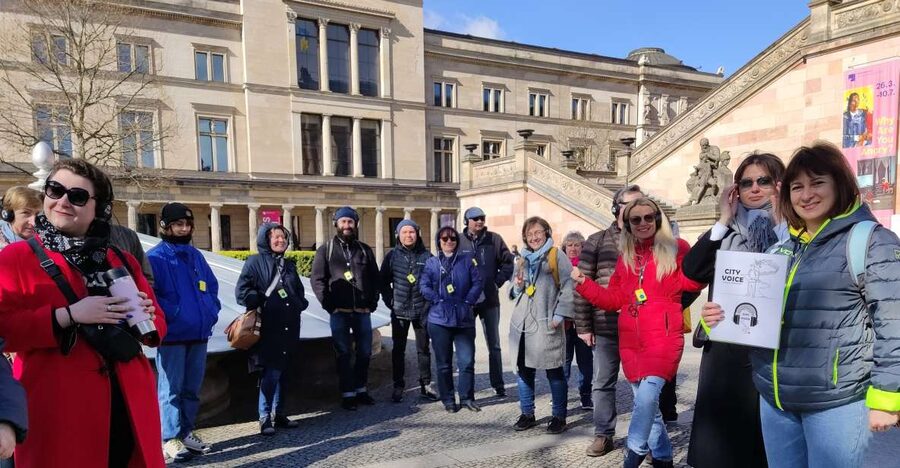
The tour begins at Alte Nationalgalerie, and the guide will be waiting in front of the entrance holding a sign connected to the headphones. Plan to arrive 10 to 15 minutes early. That buffer matters because it gives you time to get your ticket ready on your phone or printout, pick up the headphones smoothly, and settle into the audio before you start walking.
This first stop is really about setting the tone. You’re about to walk through some of Berlin’s most recognizable landmarks, including areas tied to major political and cultural shifts. Starting at Alte Nationalgalerie helps anchor the day in a museum atmosphere, so your first moments feel like part of the story, not just a meetup point.
Museum Island: where ideas meet architecture

Museum Island is your first “big content” stop, with guided sightseeing and walking time built in. You get about 20 minutes here, which is enough to do two useful things: take in the setting and understand why this zone matters in Berlin’s intellectual life.
Museum Island is a strong early choice for a music-historical tour because it frames Berlin as a place where art, scholarship, and public life overlap. In a day like this, where the audio connects different time periods, an area tied to learning helps you hear the timeline more clearly. You’re not just passing monuments, you’re building a mental model of how Berlin’s culture grew.
Practical note: Museum Island can have weather-sensitive parts depending on what’s happening outside that day. This tour runs rain or shine, so if you’re visiting in wet conditions, keep your jacket ready and protect your footing.
More Walking Tours in Berlin
- Discover Berlin Half-Day Walking Tour
★ 5.0 · 9,624 reviews - Berlin: Third Reich and Cold War 2 Hour Walking Tour
★ 4.9 · 6,830 reviews - Berlin: Discover Berlin Walking Tour
★ 4.9 · 5,998 reviews - Berlin’s Best: 2 Hour Walking Tour Third Reich and the Cold War
★ 5.0 · 5,486 reviews
Humboldt University: the city as a school of sound
Next up is Humboldt University of Berlin, again with about 20 minutes of guided sightseeing and walking. This is where the tour’s theme becomes easier to grasp. When you connect music to history, you need more than composers and stages. You need institutions, education, and debate.
Humboldt University represents that idea of Berlin as a place that shaped how people think, not only how they perform. With the audio playing, you’ll get the sense that music is not separate from events. It’s tied to who had platforms, who trained others, and how public ideas spread.
If you enjoy history that’s about people and systems, this stop is a good one. It also works well mid-tour, when your feet are still fresh and your attention is ready for a more reflective segment.
Gendarmenmarkt: classic symmetry, modern meaning

At Gendarmenmarkt, you get about 30 minutes. This is one of the longest stops, and it makes sense. The square’s architectural structure helps the audio land. You can look around and let the music-driven story “hold” the space.
This is also a good place to notice contrast in Berlin. A city can be famous for dramatic history, but it still has everyday elegance. Gendarmenmarkt gives you a visual reset, so the tour’s emotional intensity later does not come as a surprise.
Take your time here. If your group starts moving fast, slow down a little. The audio is doing the storytelling, but you still want your eyes to catch the shapes and details that the story is describing.
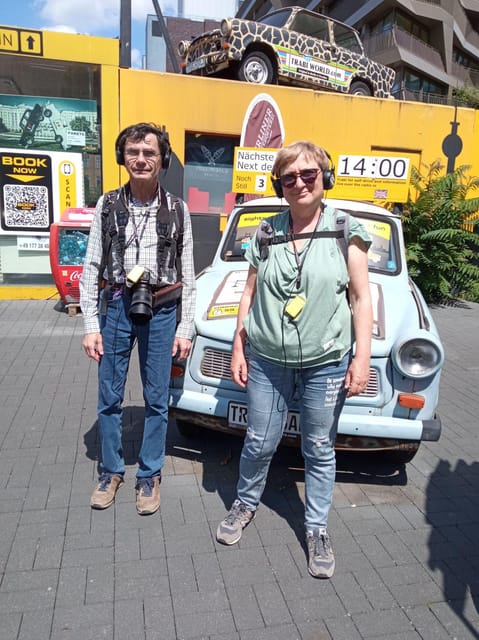
Trabi Museum: the sound of everyday Berlin
Then you head to the Trabi Museum for around 20 minutes. This is where the tour turns more personal. Not every landmark is about government or grand monuments. Some are about everyday life and the cultural mood of a time.
The Trabi Museum stop is a nice shift after Gendarmenmarkt. It helps keep the story grounded. When the audio reaches later periods and popular music themes, having a stop rooted in lived experience makes the connection feel more believable.
If you like Berlin because it’s not only museums but also quirks and character, this is one of the most enjoyable transitions on the route.
Potsdamer Platz: Berlin’s modern crossroads
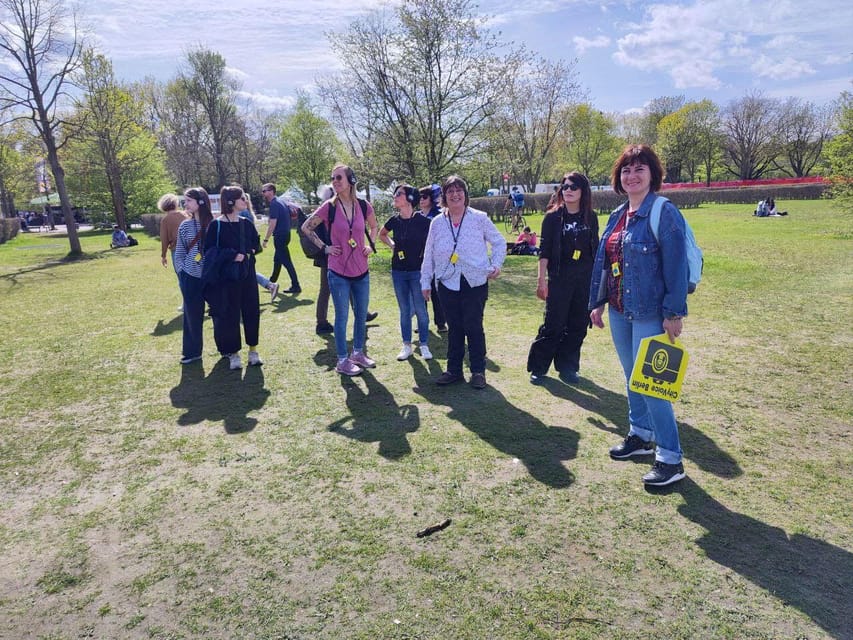
Your next stop is Potsdamer Platz, with about 20 minutes of guided time. This area is a turning point in the tour’s energy. It’s where you can feel Berlin moving between eras, because the space is known for being a meeting place shaped by modern life.
For a music-historical walk, this matters. Music often changes when cities change. Potsdamer Platz helps illustrate the shift toward a faster, more contemporary Berlin story, so the audio’s later chapters make more sense.
A tip: keep an eye on your footing. Even when the audio sounds calm, you’re still walking between stops. Potsdamer Platz can mean more pavement and more distractions from traffic and crowds, so keep your phone put away unless you’re checking the ticket.
Holocaust Memorial: listen carefully, walk with respect
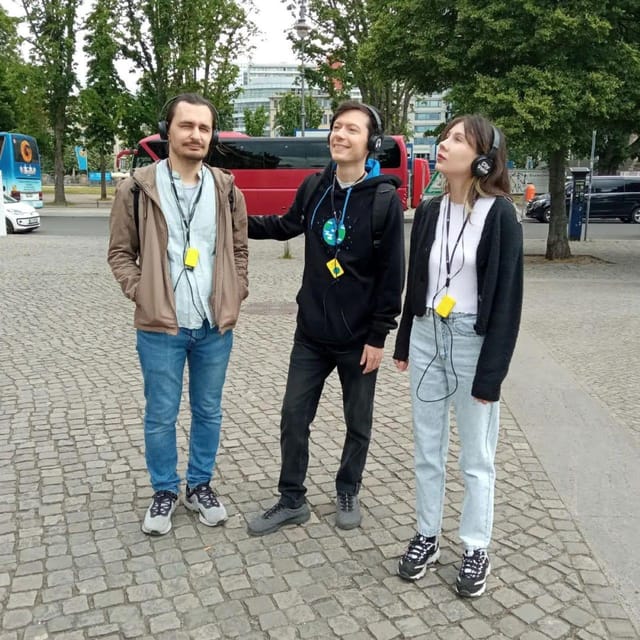
After Potsdamer Platz, the tour reaches the Holocaust Memorial for about 20 minutes, and the walking time continues toward the ending area known as the White Crosses. This part of Berlin is heavy. The audio-based format can work well here because it discourages you from turning the memorial into a quick photo stop. You’re meant to listen and slow down.
The practical reality: you are walking in an emotional space, and the group needs to follow the guide’s pace. If you like to reflect, you’ll appreciate that the stop includes a guided layer, so you’re not left trying to fill in meaning yourself.
Wear comfortable shoes and give yourself a little extra mental space. Even though the time is set (about 20 minutes), your brain may need longer than the schedule for the experience to land.
Brandenburg Gate and Reichstag: politics becomes place
Then you reach the Brandenburg Gate for about 20 minutes of guided sightseeing and walking. This is one of those landmarks you’ve seen in photos many times, but the tour helps you focus on why it matters in Berlin’s historical soundscape, not just as a symbol.
After that, the route continues to the Reichstag for around 20 minutes. When you’re listening through headphones, you’re not only looking at the building. You’re hearing how Berlin’s identity and political power have been shaped over time, with the audio tying that to music as a cultural force.
This combination, Gate then Reichstag, creates a satisfying arc. It moves you from a widely recognized symbol into the seat of power and decision-making. Even if you’re not a politics nerd, the audio format helps you follow the thread without needing to memorize anything.
Finish at the White Crosses: wrap your day in the memorial’s meaning
The tour ends back at the meeting point area, with the finish noted at White Crosses. In practical terms, that means the tour is designed to bring you full circle rather than dropping you into a different neighborhood.
In emotional terms, it also means you close the walking story where the memorial theme has been most intense. If you prefer tours that start big and end quietly, this ending is a good match.
Price and value: is $40 worth it for a 3-hour music walk?
At about $40 per person for roughly 3 hours, you’re paying for more than movement between landmarks. You’re paying for:
- access to a structured route with guided time at major points
- headphones with an audio guide mixed with music
- a walking guide to keep everything running
Is it the cheapest way to see Berlin monuments? No. But it can be good value if you want context without building your own system. You get an organized timeline across multiple eras, and the audio approach can reduce the work you’d otherwise do researching each stop.
If you already love DIY audio walking tours, you might compare this to downloading your own playlist and map. The difference here is that the audio story is already crafted to connect music and history across the landmarks you see. For many people, that saves time and turns random sightseeing into an actual narrative.
Timing, weather, and the walking reality
This is a 3-hour walking tour and runs rain or shine. Some of the locations are weather-dependent, so in bad weather you might feel a bit more time spent moving quickly between points. Still, the schedule includes walking breaks as part of the plan.
You should bring comfortable shoes and comfortable clothes. The tour is also noted as not suitable for wheelchair users, and it is not suitable for people over 70. If that affects you, skip this one and look for a shorter or seated option.
Finally, you’ll want to keep expectations realistic about group dynamics. Because the tour uses audio and multiple stops, the experience works best when everyone stays with the group and listens rather than trying to chat through the headphones.
Who this Berlin musical-historical tour suits best
I think this tour is a strong fit if:
- you want a guided narrative but you like listening more than talking
- you enjoy Berlin’s culture and want the story tied to music across centuries
- you’re doing Berlin for the first time and want the big landmarks in one structured walk
It may be less ideal if:
- you strongly prefer a guide who answers questions at each stop, in real time
- you hate walking long distances with your attention split between pavement and audio
- you have accessibility needs that make a longer walking route difficult
Should you book it?
Book it if you want Berlin in soundtrack form, and you like the idea of connecting music to major historical places in a single route. For $40, the headphones and the fact that you cover major sites in about 3 hours can feel like smart value.
Skip it if you need a classic guided lecture experience, or if you know you’re likely to get frustrated with audio-based delivery. In that case, consider a traditional guided tour where the guide can respond directly.
If you’re somewhere in the middle, go for it, especially if Berlin’s music scene and political history are both on your must-see list. Just show up early, wear good shoes, and treat the headphones as part of the tour, not a bonus.
FAQ
How long is the tour?
The tour lasts about 3 hours.
How much does it cost?
The price is $40 per person.
What is included with the ticket?
Headphones are included, along with a walking guide.
Where do I meet the guide?
Meet in front of the entrance to the Alte Nationalgalerie. The guide will be holding a headphone sign.
Which languages are available?
The live guide and audio guide are offered in English, German, and Russian.
Is food included?
No. Food and drinks are not included.
Is the tour wheelchair accessible?
No, it is not suitable for wheelchair users. It is also noted as not suitable for people over 70.
What is the cancellation policy?
You can cancel up to 24 hours in advance for a full refund.
Fresh reviews out of Berlin
- Berlin Uncensored: A History of Sex & Freedom★ 5.0 · 50 reviews
- Berlin Food & Cultural Tour: Must-Try German & Berliner Classics★ 5.0 · 51 reviews
- English Comedy Show with Pizza and Shots in Central Berlin★ 4.5 · 51 reviews
- Rude Bastards Tour of Berlin★ 4.8 · 51 reviews
- Private Taxi Tour of Berlin East and West and Neighbourhood approx. 4-6h★ 5.0 · 55 reviews
- Rickshaw Sightseeing City Tours Berlin – Rikscha Tours★ 4.0 · 55 reviews
- Berlin: City Highlights Express & Panorama Roof Terrace★ 4.9 · 55 reviews
- Berlin during Nazism – Tour in Italian★ 5.0 · 56 reviews
Historical Tours, compared.
City History Canal Sightseeing Tour on a Motorboat
Read our review →



Night Watchman Historic Adventure Tour
Read our review →
Browse the lists this tour appears in