

Reviewed · HISTORICAL TOURS
Berlin: Charité Hospital History Walking Tour
Berlin’s Charité Hospital area is interesting because it lets you see how medicine grew in Berlin, step by step, from 1710 plague care to ethical questions that still matter today. I love the neo-gothic architecture that frames the whole campus, and I also love the way the tour brings people like Rachel Hirsch into the spotlight. One drawback to consider is that parts of the story are heavy, especially the Nazi-era abuse of medicine, so it can feel emotionally intense.
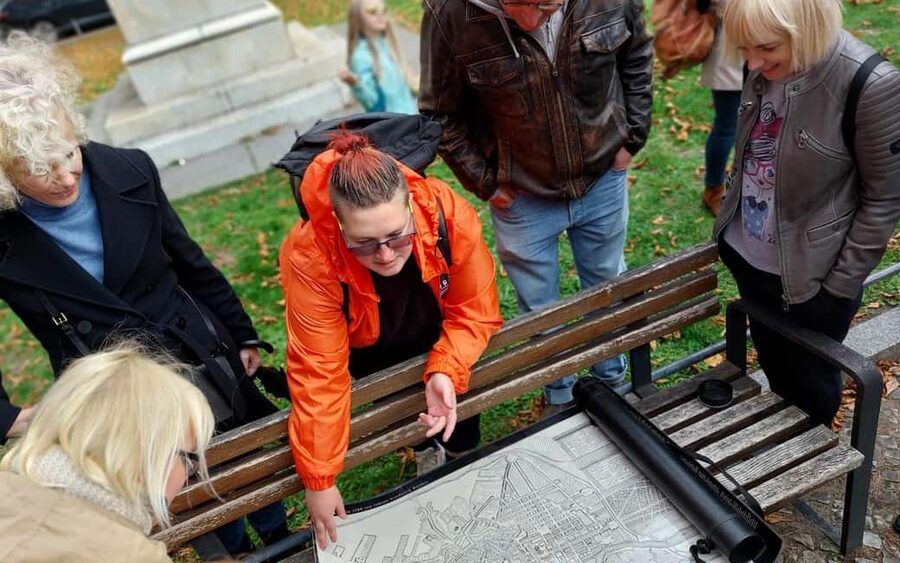
You’ll meet at Robert-Koch-Platz by the Robert Koch statue, look for your guide holding an orange umbrella, and then spend about two hours walking and standing mostly outdoors. Dress for cold weather, because this is a lot of pavement and open air, even though the subject matter is anything but ordinary.
Charité Hospital, From Plague House to Medical Powerhouse
Charité is Berlin’s oldest hospital, and it’s also one of Europe’s most famous medical institutions. That makes the place more than just pretty buildings. You’re walking in an area that shaped how doctors thought, how research was done, and how institutions handled human suffering. When you connect those ideas to real people, like Robert Koch and Rudolf Virchow, history stops being names in a book.
The other big reason I like this tour is that it’s not only about science wins. You also learn how medical authority can be misused, especially when ideology takes over. The tour connects those themes to the Charité TV series too, with real-life stories behind what you might have seen on screen, without requiring you to be a TV fan.
The tone is thoughtful, and the guide helps you keep the timeline straight, from the hospital’s early job protecting the city from epidemics to its later role in political regimes. It’s the kind of tour where you leave with a better sense of what medical progress actually cost, not just what it produced.
What Makes This Tour Worth $28 (When Most Entry Is Not Included)
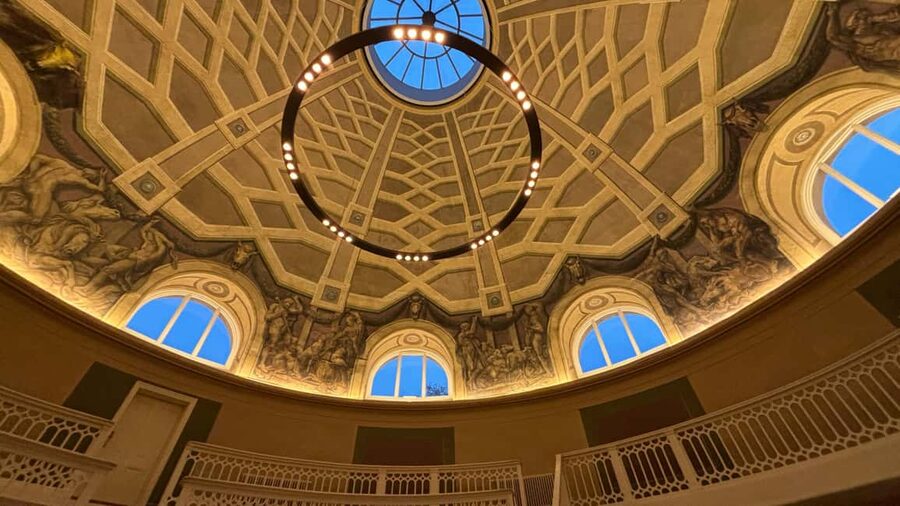
For $28 per person, you’re paying for an expert local guide and for a specific site visit inside the Veterinary Anatomy Theatre with free admission. That’s a good value if you care about both architecture and context, because you’re not just looking at buildings from the outside for two hours.
Here’s the key practical point: entry to buildings where Charité or university activities happen is not included, and some campus areas are restricted for guided tours. So you should expect a tour that works mainly through outdoor walking plus guided explanations, plus one key indoor stop. If you’re expecting unrestricted access everywhere, you may feel a bit limited. If you want the story behind the place, this format works.
Also, the tour runs about two hours, which is long enough to feel like you’ve covered a real arc, from the 1700s to the 1900s. It’s a good fit as a single-activity slot on a day when you want something more meaningful than another museum line.
More Historical Tours in Berlin
- Berlin: Natural History Museum Entrance Ticket
★ 4.6 · 3,382 reviews - Berlin: 3-Hour World Heritage Cruise to Potsdam
★ 4.5 · 1,569 reviews - Berlin: History of the Third Reich Guided Walking Tour
★ 4.7 · 791 reviews
Meeting at Robert-Koch-Platz and Getting Your Bearings Fast
Everything starts at Robert-Koch-Platz, by the Robert Koch statue. Your guide holds an orange umbrella, which makes the meeting point easier in daylight or foggy winter weather. From there, you move toward the Charité campus and the surrounding historic buildings.
This is one of those tours where being on time helps. Once the group begins, you’re in motion for the whole two hours. The route is designed to connect key themes without wasting time, and it uses the campus itself as your “exhibit.”
Your best move: wear comfortable shoes and plan for standing. A bottle of water is worth it too, even in cooler Berlin. You’ll be glad you brought it when you’re waiting briefly between explanations.
Stop 1: Veterinary Anatomy Theatre, Berlin’s Oldest Academic Building

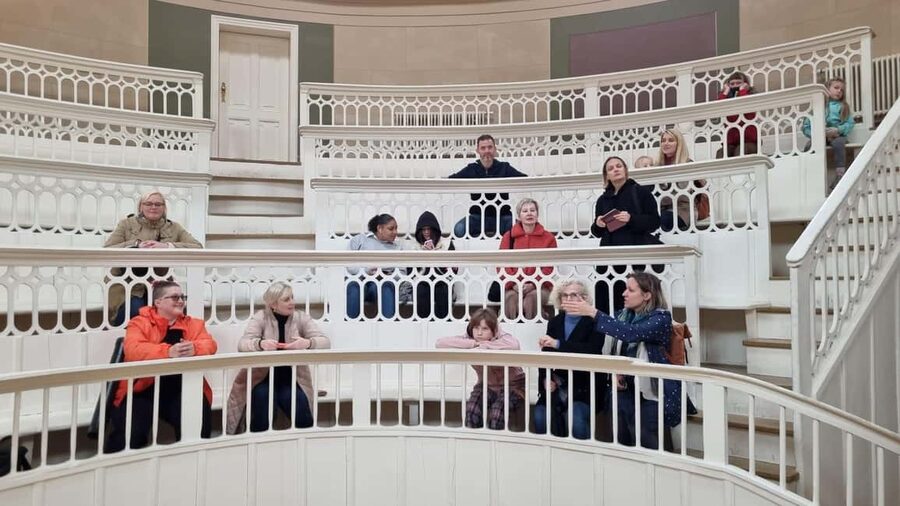
The first major stop is the Veterinary Anatomy Theatre. This is a standout moment because it’s not a typical “look and read a plaque” stop. The theatre is Berlin’s oldest academic building still in existence, and you’re shown how it was used to study the ailments of livestock and cavalry horses in the 18th century.
That detail matters. It explains why medical research wasn’t only about humans. Livestock powered the city’s food supply. Horses supported transport and cavalry needs. So when the city needed better veterinary knowledge, institutions created spaces like this theatre to teach and observe.
Even though the theatre visit is free admission, it’s still part of a guided experience. The guide helps you visualize what the space was for and why it was built the way it was. On occasion, the theatre can be closed because of internal events or public holidays, so if your schedule is tight, it’s smart to be flexible with your expectations.
Stop 2 and Beyond: Guided Walk Through Charité’s Neo-Gothic Campus
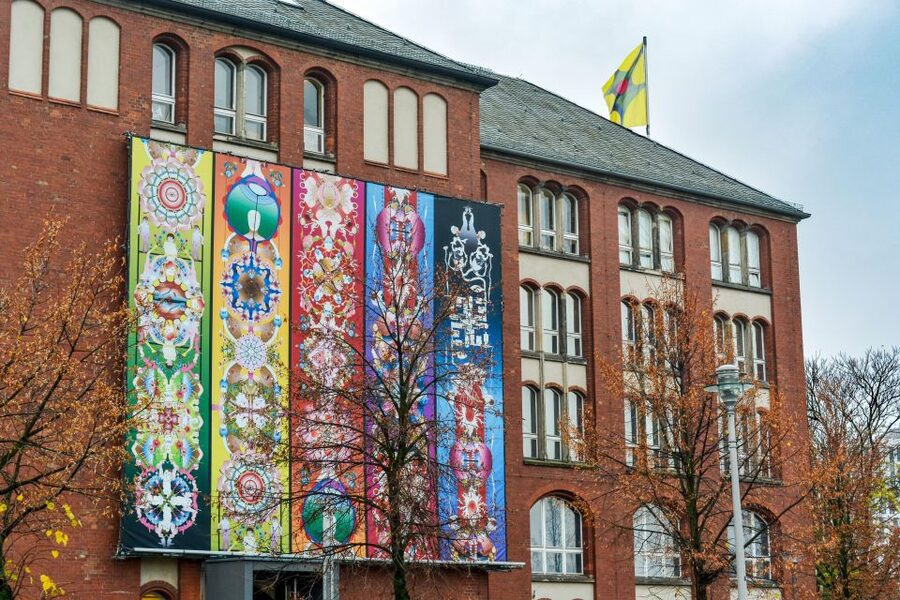
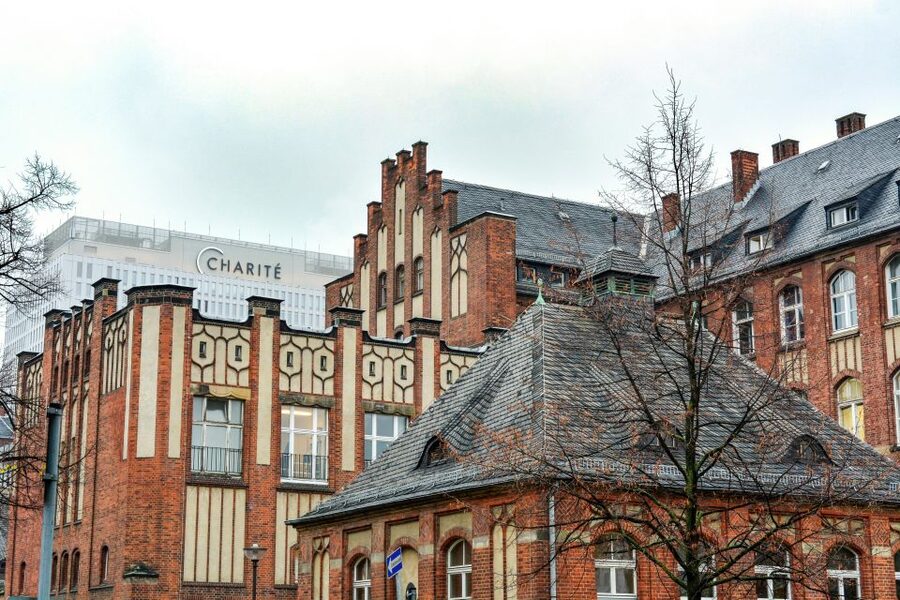
After the theatre, the walk shifts into campus storytelling. You’ll circle the historical neo-gothic Charité grounds, taking in the architecture while learning how medical pioneers turned the institution into a research engine.
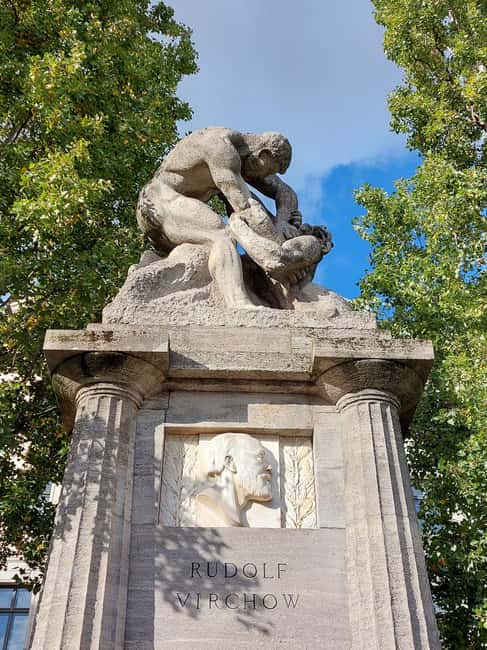
Two names come up often for good reason: Robert Koch and Rudolf Virchow. They represent the kind of progress that felt revolutionary in its day, when medicine was moving toward evidence-based thinking. You get the sense that Charité wasn’t just a hospital where people came to be treated. It was also a place where ideas about disease took form.
The neo-gothic look is more than decoration. It helps you understand how institutions wanted to project authority and permanence. As you walk through the campus space, the buildings feel like they’re showing you how a society staged its belief in science.
The guide also connects the dots from the early days to later social change, which is what keeps the walk from becoming only architectural appreciation.
More Walking Tours in Berlin
- Discover Berlin Half-Day Walking Tour
★ 5.0 · 9,624 reviews - Berlin: Third Reich and Cold War 2 Hour Walking Tour
★ 4.9 · 6,830 reviews - Berlin: Discover Berlin Walking Tour
★ 4.9 · 5,998 reviews - Berlin’s Best: 2 Hour Walking Tour Third Reich and the Cold War
★ 5.0 · 5,486 reviews
Rachel Hirsch and the Fight for Women in Medicine
One of the most meaningful sections is the story of Rachel Hirsch. She became the first woman to hold a medical professorship in Prussia, with her appointment in 1913. This wasn’t a simple “first success” moment. It came with resistance within the institution.
I like this part because it grounds big historical shifts in a real person’s career. You’re not only learning that society changed. You’re learning what it cost someone to push for that change inside an old system.
When you learn this alongside the broader Charité timeline, you start to see medicine as a social structure, not just a set of lab methods. Gender, authority, and institutional permission all played a role in who got to shape medical research and teaching.
Nazi-Era Medicine, Racial Hygiene, and How Institutions Broke Ethics
The tour doesn’t dodge the dark chapters. Under the Nazi regime, the story turns toward medical ethics being disregarded and racial hygiene being imposed ruthlessly. Some doctors kept quiet, while others organized the extermination of psychiatric patients.
This is the moment where the tour feels most adult. You’re dealing with facts about abuse of power in the name of medicine, and you’re also learning why the medical world is not automatically moral just because it studies health.
The tour also discusses how later East Germany treated Charité as a showcase for achievements, while bricking up windows facing the capitalist West. That detail might sound like architecture again, but it’s really about information control and ideology in daily life.
If you prefer tours that only celebrate science, this one may feel too grim for you. If you want the full story, including the parts that help you recognize warning signs when institutions go wrong, you’ll appreciate how directly it addresses this.
Charité in Real Life, Not Just as TV
If you’ve seen the Charité TV series, you might expect the tour to be a simple tie-in. It’s not. Instead, you get the real-life stories behind what the series is referencing.
That matters because it turns the screen version into a starting point for understanding. You’re learning how cases and institutional pressures shaped decisions. And you’re seeing that what plays well on television often has roots in real debates about care, authority, and ethics.
Even if you haven’t seen the show, you won’t feel behind. The tour gives the history in a way that stands on its own, and the TV connection just adds an extra layer of interest.
Ending Near Central Station at Alexanderufer
The tour finishes close to Central Station, ending at Alexanderufer, 10117 Berlin. That’s practical because it makes it easy to keep moving the same day, whether you’re heading to another neighborhood or catching transit.
Finishing near a major hub also helps you plan a smooth day. You’re not stuck at the edge of the city after a two-hour block of walking.
Who This Tour Fits Best
This is a strong match if you:
- Like your history with real institutions and real people behind it
- Want a guided walk that connects architecture to major medical milestones
- Are curious about why medicine developed the way it did in Berlin
- Don’t mind heavier ethical material as part of understanding the whole story
I’d also say it’s a good choice for curious solo travelers, because the subject matter is clear even if you’re not with a big group.
The tour is recommended for ages 14 and up. It also isn’t suitable for children under 14, and minors must be accompanied by an adult. If you bring teenagers, this can be a good match, since the content is history-heavy and ethics-heavy.
Practical Tips Before You Go
A few things will make your experience smoother:
- Dress warmly. Most of the tour takes place outside.
- Bring comfortable shoes and water.
- Plan for standing and walking for about two hours.
- Wear layers, because Berlin weather changes fast, especially around open campus spaces.
- If the theatre is closed on a public holiday or due to internal events, don’t be surprised if the stop changes. It can happen.
If you’re the type who likes to take photos, you’ll find plenty of architecture angles on the campus walk. Just remember the goal is to listen too. A chunk of the value here is the explanation, not only the views.
What You’ll Notice When You’re There (The Stuff That Gets High Marks)
This tour tends to land well for one simple reason: the guidance feels planned and human. Guides like Martina, who leads groups through Charité with energy and clear structure, do more than list dates. In multiple guided sessions, she’s been praised for sharing lots of interesting facts and adding extra material to help stories click.
You’ll also feel the pacing works. You move between the theatre and the campus without long, empty gaps. The narrative flows from 1710 plague origins, through early treatment methods like bloodletting and doses of mercury, to the institution’s later shifts under different regimes. That through-line is what makes the whole two hours feel full, not scattered.
Should You Book the Charité Hospital History Walking Tour?
I’d book this tour if you want one of the more thoughtful ways to understand Berlin’s medical legacy. For the money, you get an expert local guide, a free admission theatre visit, and a campus walk that connects medicine to politics and social change. The fact that entry to every interior building is not included is not a deal-breaker, because the tour’s strength is in how it explains what you are seeing.
Skip it if you want a light, fun stroll or if you can’t handle dark chapters about medical ethics. Also skip if you’re only interested in modern hospital services. This tour is about history, and it doesn’t pretend the past was clean.
If you like tours with structure, good storytelling, and real places tied to real people, Charité is a smart use of time in Berlin.
Fresh reviews out of Berlin
- Berlin Uncensored: A History of Sex & Freedom★ 5.0 · 50 reviews
- Berlin Food & Cultural Tour: Must-Try German & Berliner Classics★ 5.0 · 51 reviews
- English Comedy Show with Pizza and Shots in Central Berlin★ 4.5 · 51 reviews
- Rude Bastards Tour of Berlin★ 4.8 · 51 reviews
- Private Taxi Tour of Berlin East and West and Neighbourhood approx. 4-6h★ 5.0 · 55 reviews
- Rickshaw Sightseeing City Tours Berlin – Rikscha Tours★ 4.0 · 55 reviews
- Berlin: City Highlights Express & Panorama Roof Terrace★ 4.9 · 55 reviews
- Berlin during Nazism – Tour in Italian★ 5.0 · 56 reviews
Historical Tours, compared.
City History Canal Sightseeing Tour on a Motorboat
Read our review →



Night Watchman Historic Adventure Tour
Read our review →
Browse the lists this tour appears in