
Reviewed · BERLIN WALL & COLD WAR TOURS
Berlin: DDR Museum Tickets
The DDR Museum is interesting because it turns East German daily life into something you can actually touch, open, and test. I love the hands-on apartment reconstructions, and I also like the Trabant simulator, which gives you the feel of moving through those prefab districts. One drawback to plan for: the museum can get crowded, and you’ll want to move room to room so you can still read what’s on the walls.
What makes it work is the museum’s focus on everyday objects. You’re not just looking at displays, you’re handling the experience, drawers, cupboards, and even a car that starts, so the DDR story lands fast. The bigger consideration is that there is a lot to read, and some areas involve standing, so pacing matters.
Key takeaways
- Hands-on apartments you can open: drawers, cupboards, and everyday items are meant to be explored up close.
- Trabant simulator with signature sounds: you can climb in and start it, then experience a ride through prefab districts.
- Sensory details, not just text: smells, food items, and room setups help you understand daily routines.
- Local media and music moments: TV viewing, news clips, and interactive cultural content keep things active.
- A prison-cell contrast: the experience includes darker spaces that shift the mood quickly.
DDR life made touchable: what the DDR Museum changes for you
Berlin’s DDR Museum is one of those places where the past stops being abstract. The biggest trick is simple: instead of sealing artifacts behind glass, it builds rooms, props, and routines so you experience them with your hands and your attention. You will walk through DDR-era apartments and real-feeling setups, then follow that thread into media rooms and other spaces that explain how control and daily life mixed.
I especially like that the museum is not afraid of clutter. The rooms feel lived-in, not staged for museum perfection. When a kitchen has a pressure-cooker on the stove and you get to smell spices from a shelf, the DDR becomes understandable as a set of habits, not just a political label.
There’s also a practical side to the design. Many exhibits are interactive in a way that helps you keep moving. If your motivation flags during long museum days, this one gives you hands-on breaks that still teach you.
More Museums in Berlin
- Berlin: Jewish Museum Berlin Entrance Ticket
★ 4.5 · 8,393 reviews - Berlin: Natural History Museum Entrance Ticket
★ 4.6 · 3,382 reviews - Berlin: Neues Museum Entry Ticket
★ 4.6 · 3,261 reviews
Your 1-day pace: how to plan a smooth visit from the Spree to the last room
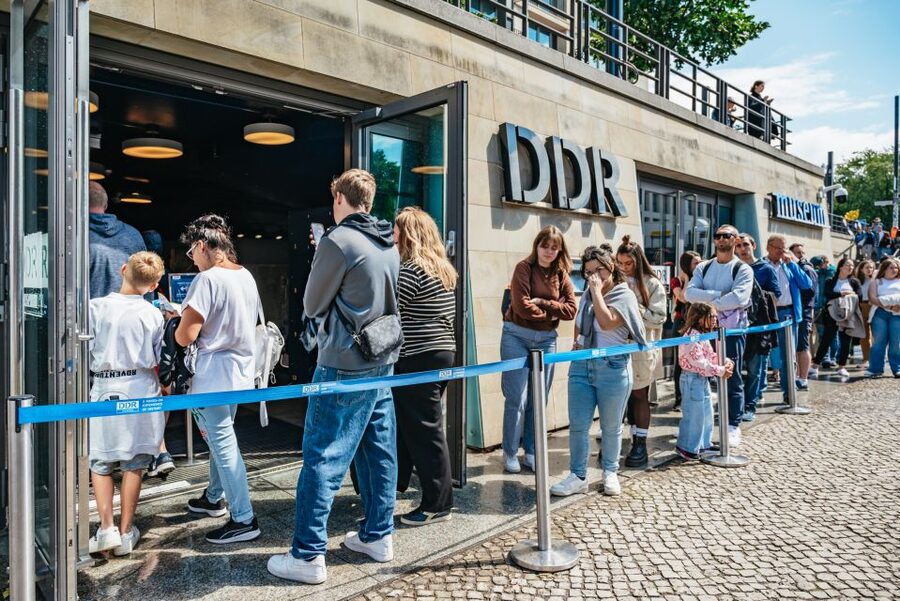
The museum’s entry sits on the bank of the Spree, opposite Berlin Cathedral. That location is handy because you can pair the visit with a walk along the river or with sightseeing in the central area without losing your whole day.
The museum is open Monday through Sunday from 9am to 9pm, except December 24th and 31st when it closes at 4pm. That long window matters because it gives you options. If you go later in the day, you might catch more families and busier crowds, which can make small labels harder to read. If you can, I’d aim for earlier hours or mid-afternoon on a non-peak day so you can slow down in the rooms.
In terms of time, plan roughly 1.5 to 3 hours. Some people move quickly and see the main interactive highlights, while others linger because the apartments reward attention to detail. The sweet spot is to start with the apartment areas early, when your reading stamina is fresh, then save the most emotionally intense spaces for when you’re ready to sit with them.
Also note a small rule that affects the visit flow: pets are not allowed. If you’re traveling with a dog or cat, you’ll need separate arrangements.
DDR apartments you can open, browse, and smell
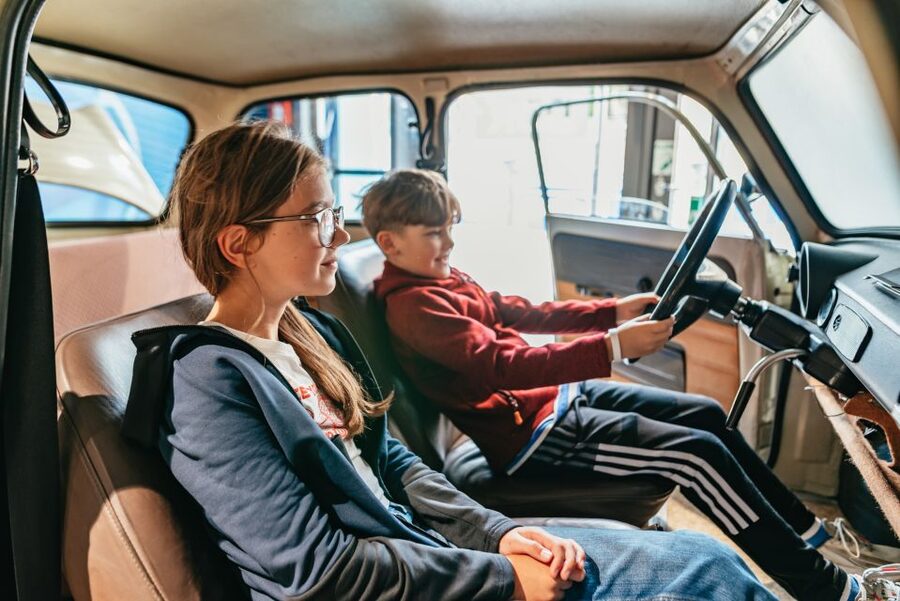
The core experience is the reconstructed DDR living space. You’ll step into an East German apartment setup where many items are displayed so you can handle and explore them. Doors open, drawers slide out, cupboards are reachable, and you can browse the contents rather than simply peer at them from a distance.
That tactile approach changes how you learn. When you can pull out a drawer, you notice how people stored things, what fits where, and what daily life probably required to keep things functioning. It’s also a more memorable way to process the limitations of the era. The props are intentionally ordinary, because that’s the point.
Inside the apartments, the details lean toward the practical and the domestic:
- You’ll find a typical East German television living-room setup.
- You can interact with a wall-cupboard display known as the Karat wall-cupboard.
- You may smell spices kept on shelves.
- You can see cooking items like a pressure-cooker on the stove.
Even the little cultural touches help. There are moments where the museum turns routine into a story, like checking what was on TV, or looking at how furniture and kitchen gear shaped daily habits.
One note before you go wandering: when it gets busy, people bunch up around the most interactive rooms. If you want to actually read the wall text, don’t just follow the crowd. Take a minute to move to quieter sections, then come back when there’s space.
The Trabant simulator: start the car and hear the DDR moving
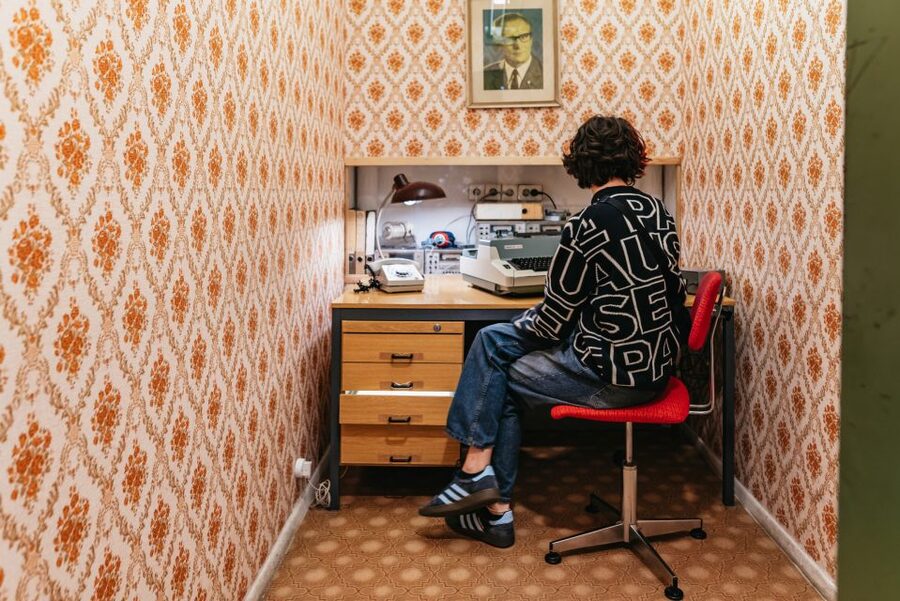
The Trabant section is usually the headline for a reason. It’s not just a photo spot. You can climb into an original Trabant, turn the ignition, and then experience a simulated voyage through the prefabricated districts.
What makes it effective is the sensory angle. The simulator includes typical Trabant noises, so you’re not only watching a screen. Your body feels involved, even if you’re standing or seated in a museum setting. That tiny detail helps you connect the DDR story to everyday movement, commuting, and the geography of prefab neighborhoods.
If you’re visiting with kids, this is the element that turns education into play without making it shallow. It’s active, memorable, and it gives everyone a shared moment to talk about after.
The drawback is timing. If the room is crowded, you might wait for a turn or find it harder to get close enough to fully take it in. If you’re flexible, go for this early in your visit before the peak surge.
More Berlin Wall and Cold War history:
- Berlin: Third Reich and Cold War 2 Hour Walking Tour
★ 4.9 · 6,830 reviews - Berlin’s Best: 2 Hour Walking Tour Third Reich and the Cold War
★ 5.0 · 5,486 reviews - Skip-the-Line: Berlin Wall Museum at Checkpoint Charlie
★ 4.1 · 2,041 reviews - Berlin: East Side Gallery Spree Cruise in a Solar Catamaran
★ 4.1 · 1,086 reviews
Media rooms, news reports, and the Karat wall-cupboard moment
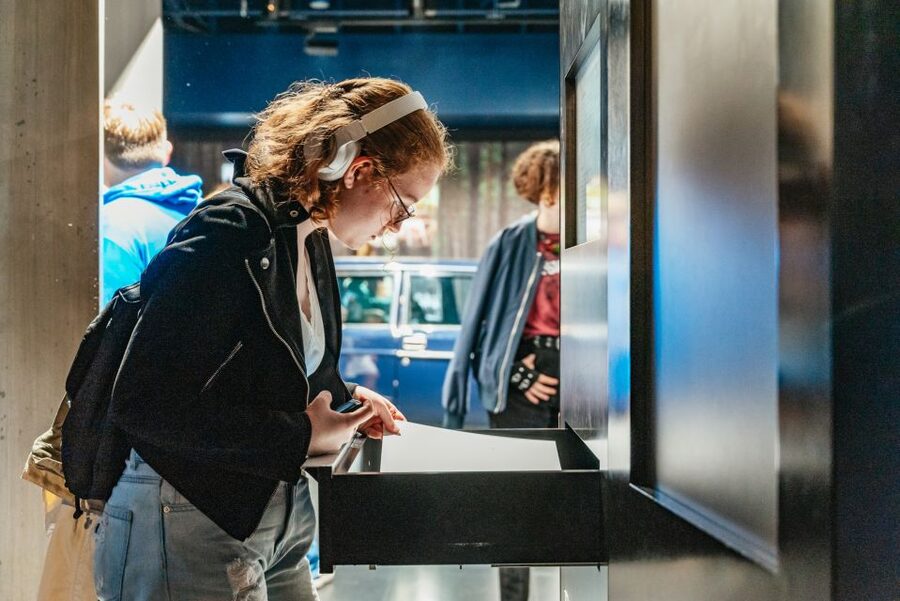
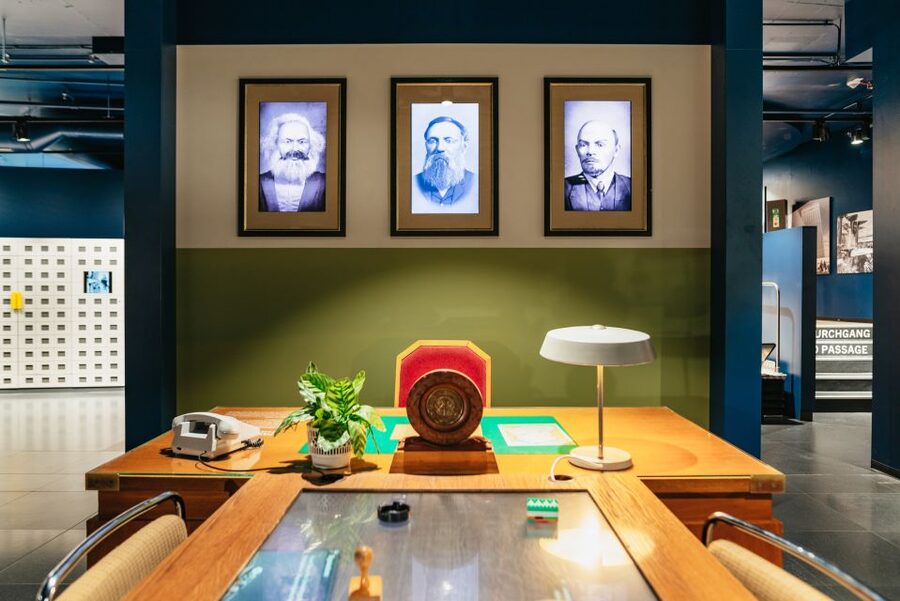
A standout part of the DDR Museum is how it uses familiar objects to recreate a home rhythm. You’ll encounter a typical East German living-room with a TV setup. There’s also a way to watch news-reports from an original cinema stall, which helps the museum shift from private life into the public messaging world.
The Karat wall-cupboard is one of the most evocative displays, because it shows how homes were furnished and organized. You can rifle through it and see how such pieces functioned in everyday space. It’s a small thing, but it’s the kind of thing you remember later because it’s so specific. Many museum displays stay behind glass and facts slide off your brain. Here, it’s a tangible object in a believable room.
Add in the food and kitchen smell elements, and you get a full-sense learning package. Spices on a shelf are not just props. They hint at routine, tastes, and what daily cooking meant in that era. The pressure-cooker on the stove also signals practicality, because it takes fewer steps to make a meal feel possible when resources are limited.
When the museum turns darker: films, prison-cell contrast, and emotional weight
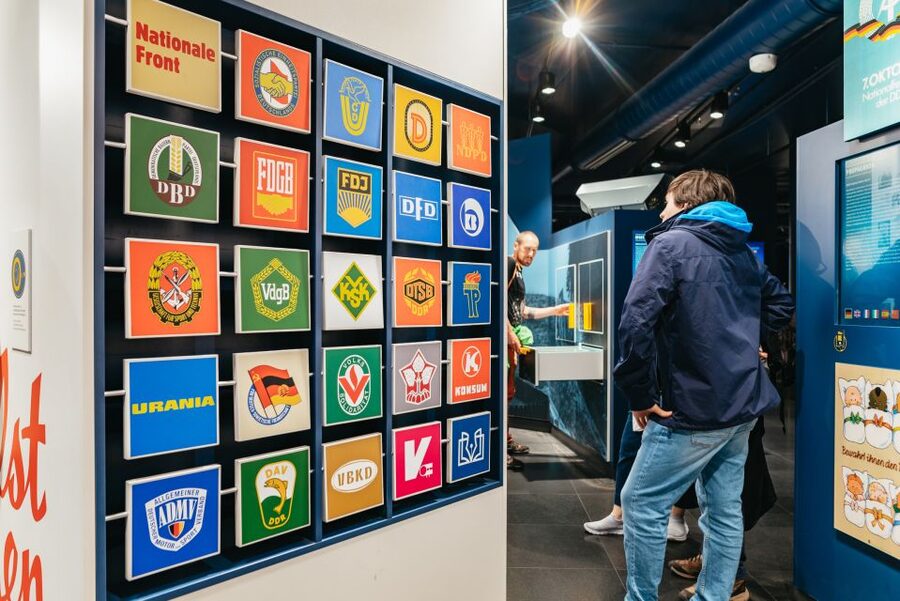
Not every room is cheerful. The museum includes darker settings designed to sharpen the contrast between everyday normalcy and the systems behind it.
One of the most striking spaces is a typical former East German prison cell. Sitting there changes the tone instantly. Even if you’re comfortable with history topics, this is the part that tends to land in a quieter, heavier way. It’s the museum reminding you that life inside DDR boundaries involved surveillance, punishment, and fear for some people.
You may also see film content in a way that feels closer to being a viewer than a reader. There are typical cinema-stall moments connected to news and media. That helps you connect propaganda and control to the way people actually consumed information.
If your group includes teenagers or you’re traveling with people who get restless, this is still worth it. It gives context without turning into a lecture, because the physical setup does the work for you.
Culture lessons that feel like activities, not lectures
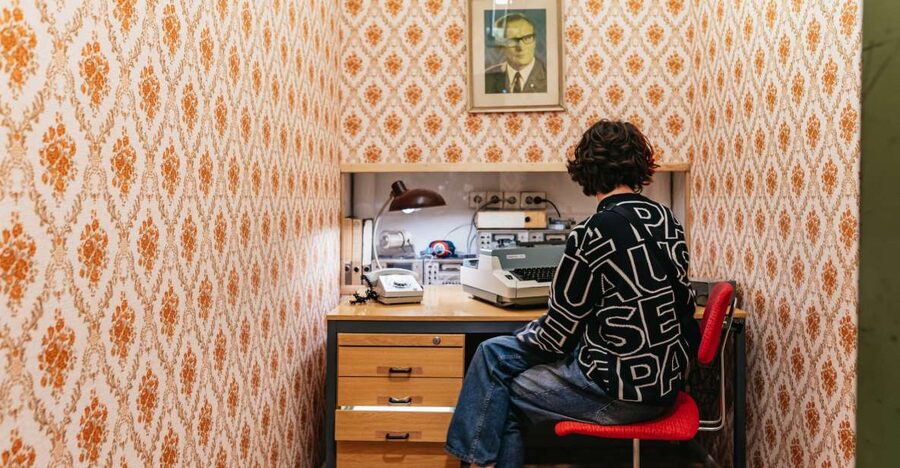
Some museums teach culture through panels. This one does it through experiences.
You can dance to Lipsi, East Germany’s answer to rock-and-roll. It’s an unexpectedly fun moment, and it helps explain that DDR life included music and social energy too, even under a restrictive system. Pair that with the TV and news elements, and you get a more complete picture of what East Germans might have watched, heard, and done in their spare moments.
This approach is especially helpful for mixed groups. Adults who want history can focus on the rooms and objects. Kids and younger teens usually latch onto the interactive parts, the simulator, and the dance activity. The lesson remains there for everyone, just delivered through different entry points.
Price and value for a $15 ticket in a 9am to 9pm museum
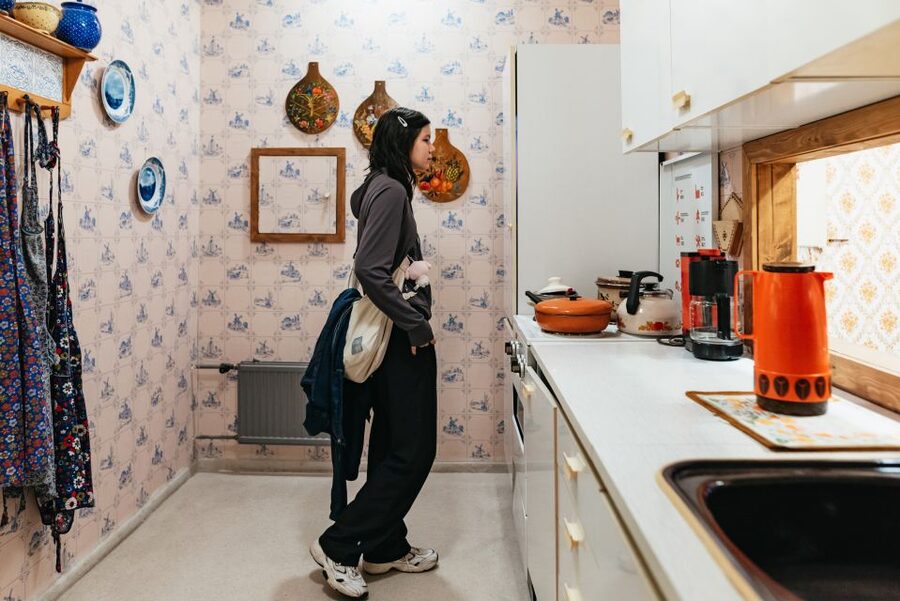
At about $15 per person for entry, the DDR Museum is good value for a museum experience that is hands-on, time-flexible, and packed with interactive components. You’re not paying mainly for a building. You’re paying for the ability to open things, walk through reconstructed rooms, and try a simulator.
The value gets even better because the visit supports different tempos. If you have one hour, you can chase the core highlights. If you have two to three hours, the apartment details, media rooms, and darker spaces give you time to absorb more.
In practical terms, the museum being open until 9pm is a big benefit. If your Berlin itinerary runs long, you can still fit this in after daytime sightseeing. Just remember that longer hours can also mean more crowds, so if reading labels is important to you, aim for a less busy window.
Where this fits best in your Berlin itinerary
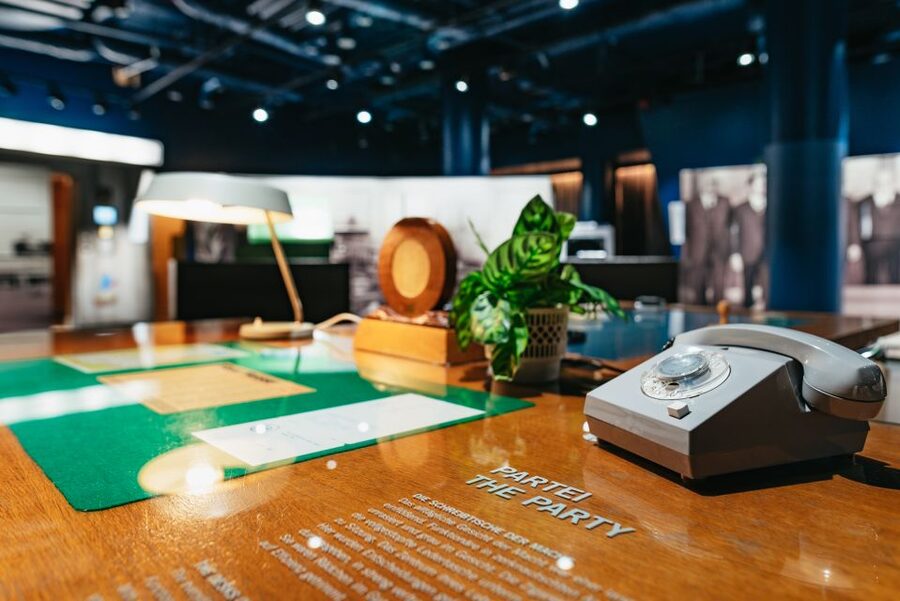
I’d slot the DDR Museum as a mid-trip anchor if you want balance. Do it after you’ve seen the city’s major landmarks, so the museum gives you a strong contrast story about how Berlin lived through different political eras.
It also works well as a standalone afternoon, because the entry point on the Spree makes it easy to build a simple plan around it. You can combine the visit with a nearby walk and a meal nearby, without complicated transit decisions.
Who it suits:
- Couples who want a meaningful museum without feeling stuck in one room
- Families who like interactive exhibits
- Anyone curious about daily life behind the Berlin Wall, not only big headline events
Who might want to adjust expectations:
- If your travel style is mostly quick, you may feel the museum asks for attention and some reading
- If you dislike standing for long periods, you’ll want breaks and a slower route through the rooms
- If you hate crowds, choose earlier hours and accept that the most interactive areas can get busy
Should you book DDR Museum tickets?
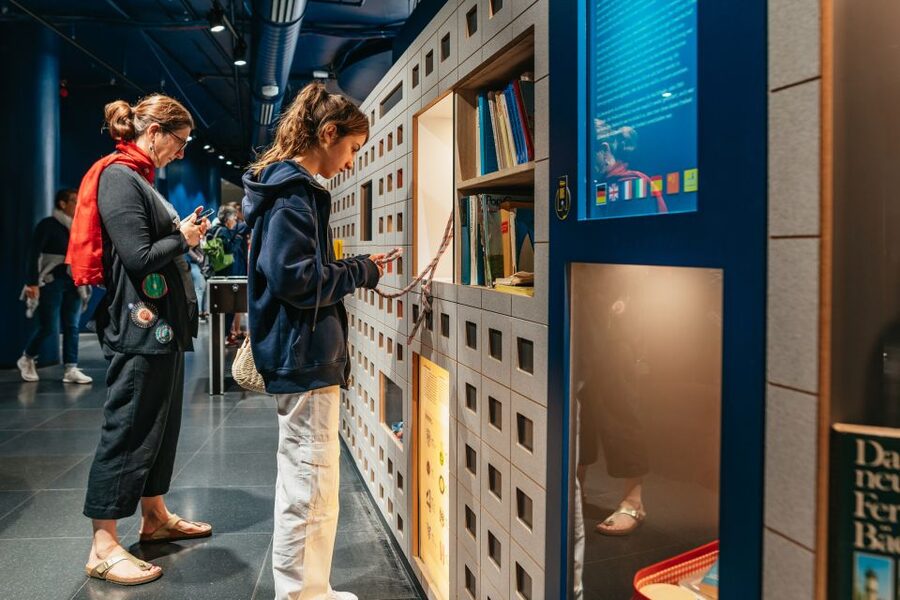
Book it if you want East German history that feels practical and human. The museum’s biggest strength is that it uses reconstructed rooms and real-feeling objects so you can understand daily life with your hands, senses, and attention. The Trabant simulator plus the openable apartment displays are the kind of experiences you won’t get from a typical history museum.
Don’t book it only if you’re looking for a mostly outdoor or mostly guided experience, because this museum is about room-by-room exploration and you will do much of the moving yourself. If you’re sensitive to crowds, go earlier in the day, and plan on taking your time in the apartment areas before the busiest wave.
If you want a Berlin activity that actually changes how you picture the DDR, this is one of the better bets in town.
Fresh reviews out of Berlin
- Berlin Uncensored: A History of Sex & Freedom★ 5.0 · 50 reviews
- Berlin Food & Cultural Tour: Must-Try German & Berliner Classics★ 5.0 · 51 reviews
- English Comedy Show with Pizza and Shots in Central Berlin★ 4.5 · 51 reviews
- Rude Bastards Tour of Berlin★ 4.8 · 51 reviews
- Private Taxi Tour of Berlin East and West and Neighbourhood approx. 4-6h★ 5.0 · 55 reviews
- Rickshaw Sightseeing City Tours Berlin – Rikscha Tours★ 4.0 · 55 reviews
- Berlin: City Highlights Express & Panorama Roof Terrace★ 4.9 · 55 reviews
- Berlin during Nazism – Tour in Italian★ 5.0 · 56 reviews
Berlin Wall & Cold War Tours, compared.

Berlin’s Best: 2 Hour Walking Tour Third Reich and the Cold War
Read our review →
Skip-the-Line: Berlin Wall Museum at Checkpoint Charlie
Read our review →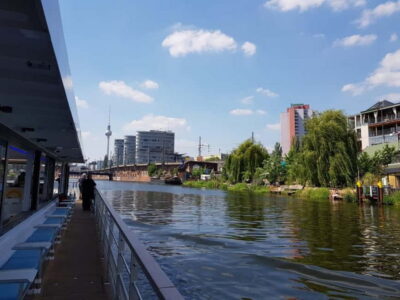
East Side Gallery Spree Cruise in a Solar Catamaran
Read our review →
Cold War, Berlin Wall, Spies and the East Side Gallery
Read our review →

Browse the lists this tour appears in