
Reviewed · WALKING TOURS
Keitum: Guided Village Walking Tour
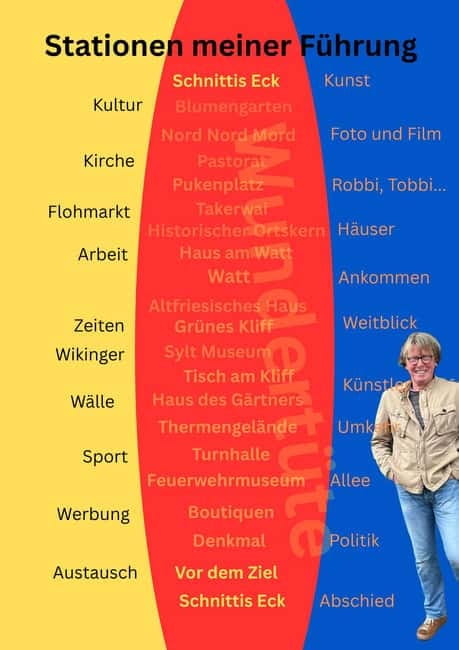
This Keitum guided village walking tour is interesting because it threads together Harhoog and Tipkenhoog Stone Age sites with the everyday rhythm of old Frisian streets. I love the way the route moves from thatched roofs and walled gardens into narrow alleyways, so you see the village as lived-in, not staged. You’re also walking at a comfortable tempo in a small group.
One thing to consider is that the tour runs in German, and it may not satisfy you if you want a heavy, house-by-house timeline. That said, the guide, Jörg Ridder, uses humor and personal connections to make the stories stick.
Key highlights worth showing up for
- Harhoog and Tipkenhoog: Stone Age burial mounds on the tidal side near the Wadden Sea
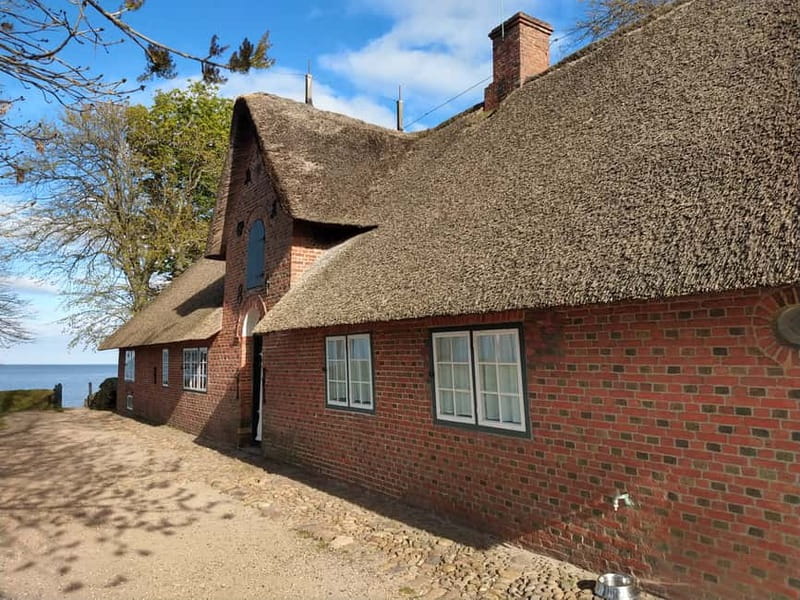
- Thatched roofs and Frisian walls: classic architecture with gardens you can actually picture day to day
- Artisan workshop vibe: stops around glassblower and goldsmith trades
- Sylt’s whaling-era stories: 18th-century context tied to what you see in town
- Smaller group, easier questions: limited to 10 participants for a calmer walk
- Jörg’s local connections: conversations and personal touches that add real texture
Keitum in 2.5 Hours: A Village Walk That Feels Personal

Keitum is the kind of place where you can look at a roofline, a wall, or a narrow lane and instantly sense how the sea and trade shaped life here. What makes this tour work is that it doesn’t just point at buildings. It connects old stone burial mounds, Frisian homes, and working artisan traditions into one coherent stroll.
You’ll get a gentle pace and a short duration that suits a quick day on Sylt. At $22 per person for about 2.5 hours with a live guide, this is priced like an orientation walk, not like a full-day production. And the group size is capped at 10, which matters when you want questions answered in a real conversation.
More Walking Tours in Sylt:
- Discover Berlin Half-Day Walking Tour
★ 5.0 · 9,624 reviews - Berlin: Third Reich and Cold War 2 Hour Walking Tour
★ 4.9 · 6,830 reviews - Munich: Third Reich & WWII Walking Tour
★ 4.6 · 6,181 reviews
Starting at Keitum Mitte and Finding the Real Center
The tour begins at the bus station called Keitum Mitte. No hotel pickup is included, so you should plan to get there under your own steam. If you like to start on time, arriving a few minutes early is a smart habit, especially since the walk continues rain or shine.
From the first stretch, you’ll see why Keitum is famous for its traditional village look. That includes the thatched roofs, the small curving lanes, and those walled gardens that make the village feel both open to the sea and protected from it. This early part is ideal for getting your bearings fast, so later stops make more sense.
Thatched Roofs, Curving Alleyways, and Workshop Windows
A big part of the fun here is walking the tight, winding routes between historic homes. You’ll move through narrow alleyways where the village layout almost forces you to slow down and notice details. Instead of a straight-line sightseeing route, it feels like moving through a series of small chapters.
As you go, you’ll pass places connected to artisan work. The tour includes time near glassblower and goldsmith workshops, which helps explain why Keitum isn’t just an old-street backdrop. You learn how the village’s reputation today is tied to craft traditions, not only to its architecture.
This is where the tour’s storytelling style shows its value. Even if you don’t memorize dates, you’ll come away with a sense of how the island economy and local culture shaped daily life. One of the best practical outcomes is that you’ll know what to look for on your own after the tour ends.
The Green Heart of the Island: Gardens, Walls, and Old Homes
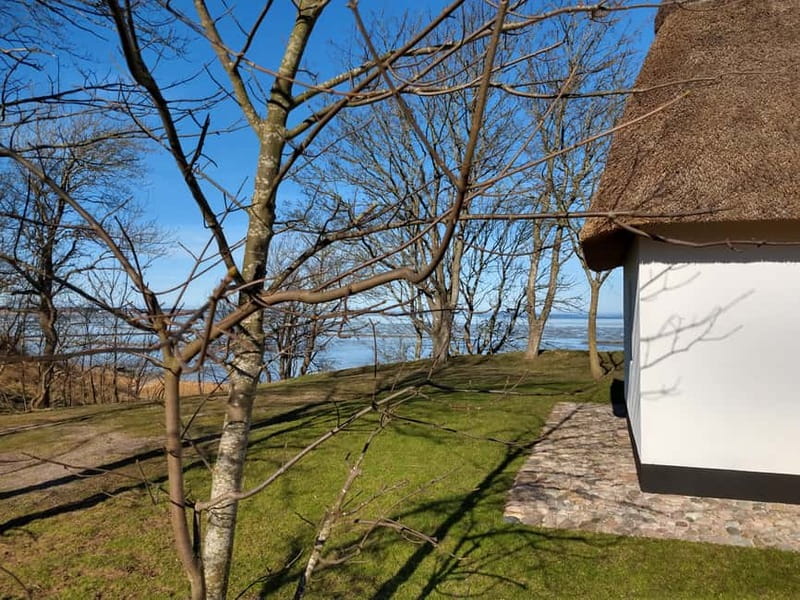
Midway through the walk, you’ll reach the area often described as the green heart of the island. Think homes framed by gardens and traditional Frisian walls, not a single grand viewpoint. The charm is in the repetition and variation, small differences you can only notice when you’re walking.
Some houses here are very old, including examples dating to around 1640. You don’t need to be a history fan to appreciate that. When you stand near those older structures, it becomes easier to imagine how Keitum survived storms, trade shifts, and changing economies while keeping its shape.
A practical note: this part of the tour rewards comfortable shoes. The lanes are walkable, but it’s still a village walk with uneven ground in places. If you’re wearing sensible footwear and keeping your coat handy, you’ll enjoy this section without rushing.
Weigh these Sylt picks against each other
- List/Sylt: Guided Seal-Watching Cruise on a Rustic Boat
★ 4.7 · 350 reviews - Sylt: Seal Watching Boat Tour from Hörnum
★ 4.1 · 119 reviews
Whaling-Era Stories on Sylt and the 18th-Century Connection
Keitum’s identity is tied to Sylt’s whaling economy, and the tour uses that thread to explain what you’re seeing. You’ll hear stories connecting whaling-era livelihood to the village’s cultural scene, including references to the 18th century. The goal isn’t to dump facts, it’s to put meaning behind the architecture and artisan traditions.
I like this approach because it gives you context you can actually use. When you understand why a village developed in a certain way, you read the buildings differently. For example, the presence of craft trades feels less random once you’ve heard how trade and sea-linked work influenced local life.
If you prefer a strict, date-by-date breakdown of every house, you might want to manage expectations. The tone here is more human, more story-first, and that can feel just right or not quite right depending on your style.
Artisan Traditions You Can Sense, Even Without Going Inside
You’ll see evidence of artisan life through workshop surroundings rather than a rushed museum stop. The glassblower and goldsmith connections help you notice the everyday craft atmosphere in the village. Even when you are only viewing the outside of a place, you start to understand why Keitum attracts people who care about workmanship.
This is also a good time to watch how the village looks at street level. The windows, garden walls, and alley openings show you how small-scale commerce and community life fit into a scenic village setting. It’s less about shopping and more about seeing how trades live here.
If you’re the type who likes authentic places, this part is where you’ll feel it most. The tour doesn’t try to turn the village into an imitation of itself. It simply helps you notice what’s already present.
Wadden Sea Air and the Tidal-Side Mounds
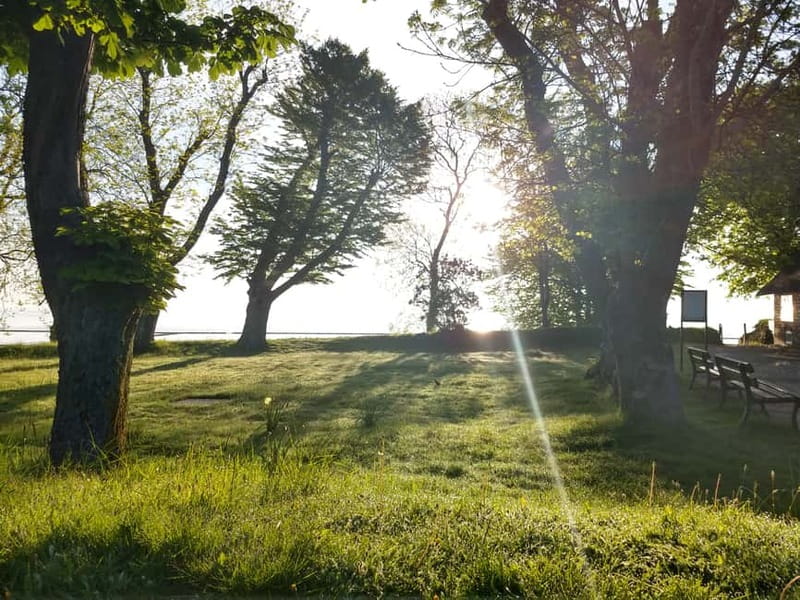
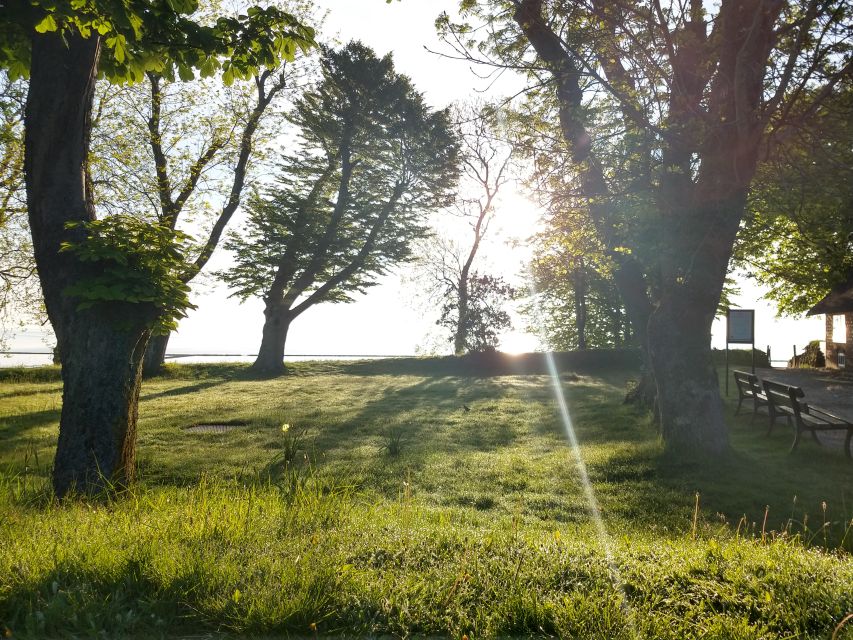
Then comes the shoreline moment, one of the strongest reasons to pick this tour. You’ll walk to the point where you can see wide views out toward the Wadden Sea, and you’ll feel that North Sea breeze on your face. It’s a good reset after the tighter village lanes, and it gives the whole day a sense of scale.
On the tidal side of the village, the walk includes two key stops: the Stone Age burial mounds called Harhoog and Tipkenhoog. These are ancient features that change the mood instantly. Standing near them, you’re not just looking at old buildings, you’re touching the idea of long human presence here.
What I appreciate is that the guide ties the mounds back to Keitum’s Stone Age roots. You don’t need an archaeology degree to follow the explanation. You leave understanding that these sites are part of the same landscape of human life that later became the Frisian village you’re walking through.
Jörg Ridder’s Style: Humor, Local Connections, and Participation
The tour guide is Jörg Ridder, and his style is a major part of why the experience works. He brings a personal, entertaining tone, and he’s good at making the village feel like a real place with real people behind it. Small touches like active involvement and sharing something for each person help the walk feel less scripted.
A standout element is his access to locals. The tour includes opportunities to talk with residents, which adds texture you won’t get from a standard lecture-style walk. If you like asking questions and hearing how someone explains their home, this is a big plus.
Language is German, so your experience will depend on how comfortable you are with German conversation. If your German is limited, you can still enjoy a lot visually, but you’ll miss some of the story detail. If you do speak German, you’ll likely feel like you’re getting the most out of the time.
Weather, Timing, and What to Bring for an Easy Walk

This tour happens rain or shine, so plan accordingly. Bring comfortable shoes you don’t mind getting a little dusty, plus weather-appropriate layers. Rain gear is specifically recommended, and honestly, that’s one of the best investments for a North Sea island day.
The walk is 2.5 hours, which is long enough to cover multiple village sections but short enough to keep energy steady. It’s a good option if you already have plans later in the day and you want a structured way to learn Keitum without committing to a full tour afternoon.
Also, no food or drinks are included. That doesn’t make it a bad choice, it just means you should plan your snack timing outside the tour window. If you tend to get hungry, bring a small takeaway before you start.
Price and Value: Why $22 Is Reasonable Here
At about $22 per person for roughly 2.5 hours with a live guide, this is strong value for a guided walk that covers both village life and ancient sites. You’re not paying for transportation, since pickup and drop-off aren’t included. Instead, you’re paying for time and interpretation from someone who can connect the dots between places.
The small-group format matters here. Limited to 10 participants, it’s not a rushed cattle-call. That makes it easier to ask follow-up questions, and it usually improves the quality of the storytelling.
If you want a quick and meaningful way to understand Keitum’s identity, this price is the kind you can justify even on a tighter budget. If you want deep expertise on every building and a highly structured, fact-heavy script, you might feel you need something more specialized.
Practical Logistics That Matter on the Day
You’ll start at Keitum Mitte at the bus station. Since hotel pickup and drop-off are not included, make sure you can reach the meeting point on time. If you’re arriving by bus, give yourself extra minutes so you don’t stress while you’re looking for the exact spot.
The tour is in German, so check your comfort level before booking. If you’re traveling with someone who speaks German better than you do, you might coordinate questions and translation so nobody feels left behind.
If you want flexibility, free cancellation up to 24 hours in advance and reserve now, pay later options can be helpful. Just remember those are planning tools, not a substitute for showing up ready to walk.
Who This Tour Fits Best (and Who Might Want Something Different)
This walk is a great match for you if you enjoy slow village exploration, want sea views, and like history that’s explained through place. It’s also ideal if you’re interested in artisanship and the way crafts shape community identity.
You’ll probably enjoy it most if you like a guide who tells stories, shares local context, and helps you talk to residents. The small group size supports that style and keeps the pace relaxed.
It may not be your favorite if you want a tightly organized checklist of facts with lots of house-specific detail right from the beginning. One concern to keep in mind is that the tour’s opening can feel less focused on the specific details you might be expecting, and the amount of information about some landmark types may feel lighter than you’d hoped.
Should You Book It?
Book it if you want the best of Keitum in a compact time window: Frisian architecture, artisan workshop atmosphere, sea breezes at the Wadden Sea, and the chance to visit Harhoog and Tipkenhoog. You’ll get a calmer, more personal walkthrough with Jörg Ridder, and the local conversations add real value.
Skip or consider another option if German is a barrier for you, or if you strongly prefer a fact-heavy, house-by-house narration. If you’re the kind of traveler who likes to feel the place and understand how stories connect to streets, this is a smart use of your time.
FAQ
How long is the Keitum guided village walking tour?
The duration is 2.5 hours.
Where do I meet the guide?
Meet at the bus station named Keitum Mitte.
What is included in the price?
The included items are a guide and the walking tour itself.
Is food or drinks included?
No, food and drinks are not included.
What language is the live guide speaking?
The live tour guide speaks German.
Does the tour run in bad weather?
Yes, the tour takes place rain or shine. Bring comfortable shoes and rain gear.
Fresh reviews out of Sylt
- Sylt: Seal Watching Boat Tour from Hörnum★ 4.1 · 119 reviews
- Sylt: Boat tour – afternoon cruise | coffee & cake available★ 3.4 · 17 reviews
- Sylt: BBQ-Boat trip | BBQ buffet straight from the grill & Welcome-Drink★ 4.6 · 19 reviews
- List/Sylt: Guided Seal-Watching Cruise on a Rustic Boat★ 4.7 · 350 reviews
- Sylt: Shell safari with boat | incl. Mussel tasting & 1 glass of wine★ 4.7 · 49 reviews
Walking Tours, compared.

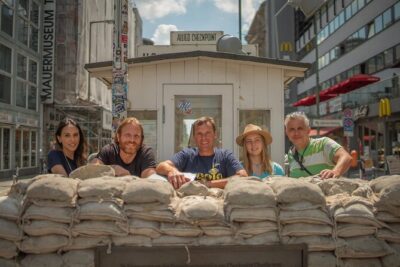
Berlin’s Best: 2 Hour Walking Tour Third Reich and the Cold War
Read our review →

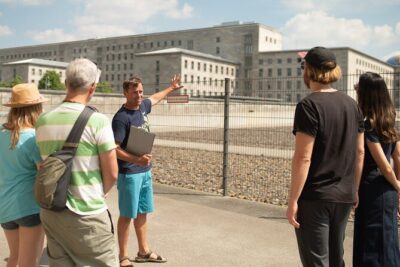
Third Reich Berlin: Hitler and WWII Walking Tour
Read our review →Browse the lists this tour appears in