
Reviewed · BERLIN WALL & COLD WAR TOURS
Berlin: Berlin Wall and the Cold War Walking Tour
Berlin’s Wall story is fascinating because it is told where it actually happened. This 2-hour walking tour takes you to the Bernauer Straße Wall Memorial, where you can look at the real physical setup of the border and hear what it meant for daily life.
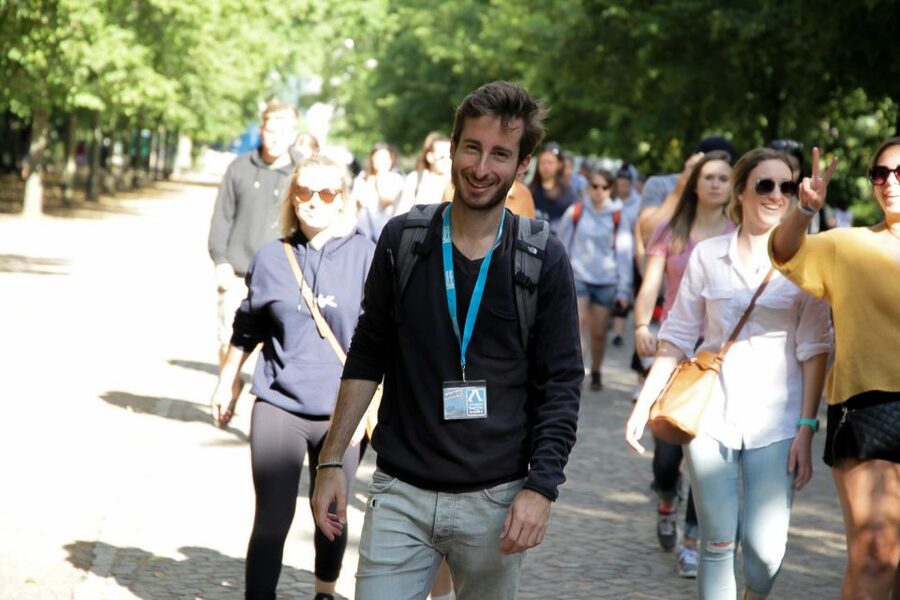
I especially like the licensed, story-driven guiding that connects big Cold War politics to real people, including daring escape attempts. One thing to consider is that a portion of the tour uses public transport, so you’ll want a plan for how you get there smoothly.
Key highlights you will care about
- Walk the original death strip with watchtower views, walls, and barriers you can actually stand beside
- Hear escape and control stories tied to everyday GDR life, including the way spying shaped neighborhoods
- Understand the Wall’s fast, secret creation in 1961, and why the border regime became so deadly
- See what Tunnel 57 and ghost stations mean in practice, not just as names from a plaque
- Learn from a guide who adjusts pacing, including guides who stop when needed to match the group
Why Bernauer Straße makes the Cold War real
The Bernauer Straße Wall Memorial is one of the places in Berlin where the Cold War is not a distant concept. The location forces you to think in specifics. Where did people stand? Where did guards watch? What could someone see, and what could they not?
I like that the tour keeps your feet on the ground while it talks about the bigger system. You are not just hearing about ideology. You are seeing how the border was built up with walls, barriers, and surveillance, and then you hear what those barriers did to daily life in East Germany.
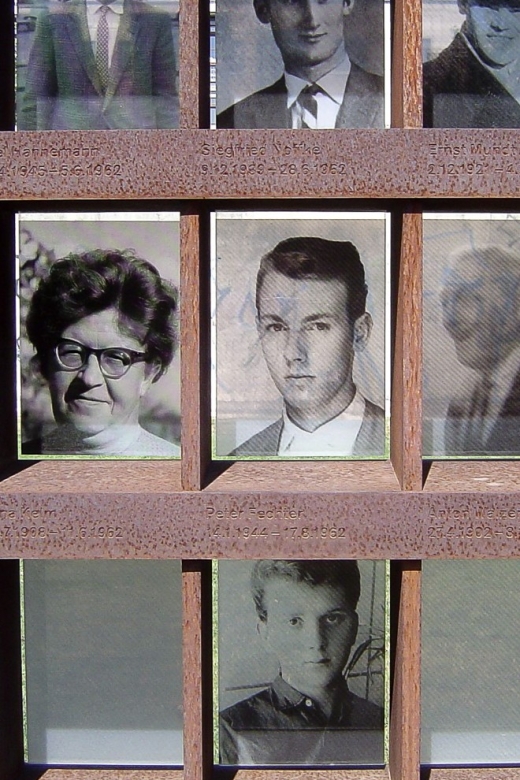
This is also the part of Berlin where the human cost is hard to avoid. The tour includes memorials for those who lost their lives trying to reach the West. That means you should be ready for a heavier tone, even though the guide keeps it organized and understandable.
If you want Berlin Wall history that feels concrete, this is a strong way to get it in a short time.
More Walking Tours in Berlin
- Discover Berlin Half-Day Walking Tour
★ 5.0 · 9,624 reviews - Berlin: Third Reich and Cold War 2 Hour Walking Tour
★ 4.9 · 6,830 reviews - Berlin: Discover Berlin Walking Tour
★ 4.9 · 5,998 reviews
Price and timing: $23 for a 2-hour, guided snapshot
At about $23 per person for a 2-hour walking tour, the value is mostly in what you get for that time window. You are paying for an English speaking guide, a structured route, and access to a memorial area where the story matters. You are also told it includes skipping the ticket line, which saves time when you would rather not stand around.
Two hours is long enough to cover the core themes without turning into a lecture marathon. It also means you can pair it with other Berlin highlights the same day. If your schedule is tight, this format is practical.
The timing also gives you a tradeoff. You are not looking at a museum at your own pace for hours. You are following a guide’s storyline. If you love to read every sign slowly, this may feel a bit fast. If you prefer clarity and a focused route, it is a good fit.
Finally, you should plan for the fact it is partly a transit day. The walk starts with public transport, about 15 minutes, so your real “door-to-door” time will be a bit more than two hours.
Getting started from Gartenstraße 85 and other pickup options
The meeting point can vary depending on which starting option you book. One of the options listed is Starbucks at Gartenstraße 85. That detail matters because you do not want to waste time wandering in the neighborhood before you meet the guide.
From there, you use public transport. The tour information says you should expect roughly 15 minutes of public transport. You are also asked to choose the correct option if you need a train ticket or if you already have one.
Practical tip: when a tour uses public transport like this, you get better results if you travel light and keep an eye on the group. In Berlin, stops can feel fast. Keep your phone handy for directions, but do not stare at it for long blocks.
Also, the tour is offered in English and German, and the guide is live. That usually means the meeting time is real, not flexible. Build a little buffer so you arrive with time to settle.
The heart of the walk: Bernauer Straße Wall Memorial and the death strip
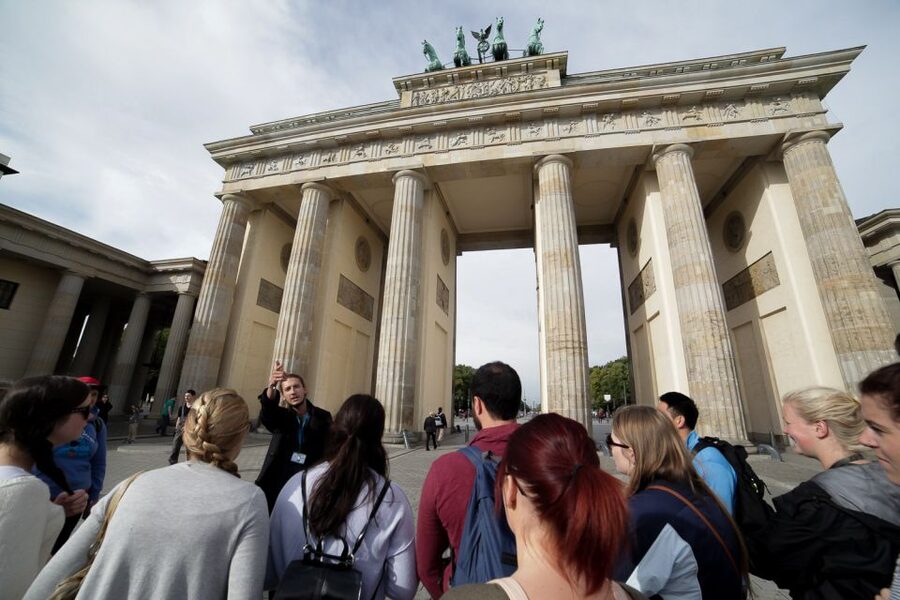
The main event is the guided visit at the Bernauer Straße Wall Memorial. This is where you get the most “wow, I can see it” moment on the route. You are not just hearing names of places. You are seeing what the system looked like on the ground.
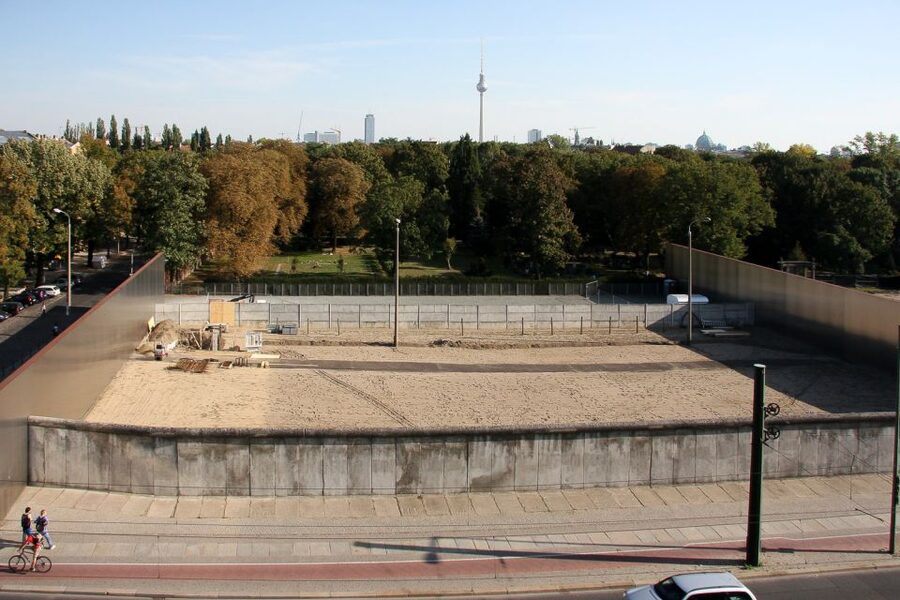
A key highlight is seeing the original death strip area, including a view of a watchtower plus walls and barriers. That combination is important because it shows how space was designed for control. People did not just get restricted by a single fence. They were trapped inside a carefully shaped zone where visibility and movement were controlled.
When the guide points out these features, you start to understand why escape attempts were so risky. A narrow strip and layered barriers are not just architecture. They are a mechanism. In other words, you can feel how the border regime worked.
The tour also includes memorial stops for victims. That matters because it turns “this happened” into “people died here.” Even if you know the broad history already, seeing the physical layout plus the memorial context changes how you remember it.
One practical consideration: this portion is outdoors. Wear comfortable walking shoes and dress for the weather. You will likely spend a good chunk of the two hours on your feet.
More Berlin Wall and Cold War history:
- Berlin’s Best: 2 Hour Walking Tour Third Reich and the Cold War
★ 5.0 · 5,486 reviews - Berlin: DDR Museum Tickets
★ 4.3 · 3,443 reviews - Skip-the-Line: Berlin Wall Museum at Checkpoint Charlie
★ 4.1 · 2,041 reviews - Berlin: East Side Gallery Spree Cruise in a Solar Catamaran
★ 4.1 · 1,086 reviews
How the guide connects everyday GDR life to the wall
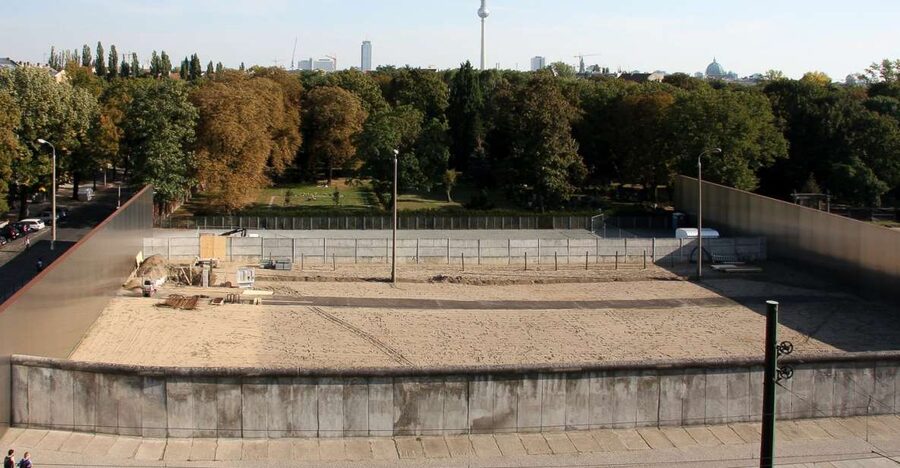
What makes this tour more than just a viewing session is the storytelling about everyday life in the GDR, the German Democratic Republic. You hear about escape attempts, but you also hear about the pressure inside East Germany itself.
The tour description specifically calls out that neighbors were encouraged to spy on one another. That detail is crucial. It means the border regime was not only walls and watchtowers. It also lived in relationships. The guide uses that theme to help you understand how people could feel watched even away from the Wall.
You also get tough questions addressed during the walk, including the secret police. Again, this is not random trivia. It helps explain why normal life felt risky in ways that Western visitors sometimes underestimate.
I like how the tour balances personal stories with structure. If you come in knowing only the headline version of the Cold War, you leave with a more grounded idea of how a system can reshape daily decisions, from where you go to what you say.
You should also expect a guided pace that keeps the group together. The tour information notes that guides can personalize the walking to the level of the group. That kind of adjustment is useful, especially if your questions pull you toward details or if you prefer a clearer, more direct explanation.
The 1961 setup, escape attempts, and why the border regime was deadly
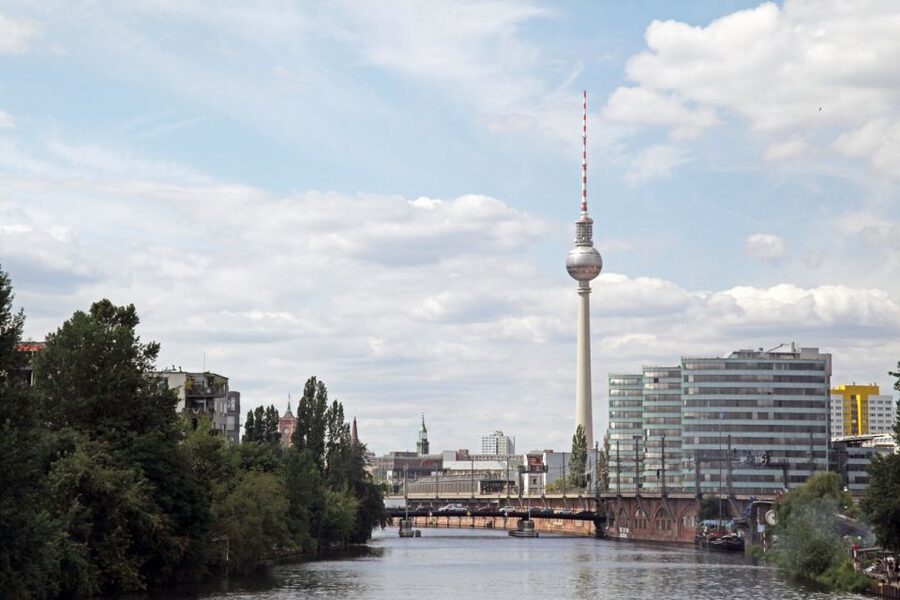
A big theme you will hear is how the Berlin Wall was set up secretly overnight in 1961. That overnight shift is a haunting idea on its own, but the guide uses it to explain what changed immediately after it went up.
Once you understand the speed of that change, the later stories of escape attempts hit harder. You are not imagining a slow reform. You are imagining a sudden cut through the city, enforced by barriers and surveillance.
The tour also covers how escaping was a deadly temptation. That phrasing matters because it frames the escape drive as both hopeful and desperate. The guide points you toward memorial locations for those who lost their lives, so the risks are not just abstract statistics.
There is also a deeper layer to the tour: the victims of the border regime are part of the story, not only the escape mechanics. That keeps the walk human.
If you have limited time in Berlin and you want to understand the Wall’s purpose beyond the tourist view, this is the section that delivers. It moves from the physical setup of the border to the emotional and political impact of that setup on real lives.
Tunnel 57 and ghost stations, explained in the context you need
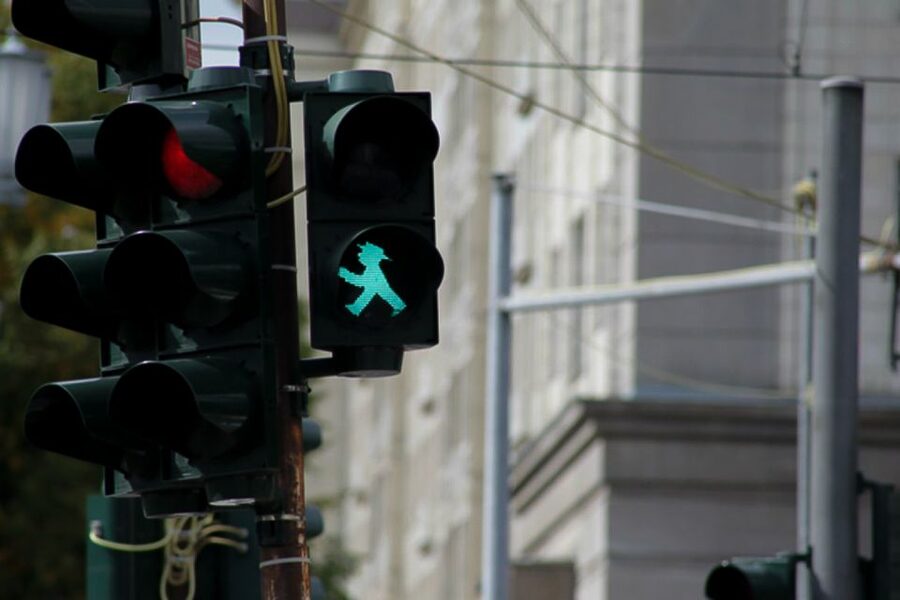
Some Berlin Wall tours mention famous sites and move on. This one is set up so those details connect back to why the Wall mattered.
You will hear about Tunnel 57, which is listed as a highlight. The way it is presented in the tour description suggests the guide uses it to show the lengths people went to escape, including attempts that involved digging beneath the Wall. Even without turning it into a technical lesson, the story helps you see that the border regime created pressure that pushed people into extreme choices.
You will also hear about ghost stations. That theme usually refers to stations or areas left in a strange, in-between state because the border split access. The tour’s emphasis on ghost stations likely helps you understand what happened to parts of Berlin’s everyday movement after the Wall cut the city.
The key value here is context. When you learn these elements while already standing near the death strip and barriers, the stories make more sense. You start connecting tunnels and station disruptions to the same goal: controlling movement and separating the capitalist West from the communist East.
This is the part I recommend if you want the tour to answer not just what the Wall was, but what it did to the city’s rhythm. The guide sets up the themes so you leave with a clearer picture of how the border changed Berlin from the inside.
Guides who keep it understandable, even when it is heavy
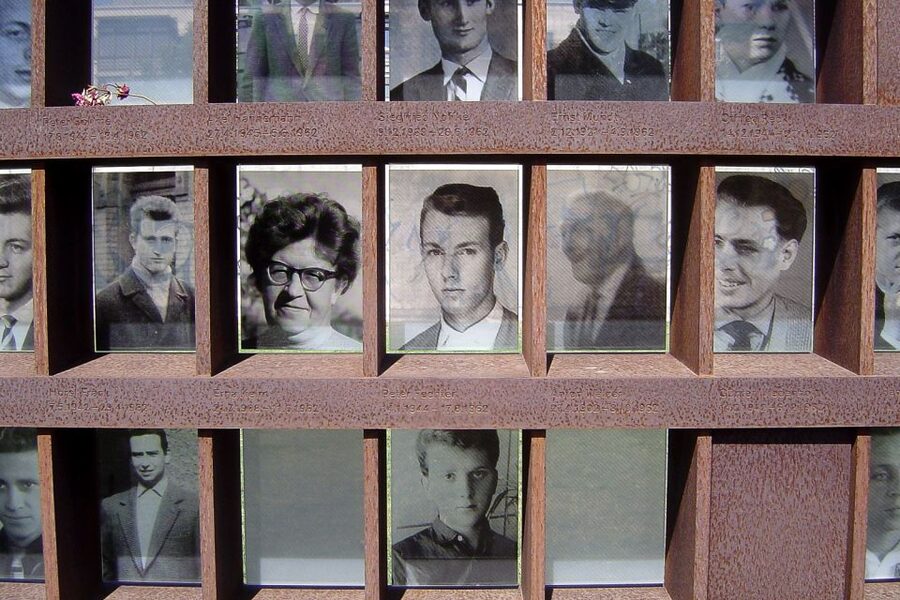
The tour is offered by Original Berlin Walks GmbH, and the guide-led experience is a major part of why people rate it highly. The tour information also says it is a licensed guide at the memorial, with English and German.
One review detail worth noting for your expectations is that guides can personalize the walking to the group’s level and stop when necessary. That sounds small, but it is actually a big quality marker. Berlin Wall history is dense. If a guide cannot slow down when someone needs it, the story can turn into noise.
Specific guide names mentioned include Nathan and Rebecca. Nathan is noted for being informative and keeping everyone engaged, with the sense that he cared about the history. Rebecca is described as very informative. Use that as a reassurance that the guiding style is not just reciting facts.
Also, one bit of feedback mentions a guide making sure someone could get a hackepeter during the outing. That tells me the tour staff pay attention to practical needs, not only the script.
If you prefer a guided narrative that keeps the pace human, this is likely your kind of tour.
What you will walk away with
By the time you finish, you should feel like you understand the Wall as a system, not a single barrier. You will have seen the death strip area with walls, barriers, and a watchtower. You will have heard how it was set up in secret overnight in 1961. And you will have learned about the broader border regime, including secret police and the spying culture in the GDR.
Most importantly, you should have a clearer sense of how everyday life was shaped by fear and control. That comes through in the stories about neighbors spying, and in the way escape attempts are described as both temptation and tragedy.
You might also come away with questions. That is normal, and this tour seems built to handle them, since it includes tough topics like the secret police and border regime victims.
If you are building a Berlin itinerary, this tour also helps you place other sites in context. Instead of treating Berlin landmarks as disconnected photos, you start connecting them to the division that shaped the city for decades.
Should you book this Berlin Wall and Cold War walking tour?
Book it if you want Wall history in a focused, guided format that fits into a two-hour window. It is a good value at $23 for a licensed, English speaking guide, a structured memorial visit, and key Cold War themes like everyday life in the GDR, escape attempts, Tunnel 57, and ghost stations.
Skip it or rethink it if you want a slow, self-paced museum experience or if you hate walking outdoors in weather. Also reconsider if the subject matter feels too heavy for you right now, since the tour includes memorials for victims and discusses deadly escape attempts.
If you are short on time in Berlin but still want something real, not just a photo stop, this is one of the better bets. It turns the Wall from a headline into something you can understand with your eyes and your ears.
FAQ
How long is the Berlin Wall and Cold War walking tour?
The tour lasts 2 hours.
How much does it cost?
The price is $23 per person.
What is included in the tour?
It includes an English speaking guide and a guided tour at the Bernauer Straße Wall Memorial.
Do I need public transport tickets?
The tour uses public transport. You should select the appropriate option depending on whether you need a train ticket or you already have one.
Where is the meeting point?
The meeting point may vary depending on the starting option booked. One listed option is Starbucks, Gartenstraße 85.
Is there free cancellation?
Yes. You can cancel up to 24 hours in advance for a full refund.
Fresh reviews out of Berlin
- Berlin Uncensored: A History of Sex & Freedom★ 5.0 · 50 reviews
- Berlin Food & Cultural Tour: Must-Try German & Berliner Classics★ 5.0 · 51 reviews
- English Comedy Show with Pizza and Shots in Central Berlin★ 4.5 · 51 reviews
- Rude Bastards Tour of Berlin★ 4.8 · 51 reviews
- Private Taxi Tour of Berlin East and West and Neighbourhood approx. 4-6h★ 5.0 · 55 reviews
- Rickshaw Sightseeing City Tours Berlin – Rikscha Tours★ 4.0 · 55 reviews
- Berlin: City Highlights Express & Panorama Roof Terrace★ 4.9 · 55 reviews
- Berlin during Nazism – Tour in Italian★ 5.0 · 56 reviews
Berlin Wall & Cold War Tours, compared.

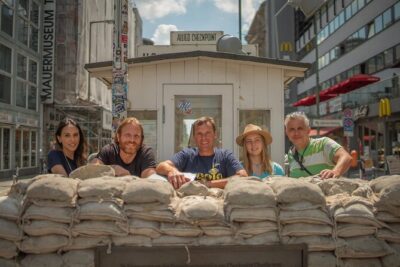
Berlin’s Best: 2 Hour Walking Tour Third Reich and the Cold War
Read our review →
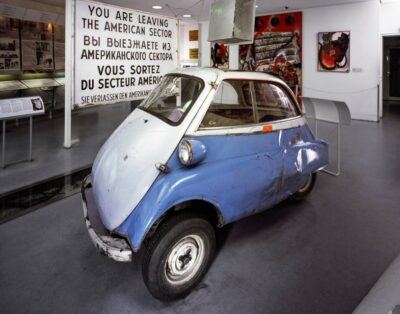
Skip-the-Line: Berlin Wall Museum at Checkpoint Charlie
Read our review →
East Side Gallery Spree Cruise in a Solar Catamaran
Read our review →
Cold War, Berlin Wall, Spies and the East Side Gallery
Read our review →
Browse the lists this tour appears in