
Reviewed · BERLIN WALL & COLD WAR TOURS
Private Cold War Berlin: Espionage, Berlin Wall, a Divided City
What makes this private Cold War Berlin experience stand out is how fast it turns history into real human stories, from wall-era escapes to the world of East German surveillance. You’ll walk through the city’s most important division points, not just read plaques.
I especially like the hotel pickup and drop-off, because it keeps the route simple and saves your energy. I also like the way the guides bring the subject to life, with calm, clear storytelling I’ve heard from guides such as Tina and Toni, who helped make the Cold War feel personal and understandable.
One thing to consider: this is a walking tour and it runs in all weather, so wear solid shoes and be ready for steady walking across several sites. If you have mobility limits, it can still work, but you should plan to move at a careful pace.
Key Things to Know Before You Go
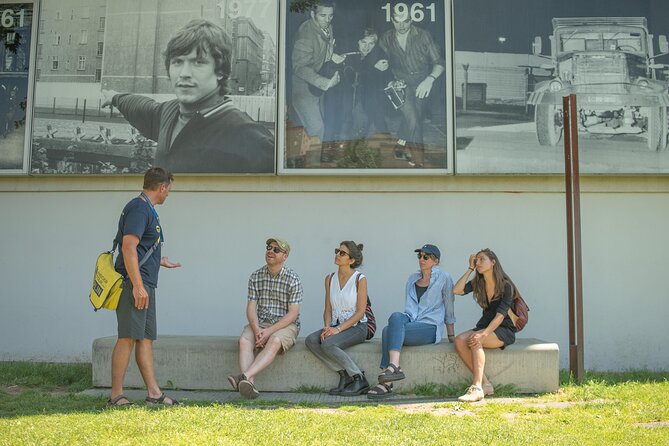
- Private group experience with only your group participating, so you can ask questions and set the pace.
- Hotel pickup and drop-off included, which makes a 3 to 4 hour tour much easier to fit in.
- Walking-focused route that connects major Cold War sites into one coherent story.
- Strong emphasis on espionage and escape attempts, including Tunnel 57 and Tunnel 29.
- Multiple layers of Berlin’s division, from border farewell scenes to prisons and surveillance networks.
- Admission tickets are free for the listed stops, so you mostly pay for the guide and time.
Why This Cold War Berlin Walk Feels So Real
Berlin’s Cold War story can sound abstract until you stand in the right places. This tour is designed to do exactly that. You’ll see how borders shaped daily life, how families said goodbye behind controlled doors, and how intelligence work became part of ordinary routines.
The value here is not just famous landmarks. It’s the way the route connects themes. One stop explains escape tunnels and risk. Another shows the border-crossing heartbreak. Later you’ll shift from escapes to surveillance tools, where everyday people could be used to watch neighbors.
If you like historical sites with strong context, you’ll appreciate that the tour keeps returning to how the Cold War operated in practice, not just in slogans. Expect emotionally heavy moments, but also a sense of how Berlin rebuilt itself afterward.
More City Tours in Berlin
- Berlin: 1-Hour City Tour by Boat with Guaranteed Seating
★ 4.3 · 16,993 reviews - Berlin: City Sightseeing Hop-On Hop-Off Bus Tour
★ 4.1 · 4,233 reviews - Berlin: 1-Hour City Sightseeing Cruise
★ 4.4 · 2,210 reviews
Price and Time, What $191.44 Buys You
At $191.44 per person for about 3 to 4 hours, you’re paying for a private guide who can shape the pace around your group, plus the convenience of pickup and drop-off. That combination matters in Berlin, where walking between Wall-era sites can add up fast.
This isn’t a long day, but it is a dense one. You’ll cover multiple key locations tied to the Wall, espionage, and Cold War power struggles. Admission is free at the listed stops, so you aren’t also budgeting for ticket lines while you’re on the clock.
What you should plan for: no food or drinks included. If you’re booking this during a busy day, I’d grab a light snack before you start, and bring water if you tend to get thirsty while walking.
How the Route Moves, and Why That Order Works
The structure is thoughtful: it starts where the Wall’s story became tangible, then moves through the border theater, and finally ends up in the surveillance machinery and the places where people demanded change.
You start at a major Wall memorial area, then head to Tränenpalast for the border-crossing emotional side. After that, you shift to the East Side Gallery, where art turned broken history into a public message. From there, you head into institutions that carried out control, like Stasi sites and prisons. You finish in a central public space where large protests helped push events toward reunification.
It’s a route that helps your brain connect the dots. You’re not hopping randomly from one stop to another. You’re stepping through a story arc: division, fear, resistance, control, and then change.
Memorial of the Berlin Wall: Bernauer Strasse and Tunnel Stories
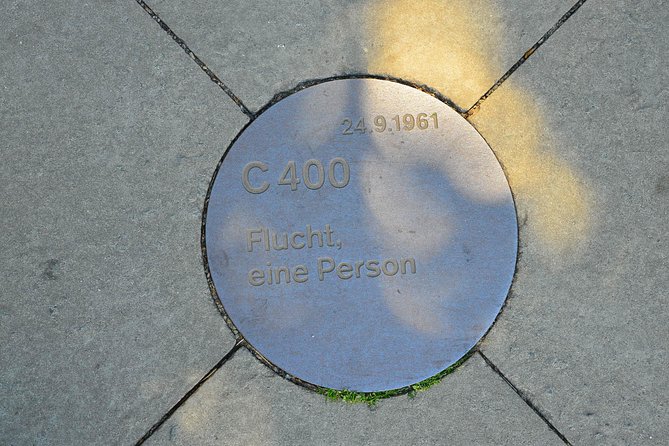
This is the anchor stop, and it’s built for impact. You’ll visit the Memorial of the Berlin Wall at Bernauer Strasse, where a preserved section of the Wall stands alongside the Chapel of Reconciliation. That setting matters because it turns an artifact into a moment you can feel, not just a photo.
What you learn here is also key: escape attempts were not rare side stories. They were a steady pattern of risk and courage. Your guide will cover notable underground passages such as Tunnel 57 and Tunnel 29, including the fact that Tunnel 29 led 29 people to freedom in 1962. Those details help you understand that the Cold War was fought not only with speeches and weapons, but with engineering, planning, and desperation.
A small consideration: this stop is emotionally intense. If you know you want to keep your day light, it might be best to mentally brace for heavy stories at the start.
More Berlin Wall and Cold War history:
- Berlin: Third Reich and Cold War 2 Hour Walking Tour
★ 4.9 · 6,830 reviews - Berlin’s Best: 2 Hour Walking Tour Third Reich and the Cold War
★ 5.0 · 5,486 reviews - Berlin: DDR Museum Tickets
★ 4.3 · 3,443 reviews - Skip-the-Line: Berlin Wall Museum at Checkpoint Charlie
★ 4.1 · 2,041 reviews
Tränenpalast: The Palace of Tears and Espionage at Friedrichstrasse
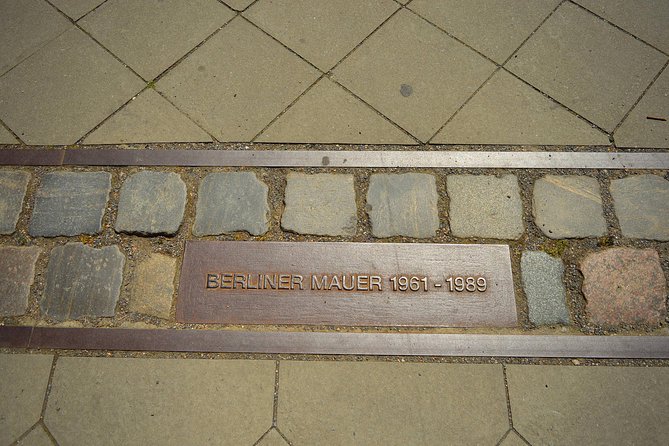
Next comes the Tränenpalast (Palace of Tears) at Friedrichstrasse, a former border crossing point where farewells could be brutally controlled. The setting is especially striking because you hear how emotional goodbyes happened in the very system meant to prevent reunions.
This stop also adds a different angle: espionage. The building became a hotspot for spies trying to cross between East and West using clever tactics to avoid detection. That blend of heartbreak and intelligence work is what makes Berlin’s division unique, because the Wall-era border did not only separate cities, it fueled covert activity.
Today the building houses a museum, and you’ll see moving exhibits connected to border control, the Wall, and spy networks. The practical value is that you leave with a clearer picture of how crossings worked, and why so many people were desperate to get out.
East Side Gallery: From Wall to Open-Air Murals
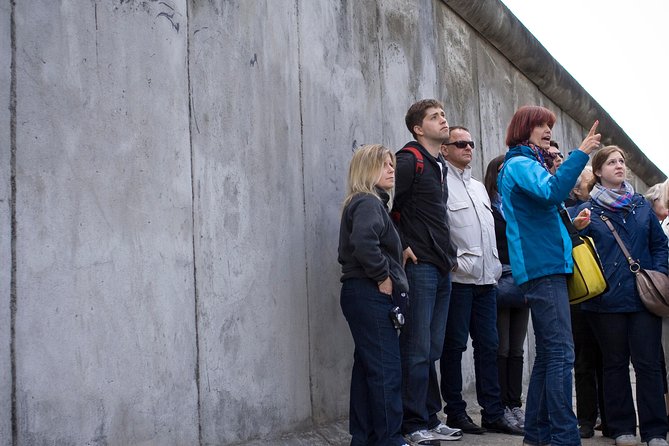
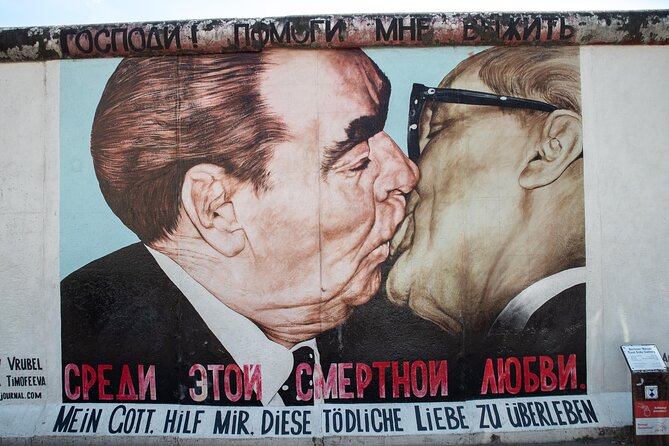
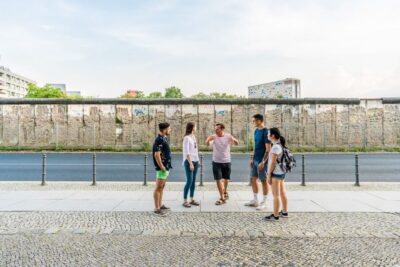
Then you get the visual reset you need, the East Side Gallery. This is a 1.3 km stretch of the Wall turned into an open-air art gallery, where murals appeared after the fall in 1989. Artists from around the world painted messages on remaining sections, turning a symbol of division into something more public and hopeful.
Your guide will connect the artwork to the people and atmosphere of that turning point. You’ll hear how the murals reflect optimism after reunification, and how Berlin’s identity has carried forward that transformation.
One practical note: this stop is shorter, but it still benefits from slow walking. Look at the murals not as random graffiti, but as messages placed into a very political physical space.
Stasimuseum: Hidden Cameras, Informants, and the Machinery of Control
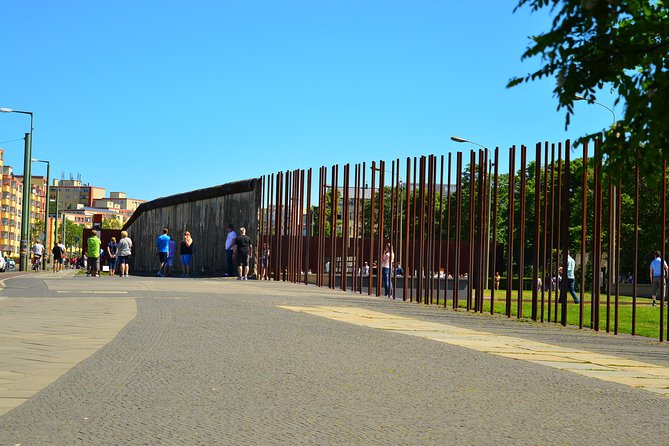
The Stasimuseum is where the Cold War becomes uncomfortable in a new way. You’ll visit the former Stasi headquarters, a haunting reminder of the surveillance system used by East Germany’s secret police.
What makes this stop worth your time is the specificity of how control worked. You’ll learn about methods such as hidden cameras, wiretapping, and the use of informants, including everyday citizens. The story is not just about spies in trench coats. It’s about the fear that ordinary life could turn into suspicion.
You’ll also hear how surveillance hit families and individuals through interrogation and harassment. It helps you understand how repression can be systematic, not just occasional.
If you are sensitive to oppressive themes, pace yourself here. This is the kind of place where you’ll likely read slowly, not just look quickly.
Checkpoint Charlie: Berlin Crisis Tension in a Small Zone
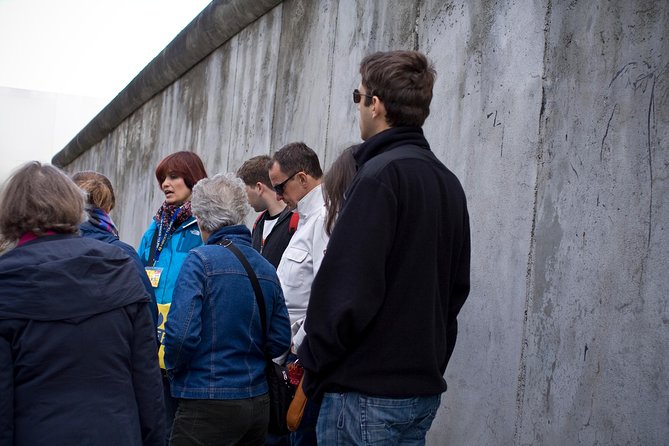
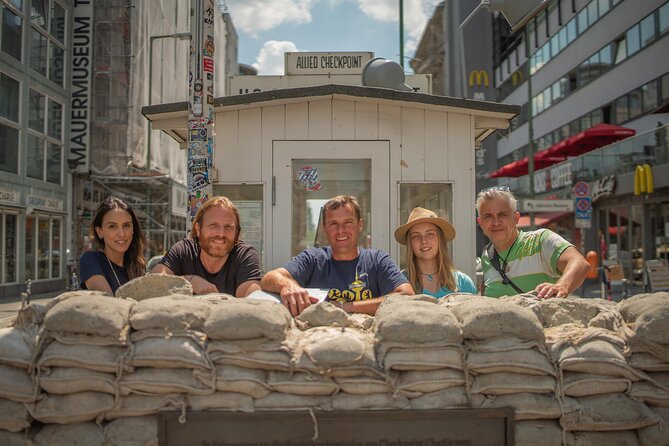
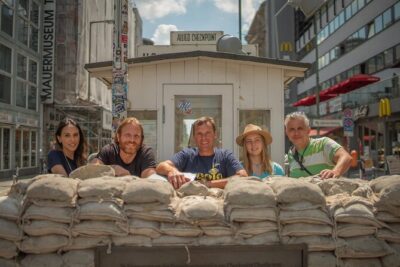
Checkpoint Charlie is one of the most recognizable Cold War crossing points, and your guide will explain what made it so tense. This was a symbol of division between communist East and democratic West, and it became the stage for standoffs between American and Soviet forces.
The highlight is understanding the Berlin Crisis of 1961, when the Wall was erected. At this spot, it becomes clearer how quickly a local border could threaten global conflict. You’ll also hear about escapes and spy exchanges connected to the crossing, plus how it affected ordinary Berliners.
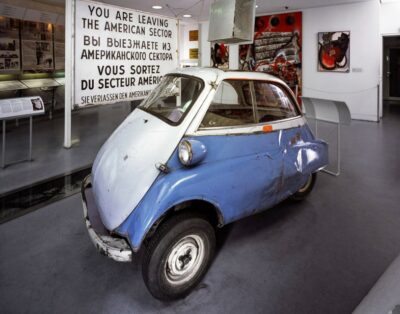
There’s a museum at the site with exhibits focused on espionage, escapes, and Cold War history. Because the time is shorter here, I treat it like a quick orientation stop. Let your guide point out what to prioritize before you look around.
Prenzlauer Berg: The Fröbelstraße Corner, NKVD Then Stasi
In Prenzlauer Berg, you’ll see the darker side of post-war control at the Fröbelstraße corner, tied to both NKVD and Stasi imprisonment. After World War II, Soviet authorities used the prison for political prisoners, suspected spies, and people viewed as enemies of the state.
Later, when the GDR took over, the prison was run by the Stasi. Your guide will explain the harsh conditions and how both systems worked to suppress opposition.
What I like about this stop is how it shows continuity and change. Different agencies, same core idea: control information, control movement, and break resistance. You’ll also get stories of bravery, which helps keep the focus on individuals rather than just systems.
The drawback to be aware of is that this is not a “light” stop. If you’re prone to getting overwhelmed on tours, slow down with your breathing and keep your expectations realistic.
Alexanderplatz: November 4, 1989 and the Push for Change
Your final major stop is Alexanderplatz, a central place tied to the end of the Wall’s era. Your guide will connect Cold War landmarks here with the moment things tipped: the November 4th, 1989 protest, when over half a million East Berliners gathered to demand change.
You’ll also learn how the area connected to the Stasi’s efforts and how public space could be both a target and a stage for peaceful resistance. As you look around, your guide points out key landmarks such as the Fernsehturm (Television Tower) and the Red City Hall, and explains why these places mattered to GDR leadership.
This ending works because it shifts you from learning how control functioned to seeing how people forced change. If you’ve been feeling the weight of earlier stops, Alexanderplatz is a useful release valve.
Walking Comfort, Weather, and What to Bring
This tour operates in all weather, so your comfort depends on what you wear. Wear shoes that handle Berlin sidewalks and cobbles without drama, and bring a light layer even if the day looks mild.
Since food and drinks are not included, plan your timing. If you’re doing this mid-day, eat beforehand and keep a small snack option nearby so you don’t start dragging during the later stops.
If you need a slower pace, the tour is private, and guides in this program have been known to adapt to physical limitations. Still, be honest about your pace needs when you meet your guide.
Who This Tour Suits Best
This experience is best for active travelers who want a structured, story-driven way to understand Berlin’s Cold War. It fits both first-time visitors and repeat Berliners because it doesn’t just repeat standard sightseeing. It threads espionage, the Wall, border control, and surveillance into one route.
It’s also ideal if you like history with real characters. You’ll hear about escape planning, border farewells, prison systems, and large protests, all tied to specific places you can stand in.
If you hate walking tours, this will feel like work rather than discovery. If you love walking and you want depth, you’ll likely find it very satisfying.
Should You Book This Cold War Berlin Experience?
Yes, if you want more than surface-level Berlin Wall photos and you’re interested in how espionage and surveillance shaped daily life. The private format, plus hotel pickup and drop-off, helps this feel efficient and personal rather than rushed.
I’d book it especially if you like guides who tell stories with a calm, clear tone. Based on what you’ll hear from guides like Tina and Toni, you should expect solid communication and history tied to lived experience, not just dates.
Skip it only if you need a fully seated tour or you can’t handle a walking route in changing weather.
FAQ
How long is the private Cold War Berlin walking tour?
It runs about 3 to 4 hours.
Is hotel pickup and drop-off included?
Yes. Hotel pickup and hotel drop-off are included.
Is this a group tour or private?
This is a private tour, meaning only your group participates.
What language is the tour offered in?
The tour is offered in English.
Are admission tickets included for the stops?
The stops listed include free admission tickets.
Is food and drinks included?
No. Food and drinks are not included.
What should I wear or how should I prepare since it runs in all weather?
The tour operates in all weather conditions, so dress appropriately. Since it is a walking tour, wear comfortable shoes.
What is the cancellation policy?
You can cancel for free up to 24 hours in advance for a full refund. If you cancel less than 24 hours before, the amount paid is not refunded.
Fresh reviews out of Berlin
- Gastro Tour with Klaus though the Wrangelkiez, Kreuzberg★ 5.0 · 9 reviews
- Wall Tour Berlin – Fates, Heroes & Love Stories★ 4.0 · 9 reviews
- Berlin City Tour with Hotel pick up and Drop off★ 4.0 · 9 reviews
- Berlin Private Street Art Tour – Off The Grid★ 5.0 · 9 reviews
- Romantic Berlin Rickshaw City and Photo Tour – incl. pick-up★ 4.0 · 9 reviews
- Quatsch Comedy Club Berlin: Quatsch Comedy Hot Shot★ 4.8 · 9 reviews
- Berlin Urbex Adventure and History Tour★ 5.0 · 9 reviews
- Stag Party Berlin: Celebration for Your Bachelor Party★ 3.4 · 9 reviews
Berlin Wall & Cold War Tours, compared.
Berlin’s Best: 2 Hour Walking Tour Third Reich and the Cold War
Read our review →
Skip-the-Line: Berlin Wall Museum at Checkpoint Charlie
Read our review →
East Side Gallery Spree Cruise in a Solar Catamaran
Read our review →
Cold War, Berlin Wall, Spies and the East Side Gallery
Read our review →
Browse the lists this tour appears in