
Reviewed · SACHSENHAUSEN MEMORIAL TOURS
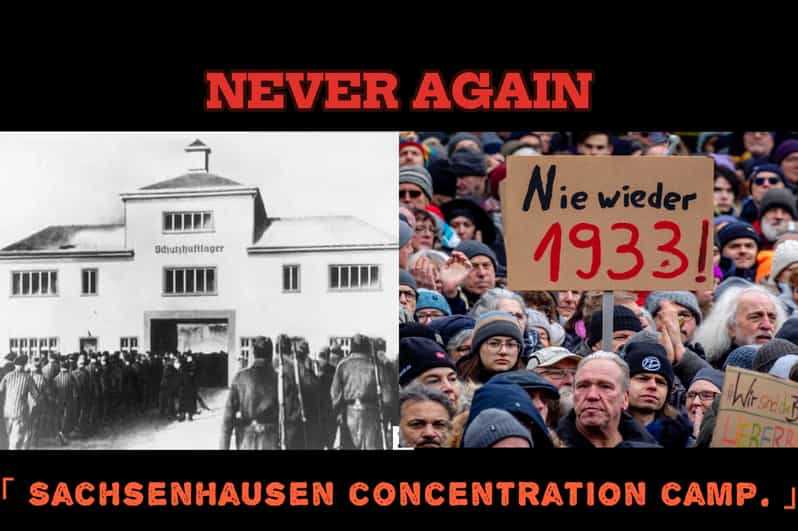
Never Again Berlin – Sachsenhausen Concentration Camp
This tour is interesting because it teaches how the Nazi system worked step by step, not just the aftermath. Sachsenhausen was left largely intact, so you can see the physical layout that helped prison control and the cruel idea of superiority over prisoners.
I especially like two things: you get a structured walkthrough that connects Hitler’s rise and camp selection to the way the site functioned day to day. I also like the emphasis on seeing how racism and exploitation were built into daily routines, right up through themes like eugenics and medical cruelty. If your guide is Siobhan, you can also expect a mix of clear explanations and real passion for the subject.
One drawback to consider is that the tour experience can vary by guide pacing and language mix. In some cases, a guide may not stay beside the group for every moment, or you might hear more than one language included during parts of the day.
Key points at a glance
- Oranienburg route with real-site context, starting from Berlin and taking you to the memorial area
- Visitors center models that explain control and camp design before you walk the grounds
- Tower A highlights like the Perpetrators’ Room exhibition and SS indoctrination
- Station Z focus on Soviet prisoners, child soldiers, and the gas chambers and crematorium
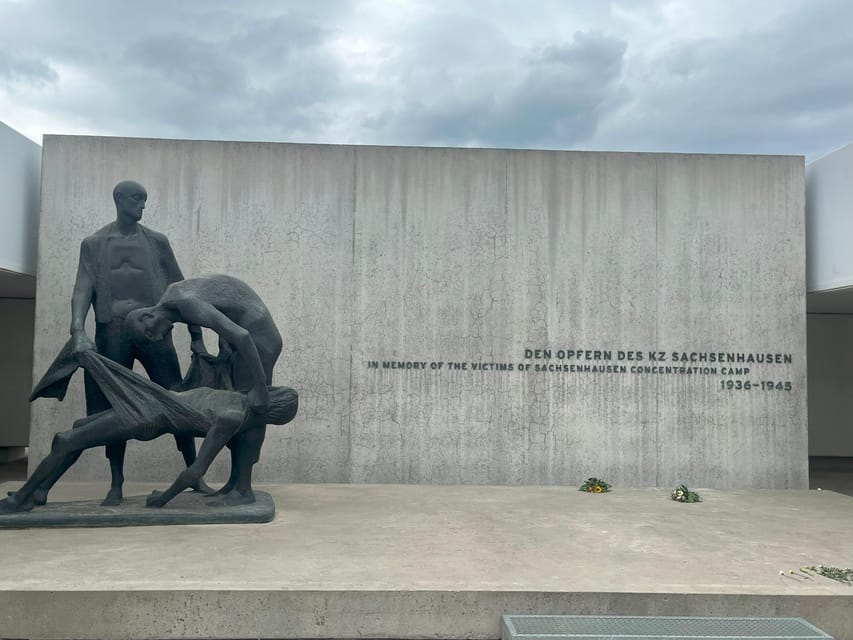
- Present-day connections, including attacks by Holocaust deniers and far-right political context
Entering Sachsenhausen: why this memorial visit matters
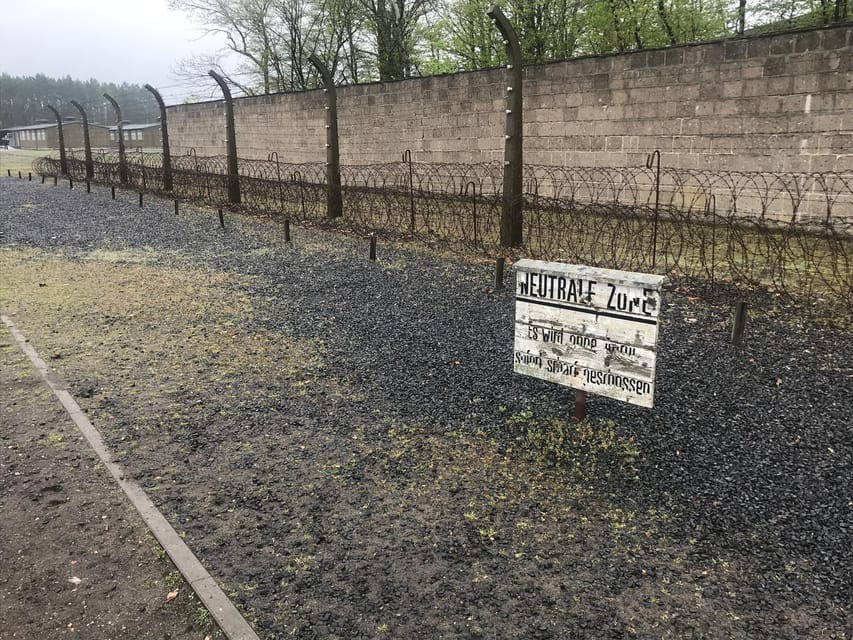
Sachsenhausen Memorial can feel heavy fast, but that is also the point. This is one of the places where you can connect what you read in books to the built environment that made terror efficient. The tour frames the story in a clear sequence, starting with why the Nazi regime picked this kind of location and how it fit into the larger project of control.
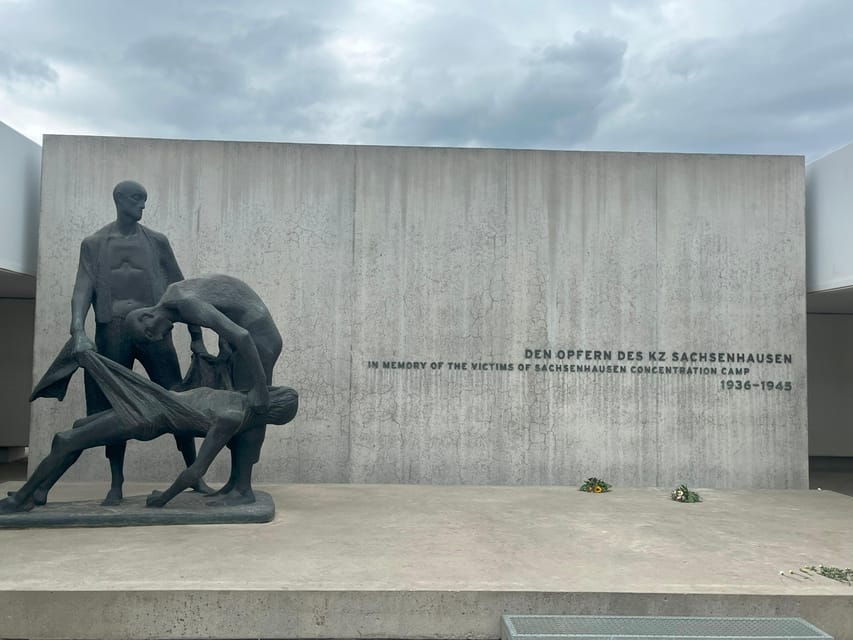
You will also appreciate that the visit is not only about tragedy as a concept. It points to how cruelty was organized: routines, hierarchy, public humiliation, labor exploitation, and the way ideology shaped decisions. And because the camp grounds are largely preserved, you are not just listening to history. You are walking through the settings where it happened.
Other Sachsenhausen memorial visits:
- Berlin: Sachsenhausen Concentration Camp Tour in English
★ 5.0 · 5,711 reviews - Berlin: Sachsenhausen Concentration Camp Memorial Tour
★ 4.7 · 3,716 reviews - Sachsenhausen Concentration Camp Bus Tour in English from Berlin
★ 5.0 · 1,962 reviews
Price and Logistics: what $38 covers and what to budget
The tour price is $38 per person and entrance to the memorial is included. For a guided visit lasting about 4.5 hours total on the ground time plus transport, that is a solid value, especially since the memorial itself usually is not quick.
Here is what you should plan for beyond the ticket price. The train ticket for the Berlin area is not included. The info is specific that you need a Berlin ABC train ticket for the trip to Oranienburg, and you need to buy it ahead of time. So in your budget, think of it as $38 plus your local transit cost.
Food planning is another part of the real-world value equation. You will be happier if you bring snacks and water, because the camp has only two food options and they are not always open. If you show up hungry, you will lose time to waiting or to difficult choices.
Getting from Potsdamer Platz to Oranienburg without stress
The day starts at Potsdamer Platz. Your meeting point is in front of Espresso House, and the guide carries a mini yellow flag. From there, the group takes a train ride for about 35 minutes, then a short bus or coach segment for around 10 minutes, and then you reach the Sachsenhausen Memorial area.
The schedule is built for a smooth half-day flow. After the guided and self-paced time at the memorial, you return the same way, bus or coach for about 10 minutes, train for about 35 minutes, back to Potsdamer Platz.
Why this matters: this trip is not just about the camp. It is also about managing timing in Berlin so you are not sprinting across stations. A set meeting point and clear transit segments help you stay calm and present.
Visitors center first: models that make the camp layout click
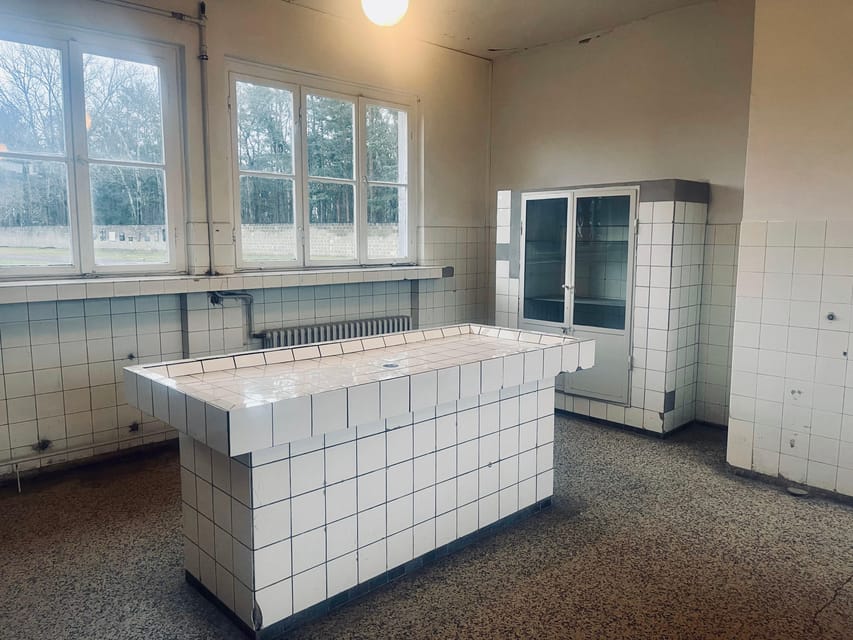
When you reach the memorial area, you typically start with time for orientation and a walk toward the visitors center. This is a smart first move. Before you go deep into the grounds, you get models of the camp that show physical structures designed for control and for reinforcing hierarchy.
In many memorials, people rush straight to the big open spaces. Here, the guided approach helps you get your bearings fast, so later details make more sense. You are less likely to feel lost, and you can follow the story because you can visualize what the guide is referencing.
You also learn about the transformation of the former SS training camp into today’s Brandenburg police academy. That kind of continuity is unsettling, but it is also important. It shows how Germany kept working, rebuilt institutions, and reused parts of the infrastructure while the memorial preserves the truth of what occurred there.
Weigh these Berlin picks against each other
- Berlin: Reichstag, Dome and Government District Guided Tour
★ 4.7 · 18,288 reviews - Berlin: 1-Hour City Tour by Boat with Guaranteed Seating
★ 4.3 · 16,993 reviews - Berlin: TV Tower Standard Entrance Ticket
★ 4.4 · 15,883 reviews - Berlin: Boat Tour Along the River Spree
★ 4.4 · 11,252 reviews
The SS troop camp and officers’ house: how cruelty was organized
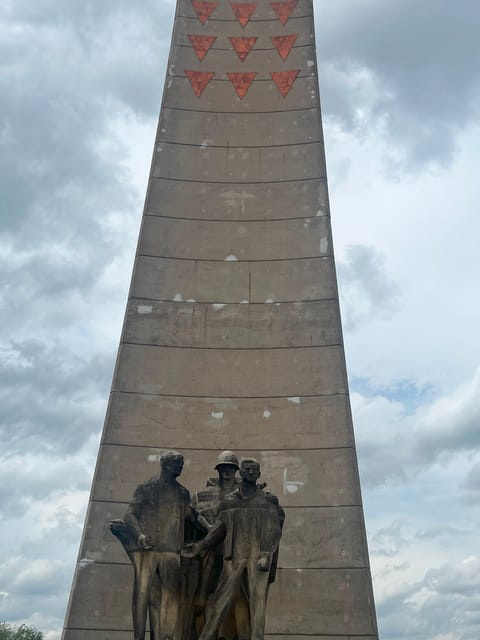
After the orientation, the tour moves toward the heart of the SS troop camp and the head of camp’s house area. This is where you start seeing how power was staged. Even family time appears in the narrative, placed against the reality of prisoners’ suffering. It is the kind of detail that sticks because it forces you to confront how normalcy and brutality were allowed to coexist.
This section also covers the grim reality of sex work by female prisoners. The tour mentions frequent visits by reporters, ambassadors, and humanitarian organizations, and it uses that as a prompt for a painful question: Who knew?
That question is not asked to be dramatic. It is asked because the details suggest more than ignorance. You are led to think about information flow, visibility, and the moral failure of institutions that could see something and still not stop it.
Tower A and the Perpetrators’ Room: ideology, not just violence
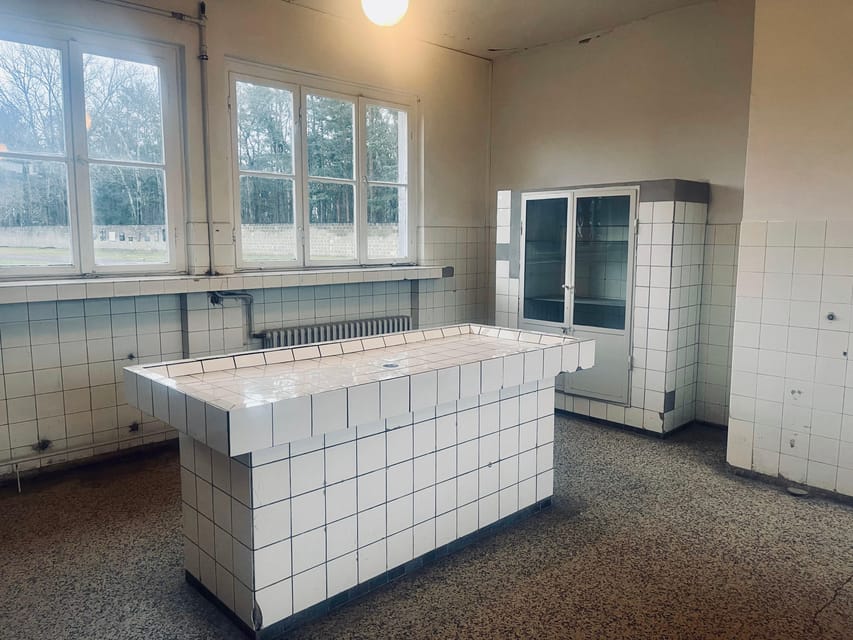
Tower A is one of the tour’s most direct “how the machine worked” moments. You will encounter the Perpetrators’ Room exhibition, which focuses on SS indoctrination. The display includes portraits of officers, and it connects those faces to the methods of brainwashing.
This part matters because it addresses the mindset that made the system possible. Violence was not only physical. It was ideological. You are shown how the Nazis cultivated a belief in their own superiority and trained people to accept exploitation as normal.
In the same area, you also hear about the daily roll calls, which were used to control prisoners through routine and fear. The shoe testing track is another brutal detail described for how the Nazis categorized prisoners and treated the least valued groups even worse. It is hard to listen to, but it helps explain why the camp system produced both terror and profit.
Prisoner barracks and the camp kitchen: when denial reaches the present
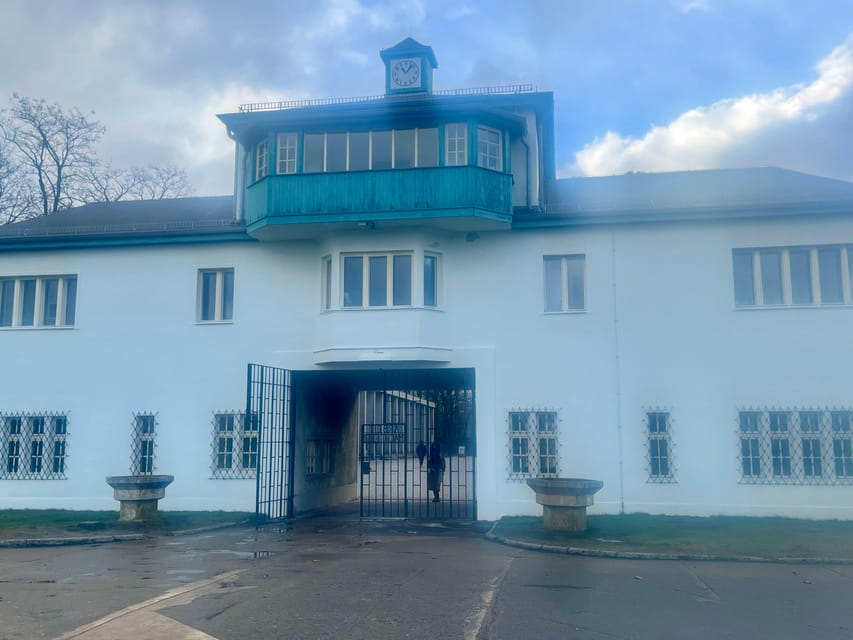
After the main guided components, you get time for autonomous exploration of the prisoners’ barracks and the camp kitchen. Having a self-guided portion is useful. You can slow down where you need to, and you can pause to process what your guide explained.
This portion also includes the reality that the site is not sealed off from the present. The information shared points to attacks by Neo-nazis who deny the Holocaust, including activity connected to the barracks area. You also hear about connections to current politics, including the rise of AfD, a German far-right group.
Why that connection is valuable: it prevents the visit from turning into a closed chapter. The tour frames the memorial as an ongoing responsibility, not just a visit to a past graveyard.
Station Z: Soviet prisoners, child soldiers, and the gas chambers
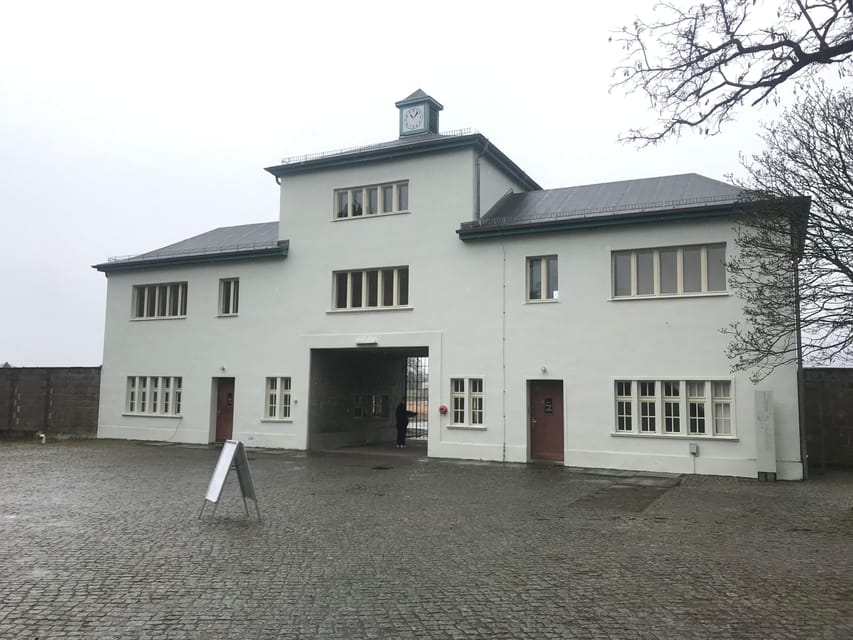
Station Z shifts the story to mass murder with a stark level of detail. You learn about the targeting and killing of Soviet prisoners, including child soldiers, and about the operation of the gas chambers and crematorium.
This is where you should mentally prepare for an emotionally intense segment. The site is not performing history like a theme park. It is presenting evidence and explanations of industrialized killing. Even if you know the general facts, the way the story is directed here can feel sharper because you are standing in the physical sequence of events.
The infirmary: racism, control of women, and human experiments
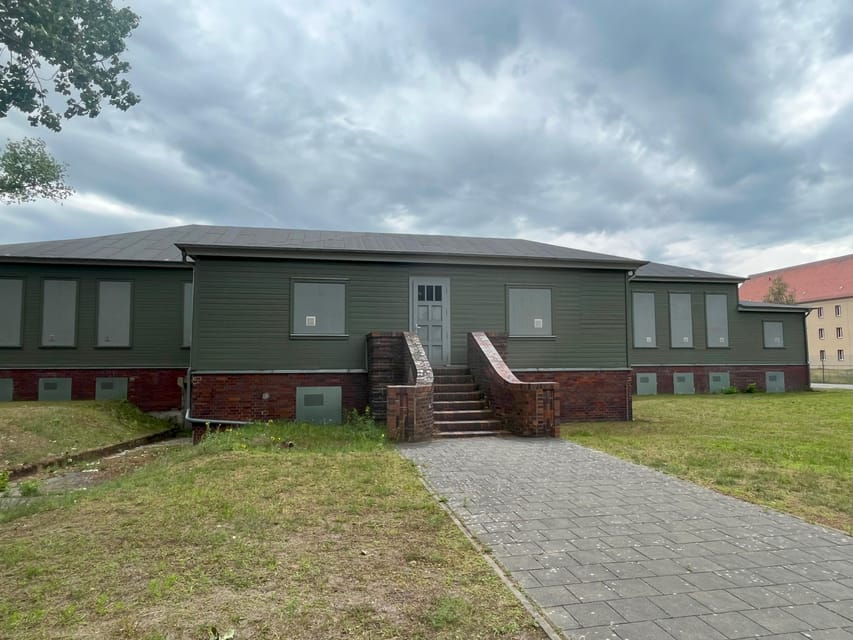
The final major stop is the infirmary area, and it centers on how Nazi ideology mapped onto medicine and “science.” You will learn about racism, control over women’s bodies, eugenics, and the idea that prisoners were treated like lab rats.
The tour also explains how Nazi doctors pursued careers through that cruelty. That connection is important, because it shows that atrocities were not only acts of random hatred. They were supported by institutions and rewarded by professional advancement.
If you are the kind of traveler who likes to understand cause and effect, this section will likely stay with you. It ties earlier themes like hierarchy and indoctrination to the way power can end up inside clinics, classrooms, research programs, and paperwork.
What the 270 minutes really feels like on the ground
You are looking at about 270 minutes total. That includes transit from Berlin and the time at the memorial area. The core on-site time is roughly 4 hours, which is long enough for real orientation, multiple exhibits, and some independent walking.
The day is also practical in pacing. You will have break time before the memorial visit, and there are scheduled returns to Potsdamer Platz so you are not stuck improvising late in the day.
Given the emotional weight, bring a steady plan for energy. Comfortable shoes matter a lot here. You will do walking on uneven ground, and you do not want your feet to distract you from the content. A bottle of water helps too, especially since camp food options may be limited.
Who this tour suits best, and who should rethink it
This experience is not suitable for children under 12. That makes sense given the topics, including sexual exploitation, mass murder, and medical atrocities.
It also suits adults who want more than a quick highlight stop. If you care about structure, you will like the sequence from background to camp operations to later exhibit areas like Perpetrators’ Room, Station Z, and the infirmary.
If you want a casual sightseeing day with light stories, this is not that. But if you want a serious memorial visit with clear explanations and enough time to process, it is a strong fit.
Any red flags? how to set yourself up for a good experience
The best-case scenario is a guide who stays engaged and explains details in a way you can follow through the space. Some people have highlighted Siobhan specifically as extremely knowledgeable and passionate, with clear care taken to explain different parts of the camp and include stories they might not get on their own.
That said, there is one caution worth taking seriously. Some reports describe a guide not accompanying the group for most of the tour, and also mention that two languages may be spoken at the same time during parts of the day. If you are counting on uninterrupted narration, plan to ask your guide how the pacing works and where you should regroup.
A simple travel tactic helps here: keep close to the group during guided segments, and during self-guided time, set small goals like finding Tower A, then Station Z, then the infirmary so you do not waste energy searching.
Should you book Never Again Berlin for Sachsenhausen?
Book it if you want a guided memorial visit with a clear storyline and practical pacing, and if you are ready for heavy topics that go beyond slogans. The price is fair for what you get, especially since entrance is included and the day is organized from central Berlin.
Consider another option if you strongly prefer a totally uninterrupted narration with one language only, or if you are not comfortable with graphic historical themes. Also think about timing and energy: the camp food options may be limited, so bring snacks and water.
In short, this is a sober, structured Sachsenhausen visit that connects ideology, machinery, and consequences across time. It is not a quick stop, but it is a real educational day.
FAQ
Where do I meet the tour guide?
You meet in front of Espresso House at Potsdamer Platz. The guide will have a mini yellow flag.
How long does the tour last?
The duration is about 270 minutes.
What language is the tour in, and is it wheelchair accessible?
The tour guide speaks English, and the tour is wheelchair accessible.
Is the memorial entrance included in the price?
Yes, the price includes entrance.
Do I need a train ticket for Berlin to reach Oranienburg?
Yes. A Berlin ABC train ticket is necessary for the trip to Oranienburg, and it is not included in the price.
What should I bring for the day?
Bring comfortable shoes, snacks, and water, plus comfortable clothes. Food and drink options inside the camp are limited and not always open.
Fresh reviews out of Berlin
- Gastro Tour with Klaus though the Wrangelkiez, Kreuzberg★ 5.0 · 9 reviews
- Wall Tour Berlin – Fates, Heroes & Love Stories★ 4.0 · 9 reviews
- Berlin City Tour with Hotel pick up and Drop off★ 4.0 · 9 reviews
- Berlin Private Street Art Tour – Off The Grid★ 5.0 · 9 reviews
- Romantic Berlin Rickshaw City and Photo Tour – incl. pick-up★ 4.0 · 9 reviews
- Quatsch Comedy Club Berlin: Quatsch Comedy Hot Shot★ 4.8 · 9 reviews
- Berlin Urbex Adventure and History Tour★ 5.0 · 9 reviews
- Stag Party Berlin: Celebration for Your Bachelor Party★ 3.4 · 9 reviews
Sachsenhausen Memorial Tours, compared.
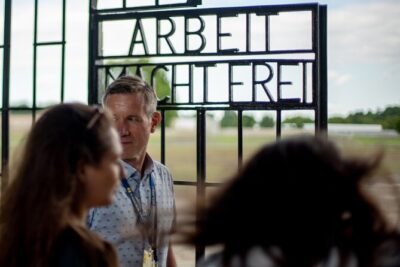
Sachsenhausen Concentration Camp Tour in English
Read our review →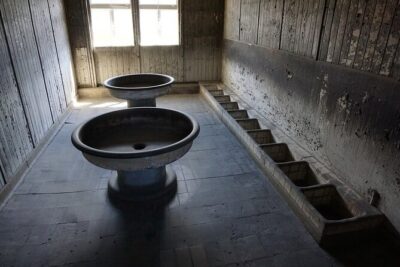
Sachsenhausen Concentration Camp Memorial Tour
Read our review →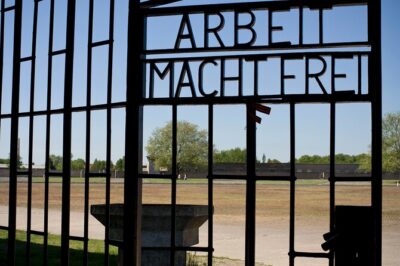
Sachsenhausen Concentration Camp Bus Tour in English from Berlin
Read our review →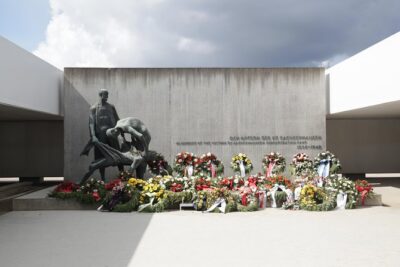
Sachsenhausen Concentration Camp Memorial Tour (Max. 15 Guests)
Read our review →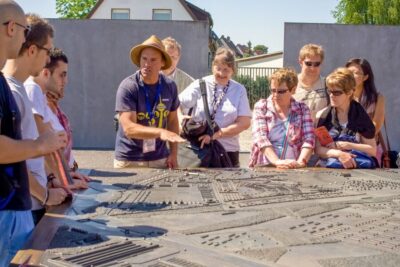
English Bus Tour to Sachsenhausen Concentration Camp
Read our review →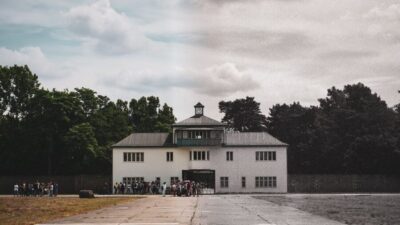
Sachsenhausen Concentration Camp and Potsdam Tour
Read our review →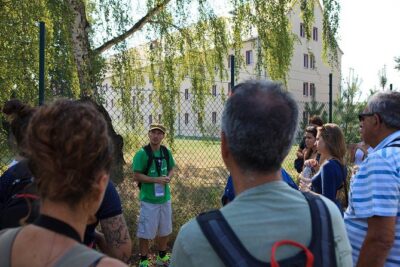
Visita en español al campo de concentración Sachsenhausen
Read our review →Browse the lists this tour appears in