
Reviewed · BERLIN WALL & COLD WAR TOURS
Berlin Wall: Small Group Guided Tour
Berlin Wall tours can feel like history class until you see how the city is literally shaped by the border. This one follows the Berlin Wall traces on foot, with stops tied to what happened in real streets and real neighborhoods.
I love two things most about it. First, it is a small group (up to 12 people), so you can ask questions without shouting over everyone. Second, the walk is powered by real stories from people who lived in both sides of Berlin, like guides named Marcus, Katrine, Markos, and Steffen.
One thing to consider: the tour runs in all weathers. They provide a rain poncho if it is wet, but you should still dress for wind and cold and expect a solid walking pace.
Key Things I’d Plan Around
- Small group size (max 12) keeps the experience personal and question-friendly.
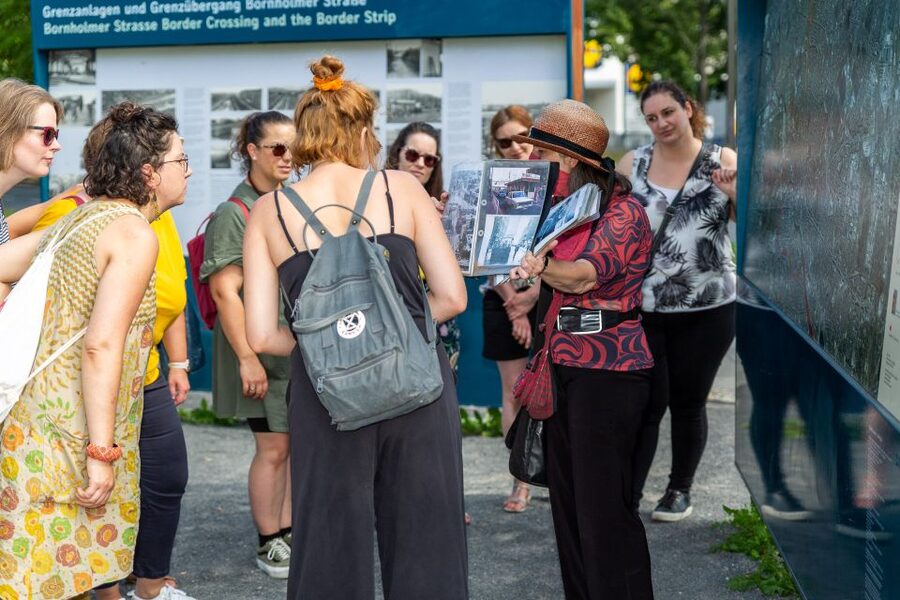
- Bornholmer Straße start puts you right at a key moment when East and West met as the wall fell.
- Death-strip cherry trees turn a chilling concept into something you can actually point at and see.
- Ulbrichtkurve + memorial stops help you connect the curved path with how the border controlled lives.
- Gleim Tunnel is part tour, part story, since a big party happens there every year.
- Nordbahnhof finish adds one more layer, as this was a ghost station tied to the divided city.
Why This Walk Works Better Than Big Bus Tours
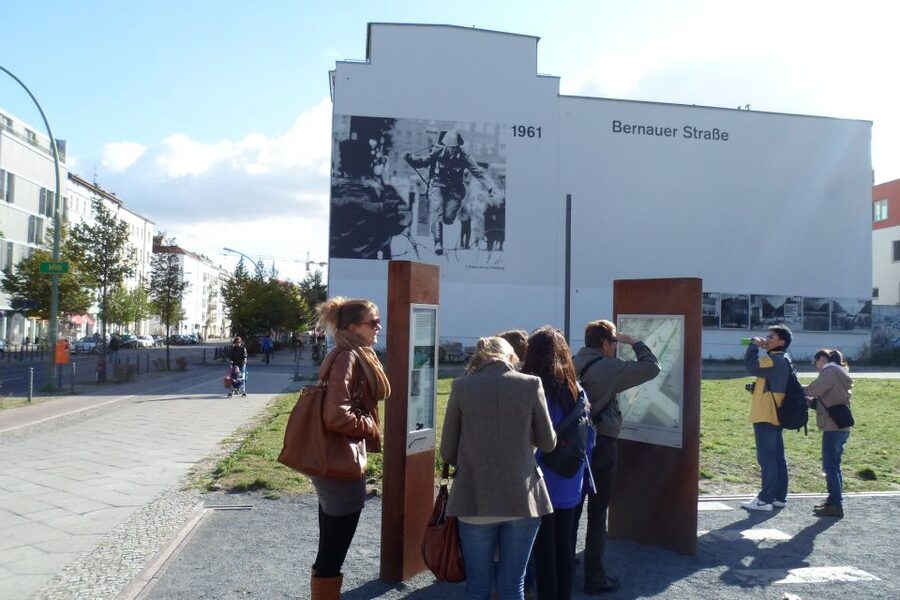
There is a reason this kind of Berlin Wall tour keeps getting picked: the wall was not only a fence. It was a line that rewrote daily life, from where people could walk to how families planned their future. When you follow it on foot, the scale becomes obvious fast, and you stop treating it like an abstract landmark.
I also like the way this tour is structured to make you see details, not just dates. You walk past places where traces can be faint, documented, and hard to spot if you only have a map. With a guide who can point them out, you get that street-level “wait, I’m really looking at it” moment.
The other big reason it works is the mix of sites: major border crossing, memorials, bridge crossings, and even a tunnel tied to a yearly celebration. That combination gives you a fuller picture of division, aftermath, and how Berlin reuses spaces.
More Berlin Wall and Cold War history:
- Berlin: Third Reich and Cold War 2 Hour Walking Tour
★ 4.9 · 6,830 reviews - Berlin’s Best: 2 Hour Walking Tour Third Reich and the Cold War
★ 5.0 · 5,486 reviews - Berlin: DDR Museum Tickets
★ 4.3 · 3,443 reviews
Starting at Berlin Bike Tours, Then Straight to Bornholmer Straße
The tour meets at the Berlin Bike Tours office, and you can reach it easily by public transport. The closest options listed are about a minute on foot from tram stop Björnsonstraße (lines M1, M13, M50), about 2 minutes on foot from S-Bahn station Bornholmer Straße (lines S1, S2, S8, S25, S85, S85), and about 10 minutes on foot from Schönhauser Allee (lines S8, S41, S42, S85, U2).
From there, the walk begins at Bornholmer Straße, one of the most charged places to start. This is where East and West met and rejoiced together on the day the wall fell, and it is the kind of origin point that helps you frame everything that comes next. Instead of starting with sadness only, you get a sense of turning points right away.
If you are the type who likes context before moving on, this start helps. It gives you a “why this mattered” anchor early, so when you later see traces along the death strip, you understand what was at stake.
Practical note: since the tour lasts 2.5 hours, plan to arrive a few minutes early so you do not feel rushed. In Germany, guides also tend to get moving quickly once the group is together.
Tracing the Death Strip and Noticing the Cherry Trees Along the Border
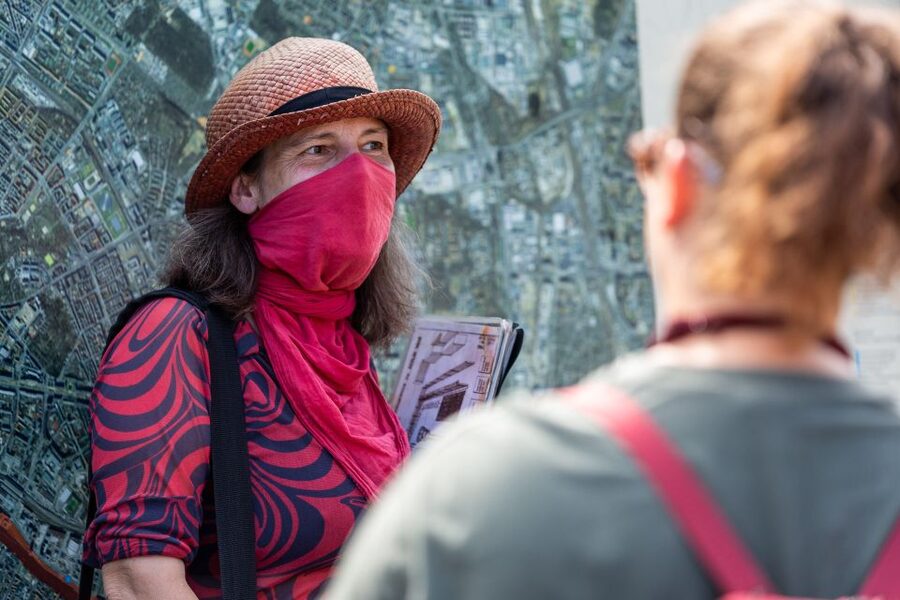
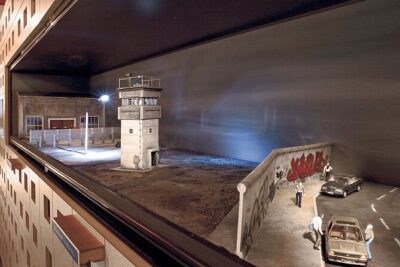
The core experience here is following the former border route through the city, especially the area associated with the death strip. The guide will show wall traces that are sometimes only detectable if someone points them out and explains what you are looking for. That is a big part of the value: you are not only walking, you are learning to read the landscape.
One of the most memorable parts is the cherry trees. The tour introduces the strange history of why those trees grew along the length of the wall. Even if you have seen photos of Berlin’s wall remains, seeing the cherry trees in the actual setting can change how you feel about the space. It is a reminder that normal-looking nature was growing alongside something designed to control and punish.
I’d treat this section as your “slow down and look” time. Stop when your guide stops. Try to notice small marks, alignments, or remnants that look meaningless at first. If you rush through, you lose the main point of this portion.
One drawback for some people: this walk is history-heavy and interpretive, not a “see 20 monuments” checklist. If you only want dramatic ruins, you might feel the need for more visual wow. But if you like understanding how systems worked, the death strip section is the heart of the tour.
Ulbrichtkurve, Memorials, and the Places That Shaped Escape Attempts
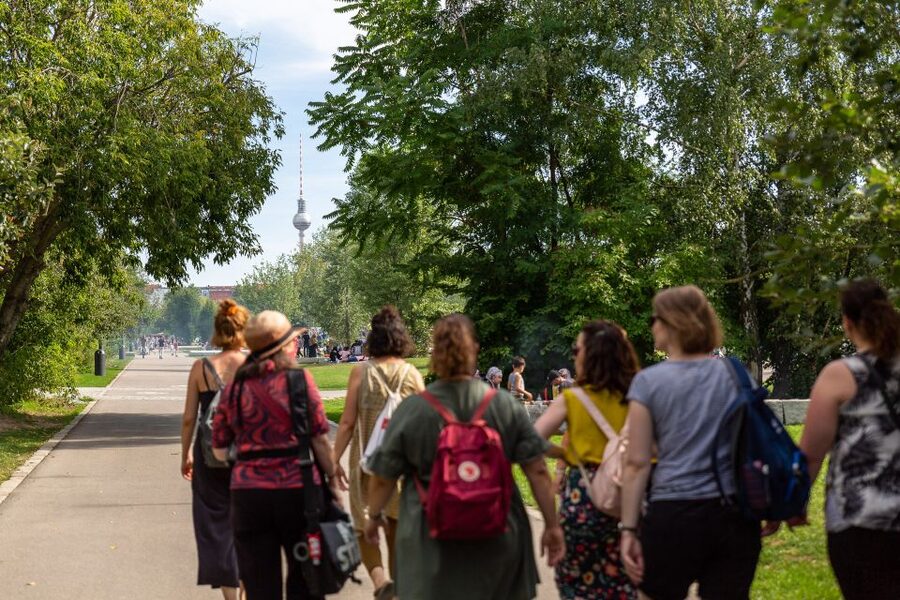
After the early focus on border crossing and the death strip, the tour moves into well-known wall-related geography, including the Ulbrichtkurve. This is one of those “sounds technical until you see it” locations. On the ground, the curve helps you understand why the border was not just straight lines. It followed planning decisions, sightlines, and control points.
The tour also includes wall memorials, where the story shifts from structures to people. Memorial stops matter because they give shape to the human impact. You are not only learning how the border was built, you are seeing how it is remembered now.
A helpful technique on this part: ask questions when you get the chance. The small group size helps, and guides often tailor their explanations based on what you care about. If you are curious about families separated by the wall, say so early. If you want to focus more on how Berlin navigated the aftermath, ask that too.
The route naturally mixes solemn moments with practical ones. You walk, you reset, you keep moving. That makes the experience easier to absorb than reading a wall plaque and walking on without context.
Weigh these Berlin picks against each other
- Berlin: Reichstag, Dome and Government District Guided Tour
★ 4.7 · 18,288 reviews - Berlin: 1-Hour City Tour by Boat with Guaranteed Seating
★ 4.3 · 16,993 reviews - Berlin: TV Tower Standard Entrance Ticket
★ 4.4 · 15,883 reviews - Berlin: Boat Tour Along the River Spree
★ 4.4 · 11,252 reviews
Schwedter Steg Bridge to Mauerpark, Where the City Reclaims Space
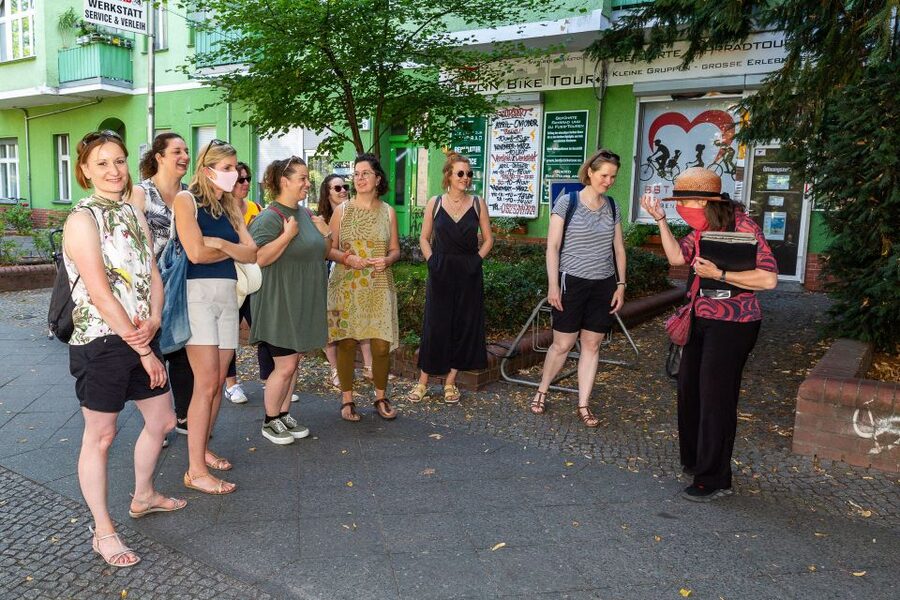
Then you reach a shift in mood. The tour includes a walk over the Schwedter Steg Bridge near Mauerpark, and the contrast is part of why it is so effective.
From a practical view, bridge crossings are a good chance to catch your breath and reorient. From a story view, they let you see how Berlin turned former barriers into routes and gathering points. Mauerpark today is one of the city’s lively cultural and social centers, and walking near it after discussing separation makes the change feel real, not just symbolic.
This is also where you get a chance to slow down for coffee along the way. Food and drink are not included in the tour price, so you will be buying what you want. Still, having that option built into the pacing is a smart way to keep energy up, especially on colder days.
If you come expecting only gray, hard-edged history, this section can surprise you. It is not a distraction. It is the point that Berlin did not just preserve the past. It learned to live alongside it.
Gleim Tunnel and Nordbahnhof, Two Stops With Very Different Personalities
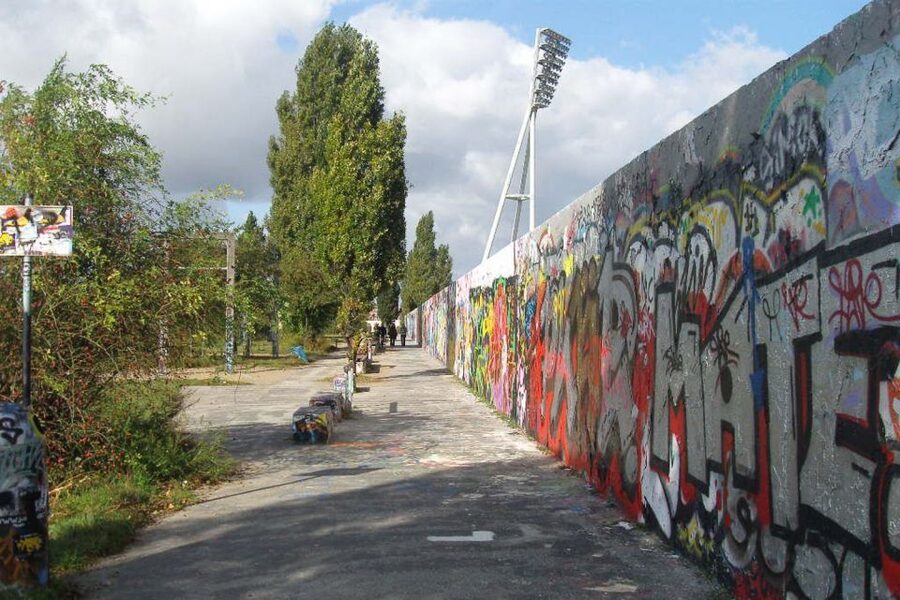
One of the standout highlights is the Gleim Tunnel, where a huge party takes place every year. That detail is not random. It highlights how spaces tied to the wall era can get repurposed into something social and loud, which is the kind of transformation that makes Berlin feel uniquely itself.
Even if you do not plan to attend the yearly celebration, knowing that it happens helps you see the tunnel as more than a historical relic. It becomes a living part of the city’s rhythm, layered with meaning.
The tour also finishes at Nordbahnhof, a former ghost station. A ghost station is exactly what it sounds like in emotional tone: a place that existed inside the logic of division, then faded into something haunting. Ending the tour here works well because it brings you back to the infrastructure side of the wall, not only the street border.
In the provided info, it also notes that the activity ends back at the meeting point area. Either way, you should expect the route to wrap up after the Nordbahnhof stop, with you back in the neighborhood where you can head to your next meal or museum.
Price and Value: Is $24 Worth 2.5 Hours?
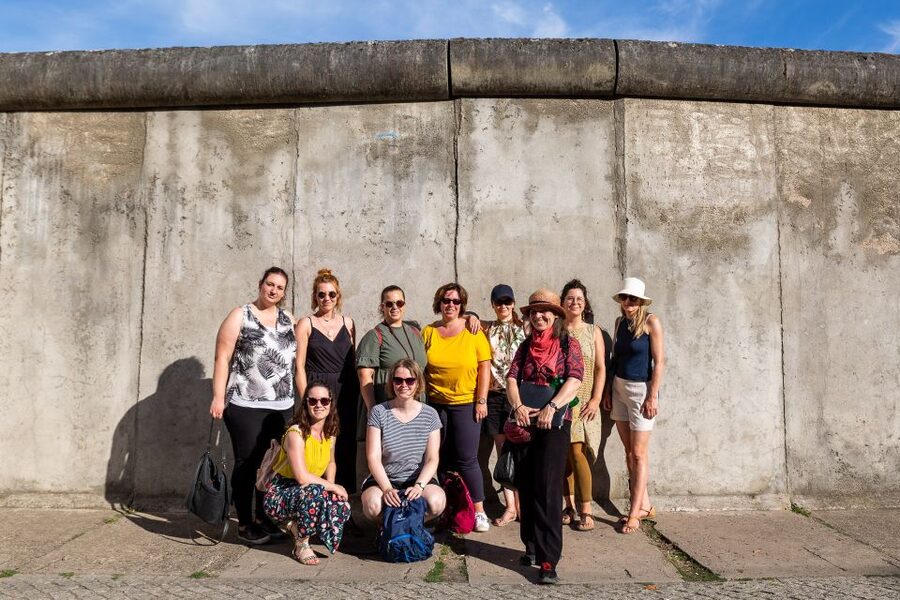
At about $24 per person for a 2.5-hour guided walk, the value depends on what you want from your day. If you want a quick glance at a few viewpoints, this may feel too focused. If you want an expert-led route that connects multiple sites into one story, it is a solid deal.
Here is what you get for that price:
- a live guide
- “extras” included (not itemized, but they are part of the tour package)
- a rain poncho if needed
What you do not get:
- food or drink
That matters because Berlin Wall walks can be cold and tiring. You’ll likely want water and maybe coffee or a snack, so budget for that. Still, the tour price itself covers the guided interpretation, the route, and the small-group format, which is where your money mostly goes.
Also, the group size cap at 12 is not just a comfort feature. It affects the quality of the whole experience. You can ask questions about separation, families, escape attempts, or how to spot traces. When you are paying for interpretation, that interaction is part of the value.
What the Walking Pace Feels Like, and How to Prepare
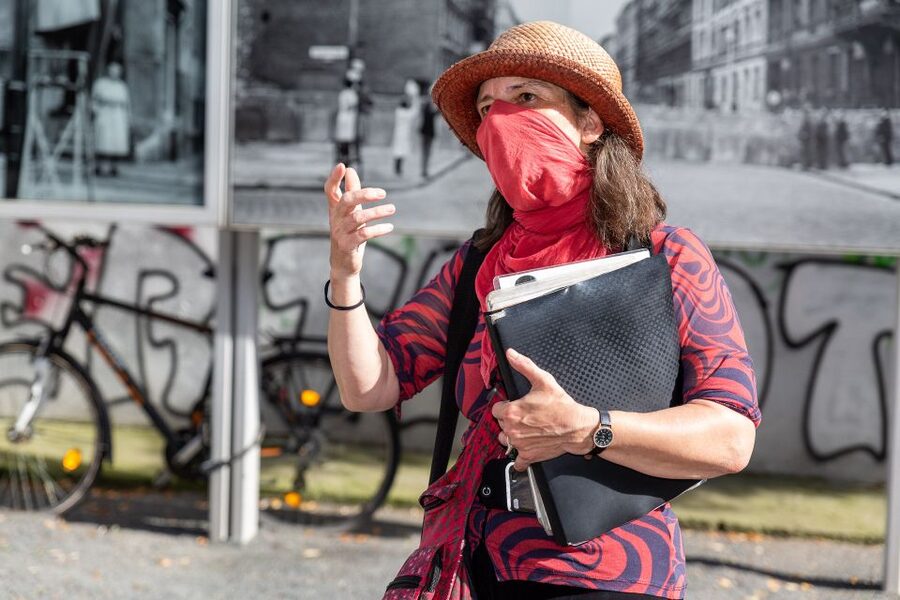
This tour is a walking experience, not a sit-and-watch museum visit. The duration is 2.5 hours, and the route includes bridge crossing and multiple wall-related sites, including outdoor areas like the death-strip route and memorial points.
So, I’d prepare like you are doing a brisk city walk:
- wear shoes you trust for uneven or cobbled surfaces
- dress for weather, because it runs in all weathers
- keep your hands free for photos and for when your guide points out small traces
One more detail: the guides are listed as German-language. Reviews include examples of guides who kept a 13-year-old brother interested and who explained with humor, so the delivery can be engaging. But you should still know you may get less in-depth explanation if you do not understand German.
If you speak only English, you might find it harder to follow every layer of the story. If that is your situation, I’d plan to read up on key wall topics before you go, so even if you miss a sentence, you still understand the big picture your guide is building.
Who This Berlin Wall Small Group Tour Suits Best
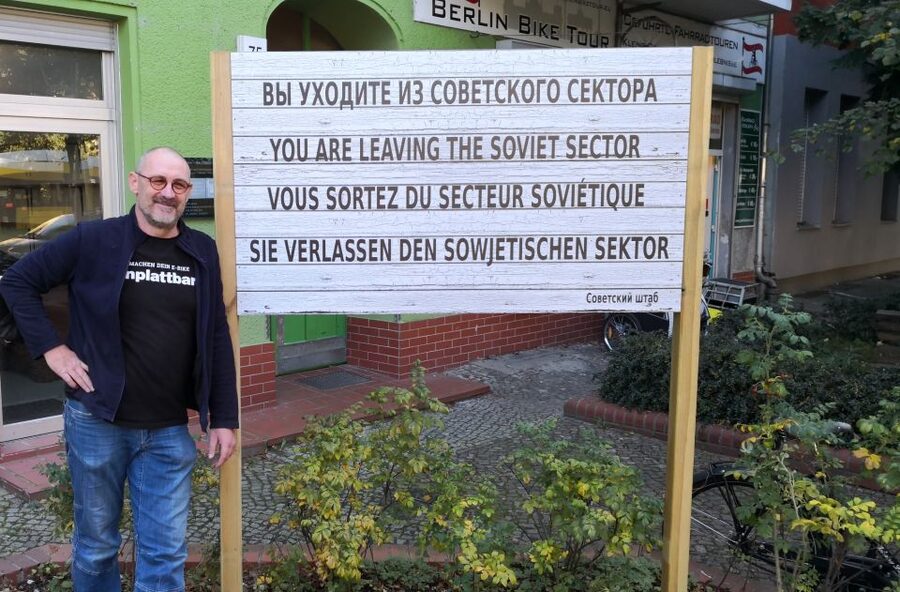
I think this works best for three kinds of travelers.
First, history lovers who want more than plaques. If you like learning how and why, this tour teaches you to look for traces that are easy to miss.
Second, people who value personal perspective. The walk can be powered by guides with real ties to East Berlin, and accounts mention guides who grew up there before the wall fell, like Katrine. That kind of connection changes how the story lands.
Third, travelers who want a manageable day commitment. At 2.5 hours, it fits well between other Berlin highlights. You can do museums in the morning and still have time for a serious outdoor walk later.
If you want a purely light, sightseeing-only afternoon, you might prefer something less emotional. But if you want to understand the city you are standing in, this tour gives you a strong framework.
Should You Book This Berlin Wall Guided Tour?
If you want a wall experience that is practical and human, I would book. The small group size helps a lot, and the route covers the major themes in a way that makes sense together: border crossing at Bornholmer Straße, the death strip and cherry trees, Ulbrichtkurve, a walk over Schwedter Steg near Mauerpark, Gleim Tunnel, and the ending atmosphere at Nordbahnhof.
One final check before you commit: confirm the language. Since the tour is listed as German, make sure you are comfortable with that, or at least prepared to go in with background knowledge.
If you match those conditions, this tour offers one of the best value combinations in Berlin Wall sightseeing: the right sites, the right pacing, and a guide who can help you see what you would otherwise walk right past.
FAQ
How long is the Berlin Wall small-group guided tour?
The duration is 2.5 hours. Starting times vary, so you’ll want to check availability for your preferred slot.
What group size should I expect?
The tour is limited to a maximum of 12 people. A minimum number of 2 participants is required, or the operator may cancel the tour at short notice.
Where does the tour start?
Meet your guide at the Berlin Bike Tours office. It is listed as about 1 minute on foot from tram stop Björnsonstraße, about 2 minutes from S-Bahn station Bornholmer Straße, and about 10 minutes on foot from Schönhauser Allee.
What language is the tour in?
The live tour guide is listed as German.
Does the tour run in bad weather?
Yes, it takes place in all weathers. On rainy days, a rain poncho is provided.
Is food or drink included?
No. Food and drink are not included, though there is an opportunity to relax over coffee along the way.
Fresh reviews out of Berlin
- Berlin Uncensored: A History of Sex & Freedom★ 5.0 · 50 reviews
- Berlin Food & Cultural Tour: Must-Try German & Berliner Classics★ 5.0 · 51 reviews
- English Comedy Show with Pizza and Shots in Central Berlin★ 4.5 · 51 reviews
- Rude Bastards Tour of Berlin★ 4.8 · 51 reviews
- Private Taxi Tour of Berlin East and West and Neighbourhood approx. 4-6h★ 5.0 · 55 reviews
- Rickshaw Sightseeing City Tours Berlin – Rikscha Tours★ 4.0 · 55 reviews
- Berlin: City Highlights Express & Panorama Roof Terrace★ 4.9 · 55 reviews
- Berlin during Nazism – Tour in Italian★ 5.0 · 56 reviews
Berlin Wall & Cold War Tours, compared.
Berlin’s Best: 2 Hour Walking Tour Third Reich and the Cold War
Read our review →
Skip-the-Line: Berlin Wall Museum at Checkpoint Charlie
Read our review →
East Side Gallery Spree Cruise in a Solar Catamaran
Read our review →
Cold War, Berlin Wall, Spies and the East Side Gallery
Read our review →
Browse the lists this tour appears in