
Reviewed · BERLIN WALL & COLD WAR TOURS
Berlin Wall: City Tour of Divided Germany
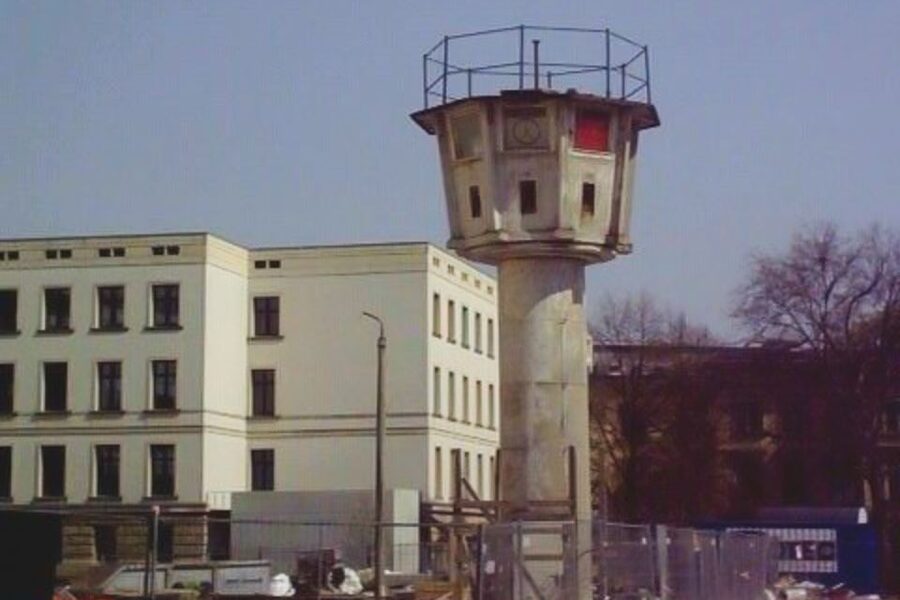
Berlin’s Wall story is interesting because it’s not stuck in a museum. You walk through the city where two opposing systems pressed up against each other, shaping daily life block by block. I love the personal stories the guide shares, and I love how the route connects the big icons to the lived details. One thing to consider: it’s a 2-hour walking tour, so plan for steady walking and wear shoes you trust.
You start at the Tränenpalast area by Friedrichstraße station and end up seeing the most famous border landmarks, including Brandenburg Gate and Checkpoint Charlie. The tour runs with a German live guide, and guides like Stephan and Stefan have earned standout praise for clear, human explanations. If you’re not comfortable with German, this is still doable visually, but your best experience will come from understanding the guide’s words.
Key Stops That Make the Division Feel Real
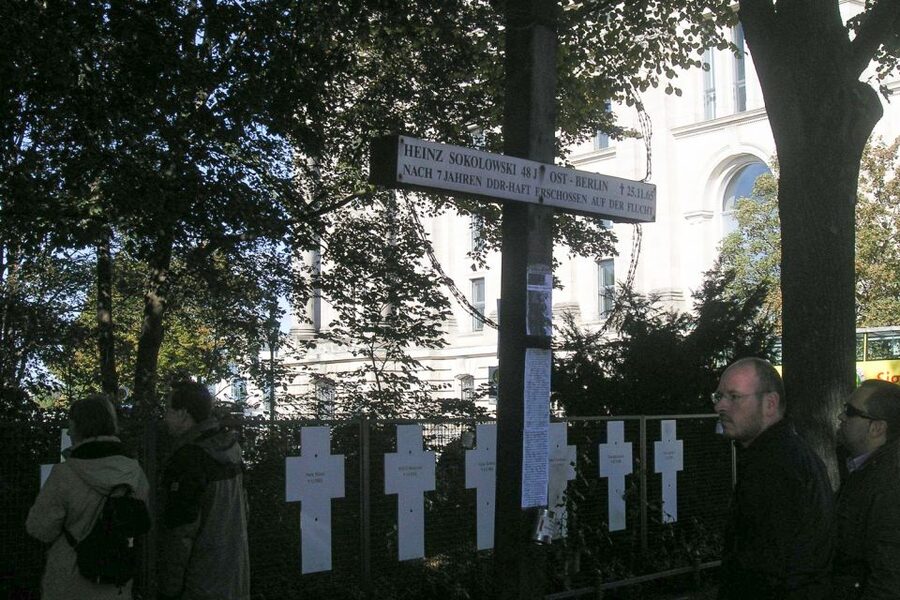
- Friedrichstraße station, the single Cold War border station
- The Spree walk toward the parliament and government district near the border strip
- Brandenburg Gate, where the border ran and the symbol of division stood
- Holocaust memorial at the former death strip, a sobering pause before moving on
- Potsdamer Platz and the Tiergarten Triangle, where the split is especially visible
- Longest remaining wall stretch and Checkpoint Charlie, the Wall you can still see
Why the Berlin Wall Tour Makes Sense in Two Hours
This is the kind of tour that helps you see the logic of the division. Instead of treating the Wall like one big object, you learn how it influenced movement, access, and even the way a city operated.
The route hits major places that most visitors see anyway. The difference is the narration: you connect each stop to what it meant when Berlin was split, not just what it looks like now. That’s why it works so well in a short time.
And you get something practical too. After this walk, you’ll recognize where the border went and why certain parts of Berlin feel different from others.
More City Tours in Berlin
- Berlin: 1-Hour City Tour by Boat with Guaranteed Seating
★ 4.3 · 16,993 reviews - Berlin: City Sightseeing Hop-On Hop-Off Bus Tour
★ 4.1 · 4,233 reviews - Berlin: 1-Hour City Sightseeing Cruise
★ 4.4 · 2,210 reviews
Meeting at Tränenpalast by Friedrichstraße Station
Your tour starts at the entrance of Tränenpalast (Palace of Tears) in front of Friedrichstraße station, on Reichstagufer, 10117 Berlin. It’s worth arriving a few minutes early because Tränenpalast has only one entrance, and that matters for finding the group quickly.
I like this starting point because it gives you an immediate emotional hook. Tränenpalast is a place name that already tells you people were dealing with separation and uncertainty at the border, long before you walk out onto the street.
If you want an easy start, do this: get your shoes on, check the station area once, then focus on listening. The guide will build the story in order, and getting oriented at the start pays off.
Friedrichstraße Station and the Single Border Station Detail
One of the most important ideas you’ll learn early is that Friedrichstraße station was the single border station during the Cold War. That means people could not treat crossing like a normal city commute. It was controlled, limited, and highly structured.
As you look at the area around the station, you’re learning how transit became a checkpoint. Even now, you can understand why this location mattered. It wasn’t just a station. It was a funnel for movement between systems.
This is also a stop where the guide’s storytelling style really matters. The best guides, including German-speaking leaders like Stephan and Stefan, are praised for sharing personal explanations, which is exactly what you need for a place like this to click.
Following the Spree Toward Parliament and the Government District
After Friedrichstraße, you follow the Spree toward Berlin’s political center. The point is not only to say, here is a famous government area. The point is to show you how the border affected the surrounding urban space, including buildings situated partly along the border strip.
This part of the walk helps you understand a key Cold War reality: division wasn’t only in remote stretches. It ran through places tied to governance, visibility, and power.
Why it’s valuable for you: it changes how you read the skyline. You stop seeing it as just a “modern Berlin view.” You start seeing it as a line of constraint that influenced what could be near the border and how the city functioned around it.
More Berlin Wall and Cold War history:
- Berlin: Third Reich and Cold War 2 Hour Walking Tour
★ 4.9 · 6,830 reviews - Berlin’s Best: 2 Hour Walking Tour Third Reich and the Cold War
★ 5.0 · 5,486 reviews - Berlin: DDR Museum Tickets
★ 4.3 · 3,443 reviews - Skip-the-Line: Berlin Wall Museum at Checkpoint Charlie
★ 4.1 · 2,041 reviews
Brandenburg Gate: When the Border Ran Through the Symbol
Next comes Brandenburg Gate, and this is where the tour becomes highly visual. You see the area where the border ran, and you learn why the Gate became such a strong symbol.
The Gate is famous now, so it can be easy to treat it like a photo stop. But on this tour, you use it as a reference point for division. The guide’s explanation turns the iconic spot into a lived boundary.
One smart way to handle this stop: look at the Gate, then look around it. When you know the border concept, the surrounding streets help you understand where the separation was felt in real terms.
And since Brandenburg Gate is tied to the fate of the city, it’s also a good emotional pivot. After learning about movement and transit, you land on the symbol people rallied around, then move toward the darker part of the story.
Holocaust Memorial at the Former Death Strip, Then Moving On
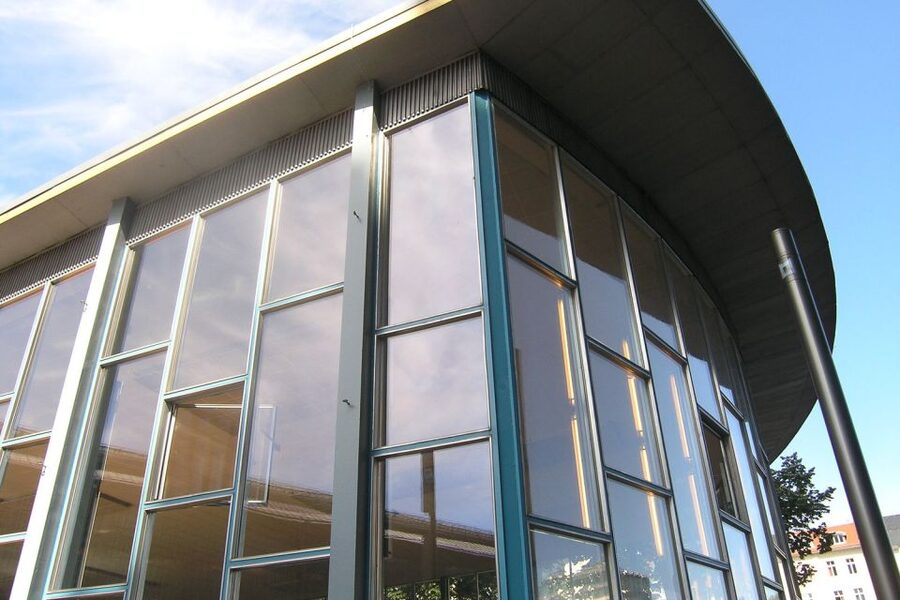
The tour includes a stop at the Holocaust memorial at the former death strip. This is not a “fast photo moment” stop. It’s a heavy reminder that the border story includes human loss on an immense scale.
I recommend you slow down here and let the guide set the tone. The goal is to understand why this location matters in the broader narrative, not to rush through it.
Then, the tour proceeds to Potsdamer Platz, which can feel jarring in the best way. That shift shows you how Berlin’s division shaped different kinds of spaces, from memorial ground to a central square.
If you’re the type who likes your history straight and explained clearly, this is one of the strongest segments of the whole itinerary.
Potsdamer Platz and the Tiergarten Triangle Split
Potsdamer Platz is where you can see how division shaped the geography of Berlin. The tour specifically points out the former Tiergarten Triangle, where the split is particularly visible.
This is one of those areas that makes you realize why maps alone are never enough. When you stand there and look around with the guide’s direction, you start understanding how the Wall and its controlled zones affected what people could reach and what felt close or unreachable.
For practical sightseeing, this segment also helps later. Potsdamer Platz is busy and modern today. After this tour, you’ll be able to look at what’s there and mentally layer in what used to be impossible.
The best part is that the narration keeps it grounded in daily life. You’re not just learning dates. You’re learning how the division shaped where people went and what they expected from the city.
The Longest Wall Stretch You Can Still See, Plus Checkpoint Charlie
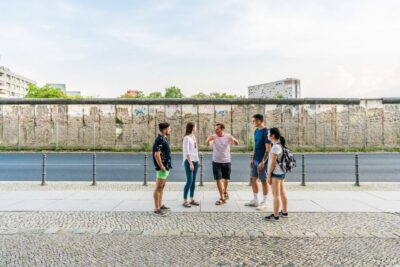
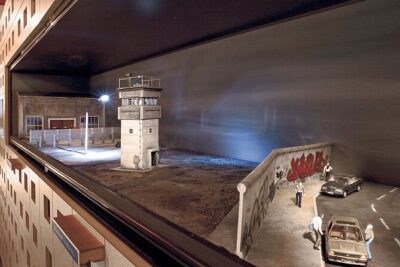
The tour then takes you to the longest remaining stretch of the wall. Seeing a real surviving segment changes everything. Photos can flatten scale, but standing near what’s left gives you a better sense of the physical reality of the division.
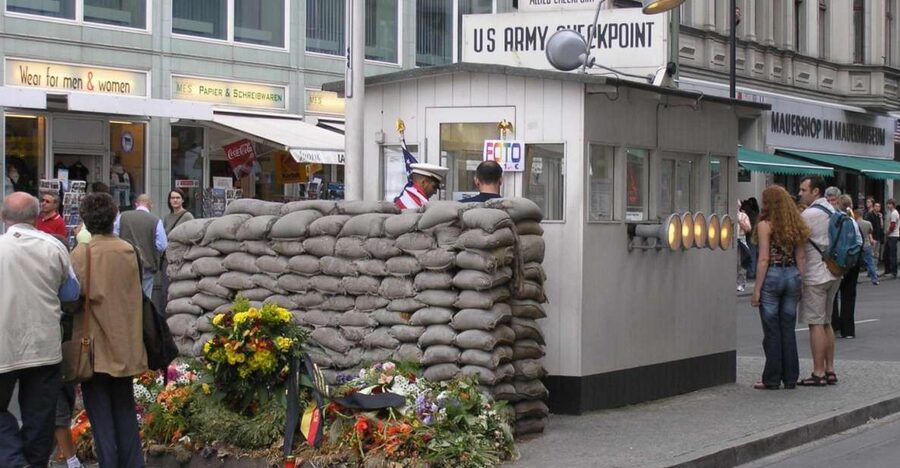
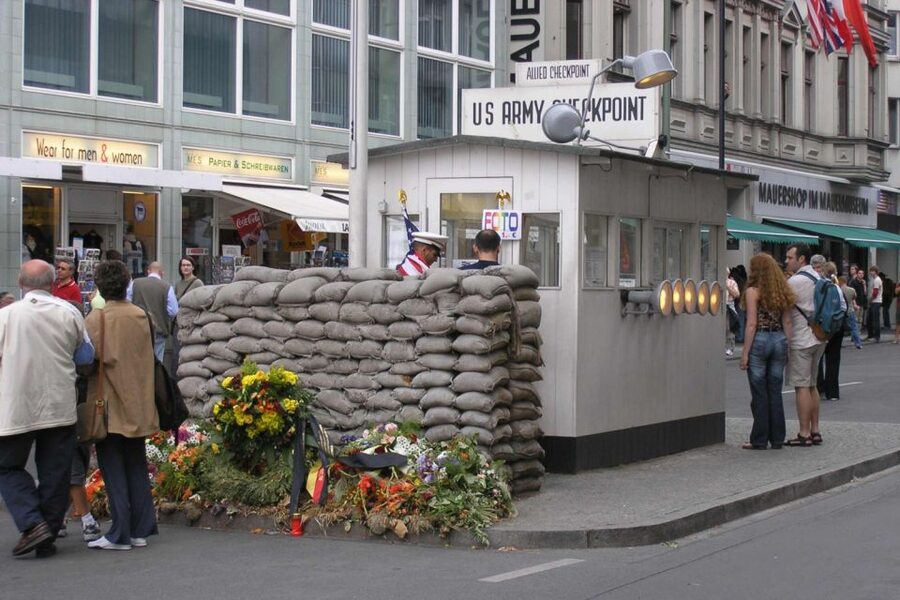
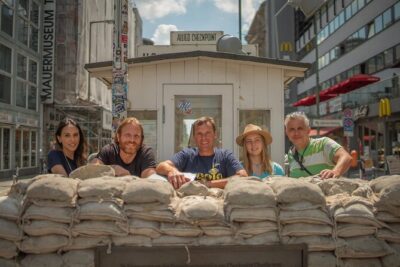
Right after that, you reach Checkpoint Charlie, one of the world’s best-known border crossing points. It’s famous, but here it’s not treated as a gimmick. You use it to understand how a single crossing could represent the larger face-off between systems.
For you, this pairing is smart. The longest wall stretch gives you the “weight” of the barrier. Checkpoint Charlie gives you the “story” of confrontation and control.
If you’re curious, ask the guide how they connect these sites to daily life, not just politics. Good guides are used to that question, and you’ll get a clearer answer.
Price and What You’re Really Paying For
At $21 per person for 2 hours, this is one of the more budget-friendly ways to cover multiple major border locations with a live guide. You’re paying for the walking route plus context at key stops, not for a ticketed museum.
Here’s where the value gets real: the tour is guided in German, and the guide quality shows in the details. People specifically praised personal storytelling, and one guide even extended the tour by about an hour, which is a great sign that the guide isn’t rushing.
The main cost you should think about is your time on your feet. Two hours in Berlin adds up, especially if you stop to read, look closely, and ask questions. If you plan your day around that, the price feels fair and even strong.
Group Tone, Guide Quality, and the German-Language Reality
This tour runs with a live tour guide in German. That’s a real factor. If you speak German, you’ll get the full benefit of the “human” explanations. If you don’t, you can still enjoy the route and visuals, but you’ll want to lean on careful looking and maybe a few key words you already know.
I also like the tour’s tone because it connects the famous sites to everyday influence. Many people think of the Wall as a single event. Here, you learn how it shaped routines, movement, and what it meant to live in a city under pressure.
The strong ratings are tied to this exact feel. Guides including Stephan and Stefan were noted for very good guidance and lots of information, including personal context. That’s what makes the walk worth repeating with your own eyes, even after the tour ends.
Practical Tips So You Don’t Miss the Good Parts
Bring comfortable shoes. That sounds obvious, but it matters more on a Berlin walking tour than many people expect, especially if you’re standing still at multiple sites.
Also, show up to the meeting point with your brain ready to listen. Starting at Tränenpalast near Friedrichstraße means you get story momentum from the beginning. If you arrive late or distracted, it’s harder to follow the order of the route.
If you’re traveling in colder months, be smart about layers. One guide experience was specifically described in cold weather, so plan for the fact that you’ll be outside moving between locations.
And if you want the highest impact from this tour, do this before you go: decide what you care about most. Is it transit and crossing points, political power, or the emotional side of division? Ask the guide a question in that direction. It will steer what you notice next.
Who This Tour Suits Best
This fits you if you want a clear, guided walk that links major Berlin sights to the Wall’s real effects. It’s especially good for first-time Berlin visitors who want the “divided city” thread without doing everything in museums.
It’s also a good fit if you like storytelling explanations. The tour has a personal feel, and guides like Stephan and Stefan are praised for making the information feel human rather than just factual.
If you hate walking tours or you want a mostly indoor experience, this probably won’t be your favorite format. You’re out on the streets for a continuous route.
Should You Book This Berlin Wall City Tour of Divided Germany?
I think you should book it if you want a focused route that connects Friedrichstraße, the Spree, Brandenburg Gate, the Holocaust memorial near the death strip, Potsdamer Platz and the Tiergarten Triangle, and both the longest remaining wall stretch and Checkpoint Charlie.
At $21 for 2 hours, you’re getting a lot of high-impact stops with a live guide and a narration style that can make the division feel personal, not abstract. The only real drawback is the German-language delivery and the fact that you’ll be walking steadily.
If you’re curious, this tour is the kind that gives you something you can reuse for the rest of your Berlin trip. You’ll look at the city differently after you learn where the border shaped what you see.
FAQ
Where does the tour meet?
Meet at the entrance of Tränenpalast (Palace of Tears) in front of Friedrichstraße station on Reichstagufer, 10117 Berlin. Tränenpalast has only one entrance.
How long is the tour?
The tour duration is 2 hours.
What language is the tour guide?
The live tour guide speaks German.
What is included in the price?
The city tour is included.
What should I bring?
Wear comfortable shoes.
Is free cancellation available?
Yes, you can cancel up to 24 hours in advance for a full refund.
Can I reserve without paying right away?
Yes, reserve now & pay later is available, so you can book your spot and pay nothing today.
Fresh reviews out of Berlin
- Berlin Uncensored: A History of Sex & Freedom★ 5.0 · 50 reviews
- Berlin Food & Cultural Tour: Must-Try German & Berliner Classics★ 5.0 · 51 reviews
- English Comedy Show with Pizza and Shots in Central Berlin★ 4.5 · 51 reviews
- Rude Bastards Tour of Berlin★ 4.8 · 51 reviews
- Private Taxi Tour of Berlin East and West and Neighbourhood approx. 4-6h★ 5.0 · 55 reviews
- Rickshaw Sightseeing City Tours Berlin – Rikscha Tours★ 4.0 · 55 reviews
- Berlin: City Highlights Express & Panorama Roof Terrace★ 4.9 · 55 reviews
- Berlin during Nazism – Tour in Italian★ 5.0 · 56 reviews
Berlin Wall & Cold War Tours, compared.
Berlin’s Best: 2 Hour Walking Tour Third Reich and the Cold War
Read our review →
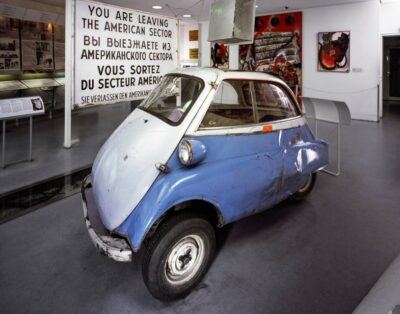
Skip-the-Line: Berlin Wall Museum at Checkpoint Charlie
Read our review →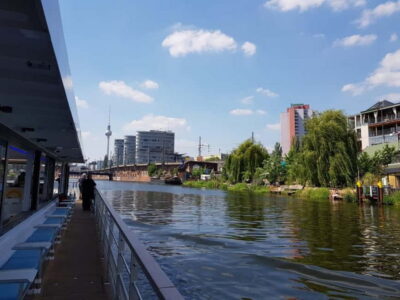
East Side Gallery Spree Cruise in a Solar Catamaran
Read our review →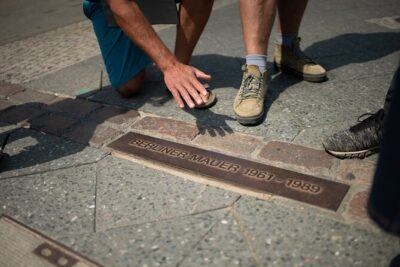
Cold War, Berlin Wall, Spies and the East Side Gallery
Read our review →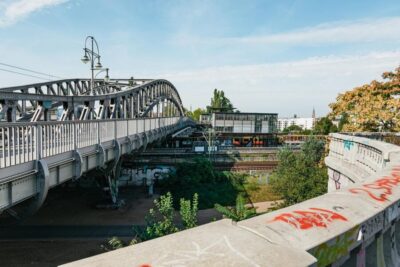
Browse the lists this tour appears in