
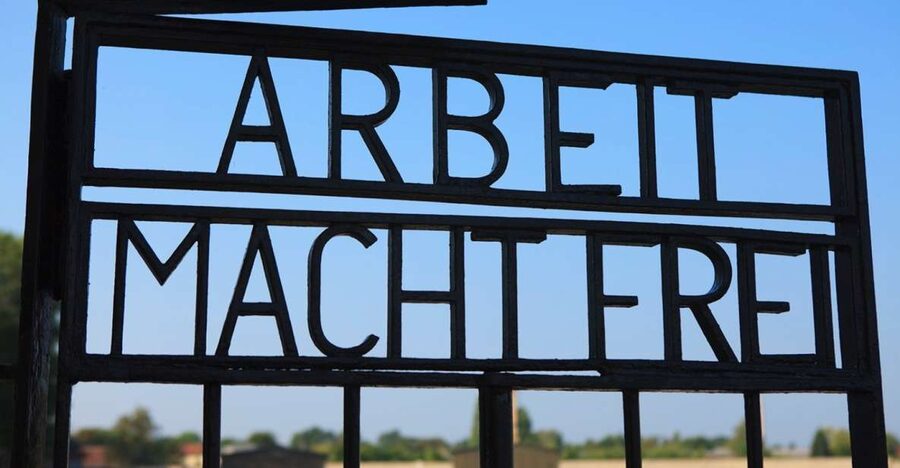
Reviewed · SACHSENHAUSEN MEMORIAL TOURS
Berlin: Sachsenhausen Memorial 6-Hour Tour in Spanish
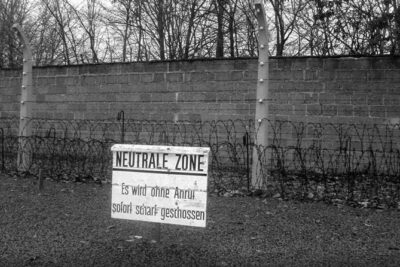
Berlin’s Sachsenhausen Memorial is one of those places where facts stop feeling abstract fast. You go to the grounds where the Nazi system ran like machinery, then you also see how the site was reused later under Soviet control. Two things I especially like here are the focus on A Tower and the chilling explanation of Station Z, because those locations show how the camp operated. One drawback to plan for: it is a heavy day, and you will be outdoors a fair amount, so cold and wind can turn the visit into a real endurance test.
A Spanish-speaking guide matters a lot. You get a clear, structured walkthrough of what the camp was, how it worked, and what prisoners did, not just a list of buildings. If you prefer history with emotion and specifics kept side by side, this is a strong fit.
Key things to notice before you go
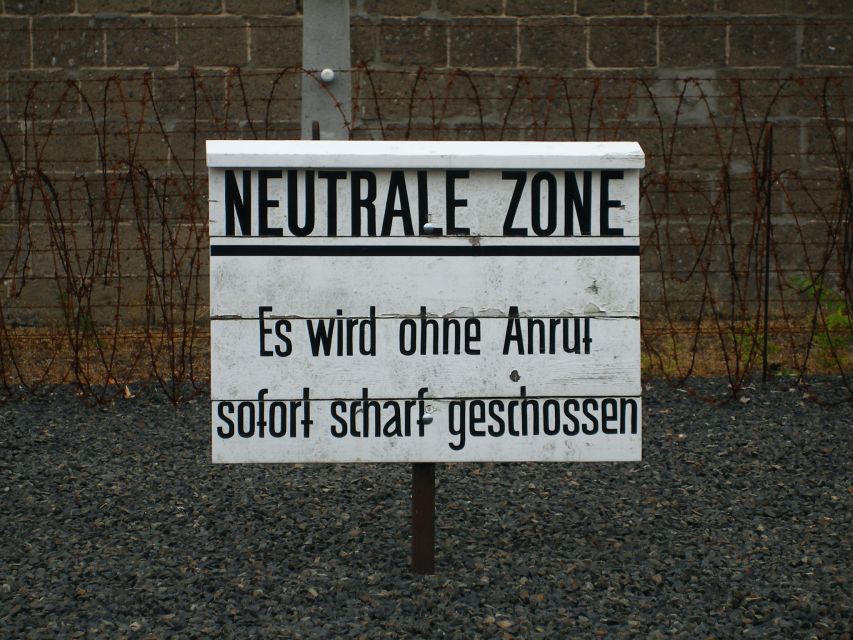
- Station Z: added in 1942, explained as a “quick and clinical” killing site, and it lands hard in person
- A Tower: the roll-call location, where control and routine were made visible
- Nazi and Soviet eras: you see how the camp’s purpose shifted after the fall of Hitler
- GDR memorial focus: a chance to understand the postwar layers, not only the Third Reich
- Survivor accounts and documents: you are not limited to what you guess from the layout
- Spanish guidance: you’ll follow the story more easily if you want history explained, not just translated
Why Sachsenhausen in Spanish can feel clearer than you expect
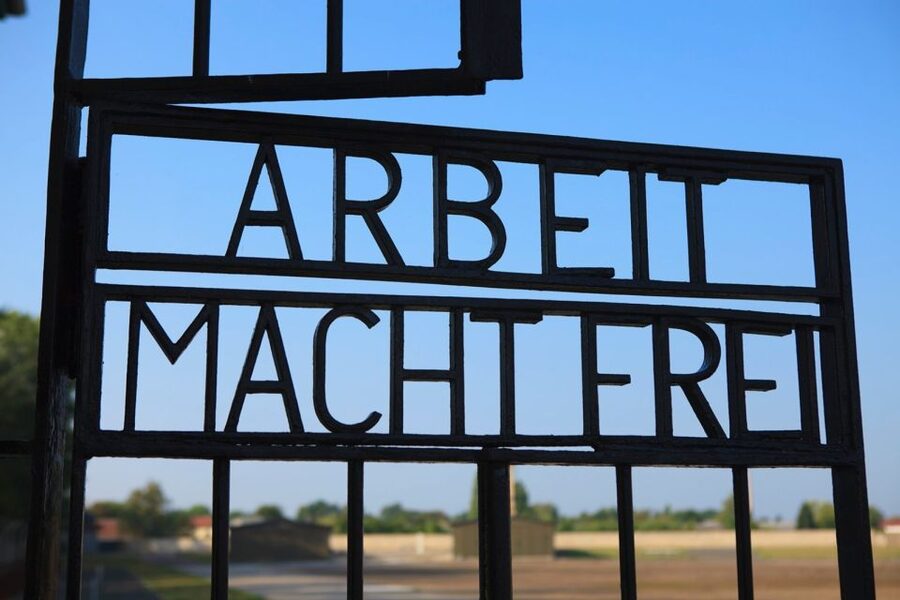
Sachsenhausen is close enough to Berlin that it works as a day trip, but it does not feel like a casual excursion. The point is to connect the physical layout with the human reality of imprisonment, forced labor, and state violence. That is why the tour’s structure around specific sites works so well.
I love that the visit centers on the places that explain the system: the roll-call process at A Tower, and the later addition of Station Z. Seeing those in sequence helps you understand the logic of control, how victims were processed, and how the camp evolved over time. I also like that the guide frames the camp not as a random atrocity, but as a model camp and an administrative hub for other concentration camps.
Here is the consideration: you are walking in a preserved memorial site that is intentionally stark. You may want to bring a little extra emotional space, because the tone stays serious and factual the entire way.
Other Sachsenhausen memorial visits:
- Berlin: Sachsenhausen Concentration Camp Tour in English
★ 5.0 · 5,711 reviews - Berlin: Sachsenhausen Concentration Camp Memorial Tour
★ 4.7 · 3,716 reviews - Sachsenhausen Concentration Camp Bus Tour in English from Berlin
★ 5.0 · 1,962 reviews
Alexanderplatz meeting point and the 50-minute train ride
Your day starts at the front of the Alexanderplatz TV Tower (Fernsehturm). Look for a green flag with the text tours en español, by the main entry to the tower. It’s also described as being between the TV tower and the Alexanderplatz train station, next to Espresso House.
This matters because timing at Berlin’s busy stations can make you feel rushed. The tour gives you a clear rendezvous point tied to a landmark you can actually see from the street. Once everyone checks in, you head toward the northern outskirts of Berlin.
Then comes the practical rhythm: a train ride that takes about 50 minutes. Use that time to get comfortable, because once you arrive at Sachsenhausen, you are dealing with open-air walking plus museum stops. If you are prone to getting cold, layer up before you leave Berlin, not after you arrive.
A Tower: the roll-call place where control was routine
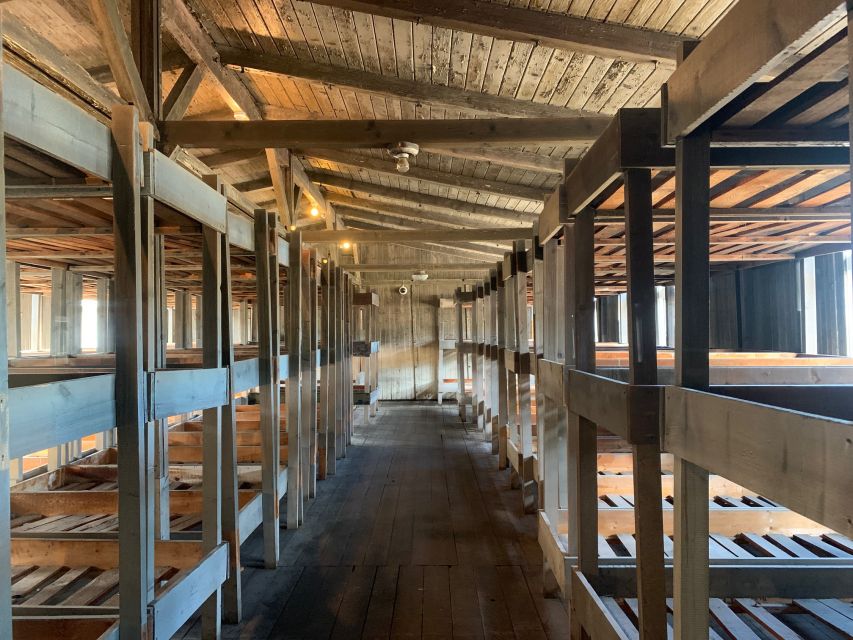
The A Tower is one of the most important stops for understanding how Sachsenhausen functioned. The guide explains it as the roll-call location of the camp, which is exactly what makes it so disturbing. A roll call sounds boring on paper, but in a prison system it is where order becomes constant and people become numbers.
In person, the area makes it easier to grasp how routine served the purpose of domination. You can connect that with what the tour explains about camp life and forced labor. The camp was intended as a model camp, and that means the procedures were not chaotic. They were designed to be replicated.
You’ll likely spend enough time here to notice how visibility and movement are structured. That’s the kind of detail that helps the story stick. If you only visit one or two memorial stops elsewhere in Europe, make them the ones that explain the system as a system. A Tower is one of those.
Station Z: how the 1942 killing process was explained on the ground
If A Tower shows routine control, Station Z shows something else: the attempt to turn killing into a process. The tour describes Station Z as something added in 1942 for killing victims quickly and clinically.
That description is worth taking seriously before you see it. When you understand the intent, the layout and the exhibits around it don’t feel like background. They feel like evidence of planning. The guide’s job is to connect what happened there with the broader Nazi concentration camp system, and that’s what helps you avoid the trap of thinking of atrocity as a one-off event.
Here’s what I think you will find valuable: Station Z is not just a grim photo spot. It is a place that forces you to look at how bureaucracy, infrastructure, and violence can be linked. The tour keeps that connection clear and direct, so you are not left to infer the meaning on your own.
Weigh these Berlin picks against each other
- Berlin: Reichstag, Dome and Government District Guided Tour
★ 4.7 · 18,288 reviews - Berlin: 1-Hour City Tour by Boat with Guaranteed Seating
★ 4.3 · 16,993 reviews - Berlin: TV Tower Standard Entrance Ticket
★ 4.4 · 15,883 reviews - Berlin: Boat Tour Along the River Spree
★ 4.4 · 11,252 reviews
Museum and exhibits: survivor accounts, photos, and official documents
Sachsenhausen includes an informative museum and multiple exhibits, and this part is crucial. Grounds alone can teach you layout, but exhibits teach you timeline, roles, and decision-making. The tour is designed to use access to personal accounts of survivors, photographs, and official documents so the story stays grounded in evidence.
I like tours that treat documents as more than paperwork. Here, the museum and exhibits help you understand what prison life might have looked like and what kind of work prisoners were forced to do. That is the difference between knowing that people suffered and understanding the mechanism of suffering.
If you are the type of visitor who gets restless in museums, this one can still work because the guide is telling you what to look for while you are standing there. You’re not just reading panels in silence. You get an explanation that fits the camp’s physical reality.
Nazi model camp, administrative center, and the scale of Sachsenhausen
Sachsenhausen was not merely one camp among many. It was intended as a model camp and also served as the center for administration of other Nazi concentration camps. That scale changes how you should process what you see.
The numbers given for the site are stark: over 200,000 people passed through Sachsenhausen, and at least 50,000 died. Even if you already know the Holocaust and the wider concentration camp system, seeing how the tour ties those numbers to the camp’s role helps you understand why this memorial matters.
A practical way to use this stop, even if you are not a history nerd, is to think about how administration works. If a camp is a model, it means procedures were taught, reused, and improved. That turns the visit into a lesson about how systems spread.
After Hitler: Soviet gulag use and the GDR memorial layer
One reason Sachsenhausen hits differently is that the story does not end when the Nazis fall. The tour explains that after Hitler’s defeat, the Soviets transformed Sachsenhausen into a gulag for their own prisoners.
That matters because it shows how sites of extreme oppression can be repurposed rather than erased. You are not only witnessing what the Third Reich did. You are also learning what happened when the camp infrastructure outlived the regime that built it.
Today, the memorial preserves the area for educational purposes and to honor those killed. The tour also specifically includes a GDR memorial focus, which gives you a chance to understand later layers connected to East German history. Even if you focus mostly on the Nazi era during the visit, the later memorial context prevents the story from becoming a single time capsule.
What the Spanish-speaking guide really changes in your day
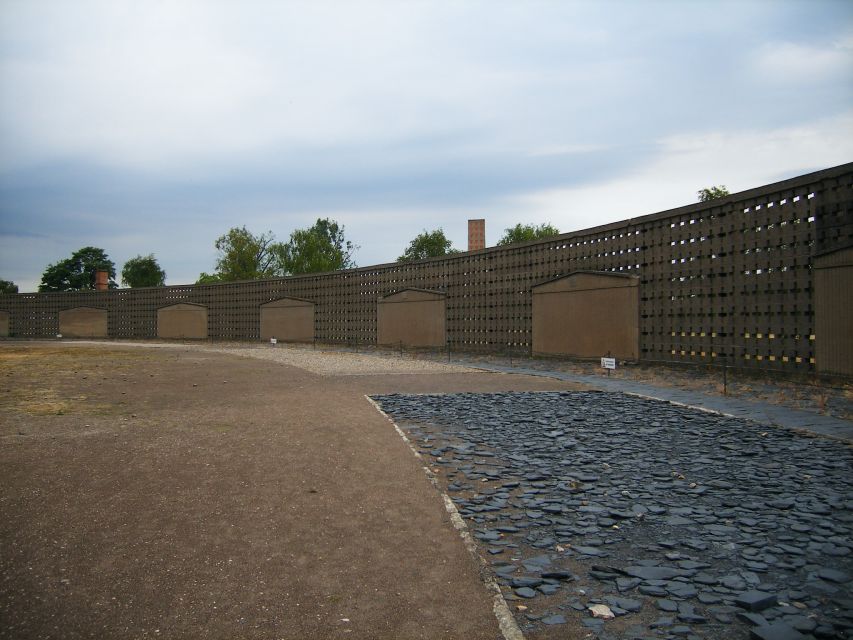
Language is not a small detail here. A camp memorial tour is full of names, dates, and terms tied to legal and administrative processes. The Spanish guide keeps the story clear so you can actually follow the logic, not just the surface.
This is where the strongest reviews you might see for this kind of tour usually point: the guide’s clarity and honesty. In Spanish comments tied to this experience, you can even see references to guides like Héctor and Helena, with praise for direct explanations and strong command of the history. There is also mention of a guide explaining things from a legal point of view, which is a big deal at Sachsenhausen because the system was enforced with rules and procedures, not random violence.
One small but real tip from review-style feedback: if the weather is awful, a good guide helps you tolerate it. Wind and cold are common around open memorial areas, and it affects your ability to focus. When you can stay present, you get more from every stop.
Price and logistics: how to judge the $41 value fairly
The price is listed at $41 per person for a 6-hour experience, and it includes the full tour with a Spanish-speaking guide plus a concentration camp foundation surcharge of €3.
Is that good value? For this subject, I think it is. You are paying for structure, language support, and access to a guided interpretation of the camp’s key features like A Tower and Station Z. A memorial visit on your own can be done, but you would lose a lot of what makes the tour educational rather than just somber sightseeing.
Two logistics points to plan around:
1) You need a public transport ticket covering zones ABC, and that is not included.
2) There is no shop at Sachsenhausen, so you should bring snacks and drinks.
That second one is easy to overlook. A 6-hour day can turn into a low-energy day fast, and when you’re tired, you miss details in exhibits. Bring what you need before you arrive.
Wheelchair accessibility is listed, which is a good sign for mobility planning. If you have specific needs, it is still smart to consider that memorial sites can involve walking and uneven ground, but at least the tour is advertised as wheelchair accessible.
Who this tour suits best
This Sachsenhausen Memorial 6-hour tour is a strong match if you want:
- Spanish guidance so you can focus on meaning, not translation
- A structured explanation tied to specific locations like A Tower and Station Z
- Context that includes both Nazi and Soviet uses of the site
- A serious, factual tone with guided interpretation in museums and exhibits
It is also a good choice for your first trip to Germany. Even if it’s your first time dealing with German transit, the meeting point at Alexanderplatz is clear, and the guided format reduces decision fatigue.
When you should skip, or at least adjust your expectations
I would adjust expectations if you have limited emotional tolerance for very heavy history. This is not a tour that uses cheerful pacing or light commentary. It stays focused on what happened and how the camp system worked.
Also, because it’s 6 hours, you should not treat it as a quick checkmark. You’ll want time afterward to decompress. If you schedule back-to-back activities the same evening, you might find your brain keeps replaying what you saw.
Should you book this Spanish Sachsenhausen Memorial tour?
Yes, you should consider booking it if you want the most important Sachsenhausen sites explained in clear Spanish, with context that spans the camp’s Nazi role and its later Soviet transformation. The focus on A Tower and Station Z gives you a real understanding of how the system operated, and the museum and exhibits help you connect evidence, survivor accounts, photos, and official documents into one coherent story.
If you are comfortable with serious history, can handle an outdoor memorial day, and plan for a public transport ticket plus snacks, this is a high-value way to visit.
If your Spanish is basic and you still want a guided interpretation, you might find it easier than you expect, since the tour language is specifically set up for Spanish speakers.
Fresh reviews out of Berlin
- Berlin Uncensored: A History of Sex & Freedom★ 5.0 · 50 reviews
- Berlin Food & Cultural Tour: Must-Try German & Berliner Classics★ 5.0 · 51 reviews
- English Comedy Show with Pizza and Shots in Central Berlin★ 4.5 · 51 reviews
- Rude Bastards Tour of Berlin★ 4.8 · 51 reviews
- Private Taxi Tour of Berlin East and West and Neighbourhood approx. 4-6h★ 5.0 · 55 reviews
- Rickshaw Sightseeing City Tours Berlin – Rikscha Tours★ 4.0 · 55 reviews
- Berlin: City Highlights Express & Panorama Roof Terrace★ 4.9 · 55 reviews
- Berlin during Nazism – Tour in Italian★ 5.0 · 56 reviews
Sachsenhausen Memorial Tours, compared.
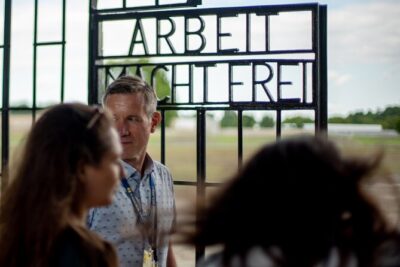
Sachsenhausen Concentration Camp Tour in English
Read our review →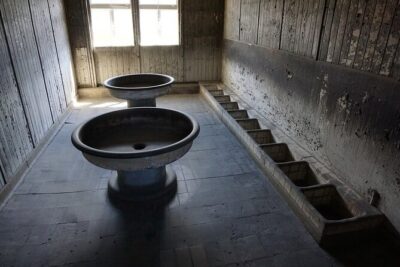
Sachsenhausen Concentration Camp Memorial Tour
Read our review →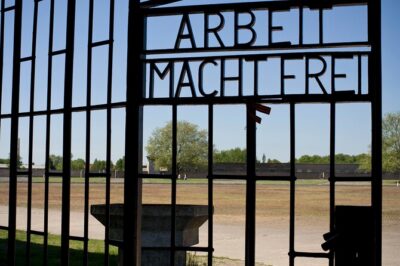
Sachsenhausen Concentration Camp Bus Tour in English from Berlin
Read our review →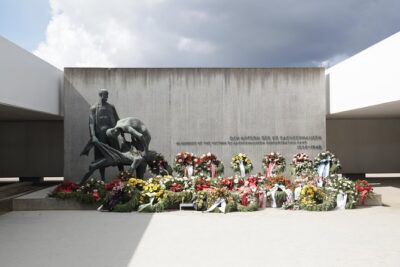
Sachsenhausen Concentration Camp Memorial Tour (Max. 15 Guests)
Read our review →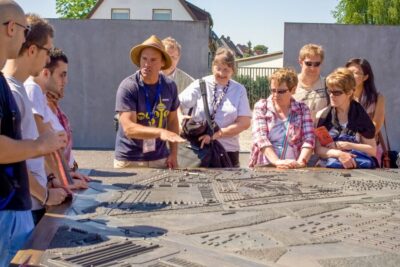
English Bus Tour to Sachsenhausen Concentration Camp
Read our review →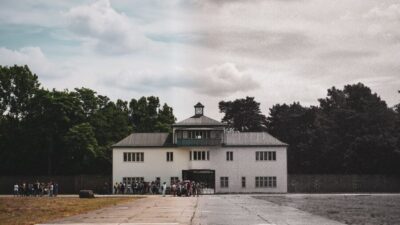
Sachsenhausen Concentration Camp and Potsdam Tour
Read our review →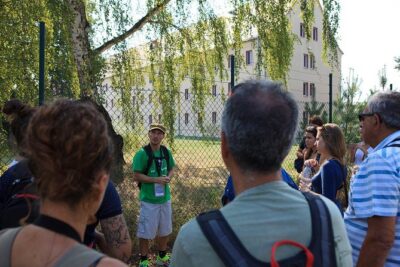
Visita en español al campo de concentración Sachsenhausen
Read our review →Browse the lists this tour appears in