
Reviewed · BERLIN WALL & COLD WAR TOURS
Berlin: Muro,Guerra Fría y Museo de la Stasi
Berlin’s Cold War story is not some museum-only tale. It lives in street corners, sealed platforms, and the way the city learned to measure distance. I love how this tour turns big Cold War ideas into real places you can point at, and I also like that you finish with the Stasi Museum, where the system behind the fear becomes concrete. One thing to consider: the guide is Spanish, and you also need a public transport card (AB day ticket) since tickets are not included.
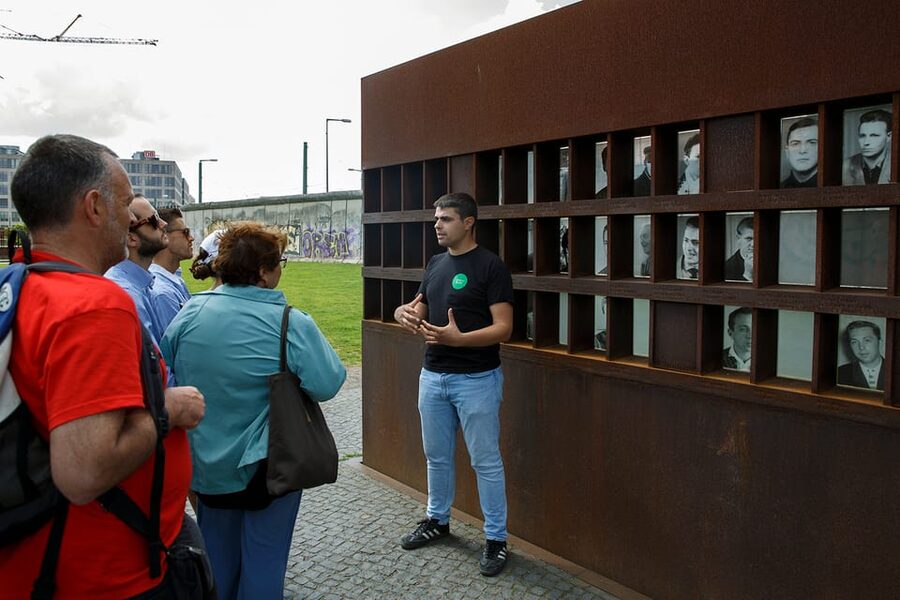
You’ll see the remains of the Berlin Wall and the infamous Death Strip, then move through key areas tied to life in a divided city. Expect a route that mixes outdoor memorials with guided indoor history, so it feels like Berlin is telling you its own story in chapters. If you’re sensitive to heavy themes, go in with the mindset that this is not entertainment, it is explanation.
Key highlights you should care about
- Wall remnants and the Death Strip shown as a physical space, not just a concept
- Bernauer Strasse Wall Memorial for seeing the divide from the perspective of those impacted
- Frankfurter-Allee Avenue as a street-level context for East Berlin life
- Former ghost U-Bahn stations to understand what control looked like underground
- Stasi Museum entry included, so you’re not stopping short without the main evidence
- Spanish-only guiding, so your understanding will depend on your Spanish comfort
Cold War Berlin in 4 Hours: what this tour really makes you see
This is the kind of Berlin tour that helps you stop using vague phrases like Cold War and divided city. By the end, you’re not just thinking about politics. You’re thinking about spacing, visibility, and fear, because the tour is built around locations where people tried to live, watch, and escape under constant pressure.
The time is short, four hours, but the tour doesn’t feel rushed in purpose. It moves through the main visual anchors of the era: the Wall, the area around escape attempts, the memorial spaces built to explain what happened, and then the Stasi Museum where the methods of control are spelled out. That order matters. Start with the geography, then understand how the system worked inside it.
If you’re the type who likes your history grounded in what you can still see, you’ll get a lot out of this. And if you get a strong guide, the experience becomes much more than a checklist. Some guides connected with this tour, like Constantino or Jordi, have a reputation for being detailed and passionate about turning complex material into clear, understandable stories.
More Berlin Wall and Cold War history:
- Berlin: Third Reich and Cold War 2 Hour Walking Tour
★ 4.9 · 6,830 reviews - Berlin’s Best: 2 Hour Walking Tour Third Reich and the Cold War
★ 5.0 · 5,486 reviews - Berlin: DDR Museum Tickets
★ 4.3 · 3,443 reviews
Finding your group at Alexanderplatz, in Spanish, next to Fernsehturm
Meeting points can be tricky in Berlin, but this one is specific. You’ll meet by a green flag with the text tours en español, right next to the only entrance to the Fernsehturm (TV Tower) at Alexanderplatz. You’re also between the TV tower and Alexanderplatz train station, and it’s next to the Espresso House.
Why this matters: when you’re doing a Spanish-led tour, you want to start on time and avoid unnecessary stress looking for the group. If you arrive a few minutes early, you can get your bearings fast around Alexanderplatz, one of the city’s easiest places to find, and settle in before the tour starts.
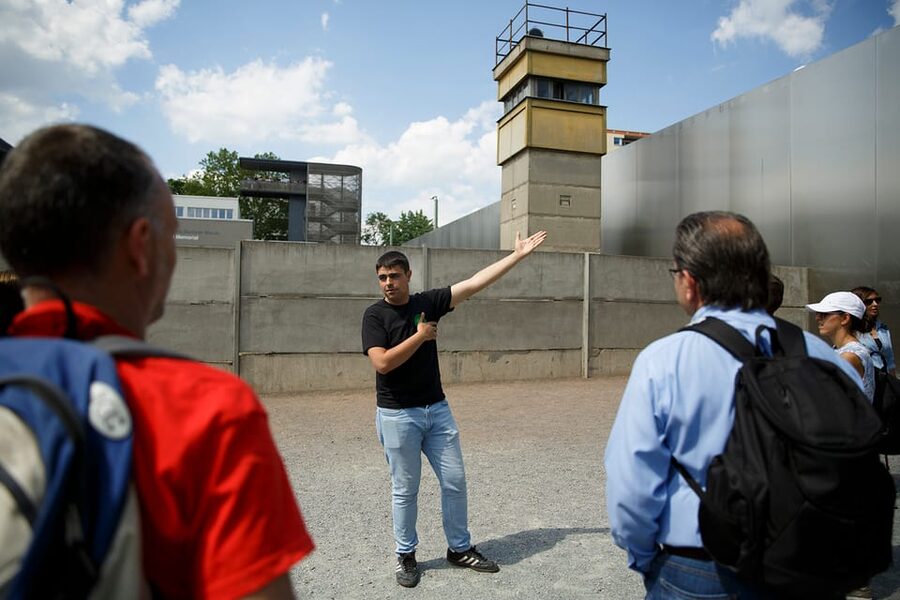
Wall remnants and the Death Strip: history you can actually stand next to
The emotional center of the tour is built around what remains of the Wall and what visitors often refer to as the Death Strip. This is one of those terms that can sound abstract until you see it mapped onto real ground. The tour helps you understand why the Wall was built in the first place, what made the space in front of it so dangerous, and why the area became infamous.
Here’s what I’d pay attention to during this part. Look at sightlines and boundaries. Even if you never saw the era firsthand, you can understand the logic of control just by watching how the space channels movement. The tour connects that space to human stories, including why some Berliners tried to cross the Wall, and what “ingenuity” meant when your life depended on timing, risk, and opportunity.
Practical note: this is an outdoor-focused segment, so wear shoes you’re comfortable walking in. Cold War sites can also involve uneven sidewalks or memorial surfaces, even when they look simple from a distance.
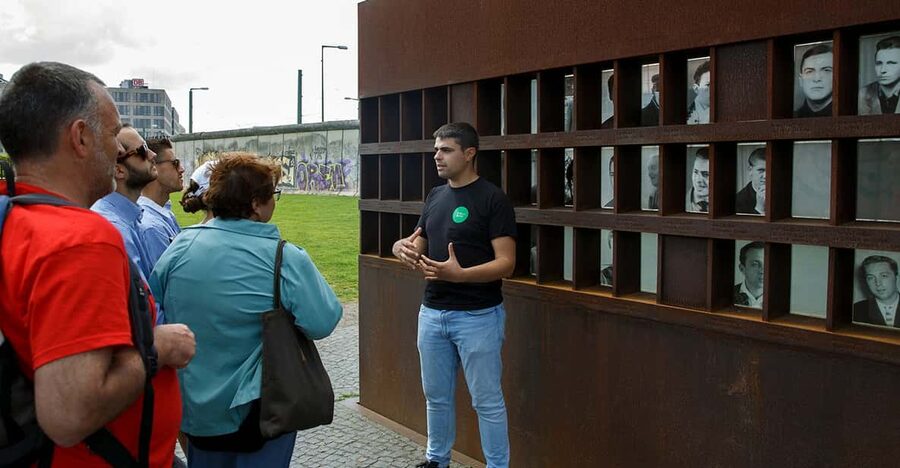
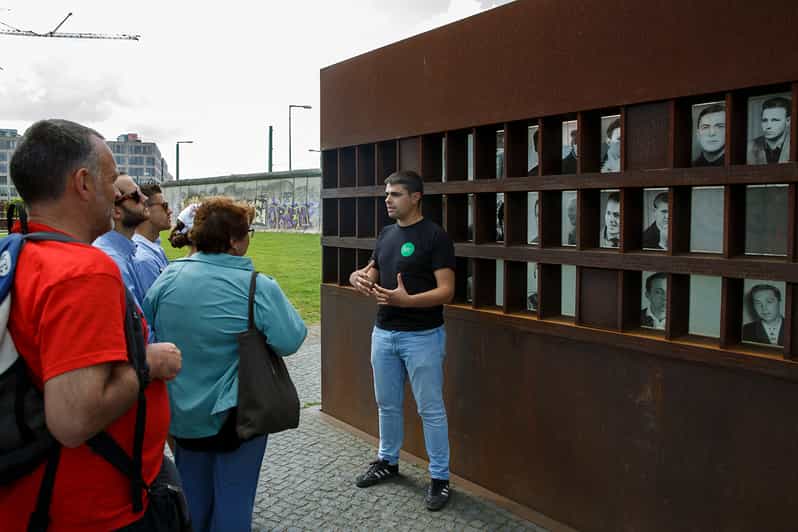
Bernauer Strasse Wall Memorial: the divide explained through design
Next comes Bernauer Strasse Wall Memorial, and this stop is the one that helps the Wall story click. Bernauer Strasse is known for letting you grasp the division as more than a line. It becomes a spatial experience, where the city’s layout and the Wall’s presence shape what people could do.
What you’ll get here is the “why” behind the tension. You’ll learn why the Wall eventually came down, but the goal is not a victory lap. The deeper value is seeing how the Wall structured everyday life before it ended, and how the city changed after. Berlin didn’t just remove concrete. It rebuilt neighborhoods, paths, and the meaning of public space.
If you’re going into the tour hoping for a straightforward timeline, don’t worry. The guide ties the dates to physical places, so you remember them without forcing it. And if you care about authenticity, this memorial-style stop tends to feel like it was built for understanding, not just photography.
Weigh these Berlin picks against each other
- Berlin: Reichstag, Dome and Government District Guided Tour
★ 4.7 · 18,288 reviews - Berlin: 1-Hour City Tour by Boat with Guaranteed Seating
★ 4.3 · 16,993 reviews - Berlin: TV Tower Standard Entrance Ticket
★ 4.4 · 15,883 reviews - Berlin: Boat Tour Along the River Spree
★ 4.4 · 11,252 reviews
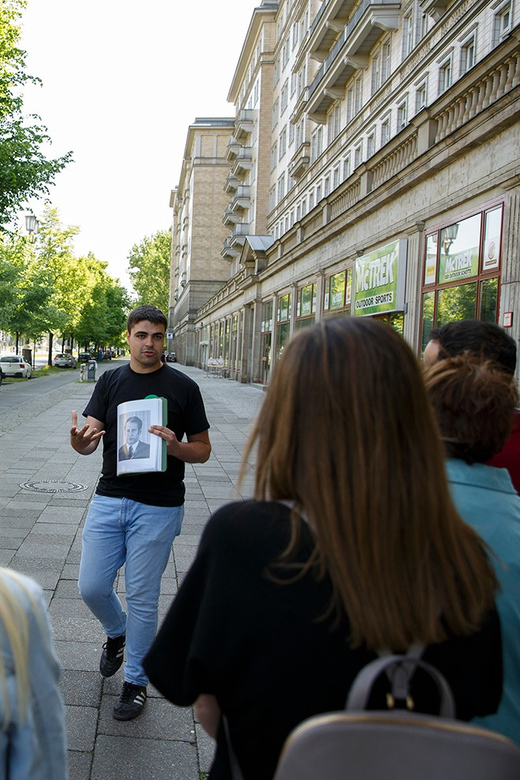
Frankfurter-Allee Avenue: life on the East Berlin side, not just border drama
You’ll also visit Frankfurter-Allee Avenue, which might sound like a simple street stop until you treat it as context. This is where the tour widens the lens from border crisis to daily life. In Cold War Berlin, the Wall was the headline, but ordinary streets were the backdrop for how people organized their routines under surveillance and restrictions.
This stop helps you notice something important: a divided city is still a functioning city. People went to work, commuted, shopped, and waited for buses, even while the political machinery tried to control movement and thought. By walking a major avenue tied to East Berlin, you get a sense of how the Wall era wasn’t only about escape attempts. It was also about living inside boundaries.
If you like tours that connect “history” to “how people actually moved around,” Frankfurter-Allee is a smart inclusion.
Ghost U-Bahn stations: what control looked like underground
One of the most memorable parts of the experience is exploring former ghost stations of the underground lines. This is where the Cold War shows up in a surprising way. The idea that trains could run while stations were effectively erased from normal life is chilling, and it’s also a clear example of how power can reshape a city’s infrastructure.
During this part of the tour, focus on how the underground became a tool. Even when people were traveling underground, control still shaped what they could access. You learn how these stations worked in practice and why they became part of the larger strategy of restriction and observation.
Important for your expectations: this segment is site-based. You’re not being asked to pretend you’re back in the 1960s. Instead, you’re using the surviving features and location knowledge to understand what happened. That makes it a good fit even if you don’t know much about Berlin transit history beforehand.
Stasi Museum entry: methods of control made understandable

The tour includes entrance to the Stasi Museum, which is the moment it all gets more analytical. Outdoor stops show the Wall and the barriers. The Stasi Museum helps explain the machinery behind the barriers: the way the secret service controlled the population of East Berlin.
This is where you’ll learn about the methods used to monitor, pressure, and shape everyday behavior. The value here is not just learning names or facts. It’s understanding systems. How control worked, how information mattered, and why fear had structure.
I like museum time on tours that handle heavy topics responsibly, and this one is structured to connect the museum to the street-level story you already saw. You’re less likely to feel like you’re absorbing random pieces, because the guide ties what you saw earlier to what you’re seeing now.
Also, the tour is Spanish-led. That can be a plus because the museum content is often dense. A good Spanish guide helps you keep up with meaning, not just words.
How the guide quality shapes the experience (Constantino and Jordi as an example)

The material here is not easy, and it relies heavily on explanation. Even if you already know the big facts, you’ll get more from clear storytelling: what mattered, what changed, and what the places were really used for.
From the kind of feedback this tour has, a standout theme is that guides bring energy and detailed explanations. Names like Constantino and Jordi come up as examples of people who can make a complex subject understandable and emotional without turning it into melodrama. You should still go with respect for the topic, but you can expect a guide who takes time to make it make sense.
Price and value: is 41 dollars a good deal?
At $41 per person for a 4-hour Spanish tour, the price can be fair, especially because the tour includes entrance to the Stasi Museum. Museum entry can be one of the biggest hidden costs on short tours, so having it bundled improves value.
You do need to factor in one extra cost: a public transport card AB (one day) is necessary, and it is not included in the tour price. Also, the tour does not include food and beverages. So think of the $41 as the guided experience plus the Stasi entry, then budget separately for transit and a snack if you want one.
For me, the value equation comes down to this: if you want a guided Cold War route that includes the Wall, a memorial stop, ghost station sites, and museum entry in a tight timeframe, bundling the museum makes it easier than trying to assemble everything on your own.
What to plan for: walking, language, and the heavy mood
This is a guided history walk, so plan for a decent amount of time on your feet over a half day. The tour is wheelchair accessible, so route planning is supported, but you should still expect some outdoor walking.
The biggest planning factor is language. The tour is Spanish, so if your Spanish is basic, you’ll still be able to follow the big visuals, but you may miss nuance. If your Spanish is strong, you’ll likely enjoy it a lot more because the content connects multiple sites into one coherent story.
And yes, the topic carries heavy themes. The tour is built to explain how the Wall shaped lives and how the Stasi influenced daily behavior. Go in prepared to learn, not to shock yourself.
Who this tour suits best
This tour is a great match if you:
- Like history that is grounded in what you can still see in the city
- Want both outdoor Cold War sites and an indoor explanation at the Stasi Museum
- Prefer a guided route when the subject is emotionally and politically complex
- Are comfortable with Spanish or want a Spanish learning experience while sightseeing
You might think twice if you:
- Need the tour in English or you struggle to follow guided explanations in Spanish
- Want a light, relaxing afternoon with minimal heavy content
Should you book? My decision checklist
Book it if you want a focused four-hour route that covers the Wall remnants, the Death Strip area, Bernauer Strasse Wall Memorial, ghost U-Bahn stations, and includes Stasi Museum entrance, all with a Spanish guide who can connect the places into one story.
Skip it if Spanish guiding is a barrier for you or if you don’t want heavy political content. In that case, you might prefer a different format, such as a self-guided visit where you control pacing more tightly.
If you do book, do one simple thing that improves everything: arrive a few minutes early at Alexanderplatz so you can start calmly, then bring comfortable shoes and a ready mindset. This tour is not just about seeing Berlin. It’s about understanding why the city looks the way it does today.
FAQ
How long is the tour?
It lasts 4 hours.
What language is the tour guide?
The tour is in Spanish.
What price should I expect?
The price is $41 per person.
Is the Stasi Museum ticket included?
Yes. Entrance to the Stasi Museum is included.
What stops and sights will I see?
You will see remains of the Berlin Wall and the Death Strip, visit Frankfurter-Allee Avenue, visit Bernauer Strasse Wall Memorial, explore former ghost stations of the underground lines, and enter the Stasi Museum.
Where do I meet the guide?
Meet by a green flag with the text tours en español, next to the only entrance to the Fernsehturm at Alexanderplatz, between the TV tower and Alexanderplatz station, next to Espresso House.
Do I need a public transport ticket?
Yes. You must buy an AB (one day) transport card. Public transport tickets are not included in the tour price.
Is the tour wheelchair accessible?
Yes, it is wheelchair accessible.
Can I cancel and get a refund?
Yes. You can cancel up to 24 hours in advance for a full refund.
Does the booking require full payment immediately?
No. You can reserve now and pay later.
Fresh reviews out of Berlin
- Berlin Uncensored: A History of Sex & Freedom★ 5.0 · 50 reviews
- Berlin Food & Cultural Tour: Must-Try German & Berliner Classics★ 5.0 · 51 reviews
- English Comedy Show with Pizza and Shots in Central Berlin★ 4.5 · 51 reviews
- Rude Bastards Tour of Berlin★ 4.8 · 51 reviews
- Private Taxi Tour of Berlin East and West and Neighbourhood approx. 4-6h★ 5.0 · 55 reviews
- Rickshaw Sightseeing City Tours Berlin – Rikscha Tours★ 4.0 · 55 reviews
- Berlin: City Highlights Express & Panorama Roof Terrace★ 4.9 · 55 reviews
- Berlin during Nazism – Tour in Italian★ 5.0 · 56 reviews
Berlin Wall & Cold War Tours, compared.

Berlin’s Best: 2 Hour Walking Tour Third Reich and the Cold War
Read our review →
Skip-the-Line: Berlin Wall Museum at Checkpoint Charlie
Read our review →
East Side Gallery Spree Cruise in a Solar Catamaran
Read our review →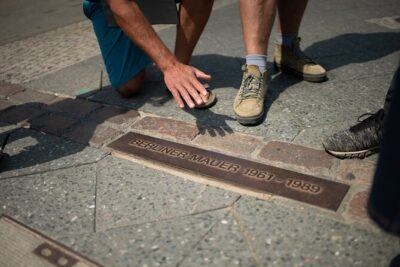
Cold War, Berlin Wall, Spies and the East Side Gallery
Read our review →
Browse the lists this tour appears in