
Reviewed · MUSEUMS
Tickets Dresden Transport Museum
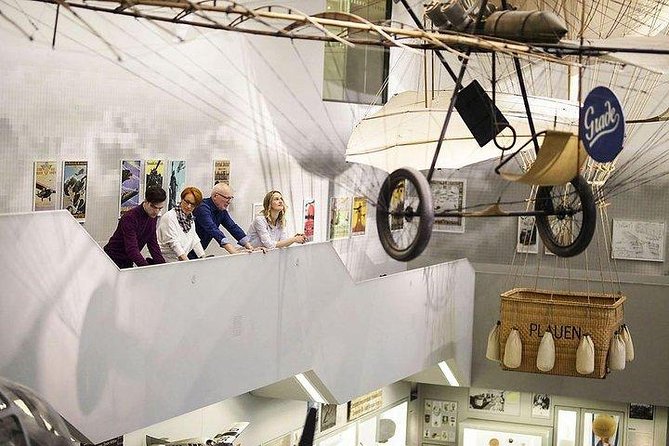
Dresden Transport Museum is interesting because it turns mobility history into something you can touch, ride, and play with. I love the hands-on stations where you can try out classic modes of travel. I also love the chance to see vintage vehicles, including a steam locomotive. One thing to consider is that your ticket experience may depend on how the entry desk processes your booking, so keep your confirmation handy in case there is no QR code to scan.
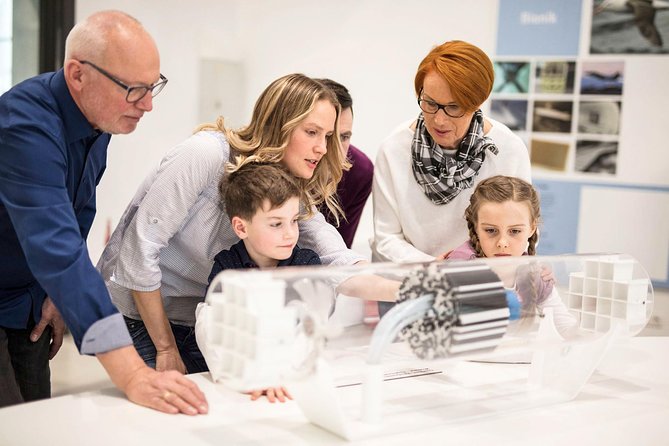
You’re not stuck in a group tour rhythm, either. I like that you can move at your own pace through road, rail, aviation, and navigation exhibits, and you can stay connected with free Wi-Fi for the audioguide app. For families, the interactive parts are a big deal, because kids can actually participate, not just look.
Plan for about 2 to 3 hours, depending on how much you stop for. The museum also has specific closure days, so check the calendar before you build a day around it, especially if you are visiting on a Monday.
Key things to know before you go
- Self-paced visit across open exhibitions so you can spend more time on what grabs you
- Free Wi-Fi to download and use the audioguide app on your phone
- Hands-on mobility activities designed especially well for kids
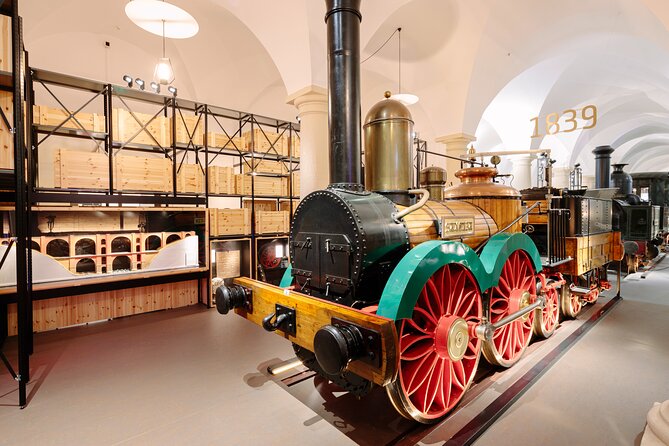
- Vintage transport highlights, including a steam locomotive and other rare vehicles
- One building, four transport themes: road, rail, air, and navigation
- Johanneum location in an old royal stable building, with roots in Saxon rail history
Why Verkehrsmuseum Dresden Feels Different From a Usual Museum

This museum is built around movement, and not in a dry textbook way. Even if you only give it a couple of hours, you will feel like you are stepping through different eras of how people traveled and how technology evolved.
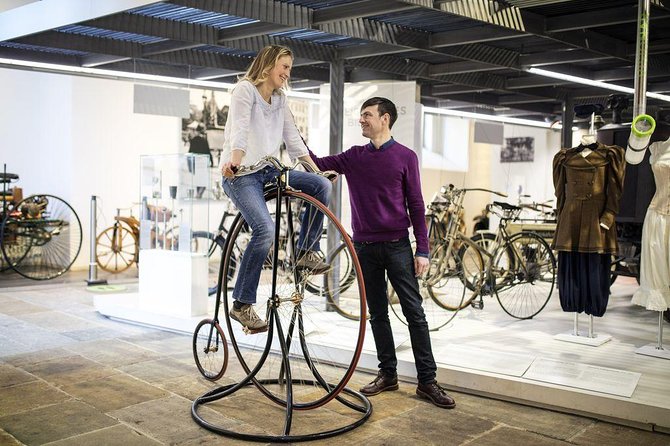
The best part is the blend of display and participation. You are not only walking past models and artifacts. You are able to sit, ride, design, and experiment at interactive stations. I also appreciate that the museum does not force you to see everything in one straight line. You can follow your curiosity, which is perfect if you have kids who want to repeat the fun parts.
The setting adds extra character. The museum is in the former royal stable building used by Saxon kings for their coaches and horses over 400 years ago. That means you are not just inside a “museum building,” you are inside a structure with a job from the past, long before this became the Johanneum.
More Museums in Dresden
- Dresden: Church of Our Lady Guided Tour of Gallery
★ 4.7 · 2,421 reviews - Dresden: Zwinger Museum Entry Ticket
★ 4.7 · 1,436 reviews - Dresden: Guided Walking Tour and Chocolate Museum Ticket
★ 4.5 · 479 reviews
Price and time: what your $13.25 ticket really buys
The ticket price is $13.25 per person, and the visit usually takes 2 to 3 hours. That time window is realistic because the museum mixes big exhibits with hands-on stops, and you can easily lose time if you are having fun.
Value comes from the way the ticket works. It is valid for all open exhibitions under the museum roof, such as road, rail, air, navigation, temporary exhibitions, the model railway area, and the traffic garden. So you are not paying for one small section. You are paying for a full range of transport themes.
Language is also part of the value. The experience is offered in English, and the audioguide app you download via the museum Wi-Fi includes English (along with German, Czech, Russian, and German Sign language). If you prefer to wander without stopping for a guide, this setup helps you keep moving.
If you are the type who wants to see only the “best bits,” you can do a tight visit. If you are the type who likes interactive exhibits and reading labels, you will likely fill the full 2 to 3 hours and then some.
Using the free Wi-Fi and audioguide app on your phone
One of the easiest wins here is that the museum gives you free Wi-Fi, so you do not have to guess your network strength inside the building. The Wi-Fi also lets you download the free audioguide app directly to your mobile device.
Why that matters for you: when you travel independently, audioguides can either be a lifesaver or a hassle. In this case, you should be able to set it up once when you arrive and then use it while you roam. That means you can take breaks, jump between exhibits, and still keep the story straight.
The audioguide app is available in multiple languages, including English. That is a strong option if you want extra context for the machines and exhibits, but you do not want to follow a timed group plan.
Tip: bring your phone charger if you plan to spend the full 2 to 3 hours using the app. The museum provides Wi-Fi, but your battery is still your responsibility.
The Johanneum building: royal stables turned transport world
Step inside the Johanneum and you get a quick sense that this place has layers. The museum is based in the former royal stable building used by Saxon kings for coaches and horses, over 400 years ago. That makes the setting more than just a container for exhibits.
The museum itself has roots that go back further than many people expect. It was founded in 1952, and it traces its origins to the Royal Saxon State Railway museum founded in 1877. That 19th-century link helps explain why the collection includes both historic originals and models, plus rare vehicles.
Inside, the museum covers about 5,000 square metres. Translation for your planning: there is enough space to spread out, so it does not feel like you are shoulder to shoulder everywhere you turn. You can slow down, take photos, and still find areas where you can focus on one exhibit at a time.
Another way to spend a Dresden afternoon:
- Dresden: Semperoper Tickets and Guided Tour
★ 4.7 · 12,102 reviews - Dresden: The Original Night Watchman Tour in Lantern Light
★ 4.6 · 6,653 reviews - Dresden: Semperoper and Old Town Tour
★ 4.8 · 5,735 reviews - Dresden: River Sightseeing Boat Cruise
★ 4.3 · 5,323 reviews
How the museum organizes road, rail, air, and navigation

A big reason I like this museum is that it organizes transport themes under one roof. You do not have to hop between multiple locations or choose just one track.
Expect the museum to cover:
- Road traffic exhibits and historic objects tied to street travel
- Rail transport, including standout vintage pieces
- Aviation, with displays that explain different approaches to flight and aircraft technology
- Navigation, which broadens the idea of mobility beyond land
On top of the permanent displays, you may also see temporary exhibitions, plus special areas like the model railway and the traffic garden. Those extra zones are often where kids can find their favorite “repeatable” activities.
This “four modes” structure is also good if you are traveling with mixed interests. One person may enjoy rail, another may want aviation, and you can still stay together without the day turning into separate missions.
Hands-on mobility stations: the penny-farthing, the steam locomotive, and more
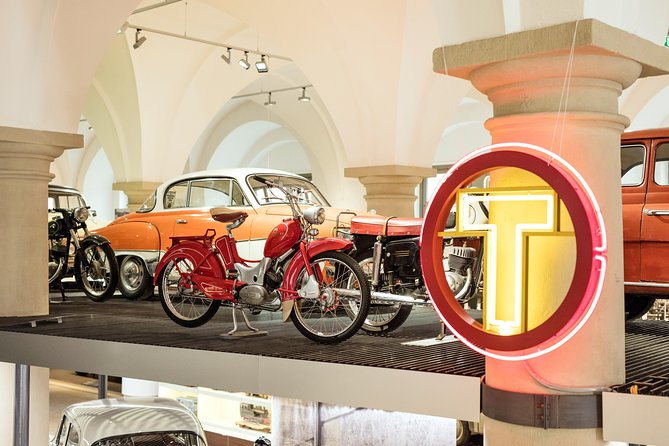
The interactive section is where you will feel the museum earn its place on your itinerary. The activities are designed so you do not just learn, you try.
Here are the kinds of hands-on moments you can look forward to:
- Ride a penny-farthing, a classic, very recognizable bicycle style. Expect this to be fun and visual, and it is also a great way to connect technology to real human experience.
- Board a steam-locomotive or explore it as part of the interactive rail area. Vintage vehicles like this are rare in most city museums, and seeing one up close is the kind of thing people remember later.
- Design your own boat and take part in a digital regatta. If you have kids who love screens and building, this is likely a big hit. It also helps explain how design choices affect movement, even if the simulation is playful rather than technical.
These stations are not random. They connect to the museum’s overall theme: how mobility works, how it changed, and how people shaped technology over time.
One practical note: interactive exhibits can be the busiest parts of the museum. If you want less waiting, aim to do your must-do activities earlier in your visit, then shift into quieter reading and viewing after.
Getting the most out of a self-paced visit

Because this is independent, you should decide how you want to spend your time before you start walking. The museum gives you freedom, and that is good, but only if you give yourself a simple game plan.
Here is a practical way to structure your visit:
- Start with the sections that match your top interest, whether that is rail transport or something like navigation.
- Spend time in the hands-on stations next, while the novelty factor is highest.
- Then loop through the remaining open exhibitions, temporary areas, and the model railway or traffic garden.
This strategy matters because the museum includes both “look” exhibits and “do” exhibits. If you do everything the fun way first, you will spend less time later deciding where to go next.
Also, since the audioguide app is available in English, you can use it as you go to fill in gaps. That helps you avoid the common self-guided museum problem: you end up reading only the signs right in front of you. With an audioguide, you can keep moving and still get context.
Exhibitions you can count on seeing during open hours
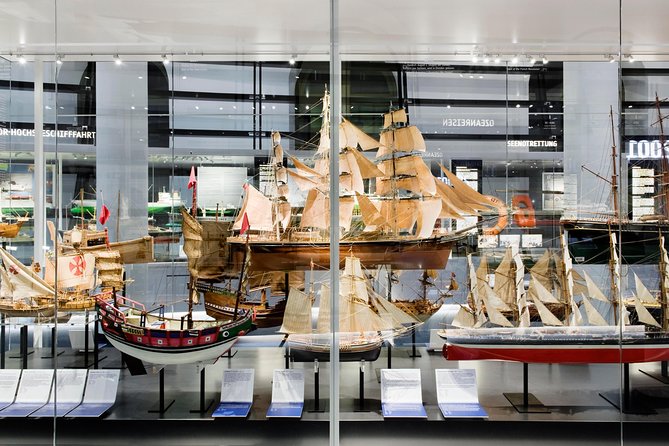
Your ticket is valid for all open exhibitions, which means you can reasonably plan on seeing major sections tied to road, rail, aviation, and navigation. You can also include:
- Temporary exhibitions, which may change, but can add variety to the day
- A model railway area, which is often fascinating even if you do not usually love models
- A traffic garden, which is another place where kids tend to enjoy hands-on learning
Because the ticket covers the open exhibitions, it is worth not rushing. You have paid for access to multiple transport topics, and the museum is built for exploration at different speeds.
If you are short on time, focus on the stations that mix hands-on with storytelling, like the steam locomotive experience and the penny-farthing. Those tend to be the moments that feel “rare” and worth prioritizing.
Practical tips for a smoother museum day in Dresden
A few logistics points can make your visit smoother.
First, the museum is near public transportation. That helps if you want to keep your day simple and avoid parking or traffic stress.
Second, the museum is closed on Mondays, with exceptions for Easter Monday and Whitsun Monday. It is also closed on December 24, 25, 31, and January 1. If you plan your Dresden itinerary around the museum, check the date carefully so you do not show up to a closed building.
Third, food and drinks are not included. That means you should plan on buying snacks elsewhere or bringing your own options if allowed by the museum rules. If you have kids, having a snack plan is smart because interactive exhibits can take longer than you think.
Finally, one review-based consideration worth noting: some ticket experiences may not use a QR code for scanning at the counter. The safe move is simple, keep your booking confirmation accessible on your phone or in email form so the museum staff can help you quickly if anything is unclear.
Should you book Tickets Dresden Transport Museum?
Yes, I think you should book this if you want an affordable, family-friendly museum visit that mixes real artifacts with hands-on learning. At $13.25 per person, the value is strong because your ticket covers multiple transport themes under one roof and you get free Wi-Fi plus a downloadable audioguide app in English.
Book it especially if you have kids who like to press buttons, climb aboard, or try activities. The penny-farthing and steam locomotive are the kind of standout moments that make the day feel more than just walking through displays.
Skip or reconsider if you only enjoy a quiet, traditional museum experience with lots of reading and minimal interaction. This place is built for participation, and that energy is part of its charm.
FAQ
How long does the Verkehrsmuseum Dresden visit take?
The ticket visit typically takes about 2 to 3 hours.
Is the museum experience in English?
The experience is offered in English, and the audioguide app you can download supports English.
Does the ticket include Wi-Fi and an audioguide?
Yes. Free Wi-Fi is included, and you can download the free audioguide app using that connection.
What exhibitions are included with the ticket?
Your ticket is valid for all open exhibitions, including road, rail, air, navigation, temporary exhibitions, the model railway, and the traffic garden.
What is not included in the ticket price?
Food and drinks are not included, and you should also plan for transportation to and from the museum and any parking fees.
When is the museum closed?
The museum is closed on Mondays (except Easter Monday and Whitsun Monday) and closed on December 24, 25, 31, and January 1.
Can I cancel for free?
Yes. You can cancel up to 24 hours in advance for a full refund. If you cancel less than 24 hours before the start time, the amount paid is not refunded. Service animals are allowed.
Fresh reviews out of Dresden
- Radebeul: Scavenger Hunt Self Guided Tour★ 4.6 · 9 reviews
- Walking Tour of Historic Dresden with a Christmas Touch. Small group tour.★ 4.5 · 9 reviews
- Dresden Group Tour with a Night Watchman★ 4.5 · 10 reviews
- Dresden: Bootstour-Sonnenuntergang im Schlauchboot genießen★ 4.9 · 10 reviews
- Dresden Private Walking Tour With A Professional Guide★ 5.0 · 10 reviews
- Dresden Live-Guided Self-Drive Trabi Safari City XXL Tour 2h15min★ 5.0 · 10 reviews
- Outdoor escape game – the magical portal★ 5.0 · 11 reviews
- City Tour and Guided Tour in the New Green Vault – Program C – The Festive★ 5.0 · 11 reviews
Museums, compared.





Skip-the-Line: Berlin Wall Museum at Checkpoint Charlie
Read our review →Browse the lists this tour appears in