
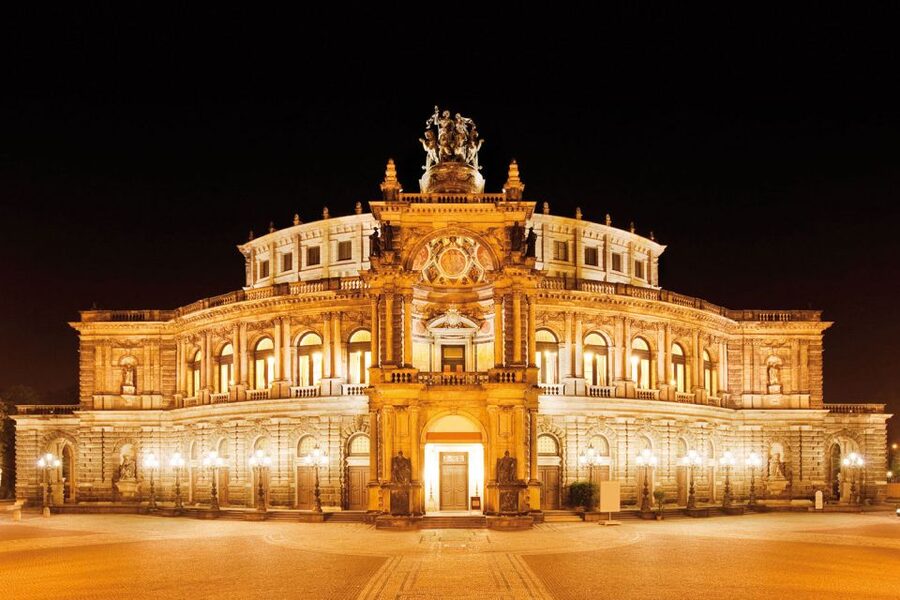
Reviewed · DRESDEN TOURS
Dresden: Semperoper Tickets and Guided Tour
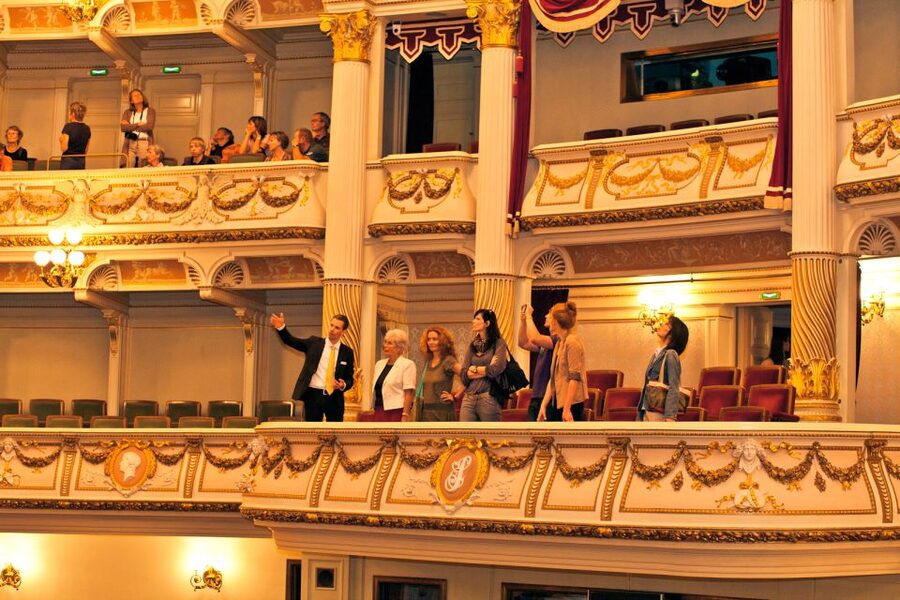
Semperoper is interesting because it is not just a pretty opera house. It is a building with a complicated story, and the tour walks you through that story while you stand inside the very rooms that stage it. You get the Semperoper itself and a guided tour that explains what you are looking at.
I especially like two things. First, the focus on the reconstruction work, including how original features were recreated after major setbacks. Second, the way the guide talks about acoustics, so the auditorium makes sense beyond the wow-factor.
One possible drawback to plan around: you only have 45 minutes, and some departures overlap with other groups, so you may feel a bit rushed at the final stops.
Key Points at a Glance

- 45-minute guided pace: short, focused, and designed to fit the flow of a working opera house
- Skip-the-line + admission ticket: you do not just get a walk-and-talk, you also get entry
- Rebuild details that actually matter: you learn why rooms look the way they do and what was restored
- Auditorium acoustics explained in plain terms: you get the “why” behind the sound
- Photo license required inside: purchase a €3 license at the start if you want to take pictures
- English and German guides: examples of guides include Richard, Thomas, Robert, and Claudia
Why Semperoper Feels Different Than Other “Pretty Buildings”
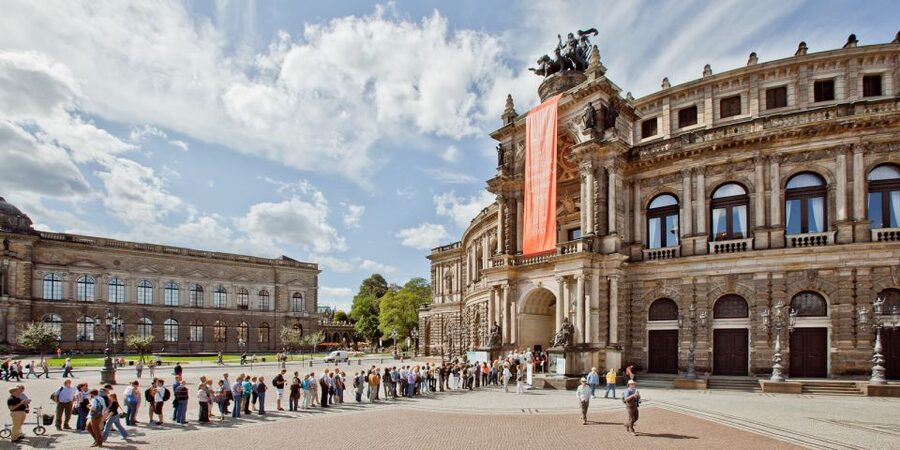
Semperoper in Dresden is one of those places where the architecture is doing storytelling. From the outside, you can see the prestige. Inside, the experience turns that prestige into something you can follow with your eyes: room by room, detail by detail, and with context that helps you connect the design to the building’s history.
What makes this tour especially worthwhile is that it is not only about aesthetics. The guide helps you notice the kinds of features opera lovers care about, including the way spaces were reconstructed and how the auditorium is designed for sound. If you have ever stood in a theater and wondered why it feels “just right,” this is the kind of place that turns that question into an answer.
The tour format also fits real travel life. You are not committing to a half day. Forty-five minutes is long enough to see the key interior areas and get meaningful commentary, short enough that you can still fit Dresden’s other sights the same day.
Weigh these Dresden picks against each other
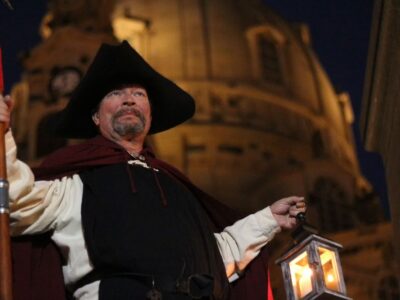
- Dresden: The Original Night Watchman Tour in Lantern Light
★ 4.6 · 6,653 reviews - Dresden: Semperoper and Old Town Tour
★ 4.8 · 5,735 reviews - Dresden: River Sightseeing Boat Cruise
★ 4.3 · 5,323 reviews
Ticket Value: Is $18 Worth It for a Guided Tour?
At around $18 per person, this is priced like a practical add-on rather than a major splurge. And the key value is that you are getting two things bundled together: a Semperoper admission ticket and a live guided tour. Add in the skip-the-ticket-line benefit, and the math starts to work in your favor, especially during busy visiting hours.
Here is how I think about value in places like this. You can admire the building on your own, sure. But the tour saves you time and mental effort. You walk through rooms and you already know what matters to look for. Guides on this program have repeatedly been described as enthusiastic and precise, and they often bring the building to life using restoration context and specific details.
The 45-minute duration is also part of the value story. It is enough time to see the interior highlights without turning the visit into a stamina test. One note from real-world experience: if your group overlaps with others, the ending can feel lively and a bit noisy. That does not ruin it, but it means the tour is best treated as “see, learn, move on” rather than “linger forever.”
45 Minutes Inside: What You See and What the Guide Has You Notice
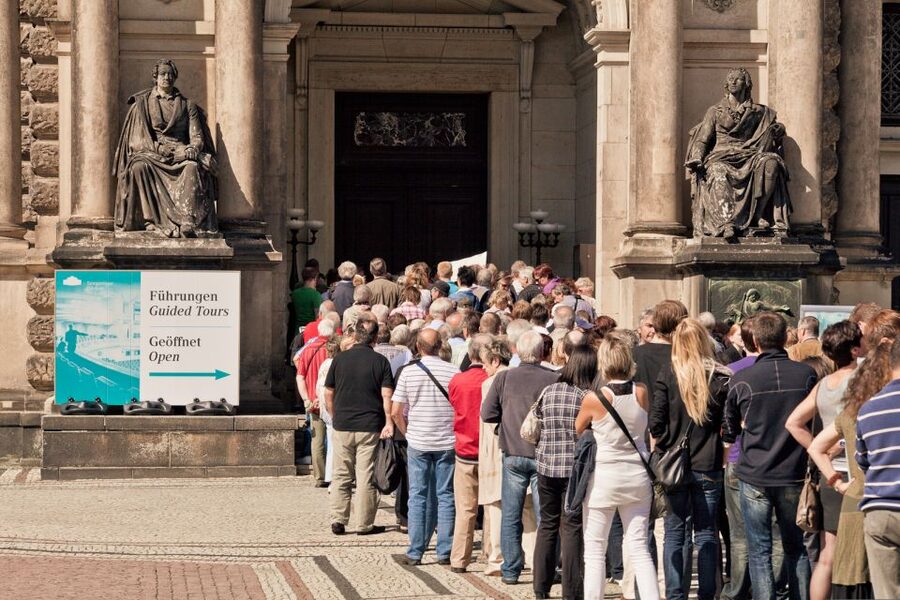
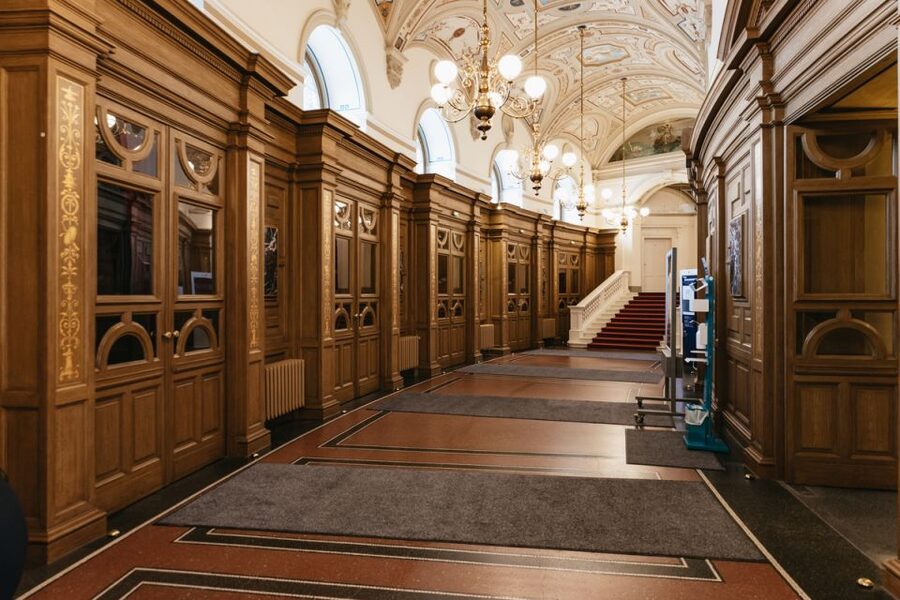
The tour experience is structured to move you efficiently through the interior. You start at the Semperoper and then focus on the rooms that showcase the building’s Italian Renaissance style. Expect the guide to point out ornate spaces where the decoration is not random. It is meant to communicate status, culture, and ceremony, the kind of environment where opera is supposed to feel special.
As you go, you will hear about the reconstruction work. This is not just a general “it was rebuilt” story. You get the more practical version: how features were recreated in the spirit of the original designs, and what changes were made as the building recovered over time. Some guides also use historic photos as visual anchors, including images tied to events like the fire and World War II damage, which helps the restored rooms feel grounded in real chronology instead of vague nostalgia.
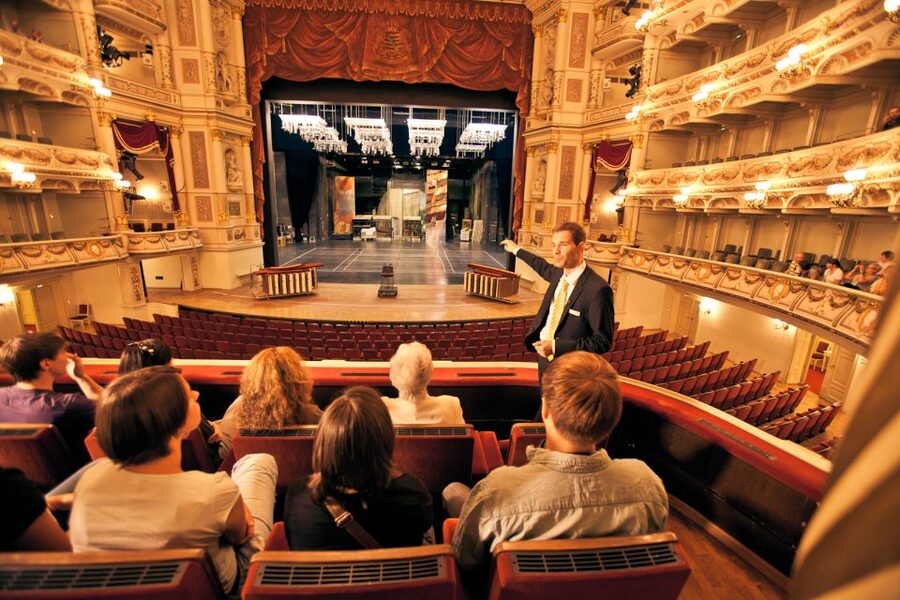
Toward the later part of the tour, the emphasis shifts to the theater spaces, including the auditorium. That is where the commentary often becomes most memorable. You learn how the hall is shaped for sound, and you get a sense of why the auditorium feels so “performative,” even when it is empty.
One small bonus depends on timing. On at least one occasion, a group got to see behind the curtain on the main stage because an evening performance was being prepared. That is not guaranteed, but it is exactly the kind of thing that makes an already good tour feel extra alive.
Admiring Rebuilt Rooms: Italian Renaissance Style in Real Life
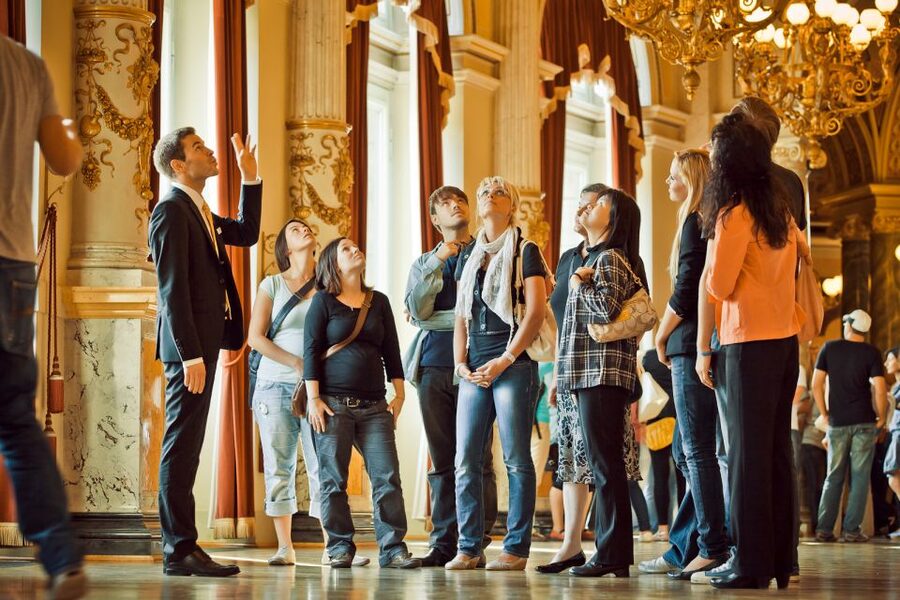
If you like architecture, you will probably enjoy this section the most. The Semperoper interior leans into a formal, Renaissance-inspired look, with decorative detail that can be hard to appreciate from a distance. The guided format helps because the guide shows you where to look, instead of leaving you to guess.
A big theme in the tour is reconstruction, and that matters more than it sounds. Restoring a damaged cultural landmark is not the same as doing a facelift. Rebuilding means making decisions about what to preserve, what to replicate, and what must be reinterpreted to bring the theater back to a functional state.
You also get the feeling that the opera house is still “working” as a living institution, not only as a museum. That comes through in how the guide connects design choices to opera life, and it is reinforced by practical restrictions you will notice during your visit. You cannot treat the place like a roam-and-snap attraction. Instead, you respect it like an operating venue.
Some guides on this program have been described as opera fans and long-time insiders, which can change the experience in a good way. When your guide actually loves what happens on the stage, the explanation of rooms and restoration tends to be more vivid. Named examples from actual departures include guides like Richard, Thomas, Robert, and Claudia.
Another way to spend a Dresden afternoon:
- Dresden: Tour of VW’s Transparent Factory
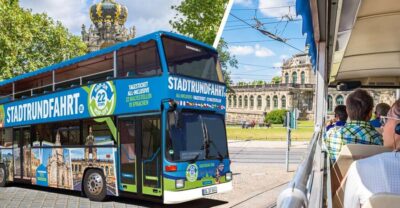
★ 4.5 · 4,058 reviews - Dresden: 1-Day Hop-On-Hop-Off Bus Tour
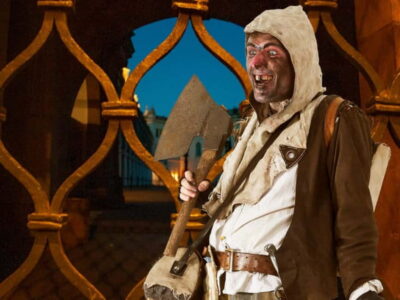
★ 4.5 · 2,813 reviews - Terrifying Tour of Dresden Led by a Dungeon Master
★ 4.4 · 2,503 reviews - Dresden: Church of Our Lady Guided Tour of Gallery
★ 4.7 · 2,421 reviews
Auditorium Acoustics: The “Why” Behind the Sound
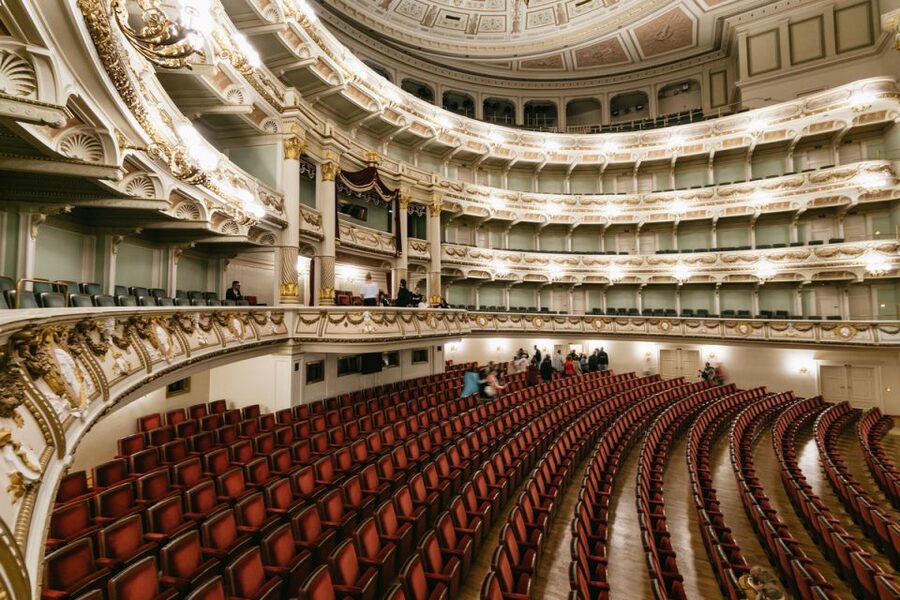
A theater is more than walls and seats. It is geometry and design, and that is why the acoustics topic is such a strong selling point here.
During the tour, you should expect the guide to explain the distinctive acoustics of the auditorium. The practical benefit is that you are not just hearing a claim that the sound is good. You get the reasoning. That means when you later attend a performance at the Semperoper, you have context for what you are experiencing.
Now, a reality check. This is not a sound-check with a musical demo. Some people finish the tour wanting more of a hands-on “listen to this” moment, while others feel satisfied with the explanation alone. So if your goal is to hear acoustics in action, you should treat this tour as “learn about acoustics” more than “test acoustics.”
Even so, the auditorium portion can be the highlight. It is one of the few times in Dresden where you get inside a major performance space and walk away understanding why the experience feels the way it does.
Photo License, Bag Rules, and Other On-the-Spot Reality
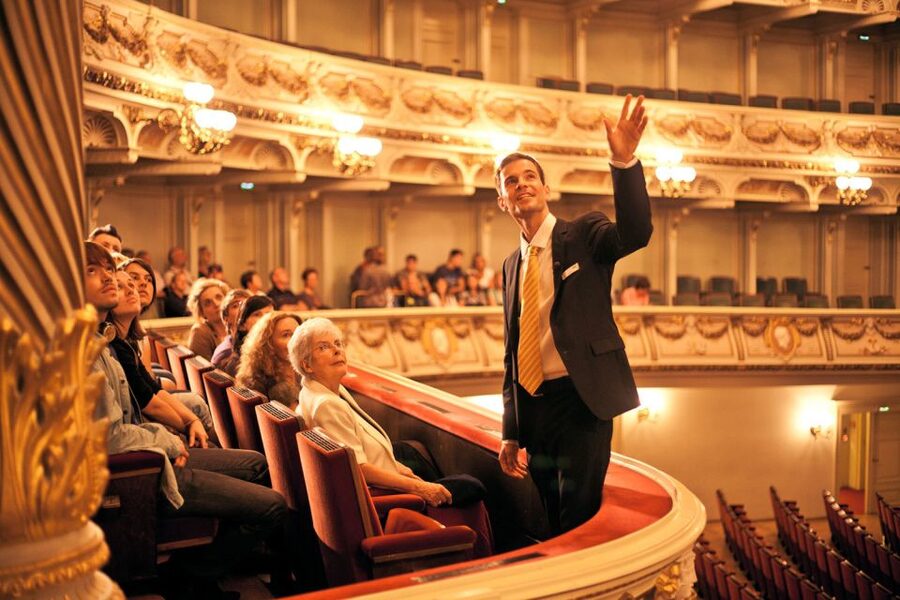
This tour has a clear policy on photography. Inside, you can only take photos if you have a photo license. The license costs €3 and is purchased at the beginning of the tour. If you plan to shoot interior photos, factor in a couple of extra minutes right when you arrive.
Also pay attention to what is not allowed. Pets are not permitted. Smoking is not allowed. Food and drinks are not allowed. Large bags and luggage are also not permitted. If you are traveling with a backpack, keep it manageable. If you bring something bulky, you might have to leave it outside or deal with restrictions on site.
For many people, the most annoying moment of the visit is the photo rule timing. It can feel a little strict when you are standing in front of ornate rooms and want to document them immediately. But if you know the rule ahead of time, it becomes a non-issue, and you spend your energy enjoying what is in front of you.
Finally, consider group overlap. Some tours feel like a tight group and others run in parallel with other groups, especially near the final stops. If you are sensitive to noise, try to position yourself where you can hear the guide comfortably.
The Guide Factor: When the Commentary Makes the Building Click
A guided tour is only as good as the guide, and this program tends to score high here. Many visitors describe guides as enthusiastic, friendly, and professional, with commentary that connects history, reconstruction, and how opera spaces work.
What I like about the best versions of this tour is that the guide treats the building like a system. You learn what you are seeing and why it exists. People have been impressed by guides who explain reconstruction clearly, show historic references, and answer questions without making it awkward.
Named examples from different departures include:
- Richard, praised for knowledge and a sense of humor
- Thomas, described as passionate about opera and art history
- Robert, recognized for showing how the space works and sharing details about performers and performances
- Claudia, highlighted for clear, explicit explanations
One caution from real experiences: a small number of people reported audio challenges or a guide whose English was hard to hear. This does not mean all departures are like that, but it does explain why your seating position and timing can matter. If you can, arrive early enough to settle in near the front of your group.
When You Should Skip This Tour, and When It Fits Perfectly
This tour fits best if you:
- want a structured introduction to the Semperoper interior without researching every detail first
- care about architecture and restoration, especially how major damage was addressed
- want auditorium context and acoustics explanation before you attend a performance
- prefer a short, focused visit rather than a long guided commitment
It might not fit as well if your main goal is:
- a long, slow museum-style exploration with lots of free time
- a hands-on acoustics experience with demonstrations
- a quiet, uncrowded interior moment, especially if your departure overlaps with other groups
For most people, though, the format hits a sweet spot. You get the essential areas, you learn why they matter, and you leave ready to appreciate the Semperoper as a living venue, not only as a postcard.
Should You Book This Semperoper Tour?
If you are visiting Dresden and you care about opera, architecture, or restored historical landmarks, I think this is an easy yes. At about $18 for a 45-minute skip-the-line guided experience that includes admission, the value comes from context. You see more than you would on your own, and the auditorium section gives you the “why” behind the sound.
Book it especially if you want a guided look at reconstructed rooms and you do not have time for multiple long museum stops. If you are strict about photos, remember the €3 photo license rule. If you are sensitive to crowds, consider picking a departure time that avoids the busiest overlap.
If your schedule can handle one short guided experience, this is one of the smarter ways to spend it in Dresden.
FAQ
How long is the Semperoper tour?
The tour lasts 45 minutes.
What is included in the ticket price?
You get a Semperoper admission ticket and a guided tour.
Does the tour skip the ticket line?
Yes, it includes skip-the-ticket-line entry.
What languages are offered?
Tours are available in German and English.
Is the venue wheelchair accessible?
Yes, the tour is wheelchair accessible.
Are photos allowed inside the Semperoper?
Photography is only permitted with a photo license of €3, which you purchase at the beginning of the tour.
What items are not allowed during the visit?
Pets, smoking, food and drinks, and luggage or large bags are not allowed.
Fresh reviews out of Dresden
- Dresden: 2 day ticket for museums of the Dresden State Art Collections★ 4.7 · 54 reviews
- Big Sightseeing Tour in Dresden with Liveguide★ 4.5 · 55 reviews
- Dresden Sightseeing Treasure Hunt★ 5.0 · 57 reviews
- Public guided tour of the old town including a tour of the Frauenkirche★ 5.0 · 59 reviews
- Dresden: Walking Tour with Virtual Reality elements★ 4.5 · 63 reviews
- Dresden: Bootstour im Schlauchboot durch die Altstadt★ 4.9 · 64 reviews
- From Dresden: Bohemian & Saxon Switzerland Day Trip★ 4.8 · 64 reviews
- 1.5 hours Segway Elbe Mini Tour★ 5.0 · 66 reviews
Dresden Tours, compared.
The Original Night Watchman Tour in Lantern Light
Read our review →
Terrifying Tour of Dresden Led by a Dungeon Master
Read our review →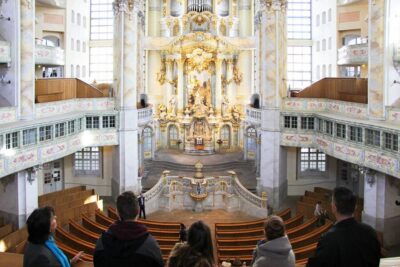

Browse the lists this tour appears in