
Reviewed · MUSEUMS
Potsdam: Museum Barberini Entry Ticket
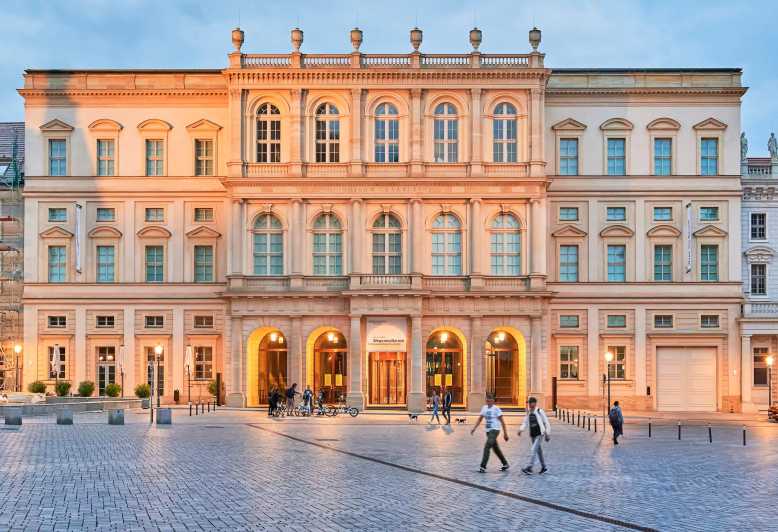
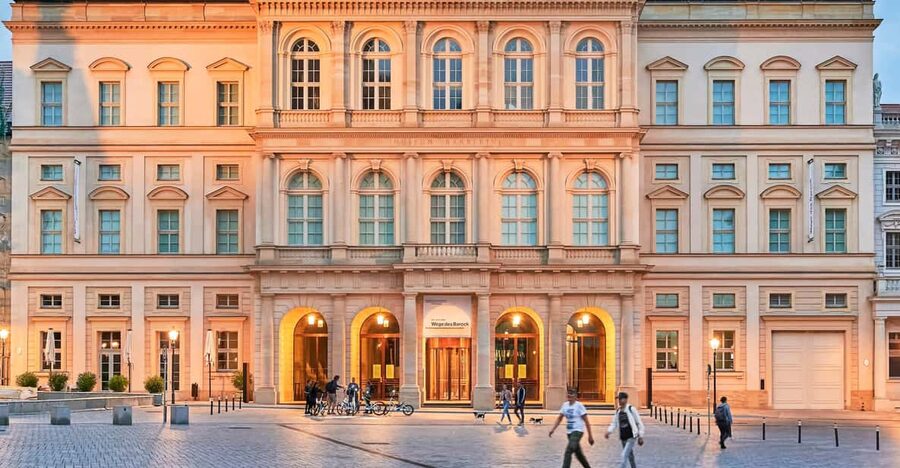
Museum Barberini is interesting because you get serious Impressionist art inside a reconstructed palace right in Potsdam’s historic center. One ticket can cover both the permanent highlights and a rotating special exhibition, and the free digital audio guide helps you move through fast without feeling lost.
What I like most is the chance to see Claude Monet at a level you rarely get outside big Paris museums, including the second-largest Monet painting collection in Europe. I also really enjoy how the lineup includes Berthe Morisot plus painters like Cézanne, Gustave Caillebotte, Pierre-Auguste Renoir, Paul Signac, and more, so you can compare styles instead of getting one-note Impressionism.
One consideration: the museum has a strict no-food, no-drinks, no-bags policy, and you can’t touch the exhibits. If you like carrying a big daypack or snacking mid-gallery, plan to travel light.
Key Highlights You Should Plan For
- Monet focus: See the second-largest collection of Monet paintings in Europe.
- Big-name Impressionists: Morisot, Cézanne, Caillebotte, Renoir, Signac, and more in one place.
- Special exhibitions: Three annual temporary shows, with loans from international institutions and collections.
- Free audio guide app: Download the Barberini digital guide to your phone before or during your visit.
- You can do it in 2 hours: Enough time to hit the main galleries and at least one special exhibition.
- Museum café and store: A convenient reset after you finish the galleries.
Museum Barberini in Potsdam, What Makes It Such a Smart Stop
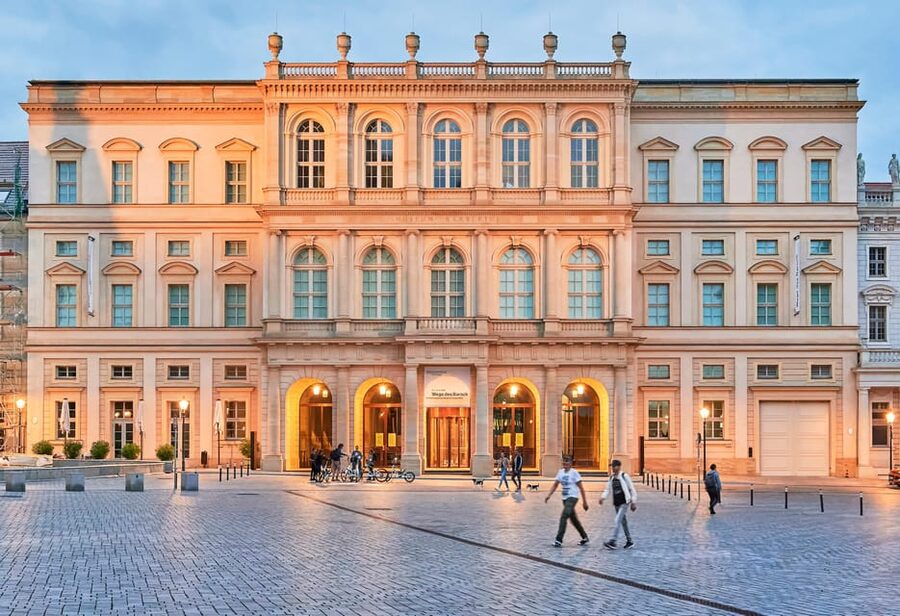
If your visit to Potsdam is mostly about palaces and gardens, Museum Barberini is a great counterweight. Instead of more outdoor beauty, you get wall-to-wall paintings and the kind of art looking that rewards time and attention. And because the museum is in a reconstructed palace in the historic center, the building itself feels part of the experience, not just a box for exhibits.
The ticket is also built for real life. At around 2 hours, you can create a focused route: permanent collection first, then a special exhibition (or vice versa), then a quick browse of the store and café. That structure matters because Impressionism can tempt you to slow down too much, and you only have so many vacation hours.
And yes, the art names are the headline. But the bigger value is what you learn to see. Impressionist painters didn’t just paint pretty scenes, they used observation to push the boundaries of how reality can look. When you compare Monet, Morisot, Cézanne, and Caillebotte side-by-side, you start noticing how different artists handled light, structure, and perception.
More Museums in Potsdam:
- Berlin: Jewish Museum Berlin Entrance Ticket
★ 4.5 · 8,393 reviews - Berlin: DDR Museum Tickets
★ 4.3 · 3,443 reviews - Berlin: Natural History Museum Entrance Ticket
★ 4.6 · 3,382 reviews
Getting Oriented Inside the Museum, The Barberini App Audio Guide
Your best move is to treat the audio guide like your personal map. The visit includes a digital audio guide you can access through the Barberini app, and you download it to your phone. That’s useful because a museum can feel like a lot of rooms and labels, and 2 hours disappears quickly.
Here’s how I’d use it to get real value:
- Start with the permanent collection and play the guide segments as you arrive at key rooms.
- When you switch to the special exhibition, use the audio guide to pick up the main themes so you don’t just wander.
Since the app is part of your ticket, you are not stuck paying extra for context. The guide also helps you spend more time looking and less time guessing what to focus on.
One small practical note: if your phone battery runs low, carry a charging cable or a portable battery. The museum requires you to keep things moving, and relying only on wifi for audio can be a gamble.
Monet Highlights, Europe’s Second-Largest Collection and What It Feels Like
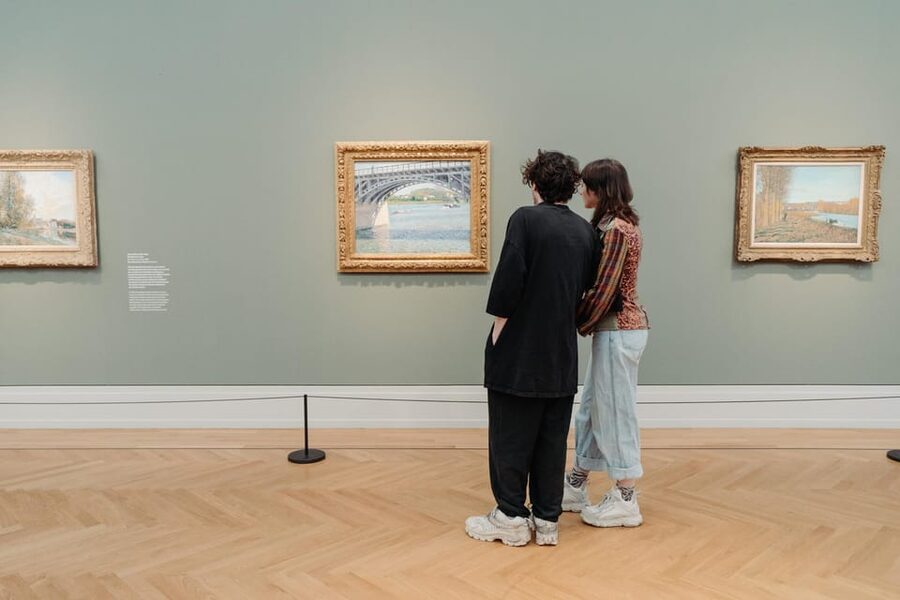
Let’s talk about the Monet reason people make room in their itinerary. Museum Barberini includes the second-largest collection of Claude Monet paintings in Europe. That isn’t just a trivia point. It changes the whole experience because you can compare works without traveling across multiple museums.
What you’ll likely notice as you move through the Monet paintings:
- How Monet’s attention to light changes the mood of a scene.
- How repeated subjects can still look different based on time, weather, and brushwork.
- How the paintings can feel both realistic and slightly untethered from strict detail.
That last part is key. Impressionism often gets described as light and color, but the real trick is observation. Monet studied what the eye does in motion and in shifting light. You’re not just seeing a picture, you’re seeing a moment created through paint choices.
If you are a first-time Impressionist visitor, I recommend you start with Monet long enough to build a baseline. Once you feel the style, the rest of the collection becomes easier to appreciate, especially the artists who take different routes to similar themes.
More Than Monet, Morisot, Cézanne, Caillebotte, Renoir, and Signac
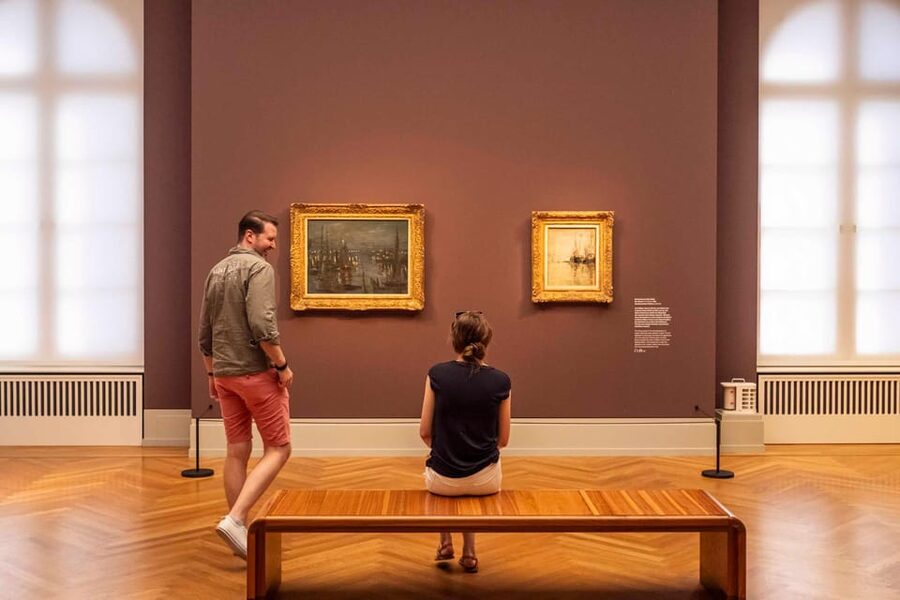
Museum Barberini’s permanent collection goes beyond one star artist. You get works by major names, including Berthe Morisot, Paul Cézanne, Gustave Caillebotte, Pierre-Auguste Renoir, Paul Signac, and more. That range matters because it lets you see Impressionism as a conversation, not a single look.
Morisot is especially interesting to watch in this kind of museum setup. Her presence alongside Monet and Renoir gives you a chance to compare how different painters shaped everyday subjects, using brushwork and color in distinct ways.
Then Cézanne comes in to shake up your expectations. You might expect him to look like a typical Impressionist, but his approach tends to be more structural. That contrast helps you understand how painters created realistic-looking images while still pushing abstraction. In other words, you get a lesson in how observation and invention can coexist.
Caillebotte and Signac add further texture. Caillebotte is known for sharp urban perspectives, and Signac is often associated with later color approaches. The practical takeaway for you is that the collection gives you multiple ways to interpret what you’re seeing, instead of forcing one interpretation.
If you want a simple strategy, do this:
- Pick two painters to focus on during the permanent collection.
- Use the audio guide to identify what makes each painter’s approach different.
- Then let the rest of the room surprise you.
Weigh these Potsdam picks against each other
- Potsdam: City and Castles Tour
★ 4.7 · 3,721 reviews - Potsdam: Palace Tour by Boat
★ 4.5 · 2,369 reviews - Potsdam: Sanssouci Palace and Prussian Palaces Entry Ticket
★ 4.5 · 2,101 reviews - Potsdam by Boat: Island Cruise
★ 4.6 · 1,308 reviews
Special Exhibitions in Your Ticket, How the Rotating Shows Change the Visit
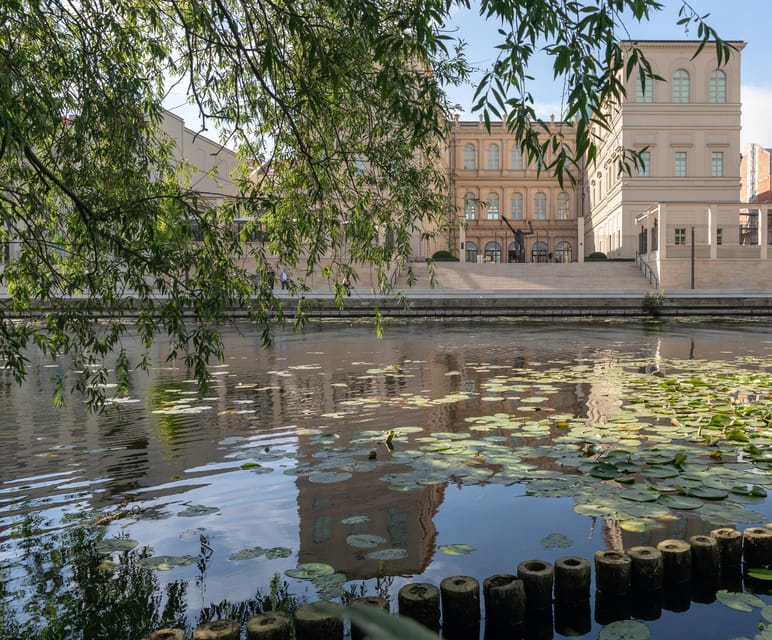
Your ticket also includes access to the special exhibitions that rotate into the museum. The museum runs three special exhibitions annually, with works on loan from international museums and collections. That means your experience will not be exactly the same as someone else’s, even if you are seeing the same museum.
Why this matters for value: if you come when a strong temporary show is on, you can justify spending the full time in the galleries. If not, you still have the permanent collection to carry the visit.
Because your time window is about 2 hours, I suggest you avoid trying to do everything. Instead:
- If the special exhibition sounds like your thing, prioritize it and come to the permanent collection second.
- If you are mainly there for the Impressionist masters, do permanent first and use the special show to add variety.
Also, the museum hosts events like symposia, readings, guided tours, concerts, film evenings, and workshops. Just note that education programs, workshops, and events are not included and can require an extra ticket. In practice, that means your core visit should be built around what is included: the permanent collection and the current special exhibition.
Museum Rules That Affect Your Day, No Bags, No Food, No Touching
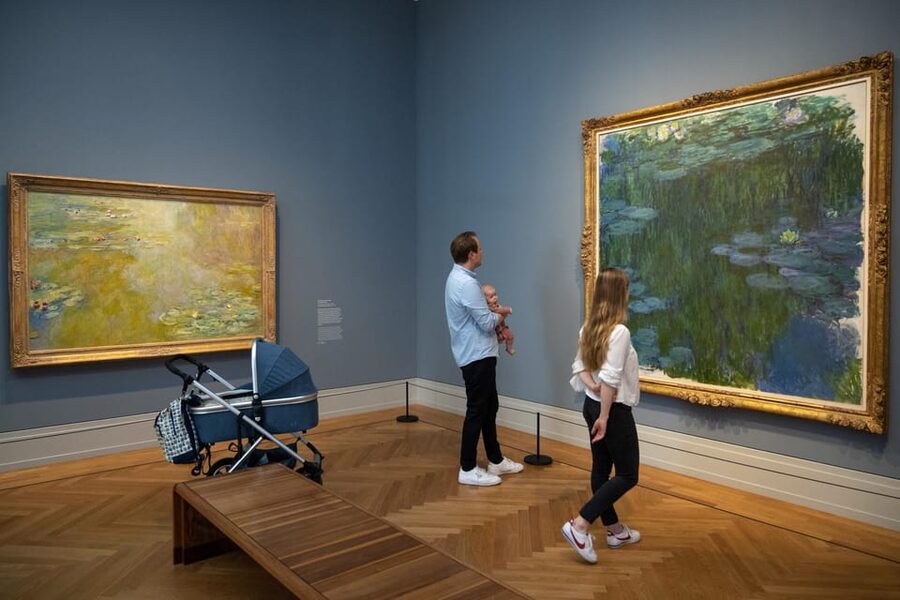
This museum is strict, and that affects how you plan your visit. Here are the restrictions that most often trip people up:
- No food and drinks inside.
- No bags and no backpacks.
- No bikes.
- No pets, though assistance dogs are allowed.
- No touching the exhibits.
- No climbing, and no making fire.
If you are traveling with a daypack, plan ahead. Bring only what you can carry without putting yourself into a bind. Even a small bag can become a problem, so it’s worth traveling light.
What I like about these rules is that the museum experience feels orderly. What I’d do for comfort is bring a phone and essentials, then keep your hands free so you can point your attention at paintings instead of your stuff.
Also remember: since you can’t touch exhibits, you should rely on the audio guide and the labels for details. That’s exactly what the app is for.
After the Art, Barberini Café and Museum Store Reset
When you finish the galleries, the museum gives you a couple of places to land. You can visit the Barberini Café and the museum store after seeing the exhibits.
Even though food and drinks are not allowed inside the galleries, a café stop after your visit works well because it gives you a clean break. It also helps you avoid that uncomfortable scramble where you finish the last gallery and only then realize you need a snack.
The museum store is a good final step if you want a souvenir that actually matches the visit. Since the museum focuses on Impressionism and its key artists, you’ll often find art-related items that fit the theme better than generic tourist shops.
Ticket Price and Value, Is $11 a Good Deal?
At about $11 per person for a 2-hour visit, this is strong value if you care about Impressionist painting at a serious level. You’re not just buying access to a single room or a small set of works. Your ticket includes:
- Entrance to Museum Barberini
- Access to the permanent Impressionist collection
- Access to the special exhibition
- A free digital audio guide via the Barberini app
That combination is what makes the pricing make sense. Museums often charge extra for audio guides and special exhibitions, but here it’s rolled in. For a short visit, bundling the permanent collection plus a temporary show is exactly how you stretch your time.
If you’re on a tight schedule, the 2-hour duration also makes budgeting easier. You can pair it with Potsdam’s other sights without feeling like you need a whole half-day just for the museum.
Who Should Book This Museum Ticket
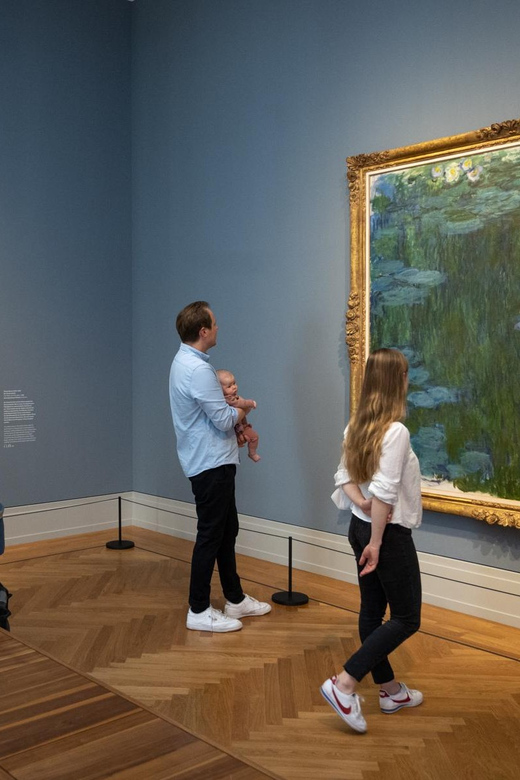
Museum Barberini is a good fit if you:
- Love Impressionist art and want major names in one concentrated stop.
- Want a manageable 2-hour visit rather than a half-day museum marathon.
- Like to learn while you look, thanks to the included audio guide app.
- Prefer a museum experience that mixes permanent masterpieces with rotating special exhibitions.
It’s also a sensible choice for people who want something culture-focused but not overly technical. You can get plenty out of it with just your eyes plus the audio guide.
Who might feel less satisfied? If you want a museum day packed with workshops and events, you will need extra tickets for education programs and workshops. This ticket covers the galleries, not the extra programming.
Should You Book Museum Barberini?
My take is yes, book it if you want a high-impact Impressionist visit in Potsdam without overcommitting your schedule. For the price, the Monet strength is the big driver, and the collection’s range across major artists is what keeps the visit from feeling repetitive.
I’d say go ahead if you can travel light, since the museum does not allow bags, and you are happy to spend your time looking and listening through the app rather than eating or snacking in the galleries.
If you are deciding between this and another major attraction, remember this: Museum Barberini is built for focus. You can see the core collection, add a special exhibition, and still finish with enough energy to enjoy Potsdam afterward.
FAQ
How long is the Museum Barberini visit?
The experience is listed at about 2 hours.
What is included with the ticket?
Your ticket includes entrance to Museum Barberini, access to the permanent collection of Impressionist paintings and the special exhibition, and a digital audio guide via the Barberini app.
Is the digital audio guide free, and do I need to download it?
The audio guide is included, and it is accessed through the Barberini app, which you download to your phone.
Are food and drinks allowed inside the museum?
No. Food and drinks are not allowed.
Are pets allowed?
Pets are not allowed, but assistance dogs are allowed.
Is the museum wheelchair accessible?
Yes, the museum is wheelchair accessible.
Fresh reviews out of Potsdam
- POTSDAM: Old historical town, a walk with a certified guide★ 4.7 · 52 reviews
- Potsdam: The evening Wannsee tour. Castles, parks, and villas.★ 4.7 · 63 reviews
- City Sightseeing Potsdam Hop-On Hop-Off Bus Tour★ 3.5 · 80 reviews
- Potsdam: Biosphäre Potsdam Entry Ticket★ 4.6 · 289 reviews
- City and Palaces Tour Potsdam – Stadt- und Schloesserrundfahrt Potsdam★ 4.5 · 317 reviews
- Potsdam: City Sightseeing Hop-On Hop-Off Bus Tour★ 4.2 · 864 reviews
- Potsdam by Boat: Island Cruise★ 4.6 · 1,308 reviews
- Potsdam: Sanssouci Palace and Prussian Palaces Entry Ticket★ 4.5 · 2,101 reviews
Museums, compared.

Skip-the-Line: Berlin Wall Museum at Checkpoint Charlie
Read our review →Browse the lists this tour appears in