
Reviewed · CITY TOURS
In the Forbidden City – Potsdam Walking Tour
Potsdam is usually sold as palaces, lakes, and manicured gardens. This tour is different because it uses those famous spots as a backdrop for a darker story: the World War II ending and the Cold War power play that followed. You start at the Glienicke Bridge, the famous Bridge of Spies crossing, then you move into Potsdam’s Soviet-era “forbidden city” territory.
What I love most is how the guide links global events to real street corners and walls you can still picture. I also like that you get a one-two combo: the outside view of Schloss Cecilienhof and the UNESCO World Heritage setting of Neuer Garten, then contrast that with the Soviet intelligence area right next to it.
One consideration: this is a true walking tour with a moderate fitness level, and it runs in all weather. So bring layers, wear shoes that handle wet pavement, and don’t count on long indoor stops.
Key highlights you’ll feel on the ground
- Glienicke Bridge as the Bridge of Spies story, including how it separated the GDR and the American sector in West Berlin
- Schwanenallee’s former Berlin Wall proximity, where today’s villas sit in prime river-view land
- Schloss Cecilienhof outside views, tied to the 1945 Potsdam Conference and the shift from WWII to the Cold War
- Neuer Garten UNESCO New Garden, once a restricted zone where border fortifications ran through the park
- Soviet military town No. 7 and the former KGB prison area, explained as life inside a long-term restriction bubble
- Small group size (max 15), which makes it easier to ask questions without feeling rushed
A Potsdam Soviet-history walk built around the people who crossed borders
This is the kind of tour that makes you look twice at the map. You’ll spend your afternoon in Potsdam, but the story keeps tugging you back to Berlin, because that’s where the Cold War lines actually behaved like lines. The tour uses the Bridge of Spies, then walks you through the places that became restricted space, surveillance space, and power space.
The title Forbidden City can sound like a theme park label, but the idea is more practical than theatrical. You’re learning how a city can be split into what the public could see and what the state tried to hide. And you’ll see how that affected everyday geography, from a riverside lane protected by the Berlin Wall to a park that became part of a border system.
If you like history that feels physical, this works. You’re not just reading plaques. You’re walking past the edges where rules, guards, and secrecy mattered.
More Walking Tours in Potsdam:
- POTSDAM: Old historical town, a walk with a certified guide
★ 4.7 · 52 reviews - Potsdam: Guided Walking Tour of UNESCO Site and Architecture
★ 4.7 · 49 reviews - Potsdam: Private Walking Tour of Potsdam and Sanssouci
★ 4.8 · 28 reviews
Price and value: why $23.72 can be a solid deal here
At $23.72 per person, this tour sits in the budget range for a guided experience in the Berlin-Potsdam area. The best part for value is that you’re not paying for a stack of entrances. The stops you’re focused on are free to access from the outside, so your money goes mainly to the guide and the route logic, not ticket math.
You also get a real block of guided time, about 2 hours 30 minutes. For that length, the tour offers more than a quick highlights circuit. It connects the dots across WWII and the Cold War, which usually takes longer than you expect when you’re doing it on your own.
There’s another quiet value point: the group cap is 15 travelers. Smaller groups tend to make the guide more responsive, especially when the topic is detailed and slightly uncomfortable. You’ll likely find it easier to ask follow-up questions without the guide trying to rush everyone through.
Where it starts and ends: the practical Berlin-to-Potsdam flow
This tour starts at Glienicker Brücke on Königstraße, 14467 Berlin, and it ends near Leistikowstraße 1 in Potsdam, by the Memorial and Meeting Place Leistikow Street. The end point is also near bus 603 (stop Langhansstraße/ Große Weinmeisterstraße), which can help you get back toward Potsdam city center.
That Berlin-to-Potsdam movement matters for planning. If you’re already based in Berlin, it’s pretty straightforward. If you’re based in Potsdam, you’ll want to budget extra time at the beginning to reach the Glienicke Bridge meeting spot.
The good news is the start time is set for a later afternoon, 1:15 pm, so you’re not forced into the early-morning scramble. Still, I’d treat this like a half-day commitment. You’ll be moving between points and listening the whole time, so it’s not the kind of tour where you can casually stop for a long coffee break.
One more practical detail: transportation to and from the sights isn’t included. The tour itself provides the walking route and the guide, not the ride between the areas.
Stop 1 at Glienicke Bridge: the Bridge of Spies as a real border crossing
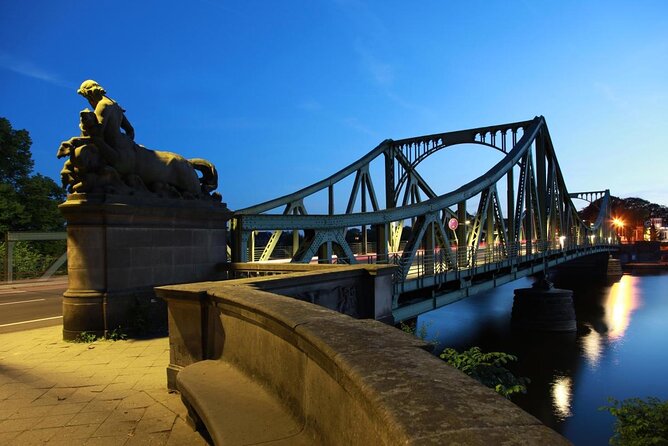
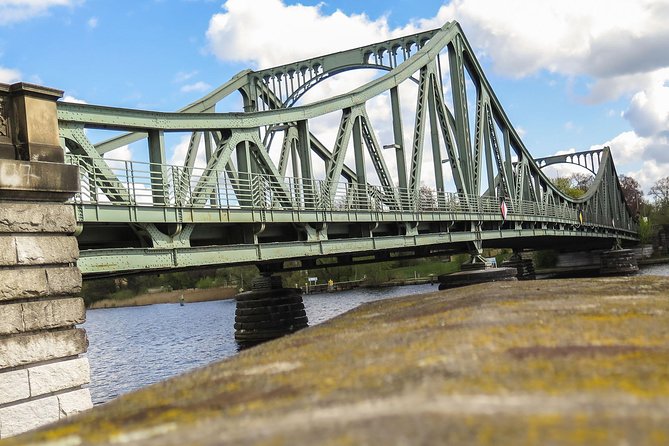
The tour begins at Glienicke Bridge, and this is the part that sets your mindset. The bridge is known as the Bridge of Spies, because during the Cold War it was used for exchanging agents between the CIA and the KGB. Even if you’ve only heard about it from films, it helps to stand where the exchange story happened.
You’ll also learn how the bridge functioned as a border between the GDR and the American sector in West Berlin. Until the fall of the Berlin Wall, it wasn’t just a scenic crossing. It was heavily secured and restricted, which means the bridge wasn’t a normal commute. It was a controlled choke point.
There’s also a pop culture layer that makes the place memorable. The Hollywood movie Bridge of Spies was shot here. It’s a nice way to hook attention, then pivot back to the real purpose, secrecy, leverage, and negotiation under pressure. You’ll probably find it easier to remember the story because the bridge already lives in your imagination.
You’ll spend about 15 minutes here, so it’s enough time to orient yourself and soak in the setting without turning into a long photo session.
Weigh these Potsdam picks against each other
- Potsdam: City and Castles Tour
★ 4.7 · 3,721 reviews - Potsdam: Palace Tour by Boat
★ 4.5 · 2,369 reviews - Potsdam: Sanssouci Palace and Prussian Palaces Entry Ticket
★ 4.5 · 2,101 reviews - Potsdam by Boat: Island Cruise
★ 4.6 · 1,308 reviews
Schwanenallee: where the Berlin Wall shaped the river views you see today
Next you’ll move to Schwanenallee, a riverside stretch where the Berlin Wall once stood close to the houses. The key idea is that the Wall wasn’t just an abstract line on a map. It physically changed how the neighborhood sat relative to the riverbank, which is why the modern villas feel so “prime” now.
This stop works well because it turns architecture into evidence. When you look at how the river space is arranged, you can almost visualize the old boundary function, the shielding effect, and the way residents lived with a constant neighbor: security infrastructure.
You’ll again get about 15 minutes, so this is more of a focused orientation stop than a long linger. But it’s an important one, because it shows the Cold War effect on daily life, not only intelligence operations.
Schloss Cecilienhof outside: how the 1945 Potsdam Conference shifted the world
Schloss Cecilienhof is where the tour lands on the WWII-to-Cold-War pivot point. You won’t enter the palace, but you’ll see it from the outside, which keeps expectations realistic. That also means you can spend more time understanding the role the building played rather than waiting in queues.
In the summer of 1945, US President Harry S. Truman, British Prime Minister Winston Churchill, and Soviet head of state Josef Stalin met here. That meeting is tied to the Potsdam Conference, which served as an end point of World War II and also a starting point for the Cold War.
What I like about doing this from the outside is that it encourages context. You’re watching the guide place the palace in the larger story, then you’re looking at the grounds like a witness. If you’ve visited other European palaces, you’ll notice how different this feels. Here, the walls symbolize decisions that reached far beyond the room.
You’ll spend around 30 minutes at Cecilienhof. It’s enough time to absorb the big names, understand the stakes, and get a feel for why this specific location mattered.
Neuer Garten UNESCO New Garden: when a park becomes a restricted border system
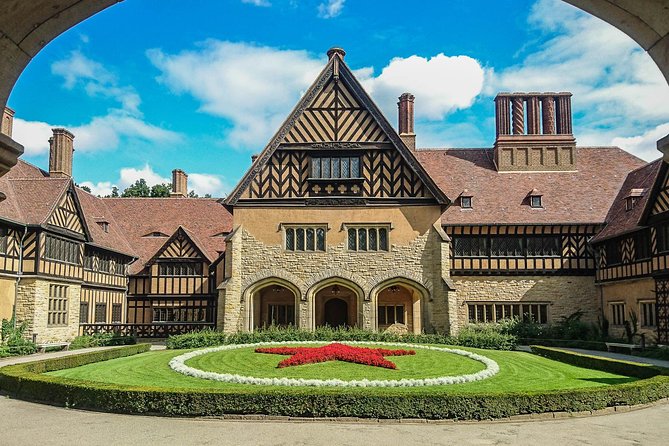
From Cecilienhof you move to Neuer Garten, the UNESCO World Heritage site known as New Garden. This is one of those stops where the setting matters as much as the facts. Parks and palaces are supposed to feel open. Here, you learn how that openness was interrupted by border fortifications and long-term restriction.
You’ll hear that Neuer Garten was also a restricted area for a long time, and that border fortifications related to the Berlin Wall ran through the park with its historic palaces. So the “garden postcard” story gets complicated. The beauty didn’t erase the security function. It coexisted with it.
This stop takes about 30 minutes. I think that’s the right amount of time, because it gives you a chance to look at the spaces and then let the guide explain how they were controlled. If you’re the kind of person who likes seeing how countries reshape everyday space in wartime, you’ll likely enjoy this part a lot.
The Soviet military town No. 7 and the former KGB prison area
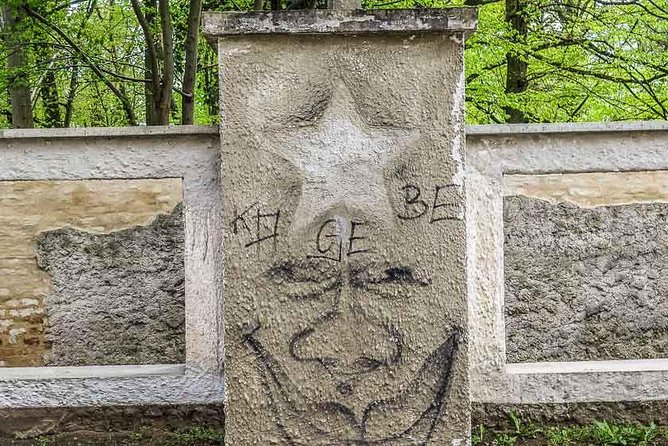
The heart of the tour is the area tied to Soviet military town No. 7, often described as a forbidden city. It sat next to Neuer Garten and became one of the most important intelligence sites of the Soviets during the Cold War.
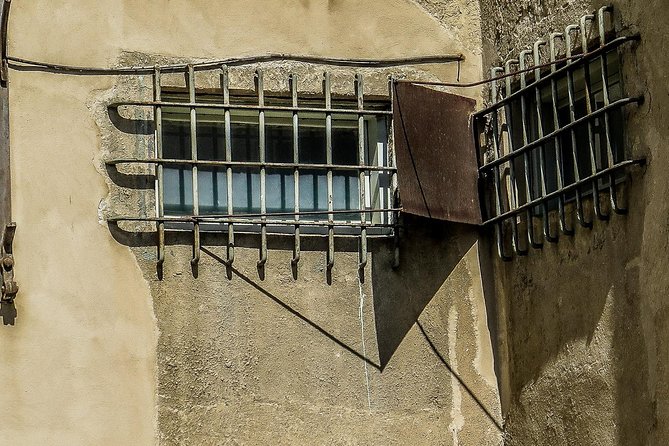
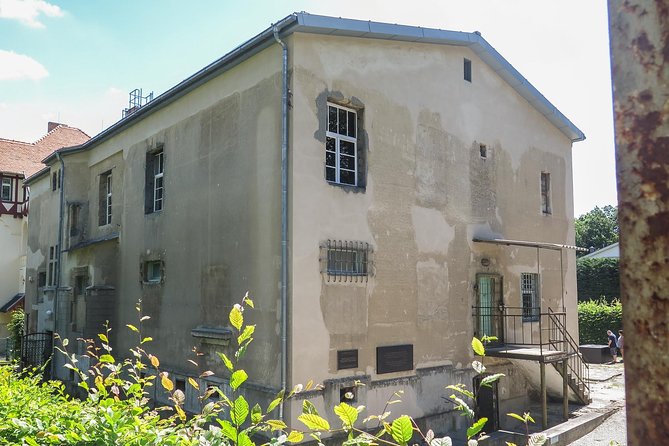
This is also where you learn about the former KGB prison. The tour guides you through the neighborhood so you can understand how it worked as a restricted zone in the middle of Potsdam for nearly 50 years. That time span is what makes it feel eerie. This wasn’t a short-lived wartime measure. It was a long system, baked into the city’s layout.
You’ll spend about 45 minutes here, which is the longest portion of the walk. That longer time makes sense, because you’re dealing with how people were held, how intelligence operations shaped life around them, and how the city lived beside a space that was effectively off-limits.
I especially appreciated that this isn’t treated like a ghost tour. The guide frames it as a real part of Potsdam, not a story detached from the streets. It also explains the work and life connected to this restricted area, which gives you a clearer picture of what the Cold War meant beyond speeches and headlines.
How the 2.5-hour walking pace keeps the story clear
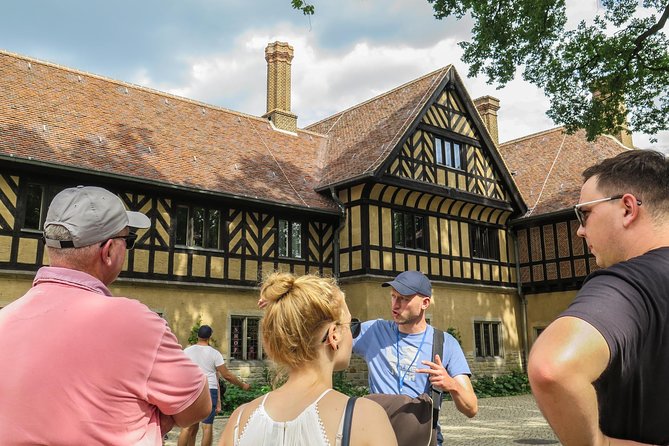
At about 2 hours 30 minutes, you’re getting enough time for five concentrated segments, but not so much that you’re worn out before the best part. The timing is built around attention spans: short orientation stops at Glienicke Bridge and Schwanenallee, then longer, heavier stops at Cecilienhof, Neuer Garten, and the Soviet military town area.
The group size limit of 15 travelers is more than a comfort detail. It changes how the guide can teach. With fewer people, you’re more likely to get direct answers if you ask something like how these sites connect or what the restricted zones meant in practice.
Since the tour operates in all weather, this is also a good idea for people who hate waiting for perfect skies. You’ll still need to dress appropriately, but you’re not stuck hoping for sunshine.
And because it’s outdoors much of the time, you’ll get better value if you come prepared to look up and around, not just forward. History here is directional. Pay attention to where walls and river lines would have mattered.
Tips to make the most of the Forbidden City theme without getting lost
If you want this tour to really click, go in with one simple goal: connect the dots between borders and everyday space. Start by paying attention to how the guide describes what was restricted, where it was restricted, and what changed after the Berlin Wall era.
Here are a few practical ways to do that:
- Wear comfortable shoes, because the story is built around walking between meaningful points, not sitting in one spot.
- Bring a phone for the mobile ticket, since the tour uses a mobile ticket format.
- If you like photos, plan for quick shots at the stops, then let the guide finish explaining before you wander. That keeps your photos from turning into empty snapshots.
Also, ask questions when the guide mentions the bridge, the park fortifications, or the Soviet town area. Those topics tend to have details that make everything else easier to understand.
Who should book this Potsdam Soviet-history walking tour
You’ll enjoy this tour most if you fit one of these buckets:
- You want Potsdam to be more than gardens and palaces, and you’re curious about what happened here in WWII and the Cold War.
- You like guided explanations that connect major events to specific places you can stand in.
- You want a small-group experience where the guide can answer follow-ups.
It may not be the best fit if you’re looking for a slow, leisurely sightseeing stroll with lots of free time to wander on your own. This tour is more focused and story-driven.
It’s also best for people with moderate physical fitness. The tour is manageable, but it’s still walking, and it’s designed to be outdoors.
Should you book this tour?
I think you should book it if you’re the kind of traveler who likes history you can touch. Starting at Glienicke Bridge and moving through Schwanenallee, Cecilienhof, Neuer Garten, and the Soviet military town No. 7 area gives you a clear line through a complicated period: WWII endings, Cold War tension, and the long impact of restricted space.
At $23.72, you’re paying for a guide who can make those connections feel real. The strongest reason to choose it is how the tour blends well-known landmarks with the Soviet-era “forbidden city” story, including the Bridge of Spies and the former KGB prison area. And the small group size helps that teaching stick.
If your goal is just to take in scenery, you might be happier with a garden or palace-focused day. But if you want Potsdam with a spine, this is a smart, good-value way to get it.
FAQ
How long is the Forbidden City in Potsdam walking tour?
It lasts about 2 hours 30 minutes.
Where do I meet the guide, and where does the tour end?
You start at Glienicker Brücke on Königstraße, 14467 Berlin, Germany. The tour ends near Leistikowstraße 1 in Potsdam (Memorial and Meeting Place Leistikow Street), close to bus 603 at the stop Langhansstraße/ Große Weinmeisterstraße.
Is the tour’s ticket mobile only or do I need something printed?
The tour uses a mobile ticket.
Do I need to buy admission tickets for the sights?
Admission tickets for the stops listed are free.
What group size should I expect?
The tour has a maximum of 15 travelers.
What are my cancellation options?
Free cancellation is available up to 24 hours in advance for a full refund. If you cancel less than 24 hours before the experience starts, the amount you paid is not refunded.
Fresh reviews out of Potsdam
- Warnemünde Shore Excursion: Private Sachsenhausen and Berlin Tour★ 5.0 · 12 reviews
- Private Sightseeingtour im Taxi nach Potsdam und Sanssouci★ 5.0 · 12 reviews
- Private Potsdam City Tour in an authentic vintage van★ 5.0 · 14 reviews
- Potsdam: Outdoor Escape Game★ 4.4 · 22 reviews
- Potsdam: Entry to DAS MINSK Kunsthaus in Potsdam★ 4.1 · 24 reviews
- Private Walking Tour of Potsdam and Sanssouci★ 5.0 · 24 reviews
- Potsdam: Private Walking Tour of Potsdam and Sanssouci★ 4.8 · 28 reviews
- Potsdam: Guided Walking Tour of UNESCO Site and Architecture★ 4.7 · 49 reviews
City Tours, compared.
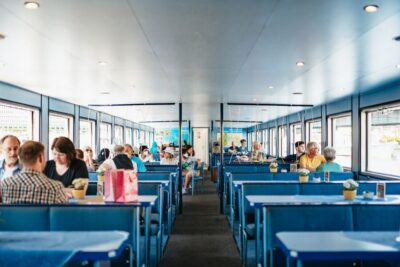
1-Hour City Tour by Boat with Guaranteed Seating
Read our review →
City History Canal Sightseeing Tour on a Motorboat
Read our review →
Browse the lists this tour appears in