

Reviewed · MUSEUMS
Munich: Deutsches Museum Entry Ticket
The Deutsches Museum is interesting because it treats science like something you can see, touch, and test. It is one of the worlds biggest science and technology museums, and the layout is built for long wandering with plenty to do at every stop. I love how the museum mixes serious themes like physics and chemistry with showy experiments, and I also love the sheer scale of what you can cover in one day.
Two things can feel like a drawback. First, it is a science and technology museum only, so if you want art or classic history, this may not scratch that itch. Second, with 20 permanent exhibitions and a huge collection, you will need a plan to avoid spending your whole day just walking.
Key highlights to look for at a glance
- 20 permanent exhibitions spread across major science and tech themes
- Hands-on stations and experiments that work well for different ages
- 125,000+ objects in the collection, from engines to aerospace
- Unique demonstrations, including model railways and microscopy-focused shows
- Deutsches Museum App audio guide for a smooth self-guided visit
- Barrier-free design from the entrance through to restrooms
Why Deutsches Museum feels different from a typical museum day
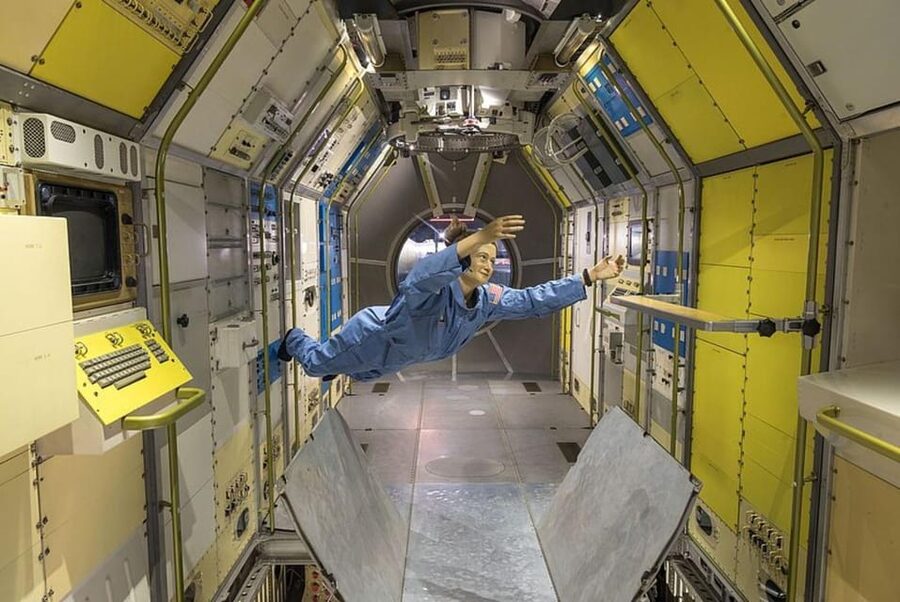
Most museums make you look and read. The Deutsches Museum does that too, but it goes further. Many exhibits are built around interaction, so you are not only learning what science is, you are experiencing how science behaves. If you like to figure things out with your own eyes, this place is a big yes.
Another reason it works is the setting. The museum sits on Museumsinsel, a river island right by the city core. That makes it easy to combine with other Munich sights without feeling like you escaped to the countryside.
One more practical note. The museum is open daily from 9:00 to 17:00, with last admission at 16:30. That means you can plan a full day, but you should still respect the closing rhythm if you want to see the main highlights without rushing.
More Museums in Munich
- Munich: Beer and Food Tour with Dinner & Oktoberfest Museum
★ 4.7 · 1,086 reviews - Munich: FC Bayern Museum + Arena View
★ 4.5 · 944 reviews - Munich: Magic Bavaria – Museum of Fun, Selfies and Illusions
★ 4.1 · 251 reviews
Tickets, timing, and building your own 1-day circuit
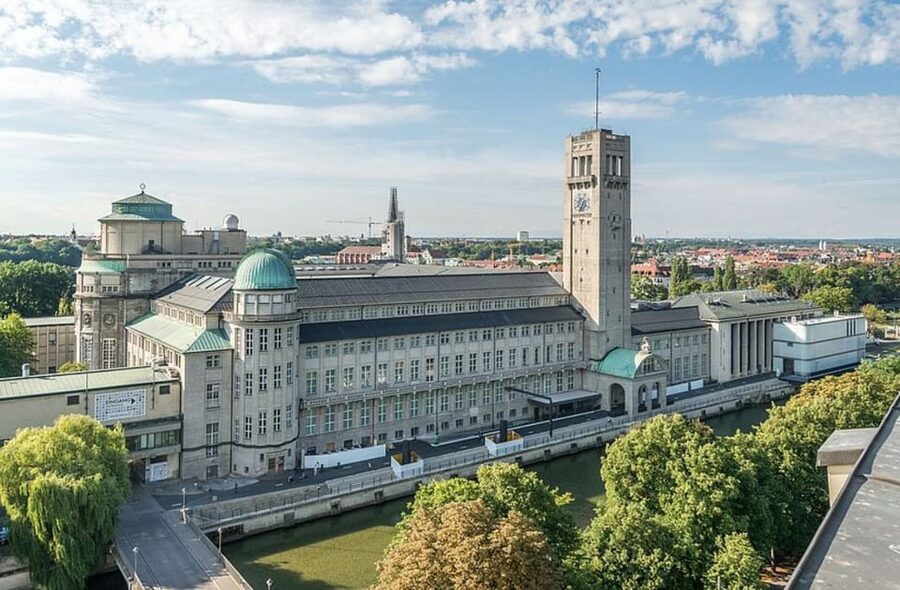
Your ticket is valid for one day, so treat it like a mission with options, not a timed tour. The museum is huge, and the magic is that you can decide what kind of science you want to chase first.
Here is a simple way to shape your day without having to guess too much:
Start strong in the morning, not after lunch
If you arrive closer to midday, you can still have a great visit. Still, you will feel the crowd energy more, and you will miss more hands-on stations than you think. Aim to start earlier so you can do the busy-feeling sections while you still have time to slow down.
Plan for a last-admission reality check
Last admission is 16:30, even though the museum runs until 17:00. That means you should plan to be moving between key areas by the mid-afternoon and not just drifting toward new corners. If you wait too long, you will spend your final hour trying to squeeze in one more exhibit.
Another way to spend a Munich afternoon:
- From Munich: Neuschwanstein & Linderhof Castle Full-Day Trip
★ 4.6 · 14,646 reviews - Neuschwanstein & Linderhof Castle-Fairytale Day Tour from Munich
★ 4.5 · 7,275 reviews - Munich: Third Reich & WWII Walking Tour
★ 4.6 · 6,181 reviews - Dachau Concentration Camp Memorial Site Tour from Munich by Train
★ 4.5 · 5,637 reviews
Use your path as a priority list
You do not need to see everything. In fact, with so many exhibits and so many ways to interact, trying to do it all can backfire. Pick a few must-dos, then let the rest be your rewards.
A big plus: the museum is wheelchair accessible, and the information you have notes a barrier-free route from the entrance to the restrooms. That makes planning easier if mobility support matters for you or your group.
The museum’s scope: 20 permanent exhibitions and why it matters
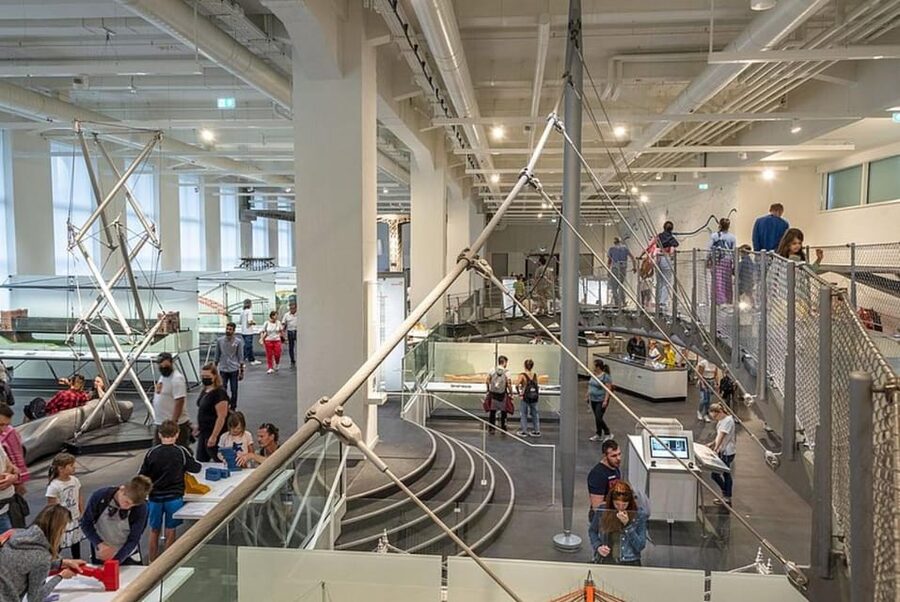
The Deutsches Museum is organized around permanent exhibitions covering science and technology. You will see major themes such as aviation and astronautics, atomic physics, and chemistry. This is not a museum of random odds and ends. It is built to connect how inventions and scientific ideas evolved.
The museum also has an extraordinary collection. The number to remember is 125,000+ objects, and that scale is part of the experience. You can focus on one object and then realize it is part of a bigger story.
A helpful way to think about it: each exhibition is a chapter. If you treat your visit like reading chapters rather than trying to finish the whole book in one sitting, you will get more out of it.
Hands-on stations, experiments, and shows that keep you moving
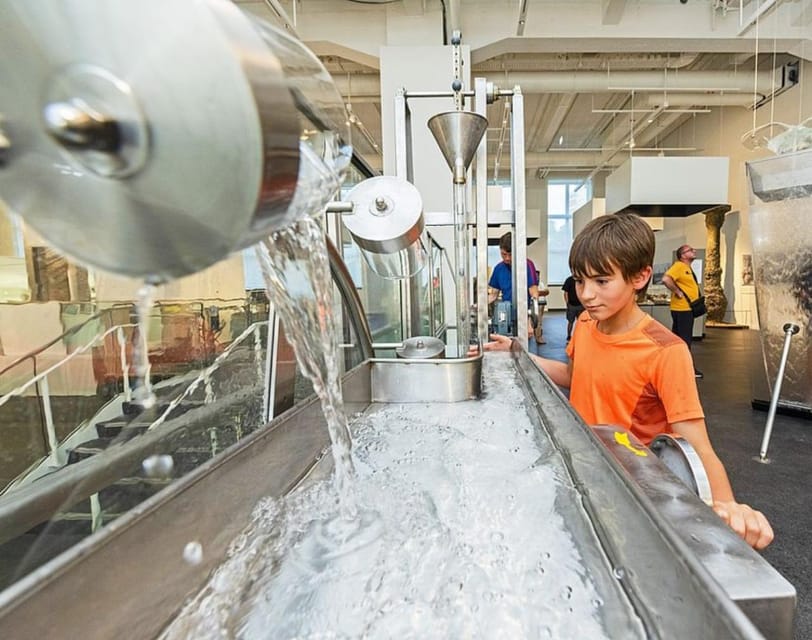
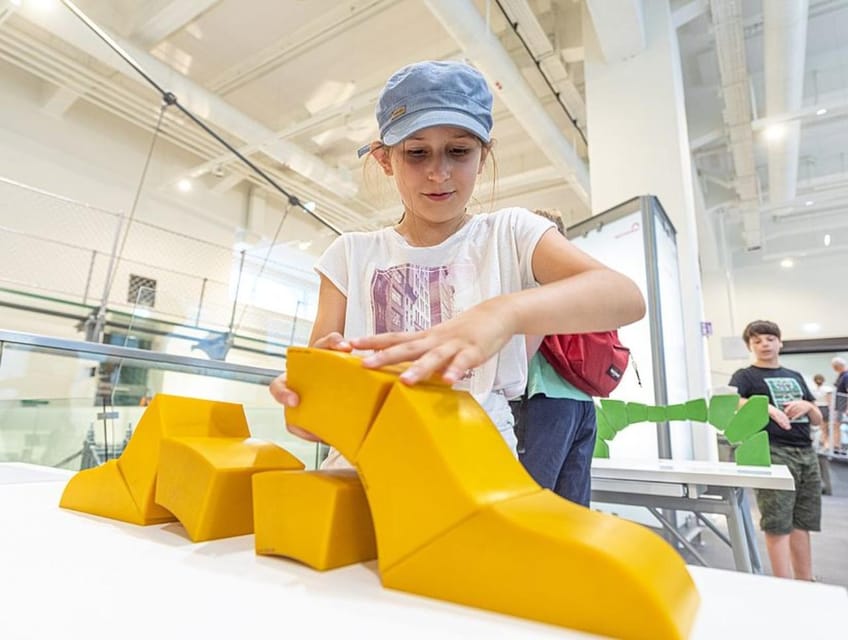
The most highly praised value here is practical learning. Many exhibits feature hands-on stations and experiments, so you can test ideas instead of only memorizing them. This is the kind of museum where kids can stay interested without constant entertainment, and adults can still feel challenged.
You can expect demonstrations that explain principles through active models and special formats. The highlights called out include:
- Model railway (a hands-on way to understand engineering and systems)
- Microscopy theater (a way to visualize what you normally cannot see)
- Chemistry experiences and related demonstrations
Why this matters for you: these formats break up long museum walking. Even if you are not in a science mood when you walk in, the demonstrations tend to reset your attention.
One consideration. Hands-on sections can take more time than you expect because people want to try things, not just glance at them. If you are short on time, go in with a few interactive targets in mind so you do not get stuck waiting for your turn everywhere.
Morning route: aviation, astronautics, and engines that make the future feel real
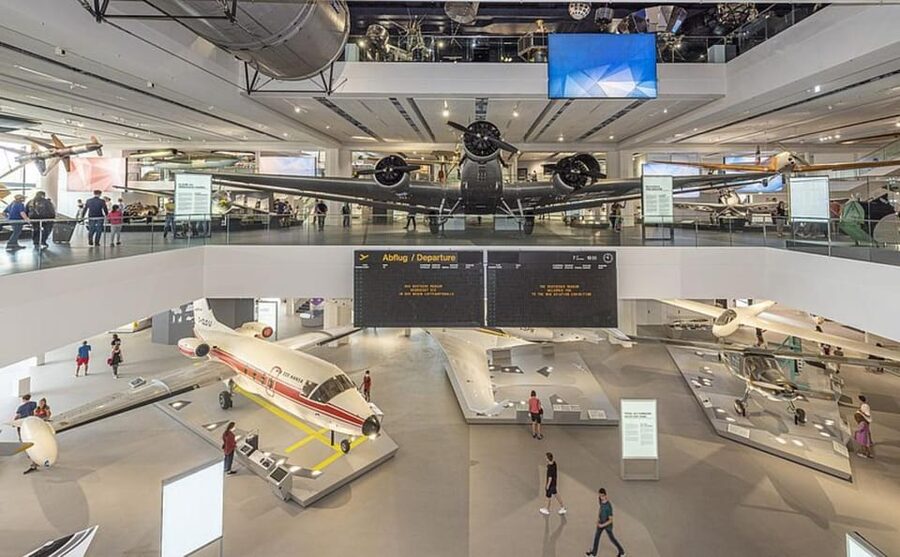
In a museum this broad, I like to start with something that makes science feel modern. Aviation and astronautics are a smart first move because they connect directly to big, visible questions: How does flight work? What did engineers solve first?
Within the museum, you have major collection highlights tied to transportation and aerospace themes, including an iconic airplane display and a lunar rover. You also have a major engineering milestone in the mix, the first diesel engine. Even if you are not a car or aircraft person, seeing these objects in context helps you understand technology as a chain of incremental breakthroughs, not random lightning strikes.
What you should do in this morning block:
- Spend real time with the big objects. Read the labels, but also watch how the museum frames each item as part of a system.
- If there is an interactive station nearby, do one or two. Do not try to do every touchable thing at once.
Possible drawback for some people. This morning focus can pull you into engineering mode, where you want more. If you prefer lighter topics, you may want to sprinkle in chemistry or another theme earlier instead of saving everything for the afternoon.
Midday favorites: atomic physics and chemistry without getting lost
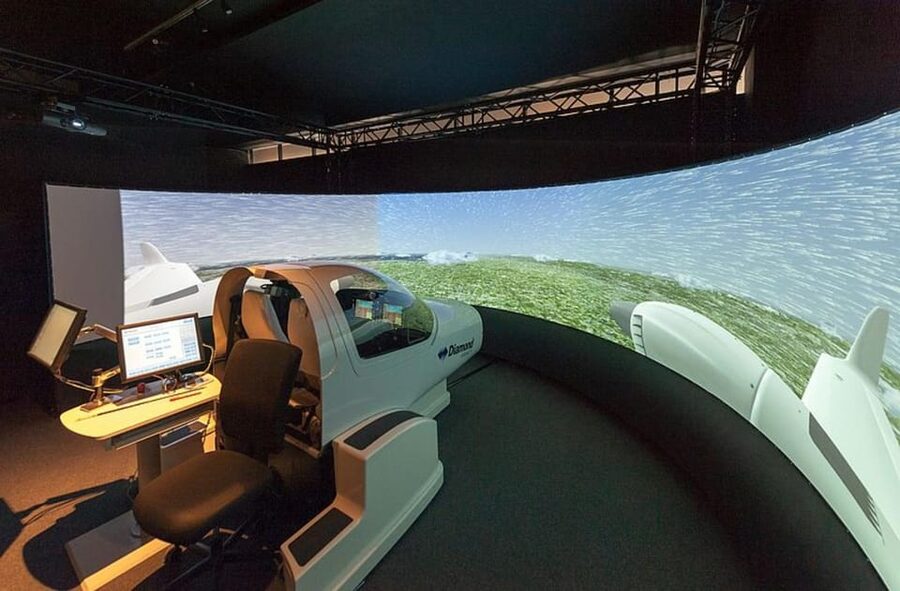
After you have built a base of engineering and space curiosity, the best next pivot is toward atomic physics and chemistry. These topics can feel abstract, but the museum uses exhibits and demonstrations to make them concrete.
Chemistry shows up in a couple ways. You get dedicated chemistry-focused experiences, and you also get demonstrations that support the idea that chemistry is not just memorizing formulas. It is watching reactions happen and connecting them to underlying principles.
If you are traveling with mixed interests, this section is often a good compromise because chemistry and physics serve as a bridge. You can appreciate the science even if you are not trying to understand every detail at first glance. Then, if you catch an interactive moment that clicks, you can zoom in.
A practical tip: if you feel yourself getting pulled in two directions, use the audio guide to steer you. The museum’s multilingual app helps you keep moving without turning the day into a label-reading marathon.
The show stops: microscopy theater and the model railway experience
Some museums put the fun in one area. The Deutsches Museum spreads the fun across different formats. Two named experiences help you plan a strong afternoon block: microscopy theater and the model railway.
Microscopy theater
Microscopy is one of those topics where the result feels magical, because you are seeing something that does not exist in your everyday visual world. A theater format also helps you focus, because it tends to guide your attention instead of leaving you wandering.
Model railway
A model railway is a classic way to explain systems thinking. You are looking at motion, timing, engineering logic, and how everything depends on everything else. It is also a great reset if you have spent a long time in text-heavy exhibit areas earlier.
How long to give these stops. If you like shows, treat them like anchor events in your plan. If you are just passing through, you can still enjoy them, but you will get less out of the explanation part.
Key collection moments worth centering your day on
You will see many objects here, but the museum highlights specific icons. If your time is limited, these are strong candidates for your personal top tier:
- First diesel engine: a landmark in power and industrial technology
- Historic printing presses: a reminder that science and communication travel together
- Lunar rover: aerospace achievement made tangible
- Iconic airplanes: how aviation evolved into a real transportation system
Even if you do not go deep on every technical detail, focusing on a few icons helps you build a narrative thread across different exhibitions. It changes your visit from a checklist into a story.
Using the Deutsches Museum App audio guide the smart way
Your ticket includes access to a downloadable multilingual audio guide through the Deutsches Museum App. That is a big deal for value and for pacing.
Here is how I recommend using it:
- Choose one theme for the morning and one for the afternoon.
- Turn the audio guide on for the biggest objects and the interactive demonstrations.
- Save it for moments where you might otherwise skip the explanations because you are busy looking.
This avoids a common problem. Audio guides can turn into background noise if you try to use them for every small thing. Instead, treat it like a spotlight. Let it help you understand the big ideas behind the objects.
Also, you do not need to commit to one language track forever. If you want, you can switch based on what you are most interested in during each section.
Access and comfort: barrier-free routes that make the day easier
You should have a smooth experience moving around the museum. The information provided says there is wheelchair accessibility and that the museum supports barrier-free space from the entrance to the restrooms. That matters because a day in a large museum can become tiring fast, and comfort affects whether you actually enjoy the exhibits.
If you are planning for a group, this is an advantage. Everyone can take breaks without the usual hassle of finding accessible routes.
Where this fits in Munich: a science stop you can pair with city exploring
Because the museum is on Museumsinsel near central Munich, you can make it a clean anchor day. You can arrive, enjoy a focused science circuit, and then still have energy left to walk the city after.
The location also supports a realistic travel rhythm. You do not need a complicated day trip logistics plan. It is simply a strong use of time in Munich.
If you want to mix science with a broader Munich itinerary, consider treating the museum as your main indoor block and pairing the rest of your day with outdoor sights nearby.
Price value: why $17 is fair for a day of hands-on learning
The ticket price is listed at $17 per person, and that number makes sense when you look at what you get.
You are buying:
- Entry ticket for the museum
- Access to all exhibitions
- A multilingual audio guide via the app
- A big day inside around 20,000 square meters of exhibition space
You also get scale. The museum covers around 1.5 million visitors annually, and it is built to handle that with permanent exhibitions and major collection coverage. You are not paying for one small room. You are paying for a full science building day.
If you compare this to the cost of multiple paid attractions, the value is strong because the museum is both interactive and wide-ranging. The only real limitation is your own time. You cannot see everything in one day, but you can still see a lot if you plan a priority route.
Who should book this entry ticket, and who should think twice
This is a top pick if you like:
- Science and technology as the main theme
- hands-on learning and demonstrations
- big objects that show how inventions changed life
- a day where adults and kids can both stay interested
It may be less ideal if you want:
- an art-heavy museum day
- a short museum visit with minimal planning
- a casual stop where you will do only a quick walk and move on
My advice is simple. If you are the type who likes figuring out how things work, you will have fun here. If you only want a light culture stop, you might feel overwhelmed by the topic focus.
Should you book the Deutsches Museum entry ticket?
Yes, you should book this if you want a full, high-value museum day centered on real science and real technology. The included audio guide, the barrier-free design, and the mix of interactive exhibits with big demonstrations make the ticket work for a wide range of visitors.
Skip it only if your trip needs a different kind of museum. This one is science first, everything else second. If that fits your mood, the Deutsches Museum is a strong buy.
FAQ
Where is the Deutsches Museum located?
It is at Museumsinsel 1, 80538 Munich. The activity starts at the main entrance on Museumsinsel 1.
What are the opening hours for the museum?
The museum is open daily from 9:00 to 17:00.
When is the last admission time?
Last admission is at 16:30.
How long is the ticket valid?
The ticket is valid for 1 day. You can check availability for starting times.
What does the entry ticket include?
The entry ticket includes access to all exhibitions and a downloadable multilingual audio guide in the Deutsches Museum App.
Do I get access to all exhibitions with this ticket?
Yes. The ticket provides access to all exhibitions.
Is the museum wheelchair accessible?
Yes. The museum is wheelchair accessible, with barrier-free space noted from the entrance to the restrooms.
Are there any rules about children?
Yes. Children under 12 must be accompanied by an adult.
Are there discounts for youth or students?
Yes. Discounted admission is available. When booking, you are instructed to select Youth for pupils, trainees, and full time students, and also for severely disabled adults with an accompanying person free of charge.
Can I cancel for a refund?
Yes. There is free cancellation up to 24 hours in advance for a full refund.
Fresh reviews out of Munich
- Munich: Christmas Markets Food & Drink Tour★ 4.6 · 50 reviews
- Munich: Walking tour of the old town with all your senses★ 4.5 · 51 reviews
- Munich: Scavenger Hunt Self-Guided Tour★ 4.1 · 51 reviews
- Hidden Architectural Gems of Munich (Max. 16 guests)★ 4.9 · 52 reviews
- Shared Departure Transfer: Munich Central Station to Munich Airport★ 3.5 · 54 reviews
- Hard Rock Cafe Munich with Set Lunch or Dinner★ 3.5 · 54 reviews
- Quatsch Comedy Club München: Die Live Show★ 4.6 · 56 reviews
- From Munich: Royal Fairytale Tour★ 4.9 · 56 reviews
Museums, compared.


Skip-the-Line: Berlin Wall Museum at Checkpoint Charlie
Read our review →Browse the lists this tour appears in