
Reviewed · MUSEUMS
Hamburg: Entrance to the Museum Ship Cap San Diego
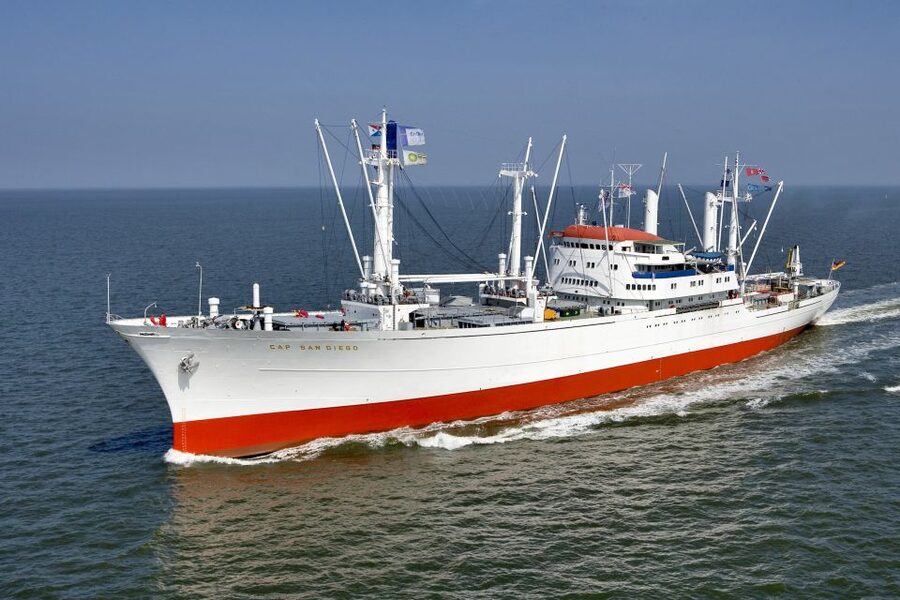
The Museum Ship Cap San Diego in Hamburg is interesting because you walk through a real working-era cargo ship and let it act like a time machine. You follow a themed voyage that jumps from the 1960s and 70s across the Atlantic, with stops that feel made for both curious kids and adult ship nerds.
I love the way you can explore bridge to hatch and heart to head at your own pace. I also like that the visit is built around specific experiences, like the engine room and the emigrant story between 1850 and 1930.
One drawback to consider first: this is a ship full of stairs and tight spaces, so it is not for wheelchair users and it is not recommended if you have claustrophobia or mazeophobia.
Key highlights you should know before you go
- Largest civil museum ship in the world, built to feel authentic, not staged
- Engine room access experience, where you can feel the steady pulse of the engines
- A Suitcase Full of Hope documentary, focused on emigration from 1850 to 1930
- Hatch 2 permanent exhibition, General Cargo and Container Handling, from 1960 to today
- Self-guided 1960s to South America storyline, with bridge lookout scenes and saloon downtime
- A ship you explore your own way, with no live guide, just your ticket and route
Why Cap San Diego Works Better Than Most Hamburg Museums
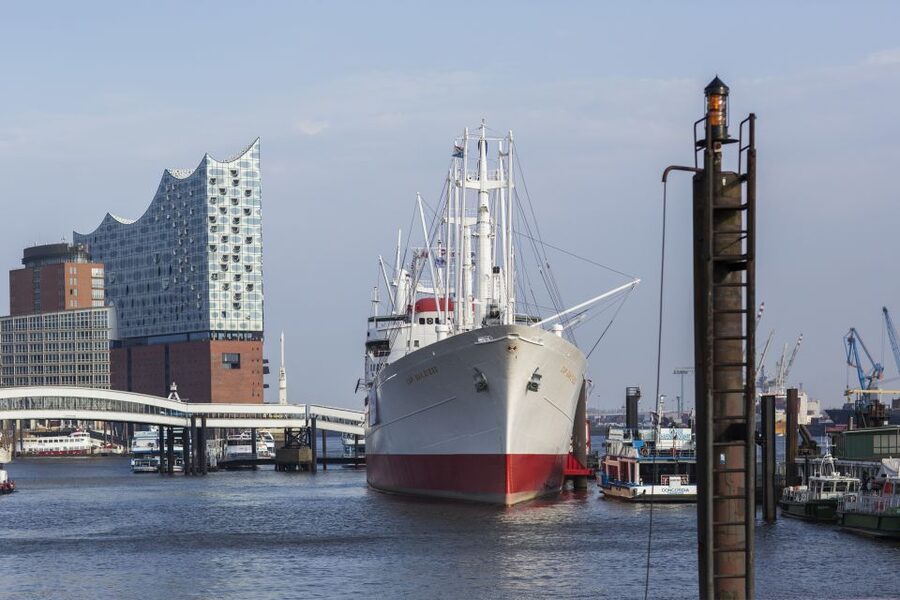
Cap San Diego is not a museum that politely asks you to look. It lets you move through the spaces that once mattered for moving goods and people. In Hamburg, that difference is huge. Instead of reading panels in a building, you feel like you are traveling inside a ship built for fast general cargo work.
The core idea is simple and smart: you tour along a “journey” that imagines life in the 1960s and 70s. That includes being a lookout on the bridge, spending time in passenger-style spaces like the saloon, and then going deeper into the machine spaces where the engines do the heavy lifting. You are not just learning about maritime history. You are seeing how different ship jobs had different rhythms.
And because it is the largest civil museum ship in the world, you get variety in one place. You can spend time taking it slow, then switch to hands-on-feeling spaces like the engine room. If you enjoy travel that is physical, this one tends to click fast.
More Museums in Hamburg
- Hamburg: International Maritime Museum Entrance Ticket
★ 4.7 · 547 reviews - Hamburg: Museum of Illusions Ticket
★ 4.3 · 366 reviews - Hamburg: Ticket for the Paradox Museum
★ 4.3 · 321 reviews
Finding the Ship Entrance at the End of Überseebrücke
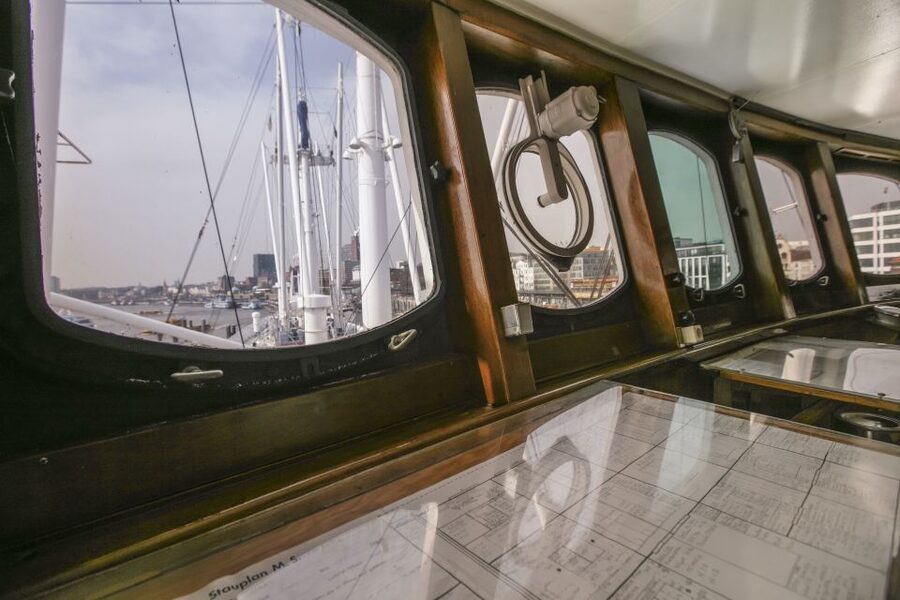
Make your start easy. Go straight to the ship entrance at the end of Überseebrücke. That matters because this is a self-guided visit, so you do not want to waste time hunting around once your ticket time is underway.
Once you are inside, the ship works like its own mini-world. Think of it as a route that connects different “levels” and roles. The museum is open 10 AM to 6 PM daily, so you can usually pick a time that fits your Hamburg day plan.
I like starting early in the opening window because you have more room to breathe between spaces. Ships can feel busy, even when traffic is normal. Starting earlier also gives you time to slow down if you find yourself reading more than you planned.
The 1960s and 70s Story You Follow All Day Long
Cap San Diego gives you a themed journey that goes beyond date-and-fact museum talk. As you explore, you are encouraged to imagine a voyage from the Atlantic world to South America, including Rio de Janeiro and Buenos Aires, and then the return trip.
Here is why that works as storytelling, even for people who usually skip museum narratives. It helps you organize what you are seeing. When you are in the bridge area, the ship makes sense as a place where decisions are made. When you move toward the machine spaces, the ship makes sense as an industrial system that keeps everything moving. When you pause in the saloon, it makes sense as where life was quieter, with light music in the scene.
You also get a structure that spreads learning around the ship. Instead of one long lecture in one spot, you encounter different parts of the cargo story in different environments.
Bridge to Lookout: The View That Explains Ship Life
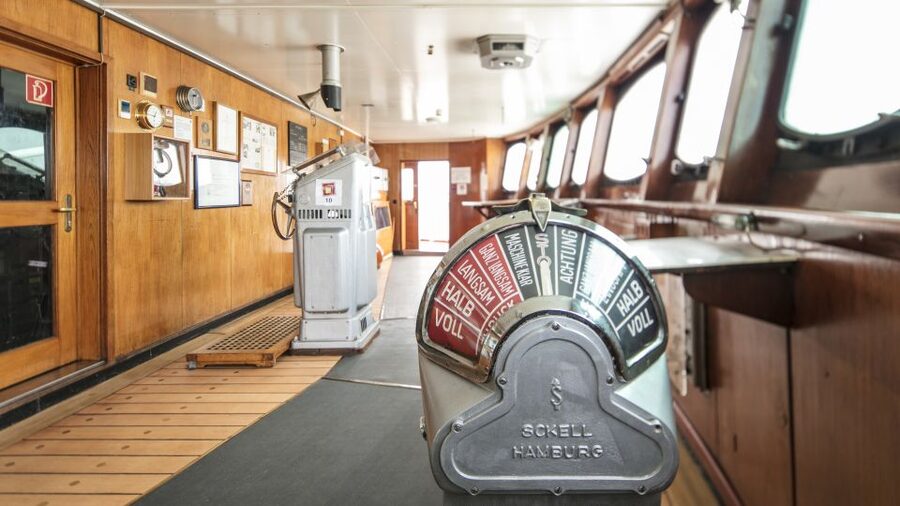
The bridge section is one of the most “you can picture it” parts of the ship. The experience here nudges you to imagine being on duty as a lookout, watching the route and thinking in terms of navigation and timing.
Even if you do not know maritime terms, you can still read the ship’s logic. From the bridge, you understand why the rest of the ship exists. The people up front need cargo, engines, and routines below to cooperate perfectly.
One practical tip: give yourself a few minutes here before you race onward. The bridge view and role framing helps you interpret what comes later. If you skip this first mental setup, the engine room can feel like a separate attraction instead of part of the same journey.
Another way to spend a Hamburg afternoon:
- Hamburg: Sex and Crime in St. Pauli Tour for Ages 18 +
★ 4.7 · 17,793 reviews - Hamburg: 1.5-Hour Harbor and Speicherstadt Day Cruise
★ 4.6 · 14,200 reviews - Hamburg: 90-Minute Evening Lights Harbor Cruise
★ 4.5 · 7,728 reviews - Hamburg: 2-Hour XXL Port of Hamburg Cruise Tour
★ 4.7 · 6,979 reviews
Hatch 2 and the General Cargo and Container Handling Exhibit
In hatch 2, you can find the permanent exhibition General Cargo and Container Handling. This is where the museum becomes more directly educational, with a clear focus on the history of sea freight transport from 1960 to today.
What I like about this exhibit concept is that it is placed where cargo handling actually happened. It is not just a diagram in the air. It is tied to the ship’s own layout. You can look at images, read explanatory text, and then look around the space that supports the subject.
The exhibit uses historical images and explanatory texts, which makes it easier to connect ship work to the evolution of freight systems. If you are interested in how containerization changed shipping (and why you see containers everywhere now), this is likely to feel relevant.
Drawback to keep in mind: because it is a ship and not a gallery, you cannot expect wide open surfaces and museum-style comfort. Read at your own pace, but also plan breaks if you start feeling the ship’s tightness.
Following the Emigrant Story Between 1850 and 1930
One of the most human parts of the visit is the documentary A Suitcase Full of Hope – Emigration Port of Hamburg. It focuses on the fate of emigrants between 1850 and 1930.
That subject matters because emigrants do not appear in maritime history books as characters most people recognize. They show up as footnotes: names in lists, dates in immigration records. Here, the documentary gives context to why ports like Hamburg mattered. The ship becomes a bridge between the place people left and the place they hoped to reach.
Even if you already know a bit about Hamburg emigration history, the emotional angle helps. You stop thinking only about shipping schedules and start thinking about what travel cost, and what people risked to move across oceans.
Because this is self-guided, you can watch the documentary when it fits your flow. I recommend you plan for it instead of treating it as optional. Build a slot into your route so it does not get squeezed out.
Heading into the Machine Room: Where the Engines Take Over
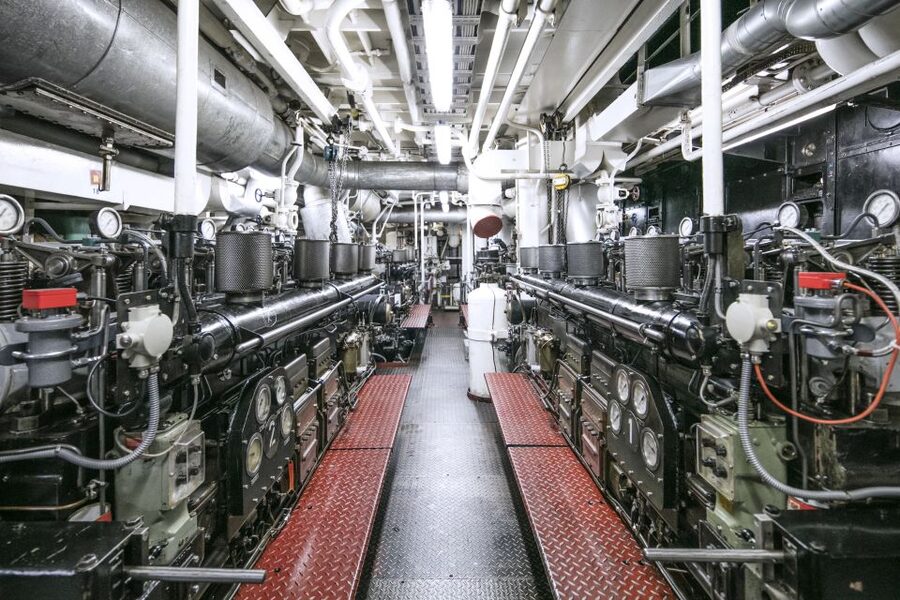
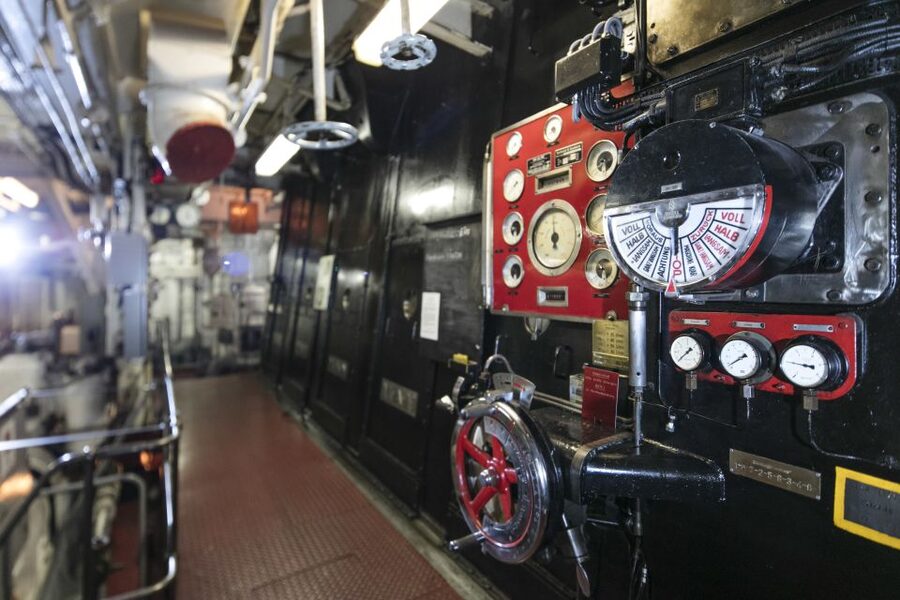
The engine room is the star if you like the physical side of history. The experience is described as standing deep within the Machine Room so you can feel the steady pulse of the engines.
This is where the “largest civil museum ship” idea becomes real. You are not just looking at an artifact behind glass. You are in the part of the ship where the ship’s purpose comes alive.
For me, the value is not technical trivia. It is the perspective change. Standing in machine spaces makes you understand why the bridge decisions and the cargo work connect. The machine room explains the engine of the whole story.
Important consideration: machine areas can feel tight and closed compared with open decks. If you are even mildly sensitive to enclosed spaces or disorientation in corridors, take it seriously. This museum is not recommended for people with claustrophobia or mazeophobia.
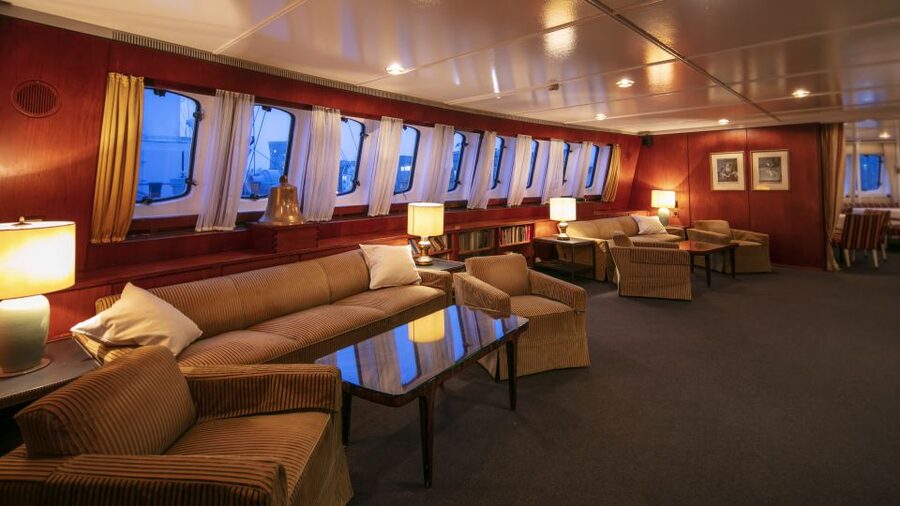
The Saloon Scene: A Break in the Middle of All That Work
A fun part of the themed voyage is the saloon stop. The experience is designed as time for passengers, with light music during the scene of a fun-filled voyage to South America.
Even if you treat it as theatrical mood more than literal history, it helps you balance the ship day. A ship is not only engines and cargo. It is also downtime and social space. That contrast makes the ship feel lived-in rather than just industrial.
If you notice yourself getting “information overload,” the saloon can act like a reset. Sit, listen, and let the ship’s rhythm slow you down. You will likely process the harder material better after a calmer moment.
Self-Guided Means You Control the Pace, But You Must Navigate
This museum ship is self-guided with no live guide. That is a blessing and a challenge.
The blessing is freedom. You can linger where your curiosity grabs you, like hatch 2 or the machine spaces. You can spend extra time on the bridge if you like viewpoint areas. You do not have to keep up with a group.
The challenge is navigation. One thing that comes up in the experience is that the path could be more clearly indicated. The upside is that you should still get your bearings quickly once you are moving around the ship.
My advice: wear comfortable shoes, and do not rush your first 20 minutes. Do a quick orientation sweep, then commit to your route. If you want to use an audio guide (if you selected that option), start early so you do not miss key explanations later.
Price and Value: What $14 Buys You on a Real Ship
The entrance ticket price is $14 per person. For Hamburg, that is not a huge museum spend, but it buys you a lot more than one indoor exhibition.
Here is the value angle that makes this work: you get an entire large ship as your “venue,” plus a documentary experience and permanent exhibition space. You are not paying for one room. You are paying for access to multiple distinct areas that tell the ship’s story from different angles, bridge, cargo space, and the engine room.
Also, this is “all day enough” for a 1-day visit. You can plan your time from the 10 AM opening window to the 6 PM close, and that flexibility is practical when you are building a Hamburg itinerary.
If you are the type who likes hands-on-feeling travel, the money tends to feel fair fast. If you only want quick photo stops and you dislike stairs, it may feel less efficient. So think about your own travel style before you commit.
What to Expect in Terms of Mobility and Space
Cap San Diego is not wheelchair accessible. It is also not recommended for people with limited mobility because there are multiple flights of stairs. And if you struggle with claustrophobia or mazeophobia, this is likely to be stressful.
The ship layout is part of the point. It makes the experience physical and real. But it also means you cannot treat it like an elevator-friendly museum.
If your mobility is limited but you can handle stairs carefully, you can still consider it. Just plan slower pacing and do not feel pressured to see every corner. If you are at all unsure, it is worth prioritizing your comfort over completing a checklist.
Languages, Audio Guide, and Getting the Most From a Self-Guided Visit
This visit includes an entrance ticket. An audio guide is included if you selected the option. The museum is self-guided, so audio can be an easy way to add context without needing a live guide.
Because the experience includes a documentary and a permanent exhibit, audio may help you connect what you see with what you learn. Even if you skip audio, you should still be able to follow the route through the themed spaces.
My practical advice: decide what you want most. If you want storytelling, focus on the themed journey and documentary. If you want technical shipping context, prioritize hatch 2 and the cargo handling exhibit. If you want atmosphere and physical sensation, spend extra time in the machine room and bridge.
Who Should Book Cap San Diego, and Who Might Want to Skip It
Cap San Diego is a strong fit if you like maritime travel, ship design, or learning that happens through place and movement. It is also a good choice if you enjoy mixed topics. You get emigration history, cargo and freight technology, and the human feel of a voyage story.
It can also suit families, as long as kids can handle exploring a ship with stairs. The experience is built around imagining life onboard, from lookout roles to passenger saloon moments.
I would think twice if you have claustrophobia, mazeophobia, or mobility challenges. This is a ship, not a flat museum building. Even with careful planning, the environment is likely to be more challenging than you expect.
Also consider it if you are already in Hamburg and want something different from churches and city walks. This is a maritime-focused day that still feels varied enough to hold your interest.
Should You Book Cap San Diego in Hamburg?
Yes, book it if you want a real ship experience with a clear story, plus specific learning stops like hatch 2 and the emigration documentary. The combination of bridge, cargo handling exhibition, and the machine room makes it feel worth the entrance price.
Skip it if stairs and tight spaces are a problem for you, or if claustrophobia or mazeophobia could ruin your day. No amount of pricing makes up for discomfort.
If you are on the fence, use this simple rule: if you enjoy exploring spaces where the past still has a physical presence, Cap San Diego will feel like a memorable Hamburg experience.
FAQ
Where is the entrance to Museum Ship Cap San Diego?
Go directly to the ship entrance located at the end of Überseebrücke in Hamburg.
What are the opening hours?
The museum ship is open daily from 10 AM to 6 PM.
Is there a live guide on board?
No. This is a self-guided tour with no live guide.
How long is the visit?
You book a 1-day visit. Check availability to see starting times.
What is included with the entrance ticket?
Your entrance ticket is included. If you selected it, an audio guide is also included.
Can I visit at my own pace?
Yes. The museum is a ship you can explore on your own, so you control how long you spend in each area.
Is Cap San Diego wheelchair accessible?
No. It is not wheelchair accessible, and it is not recommended for people with mobility impairments because there are multiple flights of stairs.
Is the ship recommended if I have claustrophobia?
No. It is not recommended for people with claustrophobia or mazeophobia.
Fresh reviews out of Hamburg
- Hamburg: Neighborhood tour with a former dominatrix★ 4.7 · 51 reviews
- Hamburg: Ice-Cream Workshop★ 4.7 · 52 reviews
- Hamburg: Reeperbahn tour with Daniel Schmidt from the Elbschlosskeller★ 4.7 · 52 reviews
- Hamburg: Grand Harbor Tour by Traditional Barge★ 4.3 · 55 reviews
- Hamburg Private Walking Tour with a Local: Icons & Hidden Gems★ 5.0 · 55 reviews
- Hamburg: 3-Hour Limousine Tour with Driver-Guide★ 4.5 · 56 reviews
- Dialogue in the Dark (German Tour)★ 4.8 · 56 reviews
- Ticket for the Emigration Museum BallinStadt Hamburg★ 4.0 · 57 reviews
Museums, compared.



Skip-the-Line: Berlin Wall Museum at Checkpoint Charlie
Read our review →Browse the lists this tour appears in