
Reviewed · MUSEUMS
Dresden: Semperoper and Old Masters Picture Gallery
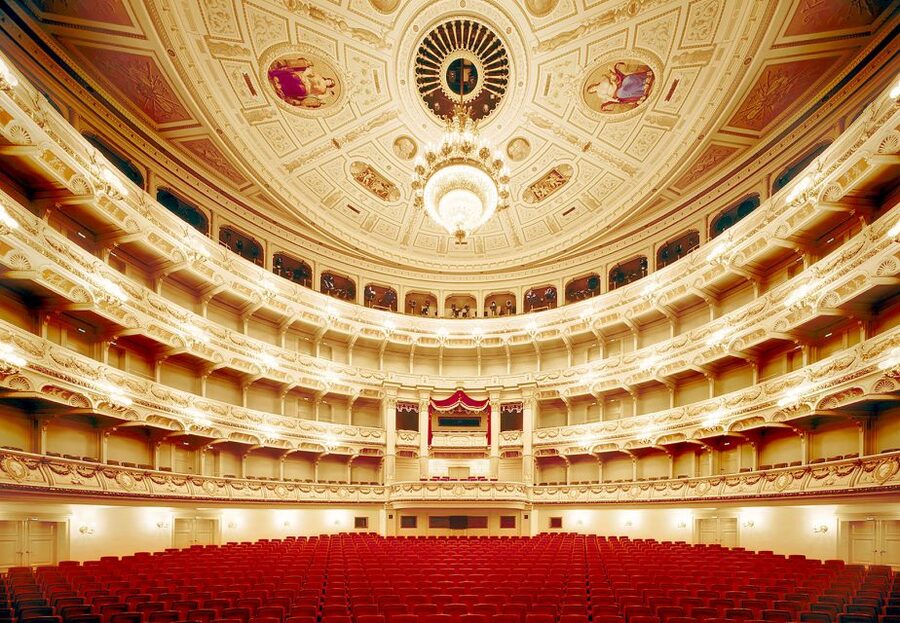
The interesting thing here is how the Semperoper is treated like a living instrument, not just a pretty building. You start with a guided look at the opera house’s Italian High Renaissance look and the story behind why people still talk about its sound.
What I like most is the inside access you get, including the auditorium design and the reconstruction story that helps the whole place make sense. Second, I love how the art visit is paired so neatly, with the restored museum spaces at the Zwinger and a strong, organized way of seeing the collections.
One drawback to consider: the tour is only about 2 hours, so it is best if you’re the type who enjoys focused highlights rather than wandering for hours on your own.
Key points worth your time

- Semperoper acoustics explained in plain language, so you know what you are looking (and listening) for
- Italian High Renaissance interior design that feels theatrical even when no performance is happening
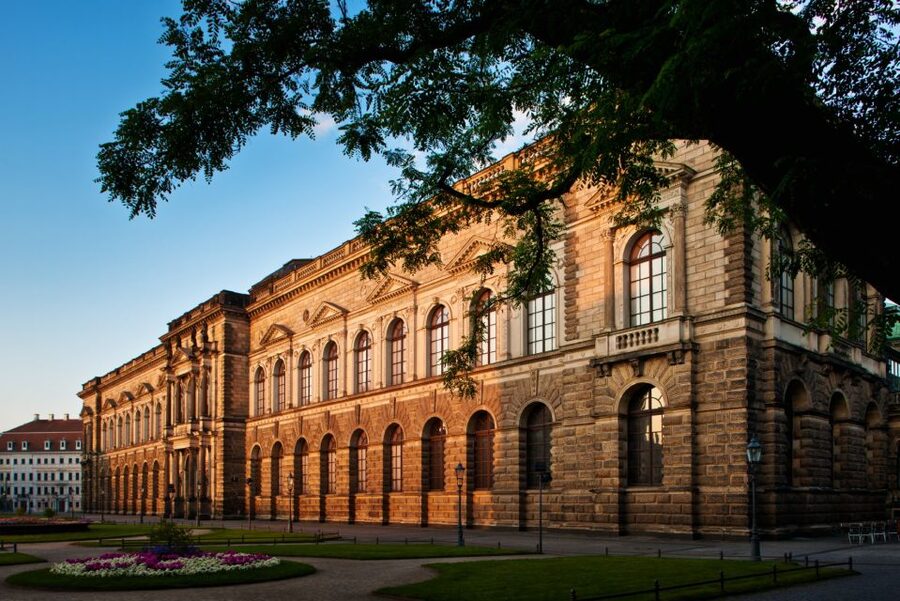
- Restored 19th-century Semper Building at the Zwinger, after years of partial closure
- Old Masters Picture Gallery + Sculpture Collection up to 1800 together, in a newly renovated setup
- Art shown by schools and themes, which makes it easier to connect artists and periods
- German live guide, with the kind of commentary that keeps the pace brisk
Semperoper first: why the sound matters as much as the beauty

Dresden’s Semperoper is one of those places where looks are only half the story. The other half is the room itself. Even if you are not an opera person, you will probably notice how the building wants you to pay attention, with space and ornament working together instead of fighting each other.
The tour focuses on the architectural feel of the opera house, including its Italian High Renaissance style and its richly decorated interiors. But it also goes after something practical: why the acoustics are so famous. That shift matters for your experience. If all you do is stare at gold and carvings, you miss the reason people keep returning.
More Museums in Dresden
- Dresden: Church of Our Lady Guided Tour of Gallery
★ 4.7 · 2,421 reviews - Dresden: Zwinger Museum Entry Ticket
★ 4.7 · 1,436 reviews - Dresden: Guided Walking Tour and Chocolate Museum Ticket
★ 4.5 · 479 reviews
What you see inside the Semperoper during the guided tour
You meet at the ticket office area of the Schinkelwache at Theaterplatz 2, by the stop named Theaterplatz. From there, you head into the Semperoper for a regular guided tour, led by a German-speaking guide.
Here is what the visit is set up to do for you:
You learn the reconstruction story, not just the postcard version
The Semperoper went through major rebuilding and restoration over the years, and the guide uses that history to explain what you are seeing today. You get an overview of the original plan reconstruction and why certain choices were made. That’s important because the building’s “why” gives the “wow” somewhere to land in your brain.
You get pointed listening, with acoustics explained
A big part of the experience is the acoustics. The guide explains how the auditorium is arranged and why the design affects sound. You are not just handed trivia. The goal is to help you feel the difference once you are in the right space.
If you have ever wondered why some concert halls sound larger than they look, this is the kind of tour that helps you connect the dots. Even if you never plan to attend a live performance, understanding the acoustics makes the visit feel more real.
Another way to spend a Dresden afternoon:
- Dresden: Semperoper Tickets and Guided Tour
★ 4.7 · 12,102 reviews - Dresden: The Original Night Watchman Tour in Lantern Light
★ 4.6 · 6,653 reviews - Dresden: Semperoper and Old Town Tour
★ 4.8 · 5,735 reviews - Dresden: River Sightseeing Boat Cruise
★ 4.3 · 5,323 reviews
The auditorium is designed like a stage tool
The tour is described as showing you the artfully arranged auditorium and its audio character. In practice, that means you are likely to spend time in the areas where sightlines and sound work together. The message is clear: this is not just a venue, it is an instrument built in architecture.
When there is no show, you can still visit often
The Semperoper is not limited to performance nights. When performances or special events are not taking place, visits are possible nearly every day. So if you arrive in Dresden and you want culture that does not depend on a ticketed show, this is a strong option.
Quick flow: from the theater side to the Zwinger museum building
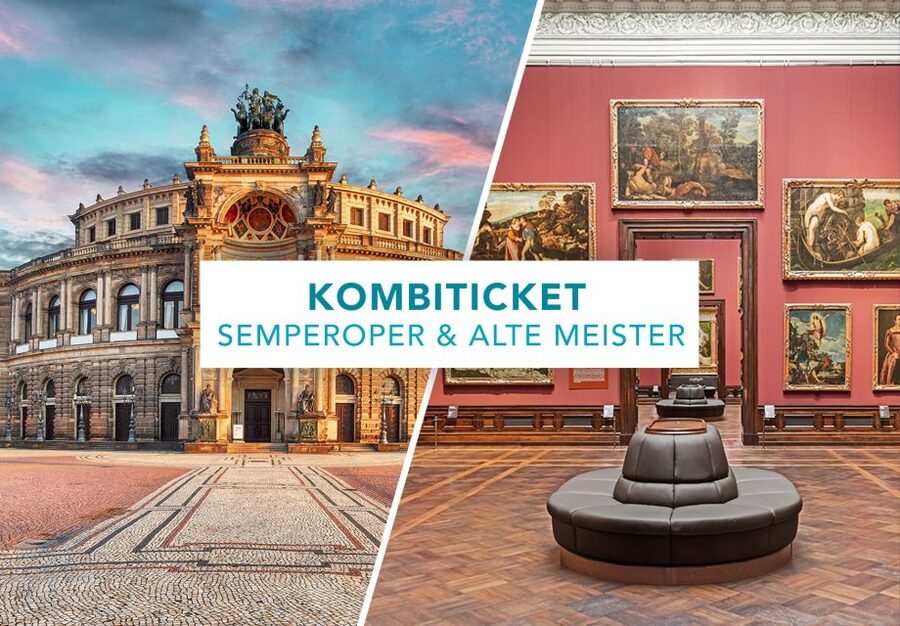
After the Semperoper portion, you go to the Old Masters Picture Gallery. This timing is one reason the combination feels smart.
The tour starts with a building that is about sound and storytelling, then moves to art that is about imagery and storytelling. It is an easy mental transition. You go from ornament and acoustics to paintings, sculpture, and the logic of how a collection is organized.
You also benefit from the fact that the museum space you are visiting has been extensively renovated. The restored 19th-century Semper Building at the Zwinger is a key detail here. After years of partial closure, it is back in form, and that restoration shows up in the way you enter, move, and view the collections.
Old Masters Picture Gallery: how the exhibits are organized so you don’t get lost
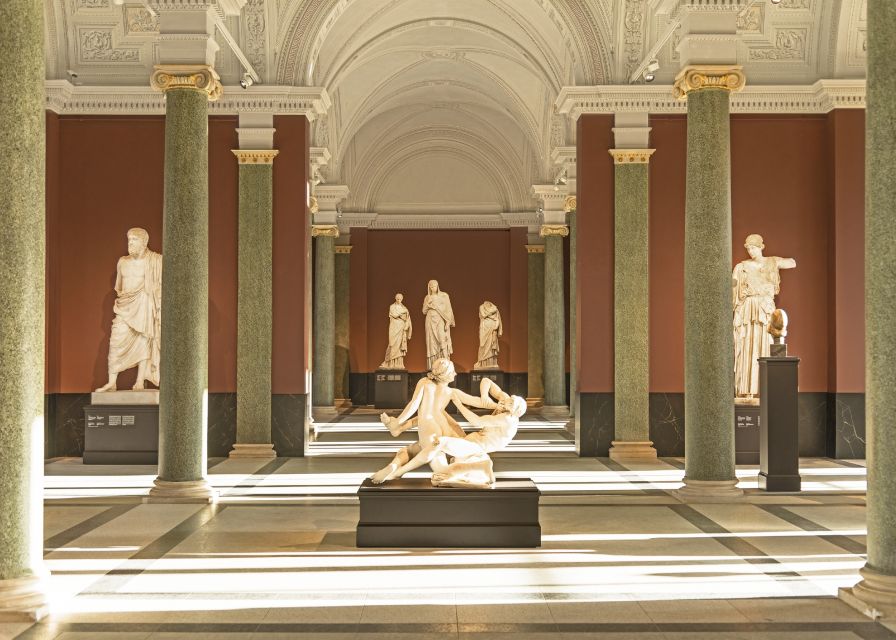
Once you reach the Old Masters Picture Gallery, the experience shifts from “how it sounds” to “how it’s arranged.” The key advantage is that the museum uses a structured concept: it follows a geographical division according to schools and focuses on themes from each period.
That means you are not walking into a random pile of masterpieces. Instead, you get a guided path that helps you connect artists and styles without needing an art history degree.
Old Masters + Sculpture up to 1800, together in one renovated setup
This is also the big museum-side hook: for the first time, the Old Masters Picture Gallery and the Sculpture Collection up to 1800 are presented together. That matters because it changes how you see the paintings.
When you can compare sculpture and painting within the same period logic, it helps you notice how artists handled form, drama, and subject matter in different mediums. Even during a short visit, this kind of pairing can make the collection feel less like a checklist and more like a conversation across time.
The guide helps you spot the fixed points
The tour is set up around world-famous anchors, meaning you get help focusing on the works that function like reference points. That makes your visit easier, especially if you have limited time.
The tour highlights include:
- Raphael’s Sistine Madonna
- Rembrandt’s Ganymede
- Bernardo Bellotto’s Dresden Vedute
These names are big for a reason. What you gain on a guided visit is not just recognition, it is context that keeps the subject matter from turning into vague fame.
Specific works to look for, and how to get more out of each stop
If you want to enjoy this museum fast, you need a plan for what you look at first. The good news is the guide’s approach uses fixed points, so you can build your viewing order around them.
Raphael’s Sistine Madonna: notice how it pulls your eye
With a work like Sistine Madonna, people often rush straight to the famous faces and stop there. I like using a guide-led visit as permission to slow down on composition and gaze direction. The painting’s power is not only in the figures, it is in the way your eyes move across the scene.
When you see it with commentary, you usually end up understanding what made this kind of image so influential for later artists. Even if you do not memorize every fact, you leave with a clearer sense of why this work is treated like a landmark.
Rembrandt’s Ganymede: look for how light and mood create the story
Rembrandt has a way of making scenes feel alive. With Ganymede, you can focus on how the work handles light and emotional tone. The guided framing helps you understand the subject as more than a myth you recognize from school.
In a short visit, my trick is to look for the “why this scene feels tense” angle. Rembrandt’s strength is often in the balance between drama and control, and a guide can help you see what to notice.
Bernardo Bellotto’s Dresden Vedute: see the city thinking with paint
Bellotto’s Dresden Vedute is a different kind of masterpiece. It is not only art as beauty, it is art as place. If you have already started exploring Dresden streets, this can snap your understanding into focus.
These views help you connect what you’ve seen outside to how the city was portrayed and valued. It is a smart pairing with the earlier Semperoper part of the tour, because it reminds you that Dresden is not just architecture, it is identity written into buildings and scenes.
The sculpture hall: why it is worth your time even if sculpture is not your thing
The sculpture collection up to 1800 is included, and that is a real advantage if you tend to skip three-dimensional works. The guide-led format gives you a reason to stop and pay attention.
Sculpture is often about posture, gesture, and surface details. When you can see it alongside paintings from roughly matching periods, you start noticing shared themes across art forms. That is where the pairing earns its keep.
Price and value: is $35 a fair deal for this combo?
At around $35 per person and about 2 hours, this tour is priced like a focused culture hit rather than an all-day excursion.
Here is the value math as I see it:
- You get a guided tour inside the Semperoper, which is the harder part to replicate on your own quickly.
- You also get entry to the Old Masters Picture Gallery plus the museum visit that is connected to the restored Zwinger presentation.
- You are paying for interpretation. In places like opera houses and major collections, a guide can turn a “nice visit” into a “now I get it” visit.
This is not the cheapest way to do Dresden culture, but for the combination you get, it is fair. If you are already planning to visit both the Semperoper and the Old Masters Picture Gallery, bundling them saves time and adds context that you would otherwise piece together from brochures.
Practical tips that keep the experience smooth
A few details matter for how pleasant this feels on the ground:
Skip the line, but plan for ticket exchange
The tour includes skipping the ticket line, but you still may need to exchange your voucher for a valid ticket. The exchange is at the regular ticket office in the Schinkelwache, Theaterplatz 2, at the stop Theaterplatz. If that ticket office is closed, you use the cash desk at the main entrance of the Semperoper.
If you are visiting around Monday afternoons, pay attention. The Old Masters Picture Gallery ticket redemption has a specific exception on Mondays between 10 AM and 5 PM. I would not gamble on flexible timing without checking your calendar.
Photography is not included
There is no license for taking photos included. That means you should expect to follow the venue’s photo rules, and if you want to photograph, you may need to purchase any required permission on-site.
Respect the venue rules
Pets are not allowed, and smoking is not allowed. Food and drinks are also not allowed. Basic, but worth knowing so you do not end up adjusting your day last minute.
Language is German
The guide is German. If your German is basic, you might still enjoy the experience from structure and visual explanations, but it helps to know the narration will be in German.
Accessibility
The experience is wheelchair accessible. That is a major plus if mobility is part of your planning.
Should you book this Dresden Semperoper and Old Masters combo?
I think this is worth booking if you want a high-quality cultural pairing without spending your whole day on logistics. It is especially good for first-time Dresden visitors who want to see the Semperoper and hit the Old Masters collection in a way that is organized and understandable.
Skip it only if you are the type who wants to roam completely on your own for hours and you dislike guided pacing. Because it is about 2 hours, it is more about guided highlights than long free time.
If you like architecture with explanation, and you want your museum visit to come with a clear route through the art, book it. You will leave with two very different sides of Dresden, opera and fine art, connected by a solid guide-led thread.
Fresh reviews out of Dresden
- Dresden: 2 day ticket for museums of the Dresden State Art Collections★ 4.7 · 54 reviews
- Big Sightseeing Tour in Dresden with Liveguide★ 4.5 · 55 reviews
- Dresden Sightseeing Treasure Hunt★ 5.0 · 57 reviews
- Public guided tour of the old town including a tour of the Frauenkirche★ 5.0 · 59 reviews
- Dresden: Walking Tour with Virtual Reality elements★ 4.5 · 63 reviews
- Dresden: Bootstour im Schlauchboot durch die Altstadt★ 4.9 · 64 reviews
- From Dresden: Bohemian & Saxon Switzerland Day Trip★ 4.8 · 64 reviews
- 1.5 hours Segway Elbe Mini Tour★ 5.0 · 66 reviews
Museums, compared.



Skip-the-Line: Berlin Wall Museum at Checkpoint Charlie
Read our review →Browse the lists this tour appears in