
Reviewed · MUSEUMS
Dresden: Albertinum Museum Entry Ticket
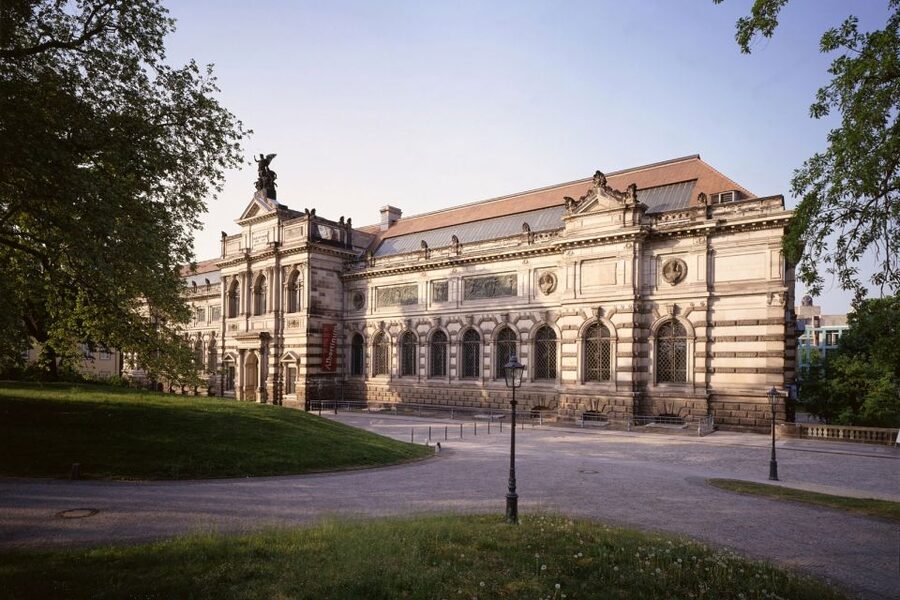
This experience is interesting because it lets you read the evolution of art in one museum visit. You start with a crowd-pleaser sculpture and then move through painting and sculpture across centuries, from Romanticism to contemporary experiments. You also get a sense of Dresden’s cultural crossroads, where ideas from East and West meet head-on.
I really like the way the Albertinum brings painting and sculpture into the same flow. I also love the specific names you can hunt for, especially Caspar David Friedrich and the modern work of Tony Cragg. As a plus, the museum focuses on work up to the present day, so it does not feel stuck in the past.
One thing to plan around: the 2nd floor is closed from 07 April until 17 April due to technical construction work. If you are going during those dates, your time may feel shorter or your route may need adjusting.
Key highlights to look for

- Rodin’s The Thinker is the first big moment you will meet, and it sets the mood for the art that follows
- Caspar David Friedrich anchors the Romantic stretch, so you get that emotional, atmospheric side of 19th-century art
- Wilhelm Lehmbruck’s 1911 Kneeling Woman is a strong early-20th-century stop for sculpture lovers
- Birgit Diecker’s Seelenfänger adds a more modern, interpretive edge to the collection
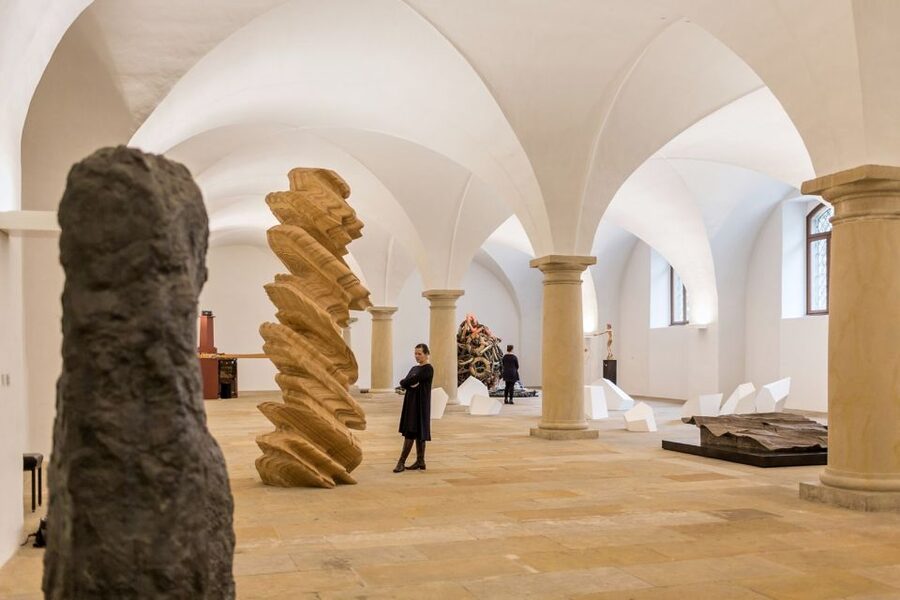
- Tony Cragg’s stacked cube shows how contemporary sculpture can use everyday materials and math-like structure
- A single ticket covers two collections, Galerie Neue Meister and the Skulpturensammlung, across eras
Albertinum ticket value: what $16 really buys you
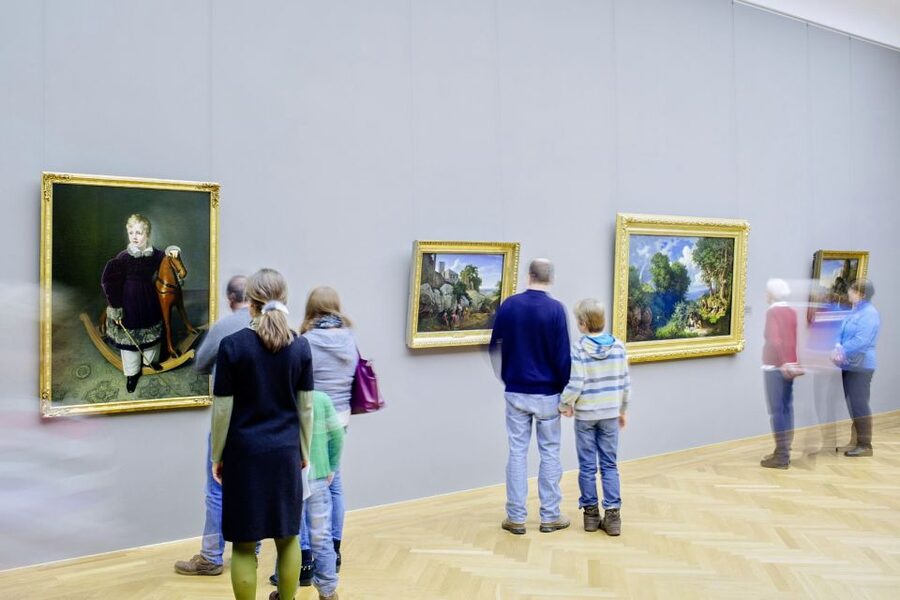
For $16 per person, you are buying access to the Albertinum for a full day. That sounds simple, but the value is in what you get inside: both the Galerie Neue Meister (New Masters Gallery) and the Skulpturensammlung (Sculpture Collection). You are not choosing between painting or sculpture. You can bounce between them and watch how artists borrow from each other.
The ticket also covers major time periods, from Romanticism through contemporary art. That matters, because it keeps your visit from becoming a single-style museum day. If you like variety, this layout is a treat.
I also like that you can keep your plan flexible. The ticket is valid for 1 day, and you check availability to see starting times. If your timing changes, reserve and pay later keeps you from locking in your day too early.
More Museums in Dresden
- Dresden: Church of Our Lady Guided Tour of Gallery
★ 4.7 · 2,421 reviews - Dresden: Zwinger Museum Entry Ticket
★ 4.7 · 1,436 reviews - Dresden: Guided Walking Tour and Chocolate Museum Ticket
★ 4.5 · 479 reviews
Timing your visit in Dresden: one day is enough, if you pace it
This entry ticket is valid for 1 day, and you can pick a starting time based on availability. In practice, that means you can use the Albertinum as a main stop, or as a smart companion to other Dresden sights.
I suggest you build your visit around three “anchors” rather than trying to see everything. The museum experience will feel better when you give your eyes a job: look for The Thinker first, then track the Romantic-to-modern shift, then finish by hunting down specific sculpture works like Lehmbruck and Cragg.
If you are the type who wants every room, plan for longer. If you prefer focused looking, 2 to 3 hours can still feel satisfying, because you will have clear targets.
Entering with Rodin: The Thinker as your guidepost
The most useful thing you should know up front is that the first work you will see is Rodin’s The Thinker. That is not an accident. It is a deliberate entry point, because it signals how the museum wants you to think about art: as something that asks questions, not just something that shows images.
Rodin’s presence also acts like a hinge between eras. The museum frames The Thinker as a trailblazer for artistic styles that crystallized in the twentieth century. Even if you do not know Rodin’s full story, you will feel the impact. The sculpture has that intense, concentrated energy that makes everything after it easier to read.
This is where I recommend you slow down for a minute, even if you are tempted to rush ahead. Take a quick look, then use it as a “baseline” for the rest of the visit.
Galerie Neue Meister: Romantic to contemporary, without whiplash
One of the best reasons to come here is that the museum does not treat the centuries like separate worlds. Galerie Neue Meister helps you watch the art language evolve, moving from Romanticism toward contemporary work.
The headline you should plan for is Caspar David Friedrich. If you like the emotional weight of the Romantic era, Friedrich is a big payoff. His work is tied to mood, atmosphere, and the kind of quiet intensity that makes you stand a little longer than you expect.
Then, as you continue, you start to see how later artists shift the conversation. You will find works that feel more experimental in materials and form, so the museum’s overall message becomes clear: the “new” does not arrive with one single style. It keeps changing, and it keeps responding to what came before.
If you are bringing someone who worries that museums are too slow, use Friedrich as the first “wow” and then show them how the museum keeps moving forward.
Another way to spend a Dresden afternoon:
- Dresden: Semperoper Tickets and Guided Tour
★ 4.7 · 12,102 reviews - Dresden: The Original Night Watchman Tour in Lantern Light
★ 4.6 · 6,653 reviews - Dresden: Semperoper and Old Town Tour
★ 4.8 · 5,735 reviews - Dresden: River Sightseeing Boat Cruise
★ 4.3 · 5,323 reviews
Sculpture Collection from 1800: the art of form and attitude
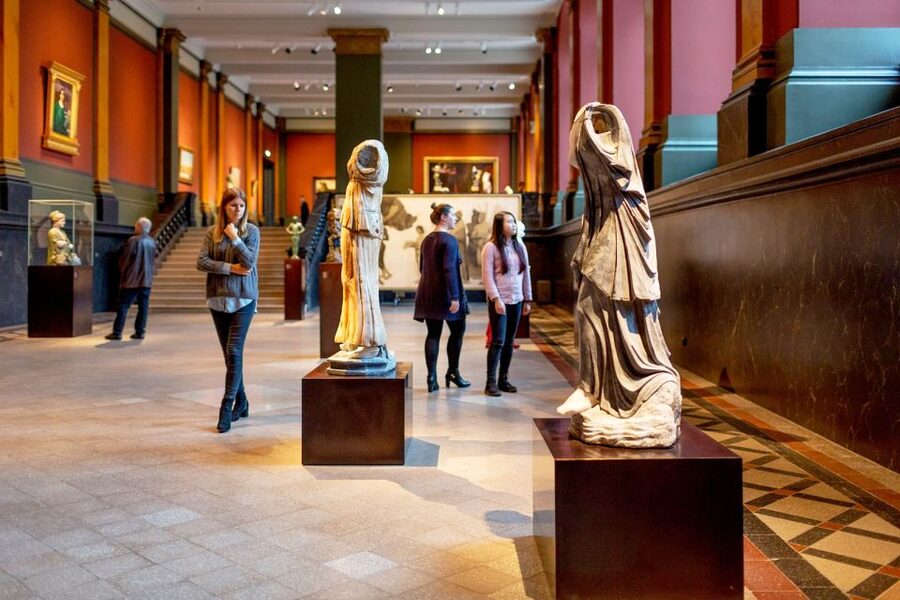
The Skulpturensammlung is where the museum gets extra fun, because sculpture is physical. It sits in your space. You can walk around many pieces and notice how the meaning shifts from angle to angle.
One of the named highlights is Wilhelm Lehmbruck’s 1911 Kneeling Woman. Lehmbruck’s figure work tends to feel both fragile and strong, and that combination makes it a meaningful mid-visit stop. Use it like a checkpoint. After you see it, you can ask yourself what has changed since the entrance sculpture. The answer will help you understand the museum’s emotional pacing.
From there, look for Birgit Diecker’s Seelenfänger. The title alone hints at interpretation, and the work fits with the museum’s shift toward modern ideas. If you like art that invites questions rather than providing a single explanation, this is the kind of stop that will keep your attention.
The Thinker’s neighbors: finding Lehmbruck, Diecker, and Cragg
To get the most out of the Albertinum, I would treat the named sculptures like a scavenger hunt. It gives your visit structure, and it prevents the dreaded problem of drifting from room to room without remembering what you saw.
Here are the targets that fit perfectly with the museum’s arc:
Rodin’s The Thinker
Start here. It frames the visit and primes you to think about how art evolves.
Lehmbruck’s Kneeling Woman (1911)
A key early-20th-century bridge. It helps you feel the shift from older ideals toward newer expressions.
Seelenfänger by Birgit Diecker
A modern stop that keeps the museum’s voice current.
Tony Cragg’s stacked cube
This is one you will want to look at closely. The work described in the museum includes a cube that stacks in a way that feels mathematical. It is made from materials like wood, fabric scraps, and loose-leaf binders. That mixture matters because it reminds you that contemporary sculpture does not only carve or mold. It assembles ideas.
If you enjoy art that feels clever, Cragg is your reward at the end.
East meets West, today meets tomorrow: what the museum is really doing
The Albertinum experience is not only about famous names. It is about the way the museum stages connections.
The museum describes the place as where painting meets sculpture, where East meets West, and where today meets tomorrow. You can interpret that in a very practical way while you walk. Notice when the art changes from more traditional-looking forms to more experimental approaches. Then notice how the sculpture and painting sides keep responding to each other.
Even if you do not read every label, you can still “get” the point:
- Some eras feel like they want to show the world clearly.
- Other eras want to question how seeing works.
- Later artists often treat materials like part of the message.
When you keep those ideas in mind, you stop seeing the museum as random rooms and start seeing it as a guided argument about art’s changing rules.
Construction closure on the 2nd floor: how to adjust your route
If you are visiting between 07 April and 17 April, the museum warns that the 2nd floor will be closed due to technical construction work. That does not mean your visit is ruined. It means you should plan differently.
Here is how I’d handle it:
- Give yourself extra time at your strongest interests. If you know you want certain kinds of work, spend a little more time there.
- Expect that some parts of the collection may be harder to reach during those dates.
- If you are trying to see a long list of named highlights, prioritize the pieces you care about most first.
Also, check the latest opening hours through the local partner’s official website, since museum hours can shift. This is especially important around construction periods.
What to bring (and how to look): shoes, camera, and a simple strategy
Bring comfortable shoes. You will likely be standing and walking more than you expect, especially when you stop to circle sculpture pieces.
Bring a camera if you want photo memories. You will naturally want images of big named works, like The Thinker and the recognizable sculptural styles of Lehmbruck and Cragg.
And here is my best practical looking strategy:
- Spend one minute overviewing a room.
- Choose one named work to focus on.
- Then let the rest of the room “support” that focus.
That way, even if you cannot see every item in detail, you still walk away with a clear, satisfying storyline.
Price, booking, and value logic: a good deal if you like variety
Let’s talk money in plain terms. At $16 per person, the ticket is a budget-friendly way to experience a museum that spans multiple eras and mediums. The value is not only the ticket cost. It is the range you can cover without paying for separate tickets for different collections.
Also, the ticket includes:
- Albertinum entry
- Artworks from Romanticism to contemporary periods
- Sculpture collection from 1800 onwards
So you get a lot of “time coverage” for your visit. If you like variety and you want your art day to feel like a story instead of a snapshot, this ticket makes sense.
Who this Albertinum entry ticket suits best
This is a great fit if you:
- Like sculpture as well as painting, and you enjoy comparing the two
- Want to see Caspar David Friedrich and modern names in the same visit
- Prefer self-paced exploring with a clear set of anchors
- Are traveling with someone who likes different art styles, because both should find something
It is also friendly for accessibility needs since the museum is wheelchair accessible.
If you are visiting with kids: children under 17 enter for free when accompanied by an adult, but you need to book a child ticket.
Should you book the Albertinum entry ticket?
Book it if you want an efficient, one-day art stop in Dresden that goes beyond one style. For $16, you get a museum experience built around real anchors: Rodin’s The Thinker, Caspar David Friedrich, and named sculpture works like Lehmbruck, Diecker, and Cragg. The fact that it covers both painting and sculpture is the main reason it works.
Skip or adjust your expectations if you are visiting during 07 April to 17 April, because the 2nd floor closure will affect how much you can see.
If you like your museum days self-guided, planned around a few must-sees, and heavy on “look closely” moments, this ticket is a solid choice.
FAQ
How much is the Albertinum Museum entry ticket?
The price is listed as $16 per person.
How long is the ticket valid?
The ticket is valid for 1 day.
Are there specific starting times?
Starting times depend on availability. You’ll want to check what times are offered for the day you plan to go.
What collections can I see with this ticket?
You can see works from the Galerie Neue Meister (New Masters Gallery) and the Skulpturensammlung (Sculpture Collection).
What time periods are included?
The museum highlights artworks from Romanticism through contemporary periods, and the sculpture collection covers from 1800 onwards.
Which famous works should I plan to look for?
The ticket description highlights Rodin’s The Thinker, Caspar David Friedrich works, Wilhelm Lehmbruck’s Kneeling Woman (1911), Birgit Diecker’s Seelenfänger, and Tony Cragg’s stacked cube.
Is the museum accessible for wheelchair users?
Yes, the Albertinum is wheelchair accessible.
What should I bring to the museum?
Bring comfortable shoes and a camera.
What happens if I visit between 07 April and 17 April?
Due to technical construction work, the 2nd floor of the Albertinum will be closed during that period.
Are there any rules for children?
Children under 17 can enter for free when accompanied by an adult, but you need to book a child ticket.
Fresh reviews out of Dresden
- Dresden: 2 day ticket for museums of the Dresden State Art Collections★ 4.7 · 54 reviews
- Big Sightseeing Tour in Dresden with Liveguide★ 4.5 · 55 reviews
- Dresden Sightseeing Treasure Hunt★ 5.0 · 57 reviews
- Public guided tour of the old town including a tour of the Frauenkirche★ 5.0 · 59 reviews
- Dresden: Walking Tour with Virtual Reality elements★ 4.5 · 63 reviews
- Dresden: Bootstour im Schlauchboot durch die Altstadt★ 4.9 · 64 reviews
- From Dresden: Bohemian & Saxon Switzerland Day Trip★ 4.8 · 64 reviews
- 1.5 hours Segway Elbe Mini Tour★ 5.0 · 66 reviews
Museums, compared.


Skip-the-Line: Berlin Wall Museum at Checkpoint Charlie
Read our review →Browse the lists this tour appears in