

Reviewed · MUSEUMS
Dortmund: German Football Museum
Football museums can be hit or miss. This one, in Dortmund, works because it turns football history into something you do, not just something you read. You get a travel back in time feeling for the famous Miracle of Bern, and the museum keeps handing you moments where your role changes from spectator to participant.
Two things I really liked: the Sky Reporter Room, where you get to try your hand at commentary, and the 3D cinema experience that brings the world champions of 2014 to life. One thing to keep in mind is that this is a hands-on, interactive museum, so if you only want calm, quiet exhibits and zero participation, you may find some areas louder or more active than you expect.
Key Highlights You Should Know
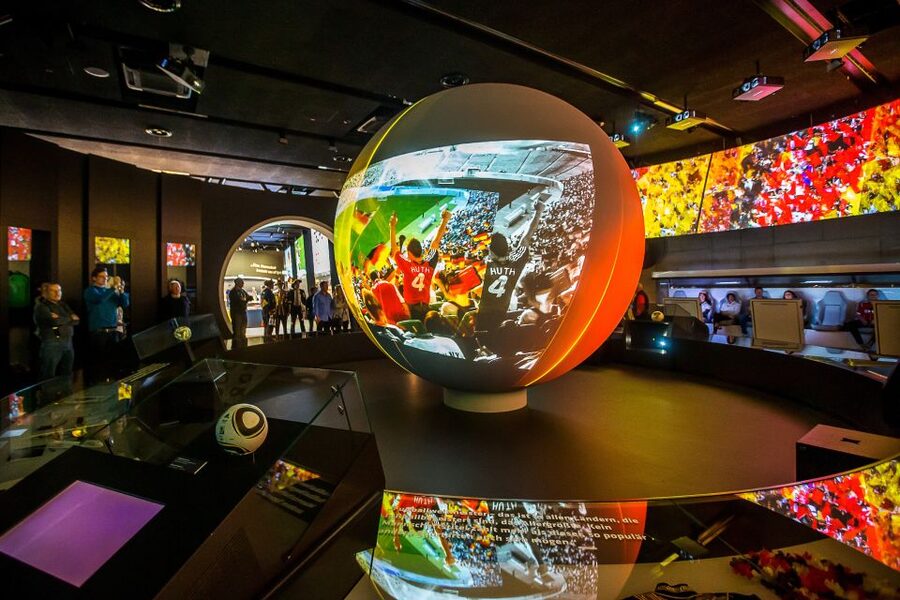
- Miracle of Bern time-travel moments that make past triumphs feel immediate
- Sky Reporter Room commentary play, so you act like a match broadcaster
- 3D cinema with the world champions of 2014, built for real screen immersion
- Hands-on play on the small field, including a chance to kick a ball
- Scenography that connects fans and football roles, from referees to amateurs and pros
- Around 1,600 exhibits, so you get a full-sport, not just trophy-case, feel
Dortmund’s German Football Museum Turns Fan Memory Into a Full Experience
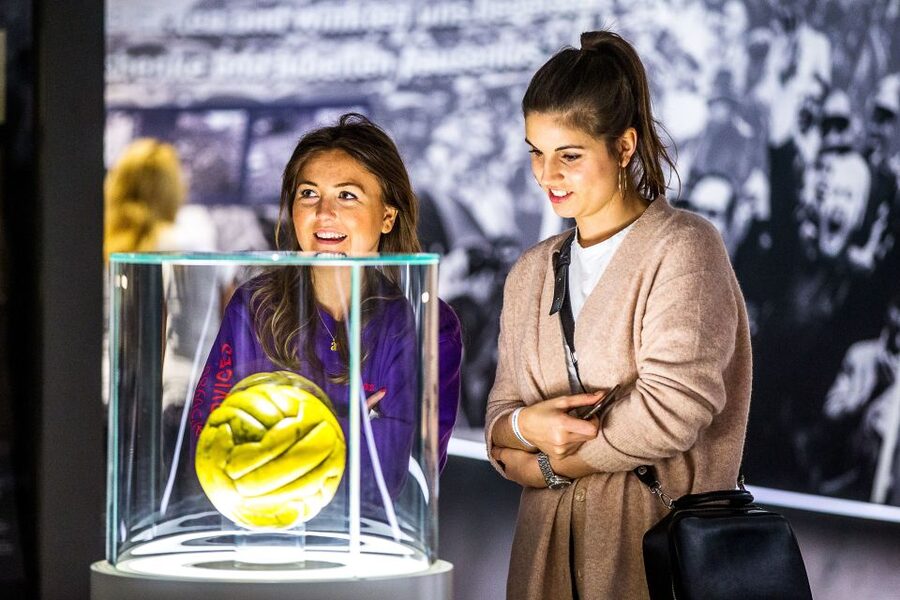
The German Football Museum in Dortmund is the kind of place where you can show up as a serious football fan and still end up laughing at yourself by the end. It’s modern, built with energy, and designed so the story of football does not live only on walls.
What helps is the mix. You are not stuck in one mode. One moment you are learning and absorbing. The next you are stepping into a show-like experience where football is staged for you. That balance is why it works for couples, kids, and diehard fans, even if they disagree on what football should be.
The museum covers football history in all its facets, and it does it with around 1,600 exhibits. That number sounds big because it is big. In practice, it means you can spend your one day moving through different themes without feeling like you are repeating yourself.
Still, the scale also means pacing matters. If you try to race through everything, you will miss what makes the interactive spaces fun.
More Museums in Dortmund:
- Dortmund: Borusseum Borussia Dortmund Museum Entry Ticket
★ 4.6 · 315 reviews - Dortmund German Football Museum Skip-the-Line Admission Ticket
★ 4.0 · 72 reviews - Berlin: Jewish Museum Berlin Entrance Ticket
★ 4.5 · 8,393 reviews
Your One-Day Plan: How the Experience Flows
You do not get an old-school tour group march. You get a museum day that is structured by the spaces themselves. Here is a practical way to think about your time there, based on what the museum is set up to do.
Start with the main galleries, where you build context. This is where the “football history in all its facets” idea shows up. You are moving through a modern exhibition with lots of exhibits, so you can go deep on the topics that catch your eye and skim the ones that do not.
Then look for the show-style parts. The museum highlights a 3D cinema where you meet the world champions of 2014. This is your break from reading and walking. It is also a moment where you can reset your attention and come back ready to explore again.
After that, make time for the interactive signature experience: the Sky Reporter Room. This is not just a photo op. You become a commentator, which means the museum asks you to engage with football storytelling in the way broadcasters do.
Finally, set aside time for the hands-on arena. The museum includes a small playing field in a multifunctional arena, and kids can prove they can kick a ball like the adults. If you like testing your own instincts, this is also where you can join in.
The Miracle of Bern and the Museum’s Time-Travel Feeling
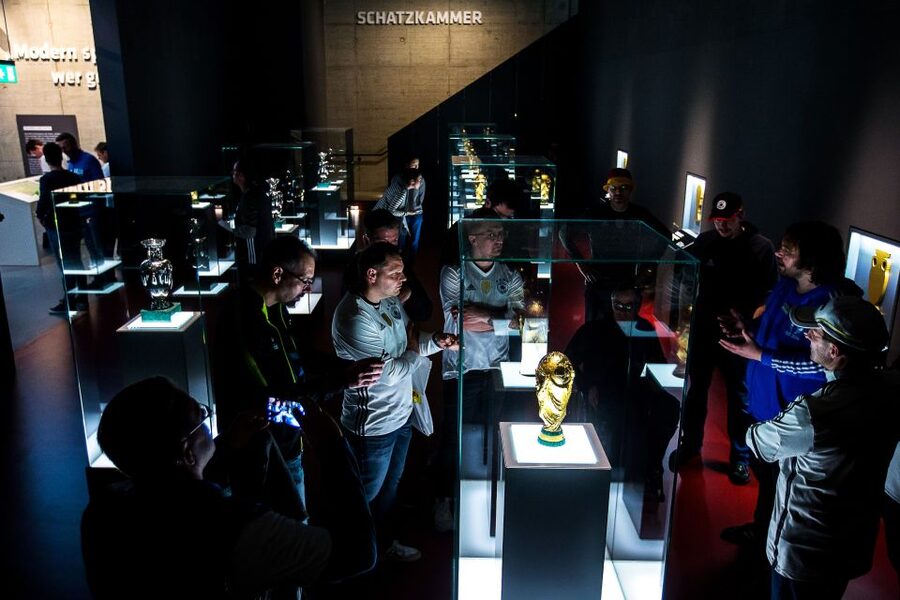
One of the museum’s best tricks is how it frames football moments like they belong inside your memory, not behind glass. The highlight is the “Miracle of Bern” experience, which is positioned as a travel back in time.
Even if you already know the story behind the phrase, what matters here is the method. The museum does not treat history like a lecture. It treats it like a scene. The goal is for you to feel like you are stepping into an important chapter, not just hearing about it.
I like moments like this because they give you an emotional handle on the museum. Once you have that, the rest of the exhibits land better. You start connecting eras, styles, and the big turns in German football without the dry feeling that sometimes comes with sports museums.
The 3D Cinema: Seeing the World Champions of 2014
The museum sets aside real attention for its 3D cinema. The promise is straightforward: meet the world champions of 2014 in the 3D cinema.
This is a smart move for a few reasons.
First, it breaks up the pace. When you have spent time with exhibit cases and screens, a cinema experience gives your brain a different job. You stop walking for a bit and let the story land through visuals.
Second, it is a focused hit of modern football energy. The world champions of 2014 are recent enough that you might recognize players or at least the era, which makes it easier to connect what you see to what you already know.
If you are traveling with kids, the cinema is also a safe bet. It is more structured than the self-directed sections, so younger visitors often find it easier to enjoy.
Weigh these Dortmund picks against each other
- Dortmund: BVB Signal Iduna Park Stadium Walk
★ 4.4 · 2,924 reviews - Dortmund: 24-Hour Hop-On Hop-Off Sightseeing Bus Ticket
★ 4.1 · 161 reviews - Dortmund: Phoenix des Lumières Entry Ticket
★ 4.0 · 142 reviews - SEA LIFE Oberhausen Admission Ticket
★ 4.0 · 132 reviews
The Sky Reporter Room: Trying Out Commentary Like a Pro
The museum’s Sky Reporter Room is one of those features that sounds silly until you do it. You become a commentator in the reporter’s cabin.
This is fun for adults and kids because it turns football knowledge into performance. Instead of only learning stats or reading timelines, you help create the moment with your own voice and rhythm. You get to practice the idea of match storytelling, including the way commentary guides attention.
I also like that this is not presented as a serious broadcast audition. It feels like a playful, football-nerd playground for anyone who has ever watched a match and thought, I could do that.
Pro tip: treat this like a main event. Plan for it the way you would plan for a show. If you rush through everything else first, you might arrive a little tired, and you will enjoy the experience less than you could.
Hands-On Fun on the Small Playing Field
Yes, there is a playing field. And yes, you can grab a ball and prove that you have what it takes to be a football star.
The key detail is that the museum gives you a small playing field within a multifunctional arena. That means the hands-on part is part of the designed flow of the museum, not an afterthought in some corner.
This is where you should lean into the museum’s philosophy: fans learn by doing. Kids can prove they can kick a ball like the adults, which keeps expectations friendly. But it also works for adults who like hands-on challenges. Even if you are not a football trainer, it is satisfying to try something physical inside a history museum.
If you come with children, this is the section that often balances out the more informational parts. For adults, it adds a little humility, which is good for the soul.
Scenography That Connects Everyone Who Loves Football
A lot of football museums accidentally become narrow. This one tries hard not to.
The museum’s scenography is built to unite fans and referees, amateurs and professionals, and women’s and men’s football. That matters because it makes football feel like a whole ecosystem, not only a top-level league story.
I like this approach because it changes the way you walk through the museum. Instead of hunting for big club names or trophies, you start noticing how different roles and levels connect. Even if you do not leave with every detail memorized, you leave with a clearer sense of how football culture works.
This also helps group travel. If your travel partner cares most about competition and you care most about the human side, the museum’s design supports both.
Value for Money: What $23 Gets You
At about $23 per person, the German Football Museum is good value when you want a one-day activity that feels more like an experience than a slideshow.
Here is why the price makes sense.
You are getting access to the museum, and the museum is not light on content, with around 1,600 exhibits. On top of that, you have major structured attractions that are part of the ticket, like the 3D cinema and the Sky Reporter Room. Then there is the playing field, which adds genuine hands-on variety.
Also, you can skip the ticket line, which is a practical savings if you are visiting during busier hours.
One caution on value: because there are so many exhibits, you need to actually show up ready to spend time. If you treat it like a quick walk-through, you will feel like you paid for more than you used.
Who This Is Best For (And Who Might Not Love It)
This museum is strongest for people who like interactive experiences tied to a theme. If you enjoy doing at least a little bit of the work, you will have a better day.
It is a great match if:
- You are a football fan who wants more than trophies on walls
- You have kids who need movement and participation
- You like story-based experiences, including screen moments and play areas
It might feel less perfect if:
- You want a strictly quiet museum visit
- You are only interested in one narrow slice of football and hate everything else
Practical Tips to Get the Most Out of Your Visit
Plan your day with energy in mind. The museum is full of active features, and you will enjoy it more if you do not treat it like a rushed errand.
Because it includes a half-time break concept with a variety of dining options, I suggest you time your meals around that rhythm. Even if you pack snacks or buy something nearby, having that built-in idea helps you avoid losing momentum.
Also, set aside enough time for the hands-on and commentary parts. Those are the bits that feel most memorable later. The exhibits matter, but the interactive stations create the stories you will talk about on the ride out.
If you are visiting from elsewhere in Dortmund, go prepared for a typical city museum day. Bring comfy shoes, expect lots of walking, and treat it like a full afternoon plus.
Meeting point is Plaza der Deutschen Einheit 1, 44137 Dortmund, so it is easy to anchor your plans around a known spot.
Should You Book the Dortmund German Football Museum?
If you want a one-day Dortmund stop that mixes football history with real participation, I think you should book it. The value is strong for the price, and the highlights are built around activities you can actually do: Sky Reporter Room commentary, 3D cinema with the world champions of 2014, and the small playing field where you can kick a ball.
I would only hesitate if you hate interactive elements or you want a quiet, traditional museum style with minimal participation.
FAQ
How long is the German Football Museum visit?
The experience is valid for 1 day.
How much does it cost?
The price is $23 per person.
What is included with the ticket?
Your ticket includes access to the German Football Museum, and you can skip the ticket line.
Is food included?
Food and drinks are not included, but there will be a variety of dining options for the half-time break.
Where is the meeting point?
The meeting point is Plaza der Deutschen Einheit 1, 44137 Dortmund.
Does a guide come with the ticket?
No. A guide is not included.
Can I cancel and get a full refund?
Yes. You can cancel up to 24 hours in advance for a full refund.
Do I get to choose a specific start time?
You can check availability to see starting times, and the ticket is valid for 1 day.
Fresh reviews out of Dortmund
- LEGOLAND Discovery Centre in Oberhausen Entrance Ticket★ 3.5 · 70 reviews
- Dortmund German Football Museum Skip-the-Line Admission Ticket★ 4.0 · 72 reviews
- Dortmund: Skywalk★ 4.5 · 74 reviews
- SEA LIFE Oberhausen Admission Ticket★ 4.0 · 132 reviews
- Dortmund: Phoenix des Lumières Entry Ticket★ 4.0 · 142 reviews
- Dortmund: 24-Hour Hop-On Hop-Off Sightseeing Bus Ticket★ 4.1 · 161 reviews
- Dortmund: Borusseum Borussia Dortmund Museum Entry Ticket★ 4.6 · 315 reviews
- Dortmund: BVB Signal Iduna Park Stadium Walk★ 4.4 · 2,924 reviews
Museums, compared.


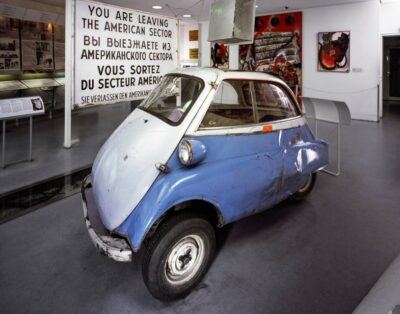
Skip-the-Line: Berlin Wall Museum at Checkpoint Charlie
Read our review →Browse the lists this tour appears in