Reviewed · GUIDED
Darmstadt: Mathildenhöhe UNESCO Site Guided Visit
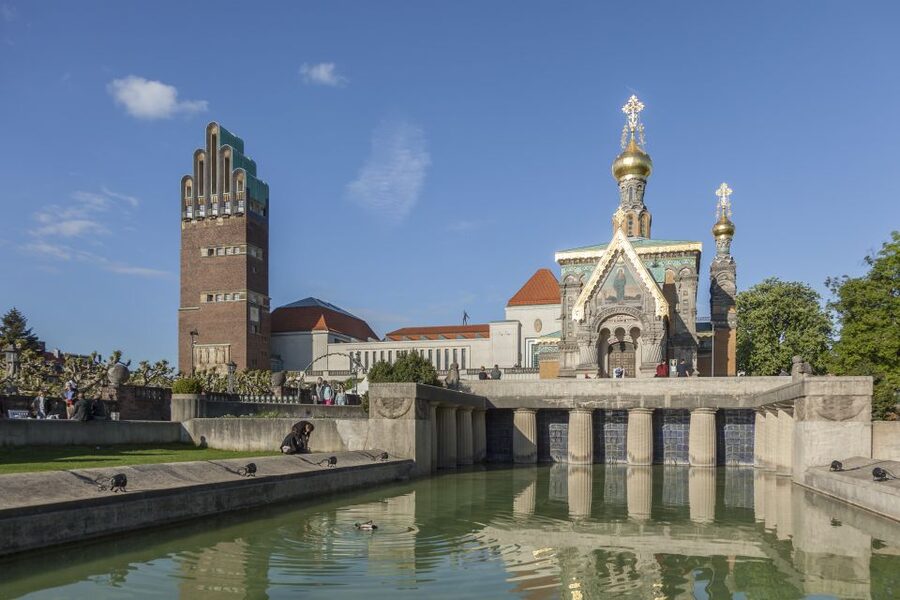
Darmstadt’s Mathildenhöhe is one of those places where architecture acts like a time machine. Instead of just looking at pretty buildings, you’ll hear how this artists’ colony was planned to push design into the new century, with UNESCO recognition for good reason. If you like ideas you can actually walk through, this guided visit is a strong choice.
I especially like the focus on the whole ensemble, not just one postcard view. You get the story of the studio building, the exhibition building, the artists’ houses, and the park in one compact loop. The only real drawback to plan for is language: the tour is generally in German, with English only on Saturdays at 2pm.
Key Highlights I’d Pencil In First
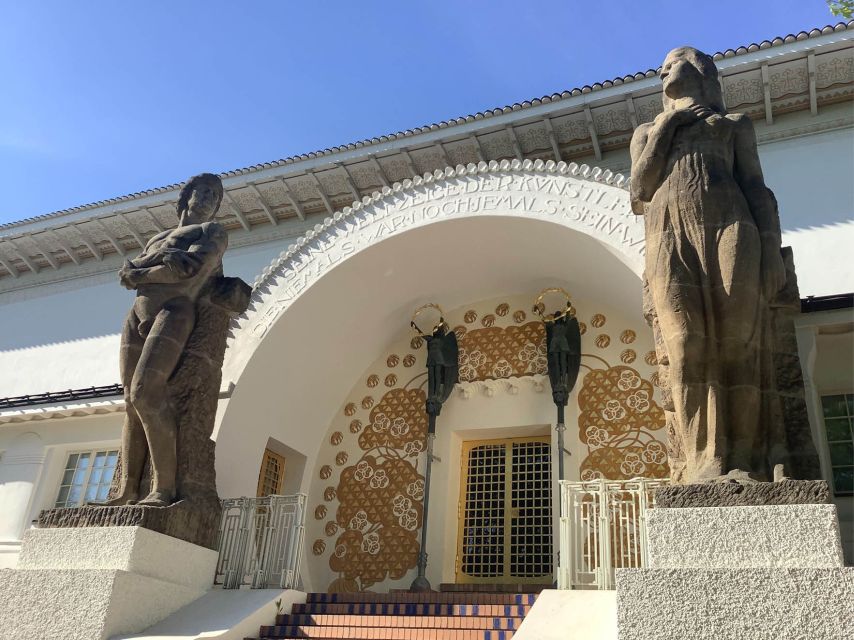
- UNESCO focus on Mathildenhöhe: the guided route ties the buildings into one design concept
- The artists’ colony story: studio, exhibition hall, artists’ houses, and grounds, all explained
- Aufbruch in die Moderne theme: you’ll understand what “breaking into modernity” meant here
- Strong live interpretation: many guests highlight how animated and clear the guiding can feel
- Practical pacing: 90 minutes for a high-information overview
Mathildenhöhe in 90 Minutes: Why This UNESCO Site Matters
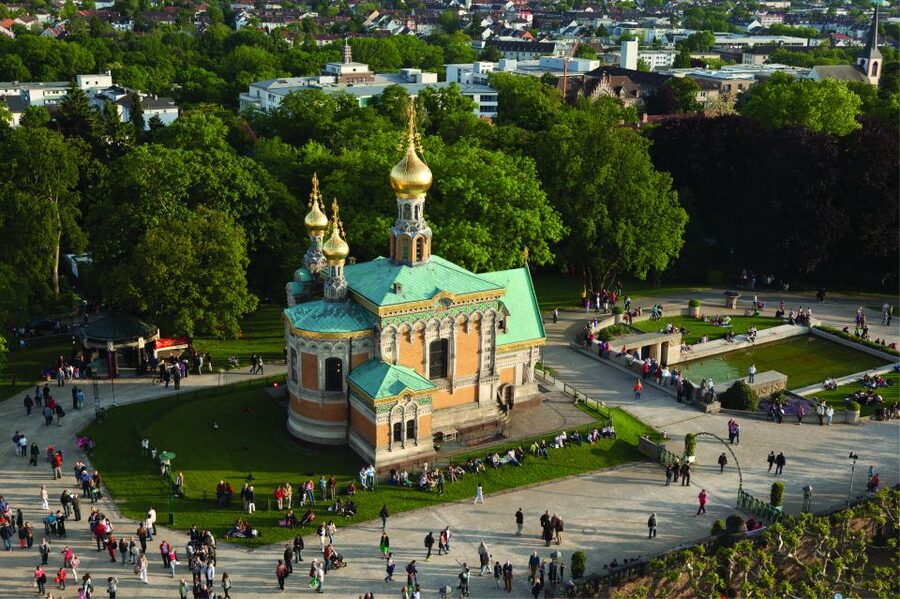
This is a guided walk through Mathildenhöhe Darmstadt, a UNESCO-listed ensemble that marks a turning point in architecture and art right around the threshold of the 20th century. The big idea you’ll hear from the start is that the project wasn’t meant to be a random cluster of buildings. It was meant to function like a planned statement of how a modern community could be built.
The tour’s framing, including the theme Aufbruch in die Moderne, helps you see the site as an experiment in modern life, not just “old buildings.” When you understand that, each stop makes more sense, from the workspaces meant for artists to the homes where design choices became daily reality.
One practical benefit: with a 1.5 hour format, you can fit this into a day in Darmstadt without sacrificing the rest of your itinerary. It’s long enough to get meaning, short enough to stay flexible.
Weigh these Darmstadt picks against each other
- Berlin: Reichstag, Dome and Government District Guided Tour
★ 4.7 · 18,288 reviews
Meeting at Olbrichweg: Getting Oriented Fast
You meet at the north entrance to the Museum Artists’ Colony Darmstadt at Olbrichweg 13A. That location matters because it puts you right at the start of the ensemble’s story, so you’re not wandering first and learning second.
From the beginning, the guide sets the scene with the famous design ambition behind the project. Joseph Maria Olbrich’s phrasing, a city we must build, a whole city, is the kind of line that changes how you look at the ground plan. Instead of asking, What am I looking at? you start asking, What was the designer trying to make possible?
Also note the language rule. The tour is generally in German, and English-speaking departures are only on Saturday at 2pm. If you’re not comfortable in German, treat that schedule detail as essential, not a small note.
Studio Building: Where Modern Art and Workspaces Meet
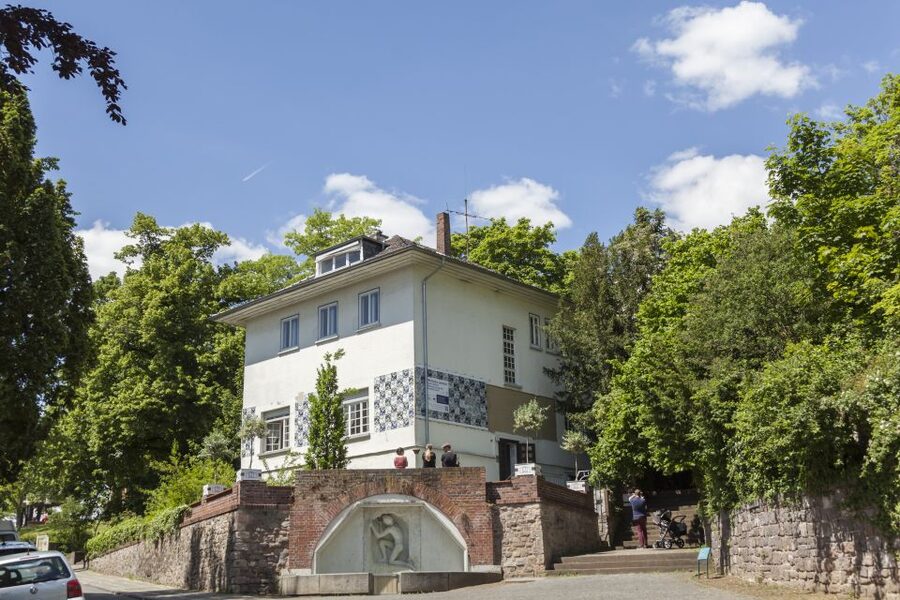
The tour takes you through the studio building area, and this is often the first “aha” moment. Studios in an artists’ colony are not neutral rooms. They are design tools, places where ideas are produced, tested, and refined, with space shaped by how artists actually work.
When your guide explains the studio building in context, you’ll pick up why this ensemble feels different from a standard historic site. The emphasis is on the link between design and daily practice. It’s not just about appearances from the street, it’s about how the building supports the act of making art.
If you like architecture that has a job to do, this stop is where you feel it most. You’ll start to see the colony as a live working system, not a museum that happens to contain buildings.
Exhibition Building: Making Modern Art Public
Next comes the exhibition building, and this is where the project’s ambition broadens. A studio can be private and inward. An exhibition hall is a signal to the wider public that modern ideas are meant to be shared, debated, and seen.
This is also where the theme of Aufbruch in die Moderne becomes easier to grasp. Instead of modernity being only a style, it’s presented as a cultural shift. The exhibition setting helps show how the colony positioned art and design as part of public life.
A small caution: exhibition spaces can sometimes feel more abstract if you only look at walls and entrances. The guided element is what makes it click. You’ll get the story that turns each architectural feature into part of the message.
Artists’ Houses: Homes as Design Statements
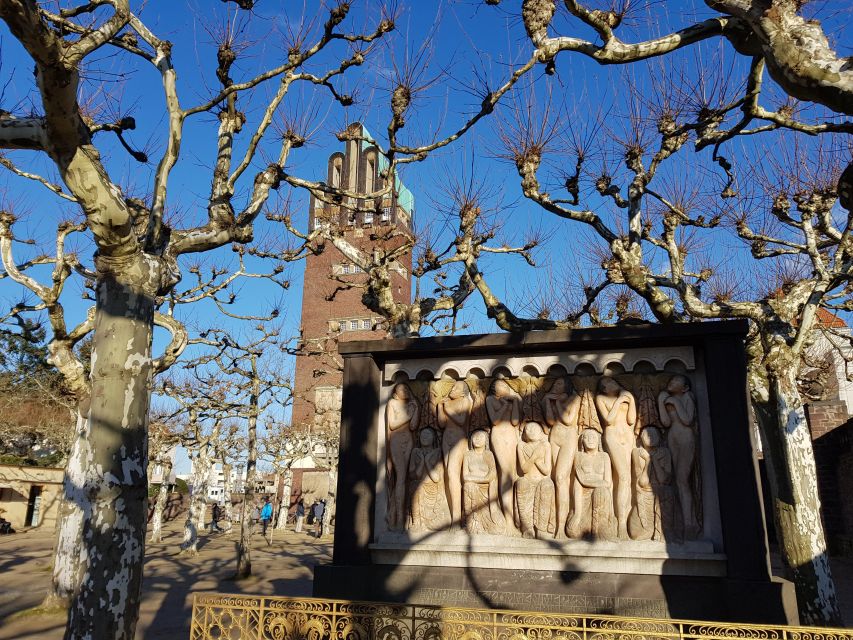
The tour then moves into the artists’ houses, where you can understand the colony as more than a backdrop for artists. A house is personal. That makes it one of the most meaningful parts of the visit.
Here, you’ll learn how the ensemble approach extended into everyday living. The value of this stop is not that every visitor instantly understands Jugendstil details on sight. It’s that the guide connects the dots between art, craft, and domestic space.
This is also where you’ll likely appreciate why the ensemble earned UNESCO recognition. The houses aren’t just individual designs. They belong to a coordinated idea about how an artistic community could organize itself, down to how people live.
The Park and the Whole City Idea
The route includes the park, and this stop ties the entire experience together. A planned ensemble is more than buildings on a map. The outdoor grounds influence movement, pacing, and how people experience the site as one environment.
Even if you’re not focused on garden design, the park gives you the perspective you need to understand Olbrich’s big line about building a whole city. You can mentally zoom out and see how the parts connect.
If you’re taking photos, the park is usually the place where you can slow down and capture wider views without forcing every shot to be architectural close-ups. And if your feet need a breather, this section can feel like a natural pause in the story.
“What I’d Watch For”: Learning the Language of Jugendstil
A guided visit like this works best when you actively look for patterns. Here are a few things I’d keep my eyes open for as you move through the ensemble.
- How the studio spaces relate to how artists actually work
- How the exhibition building shifts the message from private creation to public presence
- How the artists’ houses translate artistic thinking into domestic life
- How the park helps you read the site as one coordinated concept
- How the guide’s storytelling connects buildings into one historical moment
One reason the tour rating is so high is that the best guiding doesn’t just list facts. It gives you a narrative, including human context, so details feel earned. In German-language sessions, guides like Frau Gerhardt are specifically noted for explaining the buildings clearly and sharing personal, human background about the artists and what shaped their work. That kind of approach is what turns “architecture viewing” into a real understanding.
Price and Value: Is $17 Worth 90 Minutes?
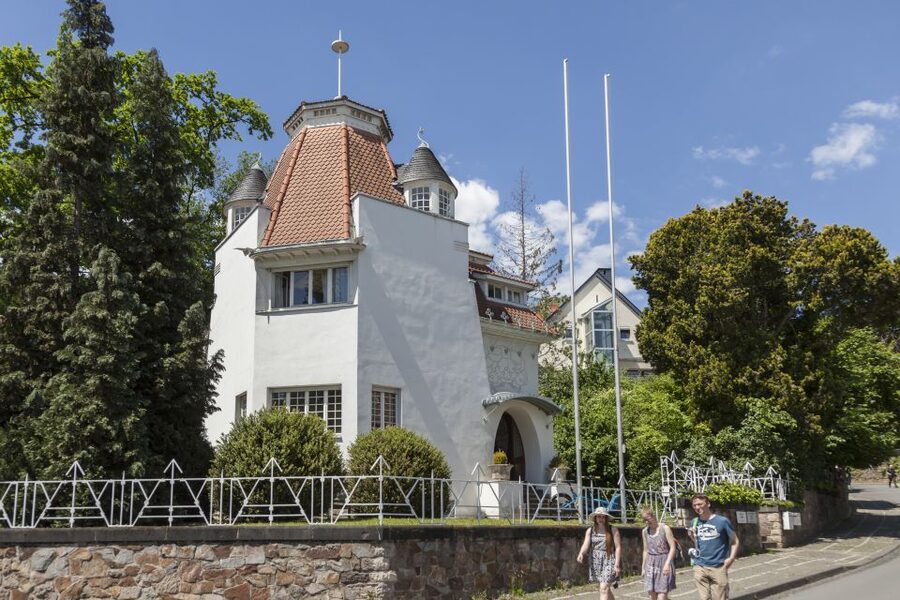
At $17 per person for about 1.5 hours, this is priced like a practical, efficient sightseeing block. You’re paying less than you would for a longer private tour, but you’re getting a guided walk that covers the main components of the UNESCO ensemble.
Here’s the value logic I’d use to decide. If you arrive at Mathildenhöhe with no context, you may enjoy the look of the buildings but miss the why behind them. With a guide, you get the story of the studio, exhibition, artists’ houses, and park, all tied to the larger shift toward modernity. For most people, that context is exactly what transforms the experience from sightseeing into something memorable.
The other value factor is that the tour is built for time efficiency. Ninety minutes is long enough to make sense of the site, yet short enough that you can still roam independently after.
Language Planning: German Most Days, English on Saturday at 2pm
The tour is generally in German, and only the Saturday 2pm departure is English-speaking. That’s not a small detail. It’s the difference between understanding the ensemble’s story and being left with mostly visual guessing.
If you’re comfortable with basic German, you might still enjoy it, especially if you’re interested in architecture and can follow along with cues. But if you truly want the full explanation of each building and the artistic context, plan around the Saturday 2pm option.
Also, do not assume “language availability” means last-minute flexibility. If English matters to you, treat the schedule as part of your plan.
Who This Tour Fits Best
This visit is a great fit if you:
- Like architecture and design with a clear historical mission
- Want a guided overview that connects multiple buildings into one story
- Prefer focused walks over half-day museum marathons
- Enjoy learning how artists’ working lives and living spaces influenced design
It’s also a good choice if you’re traveling with someone who likes visuals but wants a bit more meaning behind what they’re seeing. The studio, exhibition building, artists’ houses, and park format naturally balances “look” and “learn.”
If you want lots of free time to wander alone without any guidance, you might find 90 minutes a bit structured. But if you want the ensemble to make sense quickly, guided is the way to go.
Booking Confidence: What the Tour Conditions Mean for Your Day
You’ll see practical notes like free cancellation up to 24 hours in advance, and the option to reserve and pay later. Those are useful because Darmstadt is an easy place to adjust plans, especially if weather shifts your outdoor time.
The tour is wheelchair accessible, which is another important point for many people. It means you can plan around the visit without worrying that accessibility issues will force you into a compromised route.
Should You Book This Mathildenhöhe Guided Visit?
Book it if you want your UNESCO visit to feel like a story, not just a checklist of buildings. The tour format covers the key components of Mathildenhöhe Darmstadt in about 90 minutes, and the guided explanation is clearly the core value. If you can do the German tour, you’ll likely get a more complete experience day-to-day. If you need English, aim for the Saturday 2pm departure.
Skip it only if you already know the ensemble’s design story well and you’re happy to explore independently without interpretation. Otherwise, the price is modest, the time is manageable, and the whole point is understanding how a planned artistic community was designed to function as a modern city idea.
FAQ
How long is the Darmstadt: Mathildenhöhe UNESCO Site Guided Visit?
The tour lasts 90 minutes, which is listed as 1.5 hours.
Where do I meet for the guided visit?
You meet at the north entrance of the Museum Artists’ Colony Darmstadt at Olbrichweg 13A.
What language is the tour guide?
The tour is generally in German.
Is there an English-speaking option?
Yes. English-speaking guided tours are available on Saturdays at 2pm.
What is included in the tour?
The guided visit covers the UNESCO ensemble, including the studio building, exhibition building, artists’ houses, and the park.
How much does the tour cost?
The price is $17 per person.
Who provides the experience?
The provider is Darmstadt Marketing GmbH.
Is the tour wheelchair accessible?
Yes, it is wheelchair accessible.
Can I cancel my booking?
Free cancellation is available up to 24 hours in advance for a full refund.
Fresh reviews out of Darmstadt
- Blick hinter die Kulissen – Führung: Staatstheater Darmstadt★ 4.6 · 10 reviews
Guided, compared.
Reichstag, Dome and Government District Guided Tour
Read our review →
Government District around the Reichstag Guided Tour
Read our review →

1-Hour Boat Tour with Bilingual Guide (Ger/Eng)
Read our review →