
Reviewed · HISTORICAL TOURS
Berlin‘s Jewish Heritage Private Tour With Jacob
This experience is interesting because it follows the Jewish story in Berlin across eras, from pre-Nazi life to the Holocaust, then on to the efforts to rebuild community afterward. You do not just look at monuments. You get a guided narrative that helps you connect why these places matter now in modern Berlin.
I especially like the private guide approach, because Nadav Jacob can adjust the pace and focus so your time feels intentional. I also like the mix of major memorial stops and real community landmarks, including the New Synagogue and sites around the old Jewish quarter. One possible drawback is that the route is packed into 150 minutes, so if you want extra time for questions or slower breaks, you may need to ask early or plan a follow-on stop nearby.
Key highlights at a glance
- Private guidance with Nadav Jacob for a more personal, flexible experience
- Holocaust Memorial and other remembrance sites that explain what you are seeing
- Bebelplatz and nearby memorial points, where Berlin history is hard to ignore
- Old Jewish quarter area around Hackescher Markt, with context for daily life
- Otto Weidt Workshop for the Blind for a story of survival and human action
- New Synagogue Berlin Jewish Centre to see what contemporary Jewish life looks like today
A focused 150-minute Jewish heritage route with hotel pickup
The biggest practical win here is how the tour starts: you get hotel pickup from your Berlin hotel reception. That saves time and mental energy, especially in a city where transferring between neighborhoods can eat up the clock. Then, you connect between stops with a mix of short public transport segments and walks, all guided in English.
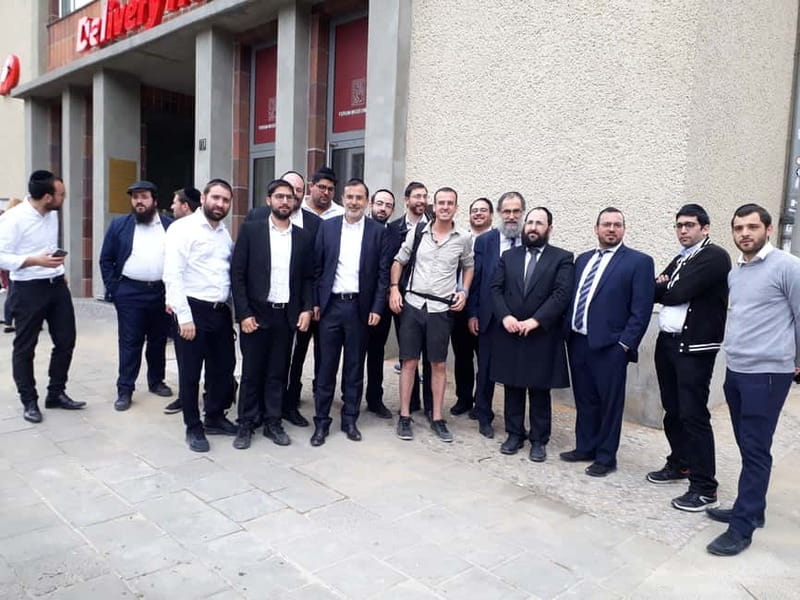
Because this is a private group (up to 6 people), you also avoid the “herding and rushing” feeling that can happen on larger tours. Your guide can keep the tone respectful and tailored, which is important when you are dealing with Holocaust education and memorial spaces. Based on the style described for Nadav, you can also expect him to be friendly and responsive, including adding helpful suggestions so your day continues smoothly after the tour.
Now the thing to plan around: it is still a walking tour. The walking is described as generally manageable for people with mobility issues, and the tour is wheelchair accessible, but you will likely do some portions on foot. If walking is a deal-breaker, the company says you can arrange alternate transport between stops with an added cost. That lets you keep the same route concept without turning it into a leg workout.
More Historical Tours in Berlin
- Berlin: Natural History Museum Entrance Ticket
★ 4.6 · 3,382 reviews - Berlin: 3-Hour World Heritage Cruise to Potsdam
★ 4.5 · 1,569 reviews - Berlin: History of the Third Reich Guided Walking Tour
★ 4.7 · 791 reviews
Holocaust Memorial and Bebelplatz: how Berlin turns memory into a lesson
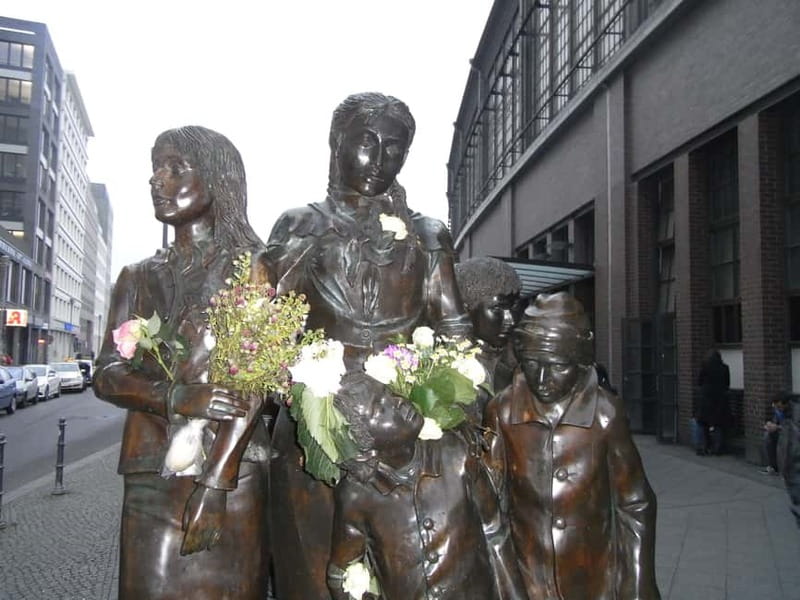
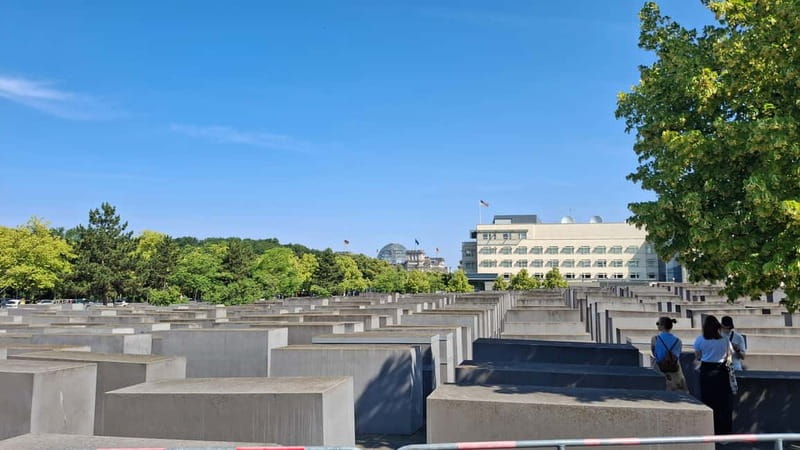
You begin with a guided visit to the Holocaust Memorial, and that framing matters. This site is visually powerful on its own, but the value of a guide is that you understand what the forms represent and why they were placed where they are. You do not want to treat it like a photo stop. You want to treat it like a place of remembrance, with time to absorb the message.
Then you move to Bebelplatz, another site where Berlin history is physically in front of you. This is the kind of stop that benefits from explanation because it connects ideology to actions. The Nazis targeted ideas, texts, and people tied to Jewish life and other groups they wanted to erase. When you understand that, Bebelplatz stops feeling like a random square and starts feeling like a historical hinge point.
A good private guide makes these stops feel less overwhelming. Instead of throwing names and dates at you, Nadav Jacob can connect the story threads: Jewish life across Europe, the long struggle for rights in Germany, and the brutal break that comes with Nazi power. That flow helps you follow the timeline without feeling lost.
If you are someone who prefers more silence at memorials, you can still do that here. Just communicate what you need. A private setting makes it easier for your guide to adjust the pacing so you do not feel rushed into the next location.
The Block of Women, Hackescher Markt, and Haus Schwarzenberg: from persecution to everyday life
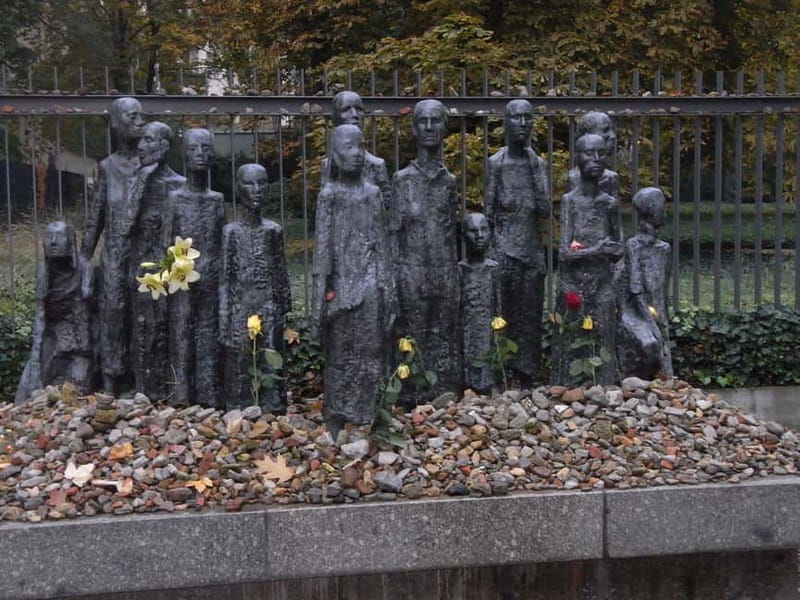
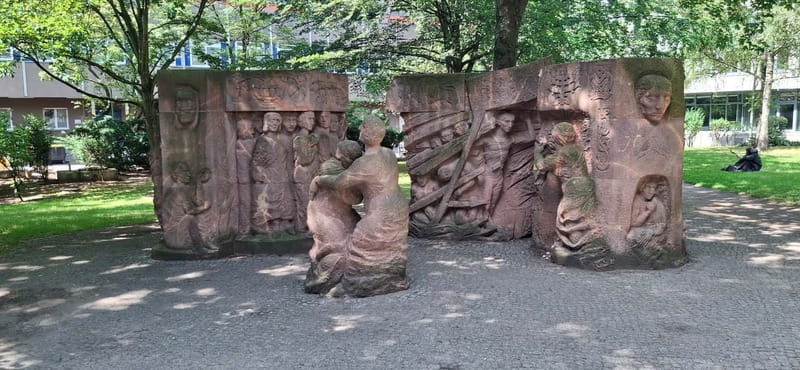
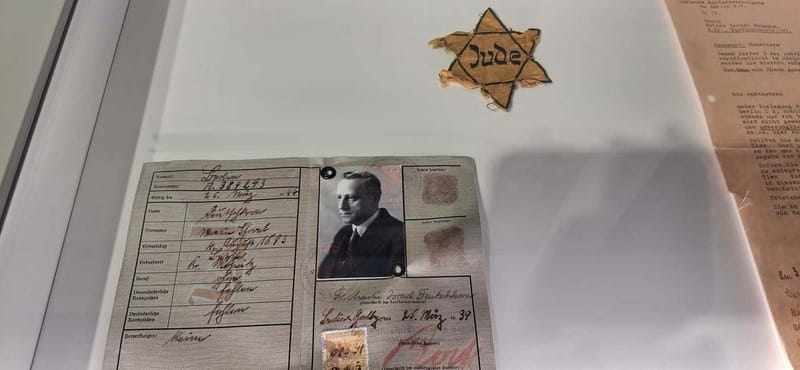
After the major remembrance stops, the tour shifts toward the places that show how Jewish life existed in Berlin as a lived reality, not just a tragedy. One of the stops is the Block of Women, which focuses attention on women within the context of Nazi persecution. You are not just learning that violence happened. You are learning how it affected specific groups within the targeted population.
Next comes the walk around Hackescher Markt, a neighborhood area that helps you picture the geography of daily life. This is where historical context turns into something you can visualize. Even if you have seen Berlin buildings before, having a guide explain what the streets meant for Jewish residents helps the city become more legible.
From there, you visit Haus Schwarzenberg. This stop is useful because it keeps the tour from becoming purely memorial-focused. It ties back to the old Jewish quarter and helps explain how Berlin’s Jewish community shaped culture and public life at different points in time, before Nazi rule fractured it.
This is also where the guide flexibility really helps. In one account, the tour was adapted so the group saw places they had not been to before. That kind of tailoring matters in Berlin, where two people can walk the same blocks but miss totally different layers of meaning. A private tour gives you the chance to see more of what matters to the Jewish story, not just the most obvious sites.
Otto Weidt Workshop and the Grosse Hamburger Strasse Cemetery: human choices and lasting presence
One of the most memorable parts of this tour is the visit to the Otto Weidt Workshop for the Blind. The workshop is famous because it connects occupation and vulnerability with moral action. In practice, this stop is valuable for a simple reason: it keeps the Holocaust story from being only about victims. You also learn about how individuals tried to help people when the risk was extreme.
The workshop also changes the emotional pace. Memorials can feel heavy and abstract, even with good explanation. But a workshop gives you a different lens, one rooted in real work life and real decisions. That can make the learning feel more complete without turning it into a “lighter” topic.
Then you head toward Grosse Hamburger Strasse Cemetery, with a walk that gives you a chance to slow down. Cemeteries can be hard to absorb if you treat them like sightseeing. But with a guided approach, the cemetery becomes part of the continuity of community, identity, and remembrance across generations.
This is the kind of stop I like to recommend to people who want more than headlines. It shows how the Jewish community’s presence in Berlin was not temporary. It left a physical, lasting mark. And it helps you understand why modern Berlin still returns to these places when it talks about identity and memory.
Another way to spend a Berlin afternoon:
- Berlin: Reichstag, Dome and Government District Guided Tour
★ 4.7 · 18,288 reviews - Berlin: 1-Hour City Tour by Boat with Guaranteed Seating
★ 4.3 · 16,993 reviews - Berlin: TV Tower Standard Entrance Ticket
★ 4.4 · 15,883 reviews - Berlin: Boat Tour Along the River Spree
★ 4.4 · 11,252 reviews
The New Synagogue Berlin Jewish Centre: what revived Jewish life looks like
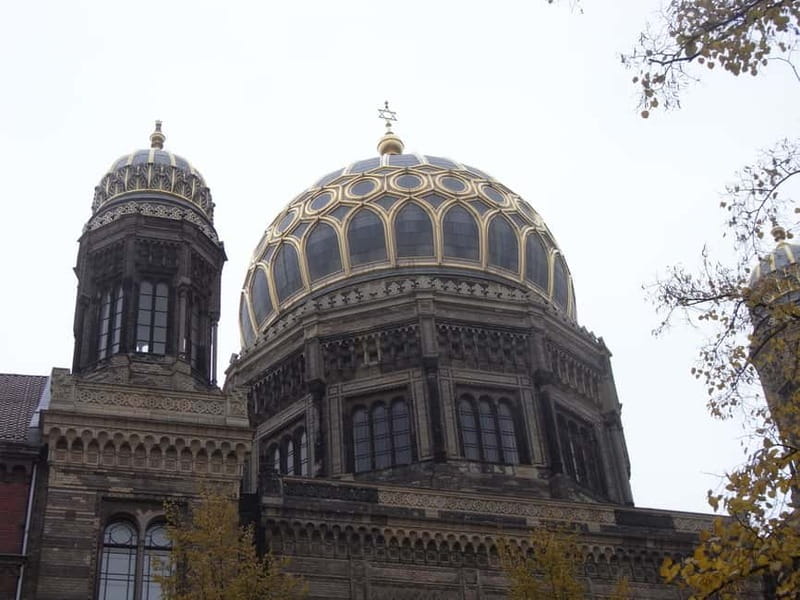
The tour ends with a guided visit to the New Synagogue Berlin Jewish Centre. This stop is essential because it shifts from the past to the present. The tour’s overall narrative includes the aftermath, including the attempt of united Germany to revive contemporary Jewish life. Standing at a living Jewish center is one of the most direct ways to understand that the story did not stop with World War II.
A guide helps you connect dots you might miss on your own. You learn how Jewish community life evolved and how new institutions fit into Berlin’s modern map. That matters because Berlin is full of layers, and without explanation it is easy to see only architecture or only memorials.
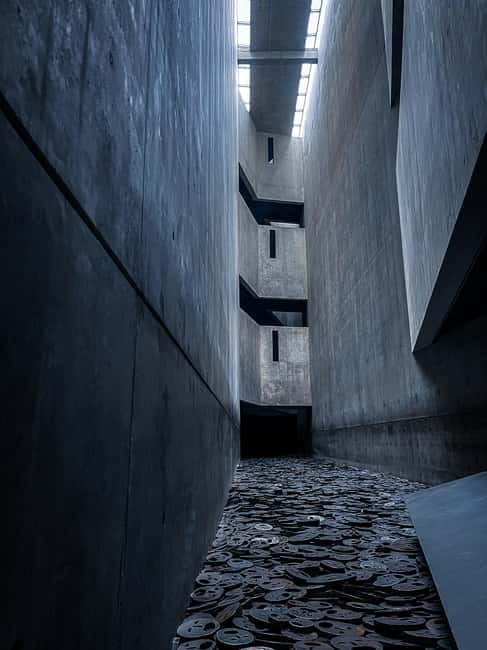
I also like that the route closes with something that feels forward-looking. Not in a way that minimizes the tragedy, but in a way that makes the overall arc make sense. You see the progression: rights and influence before the Nazi period, the break and destruction under Nazi rule, and then the rebuild after the war.
Price and logistics: is $314 per group good value?
Let’s talk money in real terms. The price is $314 per group up to 6 people for a duration of 150 minutes. If you fill the group to six, you are effectively paying about $52 per person. If it is just two of you, it is closer to $157 per person. So the value really depends on whether you travel with others.
What you are buying for that cost is not just entry to a handful of places. You are buying a private English-speaking guide, hotel pickup, and guided time at key sites tied to Berlin’s Jewish heritage and Holocaust memory. You are also paying for the ability to keep the day structured, so you do not have to stitch together multiple tours and transport plans on your own.
A couple of practical details matter. Public transport tickets are not included (listed as 3 to 6 euros). Also, the tour uses short transit connections, so build in the expectation of a bit of moving around, not just a sit-down museum experience. If you prefer to avoid walking, the company says arrangements can be made to travel by taxi, van, or subway between stops for an additional cost.
One more reason I think this tour fits the price point: it is a private group on a sensitive theme. You do not want to rely on self-guided explanations when the topics are heavy and easy to misunderstand. A good guide helps you stay oriented and respectful, and based on the guide descriptions, Nadav Jacob comes across as personable and flexible.
Who should book this tour, and who might want a different plan
This tour is a strong fit if you want a Berlin Jewish heritage day that is both educational and practical. It is best for people who like a guided timeline and want to see major sites without spending hours planning routes. It also fits travelers who care about the contrast between pre-war civic life, Holocaust memory, and the present-day community reality.
It may be less ideal if you want a super relaxed pace. At 150 minutes, the schedule packs several significant stops into a tight arc. One of the reviews indicated a wish to learn more, which matches the reality of any short, story-driven tour. If you love asking lots of questions or you want slower breaks at memorials, consider booking with the expectation that you may want to continue your reading or add time afterward.
If you are traveling with mobility concerns, you can still consider it. The tour is described as wheelchair accessible, and there are options to reduce walking by arranging taxi, van, or subway legs between stops. Just plan to mention your needs early so the route can be adjusted.
Should you book Berlin’s Jewish Heritage Private Tour with Jacob?
If you want one guided experience that connects Holocaust remembrance to Jewish life in Berlin, this is a smart way to spend about two and a half hours. The private guide, the respectful mix of memorials and community sites, and the route structure make it feel focused rather than random.
Book it if:
- You want a guided narrative across time periods, not just isolated landmarks.
- You are traveling in a small group and can split the group price.
- You prefer hotel pickup so your day stays easy.
Skip it or pair it with extra time if:
- You feel you need more than 150 minutes to absorb memorial spaces at your own pace.
- You want a deeper dive into one topic, like the detailed chronology of persecution or a longer study of one specific neighborhood.
If you do book, I’d suggest you come with one or two questions ready. A private guide setting is perfect for that, especially when the story is heavy and you want understanding, not just facts.
FAQ

How long is the Berlin Jewish Heritage Private Tour with Jacob?
The tour lasts 150 minutes.
Is this tour private?
Yes. It is a private group tour, with up to 6 people.
What language is the guide?
The live guide speaks English.
Where do you get picked up?
You are picked up from the reception of your Berlin hotel. You provide your hotel name when booking.
Are public transport tickets included?
No. Public transport tickets for the tour cost about 3 to 6 euros and are not included.
Is the tour wheelchair accessible?
Yes, the tour is wheelchair accessible.
Is there walking during the tour?
It is generally a walking tour, but the walking is described as manageable for people with mobility issues.
Can the tour be adjusted to reduce walking?
Yes. If you prefer to avoid walking, arrangements can be made to travel by taxi, van, or subway between tour stops, at an additional cost.
What does the tour cost?
It costs $314 per group, up to 6 people.
Is free cancellation available?
Yes. You can cancel up to 24 hours in advance for a full refund.
Fresh reviews out of Berlin
- Berlin Uncensored: A History of Sex & Freedom★ 5.0 · 50 reviews
- Berlin Food & Cultural Tour: Must-Try German & Berliner Classics★ 5.0 · 51 reviews
- English Comedy Show with Pizza and Shots in Central Berlin★ 4.5 · 51 reviews
- Rude Bastards Tour of Berlin★ 4.8 · 51 reviews
- Private Taxi Tour of Berlin East and West and Neighbourhood approx. 4-6h★ 5.0 · 55 reviews
- Rickshaw Sightseeing City Tours Berlin – Rikscha Tours★ 4.0 · 55 reviews
- Berlin: City Highlights Express & Panorama Roof Terrace★ 4.9 · 55 reviews
- Berlin during Nazism – Tour in Italian★ 5.0 · 56 reviews
Historical Tours, compared.
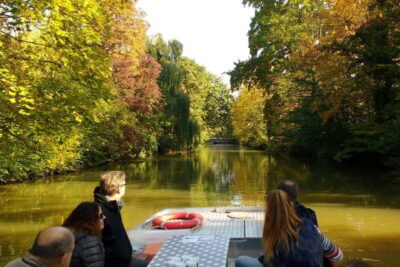
City History Canal Sightseeing Tour on a Motorboat
Read our review →

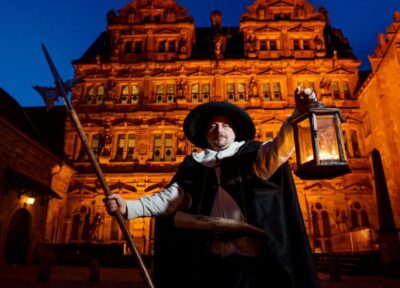
Night Watchman Historic Adventure Tour
Read our review →
Browse the lists this tour appears in