
Reviewed · HISTORICAL TOURS
Berlin Uncensored: A History of Sex & Freedom
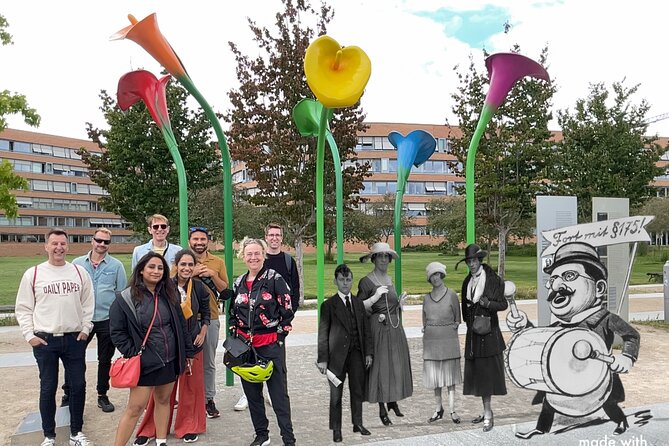
Berlin Uncensored is interesting because it connects sex, science, and civil rights to real Berlin street corners, not just ideas in a book. I like that it’s guided by Jeff, a sociologist and certified sex educator, who can explain the big themes without turning the walk into a lecture. I also like that the tour pairs on-the-ground stops with AR visuals and plenty of chances to ask questions. One drawback to plan for: this is adult-focused history, including Nazi persecution, so if you want light and fluffy sightseeing only, this probably won’t be your vibe.
The pacing is made for real conversation. With a maximum group size of 10, you’re not lost in a crowd, and Jeff can actually follow up when you ask something specific. If you bring the expectation of a thoughtful, respectful tour, you’ll get a lot more from the walk, even when the AR features occasionally feel like extra at a given moment.
Key takeaways before you go
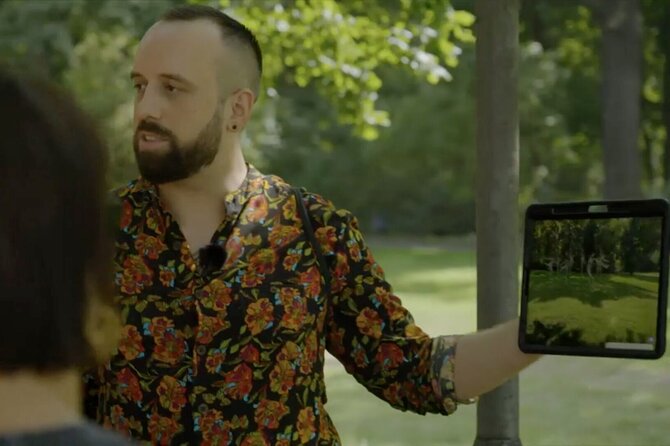
- Jeff-led Q&A: a sociologist and certified sex educator, tuned for questions and clarity
- Small group size: max 10 people means a more personal pace
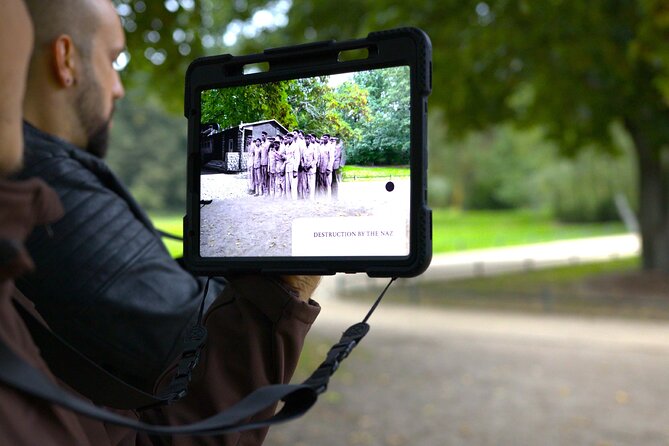
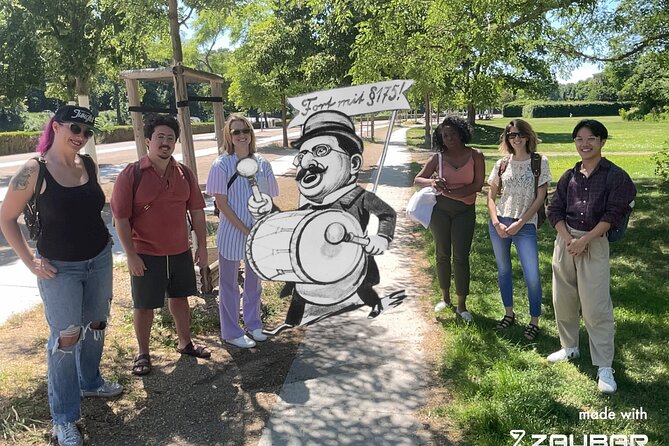
- AR + Mixies photos: history and visuals are supported with augmented reality and fun take-home images
- Stop-by-stop street history: Berlin’s sex culture is traced through FKK, queer communities, and Nazi repression
- Modern “what’s next” context: you’ll end with today’s nightlife and major events like Folsom Europe
Sex, freedom, and power: why Berlin tells this story
Berlin has a reputation for being open about sexuality, but the city’s story is not just about parties and progress. It’s also about institutions, laws, and the way power can either protect people or crush them. This tour frames sex as part of culture, part of science, and part of civil rights, which is why it feels relevant even if you never thought of yourself as a history person.
What makes it practical is how it stays grounded in locations you can find on foot. You’ll connect names you may have heard before, like Magnus Hirschfeld and Ernst Röhm, to the actual places linked to their era. And you’ll learn how the same city can shift from tolerance to repression, then back again, depending on who holds power.
More Historical Tours in Berlin
- Berlin: Natural History Museum Entrance Ticket
★ 4.6 · 3,382 reviews - Berlin: 3-Hour World Heritage Cruise to Potsdam
★ 4.5 · 1,569 reviews - Berlin: History of the Third Reich Guided Walking Tour
★ 4.7 · 791 reviews
Nollendorfplatz and Berlin’s FKK traditions
The walk starts around Nollendorfplatz, where you get a foundation for Berlin’s long relationship with nudism, often discussed under FKK (Freikörperkultur). The point here is not shock value. It’s how body freedom became a cultural movement, starting in the 19th century and still showing up today around Berlin’s lakes and parks.
Even if you don’t have personal interest in nudism, I like this stop because it sets up a core theme: sexuality and the body aren’t only “private.” In Berlin, public attitudes have been shaped by social movements, changing norms, and the idea of personal freedom.
Practical note: the tour is outdoors for a lot of the day’s logic, so dress for weather and expect walking time to matter.
Magnus-Apotheke and Magnus Hirschfeld’s Institute for Sexual Science
Next comes Magnus-Apotheke, tied to Berlin’s Institute for Sexual Science, founded by Magnus Hirschfeld. This is where the tour gets especially “how did we get here?” focused. You’ll hear about early work on desire, relationships, contraception, and gender identity, plus how serious research helped shape the conversation around sexual health.
The standout details include the invention of the rubber condom, early studies that relate to later erectile medication, and early gender affirmation surgeries associated with people such as Dora Richter, Lili Elbe, and Karl M. Baer. Then the story turns dark: in 1933 the Nazis destroyed the institute, cutting off momentum and erasing a revolutionary chapter.
Why it’s valuable for you: it shows that sexual freedom has a backstory in science and public policy, not only activism or nightlife.
The Monument to Homosexuals Persecuted Under the Nazis
At the Monument to Homosexuals Persecuted Under the National Socialist Regime, the tone shifts to state violence. You’ll learn how the Nazi regime censored sex, shut down erotic clubs, and outlawed sexual diversity. A key moment is the Night of the Long Knives, when Ernst Röhm was executed.
This stop also covers the wider pattern of persecution that extended to LGBTQIA+ people, sex workers, and those labeled “degenerate.” Many were arrested and sent to concentration camps, marked with pink triangles. The tour explains how that symbol was later reclaimed by the LGBTQIA+ rights movement.
If you’re expecting a purely celebratory tour, this is the section where it becomes a serious historical reckoning. I appreciate that the tour treats the subject with care and respect.
Another way to spend a Berlin afternoon:
- Berlin: Reichstag, Dome and Government District Guided Tour
★ 4.7 · 18,288 reviews - Berlin: 1-Hour City Tour by Boat with Guaranteed Seating
★ 4.3 · 16,993 reviews - Berlin: TV Tower Standard Entrance Ticket
★ 4.4 · 15,883 reviews - Berlin: Boat Tour Along the River Spree
★ 4.4 · 11,252 reviews
Kurfürstenstraße and Berlin’s pre-Nazi sex district
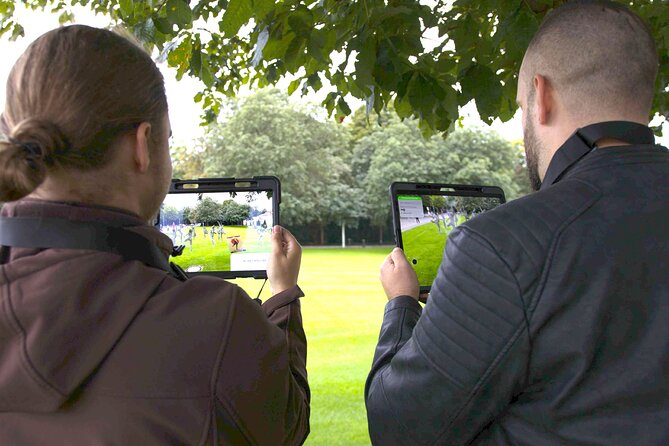
Kurfürstenstraße brings you to a Berlin before the Nazis shut the door. Here the focus is on the city’s thriving sex life and diverse nightlife, including prostitution practiced openly and underground fetish and kink culture that existed long before it went mainstream.
This stop can feel like a time capsule. You’ll walk through locations associated with a wide range of desires, from brothels to hidden offers that reflect how broad Berlin’s nightlife was becoming in earlier decades. It also helps you understand something important: freedom has forms, and in Berlin those forms included venues, scenes, and communities.
A consideration: if you’re sensitive to explicit adult-history topics, keep in mind that this tour stays honest about what existed, including coercion-adjacent realities that come with sex work and criminalization in general.
Schwerinstraße 9 and lesbian nightlife at Toppkeller
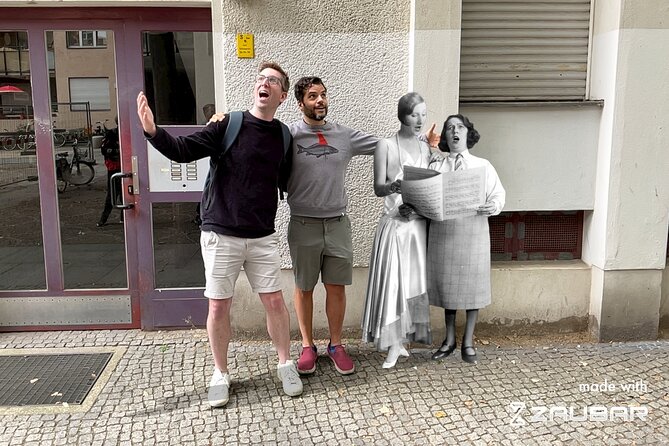
At Schwerinstraße 9, the tour shifts to a lesbian Berlin that had one of the most thriving communities worldwide in the early 20th century. You’ll visit locations tied to that subculture, including the famous Toppkeller, described here as a meeting place for women who pushed against societal norms.
You’ll also hear how cabaret and music supported identity, including stories connected to Claire Waldoff and her lesbian identity, plus the Lavender Song lyrics as part of the atmosphere. Josephine Baker also comes up, with attention to both adoration in Berlin and racial discrimination during her time there.
Why this stop works: it shows queer history in a layered way. It is not only about politics. It’s about art, social life, and how entertainment created spaces for belonging.
Christopher Isherwood’s Berlin, and why Cabaret starts here
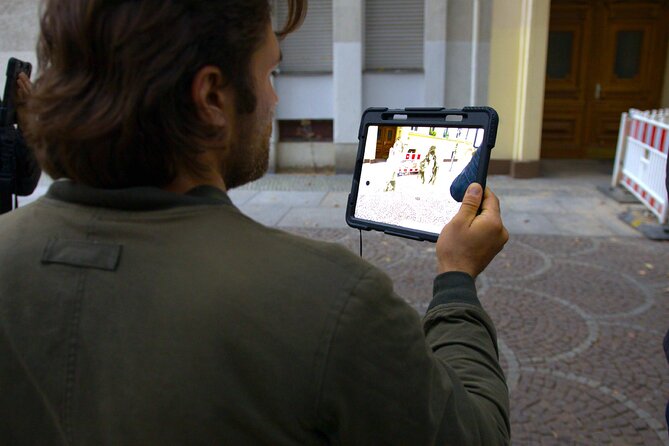
One of the most interesting segments is at the residential building associated with Christopher Isherwood. In the 1920s and early 1930s, Berlin attracted gay men from across Europe, and Isherwood captured the feel of that world better than most.
You’ll walk through areas tied to where he lived and socialized, with his memoirs used as a window into Berlin’s sexual nightlife and freedoms. Those writings later influenced adaptations that you may recognize, including Cabaret.
This stop is useful because it connects literature to place. You’re not just learning dates. You’re tracing how a writer watched a city and turned it into a story that kept spreading long after the atmosphere changed.
Denns BioMarkt and the Eldorado Club story
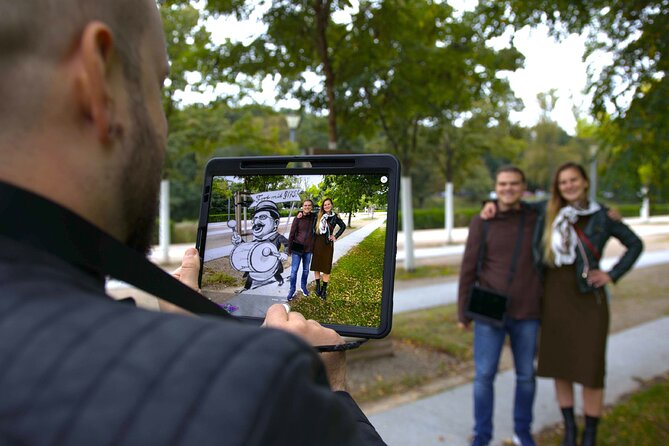
At Denns BioMarkt, the tour brings you to the Eldorado Club, a famous nightlife meeting point in 1920s Berlin. The club is described as a place where drag performers and sexually open individuals gathered, even with reports that high-ranking Nazi officials frequented it before the crackdown.
One name you’ll hear connected to the club is Ernst Röhm, and you’ll also learn about a journalist from the US magazine Vogue visiting and naming a drag queen as the most beautiful woman in Berlin. Then, as with other parts of the tour, the story turns: the Nazis shut down symbols of “degeneracy,” and venues like this became part of the lost world.
Practical tip: if you like nightlife history, this stop delivers more than you might expect. It explains how openness can be both real and fragile.
East vs West Berlin: the Wall as the condom of the GDR
After WWII, Berlin split into East and West, and so did attitudes toward sexuality. The tour uses the Internationale Stele GEGEN DAS VERGESSEN to set up that contrast in a grounded way.
In West Berlin, you’ll hear that a sexual revolution took hold, leading to more open attitudes toward relationships, pornography, and alternative lifestyles. In East Berlin, freedom was restricted in many ways, but public nudism (FKK) became incredibly popular.
You’ll also hear about how the Wall was referred to as the condom of the GDR, and how a conservative politician saved thousands of lives during the AIDS crisis. No matter what your personal views are, the point is clear: political ideology can shape health outcomes, social rules, and public behavior, sometimes in unexpected ways.
Nollendorfplatz today: Berghain, KitKat, and Folsom Europe
The tour closes at Nollendorfplatz again, but this time with today’s Berlin. Now the story is about why Berlin remains one of the most sexually open cities in the world, especially in nightlife.
You’ll hear about Berghain, including its strict no-photo policy, plus other major names like KitKat Club, Insomnia, and Lab.Oratory, where electronic music and sexual exploration blend in a club culture setting. The tour also covers Folsom Europe as the largest fetish festival in the world, bringing thousands of visitors to Berlin each year.
I like ending here because it helps you connect history to modern choices. You’re not stuck thinking the story ended with the Nazis or WWII. You see how culture continues, and how communities still use spaces to define identity and freedom.
Price, timing, and what you should expect on the walk
This tour costs $82.90 per person and runs about 3 hours 30 minutes. That is not a budget morning activity, but you are paying for a very specific package: a guided walking experience led by Jeff, plus AR elements, Mixies personalized photos, and access to 200+ rare historical photos, videos, and archival materials. On a time-per-hour basis, it’s roughly in line with other guided experiences in Berlin, and the AR and media content make it more than just a standard history walk.
It also helps that the group stays small, max 10 people. That matters when the subject is sensitive and when you want answers that fit your questions. Even in English, the guide’s role as a certified sex educator is what keeps the explanations grounded and clear.
You start at 2:00 pm at Alnatura Super Natur Markt, Else-Lasker-Schüler-Straße 18, 10783 Berlin, and the tour ends back at the meeting point. It’s near public transportation, so getting there is usually easy.
What to bring: wear comfortable walking shoes, and plan to buy coffee or tea if you want a break, since drinks are not included.
Should you book Berlin Uncensored?
Book it if you want Berlin history that treats sex and sexual science as part of real society, real politics, and real lives. You’ll get a guided, question-friendly walk led by Jeff, and the mix of FKK traditions, Hirschfeld’s institute, Nazi persecution, and today’s club culture gives you a full arc instead of scattered facts. The strong sign to me is that the tour’s tone is respectful and trauma-informed, not performative.
Skip it if you want a light nightlife stroll only, or if explicit adult-history topics and Nazi-era persecution are hard for you to handle. And if you know you hate AR features, be aware some parts can feel like extra, even when the visuals help.
If you’re curious about how a city’s freedom can expand, contract, and change shape over time, this is one of the more direct ways to understand it on foot.
Fresh reviews out of Berlin
- Berlin Food & Cultural Tour: Must-Try German & Berliner Classics★ 5.0 · 51 reviews
- English Comedy Show with Pizza and Shots in Central Berlin★ 4.5 · 51 reviews
- Rude Bastards Tour of Berlin★ 4.8 · 51 reviews
- Private Taxi Tour of Berlin East and West and Neighbourhood approx. 4-6h★ 5.0 · 55 reviews
- Rickshaw Sightseeing City Tours Berlin – Rikscha Tours★ 4.0 · 55 reviews
- Berlin: City Highlights Express & Panorama Roof Terrace★ 4.9 · 55 reviews
- Berlin during Nazism – Tour in Italian★ 5.0 · 56 reviews
- Tours & Sightseeing in English of Berlin, Potsdam and Sachsenhausen★ 5.0 · 56 reviews
Historical Tours, compared.
City History Canal Sightseeing Tour on a Motorboat
Read our review →
Night Watchman Historic Adventure Tour
Read our review →
Browse the lists this tour appears in